.png)
.png) 1 month ago
18
1 month ago
18
One of my biggest disappointments with the AAA video game industry is the lack of originality in its ideas, as most games seem stuck with the same old concepts.
For this reason, I've increasingly focused on indie titles, since the absence of expectations of massive profits and the lack of external pressures allow for a much more robust and exciting creative expression.
 Related
10 Best Indies of the 2020s (So Far)
The current decade has shown us that independent developers have nothing to envy in terms of quality compared to any other type of project.
Nevertheless, this doesn't mean there aren't big-budget productions that, from time to time, take risks outside conventional standards to distinguish themselves from the rest, reminding us of the golden age of video game development.
Therefore, if you're like me and crave experiences that feel fresher than the norm, I invite you to read this list of the ten best AAA games in genres dominated by indies.
10 Prince of Persia: The Lost Crown
Ubisoft's Salvation
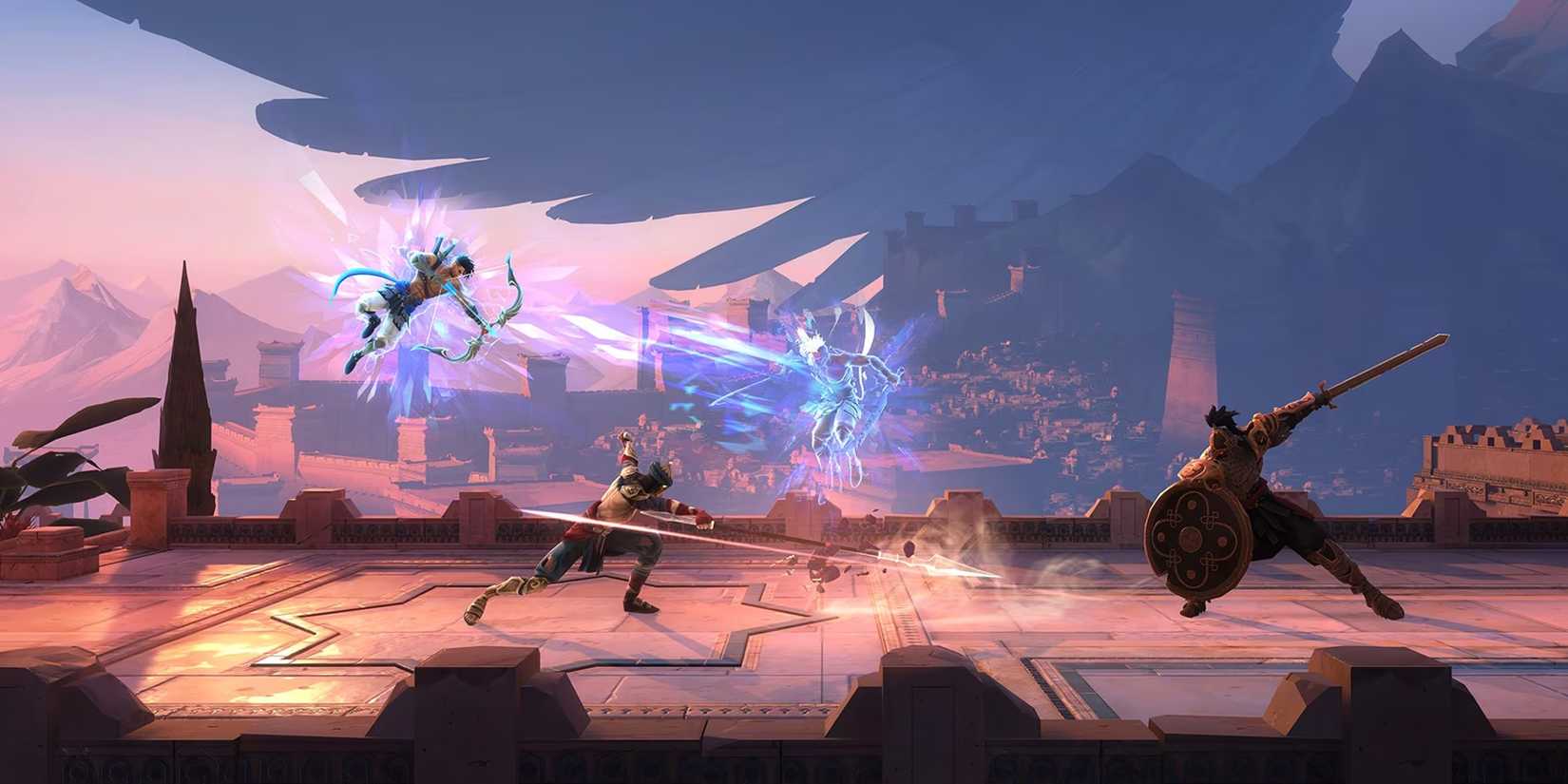
While Prince of Persia: The Lost Crown comes from Ubisoft, calling it a AAA title might be debatable, but I'll make an exception for one simple reason: it's the game that makes me believe the French developer can make a comeback.
The Metroidvania genre has become a haven for indie developers of all kinds, and seeing a company of this magnitude participate in it, following its established style and conventions instead of trying to impose its own, is truly fascinating, especially given its attention to detail.
Prince of Persia: The Lost Crown boasts a level of meticulousness and depth only possible thanks to the resources of its creator, resulting in pristine audiovisuals and superb gameplay where combat and exploration truly shine, particularly due to the legacy of the series it belongs to.
Considered by many to be among the finest games in the genre's history, it not only breathed new life into an IP that had been struggling to find its footing, but it also serves as a reminder that there is still plenty of talent within Ubisoft; it just needs to be properly focused.
9 Marvel's Midnight Suns
Cards, Turns, and… Marvel?!
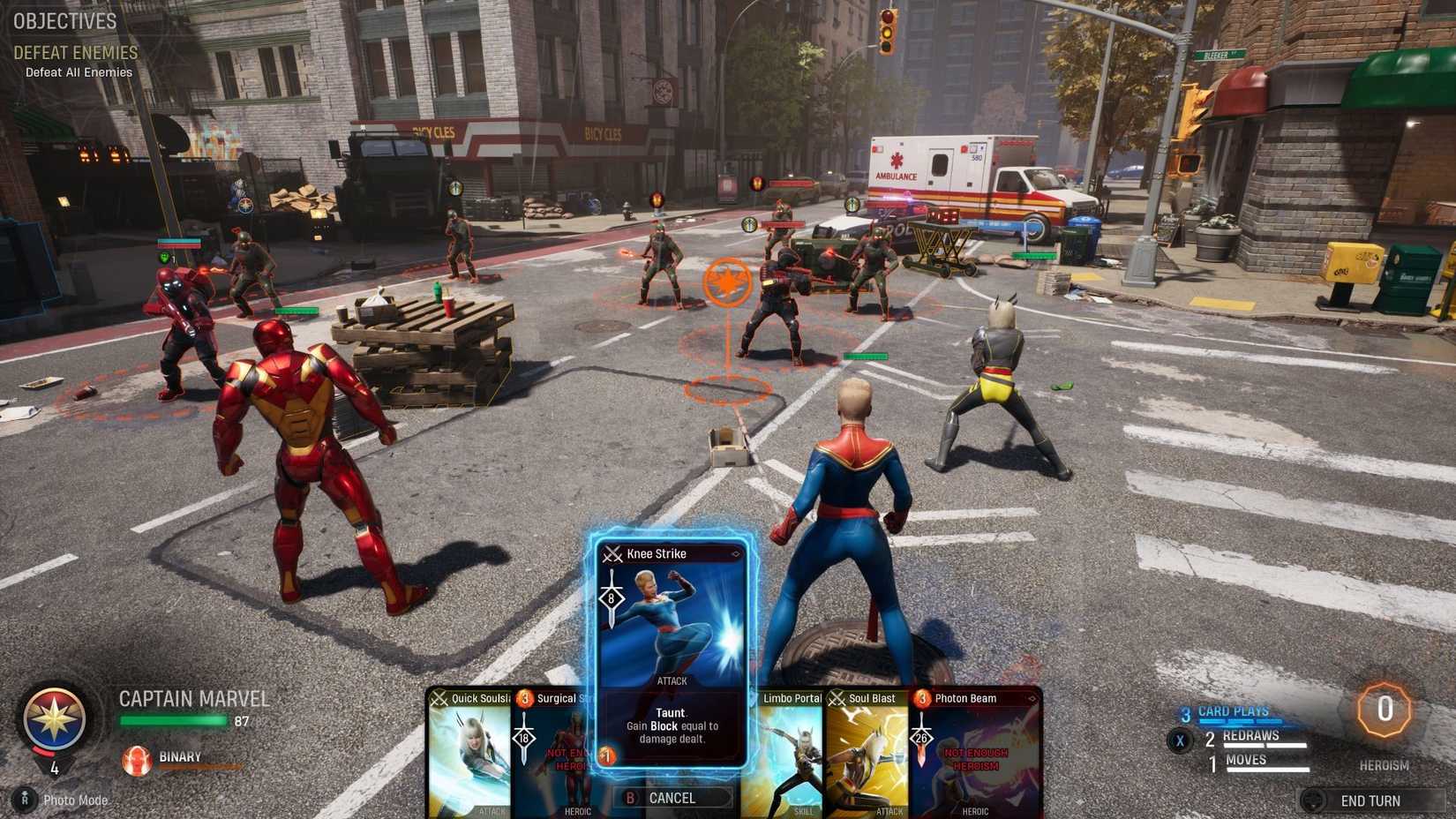
Aside from a couple of specific examples, card games have been part of the indie scene for many years, which makes the existence of Marvel's Midnight Suns all the more surprising.
It's one thing to have titles like Marvel Snap trying to capitalize on multiplayer and microtransactions, and quite another to create a single-player experience based on the IP's universe that consists of building decks to employ turn-based mechanics.
Both concepts are so unusual within AAA products that, honestly, I thought I'd misunderstood when the project was announced, but playing it firsthand made me feel like I was enjoying an indie game with a ton of licenses.
Certainly, I find it inferior to most of the genre's independent creations I've played, though that doesn't change the fact that Marvel's Midnight Suns is a fantastic anomaly that I highly recommend everyone check out.
8 Disney Dreamlight Valley
A Cozy Lineage
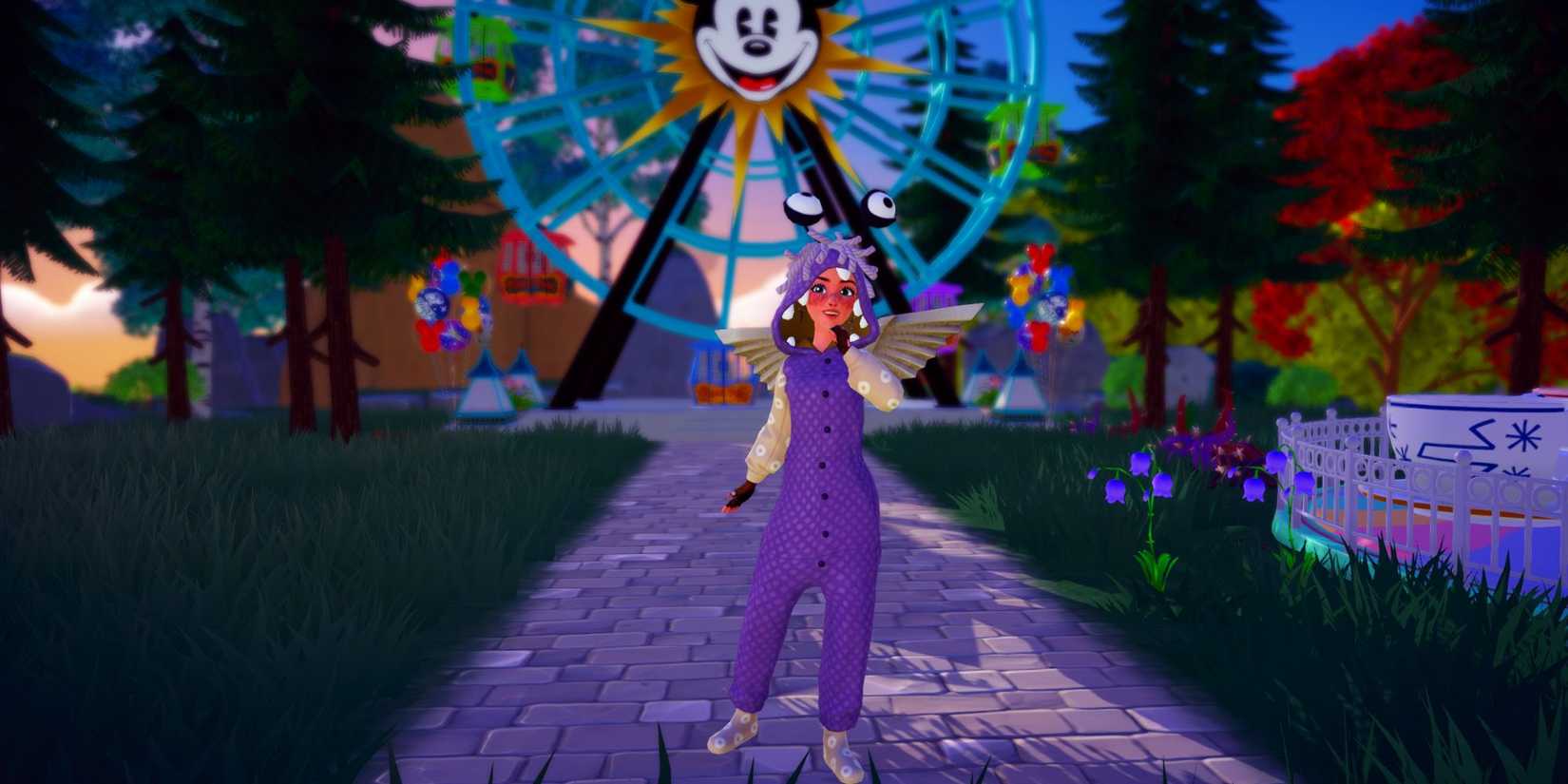
I don't remember how many years have passed since big companies saw life simulators as a money-making machine, though Disney Dreamlight Valley vividly reminds me of those distant days.
 Related
8 JRPGs Where the Main Character Feels Less Important Than the Rest of the Party
This doesn't mean they are bad protagonists, but rather that the side characters steal the spotlight.
Currently, the whole cozy aesthetic is completely monopolized by indie games, but Gameloft was granted the right to pursue it and deliver a title that, surprisingly, works perfectly.
With familiar Disney faces, the gameplay concept of building a neighborhood alongside the characters who shaped your youth is hard to resist, and it definitely works phenomenally well even without considering the collaborations.
With extensive customization, a much less aggressive monetization approach than the developer usually employs, and an effective ability to entertain while capitalizing on nostalgia, Disney Dreamlight Valley is a fantastic option to have a cozy adventure.
7 Prey: Mooncrash
Ever-changing Simulation
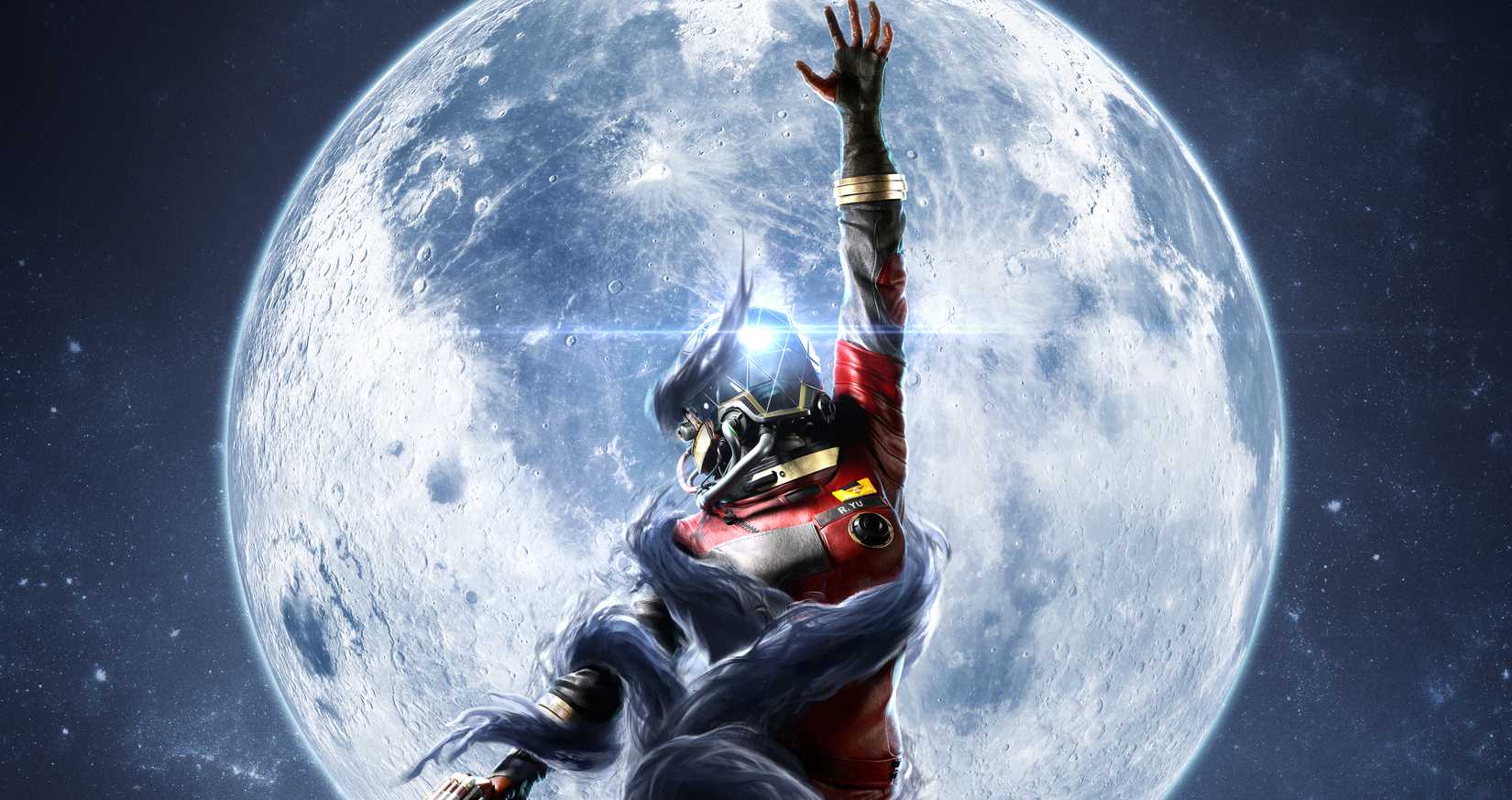
Even before the genre experienced a tremendous surge in popularity, Prey: Mooncrash was already making the roguelike philosophy a true marvel, a game to sink all your free time into.
If the base game is a masterpiece of immersive simulations, its expansion extended the title's lifespan by leveraging its unique gameplay mechanics to make procedural generation a brilliant choice.
Weapons, characters, objectives, and challenges change in a DLC that, while primarily focused on gameplay, also makes a valuable narrative contribution to the world created by Arkane Studios, whose atmosphere remains consistently wonderful.
If I never tire of recommending Prey, it's now crucial I start speaking equally highly of Mooncrash, as it's surprising how effectively a content add-on can keep you hooked for hours.
6 Metroid Dread
Taking Back the Baton
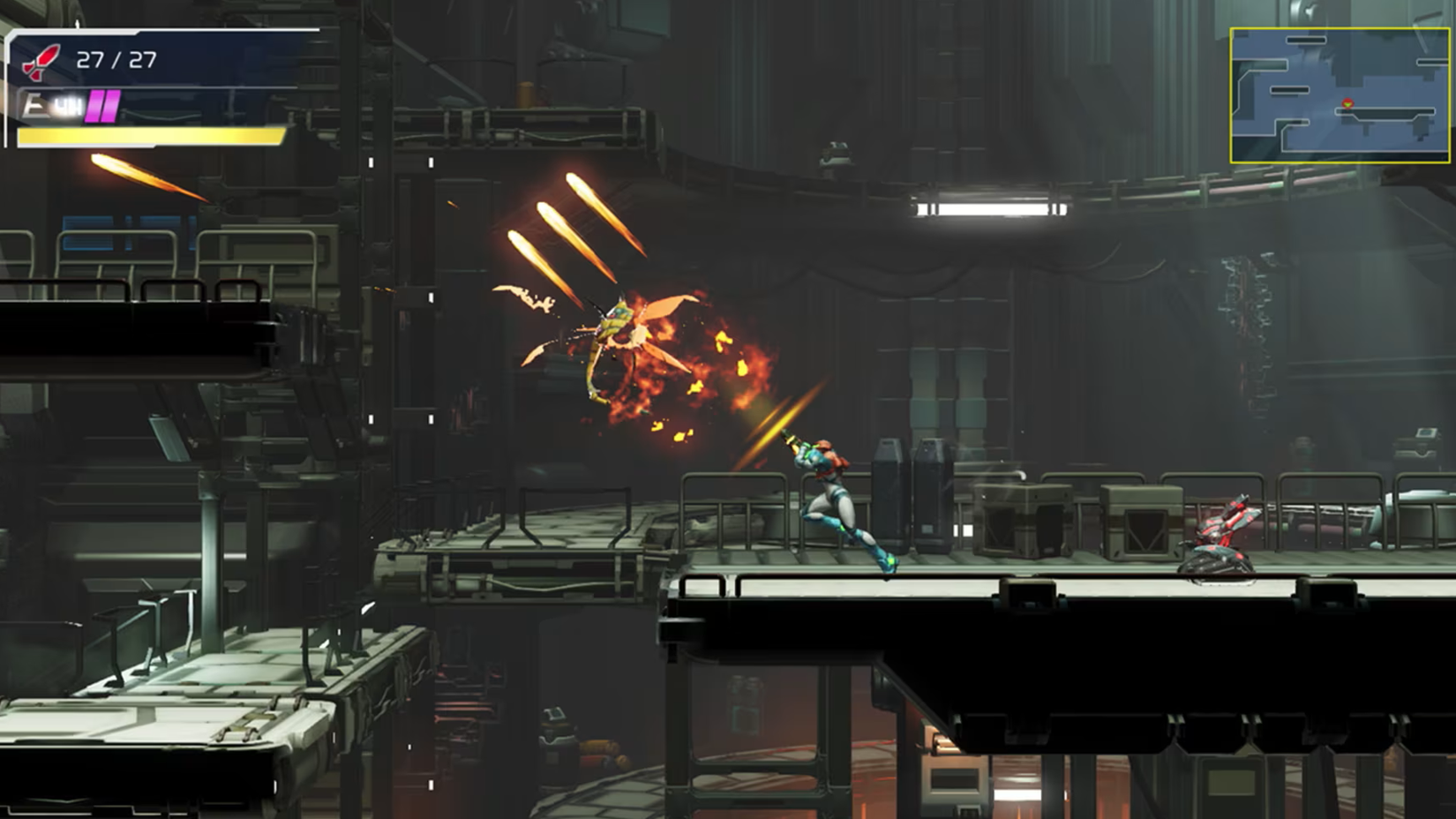
Unlike Prince of Persia: The Lost Crown, which shifts genres and follows the path laid by indie games in its interpretation, Metroid Dread has Samus Aran picking up the mantle that once belonged to her, and doing so in the best way possible.
With no one to follow but the legacy that precedes it, MercurySteam crafted the franchise's return to its original essence in the most modern, creative, and elegant way possible, doing a phenomenal job of reminding us why the genre bears half its name.
After Metroid Prime: Federation Force, Nintendo had a significant debt to settle, and while Metroid: Samus Returns was good enough to consider it paid, the 2021 Game of the Year contender was the necessary confirmation that the series was better than ever.
Unfortunately, Metroid Dread is rarely discussed as an impressive representative of the genre, both because it's from the pioneers and its exclusivity to Nintendo Switch, but don't doubt for a second that it's a Metroidvania as outstanding as the most popular ones.
5 Astro Bot
Putting Things in Their Place
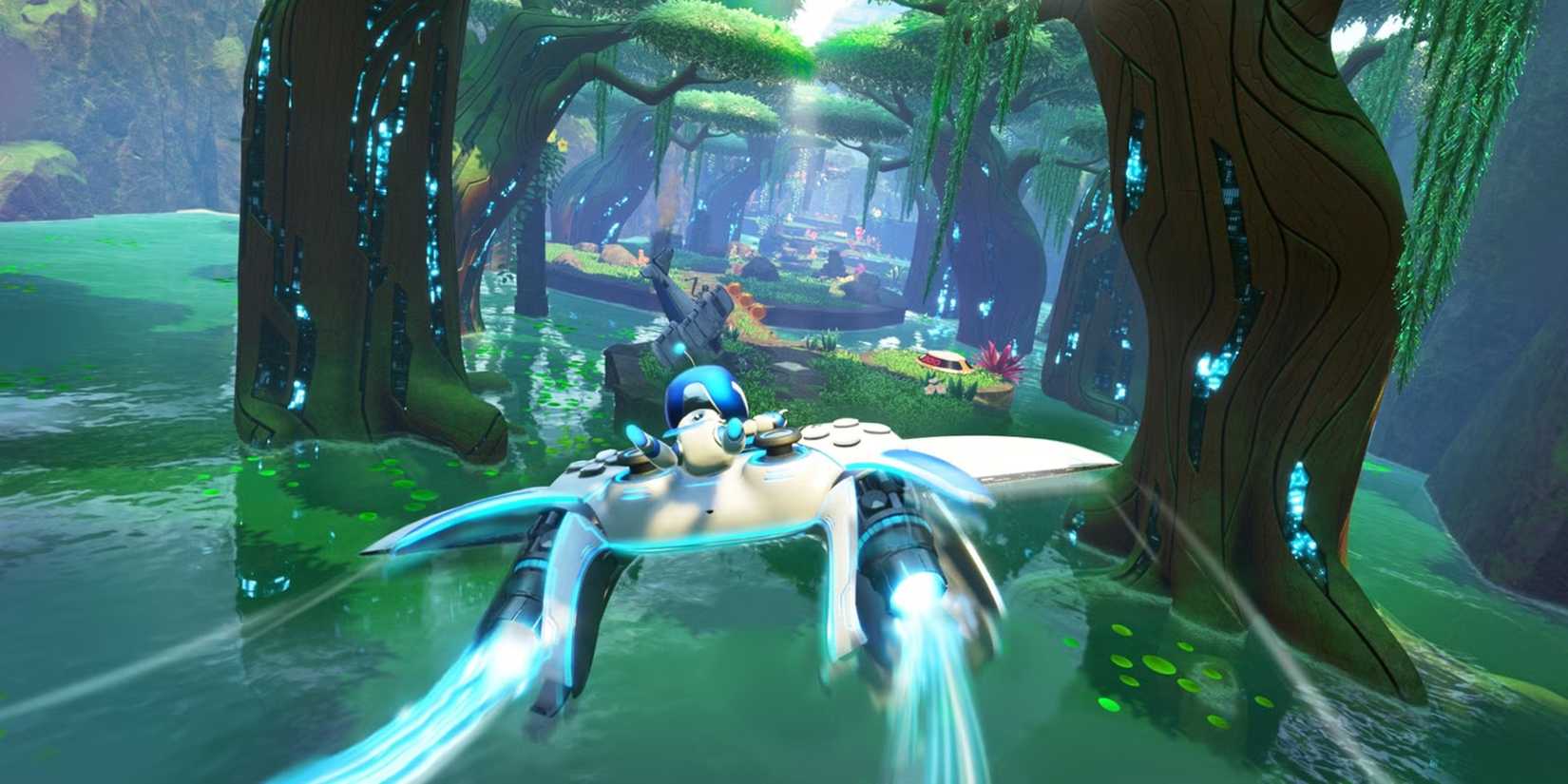
For decades, platformers were synonymous with video games at their finest, with all the major companies creating titles in the genre in countless ways. However, games like Astro Bot have become, to this day, an exotic phenomenon.
 Related
10 Open-World Games Where You’re Actually the Villain
These open-world games let people play as the villain and sow chaos across gigantic maps.
Long gone are the generations where multinational corporations focused on platforming as their products' core, and even further gone are the adorable and colorful aesthetics surrounding a game with just one intention: to entertain.
Modern AAA games have to be realistic, mature, deep, and complex, but Astro Bot rejects all those conventions to create a vibrant world, both audiovisually and in terms of gameplay, that recalls the interactive medium in its purest form.
Of course, I myself am a big fan of the idea of video games as something more than just a form of entertainment, but seeing Astro Bot stand out so much in a genre that has become almost exclusively populated by indie games is quite gratifying.
4 Returnal
A Hell of Procedural Bullets
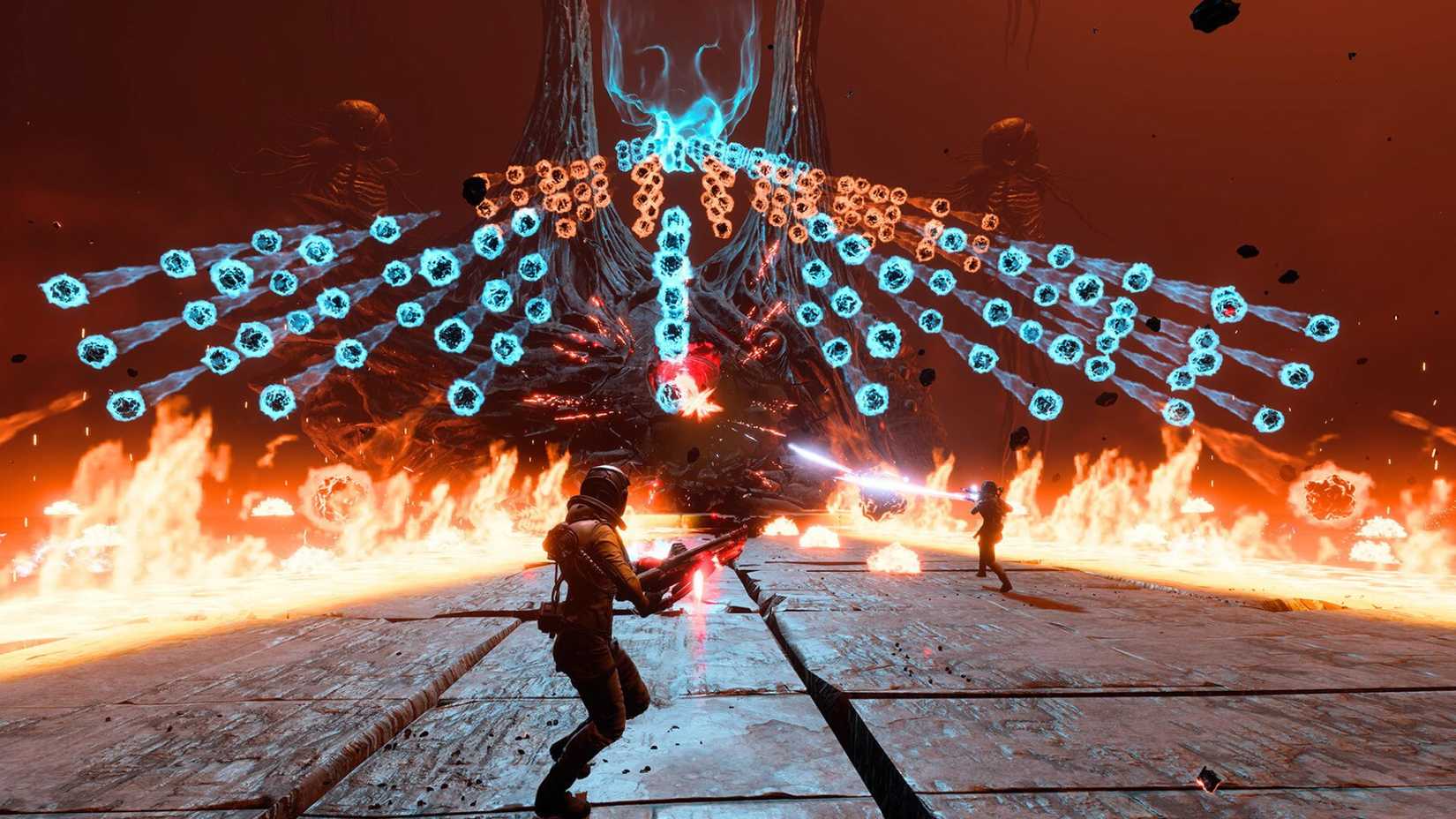
Although roguelikes are a genre that most AAA developers shy away from, bullet hells are an even more extreme case, making it all the more surprising that Returnal, formerly a PlayStation exclusive, opted to combine both in a third-person shooter.
The very concept seems like something a lone developer with a shoestring budget would attempt, yet Housemarque managed to create one of the most outstanding first-party games of the entire generation, establishing itself as part of the finest works in its genre.
It was never intended for big awards' ceremonies or the mainstream audience, but rather for that niche of players who had never seen a roguelike or bullet hell with such high production values, and it was a hit in a way that, so far, only Saros has replicated.
Returnal is the kind of game that makes me stand up and applaud because, unlike many on the list, it's not a long-running franchise that returned to its roots or a spin-off, but a full-fledged attempt to capitalize on two of the most important genres in the indie scene, which is very daring.
3 NieR: Automata
A Bizarre Soul
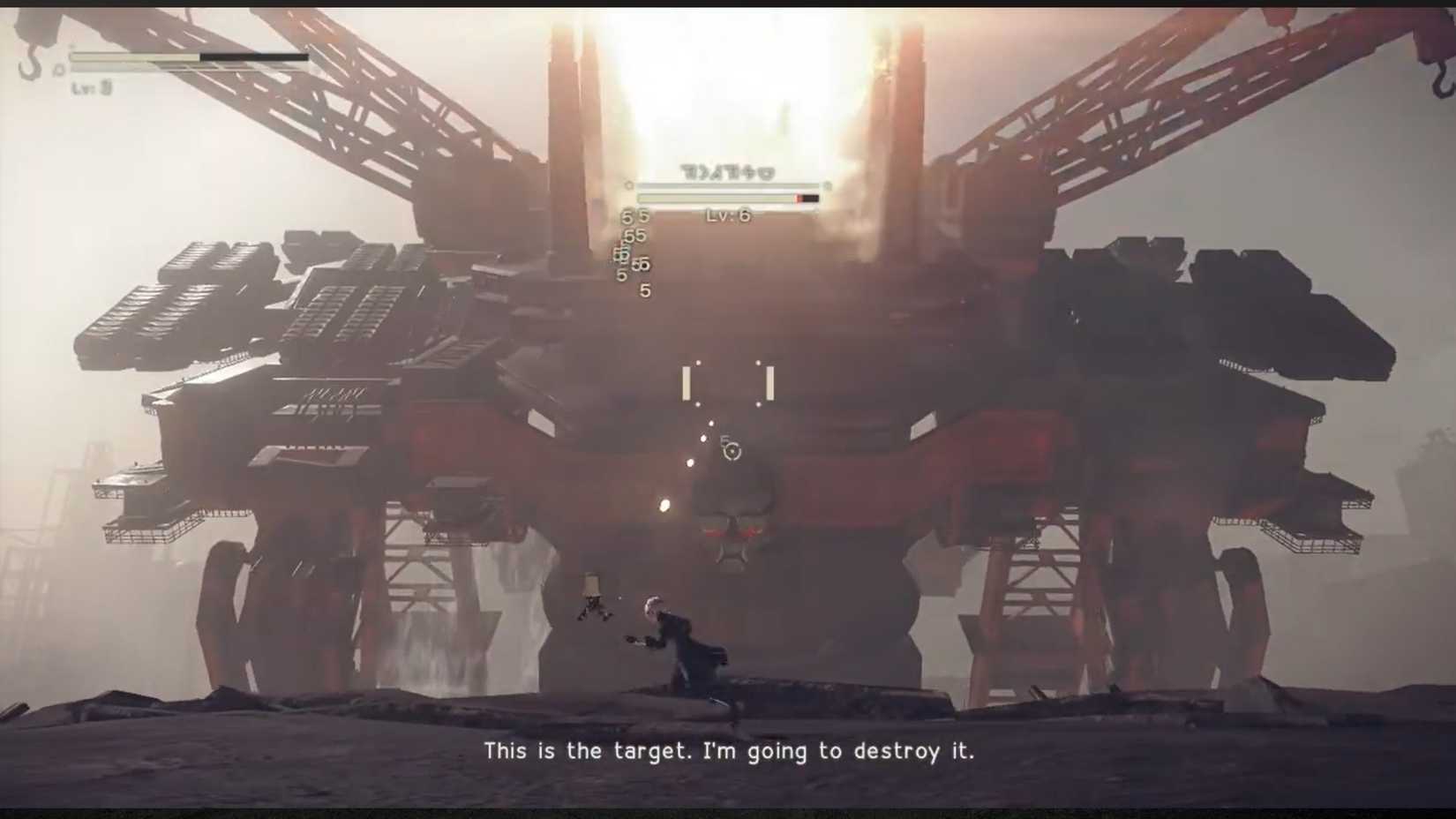 YouTube via SphericAlpha
Absolutely every pixel of NieR: Automata screams indie, given its bizarre existence. From gameplay to narrative, there's nothing truly conventional about PlatinumGames' creation.
Neither open worlds nor hack-and-slash games are genres dominated by indie developers, but what they do dominate are bullet hells, shifting perspectives every few minutes, and breaking the fourth wall as if their lives depended on it.
Going from a melee action game with RPG mechanics to a spaceship minigame, a visual novel, and a 2D platformer within just a few hours is something that doesn't happen with AAA experiences. In fact, if you exclude NieR: Automata, these design choices are only seen among the most experimental titles.
The best part is it works perfectly well, because NieR: Automata is a masterpiece that is as fun as it is emotional and memorable, so it is not a case that stands out only for being unique but also for being wonderful at its uniqueness.
2 Baldur’s Gate 3
This is What a Real Party Looks Like
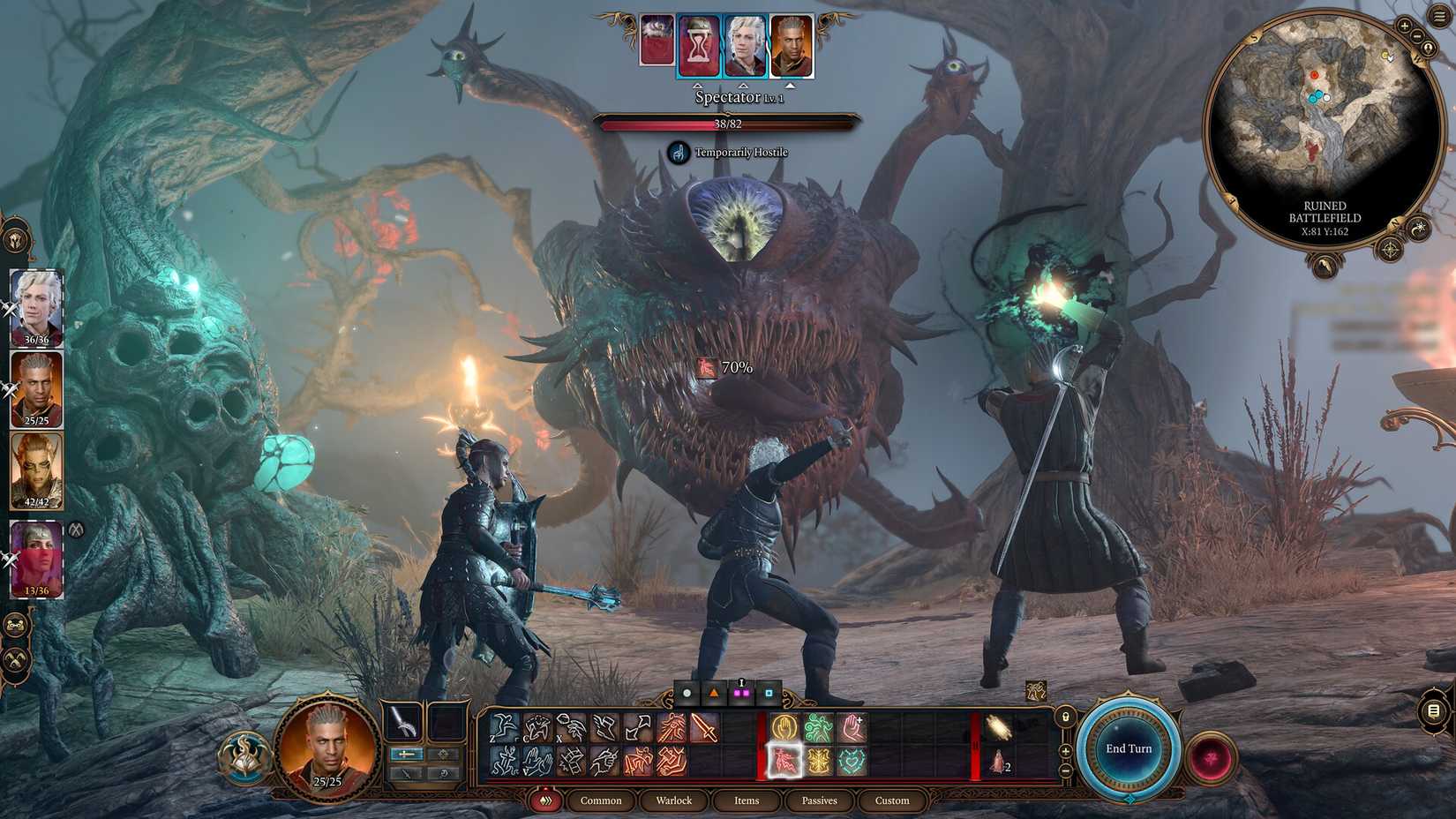
As with platformers, party-based games have become increasingly rare outside of indie studios, so you can imagine the frenzy when Baldur's Gate 3 arrived to turn the world upside down and become one of the decade's biggest hits.
Medieval RPGs are plentiful, but the specific combination of turn-based combat, decision-making, and party management is something that, aside from Larian's own creations, hasn't been seen regularly since the rise of console generations.
And there are exceptions, of course, but most of these formulas remained within the indie ecosystem precisely because of how difficult it was to create a AAA title that appealed to a mainstream audience and was financially viable while being faithful to its inspirations.
Therefore, the excellence of Baldur's Gate 3 is even more significant, as it brought renewed attention to a genre that contributed greatly to the video game industry but was largely forgotten once it expanded exponentially.
1 Death Stranding
Only Hideo Kojima Could Do This
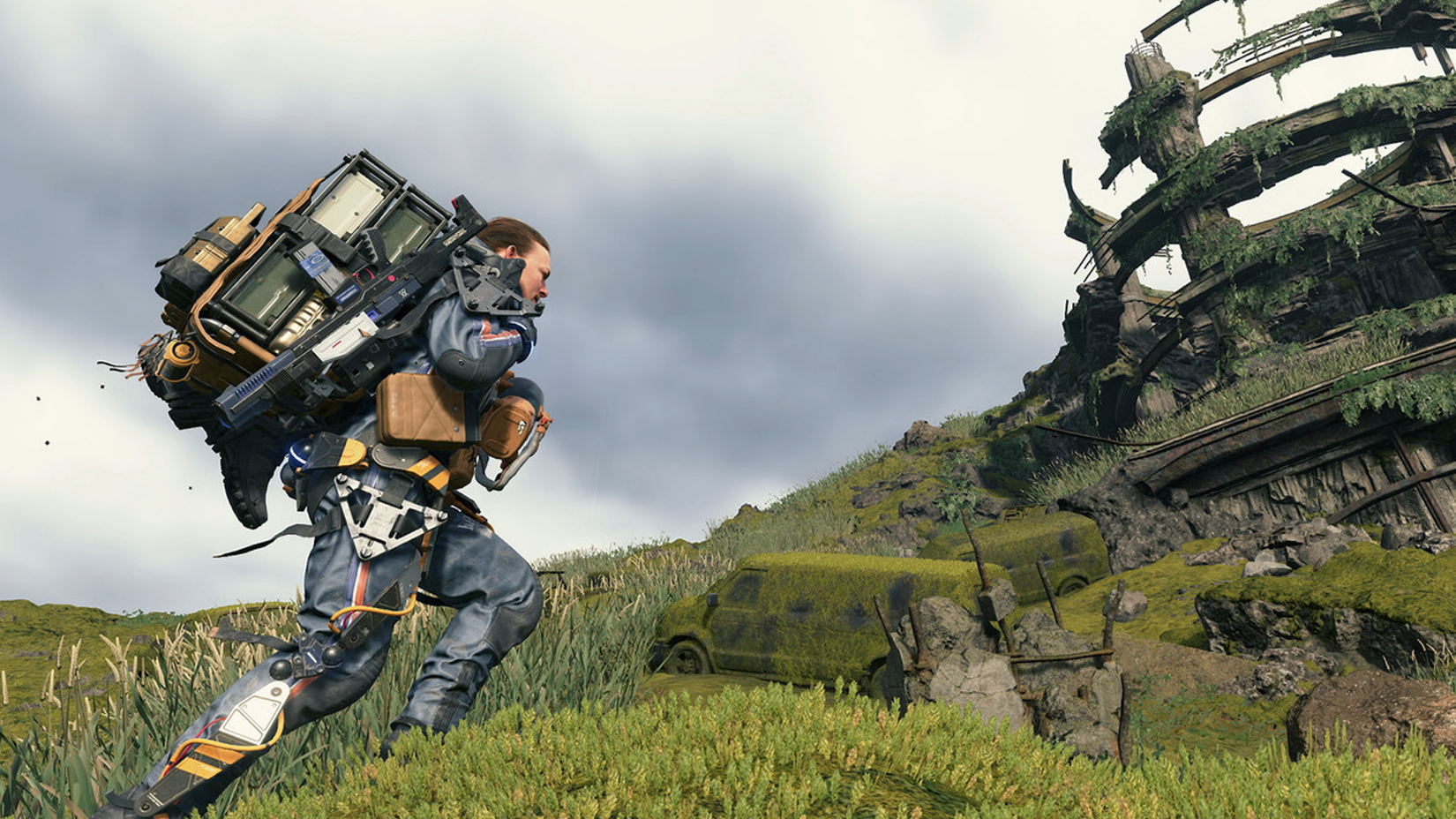
Of all the genres that have emerged or been revitalized within the indie ecosystem, walking simulators are the last ones I would have expected to see replicated in AAA games, but Hideo Kojima's genius achieved just that with Death Stranding.
Clearly, reducing Sam Porter Bridges' odyssey to just a walking simulator is to give in to the jokers who say it's only a delivery simulator, since it's an obvious open-world action-adventure game with combat, driving, stealth, and resource management.
That said, it's also true I can't think of a better reference point for Kojima Productions than the feelings resulting from games where the destination lies in the journey, both metaphorically and literally, given this is a game mainly about walking.
If you add to that Kojima's typical quirks, such as the emotionally bizarre story, weird dialogues and jokes, constant breaking of the fourth wall, and obsessive emphasis on ludonarrative coherence, it's easy to understand why it feels more like an indie game than a AAA title.
Death Stranding has more in common with the peculiarities of independent developments than with the comforts of blockbuster productions, and if most large companies tried the same thing as this game, it's evident to me that the industry would be a much more exciting place.
 Next
Next
10 Video Game Franchises That Could Replicate Prince of Persia’s Rebirth
A spin-off through another perspective is what they need to revitalize their unfortunate present.




![ELDEN RING NIGHTREIGN: Deluxe Edition [FitGirl Repack]](https://i5.imageban.ru/out/2025/05/30/c2e3dcd3fc13fa43f3e4306eeea33a6f.jpg)
 English (US) ·