.png)
.png) 1 day ago
3
1 day ago
3
Fighting games are one of the bedrock genres of gaming as a whole. They almost single-handedly carried the highs of the arcade era in the 80s and 90s, and while they’ve had their recessive periods like the mid-2000s, they’ve never gone away entirely. That’s why it warms my old heart to see fighting games thriving in the modern age, with not just consistent big and small new releases, but seeing some of them really take off in their own right and become staples of the FGC.
 Related
10 Best Fighting Games With High Replay Value
These 10 fighting games are the best to come back to and fight through solo or against friends time and time again.
The 2020s may only be a little over halfway over, but in just these scant few years, a rainbow of new fighters have appeared, from independent shots at established formulas to heavy hitters from long-standing franchises. Next to the absolute highs of the arcade era, I genuinely don’t think there’s been a better time to get into fighting games, and we have these particular games to thank for it.
This list was written in June 2026. If something amazing came out after, it’s not our fault.
10 Mortal Kombat 1
Not Perfect, but Still Pretty Great
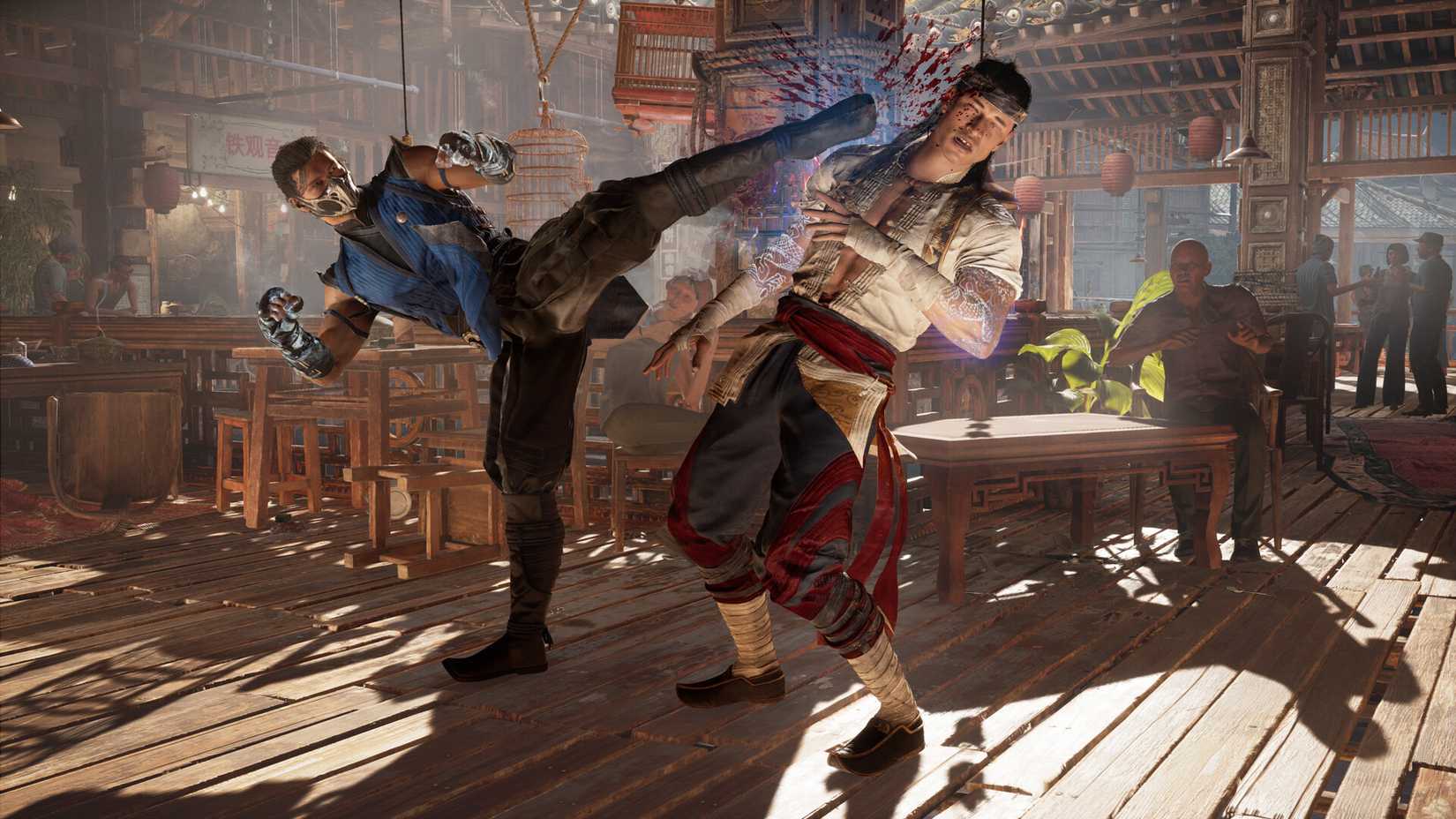
Mortal Kombat is in an interesting place right now, with Netherrealm raking in enough cash in its various releases over the years to amp up both the visual quality and secure more wild crossover potential. The franchise’s story is kind of all over the place, but I think that's just one more thing that's fun about Mortal Kombat 1.
MK1 carried over most of the mechanics and gameplay features from MK11, including Netherrealm’s now-signature cinematic story mode, though the big change was the Kameo system, where every character got a partner who could pop up for various assist attacks. The game did get a not-unwarranted amount of flak for its aggressive monetization policies, not to mention the fact that the Switch port ran like doody. Still, it was that monetization that let me watch Omni-Man brutalize Homelander, and boy if that doesn’t put a big ol’ smile on my face.
9 Fatal Fury: City of the Wolves
Bring on the Buster Wolf
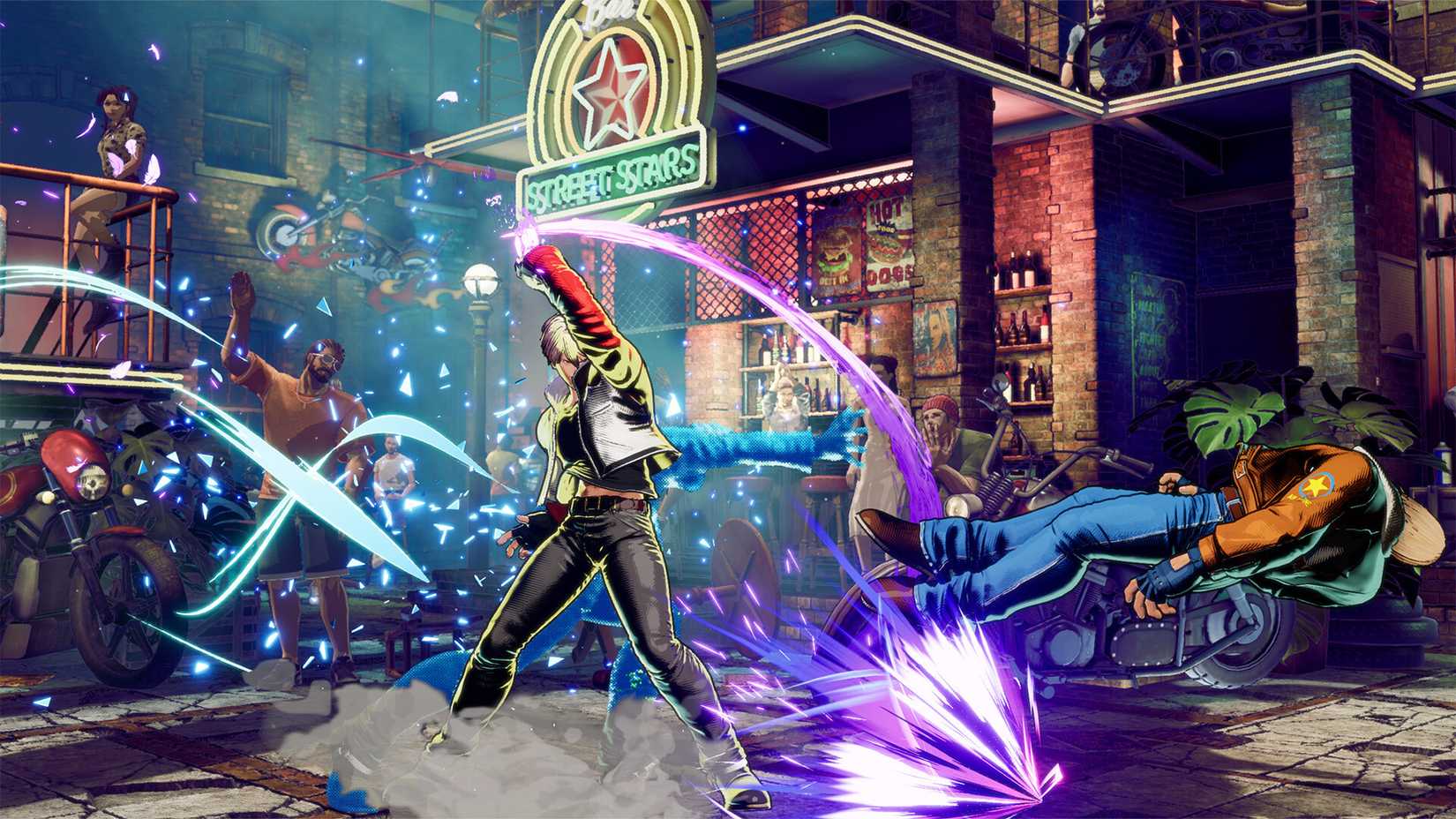
Fatal Fury: City of the Wolves
SNK’s primary fighting game franchise is The King of Fighters, but before KoF became its own thing in 1994, it was originally a crossover between SNK’s first IPs, Fatal Fury and Art of Fighting. Fatal Fury, in particular, gave us the wonders of Terry Bogard and his iconic Buster Wolf, but the series had been dormant for many years due to internal problems. That changed in 2025 with Fatal Fury: City of the Wolves, the first new title in the series since 1999.
City of the Wolves refined several mechanics from earlier Fatal Fury games, particularly its two-meter super system for activating various types of Gear super move. The new addition was the Rev system, which allowed you to modify your moves in various ways to make them stronger, put more distance between you and your opponent, and others. The game had a healthy roster of classic characters, though it also added real-life footballer Cristiano Ronaldo and DJ Salvatore Ganacci. That was certainly… a choice, but it also added Kenshiro from Fist of the North Star, so, y’know, net-zero.
8 Slap City
Don’t Let Smash have All the Fun
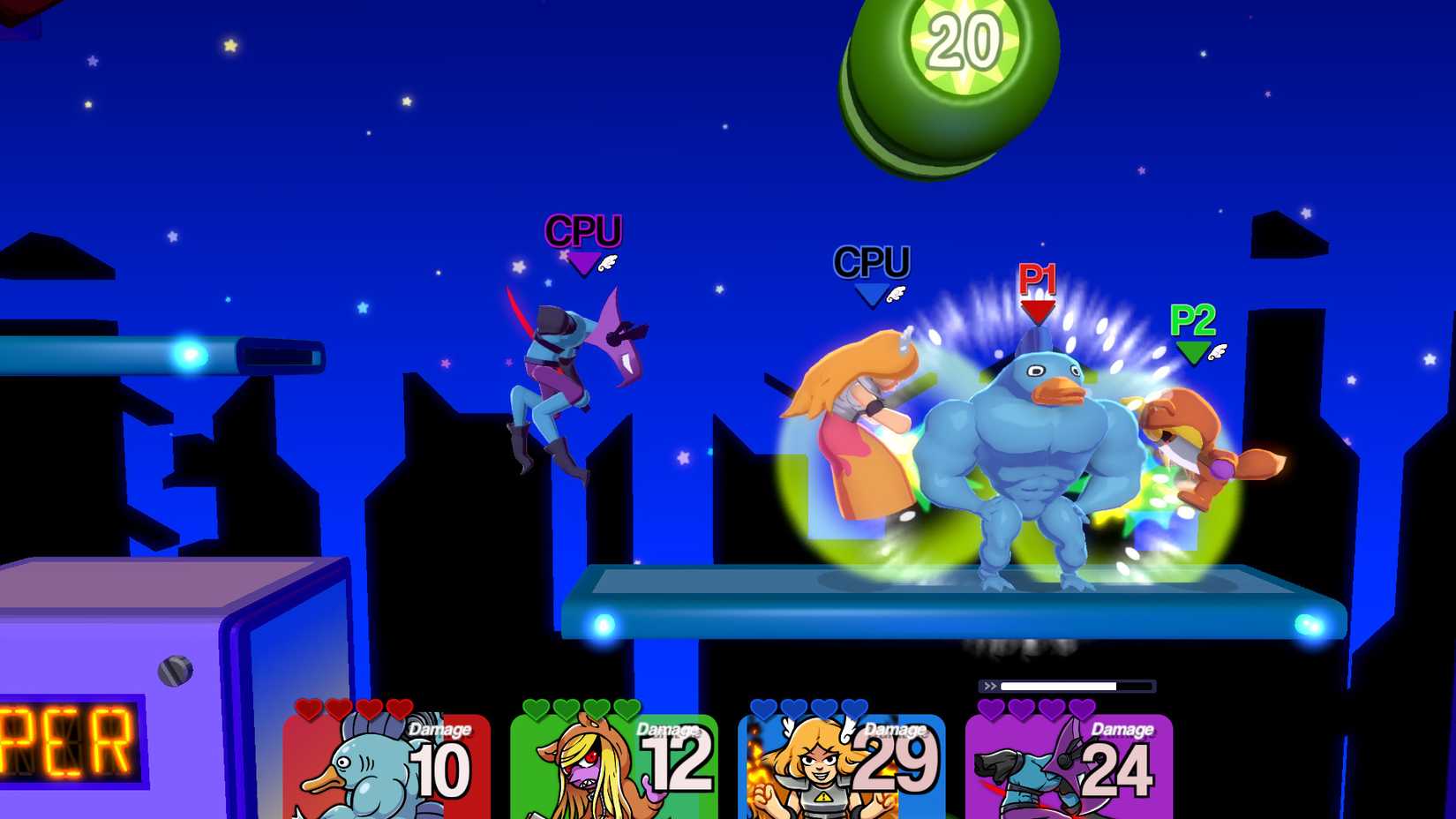
Nintendo has something of a monopoly on the beginner-friendly platform fighter subgenre, obviously popularized by Super Smash Bros. However, it’s within this particular subgenre that the indie scene has made some interesting strides into the fighting game genre, with one of the biggest success stories being Slap City.
Slap City originally launched in Early Access in 2017, but its full release was in 2020, so it still counts for this list. The game pulls its stages and roster of 11 from developer Ludosity’s other works to create a fighting system that’s both heavily reminiscent of Smash while being pleasantly distinct in elements like inputs and physics, particularly the Clutch button that can alter move properties differently for each character. The full release also featured local and online play, both casual and ranked, and a full story mode, which was quite ambitious for an indie game. The reception was so positive that Ludosity also got to contribute to Nickelodeon All-Star Brawl, another attempt at the platform fighter subgenre, though Slap City was still its best work.
7 The King of Fighters XV
SNK Going Strong
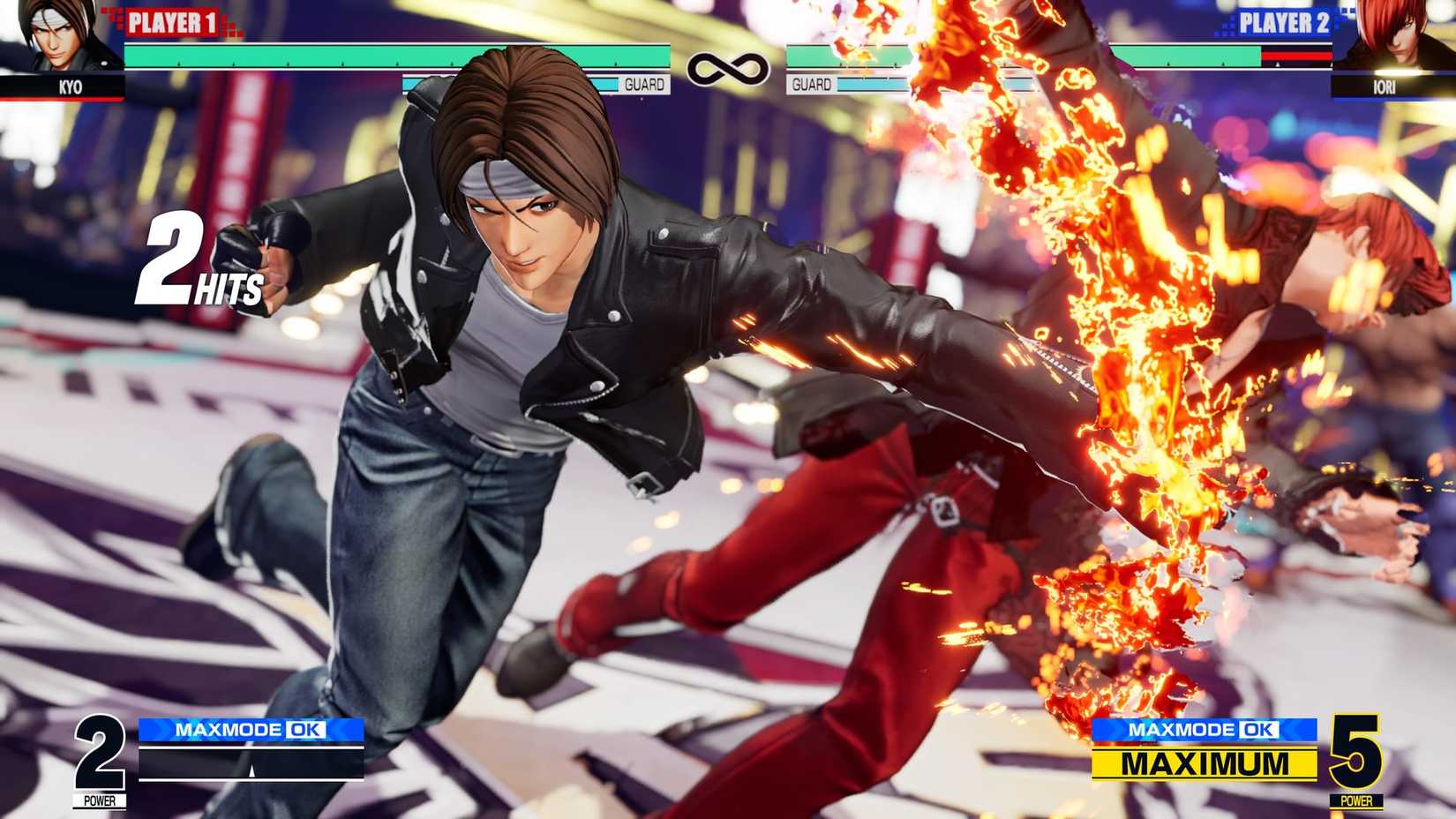
King of Fighters, while not to the same extent as other major fighting game franchises, had managed to maintain a presence in the FGC over the last 20 years or so thanks to its enduring legacy and generally fun gameplay. That said, in order to stand out in what was gradually becoming a more competitive sector, KoF needed some fresh blood, which is when we got The King of Fighters XV in 2022.
As is customary for the series, KoF XV is still a team-based fighting game, opting for a 3-on-3 format. It’s still got a big emphasis on highly mechanical, technical gameplay, particularly with elements like the Shatter Strike parry system, though it also added a new auto-combo Rush system to help newer players ease into things. The game was mostly intended to be played online, but it also had some offline stuff to enjoy, including both a story mode and a special Boss Challenge mode where you could, among others, battle Omega Rugal from KoF ‘95.
6 Melty Blood: Type Lumina
From Humble Origins to Major Sensation
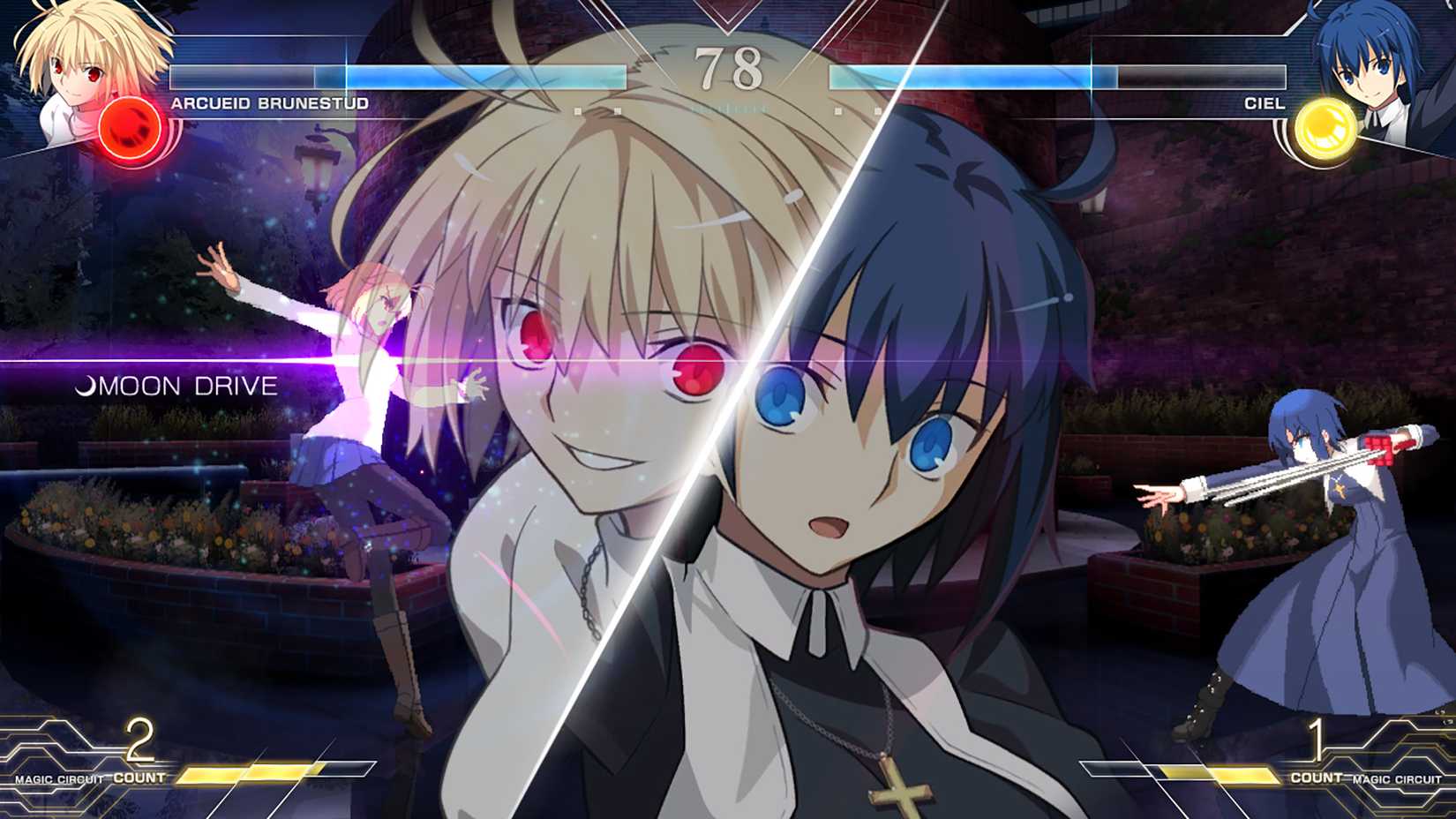
Way back in the early 2000s, Type-Moon teamed up with doujin circle French-Bread to create Melty Blood, a fighting game based on the former’s Tsukihime visual novel. It was a big hit in the indie import scene thanks to its big roster and deep mechanics, so I guess it wasn’t particularly surprising that French-Bread got the lightning to strike twice with Melty Blood: Type Lumina in 2021.
Type Lumina is also based on Tsukihime, specifically the remade version that came out in Japan that same year. It has most of the same roster and carries over most of the mechanics, while adding a few new touches like auto combos and the New Moon system, plus some quality-of-life tweaks pulled from French-Bread’s other major fighting IP, Under Night In-Birth. The reception to the game was a little middling in the western market, but on its home turf of Japan, the game did major numbers, and it was even included in EVO 2022.
5 Granblue Fantasy Versus: Rising
Even a Gacha Game can Become a Fighter
Granblue Fantasy Versus: Rising
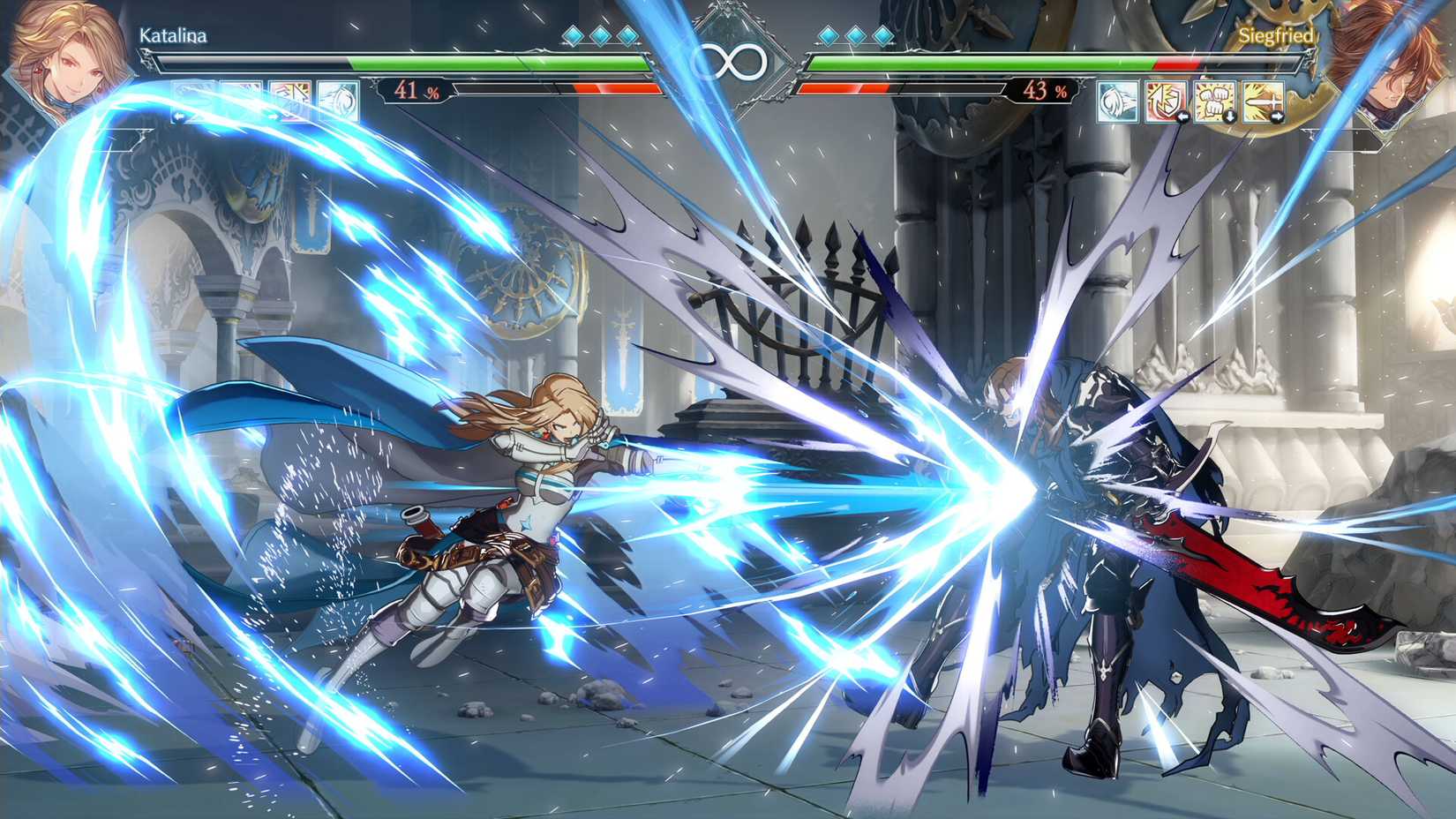
Arc System Works has managed to become one of the definitive developers of modern fighting game experiences. If you want your IP to have a fighting game and can’t do it yourself, you get Arc Sys to do it. Case in point, gacha game Granblue Fantasy got its own Arc Sys fighting game in the form of Granblue Fantasy Versus, which was refined further into Granblue Fantasy Versus: Rising in 2023.
 Related
10 Most Revolutionary Fighting Games Every Fan Needs to Experience
Fighting games have a long and fascinating history, held up by these classic games.
Rising took both the mechanics and roster established in its predecessor and elaborated upon both. It added several more base roster characters and gradually rolled out DLC fighters, including 2B on loan from NieR: Automata. On top of the baseline mechanic of Skybound Arts, which could still be performed with quick button presses, the game added new dash attacks and improved auto combos, which helped to make the whole experience pleasantly accessible. Rising also had rollback netcode and crossplay, which was something of a sticking point for the previous game.
4 Dragon Ball: Sparking! Zero
The Dragon Ball Experience

In 2018, we saw the release of Dragon Ball FighterZ, one of the most ambitious and well-received Dragon Ball-themed fighting games to date. However, while that game was excellent as a 2D fighter, it didn’t quite embody the spirit of the 3D Dragon Ball games we all grew up with, particularly the Tenkaichi series. That role was filled in 2024 by Dragon Ball: Sparking! Zero.
I think the best way I ever heard this game described was as the ultimate “playing with your Dragon Ball toys on the living room carpet” simulator. Besides being jam-packed with Dragon Ball characters to play as and having surprisingly deep and interesting fighting mechanics, you can do pretty much everything that any character ever did in the show, from every flavor of big beam to teleporting behind someone. The game’s custom mode was also a brilliant addition, allowing you to set up whatever wacky scenario you liked, and even share them online.
3 Tekken 8
Harada’s Final Opus

In 2025, legendary game director Katsuhiro Harada announced his departure from Bandai Namco after a monumental 31 years of work on the Tekken series. Before he left for good, he served as director one last time for the newest game in the series, his final work for Bandai-Namco, Tekken 8.
Compared to previous Tekken games, Tekken 8 was rebuilt from the ground up to be a much more aggressive, fast-paced experience, a little more in line with its competitors like Street Fighter. The new Heat system was the linchpin to this endeavor, which powered characters up in response to aggressive, offensive play, increasing damage dealt and unlocking and modifying movesets, while the new Tornado system tweaked the system around Tekken’s existing propensity toward long air-juggling combos. Tekken 8 also featured a big push in the presentation department, rerecording character voices after goodness-knows how long and adding cool flourishes like stage destruction.
2 Guilty Gear Strive
Arc Sys on a Roll

Returning to the subject of Arc System Works, Guilty Gear has always been the developer’s bread and butter, a sort of shadow boss of the fighting game scene for those who prefer more anime-styled entries. Arguably, though, it was the release of Guilty Gear Strive in 2021 that really put the franchise front and center, even against its relatively more grounded contemporaries, and showed just how hard Arc Sys can cook.
Strive carried over most of the hallmarks of Guilty Gear, from Roman Cancels to Psych Bursts, but all of it was completely overhauled from the ground up to ensure ideal balancing and fun. We got a hearty roster of all-timers from across the series, each with a fresh design to showcase their new abilities and growth in the game’s story, which was, incidentally, another visual novel-style cutscene thing. We did, sadly, lose Instant Kills, but we did get something new and fun in the form of Wall Breaks and stage transitions, a smart contribution to what was overall just a very well-assembled and entertaining fighting game.
1 Street Fighter 6
The One to Beat

Street Fighter has been the definitive face of the entire fight genre pretty much since the beginning, and rightfully so. That said, after the middling reception of Street Fighter V, Capcom needed to roll up its sleeves and really knuckle down if it wanted the series to maintain that dominance. Bow howdy, did it ever knuckle the heck down, because Street Fighter 6 was an absolute sensation.
Street Fighter 6 maintained all the bedrock fighting game elements established in previous entries, with the Drive gauge and its relevant mechanics being the new baseline addition to the main combat system. More than that, the game added a new four-button “modern” control scheme that made the otherwise mechanically dense gameplay remarkably easy to understand, a major milestone for accessibility (though you could totally play “classic” style if you preferred). Add to that the game’s surprisingly sprawling single-player story mode, and you have a fighting game that, frankly, I don’t think is going to get topped for the rest of the decade at least.
 Next
Next
10 Best Fighting Games Forgotten by Time
They live on in the arcades of our hearts.




![ELDEN RING NIGHTREIGN: Deluxe Edition [FitGirl Repack]](https://i5.imageban.ru/out/2025/05/30/c2e3dcd3fc13fa43f3e4306eeea33a6f.jpg)

 English (US) ·