.png)
.png) 2 months ago
53
2 months ago
53
JRPGs have a long and proud history of hiding things in places nobody would ever think to look.
Sometimes it's a secret character tucked behind fifteen steps of optional content. Sometimes it's the best ending that requires you to track two completely different statistics simultaneously while also managing a third metric you didn't know existed. Sometimes it's a dungeon that only appears if you visit a specific house at nighttime in a city you already cleared twenty hours ago.
 Related
These are ten of the best – and most missable – secrets the genre has to offer.
10 Recruiting Magus — Chrono Trigger
The Battle Music Does Exactly What They Want You to Think
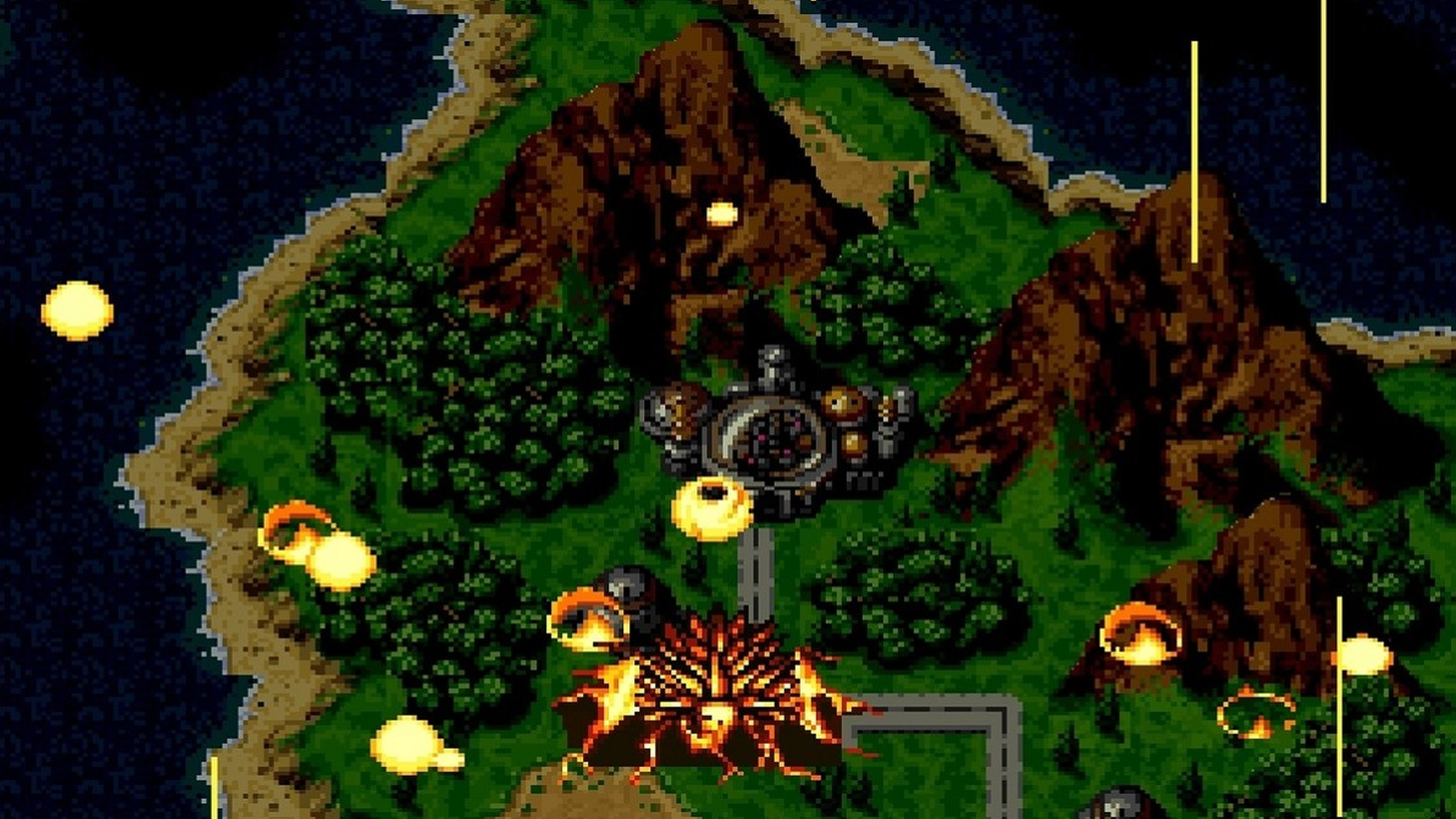
Magus is one of the most compelling characters in Chrono Trigger – scythe-wielding, powerful, and genuinely interesting once his full arc becomes clear. He is also very easy to miss entirely, because the game actively tricks you into fighting him.
After defeating the Blackbird boss in 12,000 BC, you head to North Cape and find Magus waiting. His battle theme starts playing. Every signal the game sends suggests a fight is coming. If you choose to engage, Frog faces him one-on-one in a difficult duel, and if Frog wins, he turns human in the ending you now receive.
But if you choose to walk away – if you refuse to fight – Magus joins your party for the rest of the game. His battle theme playing is the misdirect. The game is banking on your instincts, and most players follow them straight into missing the recruitment entirely.
9 The Regi Golems — Pokémon Ruby, Sapphire, and Emerald
Braille Puzzles That Required the Instruction Manual
 YouTube via ZoroarksClone
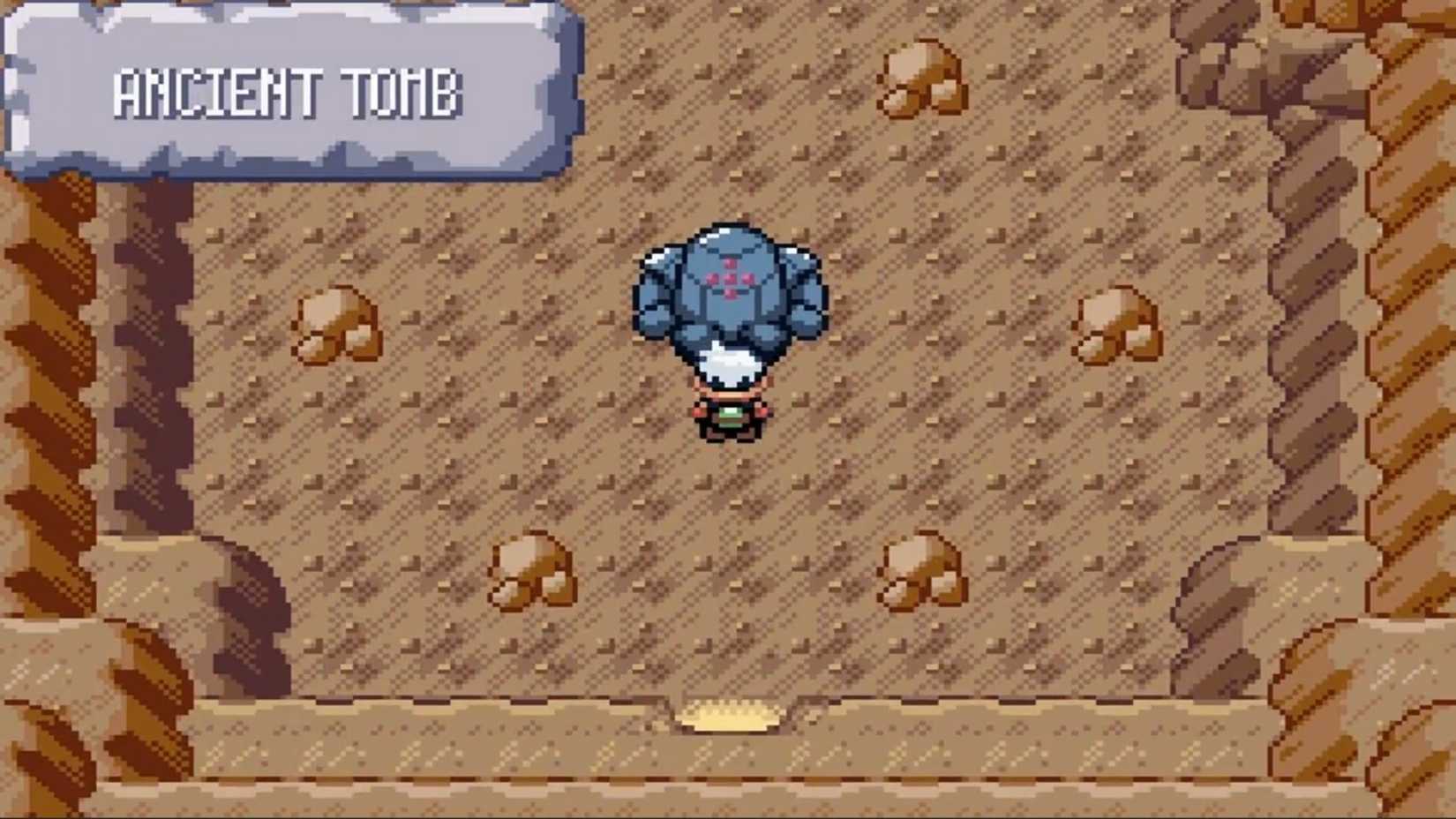
The three Regi golems in Generation III remain some of the most elaborate secrets in the entire Pokémon franchise.
To even find them, you first have to solve a puzzle in the Sealed Chamber deep underwater in Route 134, which involves reading and interpreting a series of messages written in Braille – an actual writing system that the games expected players to either know or look up. The instruction manual included a Braille translation guide, which was the intended solution and is also one of the most charming game design choices in the series.
Once you'd translated the clues and performed the right actions, three ancient tombs unlocked across the region, each with its own additional Braille puzzle inside. The golems themselves – Regirock, Regice, Registeel – looked unlike anything else in the franchise at the time, deliberately ancient and alien. The reverence the fandom developed for how hidden they were was completely earned. This is what secrets look like when they're done right.
8 Recruiting Cloud — Final Fantasy Tactics
A Sidequest That Spans Half the Game
 Final Fantasy Wiki
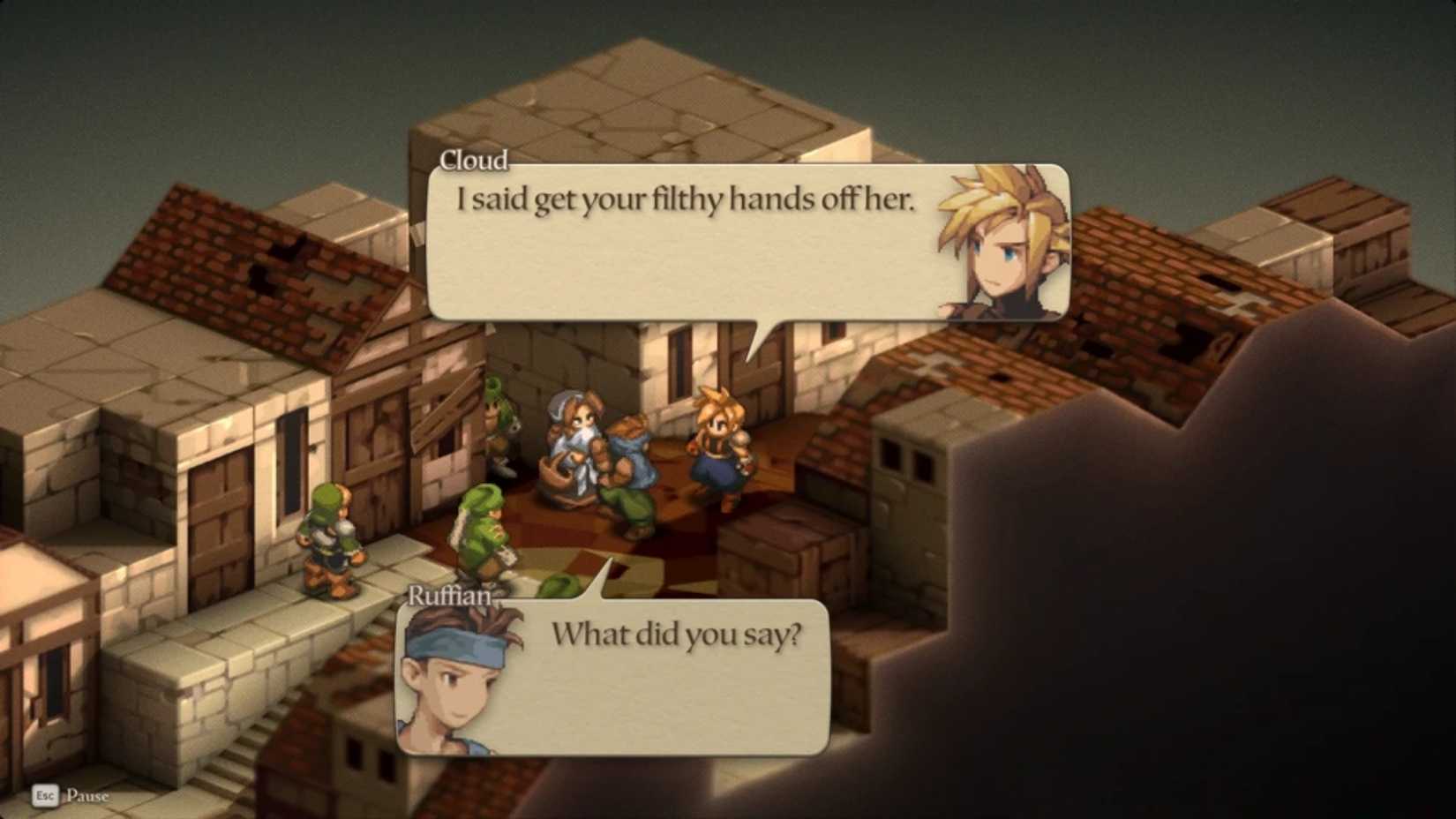
Getting Cloud into your Final Fantasy Tactics party is one of the more elaborate optional recruitment chains in any JRPG.
It starts in Chapter 3 with Mustadio, whose recruitment is itself optional. From there, return to Goug, recruit Beowulf from Lesalia, take him to the Gollund coal mine, save Reis, get the Aquarius Stone, defeat Zalmour a second time, let Besrudio build his dimensional device, travel to Zarghidas to buy a flower, hear a rumour about Zeltennia Castle, go to Nelveska Temple, defeat Construct 7, watch Reis revert to human form, take the Cancer Stone back to Besrudio, watch Cloud arrive, then find him in Sal Ghidos and help him fight off a group of thugs.
After all of that, he joins. And in the original version, he can't use his Limit skills without the Materia Blade, which is sitting at the top of a tall pillar in Mount Bervenia, accessible only via Treasure Hunter. The chain is long enough that players who weren't specifically chasing it would complete the game without ever knowing Cloud was recruitable at all.
7 True Ending — Valkyrie Profile
Two Different Statistics, and One of Them Is Hidden
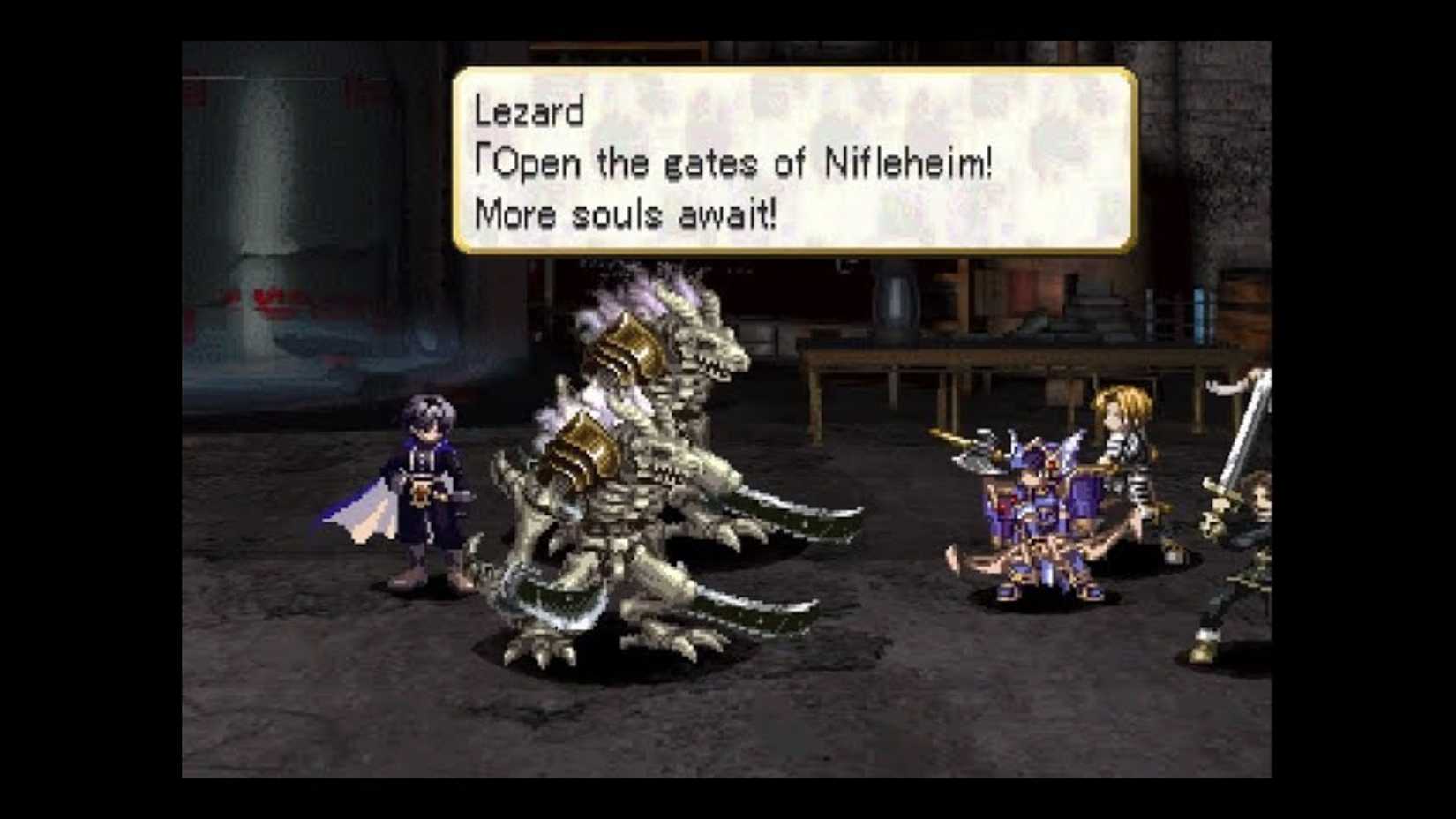
Valkyrie Profile has three endings, and the best one – Ending A – is nearly impossible to get without knowing it exists. Most players get Ending B on their first run, which is entirely natural.
Ending A requires you to track your Evaluation score, which is visible in the menu, while simultaneously managing your Seal Value, which is a completely separate statistic displayed where other characters' Hero Values would normally appear on Valkyrie's status screen.
 Related
10 JRPG Bosses Harder than the Final Boss
JRPGs have some of the most iconic fights in gaming and while most are manageable, there are always a few in each game that give gamers chills.
The Seal Value starts at 80. Every soul transferred to Valhalla raises it by 12. Visiting specific locations like the Weeping Lily Meadow lowers it. Recruiting Lucian reduces it by 20. Wearing or removing the Nibelungen Ring during a Sacred Phase shifts it by two points in either direction.
You need the Seal Value at 37 or lower by Chapter 7, and if you cross into Chapter 8 without triggering the cutscene that confirms you're on the right path, Ending A is locked out permanently for that run. Balancing this against keeping your Evaluation high enough to avoid accidentally getting Ending C requires planning the entire game around two statistics most players don't know exist at the same time. It is extremely unlikely to happen by accident.
6 The Escape Route — Suikoden II
Running Away Feels Exactly Like It Should
 YouTube via LordSmapy
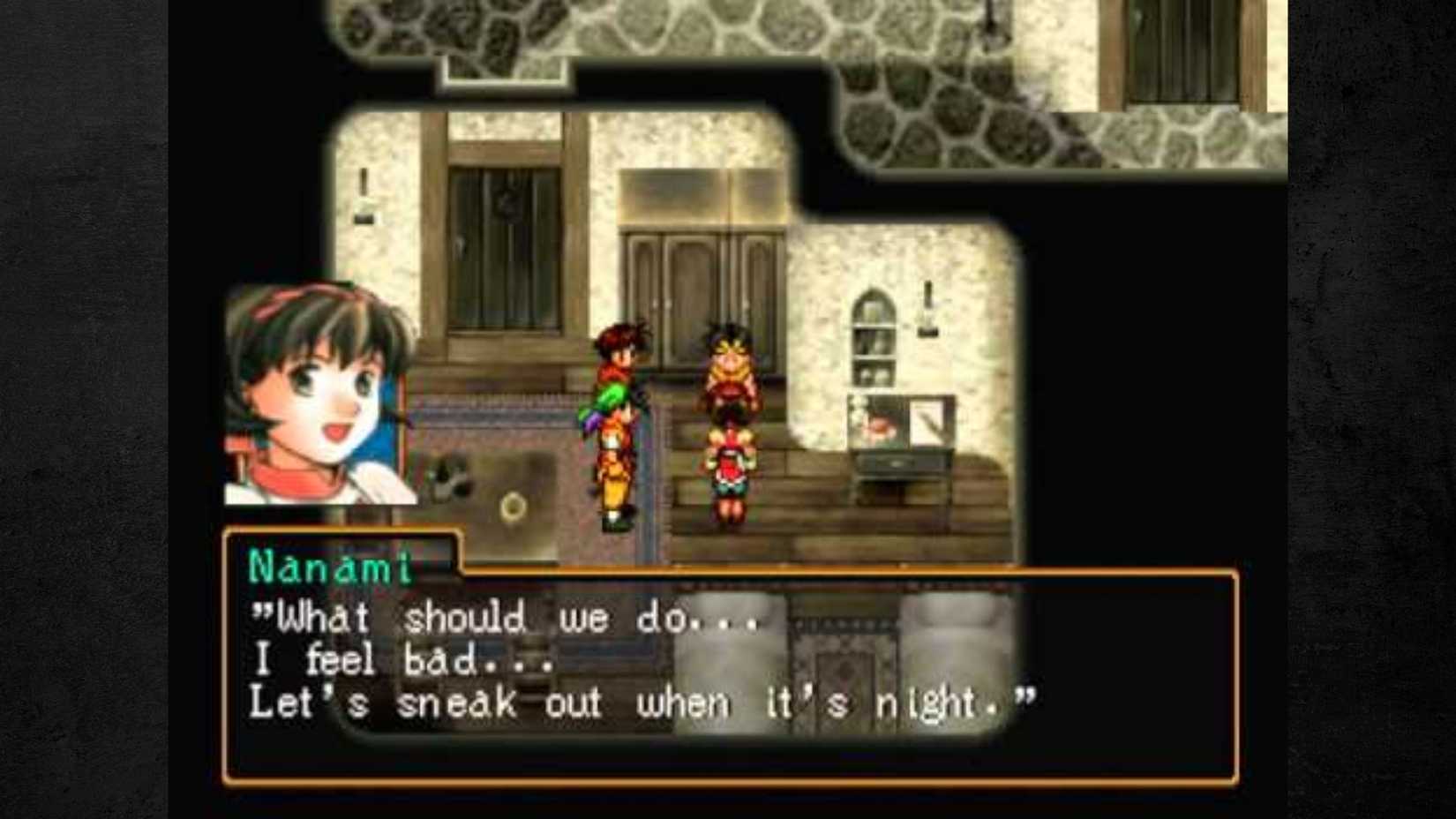
During the events in Tinto City, Nanami asks the protagonist to stop fighting and run away. The choice to leave with her is right there in the dialogue options, and the game does not tell you what happens if you take it. Most players, invested in the party and the story by this point, say no.
If you say yes and then eventually tell Nanami that you do not wish to flee anymore, you get a different sequence of events. Ridley dies as a permanent consequence, and his son Boris steps in to take his place and his role among the 108 Stars.
The true ending remains accessible regardless – Boris fulfils Ridley's position completely – but the emotional weight of having chosen to run, and then having to face Boris as a reminder of that choice, lands differently than most JRPG bad decisions. It's not a trap designed to punish you. It's the game letting you feel what running away actually costs. The fact that it's entirely optional and easily missed makes it one of the more thoughtful pieces of design in the series.
5 Niflheim Dungeon — Tales of Symphonia
Three Steps With No Hints Whatsoever
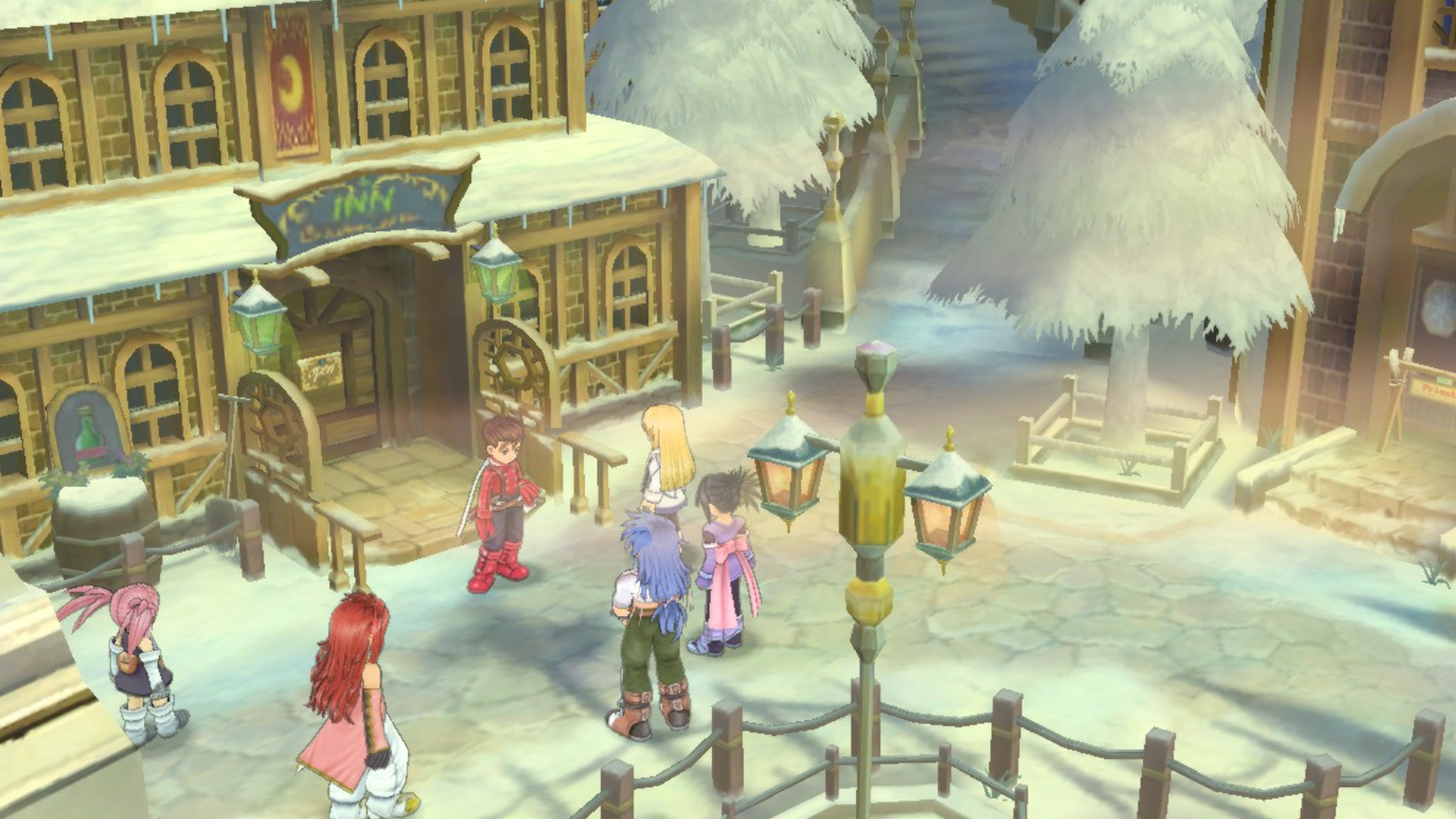
The Niflheim dungeon in Tales of Symphonia is available at the very end of the game, and you will never find it without being told it exists. The process: solve a specific optional puzzle in the final dungeon. Then travel to Ymir Village and speak to a random NPC who is burning books – there is nothing to indicate this person is relevant to anything. Then travel to Sybak and examine a specific book on a shelf in the library. There is equally nothing to indicate that this book matters.
None of these three steps hints at the others. No NPC points you toward any of them. No in-game note suggests the dungeon exists. In the remastered version, the dungeon was made significantly harder with new boss fights added, including what is considered the hardest fight in any Tales game to date. It is, for most players, content that simply doesn't exist because there's no path through the game that leads you to discover it.
4 Post-Game Dungeon — Octopath Traveler
The Story's Real Ending
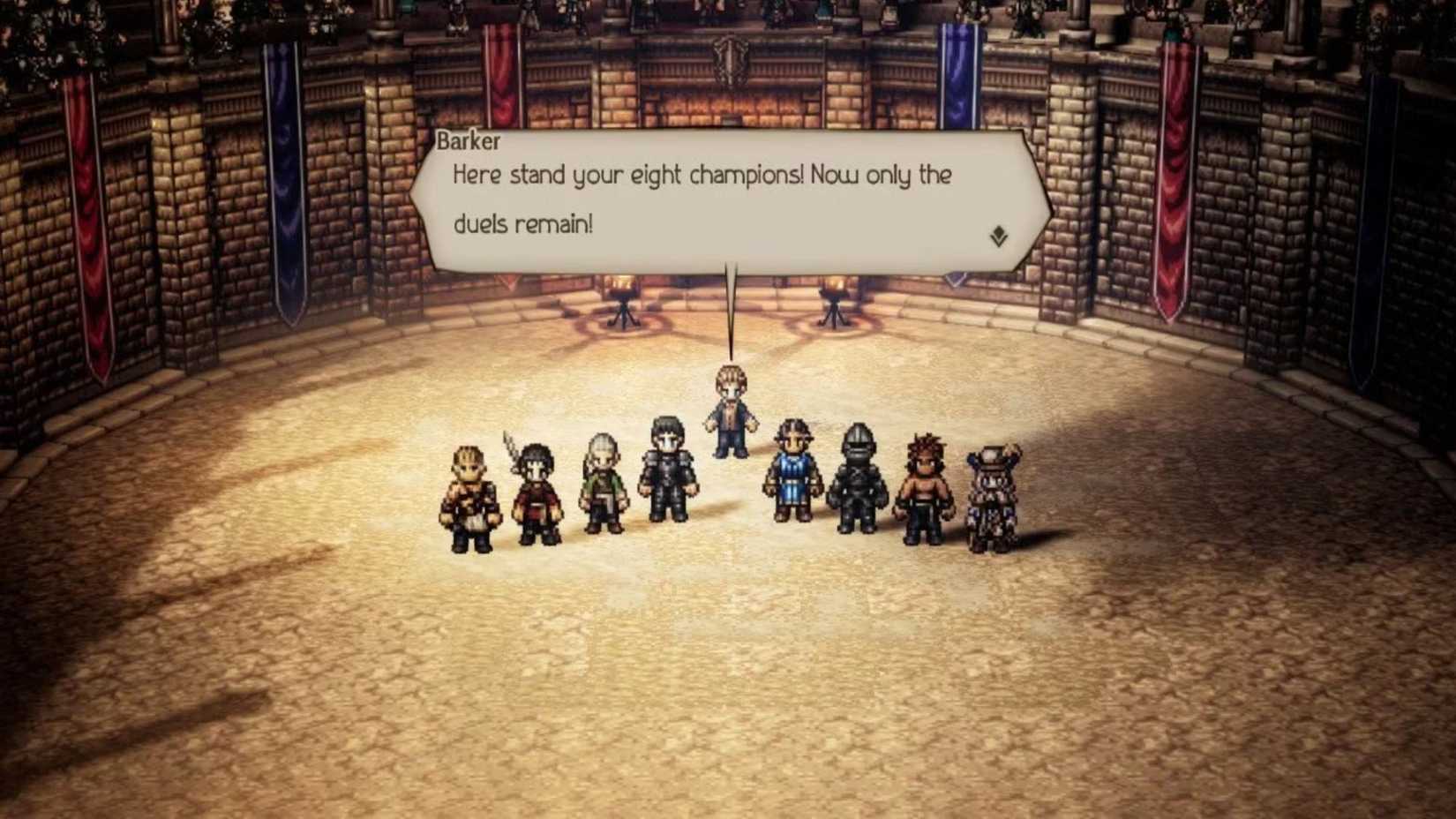 Olberic prepares for a tournament in Victors Hollow during Chapter Two of Octopath Traveler
Octopath Traveler appears to conclude when you finish all eight main storylines. It doesn't. The true final dungeon – the Gate of Finis, leading to Galdera – only unlocks after completing four specific sidequests that span the entire game, most of which are easily overlooked or abandoned partway through.
The sidequests involve a recurring character named Kit, an actor named Alphas, and a questline called Daughter of the Dark God that requires defeating a boss, speaking to an NPC on a bridge, and then returning to a cathedral to speak to someone else.
None of the four quests is particularly signposted as being part of the same chain. Once you're inside the Gate of Finis, there are no save points, you cannot leave, and dying to Galdera sends you back to fight all eight preliminary bosses again. Most players finished the game believing they had seen everything, having never unlocked the actual ending.
3 Carnelia Chapters — Trails in the Sky: First Chapter
One Playthrough, Two Ultimate Weapons, One Choice
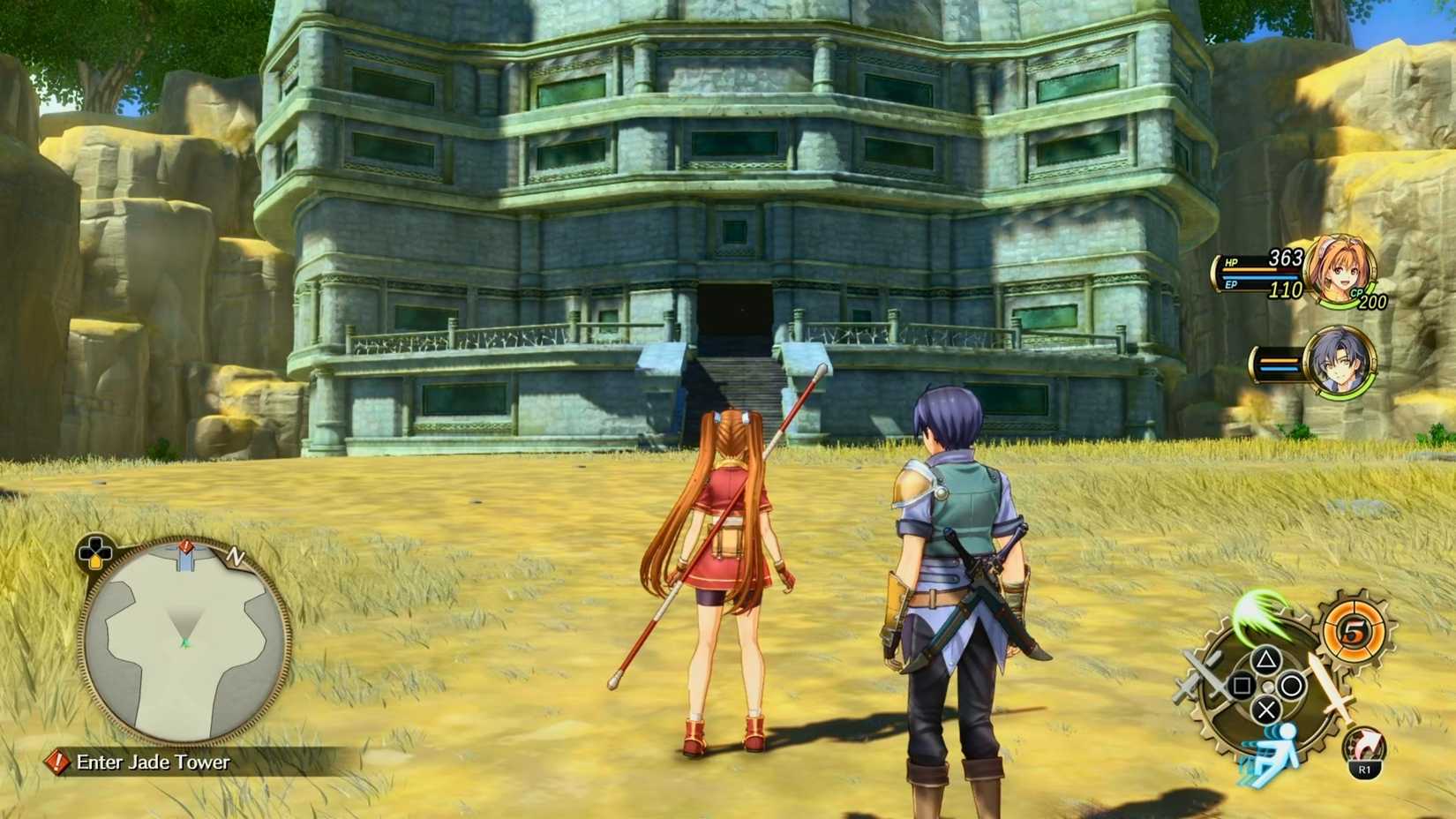
Trails in the Sky 1st Chapter
Trails in the Sky: First Chapter has two ultimate weapons – Estelle's Mystic Stave and Joshua's Twin Plovers – and only one of them is available per playthrough. Both require collecting all eleven Carnelia Chapters, a series of collectible story volumes scattered throughout the game, and trading them to Baral at the Baral Coffee House during the To Queen Alicia quest. At that point, you choose one weapon and forfeit the other until a second run.
The Carnelia Chapters themselves are missable at multiple points and spread thinly enough across the game that casual players often fail to collect them all. Getting the ultimate weapon requires both knowing the collection exists, tracking it carefully across the entire playthrough, and then accepting that doing everything right still only yields half the reward until you go again. It is one of the more quietly demanding optional tasks in the series.
2 The Mischief Item — Star Ocean: The Second Story
A Reward From a Town That Gets Destroyed
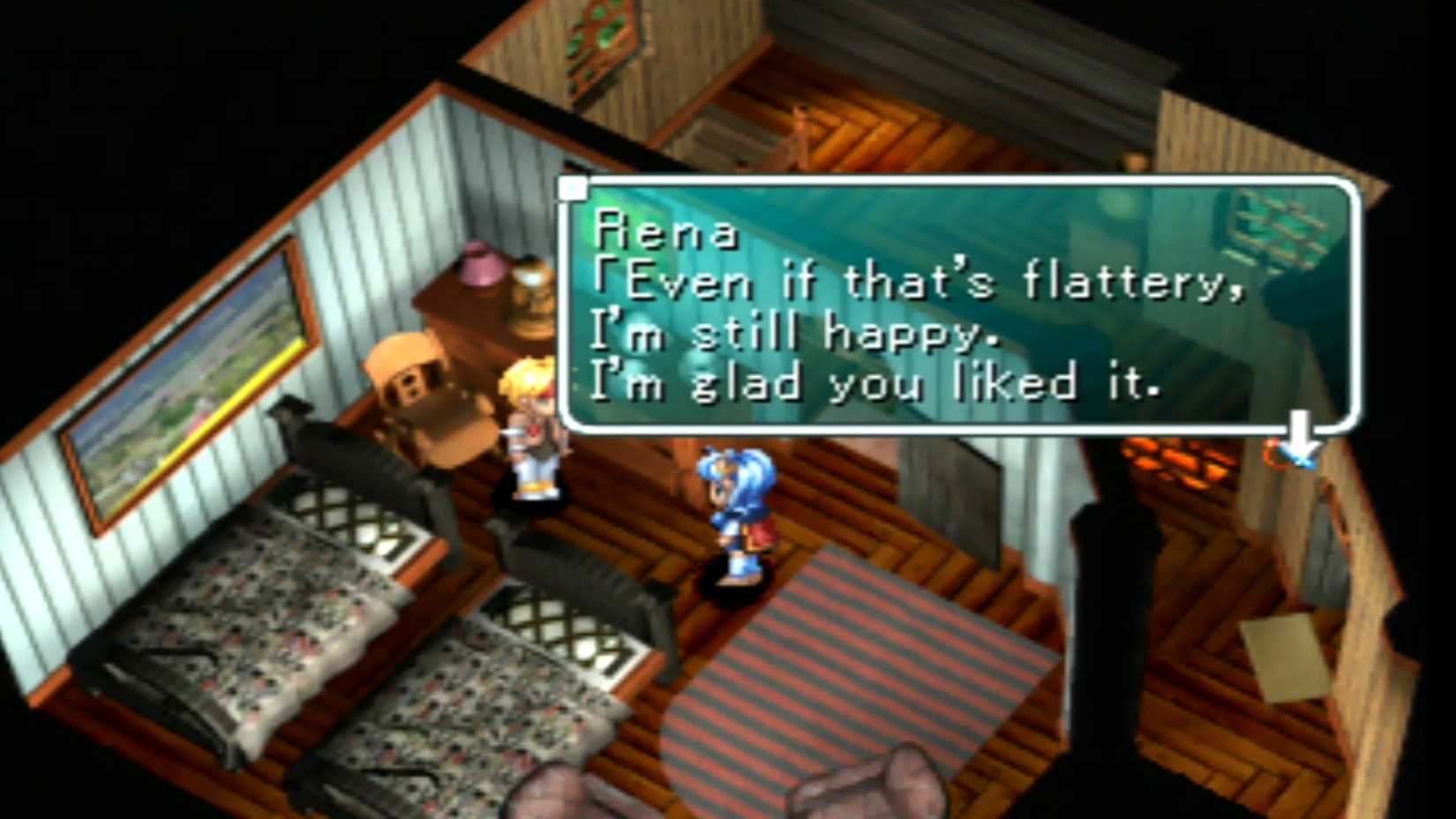
Star Ocean: The Second Story
The Mischief item in Star Ocean: The Second Story is obtained from an NPC in Lacour, a town that is destroyed entirely very early in the game. This means the window to get it is small, and knowing it exists at all requires either a guide or a very specific kind of completionist attention to every NPC in every town before the story moves on.
What makes it worth including is the particular flavour of the joke. The item causes a random item to drop every few steps, which sounds useful until you realise most of what drops is rubbish, you have to press a button every time something appears, and the novelty wears off almost immediately.
It is, in the most TriAce way possible, a reward that is actually more of a mild inconvenience wrapped in the excitement of a secret. And yet it is absolutely worth getting every single time, which is something I cannot fully explain.
1 Troll's Maze — Dragon Quest VIII: Journey of the Cursed King
A Mirror That Only Glows at Night
 YouTube via Yuki Mizuno
Dragon Quest VIII is not short on optional content – Morrie's monster arena, the liquid metal sword chain, and the scattered hunts across the world. The Troll's Maze dungeon still manages to be easy to miss entirely, because accessing it requires going back to a city you've already cleared, waiting until nighttime, and then specifically visiting the Chancellor's house next to the inn to find a glowing mirror.
None of that is evident. There's no in-game hint that pushes you toward the Chancellor's house at night. It requires either a guide, a friend who happened to find it, or the specific kind of obsessive thoroughness that leads to checking every building in every city at different times of day on the off chance something has changed.
The dungeon itself isn't long, but the loot inside is good, and the satisfaction of finding it after understanding how obscure it actually was makes it one of the better hidden areas in the game.
 Next:
Next:
10 JRPGs Where the Side Content Ends Up Being Better Than the Main Story
10 JRPGs with outstanding side content you'd much rather complete than the game's main story.






![ELDEN RING NIGHTREIGN: Deluxe Edition [FitGirl Repack]](https://i5.imageban.ru/out/2025/05/30/c2e3dcd3fc13fa43f3e4306eeea33a6f.jpg)
 English (US) ·