.png)
.png) 2 months ago
47
2 months ago
47


Published May 23, 2026, 11:30 AM EDT
Murillo Zerbinatto is an Editor at DualShockers specializing in JRPGs, RPGs, reviews, guides, and lists. He has been writing professionally since 2018 and covering games since 2020, with previous work published at Xfire, RPGInformer, IndieGameCulture, and GameRant.
A longtime JRPG enthusiast, Murillo has played more than 250 JRPGs and earned over 100 platinum trophies, giving him deep hands-on experience with the genre’s progression systems, side content, collectibles, and completionist challenges. His coverage often focuses on franchises such as Final Fantasy, Dragon Quest, Trails, Tales of, and Star Ocean.
Sign in to your DualShockers account
For a long time, every JRPG was automatically associated with turn-based gameplay. If it had anime characters, a fixed cast, and turn-based combat, then it was automatically labeled a JRPG. I won't get into the historical nitty-gritty of how incorrect that is — though Dragon Slayer and Hydlide are glaring right at you — but that's fine, I understand how that makes sense.
Because of this, whenever a new JRPG was released, the developers tried to bring a unique spin to the turn-based combat system, either directly through the combat mechanics or perhaps through progression systems that directly influenced battle. These iterations continue today, and it is not uncommon to see turn-based combat that requires active player input or even systems that blend different styles into one.
 Related
10 JRPGs That Need to Be Inducted into the World Video Game Hall of Fame
Dragon Quest made it into the Hall of Fame in 2026. These ten JRPGs have been waiting just as long and have just as strong a case.
I am going to highlight a few JRPGs that made so many innovations to their battle systems that they practically acted as the end of an era for traditional turn-based combat, either because they became blueprints for future JRPGs or because once a player got a taste of a different system, it became tough to go back to the standard formula.
10 Final Fantasy IV
Introducing the ATB
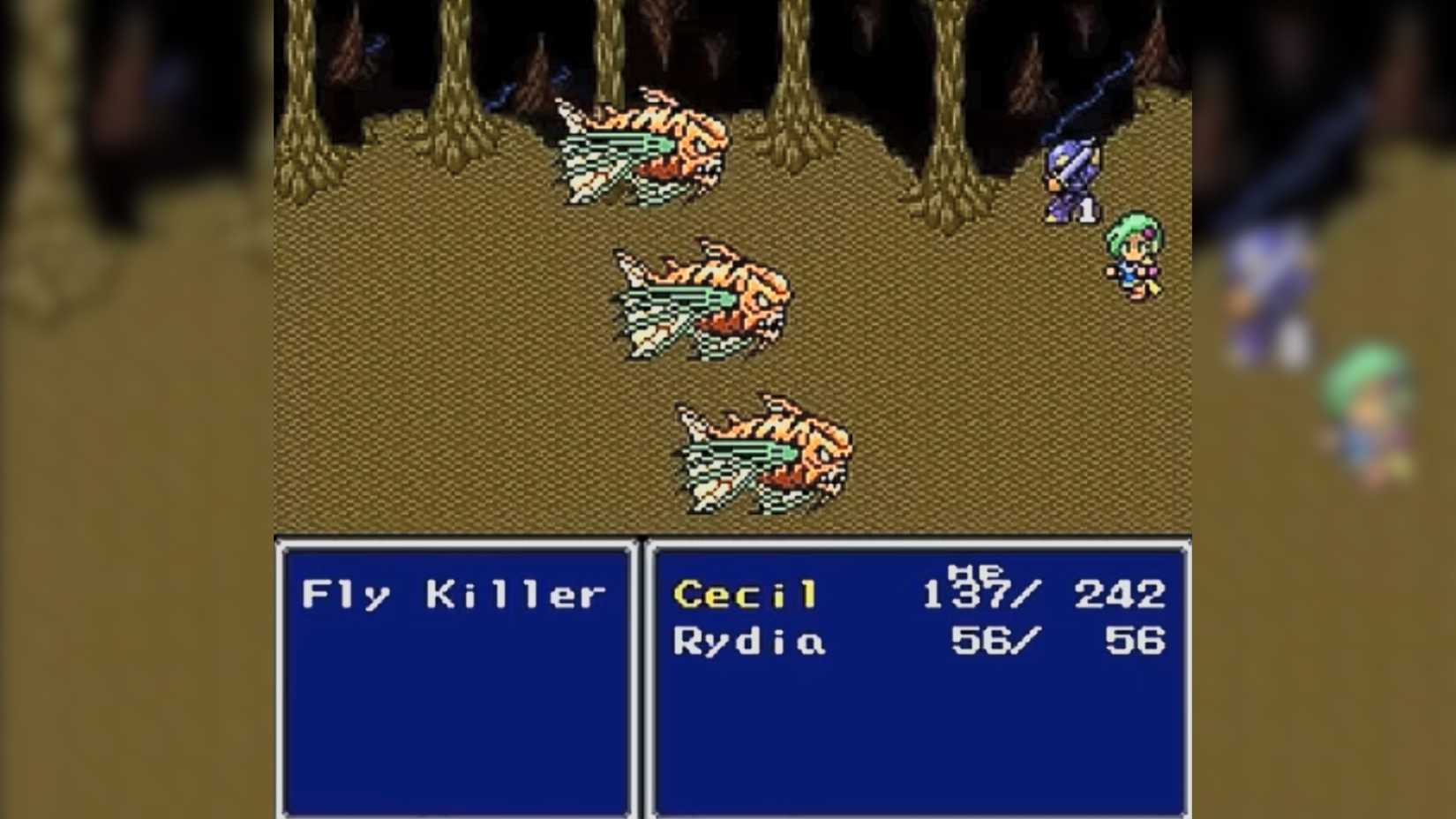
Some argue that the ATB system, seen in several Final Fantasy games but debuting in Final Fantasy IV (though the UI didn't show it), is not true turn-based combat. After all, it is not necessarily your turn if enemies continue stomping your face while you are deciding which magic spell to use. You can change that by picking Wait mode, but as the name Active Time Battle suggests, the default setting is Active.
But I argue that it is still a turn-based system, one that came to heavily influence many other games. This includes titles that implemented their own variation of ATB, or those in which character and enemy portraits populate a timeline that gradually advances until it reaches an individual's turn. You know, like Grandia.
Regardless, it is undeniable that Hiroyuki Ito created an iconic battle system that remains a reference point for many other JRPGs to this day. My dream is to see the ATB system return for Final Fantasy XVII. I wouldn't ask for anything else, ever again, from anyone.
9 Grandia
Watch the Timeline
 Mobygames / Game Arts
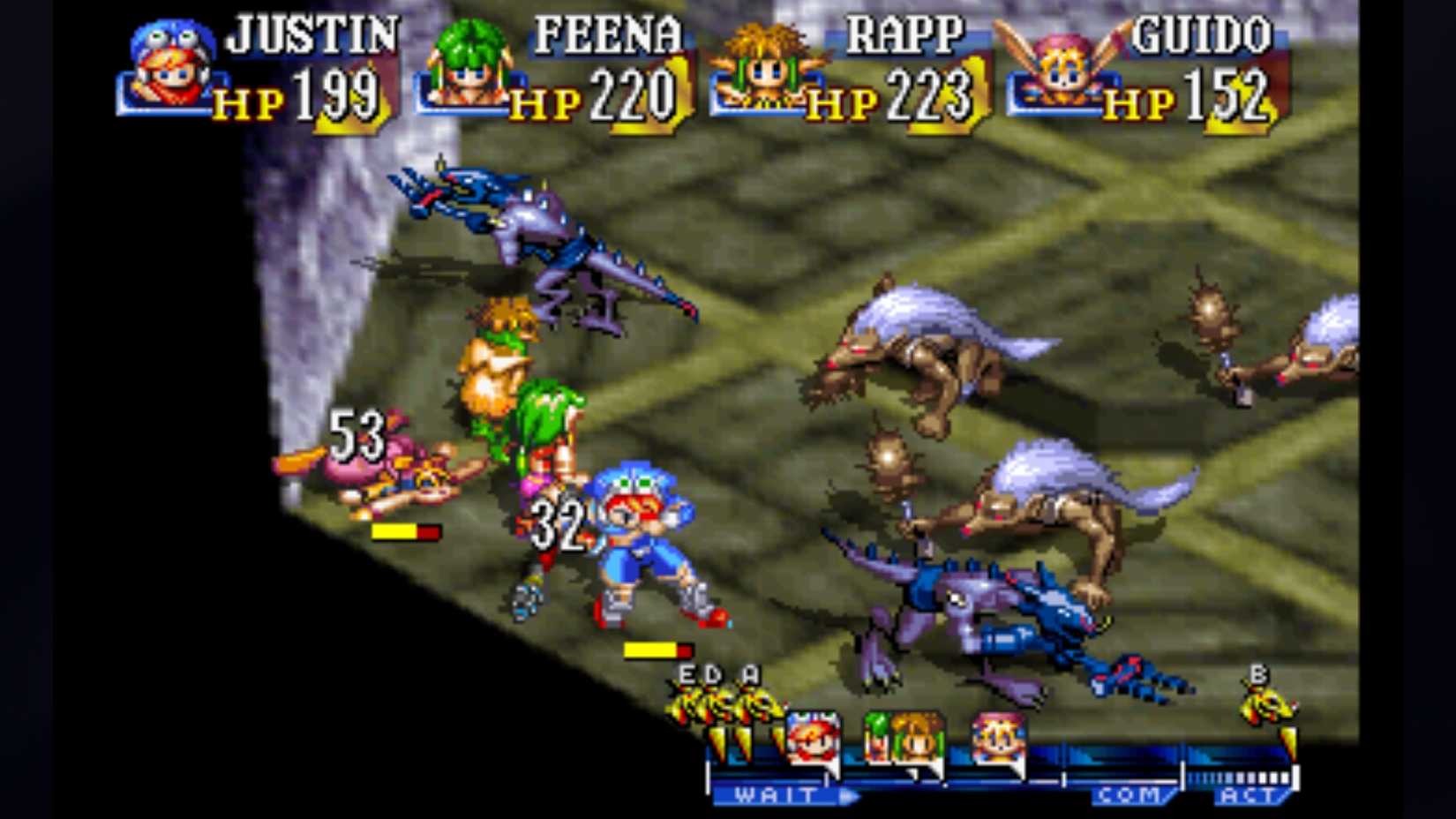
Since I just mentioned Grandia, what better way to follow up than by discussing its turn-based combat that mixes in real-time elements? It's not exactly ATB, but it certainly drank from that same well. Upon entering battle, every combatant is placed on a timeline and advances until they hit two distinct thresholds: Com and Act.
When a character reaches Com, you choose a command for them, which then charges up until they hit Act, where they execute that action. The gist here is that depending on the command, it carries a different weight, meaning it can be executed faster or slower. While an individual is moving between Com and Act, they can be interrupted, delaying their entire turn.
This applies to enemies, too! So sometimes, swapping a heavier move for a weaker attack that will prevent the enemy from acting is a fantastic strategy. All of these elements make the turn-based combat in Grandia feel much more active and calculated than other JRPGs, where you simply select attack until you win.
8 Breath of Fire IV
Everyone Joins In
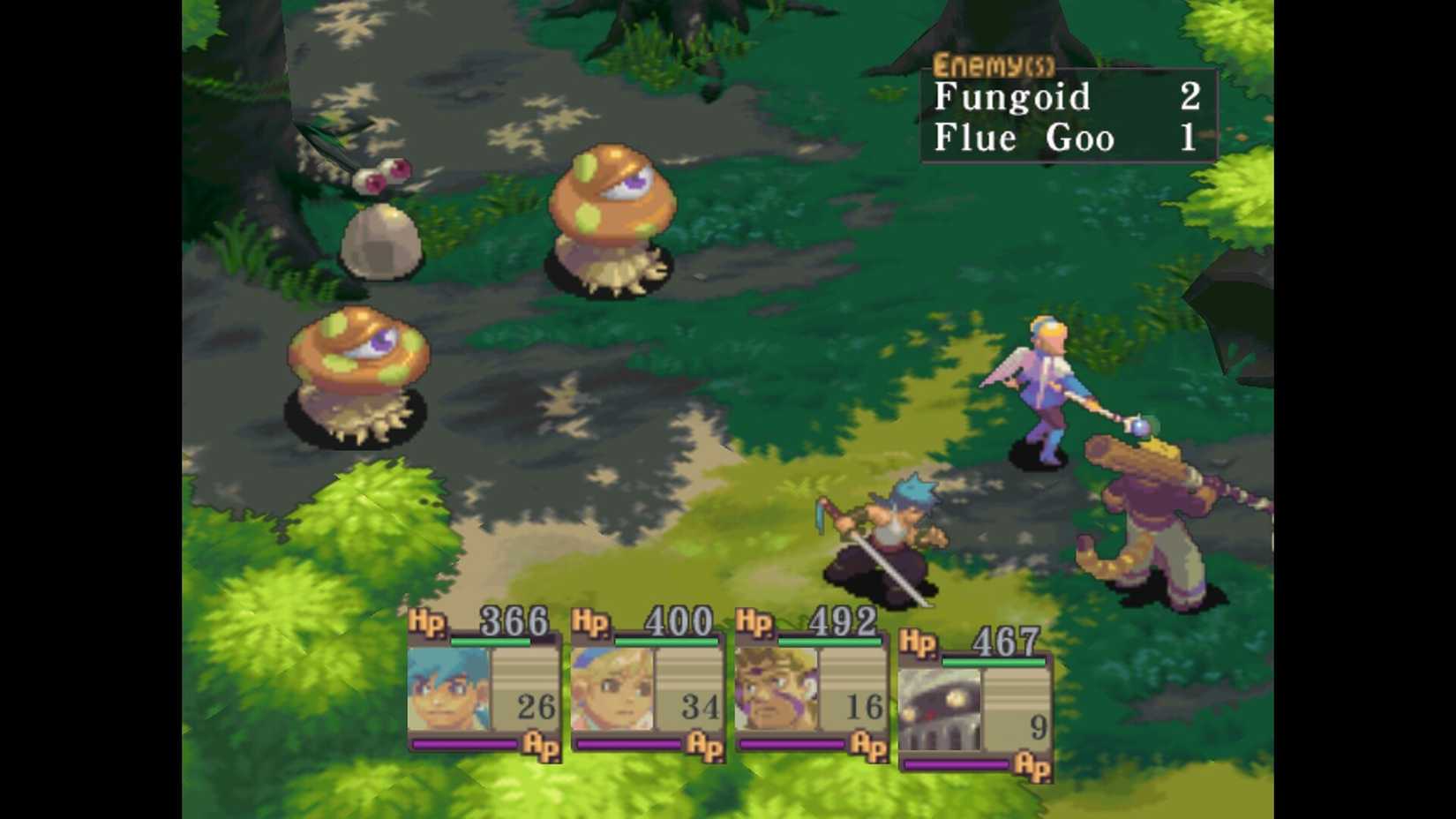
While combat in Breath of Fire IV is as traditional as a turn-based system can be, it brought a great novelty to the gameplay, which was the ability to swap party members mid-battle and utilize your entire roster. I am not sure whether this wonderful JRPG invented the mechanic, but since then, we have seen other titles adopt that same flexibility, such as Final Fantasy X.
This simple change opened up an incredible range of possibilities for standard JRPG combat. On top of featuring a combo system that relies on the specific skills and order of actions used, it gives you the flexibility to level up every single character in the party while putting them to maximum use. Better yet, even if a member is not actively on the front lines, they can still provide passive support from the back row.
It was an elegant design choice that further enriched Breath of Fire IV's gameplay. If you want to experience the adventures of Ryu, Nina, and the crew, this marvelous JRPG is readily available on both GOG and Steam. Let's band together and buy it in droves to show Capcom that this series deserves a remastered collection, too.
7 Octopath Traveler
Boost and Break
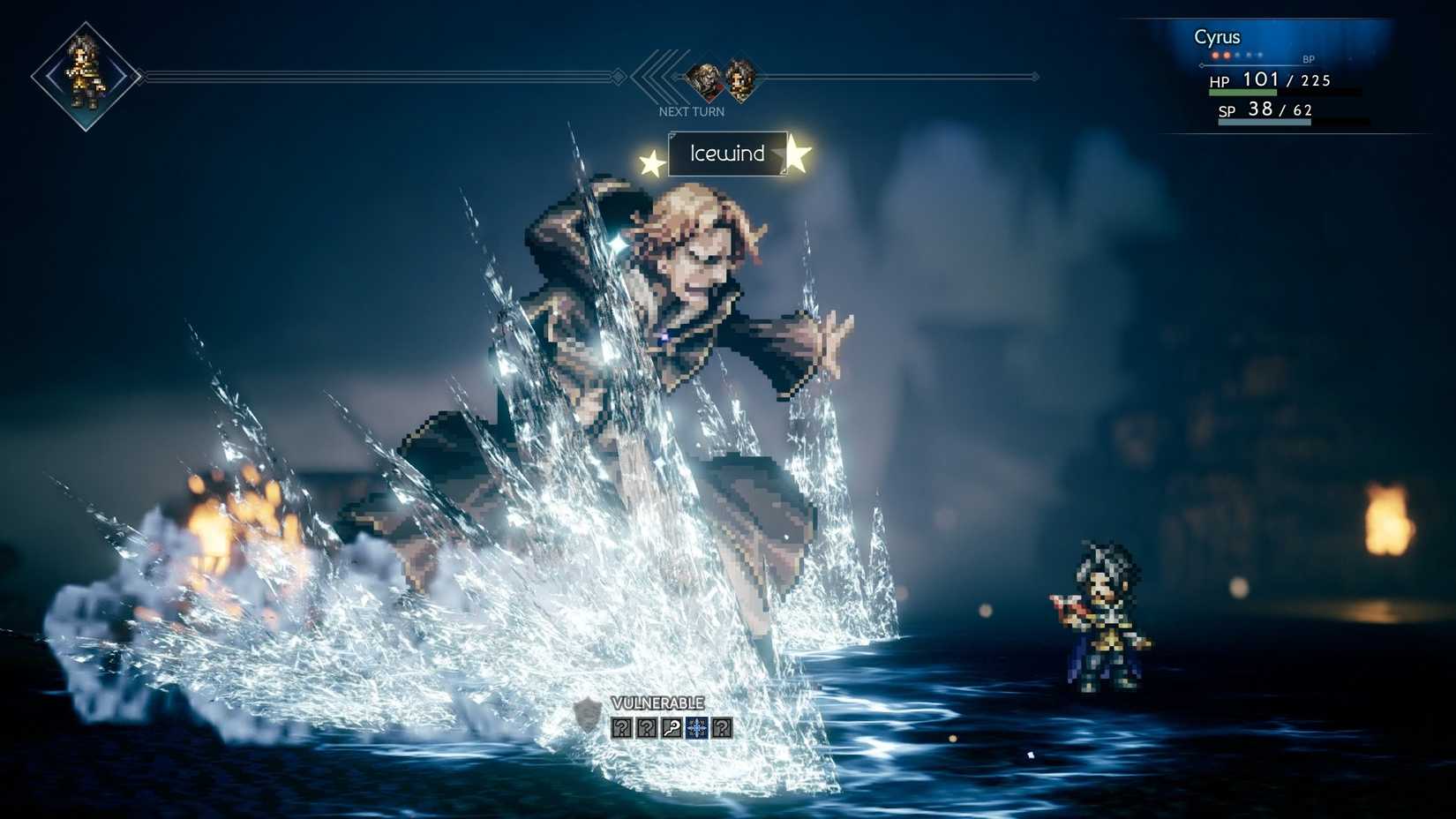
Initially, I had put Bravely Default here, considering its Brave and Default system, which brought a bit more calculation to each turn. However, I remembered that Octopath Traveler has its own iteration of that loop with the Boost mechanic. On top of that, it introduces another core system: Break, which favors those who detect and exploit enemy weaknesses, a feature seen in several games released after Octopath Traveler.
In battle, every enemy has a couple of weaknesses, and when these are targeted, you crack their defenses until you ultimately break them, leaving the enemy stunned and vulnerable. This system highly rewards maintaining a diversified party with Jobs that can wield different weapons and elements, while also saving up Boost so you can strike multiple times in a single turn to stop an enemy in their tracks.
Many times, I would leave one or two of my characters simply accumulating Boost, acting passively, just in case a boss started charging a menacing skill, so I could break them before being greeted by a Game Over screen. While Boost itself hasn't been featured in too many other franchises, the shield-breaking weakness system has already popped up in other JRPGs, such as Romancing SaGa 2: Revenge of the Seven, Sea of Stars, and Starbites.
6 Shin Megami Tensei III: Nocturne
Press For Your Turn
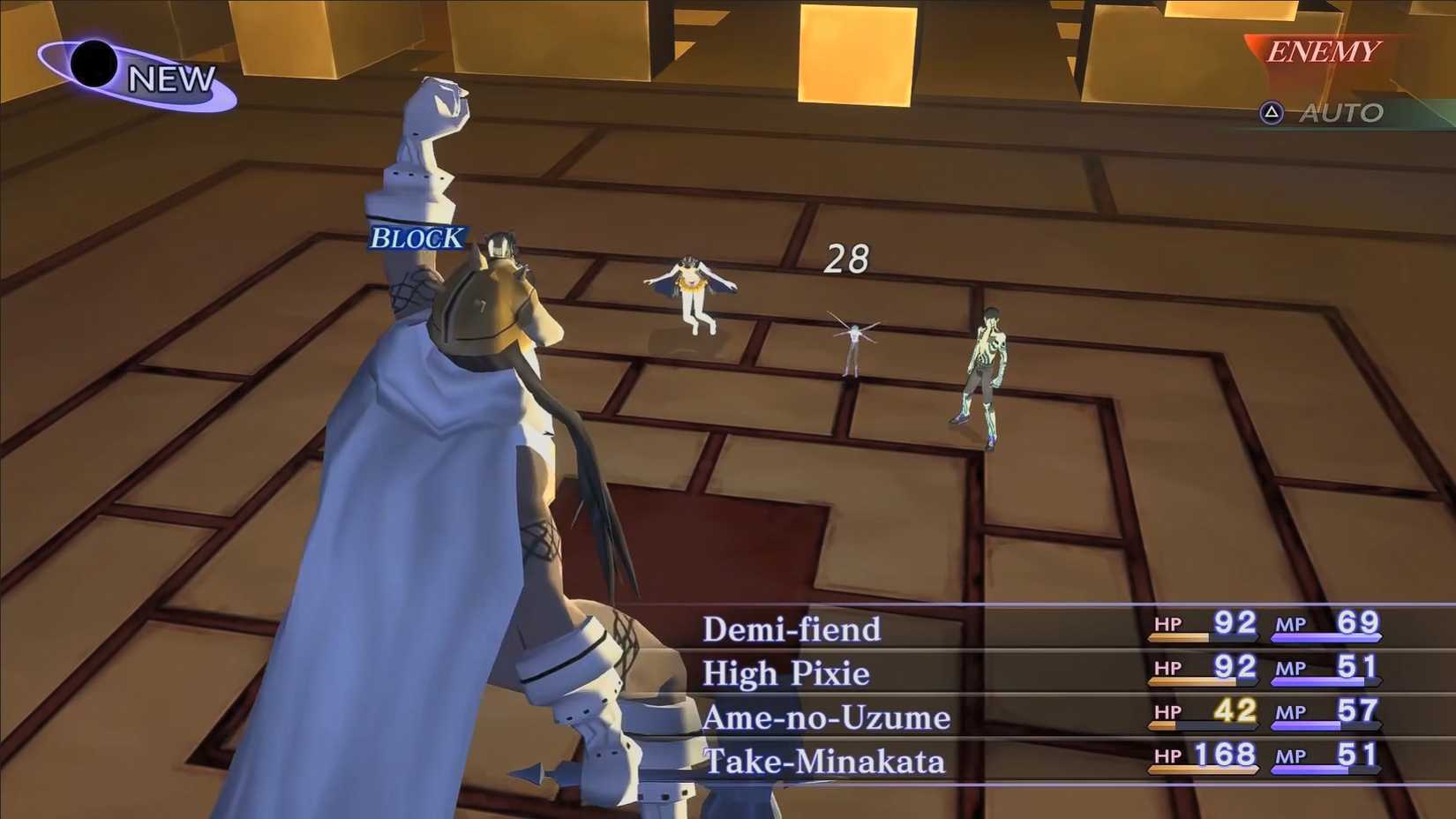
For many years, we learned that using a water element against a fire enemy was advantageous. It wasn't essential, but we would benefit from it and kill our opponent faster. I don't know about you, but often, using a basic attack was just as efficient and saved my MP in case I needed to heal my allies later.
Then comes Shin Megami Tensei III: Nocturne, humbly teaching us that attacking enemy weaknesses is not just efficient, it is practically essential. Battles in SMT III and its sequels are broken down into rounds, starting with our party and then moving to the enemies. You have a turn icon for every character, but if you exploit an enemy's weakness, you only consume half of that turn icon, allowing you to act again. In other words, the game immensely encourages you to hit where it hurts.
Landing critical hits or passing the turn also only consumes half a turn, which allows for highly calculated decisions. On top of that, the game is incredibly punishing, and if you attack an enemy that is immune to or reflects an element, you will lose turn icons instantly. It is a system that doesn't forgive those who fail to use it to its full potential. The Persona games put their own spin on the Press Turn system, introducing the One More mechanic that works similarly and rewards players who exploit enemy weaknesses. However, it still has its differences and isn't quite as punishing as SMT, thanks to Yaldabaoth.
5 Super Mario RPG: Legend of the Seven Stars
The Birth of Timed Inputs
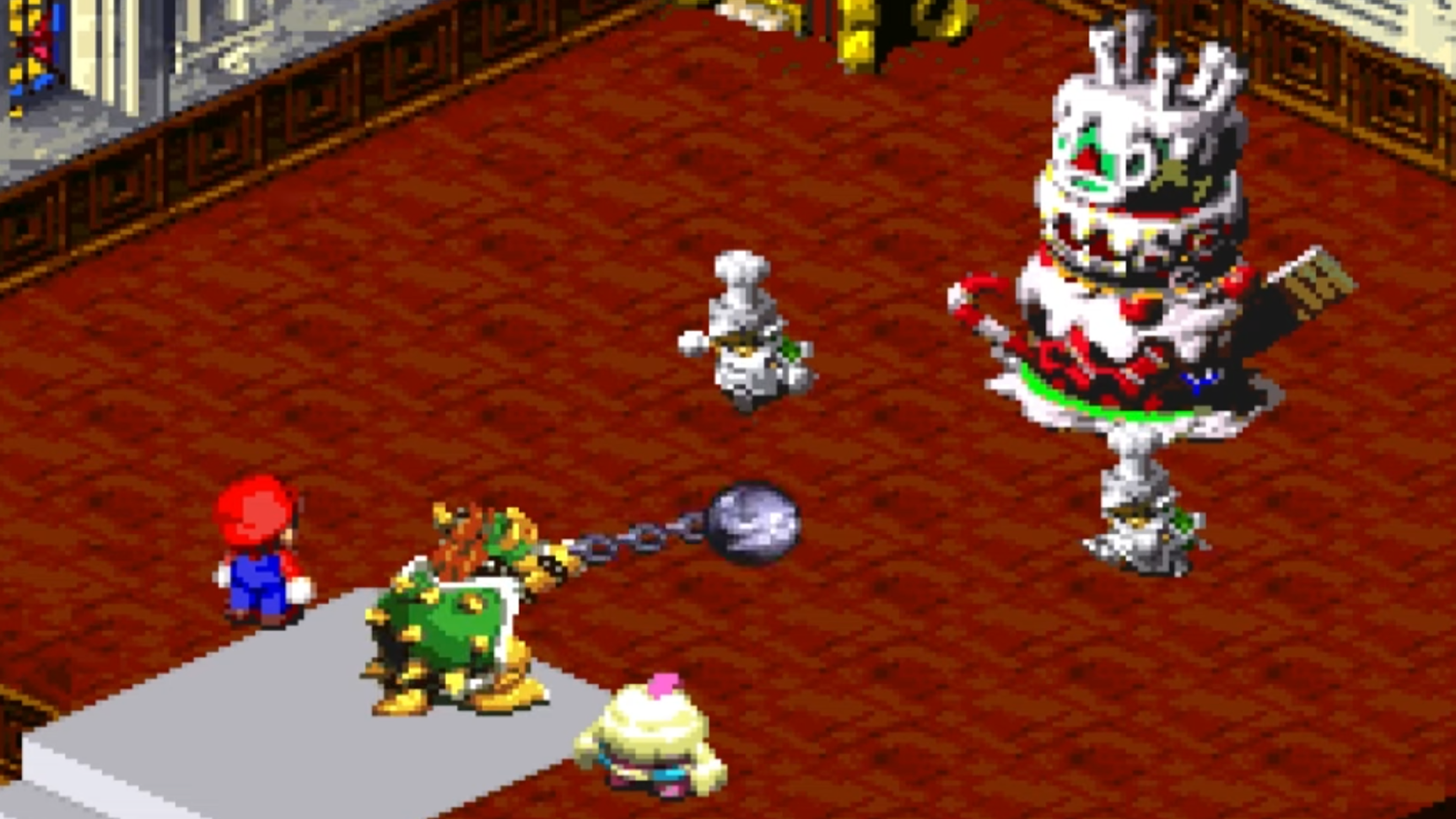
Super Mario RPG: Legend of the Seven Stars
Super Mario RPG is globally renowned for being one of the first JRPGs to add timed inputs to every action, whether attacking, using skills, or defending. It is extremely common to see modern games cite the battle system of Super Mario RPG as a reference for creating their own, such as the 2025 TGA sweeper winner, Clair Obscur: Expedition 33.
The execution is so simple and graceful that it is impossible not to fall in love with it. The first time I played Super Mario RPG and the tutorial showed me that I could enhance my attacks, I was fascinated. What do you mean I didn't just pick a command and wait for the action to happen? I actually had to participate? Better yet, I had to stay alert to an enemy's attack animation if I wanted to reduce incoming damage? Bonkers!
Granted, the game is quite forgiving, and even if you miss all the timed inputs, you will still manage to win battles, though you will face more of a challenge. The most important takeaway is that the turn-based style of Super Mario RPG put on a masterclass back then and continues to teach developers today.
4 The Legend of Dragoon
Even More Rhythmical Inputs
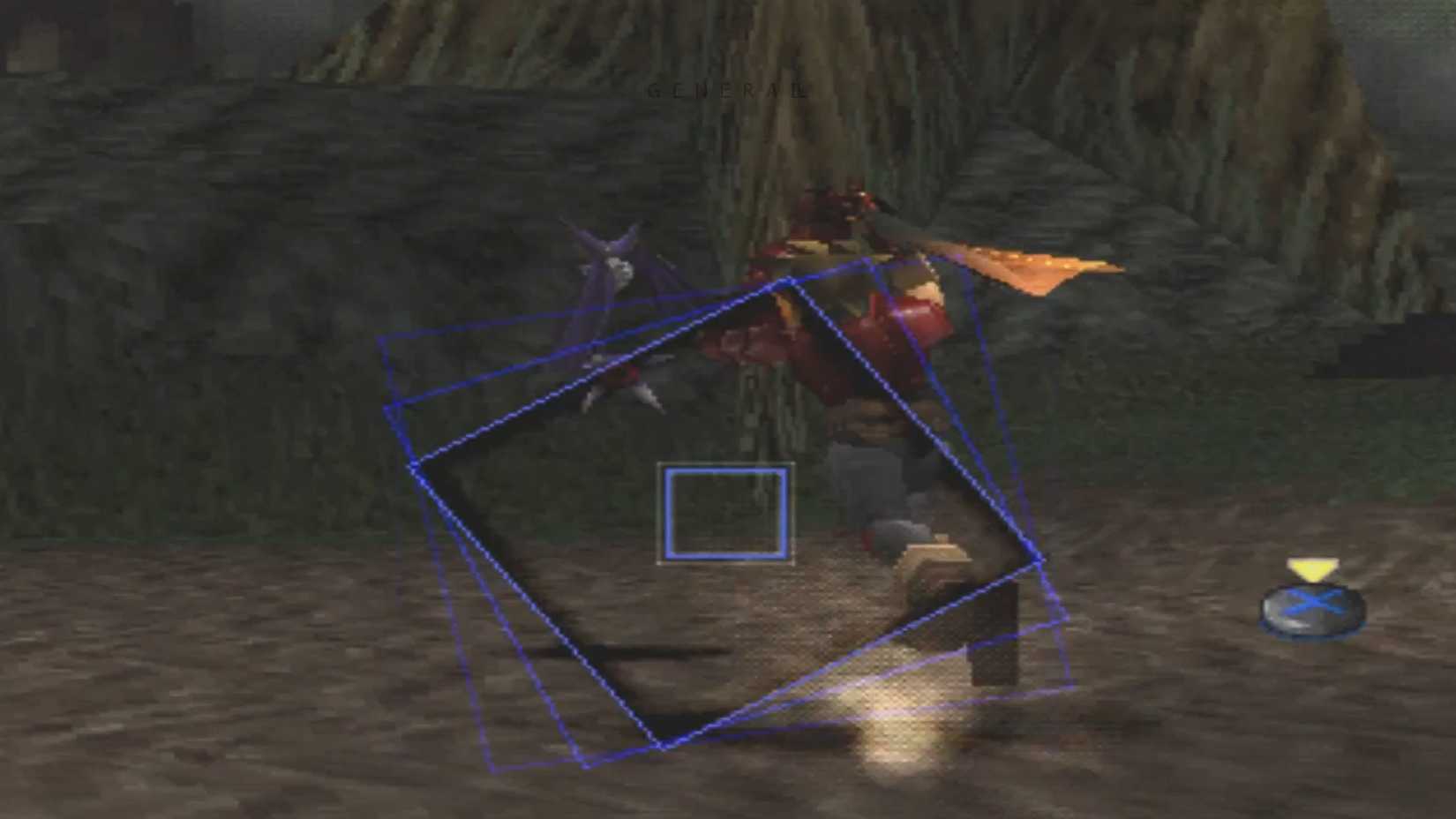
Another prominent JRPG that also featured timed inputs, but in a way that formed the entire foundation of its gameplay, was The Legend of Dragoon, Sony's JRPG that aimed to compete directly with Final Fantasy. In terms of budget, disc count, and CGI, The Legend of Dragoon was right up there with Square's juggernaut, but its late release on the PS1 kept it from gaining enough renown to secure sequels.
In battle, after selecting an attack, you practically enter a rhythm game. Every character has their own Additions, and you need to hit the inputs precisely to chain together hits, finishing with a loud and delightful audio cue referencing the name of the Addition. As you level up, you learn new ones with more challenging inputs, but they are significantly more powerful.
Attacking when transformed into a Dragoon also requires a timed input, a quite difficult one, I might add. I used to mess up the timing so much that the transformation often went to waste, or I simply preferred to opt for spells to ensure I would hit my target. The Legend of Dragoon perhaps didn't influence as many games as titles that came before it (though it likely influenced Shadow Hearts and Lost Odyssey). Still, it certainly proved that it was possible to innovate even further within turn-based combat.
3 Shadow Hearts
A Different Take on Attacks
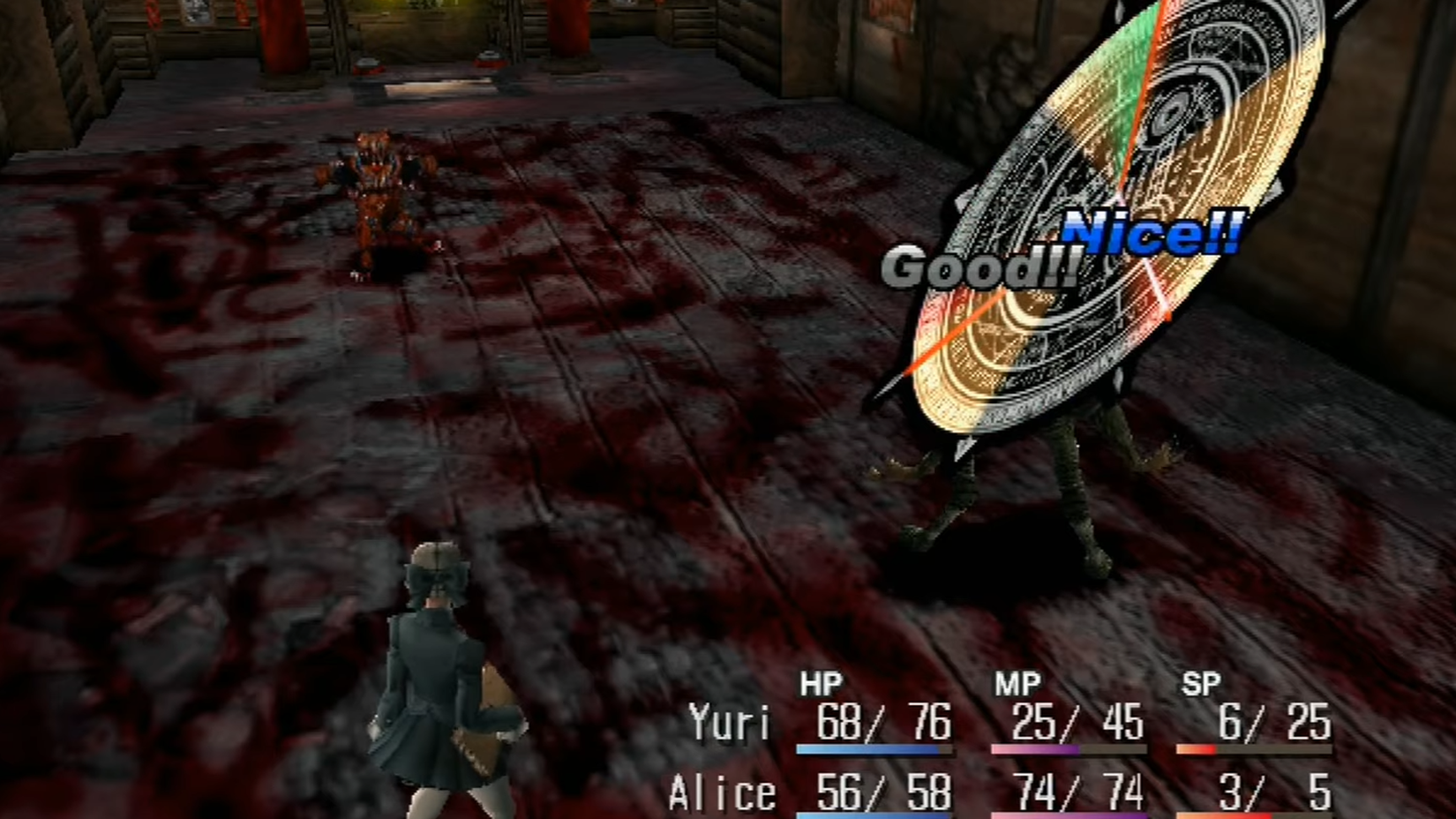
Speaking of which, I must confess that I don't think Shadow Hearts had as much widespread influence on turn-based combat as other JRPGs mentioned here, simply because it's a more obscure PS2 series. JRPG fans and enthusiasts know the games well and clamor for a new entry, especially now that Penny Blood updates are slowing down, but it would be remiss of me not to mention its battle system.
Almost all of our actions in combat are governed by the Judgment Ring. When you take action, a ring appears, and depending on which sliver of the ring you hit, your action yields different effects. It can be a critical hit, a standard hit, or even a complete miss. This applies to both physical attacks and spells. You can equip different Judgment Rings that either make the attack execution easier or increase the difficulty while offering bigger bonuses for anyone who nails the correct timing.
The Practice Ring, for example, presents larger hit areas but removes critical strikes, while the Gamble Ring offers tiny areas, but hitting it just once ensures that all hits in a combo are considered a success. It is a system that truly benefits anyone who masters it, yet it doesn't overly punish those with poor rhythm who just want to play a turn-based JRPG with Lovecraftian themes.
2 Clair Obscur: Expedition 33
Learned From the Best and Improved
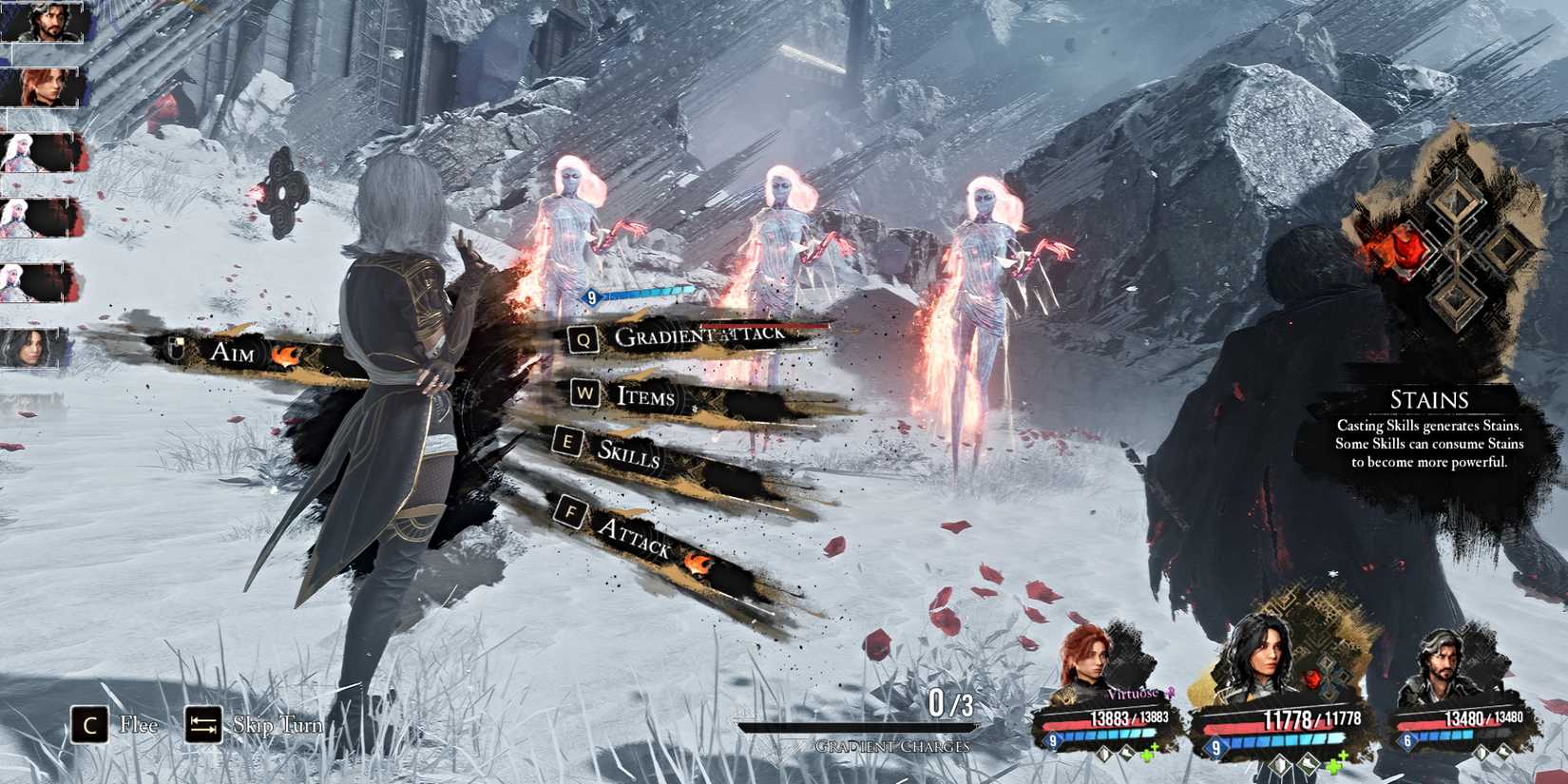
For this entry, I have to use a bit of my market foresight, because so far we haven't seen the full ripple effects that Clair Obscur: Expedition 33 will have, if any. But let's be real, it's easy to imagine that a couple of years from now we will have several turn-based combat games featuring a system with dodging, parrying, timed hits, and everything else that Sandfall Interactive's RPG offered.
The thing is, there are plenty of reasons why Expedition 33 captivated so many players, even those who claim they aren't fans of turn-based RPGs. It could be the choice to use realistic graphics instead of anime styling, or perhaps the more cinematic narrative, or, of course, the turn-based combat packed with active elements. It's likely a mix of all three.
Regardless of what exactly did the trick, the success of Clair Obscur: Expedition 33 is undeniable, as is the potential influence it will have on future titles. If Baldur's Gate 3 proved that turn-based tactical CRPGs still sell and deserve investor attention, then Expedition 33 could trigger that exact same effect for other JRPGs out there, especially indie projects.
1 The Legend of Heroes: Trails Through Daybreak
The Perfect Mix Between Action and Turn

The Legend of Heroes: Trails Through Daybreak
At launch, Metaphor: ReFantazio was widely acclaimed for including a real-time system that shifted into turn-based combat at the press of a button. Amazing and all that, I loved the mechanic, but before it arrived, another title had done something similar, and a tad better, I might add: The Legend of Heroes: Trails Through Daybreak.
Blending Nihon Falcom's know-how with the action combat of the Ys series and the turn-based depth of Trails, the developer created a brilliant hybrid system in Trails Through Daybreak. You can engage enemies in real time and, with a single button press, seamlessly initiate a command-based battle. The transition is so fluid that it feels surreal, but it works, and it works incredibly well.
This style of combat was carried over into the sequels and the remake, Trails in the Sky 1st Chapter, and I must say it is wonderful. Technically, turn-based combat remains the official core model of the game, since you can only rely on it against bosses and more crucial battles, but having both options available is a highly engaging way to appeal to a wider range of players.
 Next
Next
9 Turn-Based JRPGs With Timed Inputs
For those who like to put their reflexes to the test in combat.




![ELDEN RING NIGHTREIGN: Deluxe Edition [FitGirl Repack]](https://i5.imageban.ru/out/2025/05/30/c2e3dcd3fc13fa43f3e4306eeea33a6f.jpg)
 English (US) ·