.png)
.png) 1 month ago
21
1 month ago
21
It's been over 10 years since Fallout 4 was finally released to the public, and I'll admit, it's a game I still have mixed feelings about. While there's no denying that the setting and world design are still top-notch to this day, its characters left a bit to be desired.
Some characters and their unique arcs did shine through, though, breaking free from Bethesda's usual trend of giving players side characters whose names you can't remember after they leave your sight. While not every character is perfect here, it's clear that Bethesda was eager to tell a story about how the Wasteland can break someone and twist their morals.
 Related
9 Reasons Fallout 4 Still Feels Like One of the Most Addictive Open-World RPGs Ever Made
While Fallout 4 has been out for a while, its open world still feels very addictive. Here are some of the main reasons why it keeps shining.
At several points throughout the game, we either meet characters experiencing the worst incident in their life, or after they've made peace with how it's shaped them. These characters are my favorite, as they serve as a mirror to the Sole Survivor, showing us what we could become if we fail to find Shaun.
Unfortunately, the game somewhat fumbles over its delivery of this theme, which is why playing through the game again in recent years and knowing where these stories are going helps to spot how these stories are connected, and convey how the Wastelands's brutality ensures that war never changes.
With all that in mind, we're taking a look at 10 of the more morally complicated characters in Fallout 4, all of which have unique arcs that let us see these characters beyond the facade they put in front of us.
10 Synth Shaun
A Moral Quandary
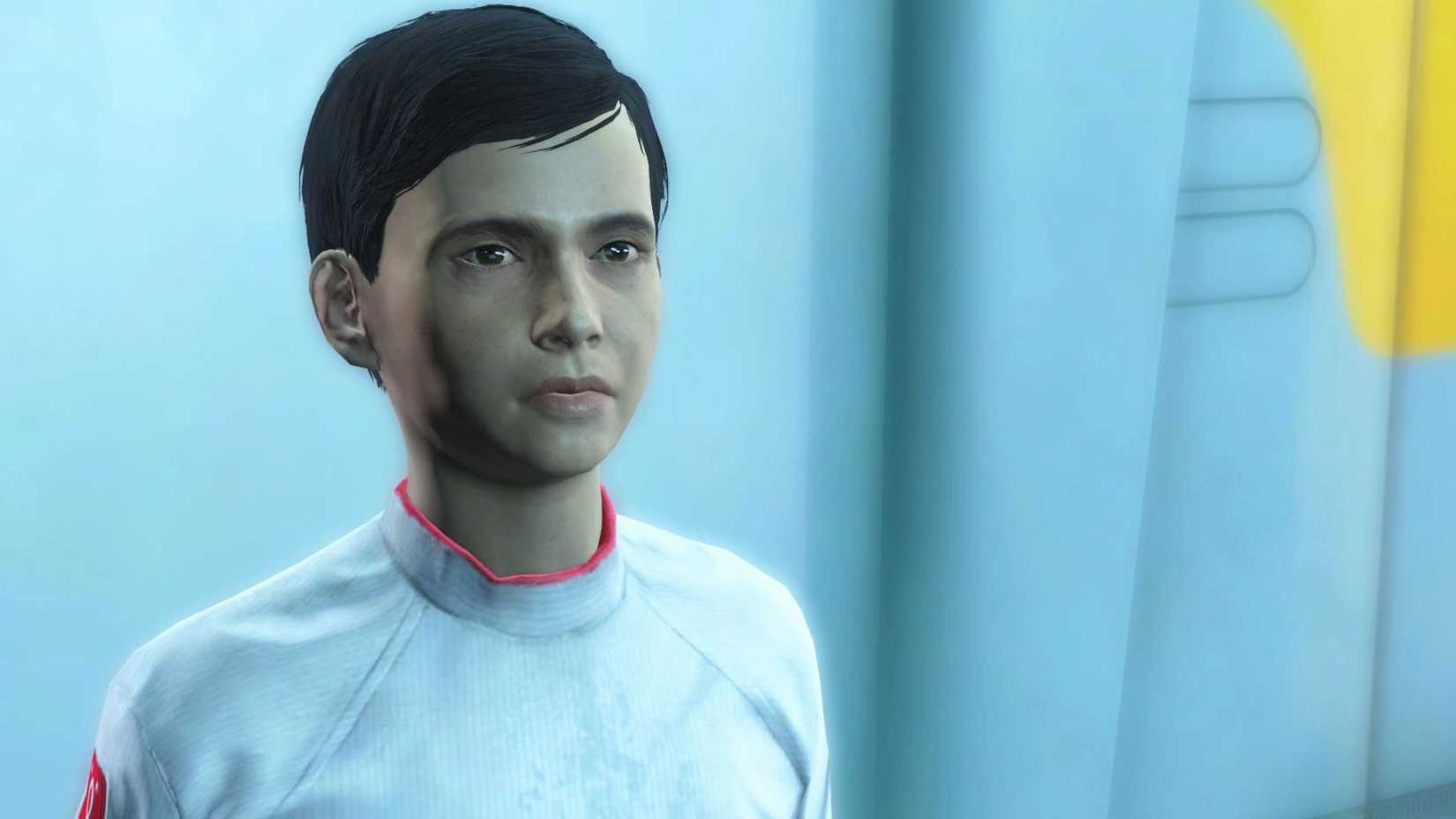
After spending an entire game chasing rumors (or building settlements), we're finally reunited with our son Shaun in the Institute's lair. However, our touching reunion is cut short when it's revealed that this seemingly younger version of Shaun is yet another synth, and that the real Shaun is the leader of this shadowy organization.
Synth Shaun himself never does anything dubious, unless you consider imitating your child to be a moral crime. But overall, his very existence raises some interesting philosophical questions. For one, he was reprogrammed by the real Shaun to believe he's actually your real son. Will that cause some issues years down the line? Most likely, taking care of a synth wearing the skin of your child, who's permanently stuck at the age of 10, sounds more like a curse than a gift.
What makes Shaun's fate a big question mark morally is that if you rationally go "You're not my son, get away with me", everyone in the game treats you like you're some kind of monster for abandoning this robotic child. So, you're kind of positioned to send him off to a settlement and check in occasionally. One last act of spite from the real Shaun, I guess.
9 Father (Actual Shaun)
Victim or Monster?
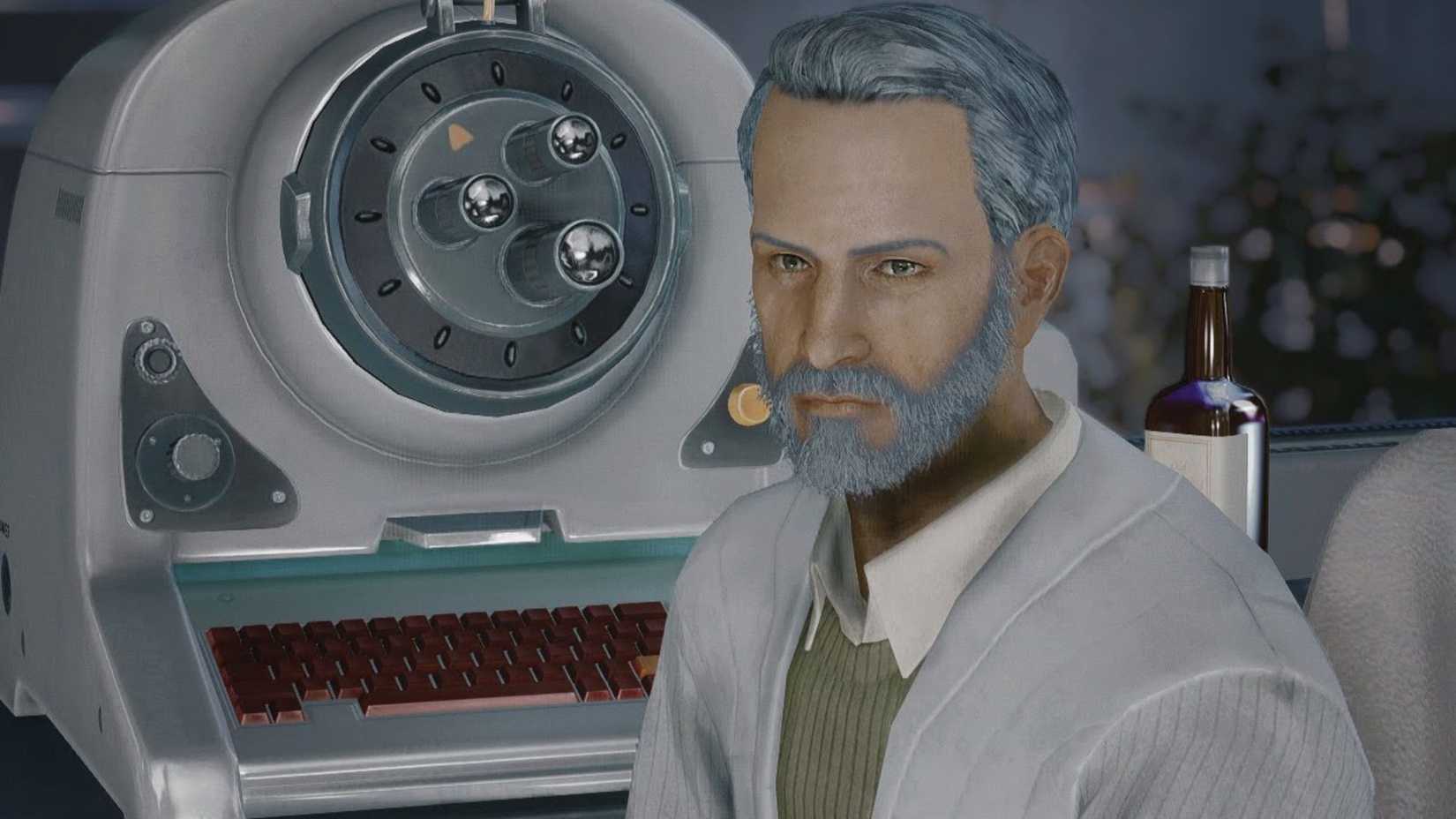
Fallout 4's main villain, Father, is a confusing character. We spend the entire game searching for our son, only to learn this whole time he's been indoctrinated by the Institute to become its oh, glorious leader. Even worse, he is fully bought into its ideology, and you can't sway him out of it.
Given that Father is just as much a victim as he is a perpetrator of a cruel system established by the Institute, it makes it difficult to truly cast judgment on him. It doesn't help that the game introduces your son dying from a mysterious and sudden illness, which prompts him to name you as his successor, a random stranger who has just appeared only a few days ago. But I digress.
 Related
10 Games Where Spite Is A Powerful Motivator
Both protagonists and antagonists can have hate in their hearts.
Father's deeds during the time you've been asleep are certainly unforgivable, but in the short time you spend with him, you can already start to see the cracks in his ideology start to shake. We learn this pretty suddenly after his death through a holotape, where he confesses as such after leaving you to inherit Robo-Shaun.
To give Bethesda some credit, Father remains a far more interesting villain than what we're used to in their games, and introduces some pretty compelling traits that have us wondering if we could have redeemed him if only we were unfrozen sooner.
8 DiMa
A Savior Acting as a Necessary Evil?
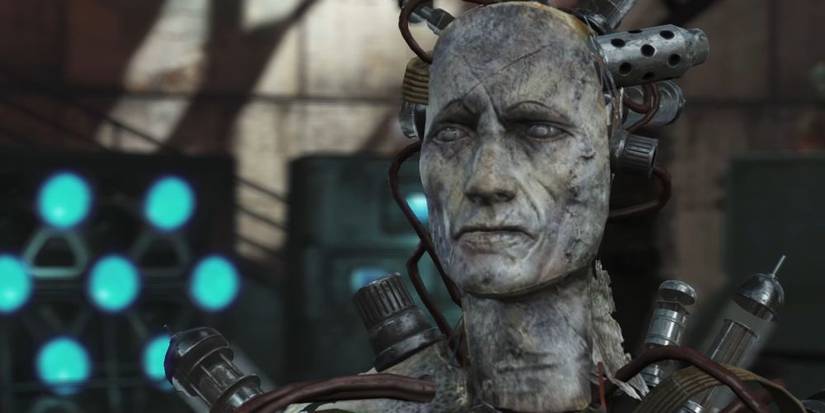
DiMa is perhaps the most interesting character in all of Fallout 4, and it's a tragedy that he only appears in the Far Harbor DLC, as he makes for a far more interesting antagonist than the Institute.
DiMa is the synth leader in Far Harbor, and he works as a microcosm of the Institute, repeating the same atrocities as the very organization he fled from.
As we come to learn, DiMa has been replacing human settlers and the Children of the Atom in Far Harbor with synths to prevent an all-out war between the two factions. It's an act DiMa knows is so heinous that he frequently wipes his memories of scheming and planning them so he can live with himself. But this benevolent persona still feels like a mask. While DiMa offers sanctuary for all synths, he's also more than happy to take advantage of an individual's doubt and sway his new recruits into believing they're a synth even when they're not.
While DiMa is capable of nobility and sacrifice, he walks a very fine balance of being a kind savior and a cruel manipulator, which makes him both endearing and revolting at the same time.
7 Conrad Kellogg
A Saturday Morning Cartoon Villain With Depth
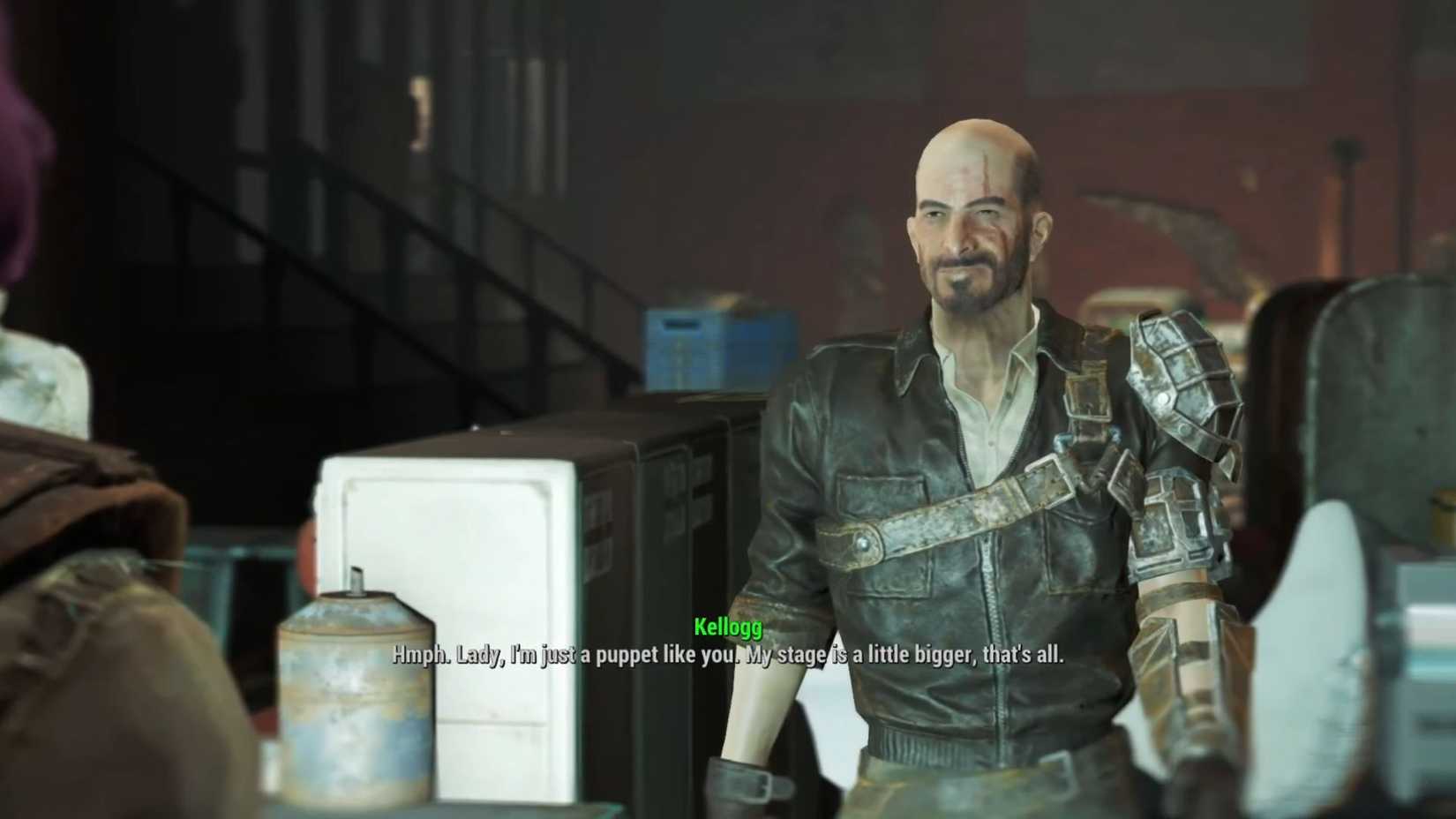
Kellogg is more than just a man with an eye-patch and a funny last name. He's actually one of Fallout 4's most introspective characters, and is responsible for the most engaging sequence in the entire game.
After killing Kellogg and taking an implant that stores his memories back with us to Nick Valentine's, we're able to peek inside his mind and see what followed after he murdered our partner in cold blood. We learn in these memories that he was once like us.
He was a family man turned cruel after the murder of his wife and child, which warped him into the cold killer he ended up as. It's also here that we learn that Father likely sent you after him to get revenge for murdering his Mom or Dad, depending on who you play as.
 Related
8 Fallout 4 Features That Made Wandering the Wasteland Feel Surprisingly Relaxing
The Boston Commonwealth is full of surprises and lethal dangers, but even then, there are some things that make traversing it a relaxing experience.
There's no doubting that Kellogg was definitely a monster by the end of his life. But much like how the TV show is positioning Lucy's wavering morality against The Ghoul, it's tough to cast judgment when the wasteland can take everything and more.
6 Robert Macready
How Pragmatism Can Conflict With One's Moral Compass
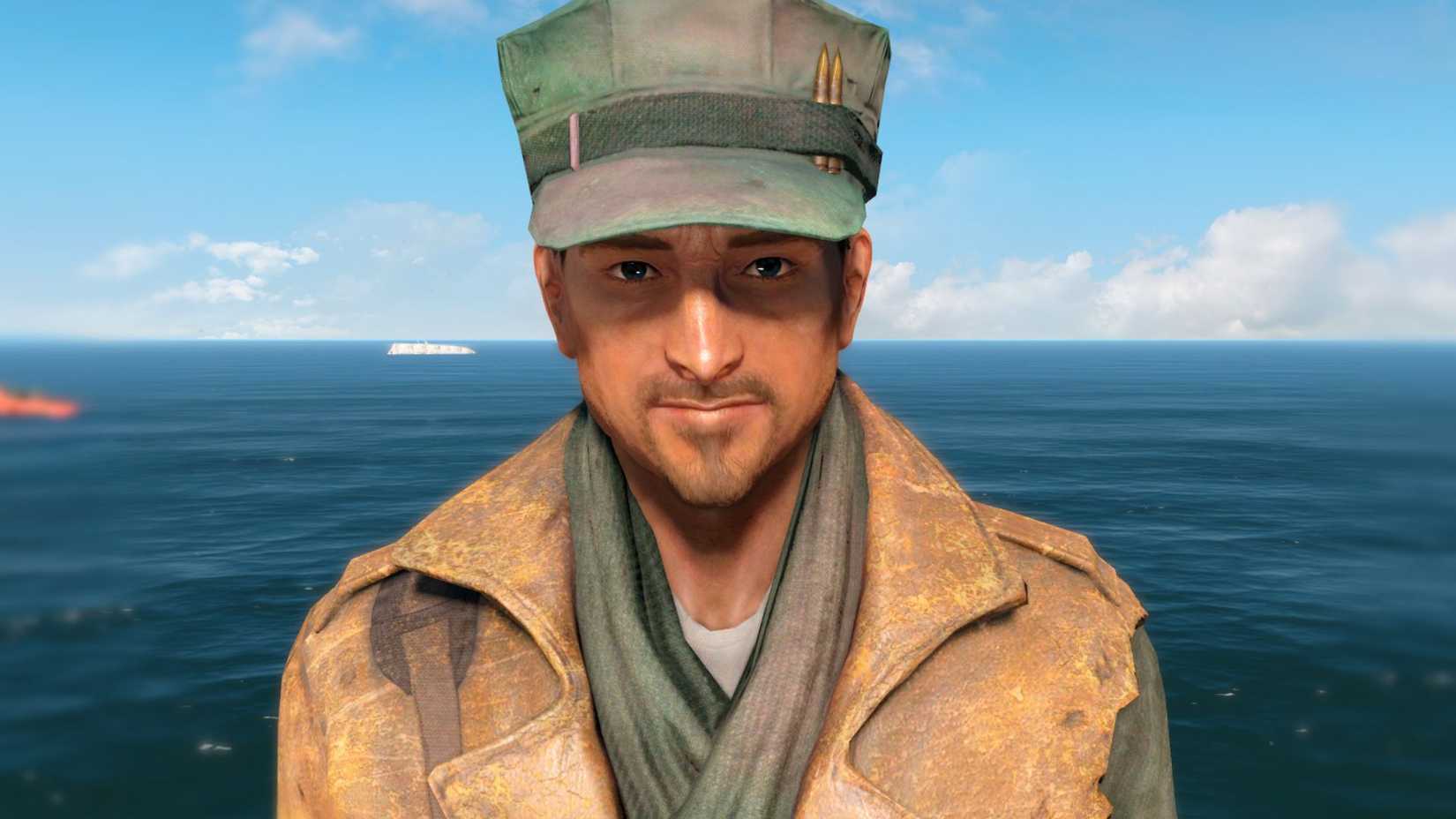
Robert Macready is a returning character from Fallout 3, and he's far from that same kid you met at the Little Lamplight. Now, Macready has grown into a ruthless mercenary, driven by his desire to protect his family and earn enough to pay for the medicine that's keeping his son alive. Still, he's a deeply pragmatic man, and conflicts with Goodneighbors charity, as he'll often haggle for higher caps when hiring him for his services
Despite disliking blind charity, however, he'll strongly disapprove of harming innocents, which, as we learn, is why he quit working with the Gunners due to their lack of consideration for innocents becoming collateral.
As we later learn during his personal quest, this uncaring mercenary appearance is just a front for a man who is desperately devoted to caring for his sick son. Given his background in Little Lamplight, a town occupied by orphans, Macready is solely motivated to ensure he doesn't lose his family again, and is willing to bend the rules to make sure it doesn't happen.
5 Nick Valentine
Coming to Terms with Existential Dread
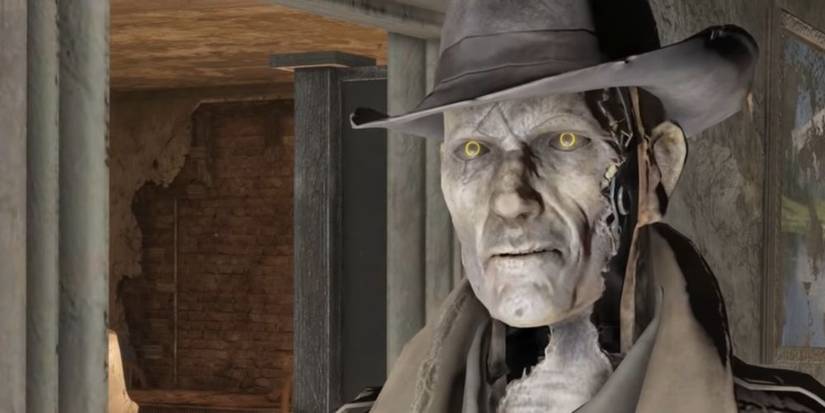
Nick Valentine is Fallout 4's most interesting companion. Valentine is an early-generation synth like DiMa, who was implanted with the memories, personality, and morals of a pre-war Boston police detective. A fact that Valentine himself is aware of, as he often questions if his thoughts and empathy for others truly stem from him, or are hard-coded via the persona implanted in him.
Despite Valentine's obvious appearance as a synth, and the stigma that comes with it in Diamond City, he still remains moral and chooses to be a compassionate citizen to those around him. In saying that, his personal quest sees him hunting down Eddie Winter, the man who murdered the real Nick Valentine, and getting payback. The quest wisely calls into question if Valentine is acting on vengeance or justice, interrogating his own morality and how he's willing to bend it when convenient.
It's this morality of being a self-aware synth that makes his character one of the most interesting in the entire game. It's also why he's the de facto correct choice for a companion to bring with you to Far Harbor, as his interactions with DiMa are some of the best writing in any Bethesda game in recent years.
4 Paladin Danse
Identity vs Ideology
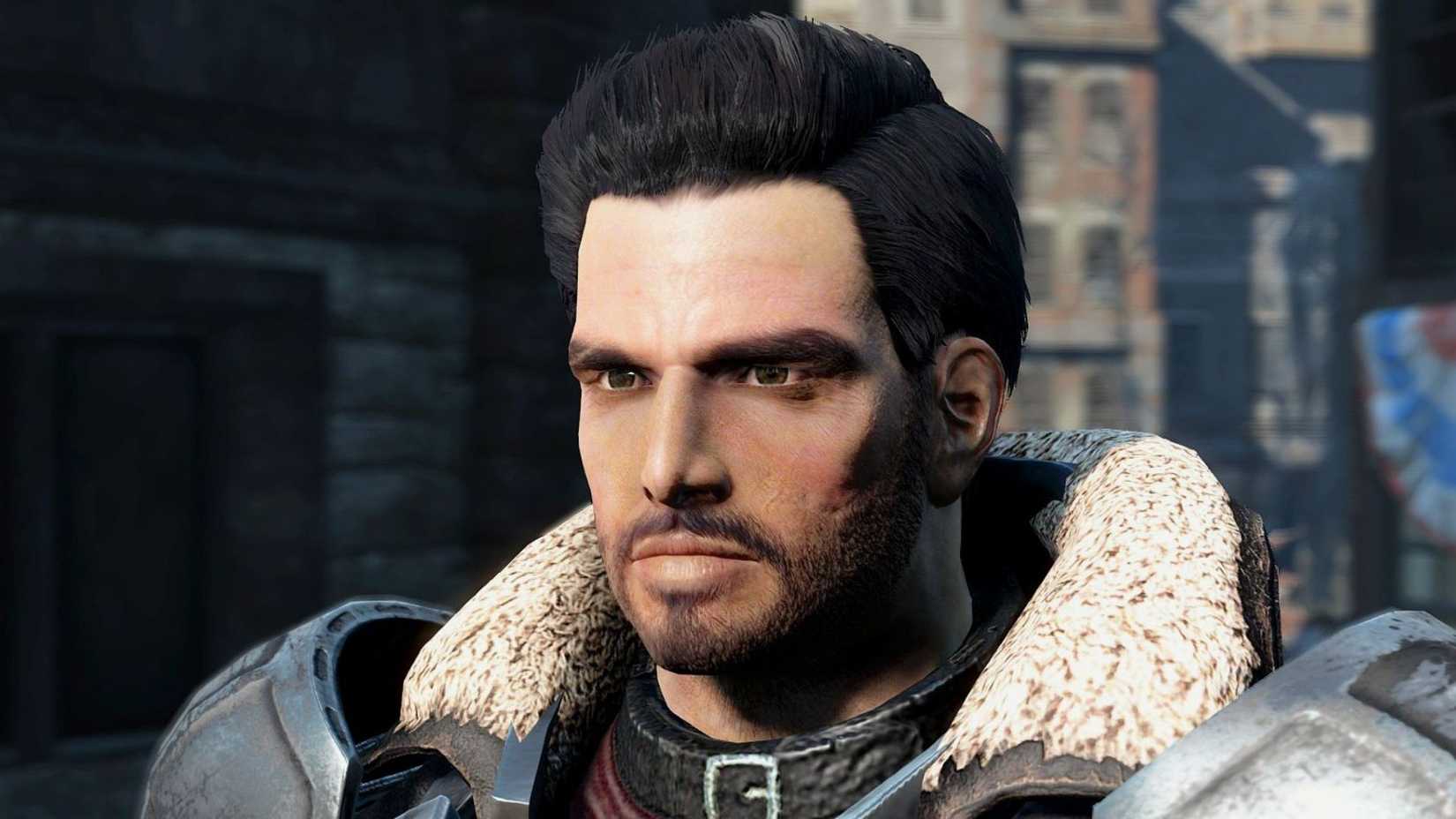
I'll be honest, I hate Paladin Danse, but his character represents the cruel hypocrisy of the Brotherhood of Steel, and his character arc demonstrates that effectively. Danse might as well be Captain America when you meet him. He's welcoming, fair to you, and seems like a genuinely nice guy. Just don't ask him about his opinions on Ghouls.
As we come to later learn, Danse is a synth who has unknowingly replaced the real Paladin and assumed his identity. Upon learning this, Danse orders you to kill him and feels proud of you for doing so.
The irony in Danse being religiously opposed to the existence of synths, mutants, and ghouls, yet being one of those things himself, makes his character arc an interesting one. If you choose to let him live, Danse can't bring himself to do the deed, and lives on, full knowing he'll be hunted down by the Brotherhood for the remainder of his life.
3 John Hancock
Chaotic Good in the Wasteland
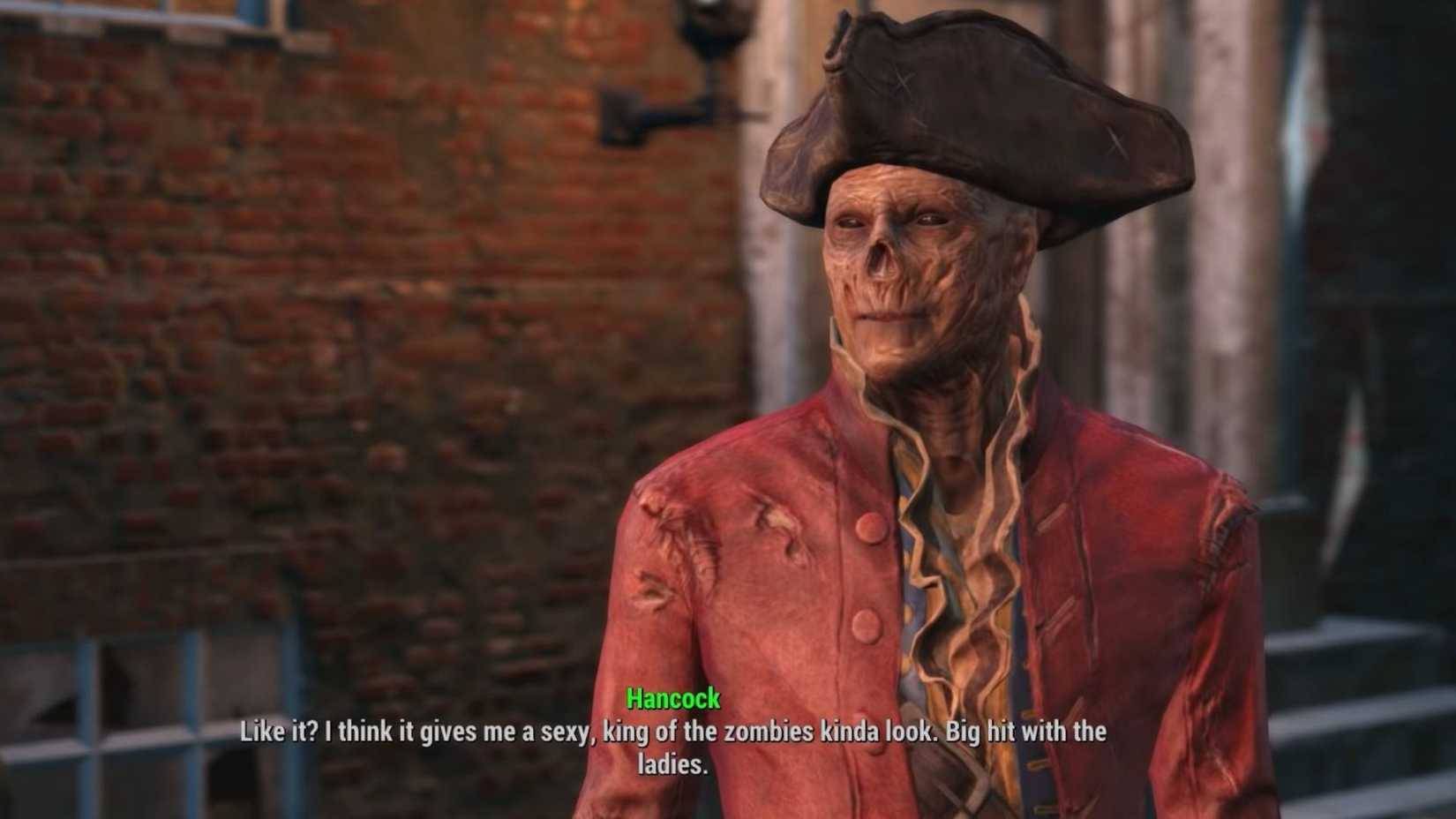
John Hancock is the ghoul mayor of Goodneighbor, and may just be one of the kindest characters in the game. Or at least, as kind a character can be in the Wasteland.
While Hancock is an advocate for some good ol' chem use and street violence, he's also a fierce advocate of ensuring Goodneighbor remains a safe location for all Ghouls and ensuring equality among all of society's outcasts. He also rules Goodneighbor reasonably, unlike other tyrants you meet throughout most Fallout games.
 Related
10 Best Video Game Dog Companions
Whether it's D-Dog, Koromaru, or Dogmeat, gaming is chock full of certified good boys.
He's an excellent mirror to other characters in the franchise who are beaten and broken down by the violence of the wasteland, as Hancock himself became a ghoul due to an experimental drug he only took out of desperation. He demonstrates that even after hitting rock bottom in the Wasteland, you don't need to reduce yourself to becoming a cruel raider to survive, and that kindness can triumph.
2 Porter Gage
A Cruel Raider Out of Practicality
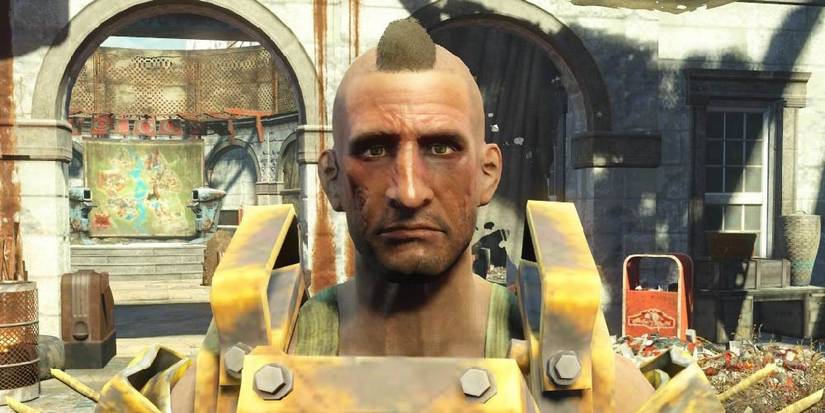
For most of Fallout's existence, we've seen Raiders almost exclusively as violent chemed up monsters with little regard to survival. That is, until the Nuka-World DLC, which introduced us to Porter Gage.
Much like Kellogg, Gage lived a simple life until he ended up being a victim of the Wasteland's cruelty. From then on, he decided to become a raider, not out of mindless bloodlust, but out of practicality, so that he'd never be a victim again.
Despite Gage's raider alignment, it's clear that he couldn't be any more unlike them. Sure, he encourages some petty looting and light extortion, but he loathes other Raiders' abuse of chemicals. Like other raiders, he does value strength and self-interest, which is why he eventually pledges himself to you, going so far as to sacrifice himself in a later fight. Despite his best efforts to become the perfect raider, he ended up being nothing like them at all.
1 Kyle & Riley
Victims of The Synth Crisis
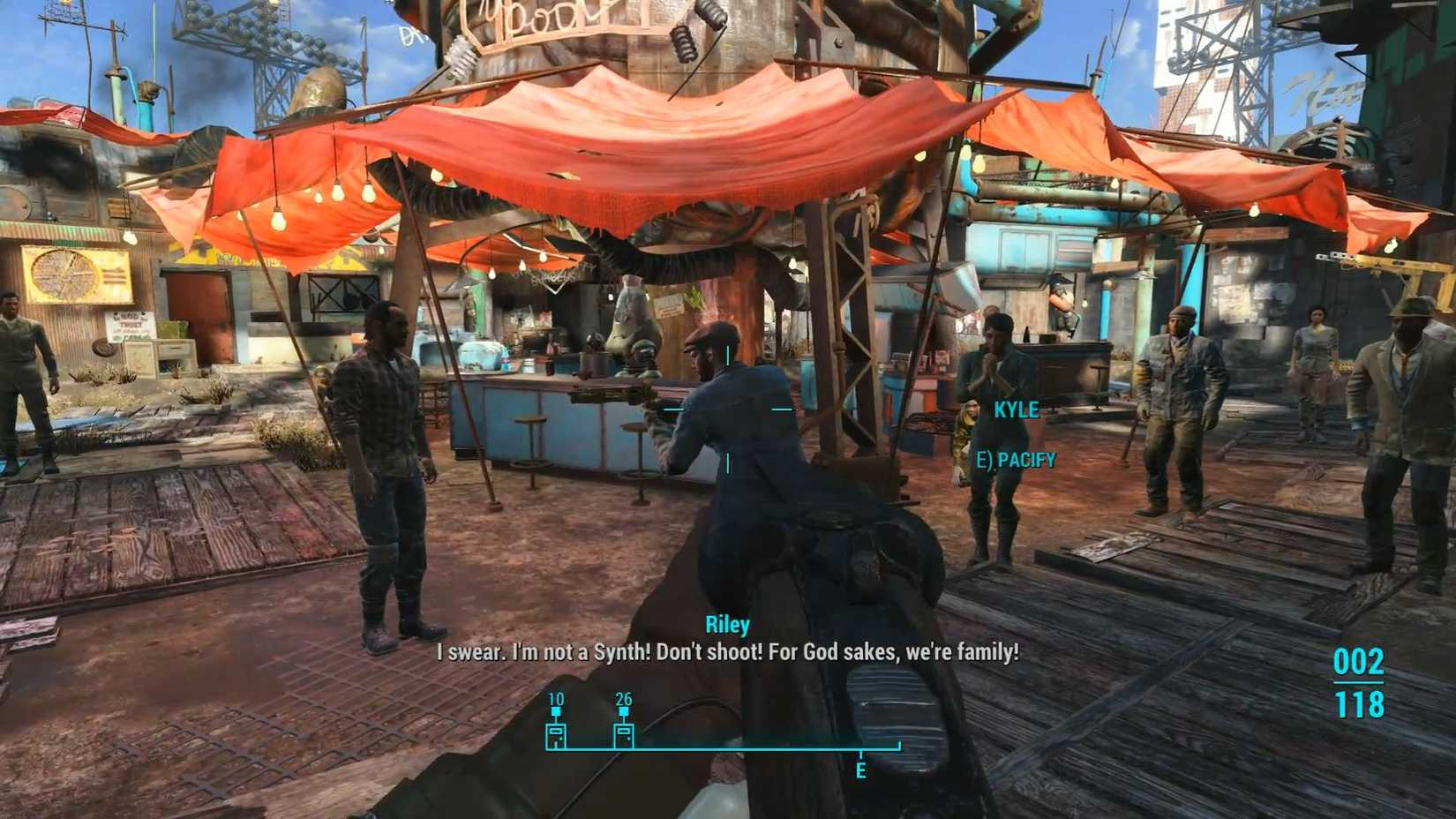
Something Fallout 4 needed to focus on was how the citizens of the Commonwealth react to the suspicion that anyone could be a synth. In a rare scene touching on these, once we enter Diamond City, we see the character Kyle, who, in a burst of paranoia, has his gun aimed at his brother, Riley, accusing him of being a synth.
Guards quickly arrive on the scene, and tensions rise quickly. You can step in and try to de-escalate the situation, but it's for naught, as Kyle will be taken out either way. If you decide you need to find out for yourself, you can kill Riley and loot his body, although he won't leave behind any Institute items nor a synth component, confirming he's human.
It's one of the very minor encounters in the game that depicts the paranoia affecting everyone over the existence of synths, and knowing that they, or someone they love, can be replaced without ever noticing.
 Next
Next
13 Best Games Like Fallout: New Vegas
Whether you're a veteran of the Mojave or just looking for a game to scratch that post-apocalyptic itch, here are the best games similar to New Vegas.

Released November 10, 2015
ESRB M FOR MATURE: BLOOD AND GORE, INTENSE VIOLENCE, STRONG LANGUAGE, USE OF DRUGS
Engine Creation
Cross-Platform Play no
Cross Save no


![ELDEN RING NIGHTREIGN: Deluxe Edition [FitGirl Repack]](https://i5.imageban.ru/out/2025/05/30/c2e3dcd3fc13fa43f3e4306eeea33a6f.jpg)
 English (US) ·