.png)
.png) 1 month ago
19
1 month ago
19


Published Jun 10, 2026, 2:13 PM EDT
Daniel Trock is a Contributor at DualShockers specializing in PC games, lists, and reviews. He has been writing professionally since 2018 and covering games since 2020, with previous work spanning guides, news, lists, and reviews across multiple publications.
Before joining DualShockers, Daniel contributed guides to GamerJournalist and lists to TheGamer. He currently covers tech topics for SlashGear and BGR. He holds a Bachelor’s Degree in Psychology from Marist College and a Master of Fine Arts in Creative and Professional Writing from Western Connecticut State University.
Sign in to your DualShockers account
Amongst both the modern Fallout games and modern western RPGs in general, Fallout: New Vegas still maintains a standout reputation. You might think that’s a given, what with the positive reaction its predecessor Fallout 3 received, but there are a lot of nitty-gritty details in New Vegas’s overall design that not only made it a better game, but also helped it age better. Chief among these details are the various reactive features that determine how your protagonist exists within the Mojave Wasteland, and how the wasteland, in turn, reacts to them.
 Related
13 Best Games Like Fallout: New Vegas
Whether you're a veteran of the Mojave or just looking for a game to scratch that post-apocalyptic itch, here are the best games similar to New Vegas.
New Vegas both builds upon the foundations of Fallout 3 and the original Fallout duology and incorporates ideas all its own to create a roleplaying system that, at least to my knowledge, hasn’t been successfully duplicated in the many years since it was released. Newer games may look nicer or have larger maps, but all of these elements together, from combat stats like damage threshold to independent faction reputations, create a world that feels more like it’s responding to your actions.
10 Traits
Not Quite Perks, Not Quite Debuffs
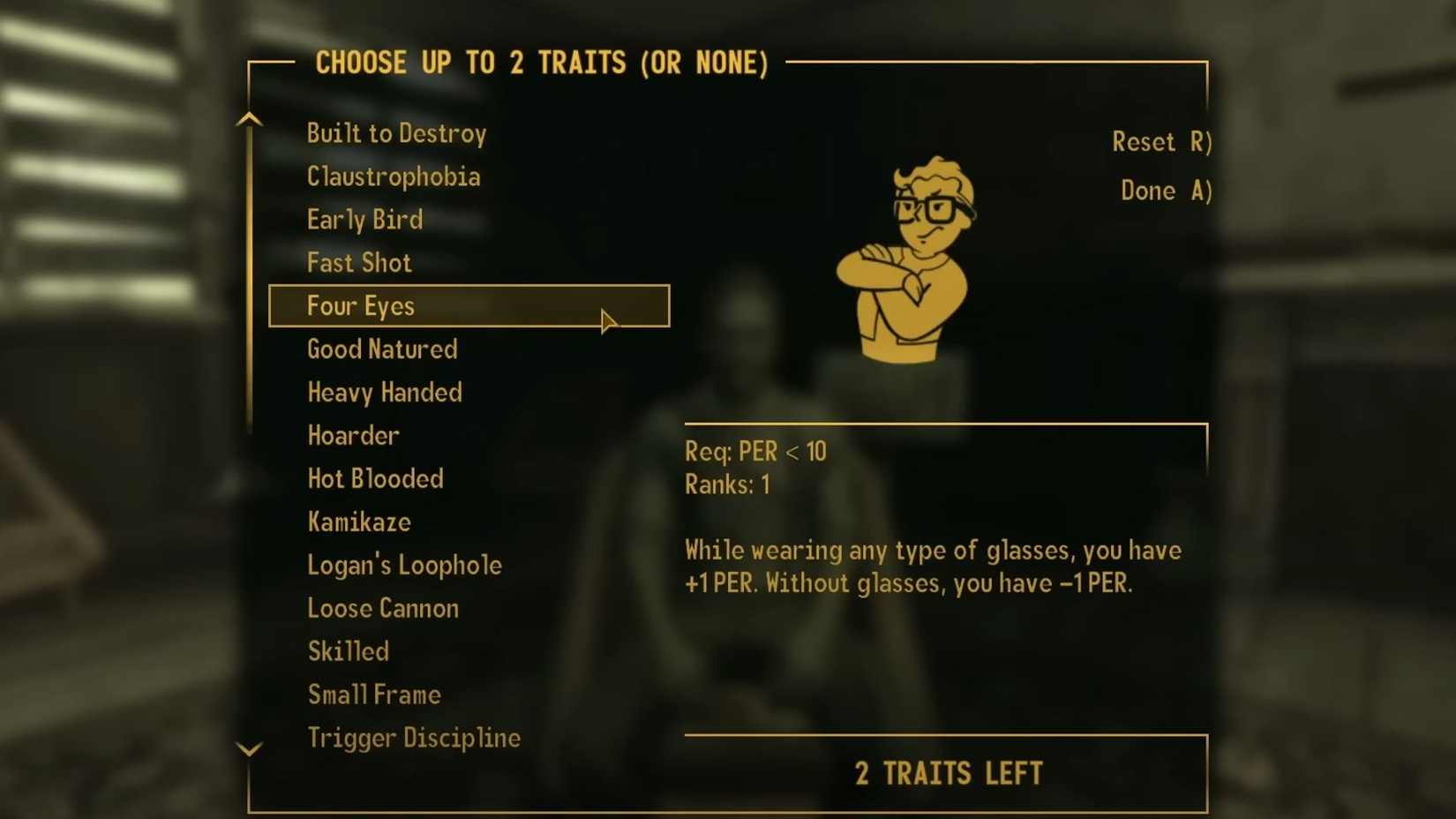
Perks are a common staple of the Fallout games, little enhancements and modifiers to your stats and abilities that, more often than not, are objectively positive. The more you level up, the more perks you get. New Vegas uses perks as well, but in addition to that, it adds a secondary system that only comes into play when you’re first building your character: traits.
Traits are similar to perks in that they provide various stat and ability modifiers to your character. The difference is that, where perks usually only do good things, traits have a mix of positive and negative effects. Heavy Handed, for instance, increases the damage of your melee attacks while decreasing critical damage, while Fast Metabolism speeds up your healing rate, but debuffs your radiation and poison resistance. Technically, you don’t have to take any traits if you don’t want to, but taking at least one or up to a max of two can help to fine-tune your gameplay experience.
9 Gambling
Luck is a Skill
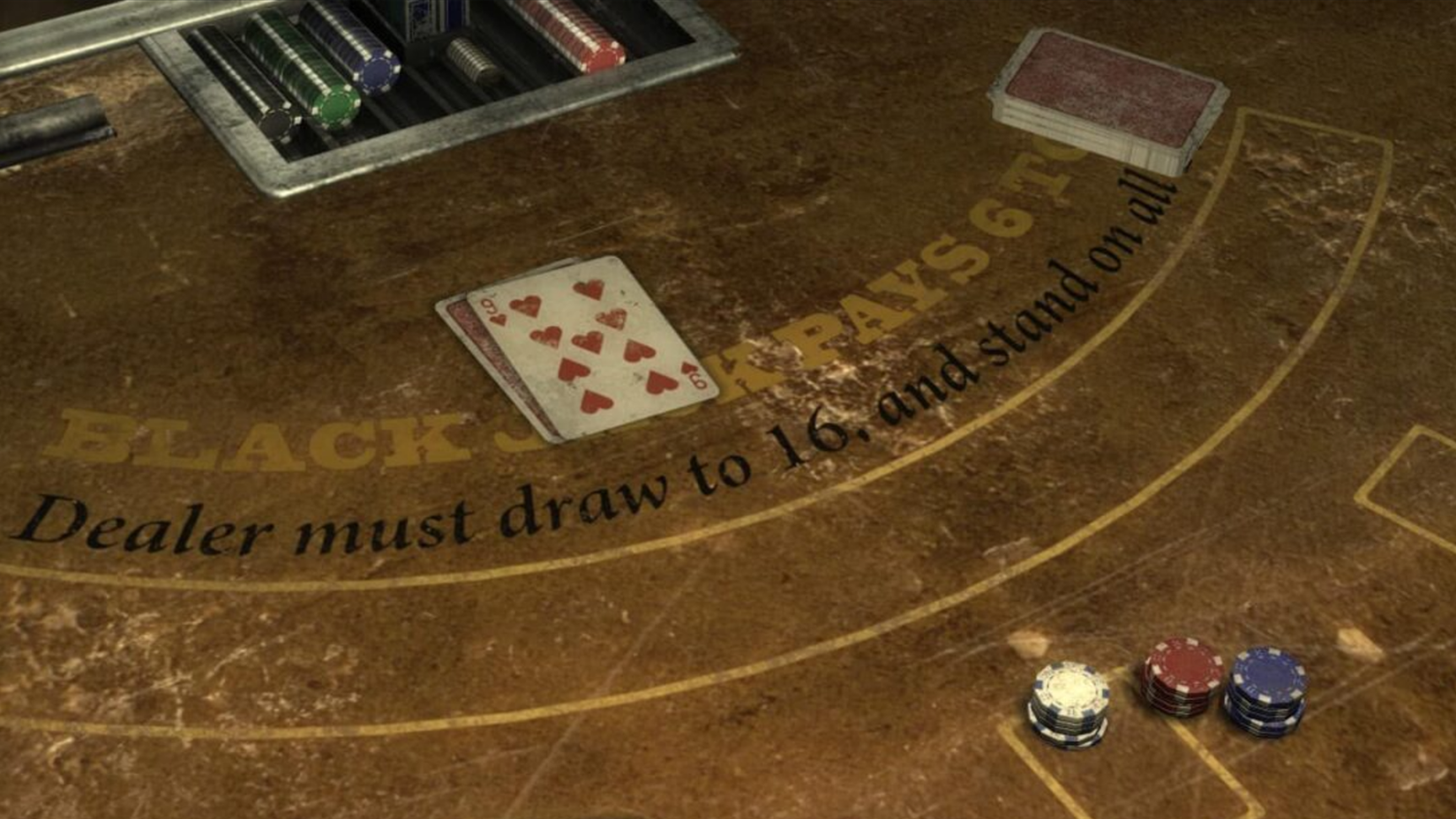
Luck is often a bedrock skill in RPGs, and the Fallout series is no exception to this. However, in most of the Fallout games, Luck only determines things like critical hit chances or the activation of certain perks like Mysterious Stranger. Given its proximity to Vegas, it makes sense that Fallout: New Vegas would put a little more emphasis on the concept, primarily through gambling.
New Vegas introduced a variety of gambling mini-games, including slots, blackjack, and roulette. At low luck stat levels, you have no particular advantage in any of these games, but as your luck stat climbs higher, things seem to take a turn toward your favor with an almost supernatural frequency. Of course, you’ll still lose a lot, and blackjack still requires a degree of skill and know-how, but you will win with at least a small degree of consistency. It’s a relatively minor feature in the grand scheme of things, but a very thematically-appropriate one given the game’s overall tone around gambling.
8 Companion Wheel
Give Thorough Instructions

Companion characters are a staple of western RPGs, and especially those made by Bethesda. However, managing these characters isn’t always the most intuitive, as games like Fallout 3 and Skyrim force you to do so through the regular dialogue interface. New Vegas solved this problem with the introduction of the Companion Wheel, which both made it easier to manage your companions and felt a little more grounded than going through the same three lines of dialogue with them over and over.
The Companion Wheel features eight quick options to suit most situations: swapping between melee and ranged weapons, opening the companion’s inventory, telling them to stay close or keep their distance, making them back up, telling them to be passive or aggressive, using a Stimpak, having them wait or follow, and opening regular dialogue. With all these features presented in such a quick and concise fashion, you can get your companions behaving more like a cohesive combat unit, rather than a bunch of toasters clumsily tied to your waist with a rope.
7 Iron Sights and Weapon Spread
Take a Good Look
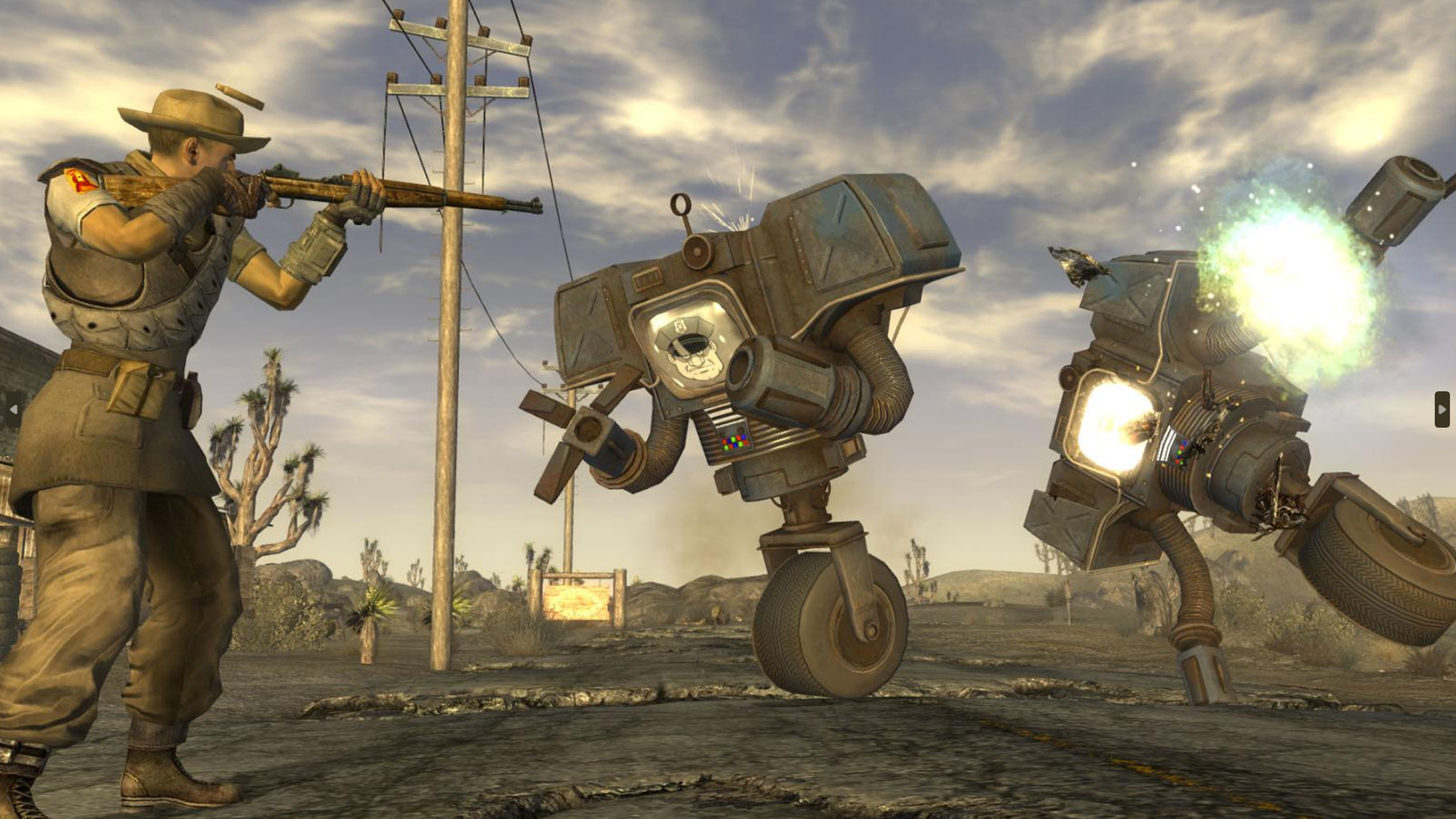
Fallout 3 was supposed to have an iron sights mechanic, but it was scrapped at the last minute, so your weapons in that game just have a generic zoom feature. New Vegas re-added the iron sights mechanic, though it’s a little more elaborate than just zooming your sight and making it easier to aim.
At any time in combat, there are a variety of small, yet distinctive penalties and modifiers to how your weapon functions active, partially dependent on your character stats and whether any of your limbs have been injured. For example, if you’re using a large rifle with a Strength requirement, and you don’t have the stats, plus one or both of your arms is injured, you take a passive debuff to your weapon spread stat, causing your aim to waver and your shots to go wide. Aiming down the sights, particularly while staying still and crouched, eliminates some of these penalties, helping to keep your aim centered even when you’re not in prime aiming condition.
6 Damage Threshold
Put Your Back Into It
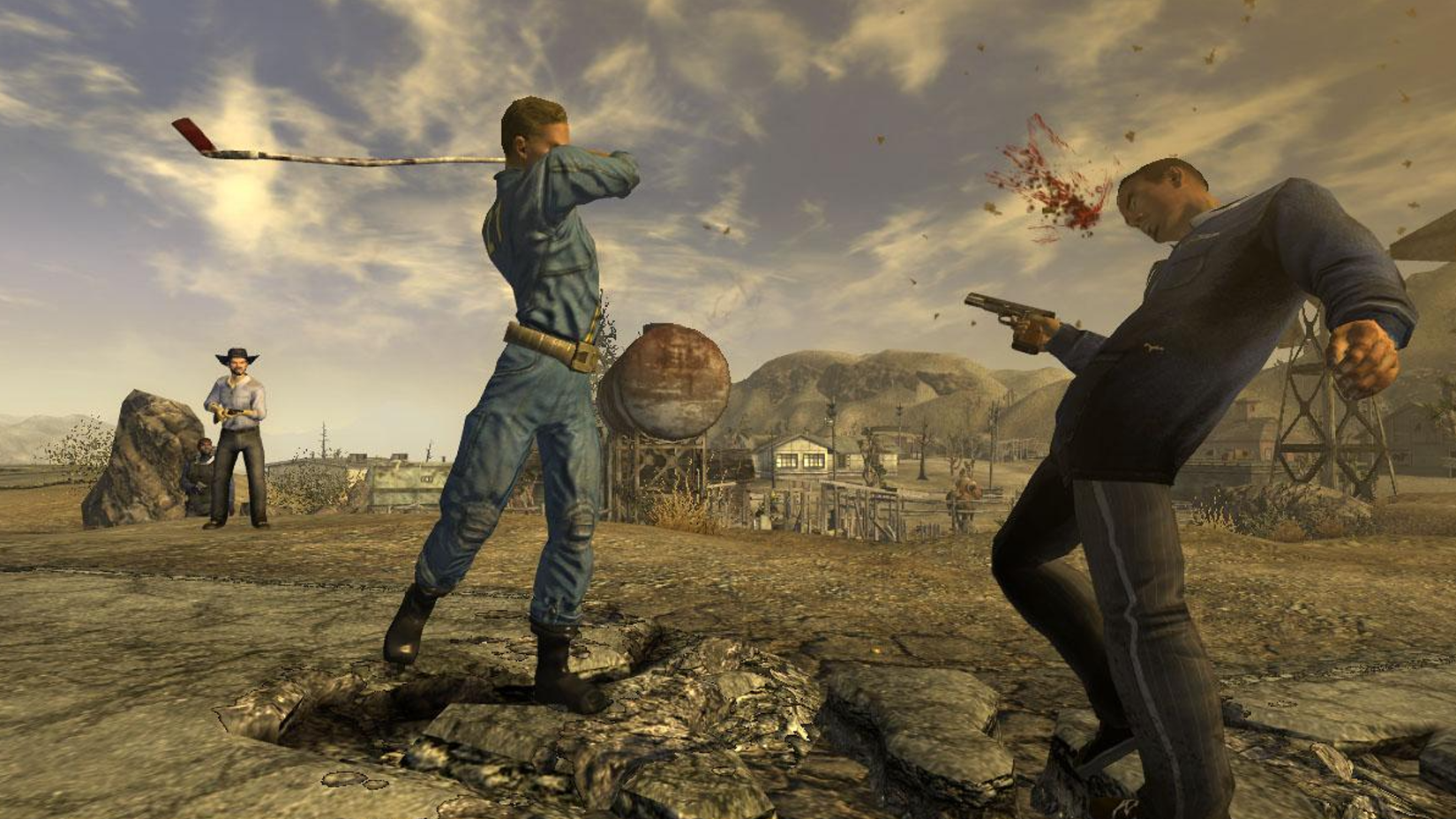
In Fallout 3, damage to both the player and NPCs was calculated via the all-purpose damage resistance (DR) stat, which knocked off a percentage of all damage incurred based on armor, perks, and so forth. Bog-standard stuff for RPGs, but New Vegas got a little more in the weeds with it, specifically by cribbing a mechanic from the original Fallout games, damage threshold (DT).
 Related
9 Best Open-World RPGs with the Deepest Character Builds
Here are the 9 best open world RPGs with a ton of build variety.
Damage threshold uses a more elaborate damage calculation algorithm than DR. Rather than just axing a percentage of all incoming damage, depending on your armor, perks, chems, and other modifying factors, DT outright ignores weaker incoming damage by setting a baseline before damage is calculated. In simpler terms, if you have a DT stat of 10 and get shot for 40 damage, 10 points of that damage gets completely nullified. It’s a more faithful damage calculation system, plus it allows the game to factor armor-piercing attacks and ammunition into the mix.
5 V.A.T.S.
Take Your Time (Or Don't)
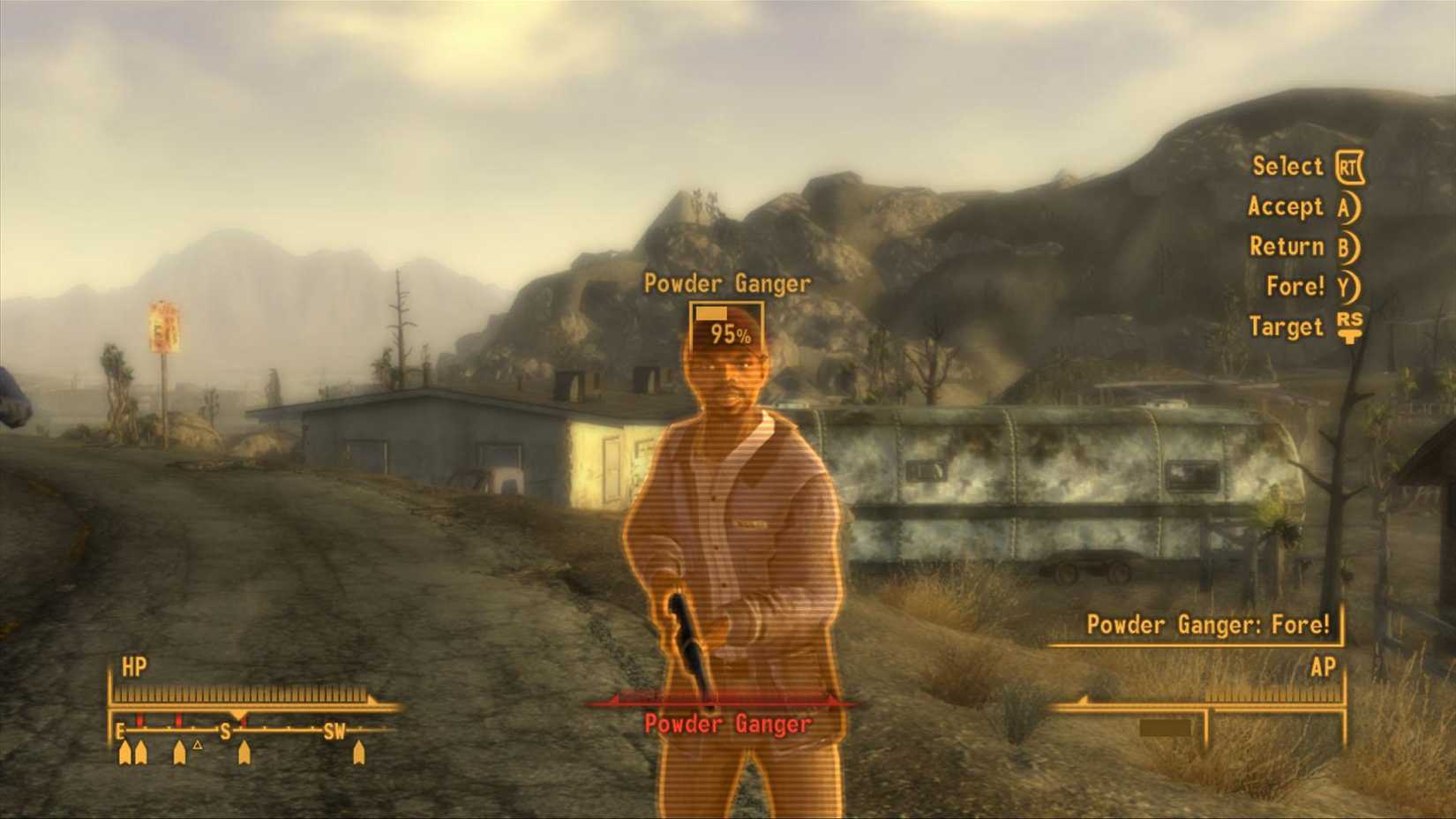
The Vault-Tec Assisted Targeting System, better known as V.A.T.S., was originally introduced in Fallout 3 as a deliberate send-up to the turn-based, limb-targeting combat of the original Fallout games. As New Vegas was built using Fallout 3’s engine, it carries over most of its base gameplay elements, V.A.T.S. included, though it adds a few little tweaks to improve its overall functionality and balance.
As in Fallout 3, V.A.T.S. allows you to temporarily pause the game to take focused aim at an enemy’s body parts, with percentages determining your likelihood of hitting them. Where New Vegas differentiates itself is in V.A.T.S. stats and modifiers. New Vegas’s V.A.T.S. makes several changes to player damage values, increasing the damage you can take while a V.A.T.S. sequence is running and reducing the rate at which enemies not being targeted are slowed down. This makes it more possible to get killed while running a V.A.T.S. sequence, so you need to be more careful about when you use it. New Vegas also adds more V.A.T.S.-related perks than Fallout 3, packing 16 versus 10.
4 Hardcore Mode
Hydration Check
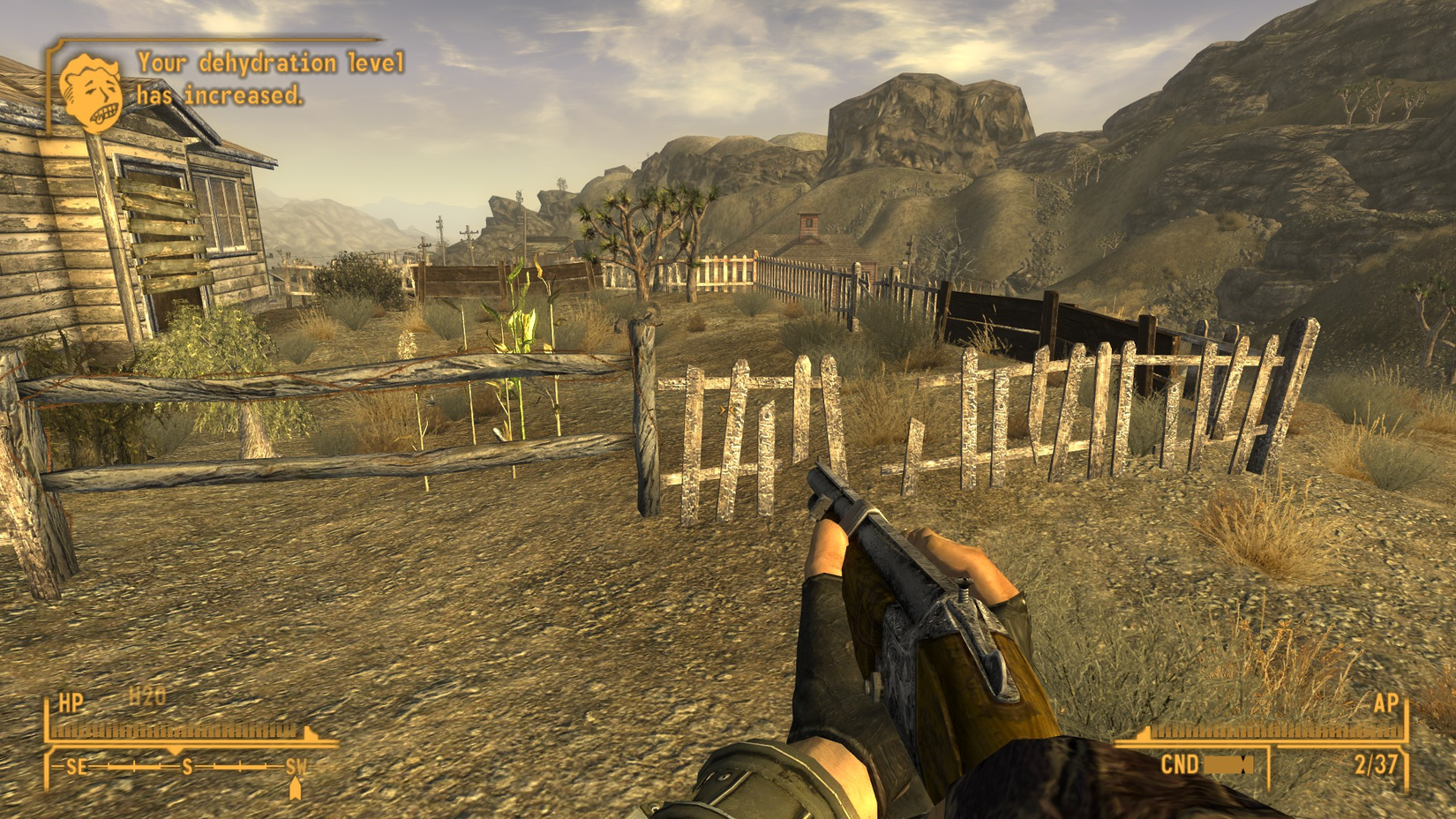
Barring a couple of standouts, I wouldn’t say RPGs are typically too concerned about realism. That’s not a bad thing; there’s enough to micromanage in the average RPG as it is without having to worry about your character getting eight hours of sleep. That said, I know there’s also an audience for that kind of intensive experience, and New Vegas caters to it with its optional Hardcore Mode.
When Hardcore Mode is enabled, several major game elements are added or altered. Chief among these differences is the need to care for your protagonist, including getting them consistently fed, watered, and put down for sleep. Failing to do any of these regularly will slap you with steep, debilitating penalties, ultimately leading to death. Speaking of, your companions can also die in Hardcore Mode, as opposed to just getting knocked unconscious in normal play, and items like Stimpaks, RadAway, and Doctor’s Bags provide partial, gradual healing rather than instant heals. It’s not a game format for everyone, but let nobody say it doesn’t make the game more intense and reactive.
3 Karma
The Cosmos Keeps Things Balanced
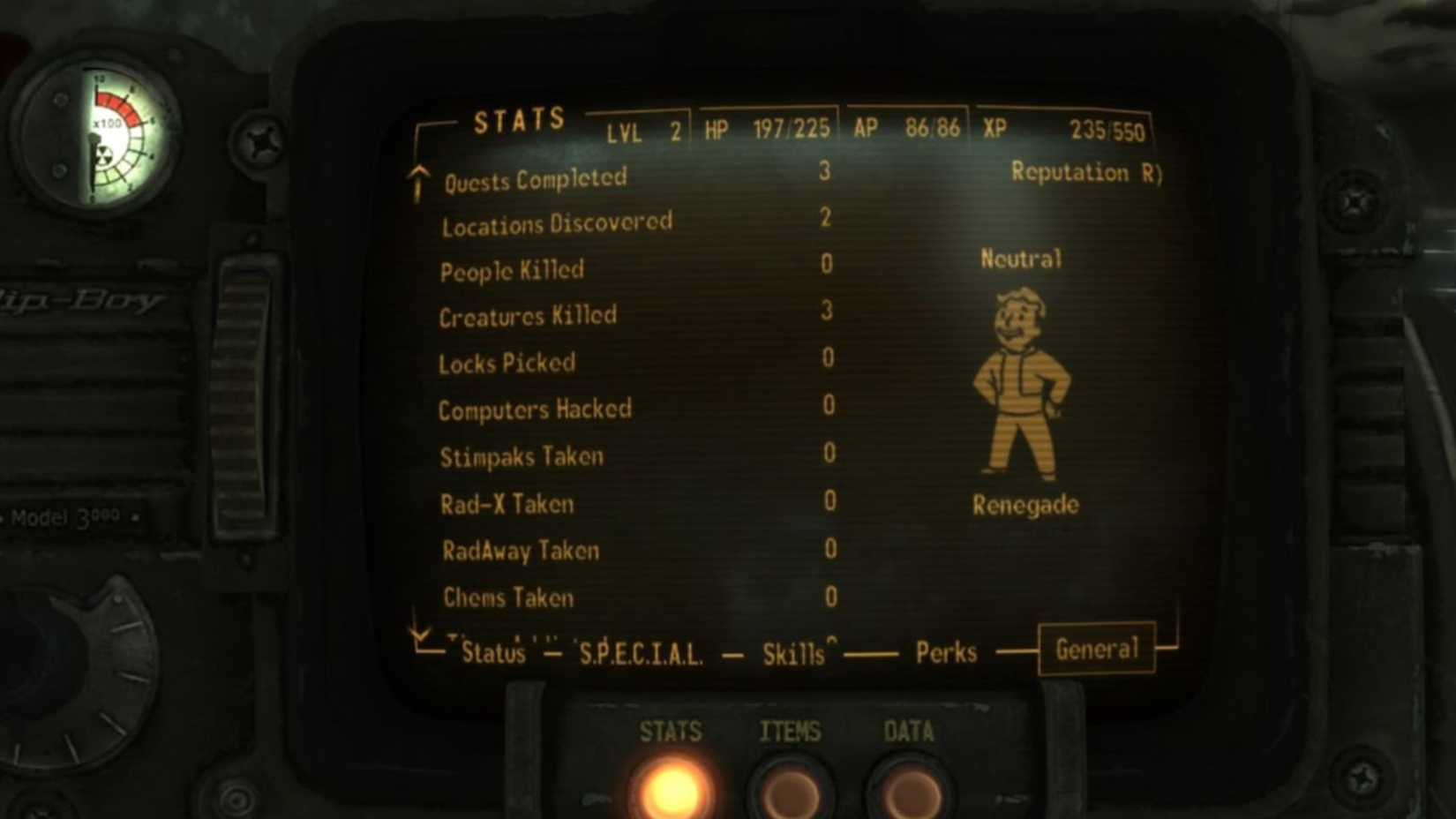
In a post-apocalyptic wasteland, you don’t really have things like laws to govern your behavior. Only you can hold yourself to any kind of standard, which means deciding for yourself whether to be an honest Joe or a piece of human excrement. The Fallout series represents this personal balancing of the cosmic scales through its long-running karma system, which is also present in New Vegas.
Karma is a point balance that’s always running in the background of things, judging you for the actions you take and the way you interact with people. You start the game with 0 karma, true neutral, with good deeds adding karma and bad deeds subtracting it. If you’ve got good karma, the world is naturally more receptive to you. People are nicer, some are more willing to trust you or offer you unique services or dialogues. If you’ve negative karma, people can feel the bad vibes coming off of you, being less eager to interact with you, though specific NPCs who are also terrible people may respect you a little more.
2 S.P.E.C.I.A.L.
Stats Cut Both Ways
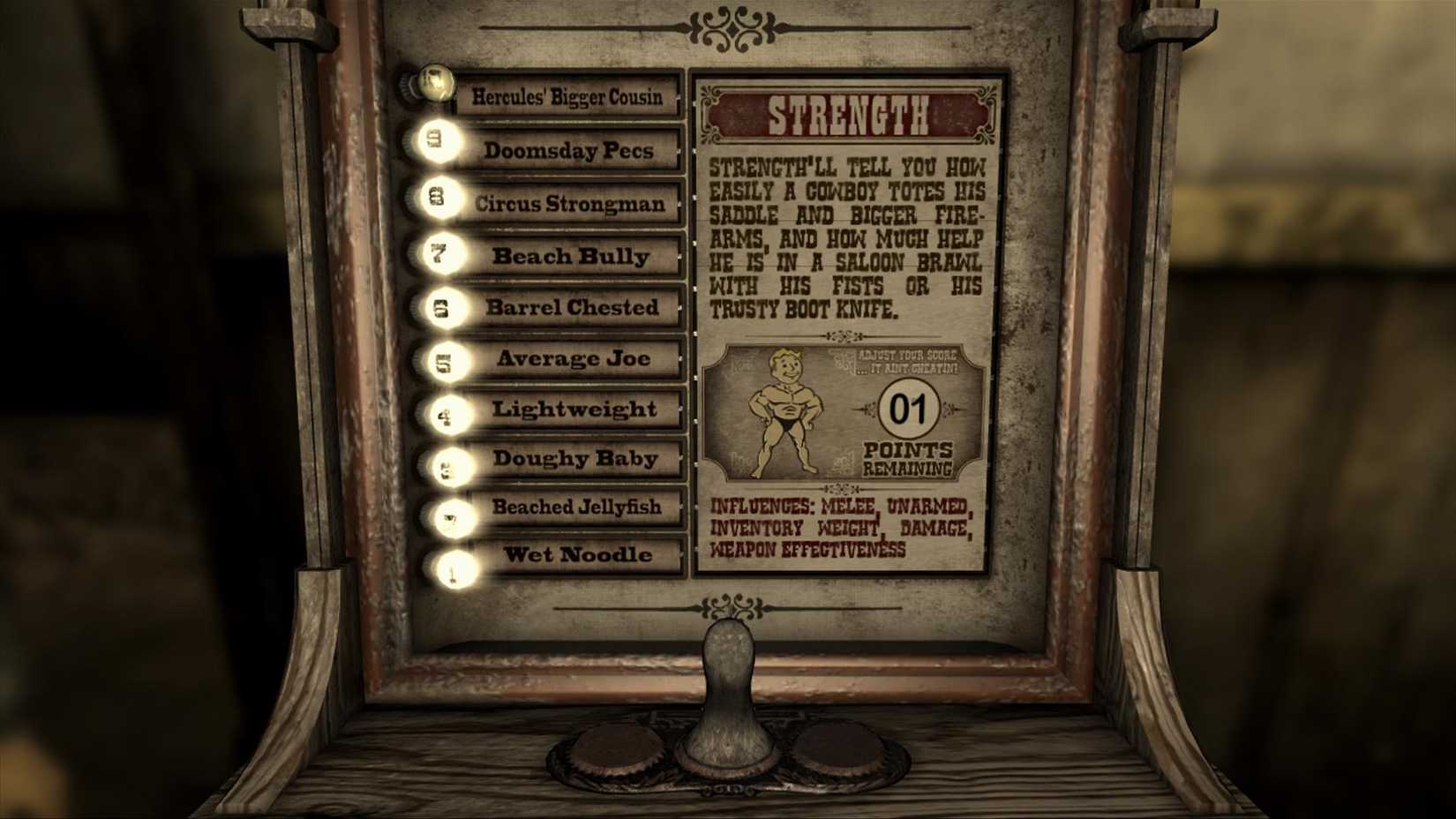
Since the very beginning of the Fallout series, character stats have been governed by a signature system known as “S.P.E.C.I.A.L.,” which stands for “strength, perception, endurance, charisma, intelligence, agility, luck.” Obviously, New Vegas has this system as well, and isn’t special for its inclusion, pun unintended. Where New Vegas differentiates itself is in how it uses S.P.E.C.I.A.L. in the world, and how your stats influence your interactions with NPCs and enemies.
Your S.P.E.C.I.A.L. stats influence the various skills that make up your broader character, from Small Guns to Speech. Unlike in Fallout 3, where having higher stats meant a higher-percentage chance of succeeding in checks, you can only perform checks at all if you have sufficiently high S.P.E.C.I.A.L. stats or skills, the former feeding into the latter. It makes it harder to fail upwards, basically, forcing you to actually build out your character rather than relying on dumb luck and save-scumming. The amusing exception to this is the Intelligence stat, which actually provides unique checks and dialogue options when it’s below average, some of which can have the same effect as a high Intelligence check.
1 Reputation
Your Actions Precede You
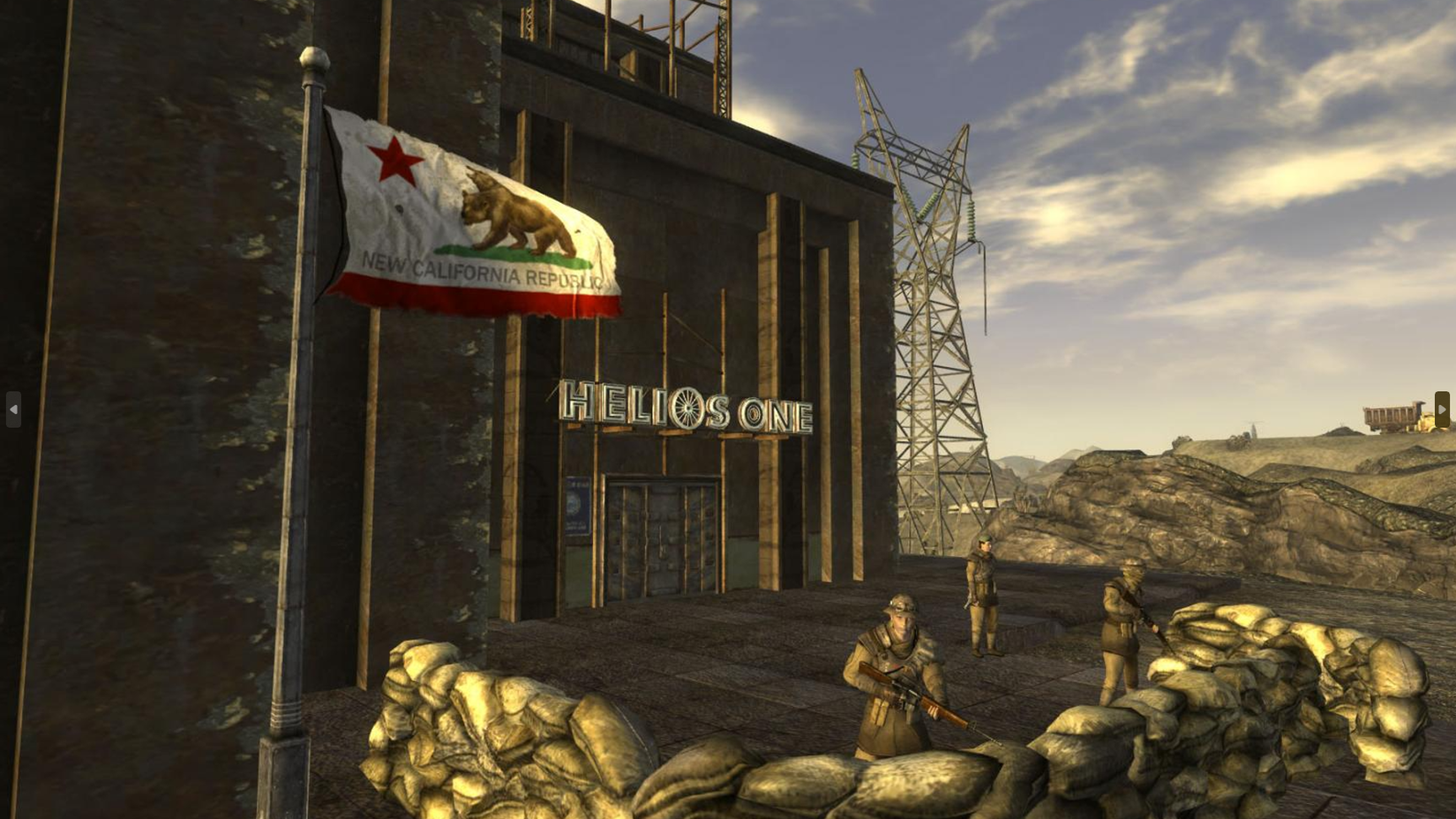
In the original Fallout duology, in addition to Karma, your actions in relation to specific wasteland factions would accrue Reputation points, with factions’ opinion of you being more disconnected from your general good or bad behavior. Fallout 3 scrapped this, but New Vegas brought it back, and in a big way.
Both the major factions, like the NCR and Caesar’s Legion, and the smaller factions, like the Boomers or White Glove Society, have their own tracked Reputation ratings. Clearing quests that benefit a particular faction or otherwise helping them out will provide Fame and improve their relation to you, while killing their representatives or sabotaging them will penalize you with Infamy. There are two interesting factors to this system: first, barring certain one-time circumstances with a couple of major factions, you can’t decrease gained Fame or Infamy. If you’ve reached Vilified status with a faction, for instance, no matter how much Fame you get, you can’t become Idolized, merely balance things out. Second, some factions don’t get along, and helping one faction could put you in the crosshairs of another, even if you haven’t done anything to antagonize them directly.
 Next
Next
Fallout: New Vegas

9/10
Released October 19, 2010
ESRB M for Mature: Blood and Gore, Intense Violence, Sexual Content, Strong Language, Use of Drugs
Engine Gamebryo






![ELDEN RING NIGHTREIGN: Deluxe Edition [FitGirl Repack]](https://i5.imageban.ru/out/2025/05/30/c2e3dcd3fc13fa43f3e4306eeea33a6f.jpg)
 English (US) ·