.png)
.png) 2 hours ago
1
2 hours ago
1


Published Jun 23, 2026, 1:38 PM EDT
Daniel Trock is a Contributor at DualShockers specializing in PC games, lists, and reviews. He has been writing professionally since 2018 and covering games since 2020, with previous work spanning guides, news, lists, and reviews across multiple publications.
Before joining DualShockers, Daniel contributed guides to GamerJournalist and lists to TheGamer. He currently covers tech topics for SlashGear and BGR. He holds a Bachelor’s Degree in Psychology from Marist College and a Master of Fine Arts in Creative and Professional Writing from Western Connecticut State University.
Sign in to your DualShockers account
Generally speaking, one does not play fighting games for the sake of story or lore. You play fighting games because you want to fight things, and experience the technical thrill of getting good at doing so. Even so, there’s something about fighting games that makes you want to know more about their settings. Why is this person throwing fireballs, why is that guy a robot, why are we fighting in front of a giant evil fetus? You could just say it’s all set dressing and doesn’t matter, but if it didn’t matter, why would it even be in the game?
 Related
10 Most Iconic Super Moves in Fighting Games
When these moves come out, the hype isn't far behind.
Part of why I like to play fighting games, even if I’m not very good at them, is that I like to get to know the characters and the worlds they inhabit. While not every fighting game goes the extra mile to illuminate its setting, some provide surprisingly ample lore-diving potential, whether through arcade ladders, story modes, or in some cases, even entire glossaries of in-universe terms and proper nouns.
10 Persona 4 Arena (and Ultimax)
The Intersection of Shadow Cases
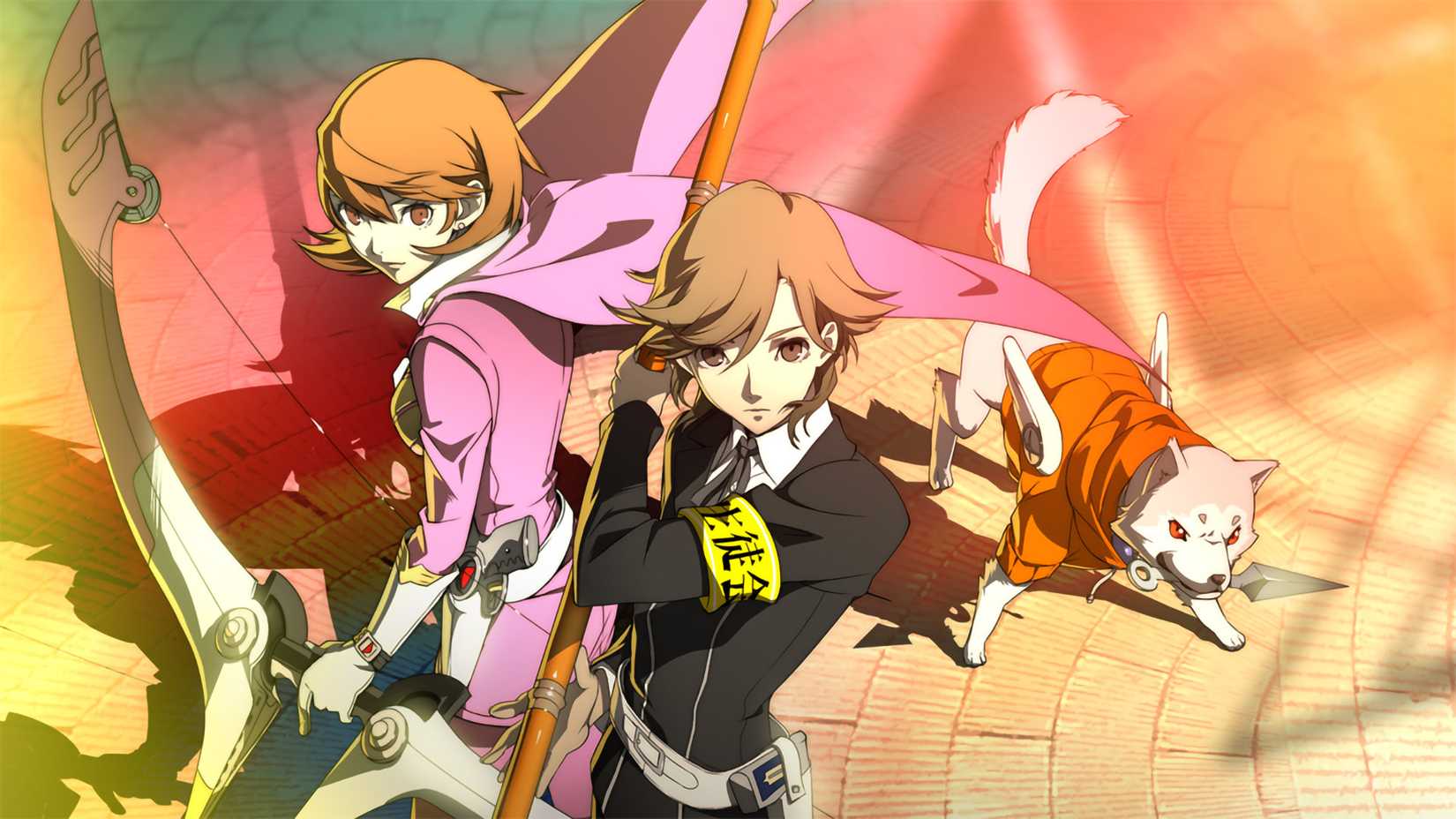
It might be weird to see Persona 4 Arena on a list like this, given it’s a spin-off of Persona 4. Surely, if you want plot extrapolation, it’d be better to just play Persona 4 than expect any kind of setting lore from a spin-off. However, Persona 4 Arena isn’t just a spin-off of Persona 4, it’s also a continuation of the events of Persona 3, showing the broader scope of the endless conflict between Persona-users and the malevolent entities within the Sea of Souls.
In addition to the Investigation Team of Persona 4, we also see the now-adult members of S.E.E.S. working as the Shadow Operatives, a multinational organization of supernatural combatants using Personas to fight Shadows whenever they crop up, which is apparently semi-frequently. We also get more information on the Anti-Shadow Weapon program that yielded Aigis through Labrys’s backstory, and specifically in the Ultimax expansion, the circumstances in which malevolent Persona-users like Sho and dark cognitive entities like Hi-No-Kagutsuchi can arise. It’s less about the game’s world becoming physically larger, and more about how the mechanics of the setting are fleshed-out.
9 Skullgirls
Welcome to the Canopy Kingdom
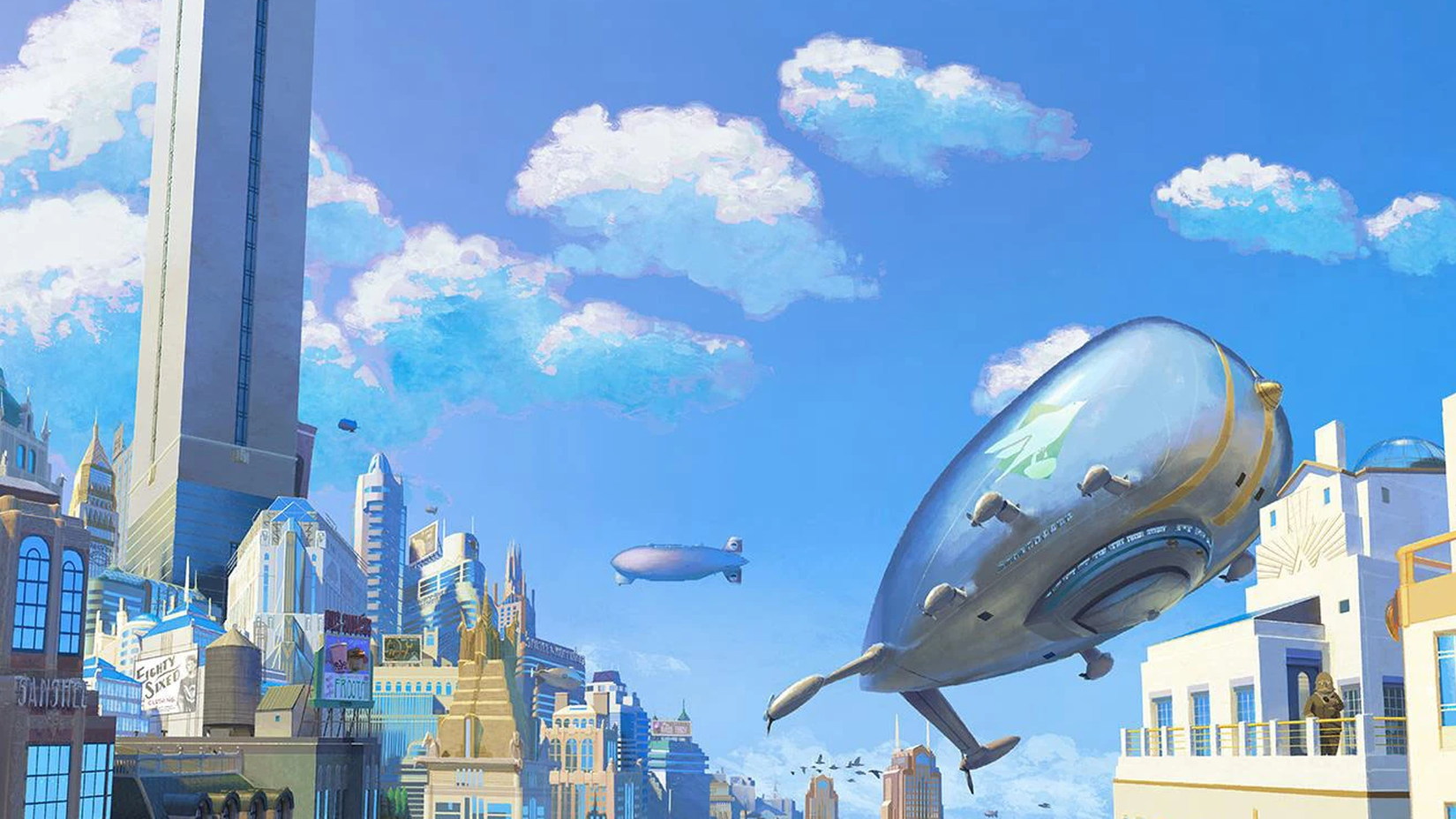
Making an indie fighting game is quite possibly one of the most difficult endeavors imaginable. It takes a lot of work to design and balance a fighting game even with a major studio budget, to say nothing of creating an interesting setting to base it all in, so doing that with a smaller developer is an undertaking to say the least. Whether or not Skullgirls came out the other side of it all smelling rosy is a matter of opinion, but if nothing else, you can’t disparage the game’s commitment to its setting.
The focal point around which Skullgirls’ lore revolves is the titular Skullgirl, and the mystical Skull Heart that creates her. The wishes made upon the Skull Heart over the centuries have quite literally shaped the fabric of both society and reality, with the current state of tenuous peace in the central setting of the Canopy Kingdom having been achieved after its late queen became a world-threatening Skullgirl that forced all the warring nations to unite to defeat her. Each of the game’s arcade modes show the lengths to which powerful individuals and organizations will go to obtain the Skull Heart for a shot at a wish, or to simply destroy it and prevent any other disasters.
8 Under Night In-Birth
A Whole World in a Single Night
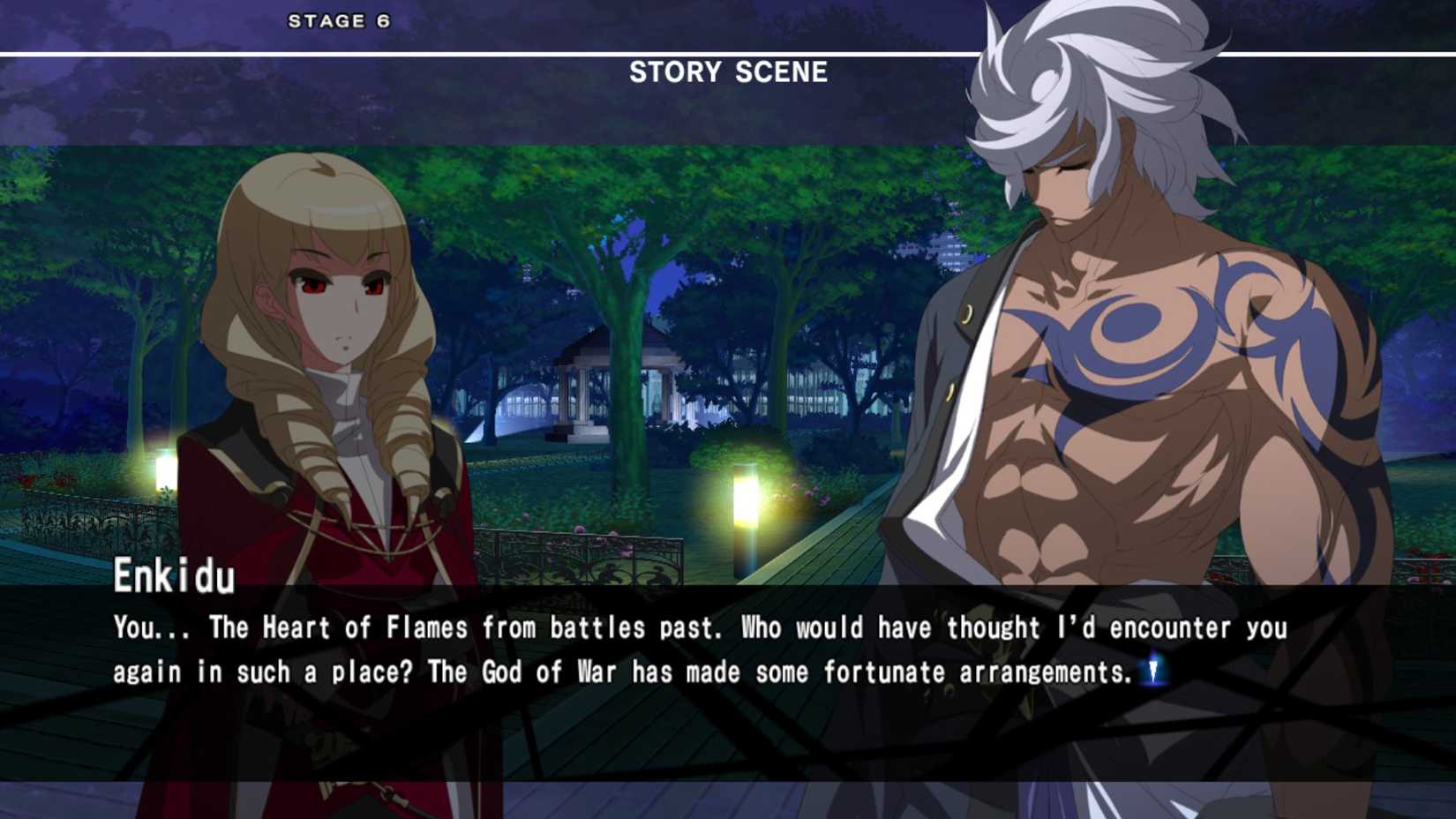
French-Bread is the development circle that realized Melty Blood for Type-Moon back in the day, so suffice to say, these folks know a thing or twelve about wrestling a fighting game out of an extremely dense, complex setting. Where that game was based on a pre-existing IP, French-Bread’s newer series, Under Night In-Birth, is wholly original, with its own lore bible, characters, and cool anime power systems.
The central premise established in the original game revolves around the Hollow Night, a time-and-space-warping phenomenon where a fragment of reality warps out and spawns monsters, with any humans lucky enough to survive becoming superpowered In-Births. Because this has been going on for centuries, there are multiple powerful organizations around the world that track the Hollow Night’s appearance and use the powers it grants toward their own ends. Even if the main events of the game are confined to a single Hollow Night in the Japanese city of Kanzakai, there are a lot of moving pieces in play, and you start to get a sense of just how deep the effects of the Hollow Night run in the real world.
7 Tekken 7
Corporate Warfare
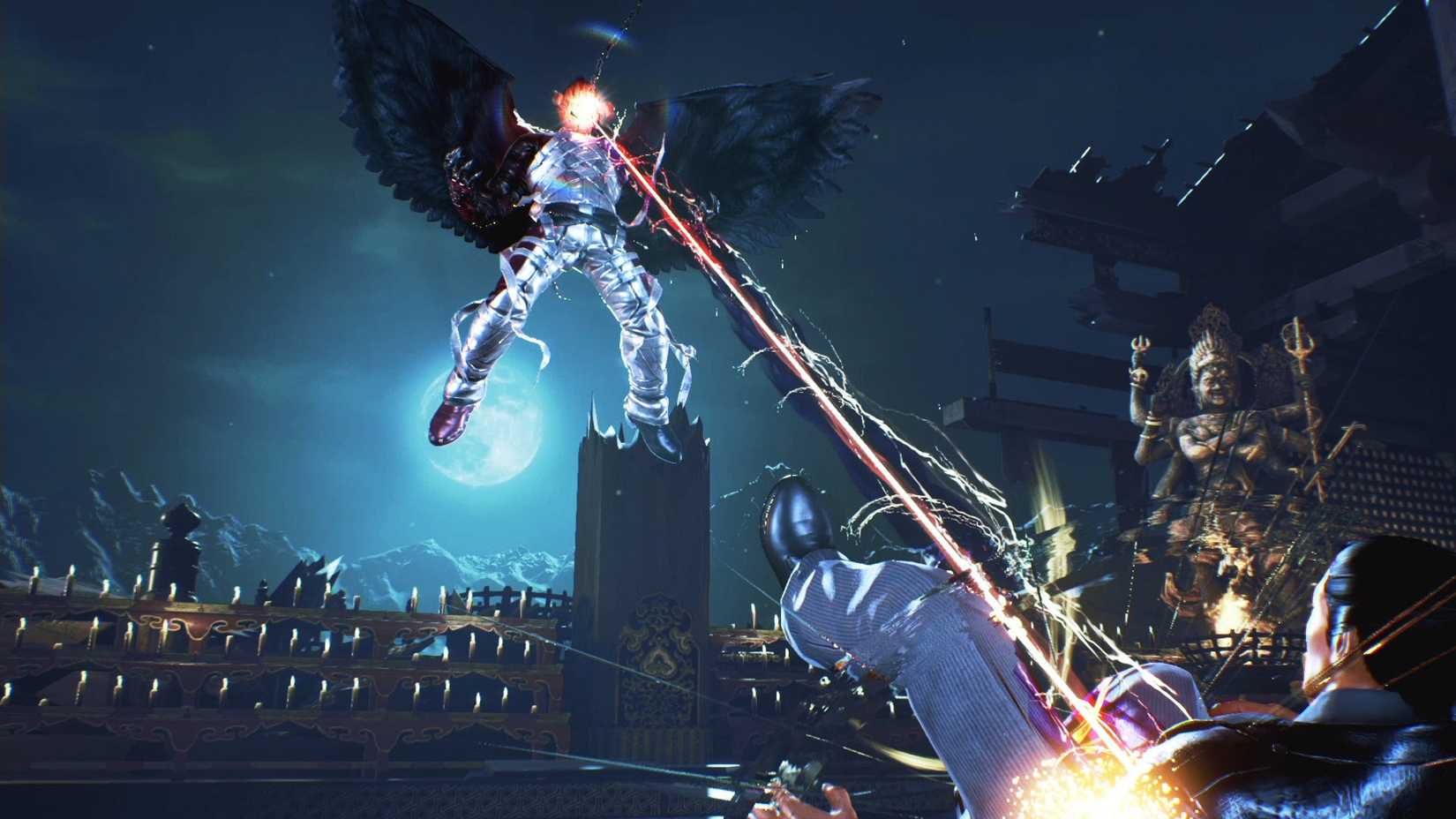
From the moment Heihachi yeeted Kazuya off a cliff as a child in the original Tekken, it was pretty clear the story was going to go to some interesting places. It’s certainly done that over the years, from robots to ancient demons, though out of all the Tekken games, Tekken 7 probably does the most interesting job of fleshing the setting out further beyond “there’s a tournament, go beat up Heihachi again.”
Tekken 7 continues not long after the events of Tekken 6, with both the Mishima Zaibatsu and the G Corporation still in full-scale global corporate warfare. One of our major perspective characters in the story is an unnamed reporter whose family was killed during all this warning, so naturally, he’s got a chip on his shoulder for the Mishima family. It’s through this reporter’s investigation that we learn the greater scope of the Mishima family’s tragedies, including the reason Heihachi killed his wife Kazumi and ousted his father Jinpachi from his position of power. The game also partially retcons the aforementioned cliff-yeeting as Heihachi checking to see if Kazuya had the Devil Gene.
6 Mortal Kombat X
On a Different Track
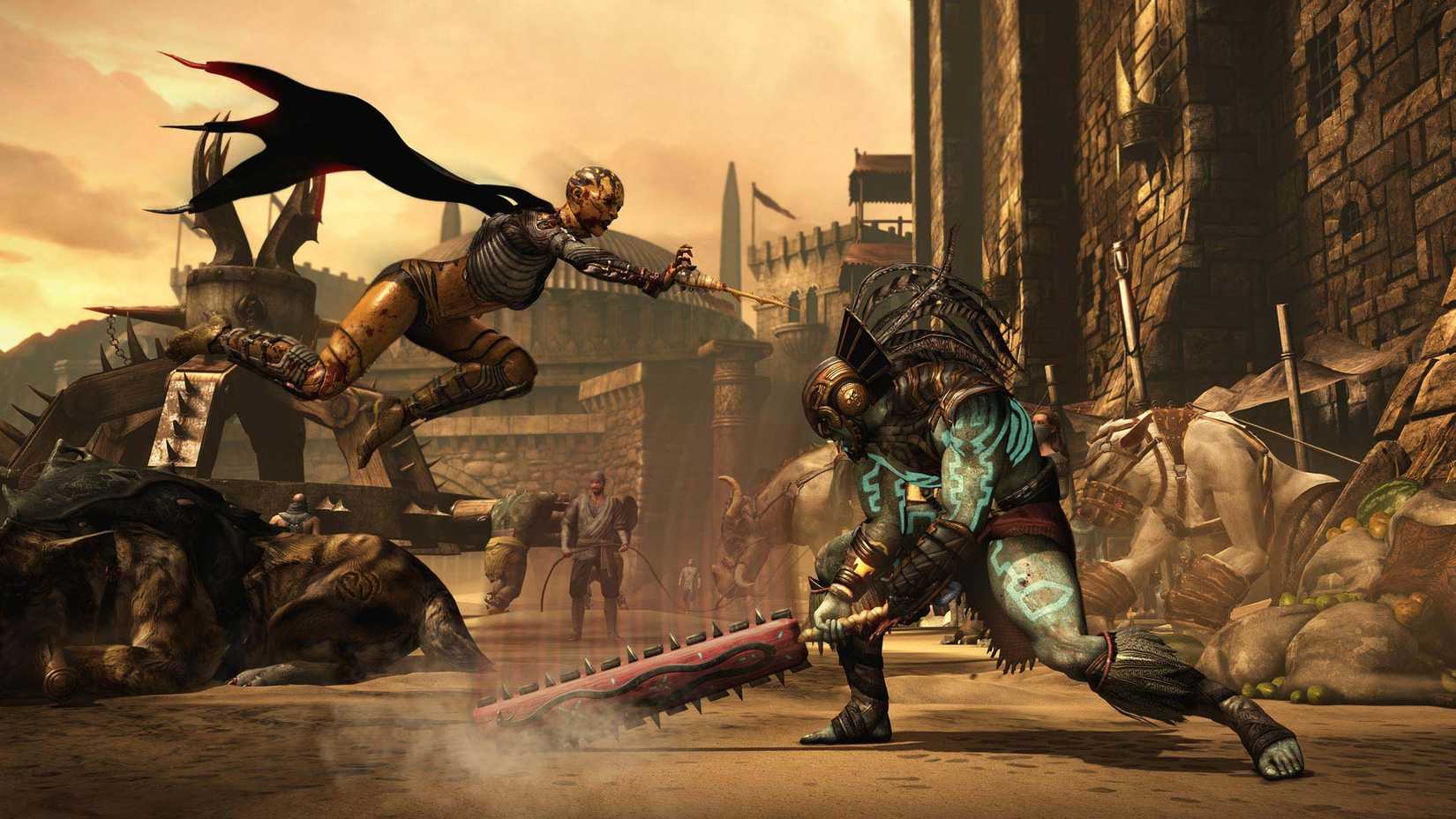
Mortal Kombat X takes place a good few years after the timeline-diverging events of Mortal Kombat 9, with all the established plot and set-dressing from the previous games more or less thrown out the window. This, I think, was a good way for the series to free itself from some major lore baggage, not to mention extrapolate upon how much things have changed since the rather disastrous events of the previous game.
 Related
10 Best Mortal Kombat Games, Ranked
Mortal Kombat is one of the greatest fighting game franchises of all time, but which games are the absolute best? Read on to find out.
Following the story’s initial arc, showing Johnny Cage and company sealing away Shinnok, we flash forward 20 years to the assembly of Earthrealm’s new defenders, including Cassie Cage, Takeda, Jacqui Briggs, and Kung Jin. In this time, Earthrealm has taken a more proactive stance on Outworld, maintaining contact with it in an effort to preserve peace. Outworld, meanwhile, has crowned Kotal Kahn as its new leader following Shao Kahn’s death, and things are… different, if not better, given a looming civil war instigated by Mileena. Obviously, there are still a lot of elder god shenanigans going on in the background, but for these first few arcs at least, it’s more about the fighters and the world, and just how much they’ve come to interact with one another.
5 SoulCalibur VI
Let’s Start Over
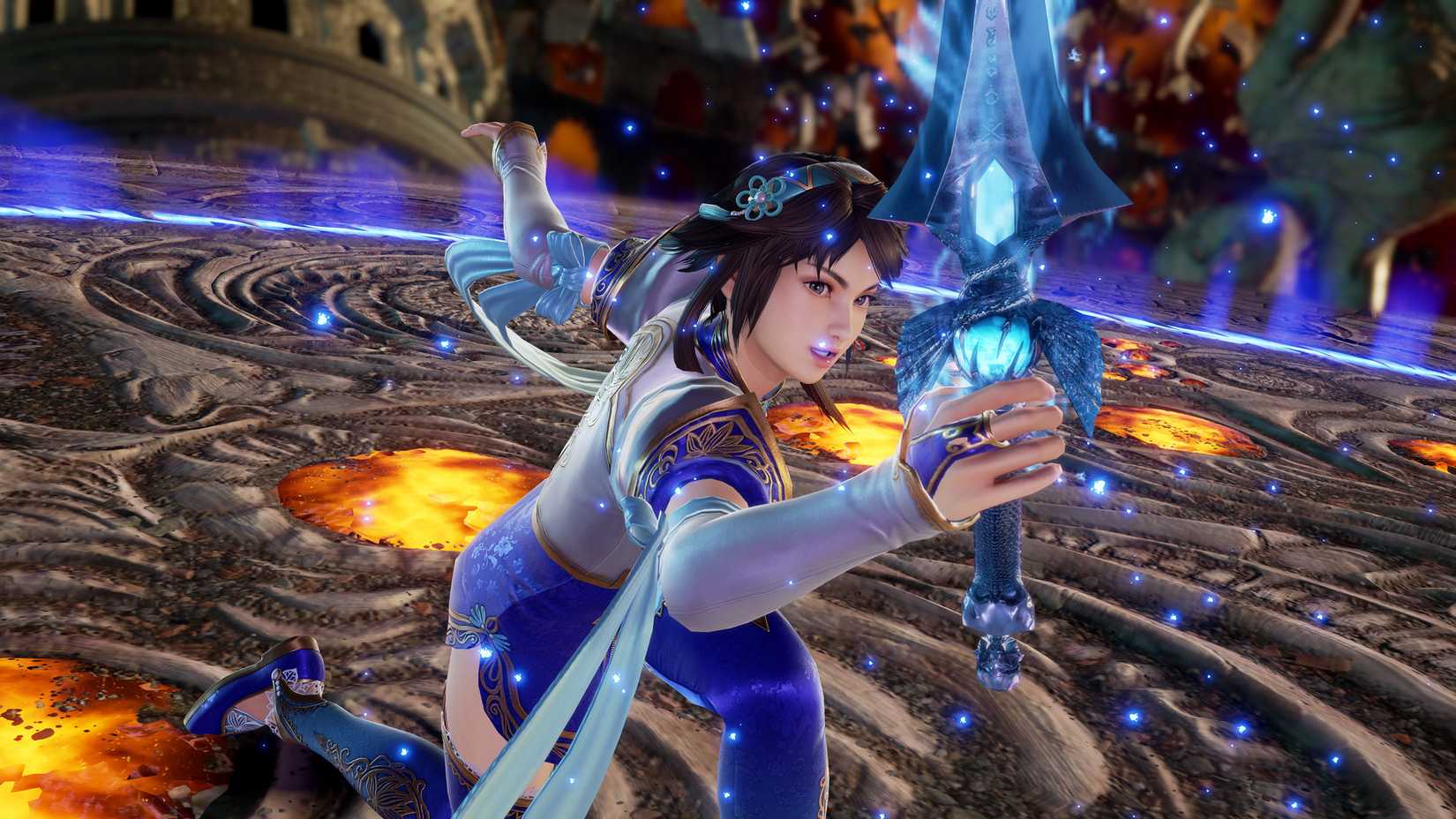
Unlike some of the other games on this list, SoulCalibur VI is a reboot of the established setting rather than a straight-up sequel. It does technically carry on some bits from the previous timeline, like Cassandra and Zasalamel getting visions from the future, but for the most part, it’s grounded in the events of the original SoulCalibur, not long after Siegfried takes up Soul Edge and becomes Nightmare. Of course, the original arcade game didn’t have much room for setting extrapolation, while VI does.
Both of SoulCalibur VI’s story modes take place after the advent of the Evil Seed, when nasty, Soul Edge-fueled mojo starts spreading all over the world and causing malfestation. Individual characters get more info on their backstories in Soul Chronicle, including where they’re from and why they’re on their respective quests, while Libra of Soul has you make a custom character and go on your own adventure, encountering those touched by the legendary sword around the world (though mostly around Asia). I found Yoshimitsu’s story particularly interesting, particularly how it focuses on his quest for revenge for the death of his clanmates, though that might just be because I like Yoshimitsu.
4 Injustice 2
Recovering from Superman
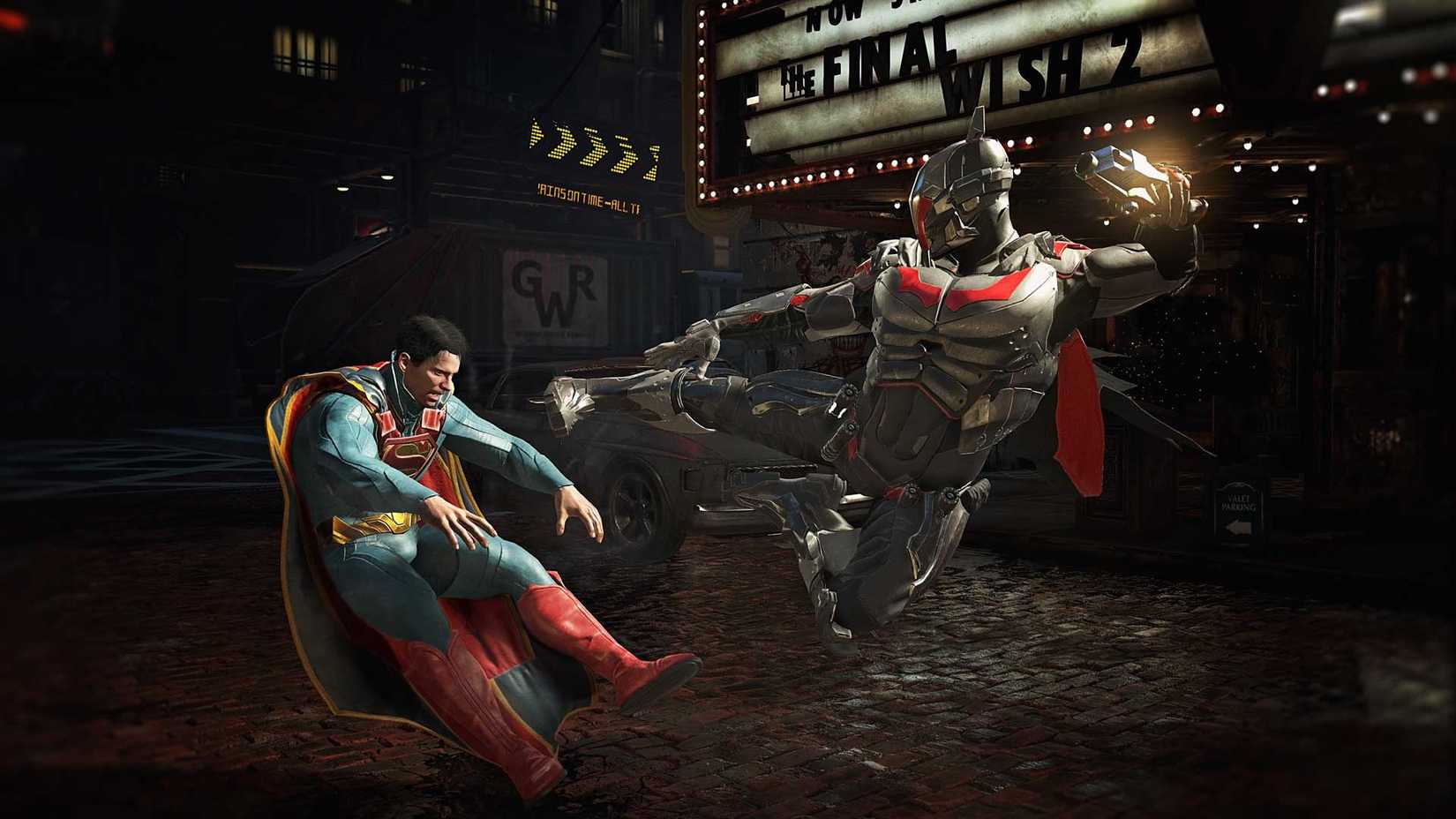
In the same vein as Mortal Kombat X, Injustice 2 extrapolates upon its setting largely by building upon the events of the previous game. As a reminder, this series is set in another timeline where Superman went turbo-fascist and conquered the world, but after a timely intervention from a more familiar Superman, he was dethroned and imprisoned. The question is, then, what do you do with a world that’s only just escaped from totalitarianism?
Even with Superman imprisoned and some semblance of global normalcy returning, things aren’t going great. Batman’s Insurgency is doing its best to keep the peace, but the Society, a group of supervillains, is looking to swoop in and take up the mantle Superman left behind. This is all before Brainiac swoops in from on high and starts making a mess of things. Some elements of the world and characters are extrapolated upon further in the game’s arcade endings, such as how Hal Jordan returned to the Green Lantern corps, or why the Green Arrow from the other universe was even in this one in the first place.
3 BlazBlue: Calamity Trigger
Hope You Like Proper Nouns
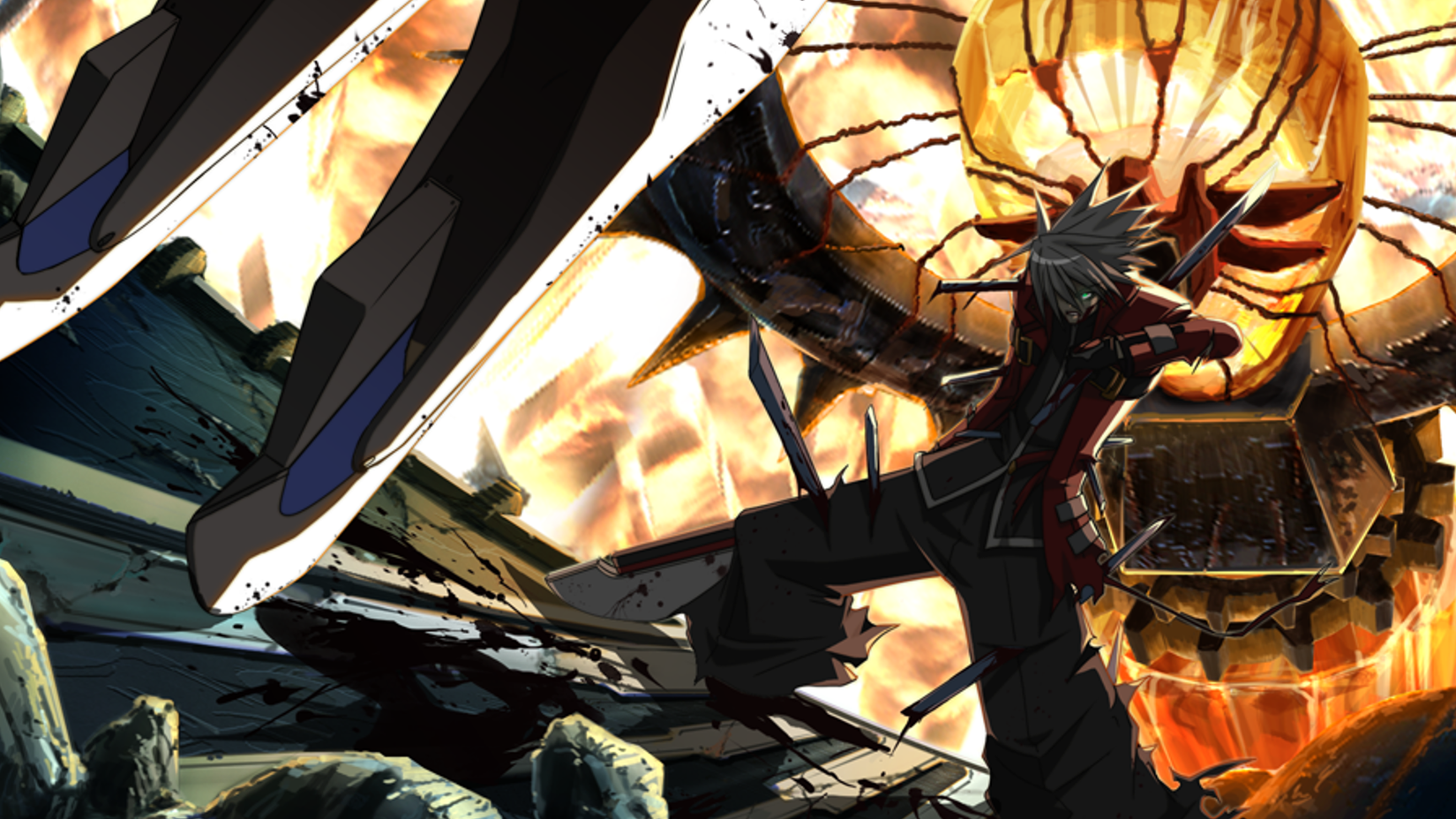
BlazBlue: Calamity Trigger
Remember what I said at the top about proper nouns? Something I’ve come to notice about certain game settings is that, the denser they are, the more saturated they are in proper nouns. That’s to say, names and terms that are basically meaningless to anyone who doesn’t already know what they mean. If ever there were a series utterly saturated in proper nouns, it’d be BlazBlue, starting with Calamity Trigger.
BlazBlue’s setting is so jam-packed with proper nouns, it’s borderline incomprehensible to the uninitiated. What’s the NOL? Why do people call it “The Library” sometimes? What’s an Ars Magus? What the heck is a Nox Nyctores? Characters drop names and terms like this like candy, but as you play through the arcade ladders, it all very gradually starts to make sense. It helps that the game also has a cute little series of shorts called “Teach Me, Miss Litchi,” where the characters outright explain all the terminology, as well as the basic history and critical story events. There are still some bits you just kind of have to accept you won’t get, but the overall setting at least becomes clear once you’ve immersed yourself in it long enough.
2 Guilty Gear Xrd
When the Series Started Making Sense (Kinda)

Speaking of dense lore and proper nouns, the precursor to BlazBlue was Arc Sys’s first major fighting game series, Guilty Gear. Like BlazBlue, Guilty Gear’s lore is dense, to say the least, with the mildly awkward translations of the first few entries making it all the harder to parse. Thankfully, that finally started to change with the release of Guilty Gear Xrd, which did a better job of properly elucidating what the heck is actually going on. Mostly.
As opposed to previous Guilty Gear games, which focused more heavily on the Crusades against the Gears, Xrd starts in a time of relative peace in the world, with Ky crowned as the First King of Illyria, making deals with the United States and even the floating nation of Zepp, among others. With all the warfare taking a backseat, at least until Ramlethal’s declaration of war on humanity, we can start to better understand the state of this magic-fueled world, and the particular places notable individuals like Sol Badguy occupy in it. Most of this is conveyed in the game’s cinematic story mode, which also links to an in-game glossary you can consult for any of the myriad proper nouns.
1 Street Fighter 6
The Whole World’s a Ring

If a Street Fighter game has a dedicated story mode or arcade endings, they’re usually more about whatever’s going on with each individual fighter in the short term, typically related to the evil organization of the hour. However, Street Fighter 6 is different in a few notable ways, all of which help the setting to feel a little bit more fleshed out, and the characters a little more well-rounded.
The best indicator of the game’s depth is its starting locale, Metro City. With all the assorted nonsense the city itself has experienced, as well as the wider world from organizations like Shadaloo, the city government has begun a concentrated effort to train all the citizenry in the ways of combat. That’s why every NPC on the street can throw hands, and apparently the same is true for most other cities in the world. Additionally, in visiting these other cities, we get to see what all the other major characters are up to when they’re not teaming up to dismantle an evil organization, whether it’s Blanka trying to get his merchandising efforts off the ground or Ryu being a local renowned figure at Genbu Temple. It’s interesting to see all the ways in which good ol’ fashioned fisticuffs have united the world.
 Next
Next
8 Fighting Games That Are Longer Than 100 Hours
You'd be surprised how much you can get out of the old one-two combo.

![ELDEN RING NIGHTREIGN: Deluxe Edition [FitGirl Repack]](https://i5.imageban.ru/out/2025/05/30/c2e3dcd3fc13fa43f3e4306eeea33a6f.jpg)

 English (US) ·