.png)
.png) 2 months ago
26
2 months ago
26
When you take into account, well, everything about it, it's shocking the original Game Boy was successful at all, much less as successful as it was. It certainly wasn't the first portable game system with interchangeable cartridges. It was most definitely not the most technologically impressive, even for its time. Its monochrome display wasn't even black and white. It was black and... whatever you'd call that shade of green it was.
 Related
10 Great Game Boy Games That Are Fun from the Start
We've only got so much time in those four AA batteries.
It did, however, have three major advantages. The first two were the result of its low-tech design: it was astonishingly inexpensive, and it ate battery power as slowly as a kid does vegetables. But, most importantly, it had games made by Nintendo. The Sega Game Gear and the Atari Lynx were certainly cool — even the guys at Nintendo would be the first to admit that. Still, you couldn't play Tetris or Super Mario Land on them.
What's really impressive is that a lot of the games released on Game Boy weren't just great portable games. Handheld games generally, and unfairly, had a reputation for being "lesser" than their NES counterparts. No, a lot of these games were amazing, regardless of the hardware they were played on. In fact, that's what we're looking at today. These are Game Boy (and Game Boy Color) titles that had more of an impact on gaming than you would first think. These aren't in any particular order — and they're all awesome.
10 The Legend of Zelda: Link's Awakening
The One that Broke the Rules
The Legend of Zelda: Link's Awakening
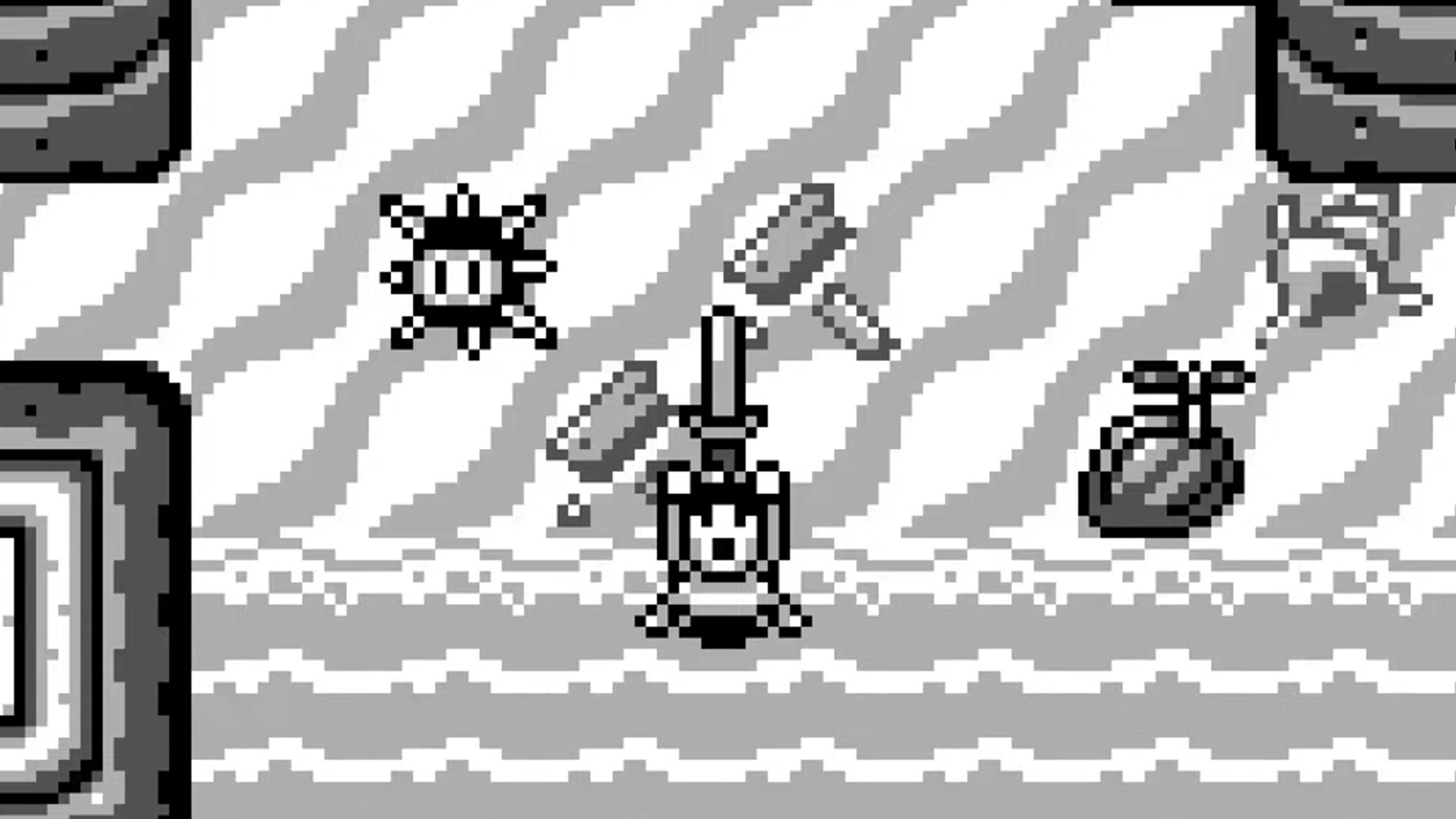
By the time The Legend of Zelda: Link's Awakening was released, the series had already had its awkward adolescence — Zelda II: The Adventure of Link — and settled in to what Zelda games were supposed to be like. The Legend of Zelda: A Link to the Past had already impressed the world on the Super NES — how could it possibly benefit from appearing on the Game Boy?
 Related
10 Best Game Boy Color Games, Ranked
The greatest hits on the phenomenally popular handheld juggernaut.
Well, it was exactly because nobody expected much from an 8-bit, monochrome Zelda that Link's Awakening was the surprise hit that it was. As series creator Shigeru Miyamoto was off doing Shigeru Miyamoto things at the time, Link's Awakening's director, Takashi Tezuka, was able to implement some radical changes. For starters, Link was no longer required to be holding his trademark sword at all times. This gave players the opportunity to mix and match items, making for some wild combinations.
Link's Awakening was a prime example of what made Nintendo great — taking an established formula and rethinking it. It's why the Zelda series is such an innovator to this day.
9 Pokémon Red/Pokémon Green
Did You Catch Them All?
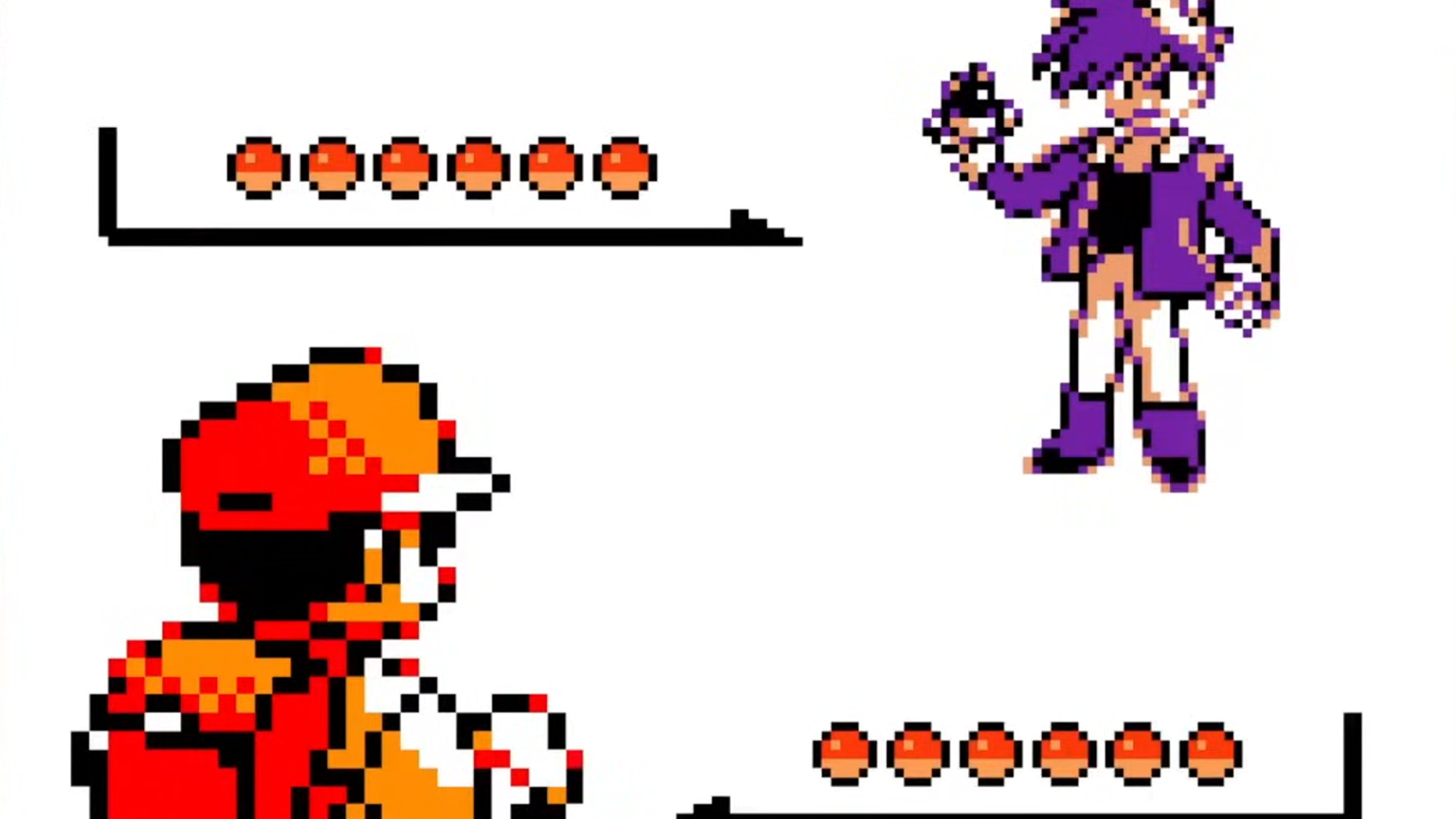
Obviously, you don't need me to tell you how influential Pokémon has been on the world. I mean, just look at *gestures at everything.* But it's worth taking a look at what those first two titles, Red and Green, did to the video game industry as a whole. In fact, this could be an entire list of its own, if we're being honest with ourselves. But, if we're talking about what Pokémon Red and Green did in terms of modern gaming, we have to start with the genre it helped popularize: the RPG.
Prior to unleashing Pocket Monsters upon the world, Nintendo of America were dead set on making Role Playing Games (particularly the kind made in Japan) a thing in the States. They pushed the very first Final Fantasy and Dragon Quest (or Dragon Warrior as it was called here) games on the NES with a boatload of promotion. Especially with Nintendo Power, through which they held a massive contest to support the former and literally gave the game away with magazine subscriptions for the latter. Nothing really seemed to work.
Then, the year before Final Fantasy VII was released, Pokémon Red and Green hooked an entire generation on exploration and turn-based combat, and never looked back. They didn't just get kids excited to play (and, more importantly, buy) RPGs, but soon developers were incorporating RPG elements into other games. That's a trend that continues to this day. Even if the gameplay doesn't hold up as well as it is influential. Though, that depends on who you ask.
8 Kirby's Tilt 'N' Tumble
Nintendo Was Experimenting with Motion Controls Even Back Then
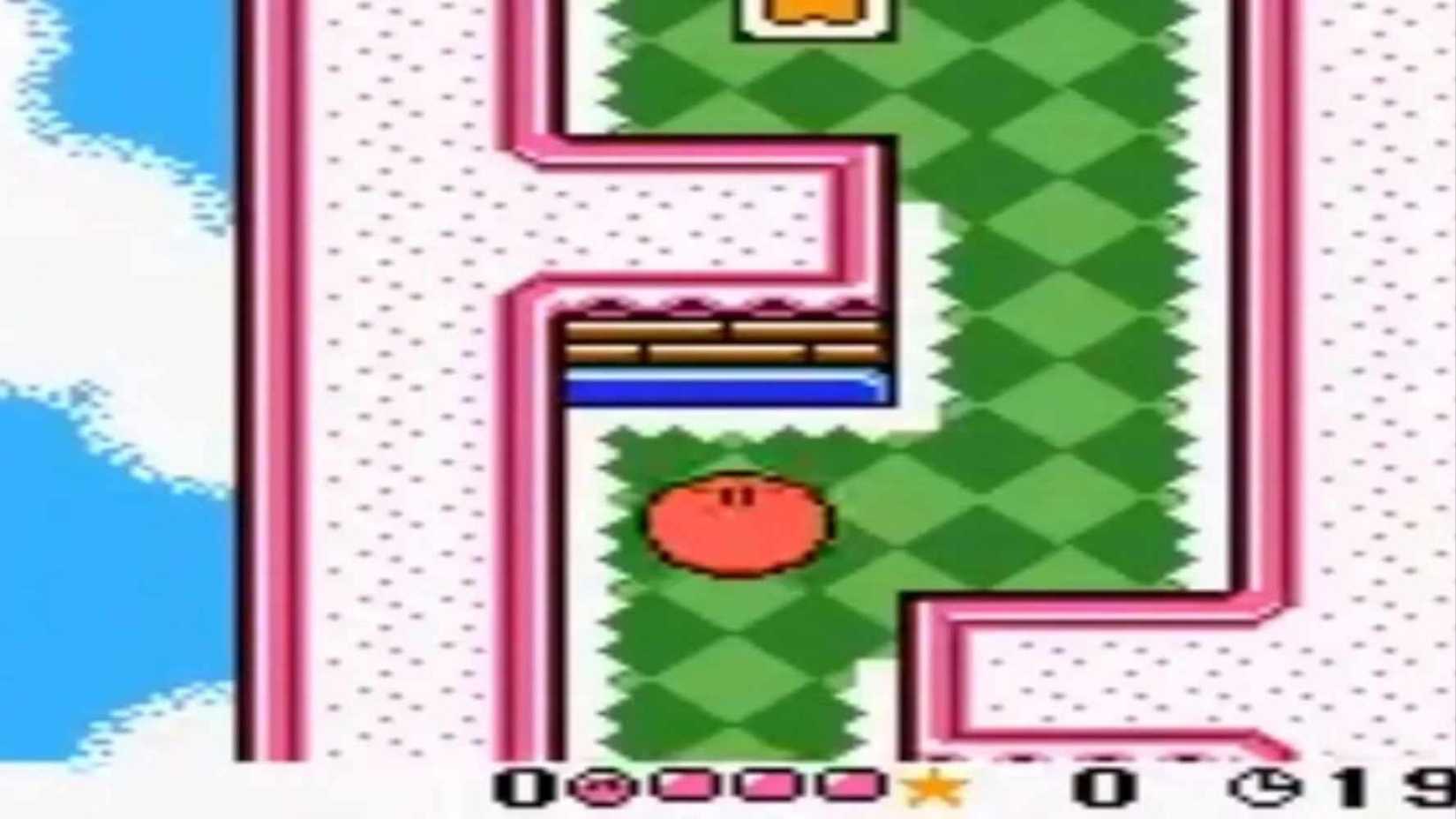
When Nintendo announced the Wii in the early 2000s, the world was stunned and surprised. "Motion controls?" we all asked ourselves. "When did Nintendo dream up this concept?" It's not as if games with motion controls were a new concept in of itself — the physical game Labyrinth predates it by decades. And, as you've probably gathered by now, it was predated by Kirby's Tilt 'N' Tumble.
Tilt 'N' Tumble uses a built-in accelerometer in the cartridge to move Kirby throughout the game world — the same tech that powers the controllers of the Wii. They were clearly on to something, as the game sold more than 1.2 million units worldwide. That's not to say that Tilt 'N' Tumble was the only factor in Nintendo's decision to go with the Wii concept, but it certainly demonstrated that there was a market for it.
7 Super Mario Land 2: 6 Golden Coins
Proving SNES Quality Games Were Possible
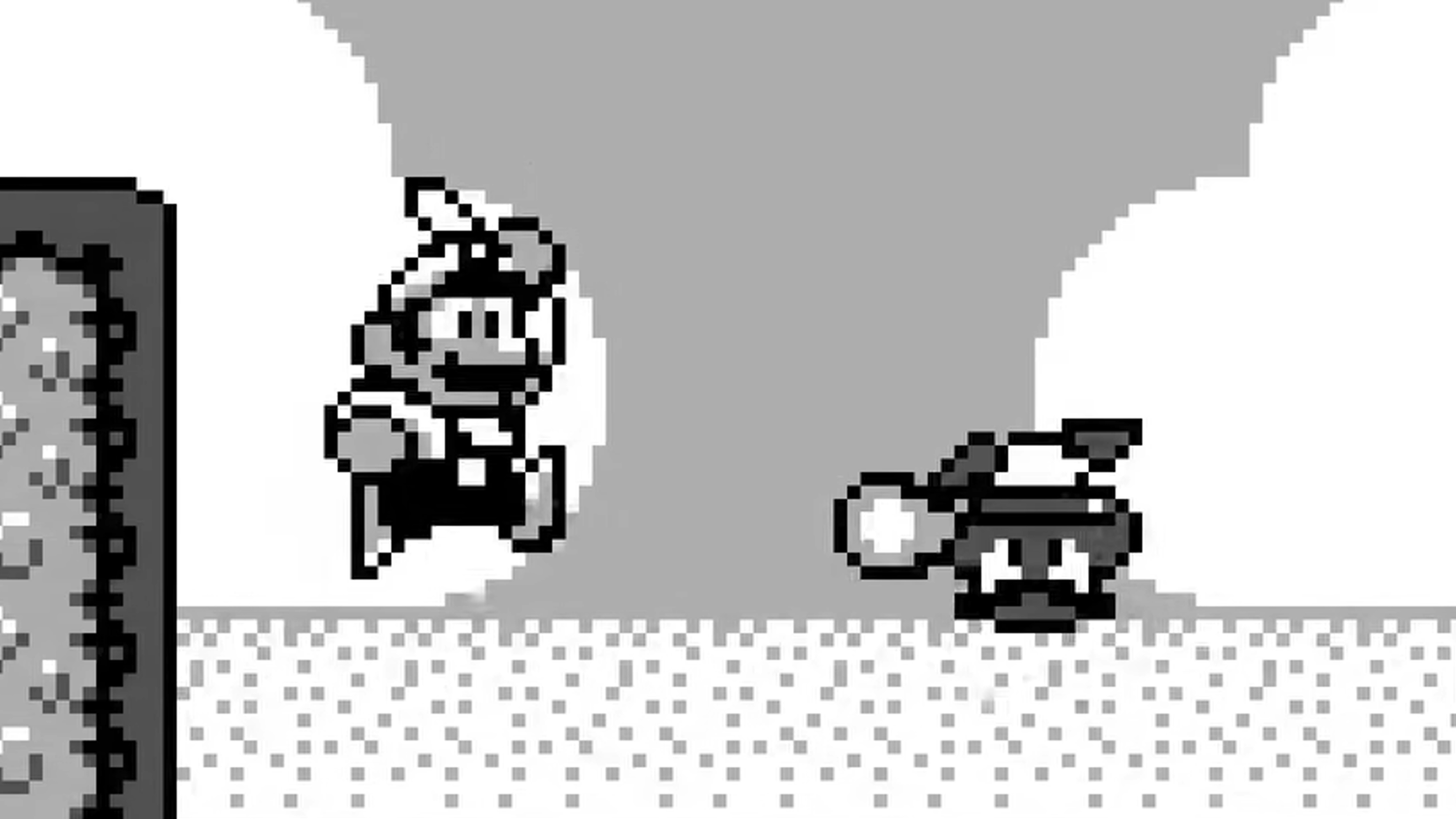
Super Mario Land 2: 6 Golden Coins
There are a lot of things one could say about Super Mario Land. It was certainly fun, and it definitely helped sell a few of those 100 million+ Game Boy units. "Visually impressive," however, would probably not be on that list. Even the original Super Mario Bros. on the NES boasted better-looking graphics than its portable little brother. And the world hadn't even yet seen what Mario would look like on even better hardware.
 Related
Best Nintendo Handheld Launch Titles, Ranked
Nintendo's known for iconic handheld consoles—but did they start that way? Check out the best handheld games available on day one!
One thing Super Mario Land had going for it compared to those other games was that it sold a ton more copies. Records show that it sold more than 25 million units — even more than Super Mario Bros. 3! Suffice it to say, a sequel was in the works. By that point, however, the Super NES and Super Mario World had already been unleashed upon us, and a Mario game with similar graphics to Super Mario Land just wasn't going to cut it, portable or not.
What we got wasn't just an 8-bit version of Super Mario World, but a game that could, visually, hold its own against it. Huge detailed sprites populated every level in the game, as Nintendo wrung out every ounce of power out of every Megabit (all four of them!) in that cartridge. Pair that along with the introduction of one of Mario's biggest rivals (more on him in a second) and you didn't just have a great game. You had proof that hardware limitations were no longer an excuse for not making a great game.
6 Warioland: Super Mario Land 3
Nintendo Introduces Their Trojan Horse Method of Branding
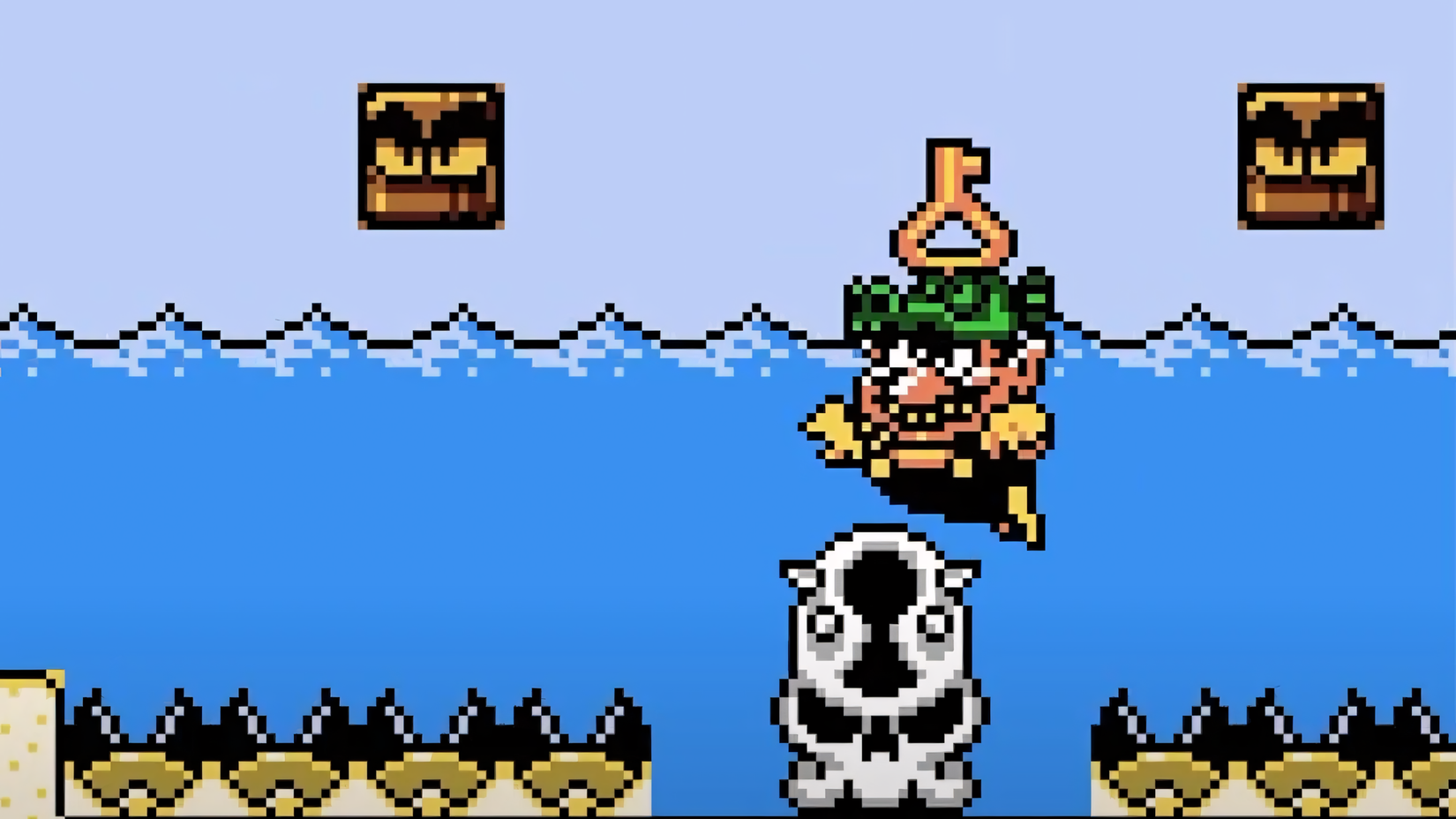
Wario Land: Super Mario Land 3
Thanks to his appearance as the heavy in Super Mario Land 2: 6 Golden Coins, Wario made a huge impression on players. So much so, in fact, that the Big N was compelled to give this "Anti-Mario" his own title. But, what to call it? Could they call it simply Wario and expect players to pick it up? Would those who hadn't played the Super Mario Land sequel buy a game starring Ol' Mr. Garlic Breath over here? Well... yes, probably. But Nintendo decided not to go that route, anyway — just in case.
Instead, they made Wario's starring debut the official sequel to Super Mario Land 2 — by slapping on the subtitle at the end of Wario Land. Apparently, that was a good idea, as the game sold over 5 million units internationally. It's a strategy Nintendo would carry over when it came time to give Super Mario World's break-out character, Yoshi, his own game — Super Mario World 2: Yoshi's Island. Nintendo even intended to do this for World, as well — in Japan it was titled Super Mario Bros. 4: Super Mario World. Cooler heads realized that was a bit of a mouthful, though, which is why we got the shorter title in the West.
5 Donkey Kong (1994)
Now, THIS is How to Remake a Classic
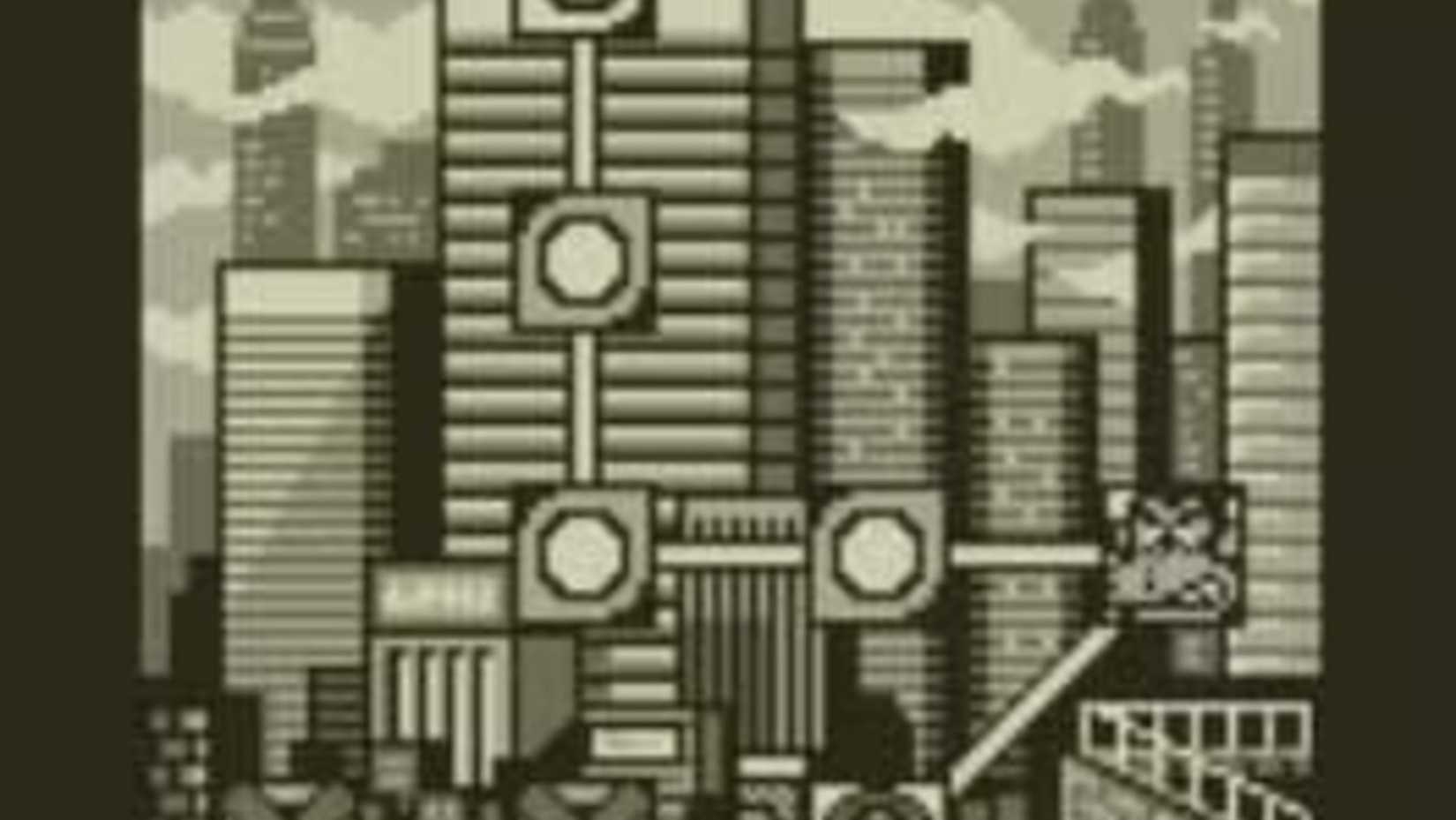
There probably isn't a more important title in Nintendo's entire library than Donkey Kong. Not only did it save Nintendo's arcade business from ruin (which is putting it lightly, if we're being honest) but it also created their most beloved character — you know the guy. He's got a mustache, wears a hat. The original Famicom is often rumored to have been designed around being able to play an arcade-accurate version of the game at home. So, when the game was finally brought to the Game Boy, the company decided it needed to do more than just bring the game over as is.
Of course, when you fire the game up, that's exactly what you get. At first. Getting past the initial four stages, however, is where the real game begins. It's as if Miyamoto — or more specifically, Mario — kept some of his tricks from his later games (and, in some cases, tricks he hadn't even thought of yet!). Mario can survive falls from great heights, do flips, carry his iconic hammer up levels, and more. There's even a world map, which it needs as the game now includes 97 brand-new levels. Donkey Kong '94 is the blueprint for how to update a classic game without losing any of its original charm.
4 Tetris
That Theme Music is Now Stuck in Your Head
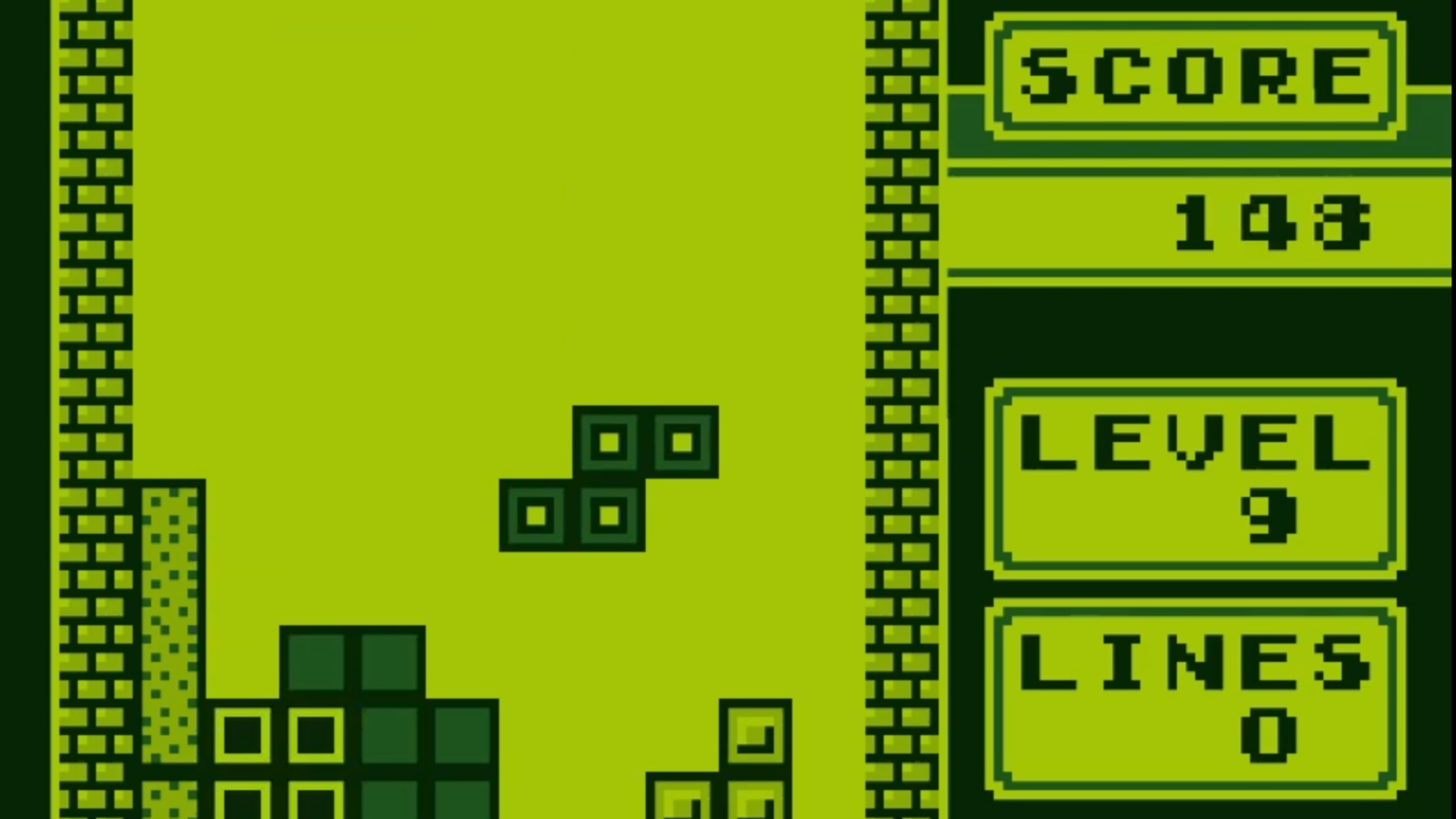
Any time you see a documentary on YouTube that involves the Game Boy, it will inevitably have one particular shot. It's camcorder footage of a woman — maybe at a bridal shower or birthday party — opening a present and discovering she's been gifted a Game Boy. Chances are, she was especially driven to excitement due to it also coming included with Tetris. This was the game that really sold the Game Boy initially. It was the game played by both business types on buses and trains as well as kids on the schoolyard.
It was an early lesson for Nintendo that there was a market for an older demographic out there, and reaching them didn't require them to abandon their family-friendly policies. It also showed there was a market for pick-up-and-play titles, as much as there was for in-depth RPGs. Just look at the best-selling titles in the Apple and Android app stores.
3 Metroid II: Return of Samus
More Than Just a "Portable Version" of a Classic Game
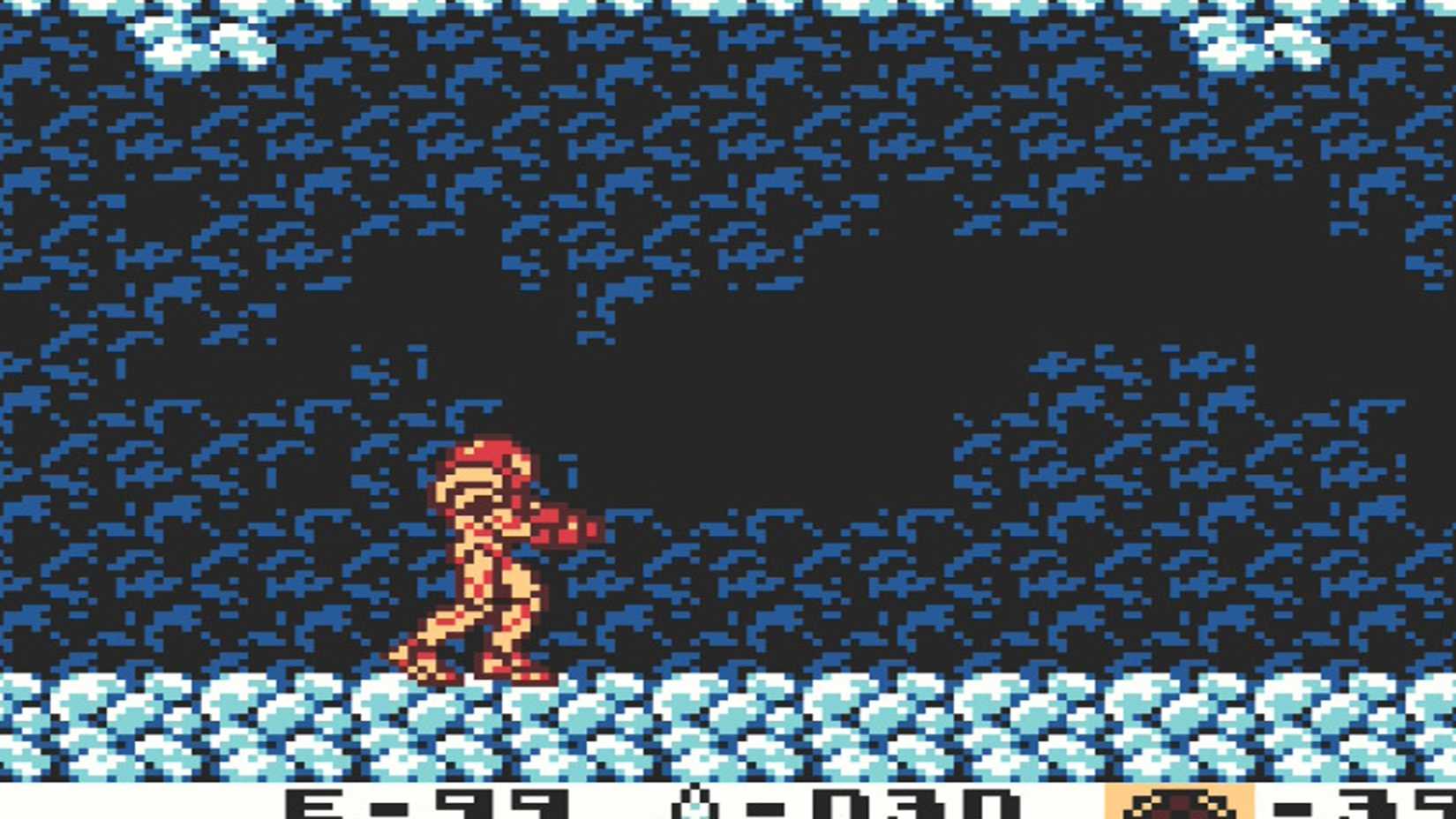
Metroid II: Return of Samus
As we mentioned before, games released on the Game Boy were often seen as a "cheaper" version of their home console counterparts. You can look at the stark differences between Super Mario Bros. and Super Mario Land to see that. The Game Boy wasn't the home for brand new "full" entries into an established game series. Right? Obviously, as you probably gathered, the answer to that is "wrong."
Metroid wasn't my favorite NES game as a kid (but, to be fair, that distinction changed, like, every six months) but, to me, it was the coolest. Which is also why its sequel, Metroid II: Return of Samus was, and still is, my favorite game on Game Boy. But, most importantly, it showed that games on the console could also carry a series.
Metroid II was a full-fledged entry into the series — not some smaller little side-story, but the next chapter in an ongoing saga. It's why Link's Awakening and Kid Icarus: Of Myths and Monsters were taken seriously as parts of their respective franchises (for all the respect Kid Icarus got as a franchise, anyway). It's also probably one of the few 8-bit games to get a remake that really didn't need one (although Metroid: Samus Returns is a fine game on its own.)
Kept You Waiting, Huh? Oh, You Weren't Waiting? Never Mind.
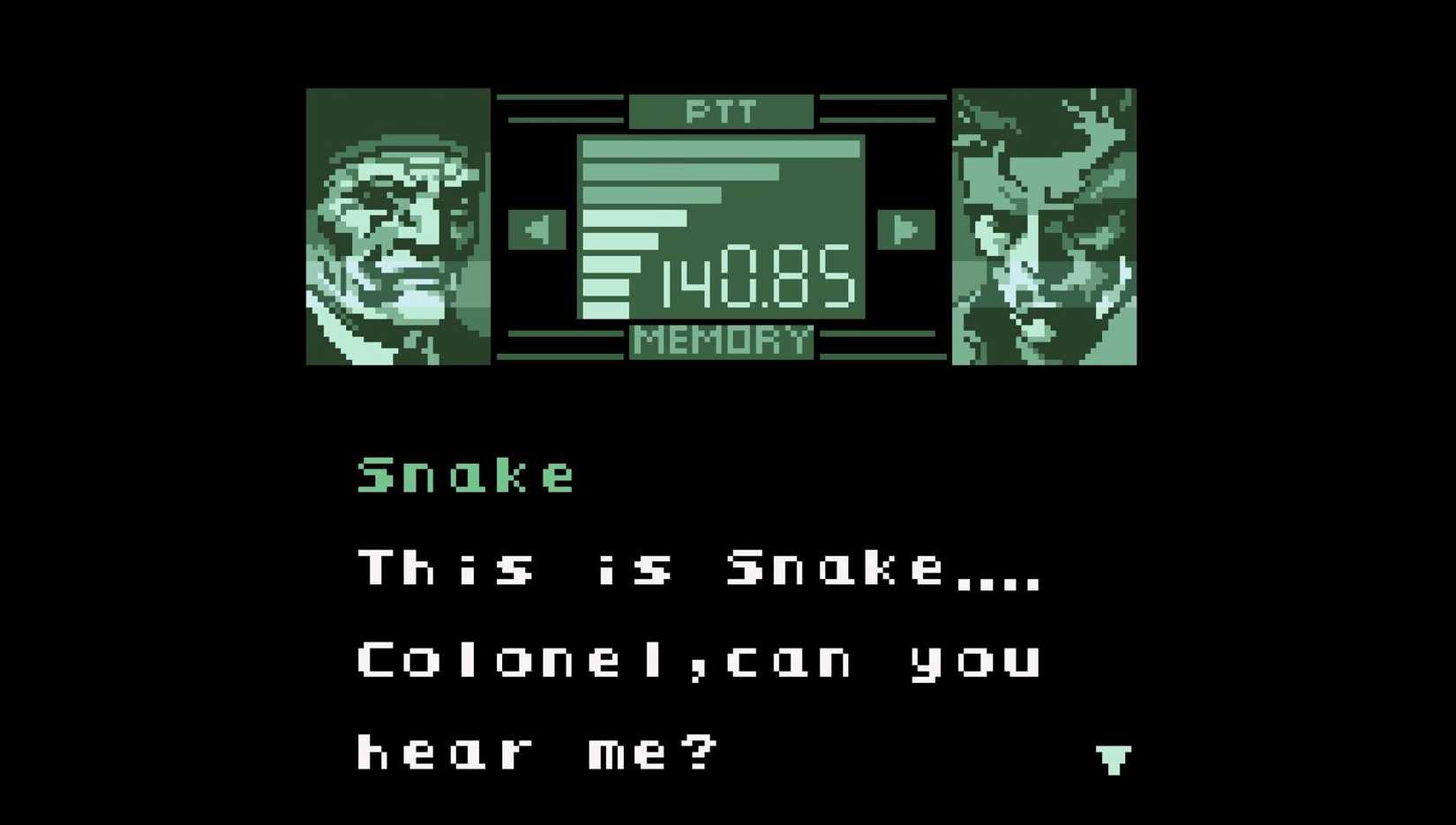
It's easy to forget that the Metal Gear Solid series, with its complex gameplay mechanics and cinematic style of storytelling, has its origins in the 8-bit world. However, many of the franchise's staples can be traced back to the two original MSX computer titles. So, it shouldn't be a shock to anyone that, following the release of Solid on the Sony Playstation, Metal Gear transitioned just fine to portable hardware. What was surprising was just how well it did. Because it was stunning.
Metal Gear Solid (subtitled Ghost Babel outside of the US) isn't set in what the franchise considers canon — it's technically an "alternate universe" sequel to the very first MSX game — much like Wario Land, it was given the "Metal Gear Solid" branding to coast on that title's success (because the word "Solid" in that title was doing all the heavy lifting, I guess?) That being said, it's as complex and entertaining as those "primitive" first titles. Series creator Hideo Kojima was only a producer on this one, but it plays just as well as if he had been director.
1 X
Consider the Spot Marked!
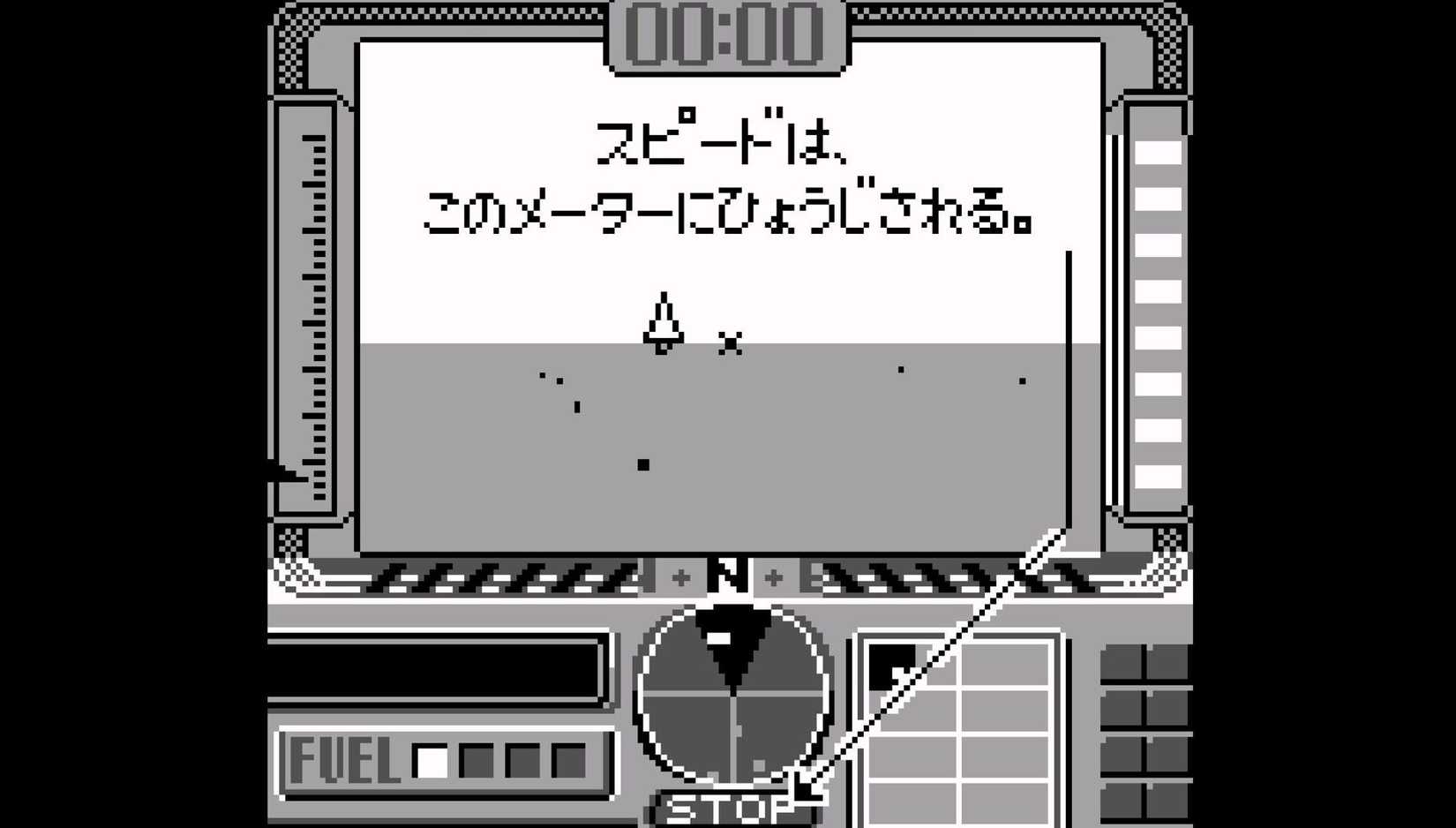
We end this list with a title that we're sure most of you have heard of, but few of you have played. Nevertheless, it set the stage for games like Star Fox — and 3D games in general. We're talking about 1992's X. Both it, along with Faceball 2000, were astonishing technical achievements, even if the games themselves weren't anything spectacular (sorry, all you Faceball 2000 fans out there.) In fact, both of these games were developed by one Dylan Cuthbert, and he would go on to develop – 10 points if you guess right – Star Fox on the Super NES.
Of course, the technology that made 3D possible on these systems became moot once the systems themselves were capable of it. But, the difference between programming in 2D and 3D was monumental, which means these early 3D games gave developers a head start.
 NEXT
NEXT
10 Great Game Boy Advance Games That Are Fun from the Start
Pop in a cartridge, flick the power switch, and lose yourself in a world.


![ELDEN RING NIGHTREIGN: Deluxe Edition [FitGirl Repack]](https://i5.imageban.ru/out/2025/05/30/c2e3dcd3fc13fa43f3e4306eeea33a6f.jpg)
 English (US) ·