.png)
.png) 2 months ago
61
2 months ago
61
I was born in the early 90s, right near the tail-end of the Millennial generation. I was one of the last kids that got to actually grow up in a semi-sapient state during the 90s, rotting my teeth with Juicy Juice and Dunkaroos and watching cartoons on the boxy CRT TV in the living room. Everyone has at least some affinity for the era they grew up in, obviously, and my love for the 90s is no different, though as the last generation before the internet really took off in earnest, I can’t help but find it at least a little special.
 Related
I and many others like me are now fully grown, with more than a few of us now working in the game industry in some capacity. Our collective memories and nostalgia inform the tones and setting of more than a few games deliberately designed to evoke that distinctly grungy, rebellious, and rather transitory period that was the 90s. Maybe you’d call it nostalgia bait, but I don’t think I can impress upon you just how much the world has changed in just a few decades, and these games are almost like a living time capsule illustrating those changes.
We're specifically talking about games set in or based on the vibes of the 90s, not games actually from the 90s.
10 Gone Home
The Late-Return Experience
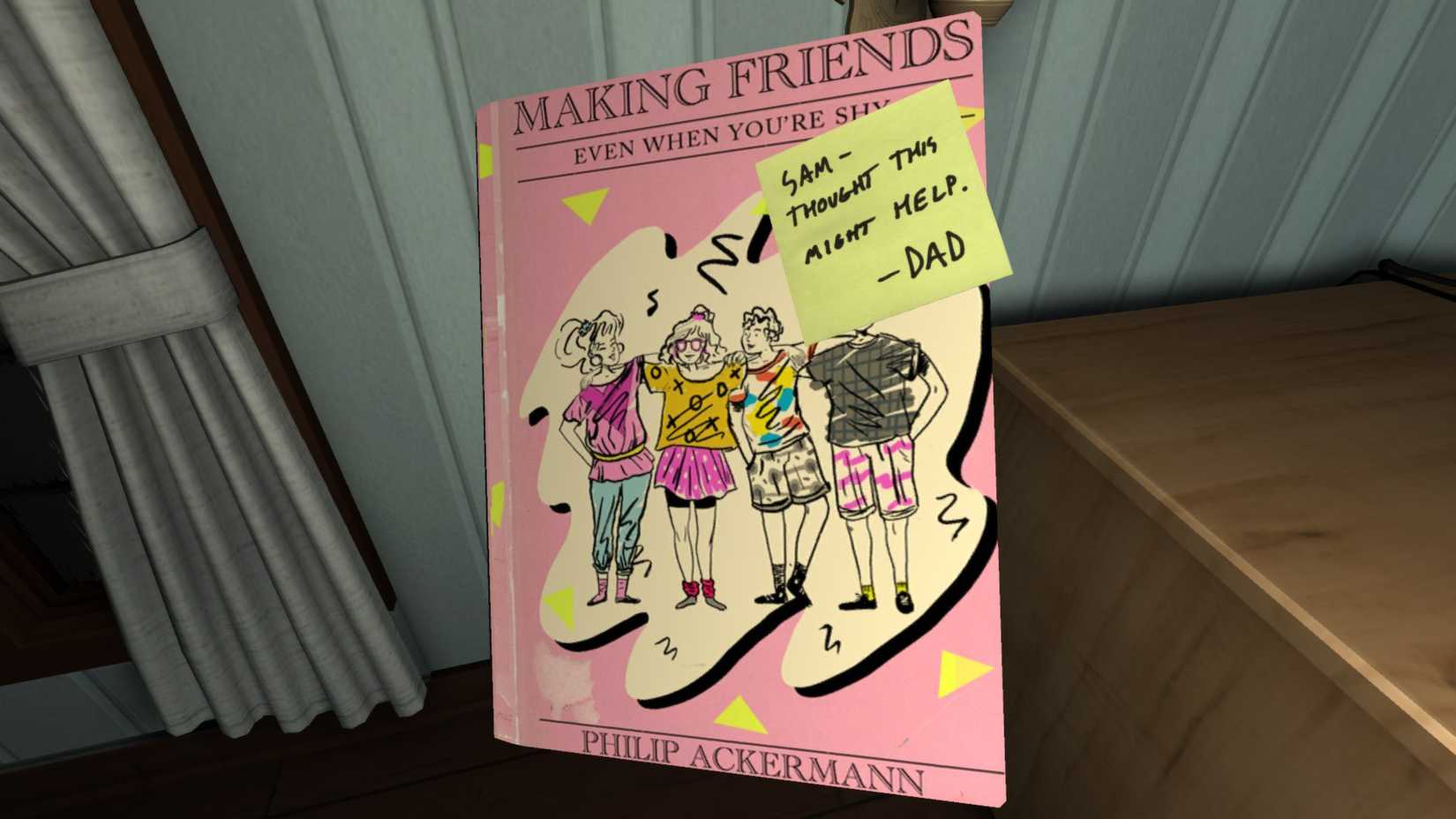
In the time before everyone had their own smartphone, allowing you to contact anyone anywhere instantly, you wouldn’t always know where your family members were or what they were up to. Sometimes, if you came home from school or a friend’s house, you’d just have to nose around and hope someone left you a note. Gone Home is kind of like a much more extreme version of that.
Gone Home is a walking simulator in which Katie Greenbriar returns from studying abroad in 1995 to find her family’s home in rural Oregon completely abandoned, with no clear indication as to where everyone went. The only way to figure out what happened is to scour the house for any breadcrumbs of what went down in her absence, gradually piecing together a story of youthful love and family drama.
Of note is the secondhand experience we get of Katie’s sister Samantha, who had difficulties adjusting to the town after moving there, but managed to bond with a close friend through punk rock music and Street Fighter. There were so many of us in the 90s who were awkward and lonely for one reason or another and, lacking the internet, found our people through our shared passions. It was kind of the last era where something like that could happen.
9 Kathy Rain
Like the Golden Age of King’s Quest
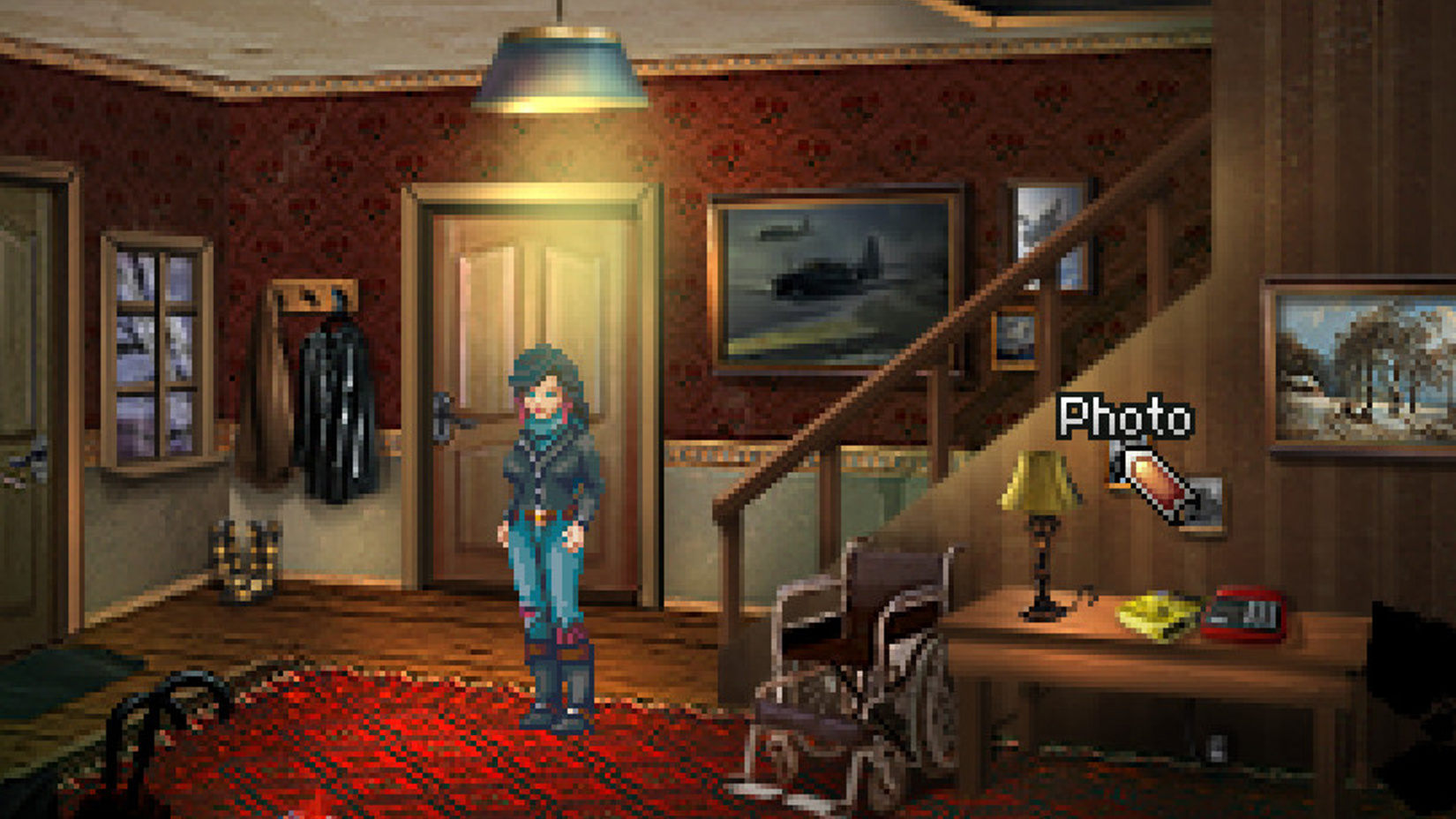
One of the first games I ever played on my old Compaq growing up was King’s Quest VI, an excellent example of the era’s point-and-click adventure games. That whole genre was one of the pillars of PC gaming back then, so it makes sense for a game set in that era to invoke that aesthetic, as is the case for Kathy Rain.
Kathy Rain is an old-school point-and-click mystery set in the 90s in which the titular journalism student investigates the sudden death of her grandfather, rolling around her hometown on a noisy hog with a cigarette in her mouth. It’s deliberately evocative of the color-graphics era of point-and-click games like the later King’s Quest and Leisure Suit Larry titles, albeit with a more pronounced supernatural mystery tinge.
Kathy herself definitely has that 90s punk attitude down to a science. She’s impulsive and rebellious, but with a genuine curiosity and kindness just beneath the surface. We were all like that at one point or another.
8 Grounded
Like a Saturday Morning Cartoon
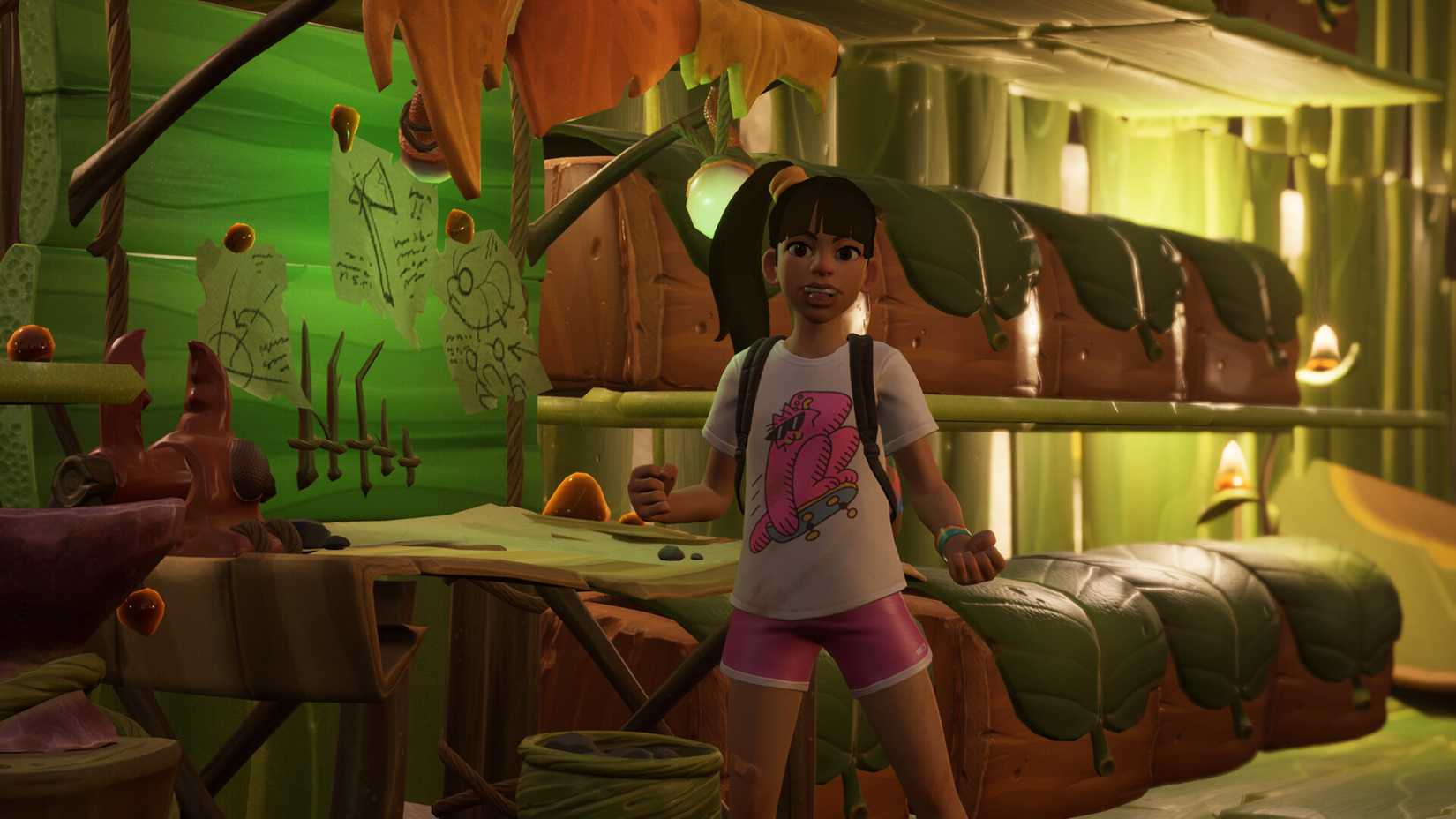
Following the release of Honey, I Shrunk the Kids in 1989, it feels like there was a brief, but poignant period where pop culture was weirdly obsessed with the idea of shrinking stuff. It came up a lot in the cartoons I watched and books I read as a kid, though mostly from a family-friendly, non-life-threatening perspective. Grounded takes a slightly more fleshed-out look at the concept, while still remaining rooted in the 90s-era shrink craze.
Grounded follows a gaggle of intrepid youths who find themselves shrunken down and forced to survive the oversized terrors of a suburban backyard, escaping from proportionally giant insects and subsisting off of individual droplets of water. It’s a survival game first and foremost, having you gather resources to gradually build up a base for yourself and assemble weapons and armor from plant matter and bits of littered plastic.
The layout of the backyard feels amusingly similar to that of my own childhood backyard, with random toys and littered soda cans scattered all over the place. That’s not inherently 90s in itself, but the branding on those toys and cans are unmistakably era-appropriate, with splattered, pastel colors and jagged logos.
7 Home Safety Hotline
Some Corporate Interfaces Still Look Like This
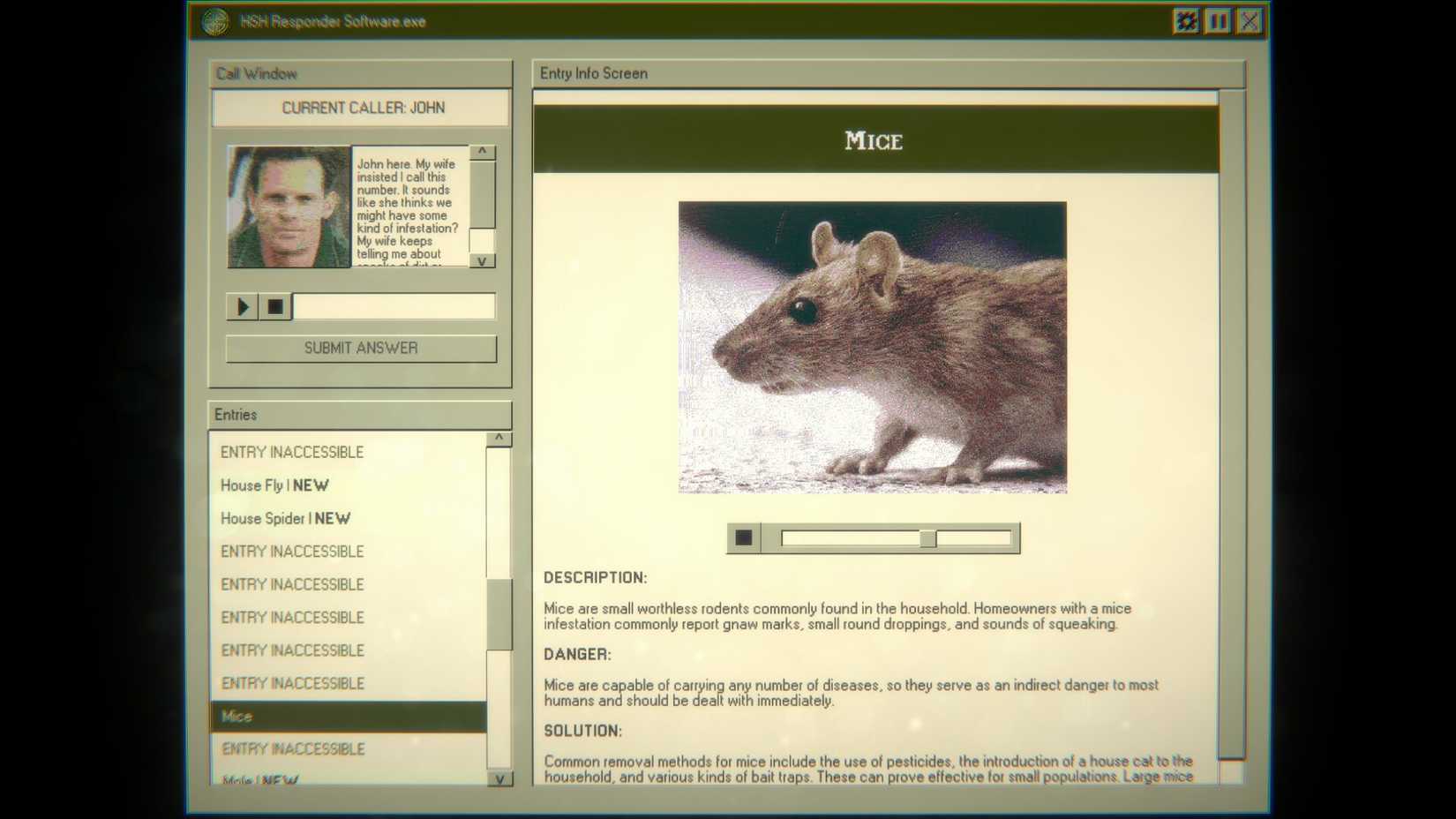
Obviously, I was too young to have a job in the 90s. I was still piecing together how to comb my hair properly. That said, I visited my dad’s office on several occasions, and always found it amusing how clunky the work interface on his computer looked. It’s remarkably similar to the one used in Home Safety Hotline, though my dad didn’t work as a phone operator for fae folk-related disasters. Probably.
The premise of Home Safety Hotline is that you’re a new employee for the titular service, with people calling in about various household woes and requiring you to offer the correct advice and services to help them. While these woes start fairly mundane with things like leaks and ants, things quickly start escalating with various fae-related problems like mimics and hobs. It creates a delightfully creepy dichotomy when users are calling in about their children metamorphosing into trees, then getting put on hold to cheesy muzak.
The interface is deliberately very slow and clunky because, well, that’s what using a computer for business purposes was like back then. Though, I’ve heard some retail chains still use interfaces like this because they can’t afford anything newer…
6 The Roottrees are Dead
The Primordial Google-Fu
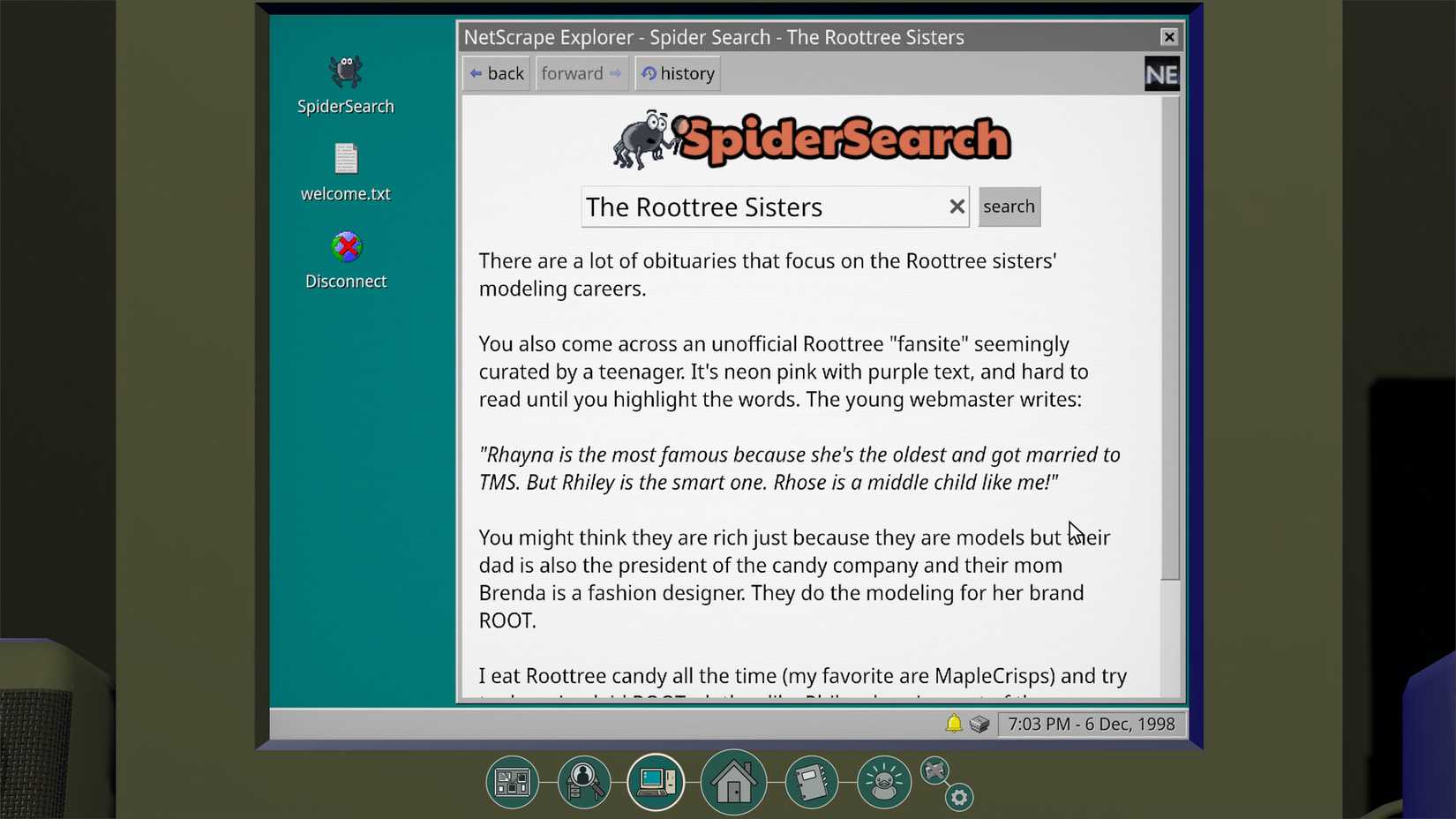
Search engines are ubiquitous to the point of being commonplace these days, but Google didn’t actually come into being until 1998, and certainly didn’t become widespread until several years after that. If you wanted to find something on the 1.0 internet back in the day, you had to put some serious legwork in. If you’ve got a hankering for that kind of roundabout clerical work, try The Roottrees are Dead.
This game is set in 1998 and has you attempting to trace back the lineage of the titular family, whose members have mysteriously died in a plane crash, in order to find out who gets their inheritance. Your primary tool in this pursuit is an era-accurate Google knock-off, delivered to you via a dial-up modem, in which you can search old records and news reports based on names and keywords.
 Related
12 Best Indie Detective Games
Solve mysteries from the comfort of your couch!
The Roottrees are Dead serves as a nice little reminder that finding stuff on the internet, even with a search engine, is an acquired skill, something you have to train and practice at. You’d be surprised how many people I knew growing up never bothered to learn it, thinking it wouldn’t matter.
5 Hypnospace Outlaw
I Miss the Old Internet

To paraphrase some wisdom from Homestar Runner, the internet used to be made up of actual individual websites, rather than just the same four or so websites you use on your phone. There were homemade, curated webpages catering to the most inane, random nonsense from both adults and literal children; it was the wild west of online development. It can be hard to conceptualize if you weren’t around for it, but Hypnospace Outlaw is a pretty good illustration of what it was like.
Hypnospace Outlaw takes place in an alternate version of the 90s where people access the internet through special headbands while they’re sleeping. Despite the sci-fi premise, it’s a remarkably accurate recreation of 90s webpage culture, from obnoxious teenagers acting like they’re the coolest thing on Earth to old folks with no idea what they’re doing. Your job is to moderate the web portal, banning inflammatory content and copyright infringement, back when websites actually hired people to do this sort of thing manually.
In addition to the basic premise of it, Hypnospace Outlaw is also dripping in 90s-era iconography. The most amusing is persistent ads for Squisherz, a Pokémon knock-off everyone’s either obsessed with or claims is secretly the work of devil worshippers.
4 Teenage Mutant Ninja Turtles: Shredder’s Revenge
90s in Setting, Style, and Vibes

The Teenage Mutant Ninja Turtles animated series started airing in 1987, and it wasn’t long before those heroes in a half-shell became household names. By my era, the Turtles were everywhere, from lunchboxes to action figures to T-shirts. Of course, the TMNT arcade games were a big part of the equation, making regular appearances at Chuck E. Cheese and the like, and it’s those in particular that Teenage Mutant Ninja Turtles: Shredder’s Revenge seeks to invoke.
Shredder’s Revenge is a sidescrolling beat ‘em up game set specifically in the world of the animated series, just like the original arcade games like Turtles in Time. Since the animated series was also set in the late 80s, early 90s, the world of the game is deliberately anachronistic, with pink shirts, wild hair, and skateboards. They even got all the cartoon’s voice cast back in for this game, or at least everyone who was still alive.
Besides being a great beat ‘em up in its own right, Shredder’s Revenge conjures very specific memories for folks like me of being huddled around a Turtles in Time cabinet with friends, quarters gradually draining from our pockets and the smell of pizza in the air.
3 Crow Country
90s Horror, 90s Theme Parks

The original Resident Evil first released in 1996, changing the face of horror video games as we knew it forever. I was too young to play it, but I knew older kids who did, and it was all they could talk about, despite having mildly janky gameplay by today’s standards. There are few games as representative of the 90s as Resident Evil, but you know what else there was a lot of back then? Weird, crummy, local theme parks like the one in Crow Country.
Crow Country is a survival horror game set in 1990, in which a young woman named Mara ventures into the titular theme park, left abandoned and decaying for several years. The gameplay is evocative of Resident Evil, with inventory and resource management and item puzzles being major elements, though thankfully with some modern quality-of-life like analog camera control and free movement. It definitely captures the vibe, with plenty of narrow hallways full of lumbering monstrosities to shoot.
The park itself feels very much like a certain crummy regional park I visited a lot as a kid; vending machines covered in in-your-face advertising, rusty, rundown attractions, and ever-present, mildly unsettling mascots. It’s the kind of place you don’t want to get caught in during a thunderstorm, and I say that from experience.
2 Lost Records: Bloom & Rage
Those Halcyon Summers

Lost Records: Bloom & Rage
I think everyone has at least one summer memory that they’ve carried for their entire life; that’s certainly not something exclusive to kids of the 90s. What the 90s did have, though, was the emergence of consumer-grade handheld camcorders, a very different means of saving memories to the phones we have now, and a focal point to the story of Lost Records: Bloom & Rage.
This narrative adventure tells the two-sided story of Swann Holloway, flipping between her youth in 1995 and her adult years in 2022. She’s brought back to her hometown when one of her old friends receives a package addressed to their old band, and begins dredging up memories of the past. We immediately see that some manner of massive event caused her to part ways with her friends, but you have to piece together what actually happened over the course of the story.
Swann’s camcorder is a vital gameplay and narrative tool in all of this, with the footage she captures and edits into her memoir affecting character dialogue and story events. We always have our memories of the 90s, but they can end up being much different than what we remember when we see them captured on tangible video.
1 Mixtape
The Last Stand of Physical Media

I had just missed the age of cassette tapes during my youth, with digital compact discs becoming the hot ticket when I was old enough to actually appreciate music. I kept a gigantic binder of assorted CDs for swapping albums on my Discman, always looking for the perfect song for the perfect moment. Of course, I’m nowhere near as good at building playlists as Mixtape’s Stacey Rockford.
Mixtape tells the story of three teens in the butt-end of California who have one more night to spend together before going their separate ways, with plans to attend a wild rager accompanied by the ultimate curated soundtrack. It’s a very relatable story for us 90s kids; in the same way that the 90s was the transitory period into the modern age, it is, as our own Ethan Krieger put it in his review, a tale of growing up, moving on, and letting go.
As a game with music as its predominant theme, Mixtape has quite possibly one of the best licensed soundtracks I have heard in… anything, really. We’re talking smash hits and deep cuts from the 70s, 80s, and 90s, from classic rock to super-experimental shoegaze. If you’ve got an uncle my age who always talks about his favorite tracks from his youth, this game will show you what’s so great about them.
 Next
Next



![ELDEN RING NIGHTREIGN: Deluxe Edition [FitGirl Repack]](https://i5.imageban.ru/out/2025/05/30/c2e3dcd3fc13fa43f3e4306eeea33a6f.jpg)
 English (US) ·