.png)
.png) 4 months ago
39
4 months ago
39
Horror video games have become increasingly adept at deceiving players' expectations, as you can rarely predict where the story is headed due to its constant plot twists.
I can't think of any other genre that takes advantage of changing the tone of a campaign more often and effectively than titles that aim to instill fear, precisely because said uncertainty is itself a rather tense feeling.
We are creatures of habit and patterns, so any element that manages to break with our idea of what a story will be like by the end has a profound impact on the player, who will likely never forget it.

Related
10 Best Games Like Little Nightmares
From White Shadows to Inside, take a look at 10 games as great as Little Nightmares
Therefore, to recognize the contribution of these titles that manage to deceive us and lead us down increasingly unexpected paths, I recommend you read this list of ten horror games that start as simple adventures but become incredibly dark by the final act.
There will be minor and major spoilers for the titles mentioned here.
10 Cry of Fear
The Weight of Trauma
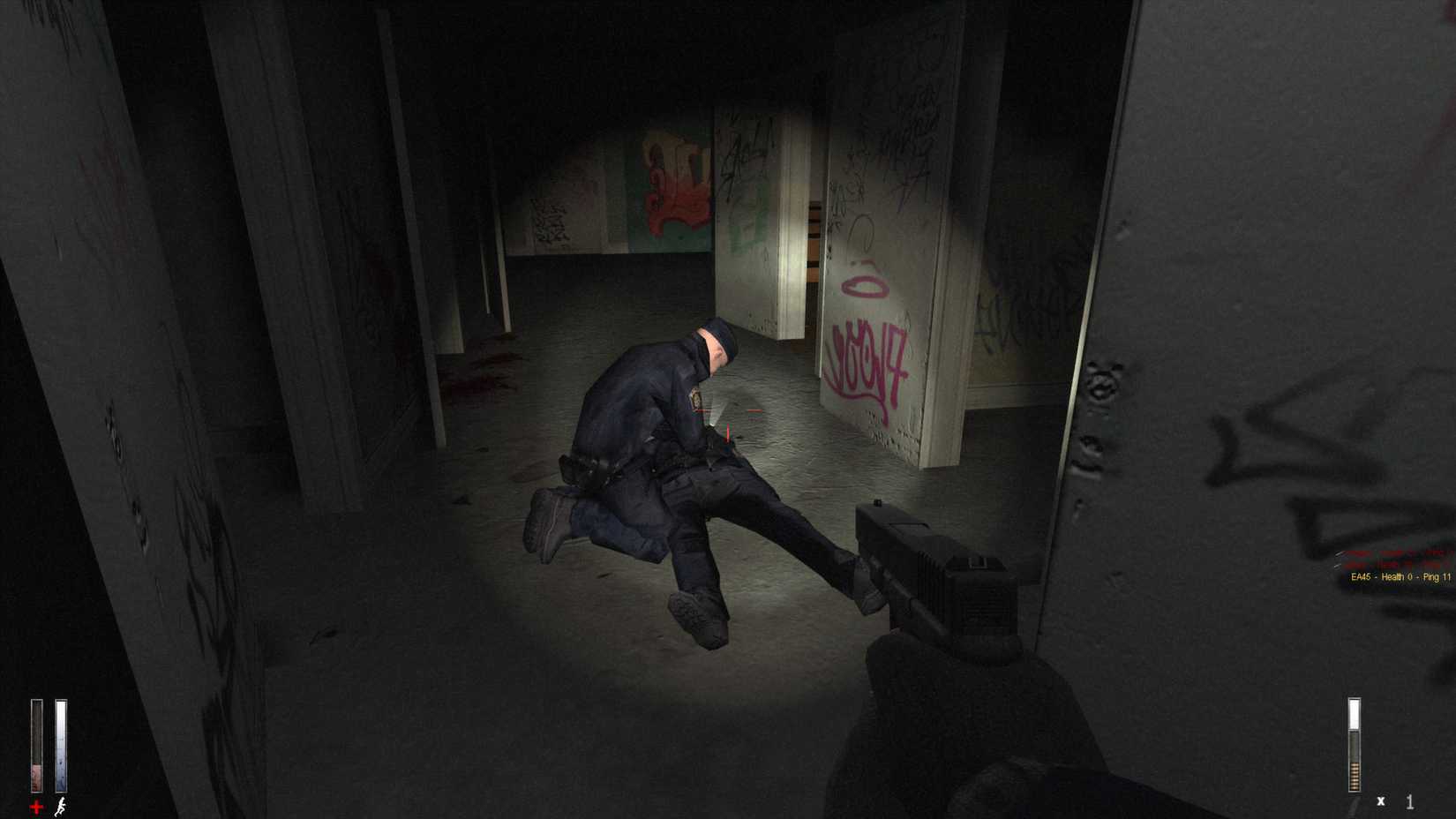
While not exactly my cup of tea, Cry of Fear is a free indie game that has become a cult classic within the genre, largely due to its ability to keep its secrets hidden until the very end.
Those with a discerning eye who notice the signs, in addition to the similarities to Silent Hill, will be able to discern what lies hidden in Simon's journey, as he gradually realizes the nightmare he experienced that night was a product of his imagination.
The game has multiple endings, and depending on your actions and decisions, you'll reach a more hopeful one, but the chances of achieving it on your first playthrough are slim. You begin the journey thinking you're in a cursed city, but then you see the possible outcomes range from suicide to mass killings, and you realize there are things worse than the monsters chasing you.
Cry of Fear is a game with shortcomings, and, for those familiar with the genre, it won't revolutionize anything, though it knows very well how to use symbolism to subtly guide you as it wants, which is a tragic story that surprisingly ends much worse than it begins.
9 Dead Take
Excessive Ambitions

Having been drawn to the game by the presence of actors like Ben Starr and Neil Newbon, Dead Take has been a pleasant surprise that reminded me how much a unique premise contributes to the freshness of an experience.
It's a horror game based on traditional exploration and puzzles, elevated by the plot of heading to the mansion of an eccentric director, whom we visit with the goal of finally launching ourselves to Hollywood stardom.
In the process, the title goes from being an irreverent experiment by a brilliant but mad filmmaker to a true torment, involving traumas such as the loss of his son, systemic harassment in the film industry, and even murders among colleagues.
I'll spare you the final twist so as not to spoil the game for anyone, but Dead Take leaves a lasting impression when you finish it. More than a reflection on the seedy side of Hollywood, it's a descent into the psyches of disturbed artists, and the result is as brilliant as it is unsettling.
8 A.I.L.A.
Reality, Fiction, or Both?
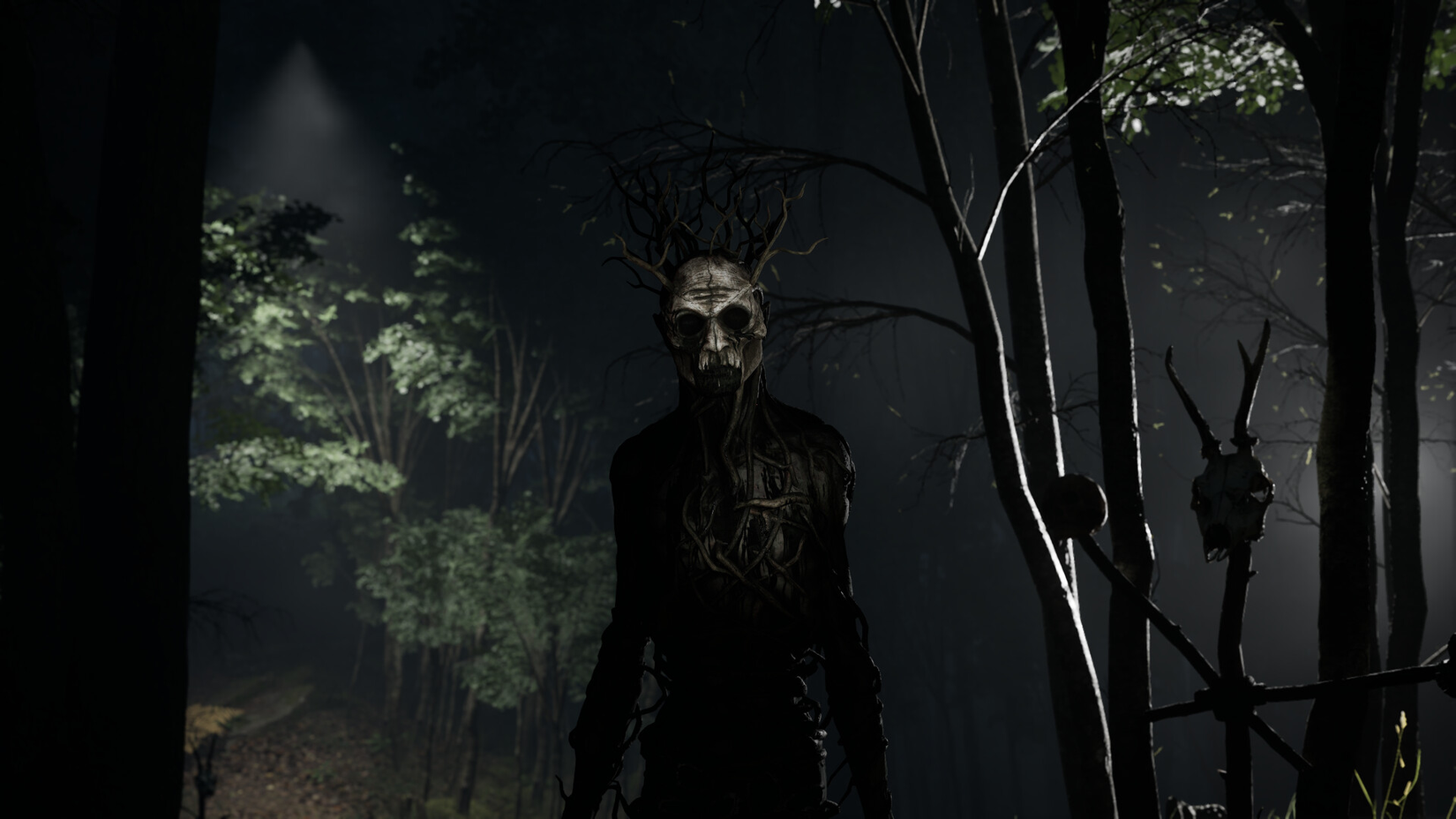
As one of the first approaches to the concept of generative AI as a horror element that I've seen in an artistic medium, A.I.L.A. presents a fascinating idea: what if you were the beta tester for a console whose games are created by GenAI?
The answer is a strange yet justifiable beginning within the game's context, though as the plot unfolds, and our beloved underpaid professional begins to connect more deeply with the AI and experience its interactive elements, everything takes a much darker turn.

Related
It's predictable, of course, but what's interesting is seeing the justifications for the events and appreciating A.I.L.A.'s transition from a simple horror game to a multidimensional experience that draws inspiration from the genre's greatest works while prompting reflection on the dangers of this new technology.
Its conclusion is simple but satisfying, even though what happens at the plot level is so turbulent that I can only hope it remains a glimpse into a reality that will never happen and doesn't become a prediction of what awaits us in the coming years.
7 s.p.l.i.t
One Hour of Agony
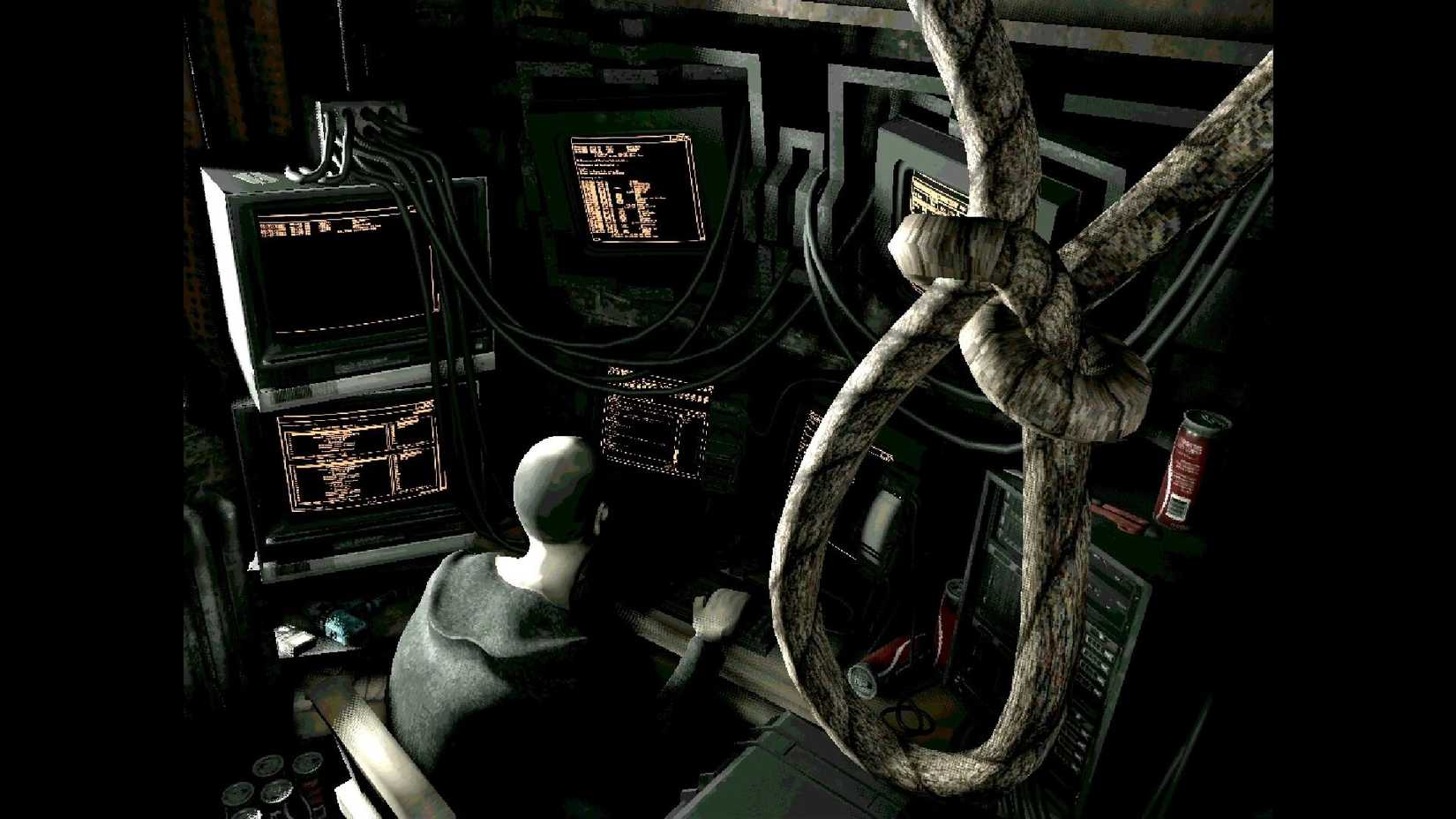
To say Mike Klubnika's games begin as simple adventures would be a blatant lie, although s.p.l.i.t manages to subvert the expectations of even those of us accustomed to his games' ostentatiously dark worlds.
Mainly because you start as a hacker in a relatively ordinary room, with the uneasy feeling building gradually. The emails you receive are strange, you have a mechanic that allows you to look out the window for an undisclosed reason, there's a noose hanging on the wall…
After an hour of diegetic confusion and half-finished hacks, s.p.l.i.t reminds you it's a Klubnika game with a terrifying revelation that's almost impossible to describe: in this world, if the rulers catch you, a fate worse than death awaits you, as they imprison your mind to endure even after your body ceases to function, so they can extract information from you.
The title deliberately leaves many details ambiguous or hidden for the player to fill in with their imagination, but it is evident that this is a brief, intense experience whose glimpse of a dystopian future makes me believe that, no matter how bad things are, they can always get worse.
6 Doki Doki Literature Club!
Subverting Visual Novels
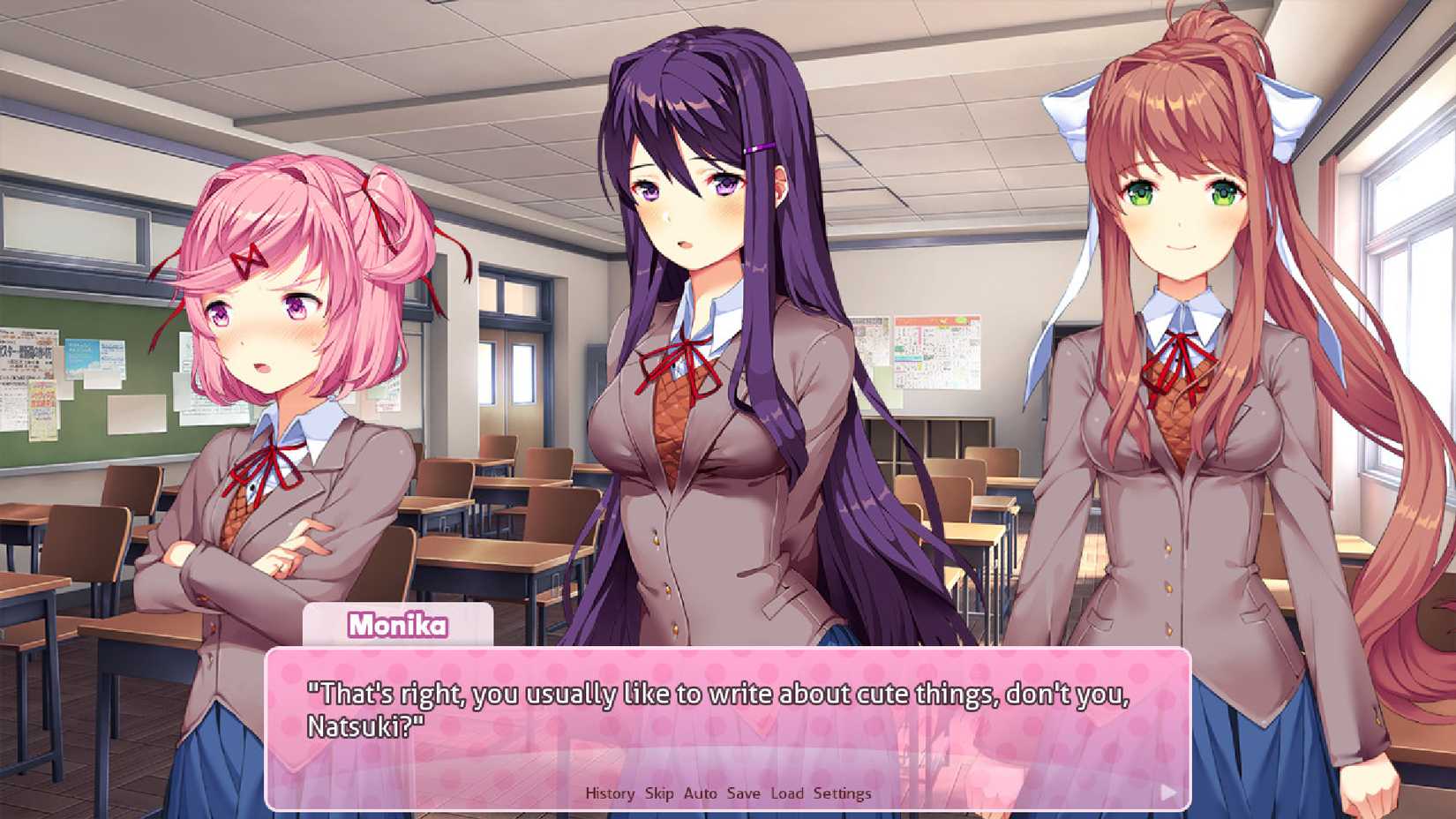
Speaking of hiding your true identity behind a completely different facade, I think few games manage to deceive you more than Doki Doki Literature Club!, a masterclass in how to destroy any notion the player might have of what they're doing.
In its aim to satirize visual novels and their regular consumers, the game takes deception very seriously by presenting itself almost as a dating sim where you're a young high school student trying to win over one of four friends.
Doki Doki Literature Club! tries so hard to achieve its goal that you can literally spend hours thinking it's just another visual novel, until you see one of your classmates hanging by her neck because of bullying, another stabbing herself to manipulate you, and yet another breaking the fourth wall as if it were made of paper.
The game starts at one extreme and ends at the opposite, because it's not a story about young people and love affairs but about untreated traumas and deep psychiatric needs, reminding you once again that the phrase “don't judge a book by its cover”, however clichéd it may be, always has some truth to it.
5 Tormented Souls
Too Murky to Believe
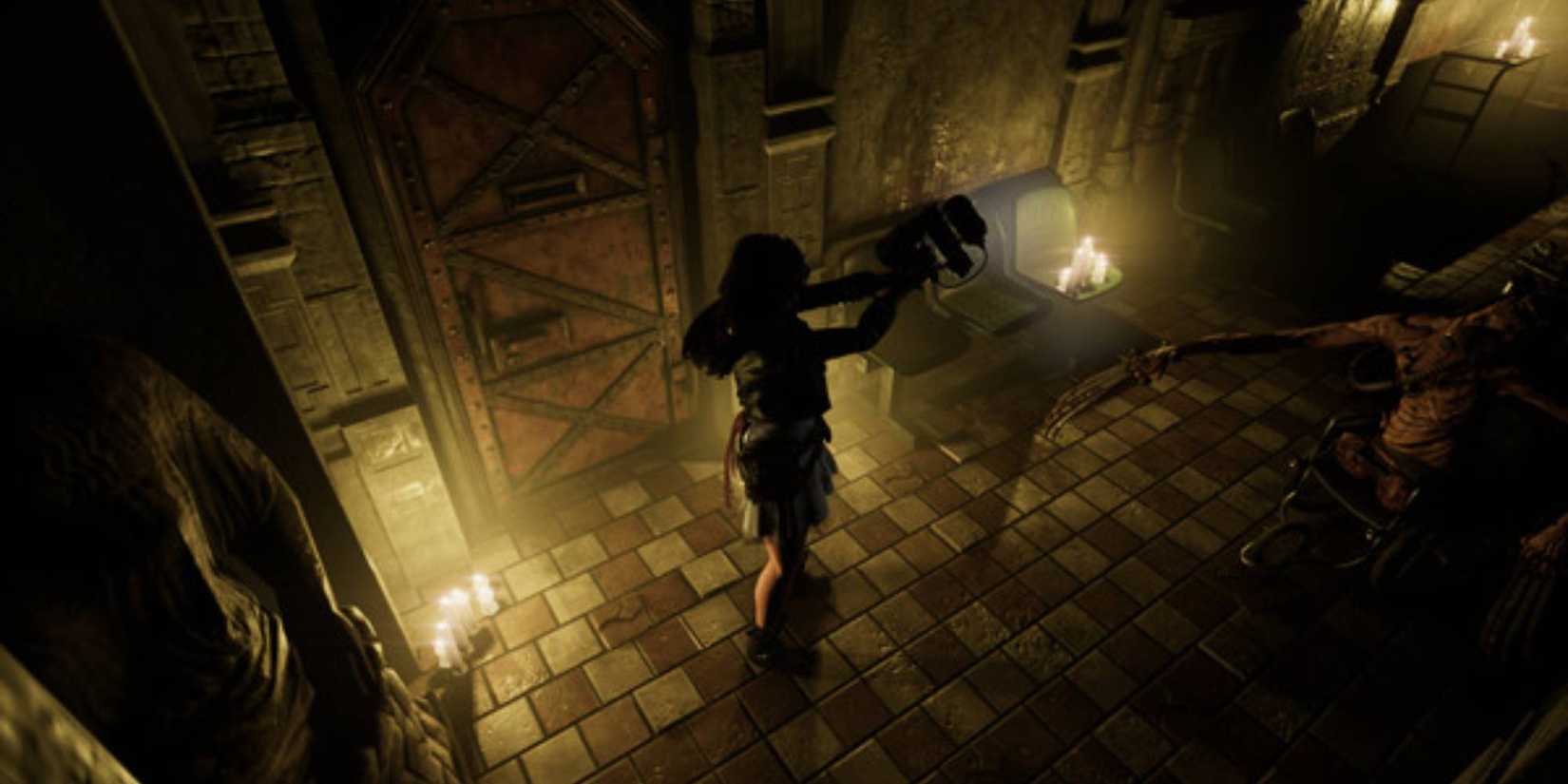
When you're inspired by Silent Hill and Resident Evil, there's not much room to pretend you'll have a normal adventure, and Tormented Souls reinforces this assumption by starting its narrative with the protagonist lying in a bathtub with one eye out of its socket… just because.
Nevertheless, I feel it deserves a place on this list because it begins as a murky nightmare seemingly involving organ trafficking and human experimentation, yet manages to become far more disturbing by adding considerably larger elements like satanic cults and the quest for the end of the world.
It's an extremely unusual scale for modern horror games, which, with few exceptions, tend to focus on more relatable and concrete stories. Tormented Souls, on the other hand, combines both approaches and turns a personal story into a much bigger and far more terrifying problem.
Starting with being kidnapped and taken to a hospital and ending up destroying the herald of the apocalypse is a dramatic escalation you don't see coming until the story's finale, and it's sensational. You always know there's something more to everything, but you never anticipate it being something so colossal.
4 LUTO
The Everyday Reality of Pain
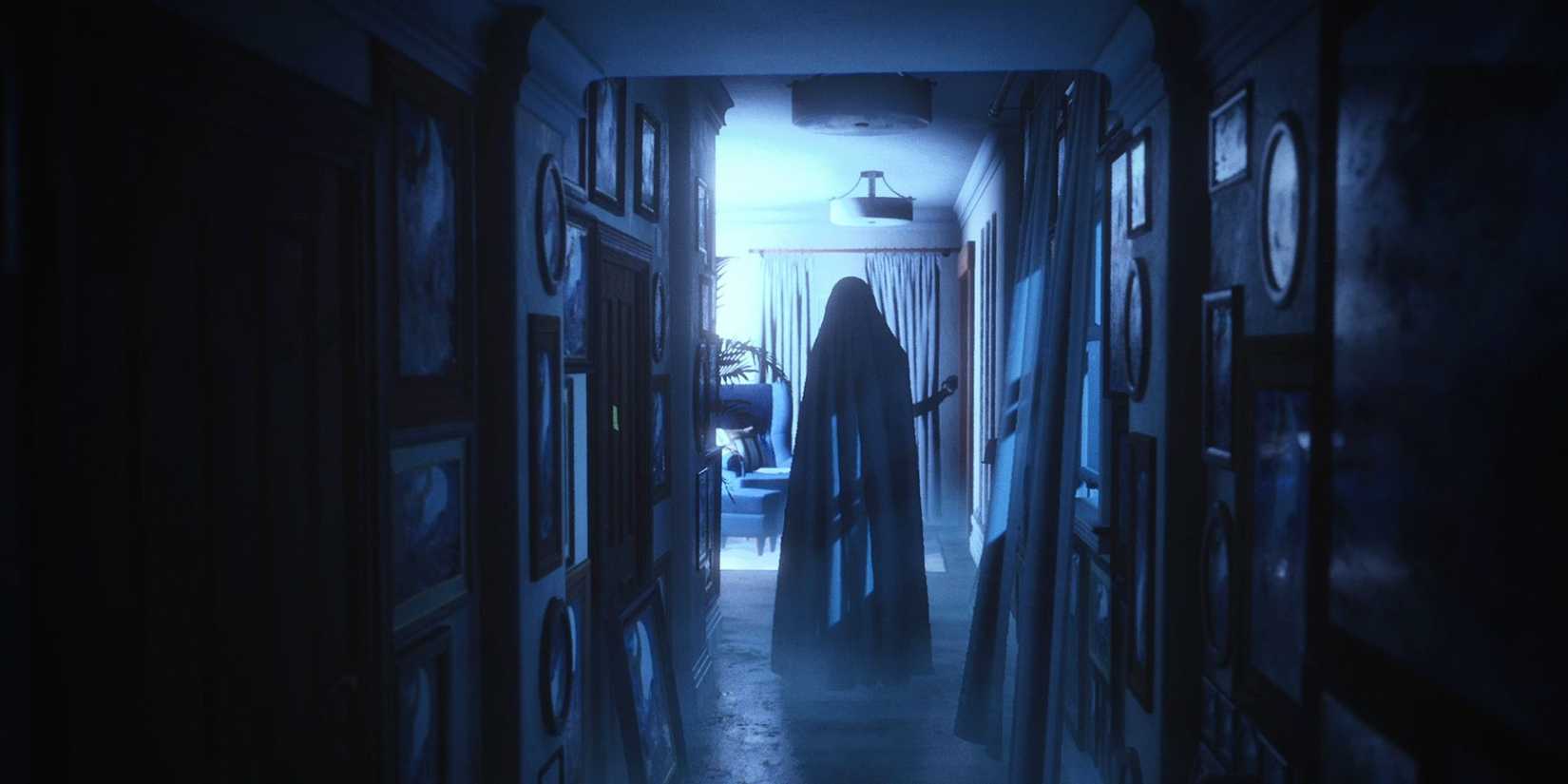
Returning to personal stories, LUTO is a chilling reflection on loss, taking us through the difficulties of resuming daily life when grief and even guilt consume you and prevent you from moving forward.
Unless we live it firsthand, we constantly forget the world doesn't stop when we experience profound despair, and this work portrays this in a subtle yet impactful way, often even breaking the fourth wall to connect with the player.

Related
However, LUTO's most raw power lies behind a highly hidden subplot, I dare say the vast majority of players probably haven't noticed. It involves finding a series of photographs to solve the longest, largest, and most hidden puzzle in the entire game, which elevates it beyond just being a good title.
I refuse to spoil this particular plot because of how profoundly it can impact you if you decide to play it on your own, in which case, I strongly urge you to play the entire game to understand why I've included it in this article and why I've been so vague in describing it.
3 Faith: The Unholy Trinity
Between Cults and Exorcisms

What's a game like Faith: The Unholy Trinity doing here, considering it begins with a possessed young woman, and we play as a rogue priest specializing in exorcisms without the Vatican's knowledge? Well, as with Tormented Souls, the answer lies in the events' scale.
Far from being just a game where you raise a cross when demons approach, the story presents a confrontation between good and evil that is anything but small, involving the arrival of beings whose power can subdue humanity in the blink of an eye.
You expect it to be a terrifying game because it appeals to the age-old fear of death and the afterlife with its disturbing rotoscoped cutscenes, but you don't expect it to also involve cultists, harbingers of the end times, greater demons, and more sacrifices than you can count.
Faith: The Unholy Trinity starts strong, though it grows so much in scale that the consequence is making us feel smaller. The way it diminishes you and makes you feel vulnerable in the face of the grandeur of what is happening is phenomenal, being even more surprising considering its aesthetic is anything but hyperrealistic.
2 Signalis
A Cyclical Grief
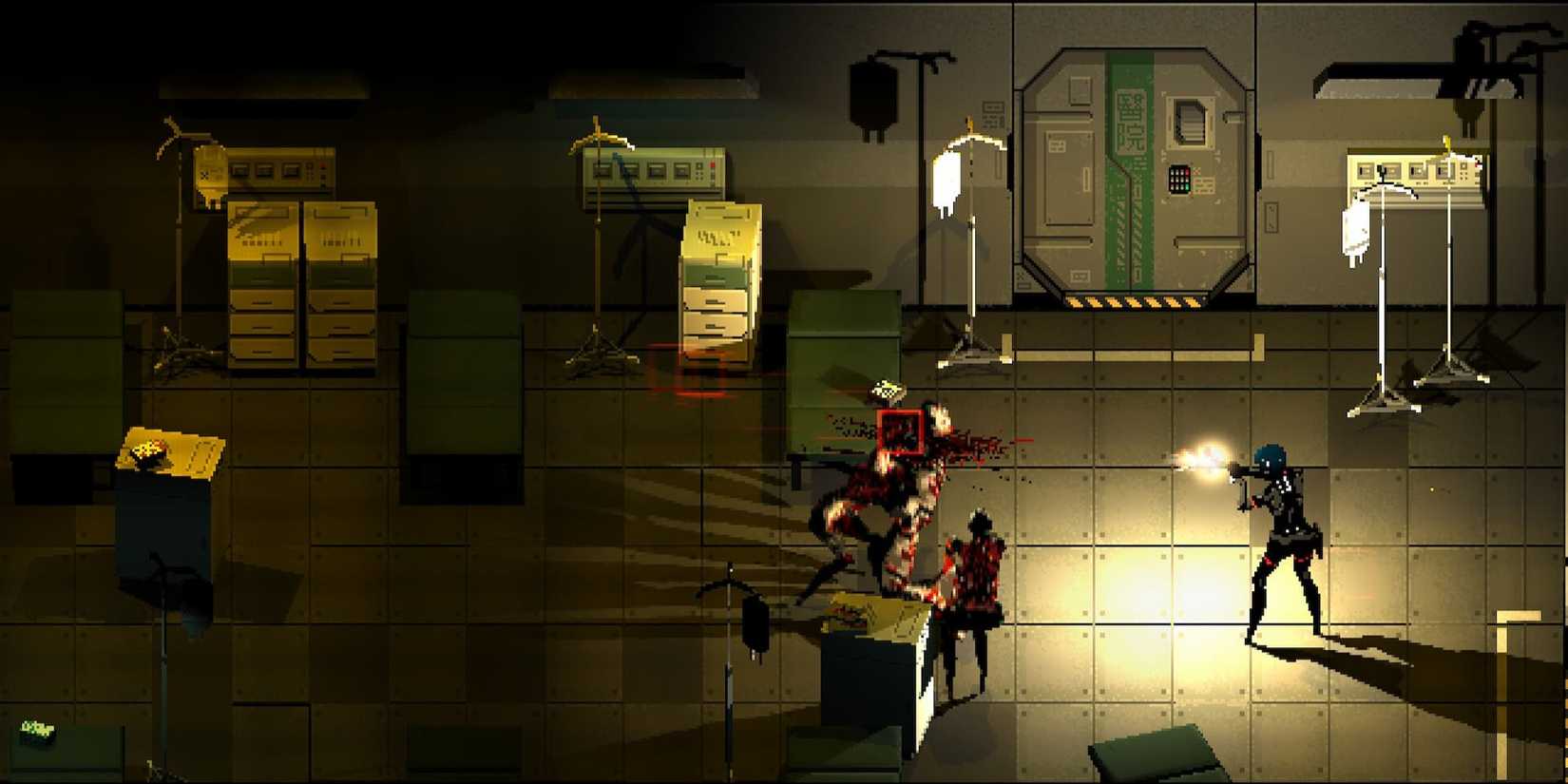
You can't draw inspiration from Silent Hill and NieR: Automata and not be, at the very least, a masterpiece that players will have to dedicate more hours of their lives to than you think they'll ever understand, and that's precisely what happens with the great Signalis.
Even if the game decided to stick to its initial premise, in which you play as an android in a world devoid of humans, it would be enough to earn a place on this list, but it goes much further, transforming a simple plot into a sequence of numerous acts with multiple endings.
It evolves from a story about robots into one about grappling with loss, the passage of time, and the loss of identity, ultimately culminating in a love story between biomechanical beings seeking to transcend reality after so many cycles separated by the universe's harshness.
Understanding Signalis is quite difficult, but the payoff justifies the effort. His campaign is as tragic as it is hopeful, though always with a gloomy and dark tone that permeates even the most positive of outcomes, so that you never get rid of that bitter aftertaste of everything you had to do to get to the end.
1 SOMA
An Unparalleled Nightmare

Although SOMA is intense from its opening moments, recounting the experience of Simon, who suffers a terminal illness after an accident, nothing prepares you for what happens after the introductory minutes: you awaken 89 years later in an underwater base.
The idea of going to the doctor and waking up after a century in an unfamiliar facility is terrifying enough on its own, but it's just the iceberg's tip for one of the most brutal science fiction scenarios in video game history.
Its exploration of the possibility of copying consciousness and transcending the flesh's mortality is profound and disturbing, especially because SOMA shows the consequences of attempting it. Dissociation, dehumanization, depersonalization, perpetual loneliness… No game that begins with a trip to the medic ends like this.
Especially given its ending, SOMA rightfully earns its place among the most outstanding horror games of its generation, perhaps the most outstanding. Even when you're at the ocean's bottom with mindless humanoid beasts chasing you, the title lets you know that's not the worst of it, and that ability to always increase the terror without even needing to scare you is simply divine.

Next
10 Criminally Underrated AA Horror Games
Not quite indie, not quite AAA, but definitely terrifying.






![ELDEN RING NIGHTREIGN: Deluxe Edition [FitGirl Repack]](https://i5.imageban.ru/out/2025/05/30/c2e3dcd3fc13fa43f3e4306eeea33a6f.jpg)
 English (US) ·