.png)
.png) 1 hour ago
2
1 hour ago
2

Published Jul 29, 2026, 6:30 PM EDT
Ewan is an experienced gamer with more than two decades of gaming under his belt, across consoles, handhelds, and PC. He's written for a variety of digital publications, including DualShockers, GameRant, The Mary Sue, and We Got This Covered.
The JRPG genre is full of heavy-hitters like Final Fantasy, Dragon Quest, Tales of, and so many other franchises. It's massively popular. It's also notorious for including copious optional content in its games, from optional quest lines, character moments, and dialogue, to whole optional characters you can miss if you don't pick them up at just the right moment.
Most of the time, optional content is genuinely optional, and it doesn't change much about how the game ends or your understanding of big story moments. Sometimes, though, JRPGs hide essential story and character information behind easily missable, often entirely optional, dialogue.
10 Trails in the Sky 1st Chapter
Every NPC Has Something To Add
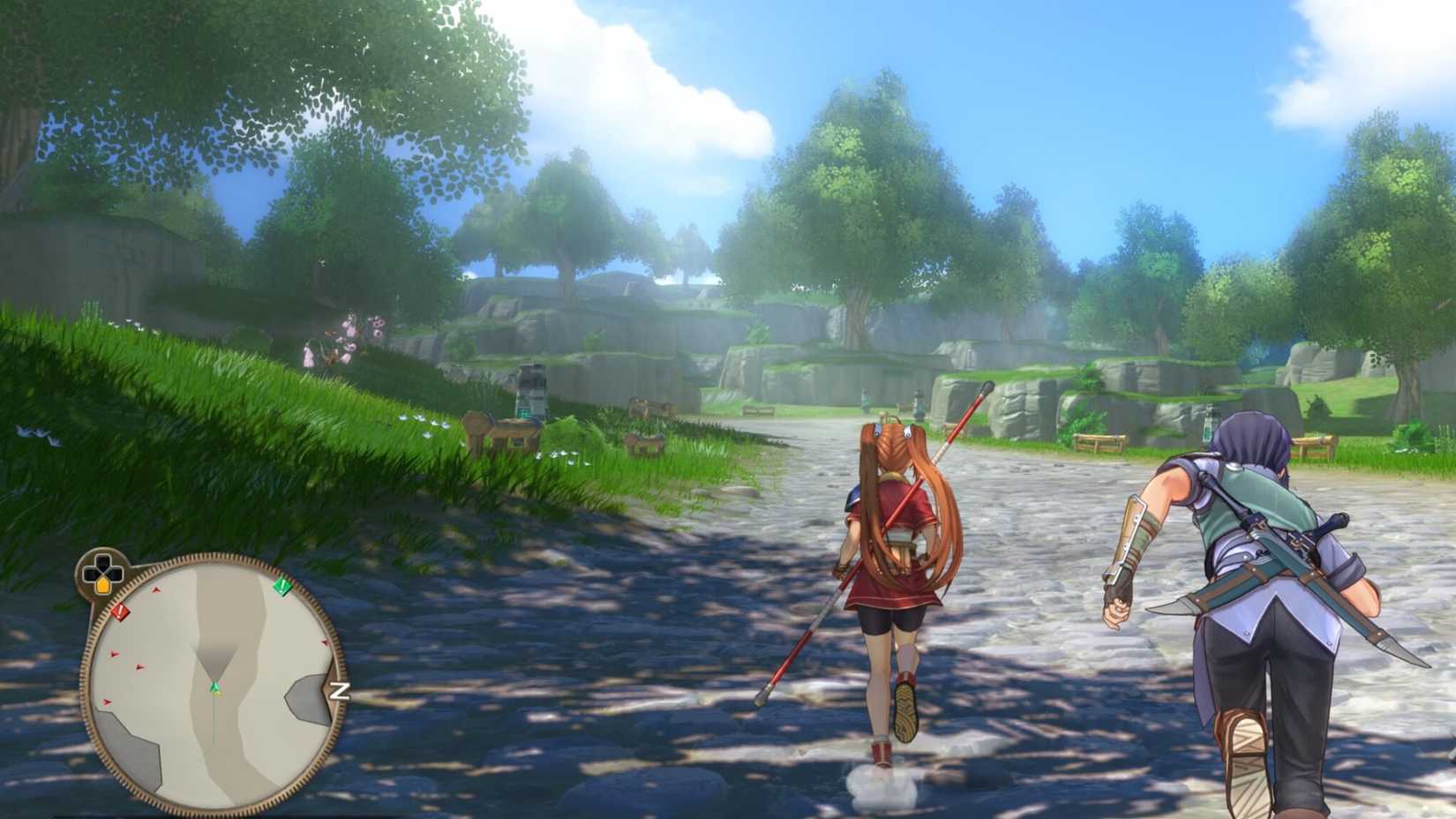
Trails in the Sky 1st Chapter
Trails in the Sky 1st Chapter is packed with an astonishing amount of new dialogue that drops after every major story event, which massively rewards anyone who constantly revisits towns... and quietly punishes those who don't!
Some of the most important dialogues involve Professor Alba, whose optional conversations foreshadow some of the game's biggest revelations. As well as Alba, other NPCs have dialogue that gradually builds the political context central to the Trails in the Sky FC's climax. You can miss all of this if you only do the mandatory content, and it massively impacts how you view the story and its ongoing conflict.
9 Tales of the Abyss
Character Motivations Hidden Behind Skits
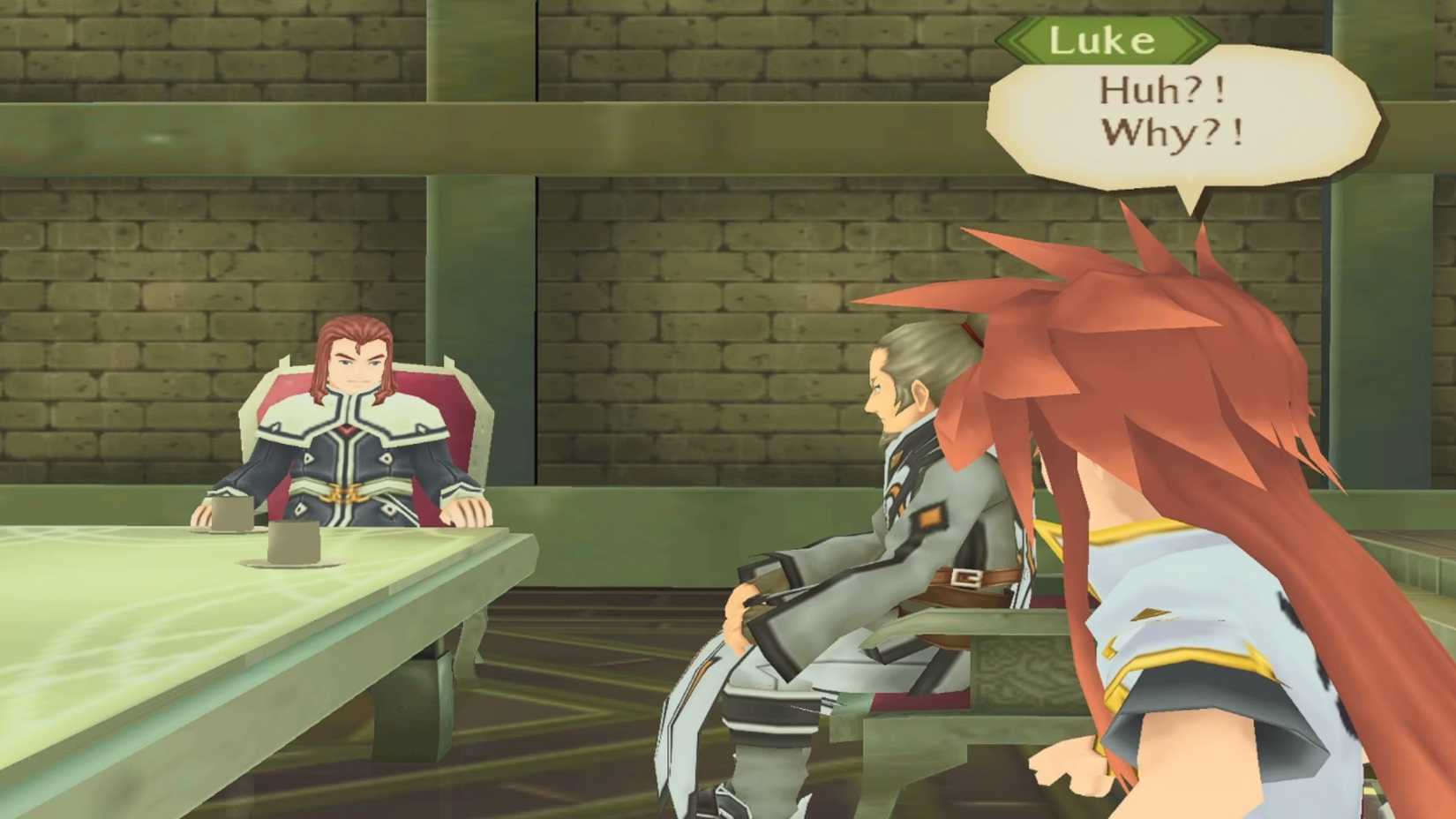
Tales of the Abyss has a story whose central conflict is heavily character-driven. You can't really fully understand what's happening unless you understand character motivations, emotional reactions, and relationships. For example, skits reveal Luke's personal growth after the Akzeriuth disaster.
Unfortunately, Tales of the Abyss uses a skit system where players can experience short, optional conversations throughout the game. They happen after story events, and when entering specific areas. But they can also disappear if you advance too far, and they require players to stop, trigger them, and then choose to view them first. If you don't have these conversations, you often don't understand why characters are doing things in the main story.
8 Tactics Ogre: Let Us Cling Together
Key Context You Only See if You Recruit Easily Missable Characters
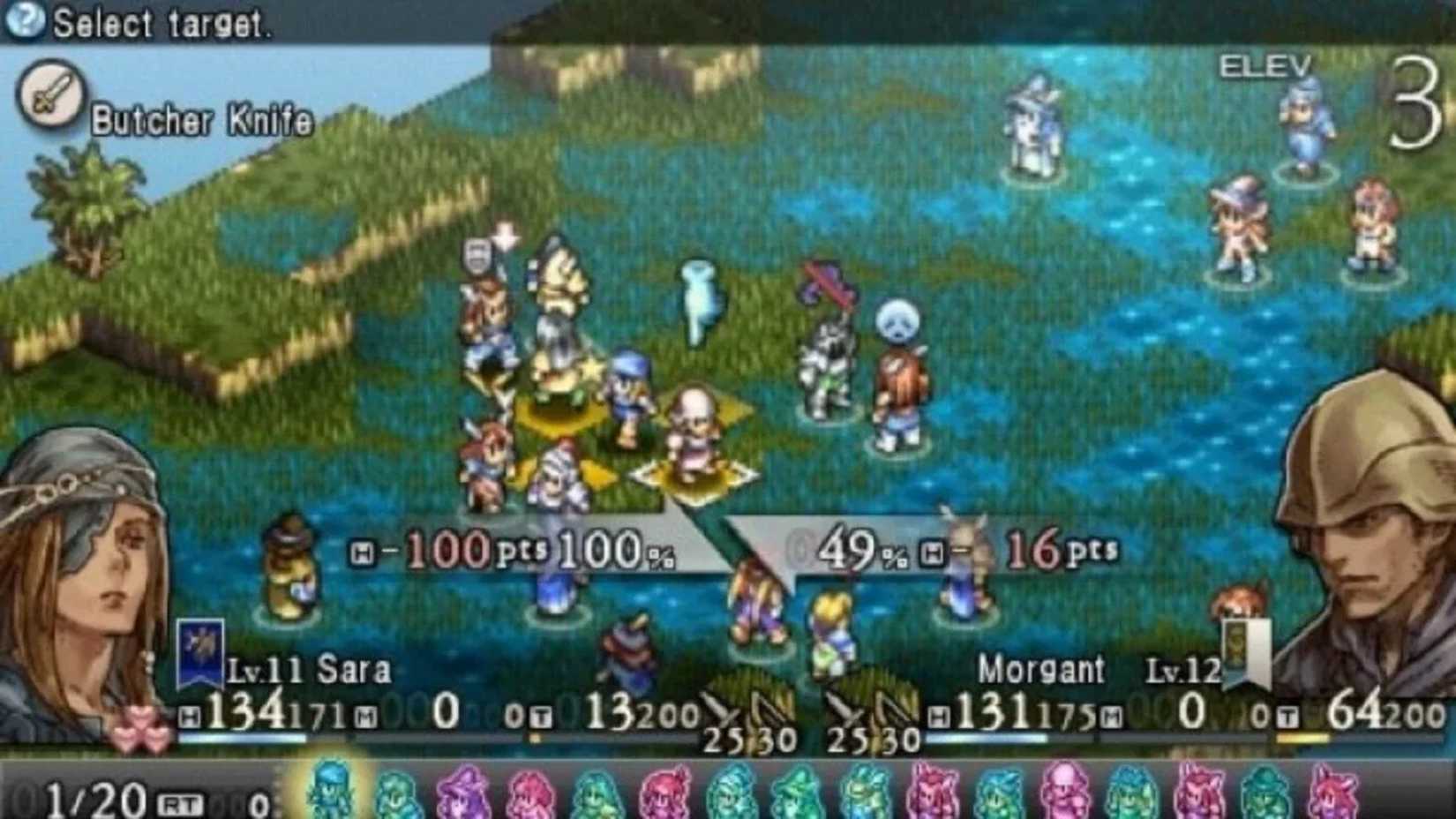
Tactics Ogre: Let Us Cling Together
Tactics Ogre: Let Us Cling Together is filled with political complexity, but some of its depth is hidden behind optional character recruitments. These essential character perspectives add weight and nuance to the world and the story, but can go completely unnoticed.
Cressida Obdilord can be missed because she's an optional recruit, but her conversations reveal core truths about the setting that change players' perspective on the core moral conflict, showing it from the perspective of the people who suffered during the war. And when I say "optional," I mean it: her recruitment depends on following a very specific path through the game that many players will simply never follow unless they aim for it specifically.
7 Final Fantasy VII
Cloud and Zack's Hidden History
Final Fantasy VII has a couple of moments where we learn important story information from random NPCs or missable dialogue, but one of the biggest is during the Shinra Mansion Basement sequence.
When we leave Nibelheim, we don't have to stay gone. We can go back to the Shinra Mansion basement to view an entirely optional scene. When we do, we find out that Cloud's memories of Nibelheim aren't right, and that some things Cloud thinks he did were actually done by Zack Fair. If we don't go there, we don't learn about Cloud's identity crisis or altered memories until much later. This critical piece of information provides so many story and character clues that it changes how we see Cloud and Zack.
6 Tales of Symphonia
Who's Virginia, Anyway?
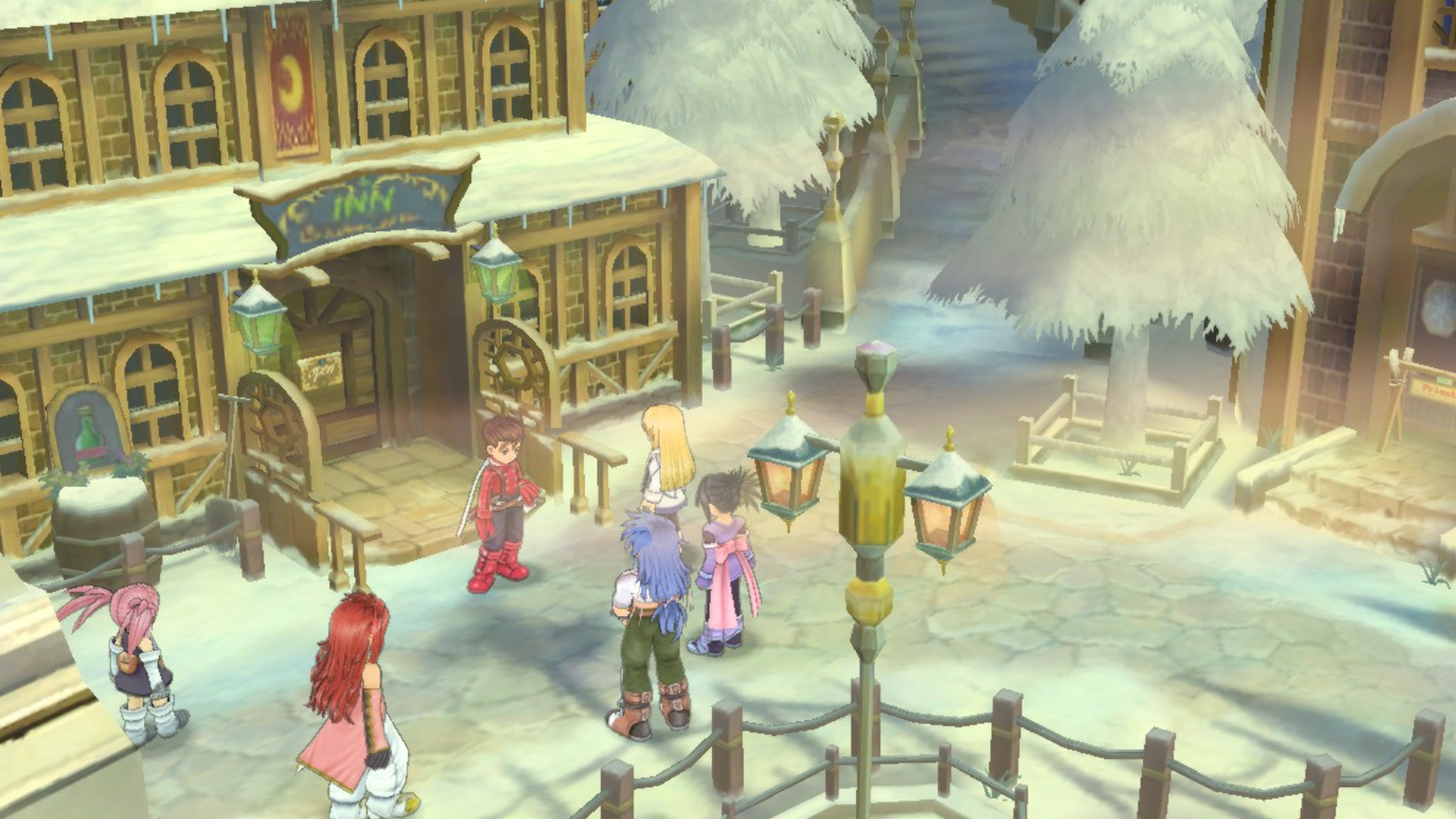
Tales of Symphonia locks a pretty major revelation behind entirely optional content. In Tales of Symphonia, you have two core characters, Raine and Genis. They're mandatory for the plot from start to finish, so it's not like we're lacking in opportunities to find out things about them.
The thing is, there's stuff that even they don't know — like the circumstances surrounding their family and why their mother disappeared. This is a big part of their identity, as Raine believes they were abandoned because they were half-elves and therefore a burden. Her sense of self and identity is bound up in all this. But finding their mother isn't simple, since you have to travel to an entirely optional location in the game during a limited window of availability. This easily missed sequence of events reveals that Raine and Genis are directly connected to the broader conflict between humans and half-elves, giving context to their role in the story.
5 Star Ocean: The Second Story
Private Actions Obscure Character Details and Motivations
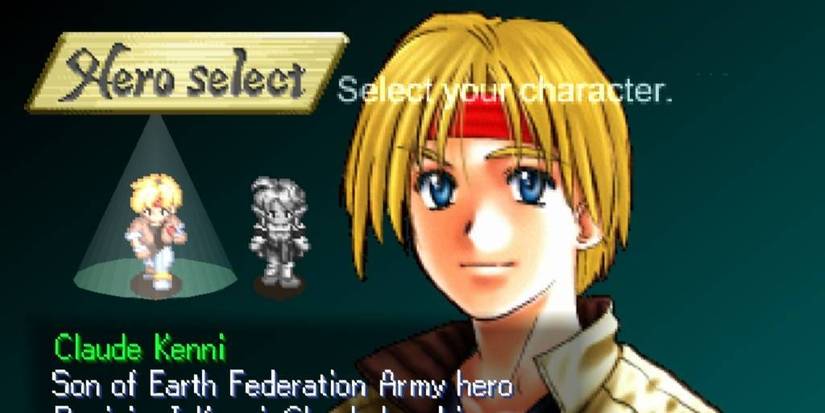
Star Ocean: The Second Story
Star Ocean 2's party members aren't just combat units, but much of their characterization is locked behind optional or hidden interactions that happen outside the main plot. There's a huge amount of essential characterization, background, and story information hidden behind the game's Private Action system. Star Ocean 2's Private Action system has conversations about personal conflicts, relationships, character motivations, revealing key aspects of party members' personalities.
Some details about characters like Dias and Ashton never appear in the main story, for example. Scenes can affect relationship values, character interactions, and endings, but they're optional, dependent on party composition and location, and just really easy to ignore.
4 Valkyrie Profile
Missing the True Ending
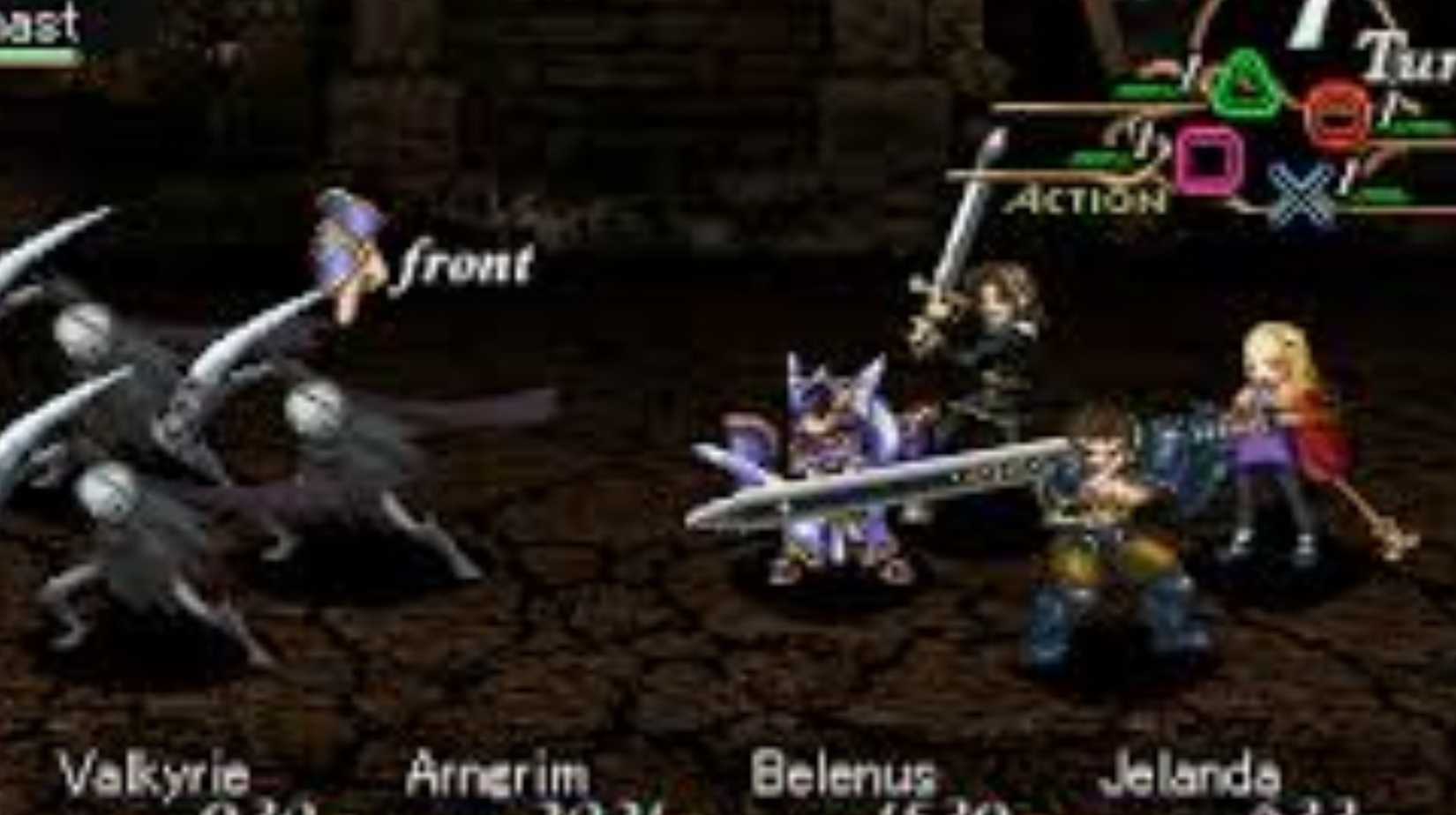
Valkyrie Profile has multiple endings, and the default ending leaves a lot of questions unanswered. Ending A reveals the protagonist Lenneth's true identity, explains the core conflicts in the game, and provides full resolution of the narrative. The trouble is, getting to the hidden Ending A requires you to have specific conversations and encounters with NPCs or complete specific events in-game.
It's not at all clear what you have to do to achieve the true ending, so it's possible to complete what you think is a full playthrough, and you still don't get the proper ending because you didn't talk to certain people at the right time.
3 Persona 4 Golden
Endgame Story Content Gated Behind Optional Conversations
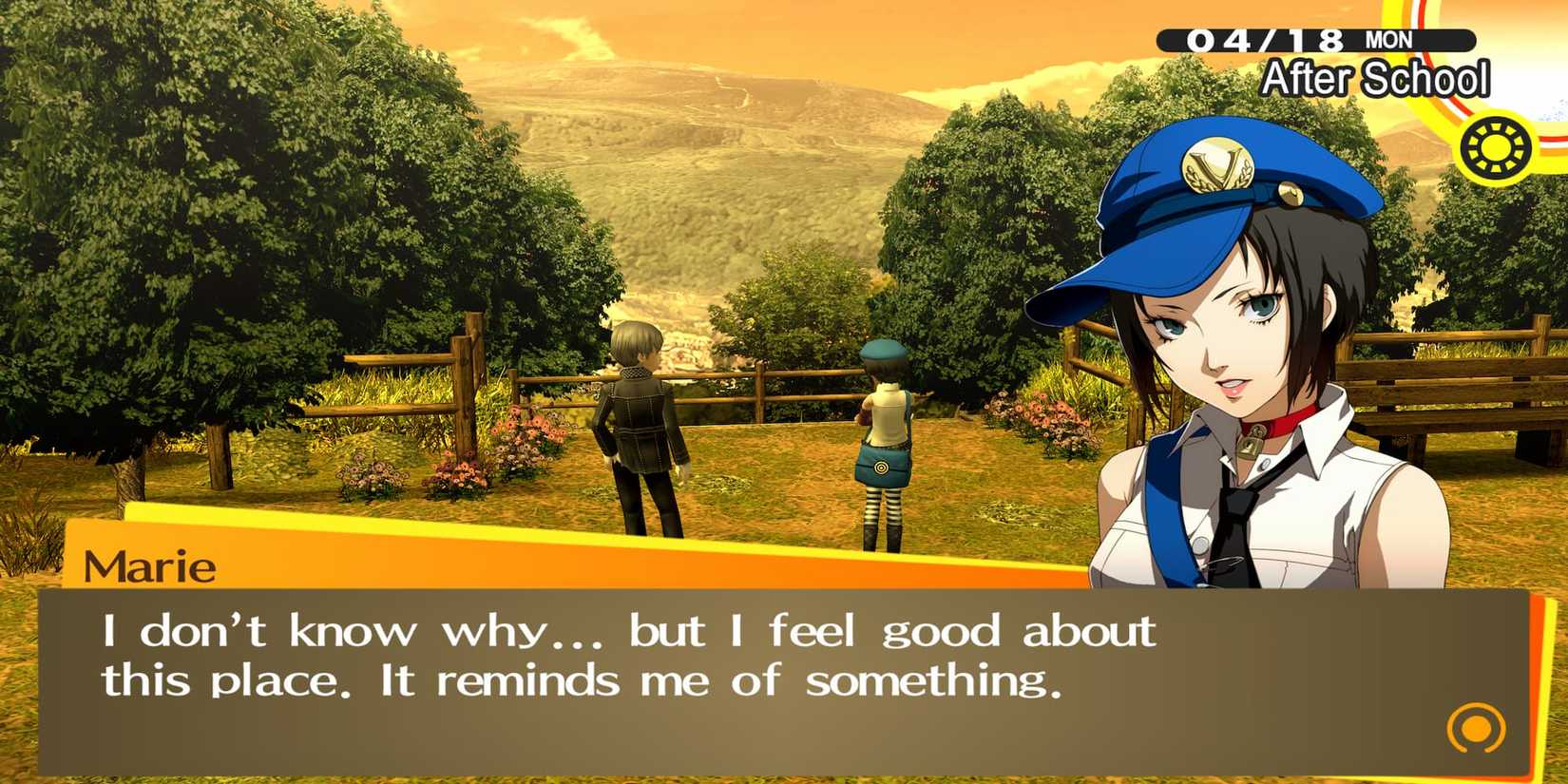
In Persona 4 Golden, an extremely important piece of optional story content is unlocked through character Marie's Aeon Social Link. Unlike in the original Persona 4, Golden's Marie is a character whose full story is unlocked by players who choose to spend time with her specifically in the Social Link. These optional conversations have a deadline, too.
Marie's Social Link content reveals who she actually is and unlocks endgame story content that expands the game's mystery and delivers Golden-exclusive endings. The thing is, you can complete the game without ever seeing Marie's optional material, never knowing about major pieces of the game's mythology.
2 Fire Emblem: Path of Radiance
Characters' Stories and Motivations
Fire Emblem: Path of Radiance
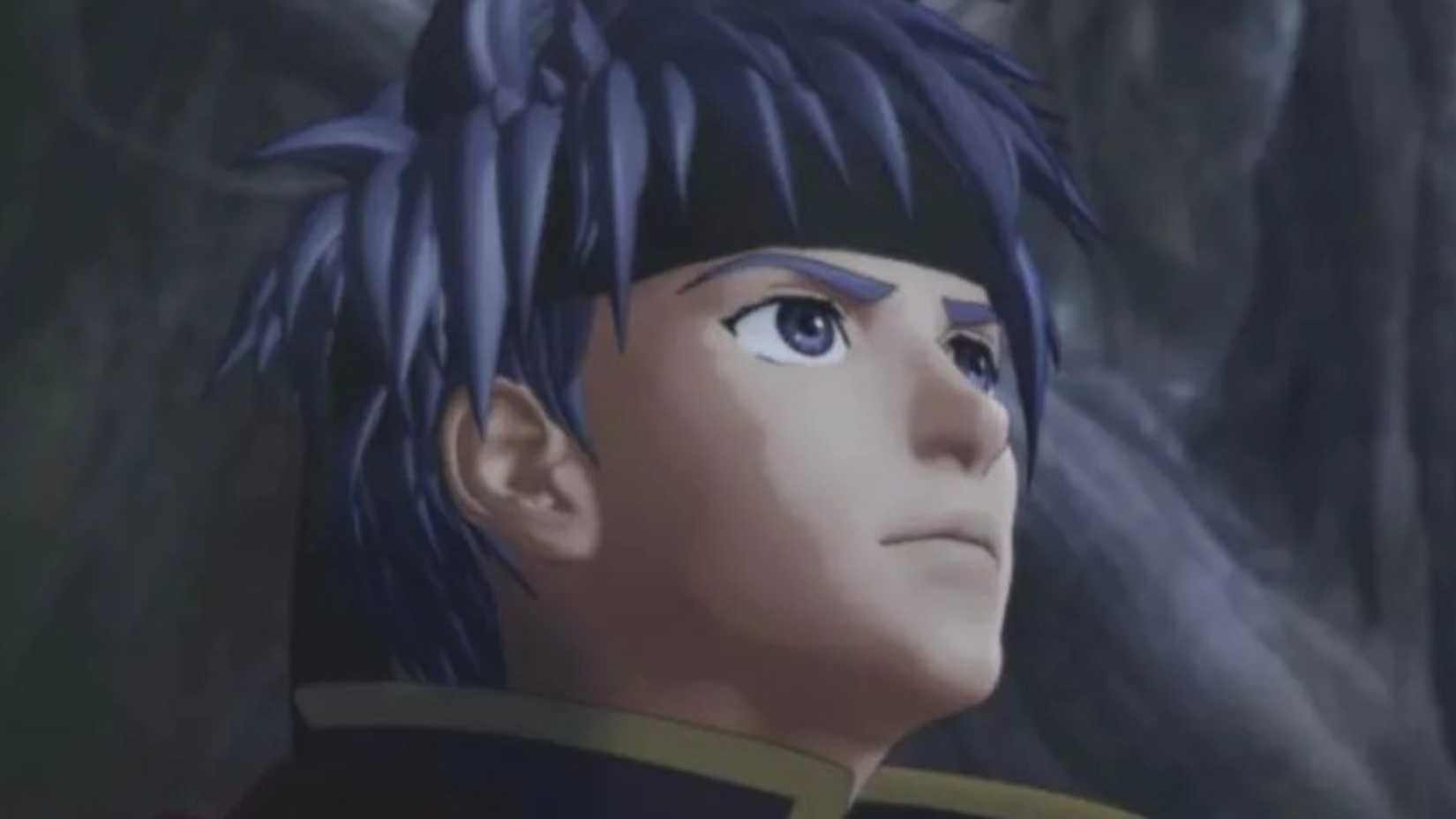
Fire Emblem: Path of Radiance is a tactical JRPG which includes a variety of "Support" conversations involving party members and characters that reveal some genuinely impactful information about various characters. They're also optional. These are separate scenes unlocked through character interactions instead of mandatory story progression, so you can miss them. In the case of Soren, these conversations reveal a bunch of secrets, such as him being Branded, his connection to beorc and laguz societies, and the whole reason behind his isolation and bitter character.
The problem is that, since these conversations require significant investment to unlock — using compatible characters together, stacking up support points, and then selecting them when available — you can miss most of them. Soren's identity impacts how you view the setting, his relationship with other characters, his role in the story, and how he relates to the world. It's a genuinely big part of his character, and you can't understand it without optional dialogue. And Soren isn't the only example! Stefan, Jill, Ike and Mist... a lot of the characters rely on optional dialogues to fully understand them and their role in the story.
1 Final Fantasy VI
What Do You Mean Shadow Has a Whole Story?
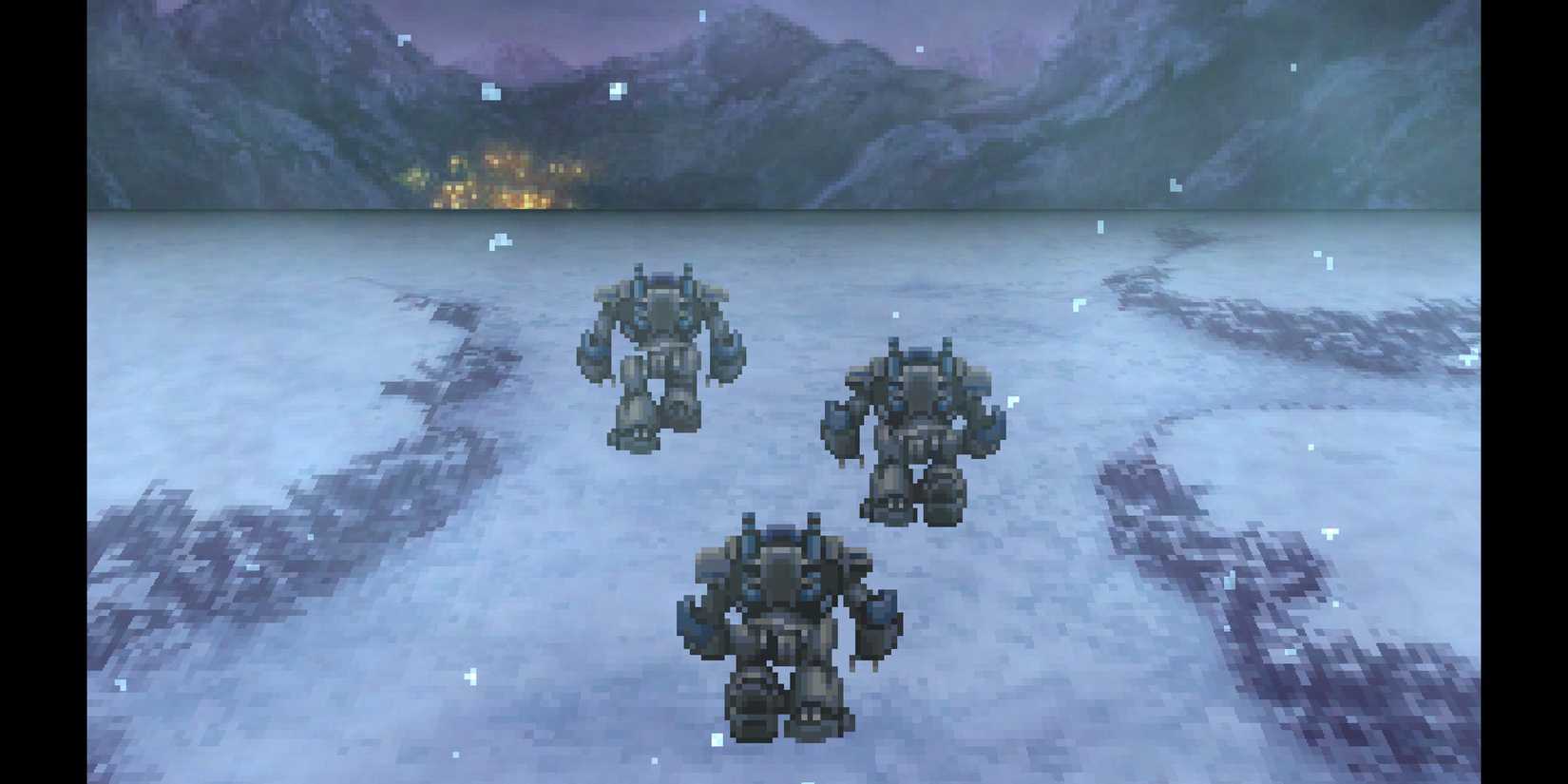
In Final Fantasy VI, Shadow is a mysterious party member who's a wandering mercenary and assassin. He's an optional character who can be missed during multiple parts of the game, and even when he joins your party, he can die if you don't wait for him.
He also has secret optional dreams that you can view if you rest at an inn while he's in the party. The dreams aren't just background information. They completely recontextualize who he is and why he's even helping — they go into detail about his former identity, his past partnerships, and the traumatic events that made him who he is today. Without understanding these events, you can't really understand Shadow as a character, or his motivations in the story.





![ELDEN RING NIGHTREIGN: Deluxe Edition [FitGirl Repack]](https://i5.imageban.ru/out/2025/05/30/c2e3dcd3fc13fa43f3e4306eeea33a6f.jpg)
 English (US) ·