.png)
.png) 1 month ago
41
1 month ago
41


Published Jun 1, 2026, 3:30 PM EDT
Murillo Zerbinatto is an Editor at DualShockers specializing in JRPGs, RPGs, reviews, guides, and lists. He has been writing professionally since 2018 and covering games since 2020, with previous work published at Xfire, RPGInformer, IndieGameCulture, and GameRant.
A longtime JRPG enthusiast, Murillo has played more than 250 JRPGs and earned over 100 platinum trophies, giving him deep hands-on experience with the genre’s progression systems, side content, collectibles, and completionist challenges. His coverage often focuses on franchises such as Final Fantasy, Dragon Quest, Trails, Tales of, and Star Ocean.
Sign in to your DualShockers account
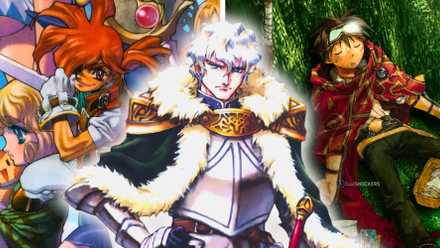
It's a tale as old as time: the PS1 is known as the golden era of JRPGs. I started my adventure through this wonderful world on the SNES, and although Nintendo's catalog boasted many heavy hitters (many of which are considered the best JRPGs ever made), not every title stood out. Meanwhile, on the PS1, it felt like you couldn't throw a stone without hitting an amazing JRPG.
This was because many developers were investing heavily in Sony's console, and with investment comes novelty, creativity, and freedom. A few of the JRPGs mentioned here are unfortunately locked to the original PS1 console, but others can be played via a remaster, remake, or simple port, which is more than enough.
 Next
Next
10 Most Obscure PS1 JRPGs
If you know five or more titles from this list, I've failed my mission.
But beware, because if you want to play any of the games below, you had better clear your schedule. These are 10 of the most addictive PS1 JRPGs you can find out there, so once you boot your console up, you won't be turning it off for many hours. At least that's one addiction I'm in no hurry to shake off.
10 Legend of Legaia
Mastering the Arts
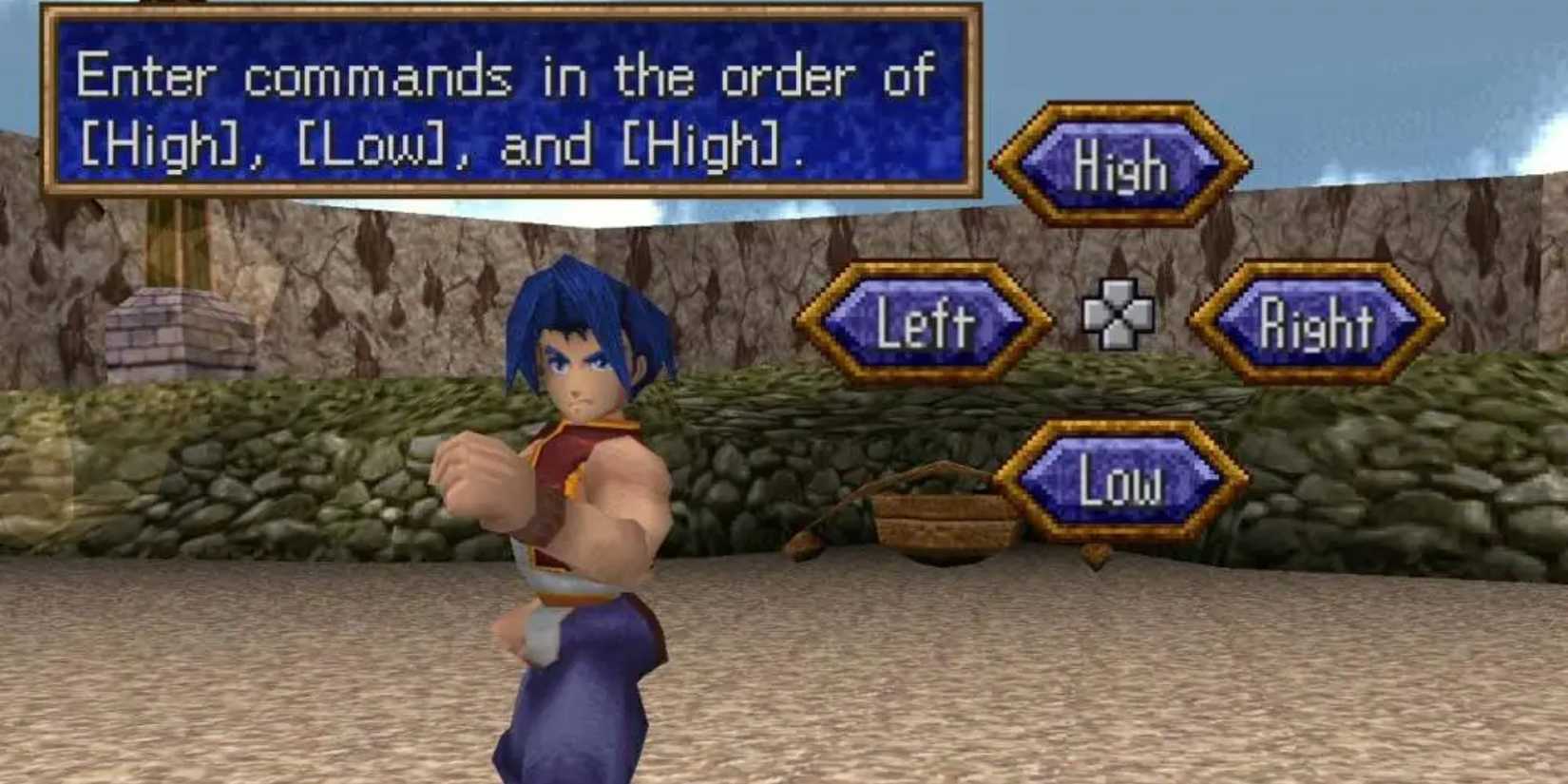
Nowadays, I find it hard to call Legend of Legaia addictive because we have all the information in the world right in the palm of our hands. But back then, without the help of YouTube or GameFAQs, it was incredible how the game glued you to the screen while you tried to mix and match every command to discover new Arts.
I specifically remember that my brother and I kept a little notebook where we wrote down every command combination for the three characters to track whether we had tested it and unlocked a new Art. Then, after leveling up and unlocking another slot to input a brand-new command, we would start the whole process all over again. It was extremely satisfying and addictive, and it also provided extra motivation to justify all the random encounters in the world of Legaia.
9 Chocobo's Dungeon 2
Addictive by Nature
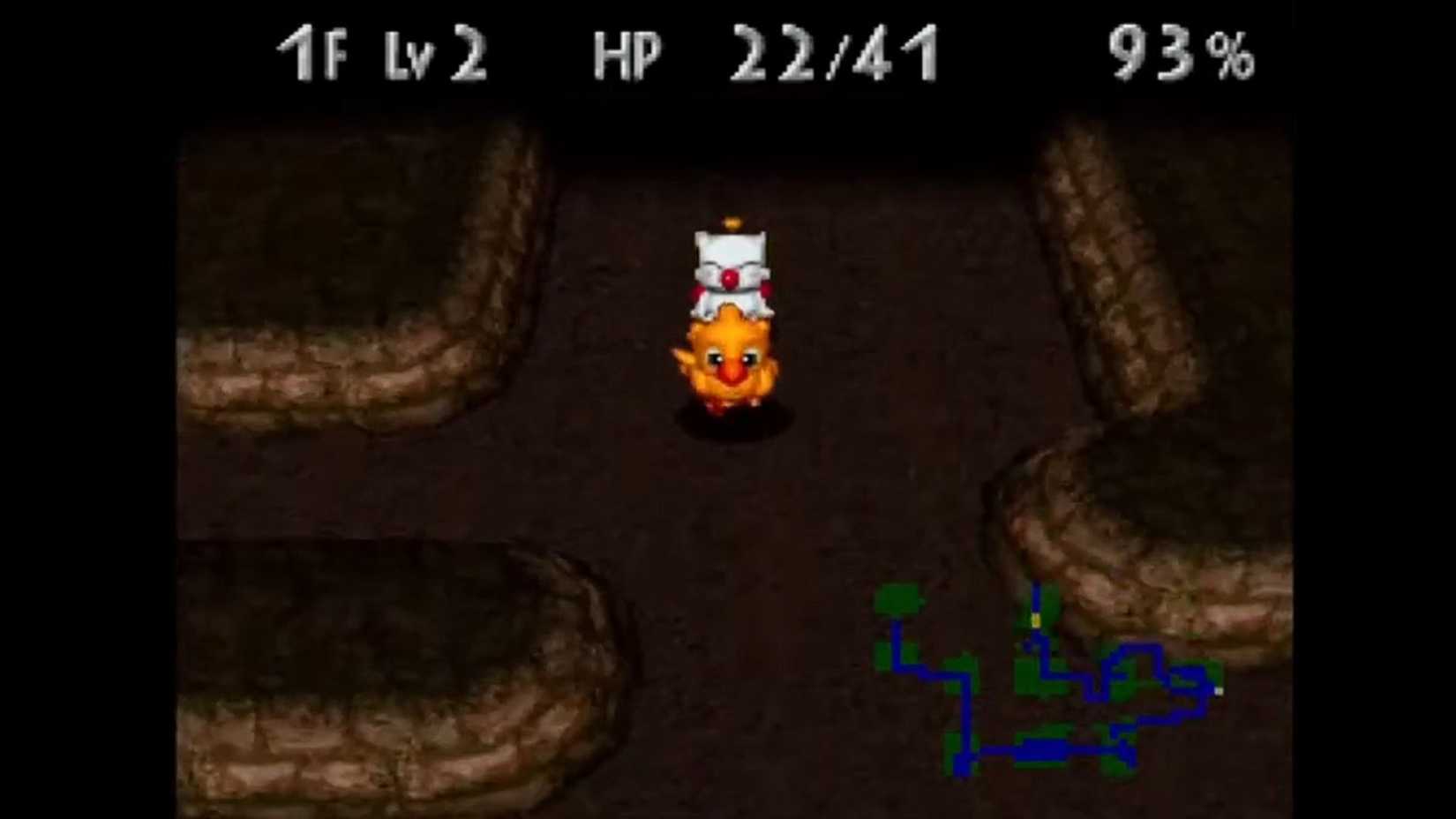
I was a bit conflicted about putting Chocobo's Dungeon 2 on this list. Even though it is super cozy and stars the best friend of every Final Fantasy fan, I wouldn't necessarily call it a highly enjoyable game. But then it hit me that this list is all about being addictive, and nothing screams addiction more than roguelike games.
Chocobo's Dungeon 2 is part of the Mystery Dungeon series originated by Chunsoft. The gameplay is largely based on exploring randomly generated dungeons where our young Chocobo moves along a grid. Every action also triggers an enemy action, meaning monsters only act when you do, whether you are walking, attacking, picking up items, or whatnot. The game is quite hard and, like any roguelike, you should expect to die a lot.
And that die, repeat, try again loop is the entire gist of a roguelike, which makes Chocobo's Dungeon 2 innately addictive. Incredibly, it was possible to play this JRPG in co-op, which made every dungeon-delving session even more fun. I perfectly remember reaching a boss with my friend and being insanely overwhelmed with zero chances of victory. But by some miracle, after he died, he summoned an Ifrit that killed the boss. To this day, it's one of my life's greatest mysteries.
8 SaGa Frontier
For Non-Orthodox Players
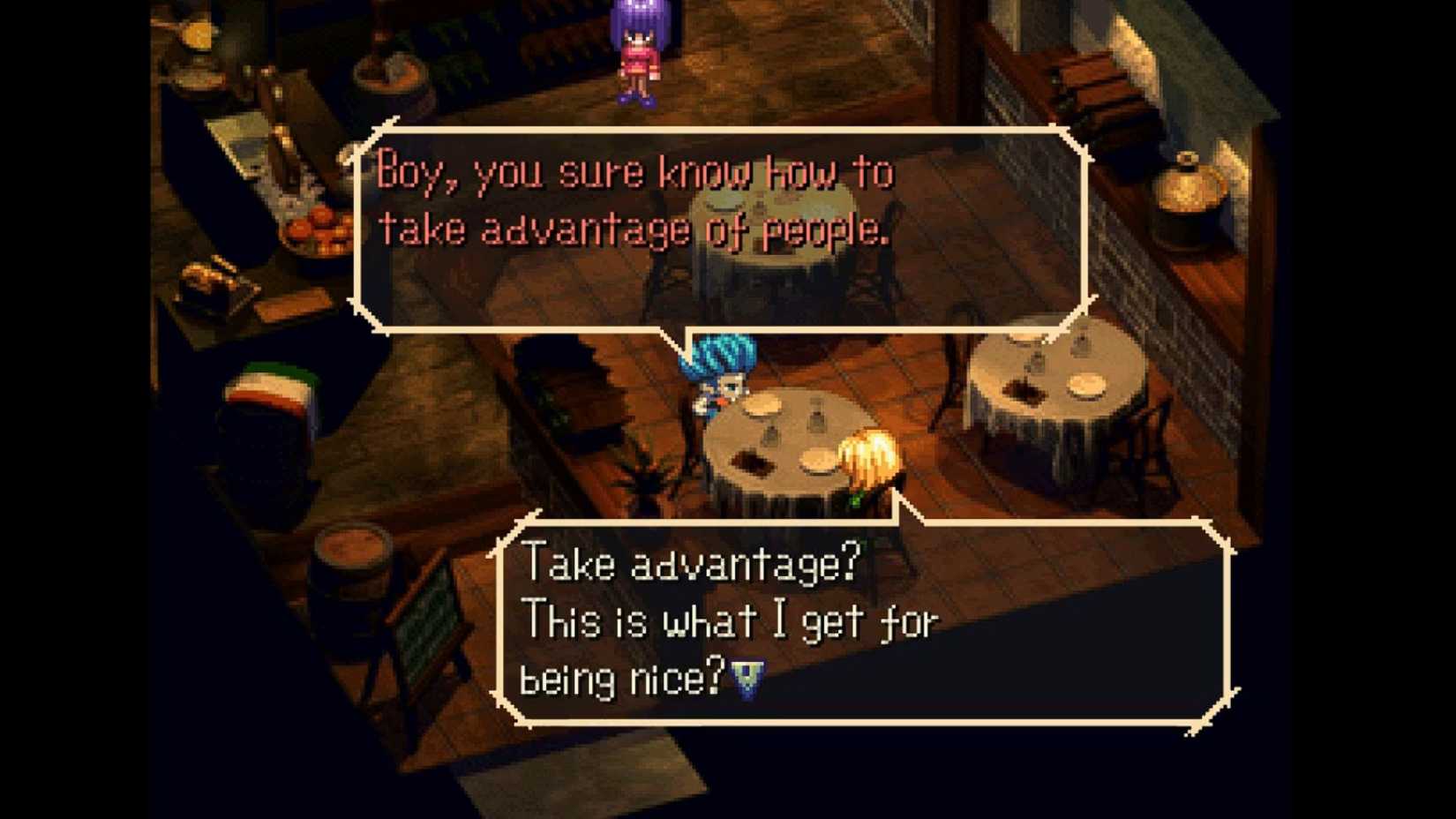
Before you even consider getting addicted to SaGa Frontier, you first need to actually enjoy the series. If you try it and dislike the progression system, the non-linear narrative, and the slight RNG involved in battles, then this one isn't for you. Still, if you happen to be looking for an unusual JRPG series that ditches the standard tropes of the subgenre and offers a non-orthodox experience, then prepare to get hooked.
SaGa Frontier offers 7 protagonists (8 in the remastered version). Although you will eventually repeat the same sidequests with each of them, the vast majority of situations and party members are completely unique. This allows you to develop each character differently, using different weapons and learning new skills along the way.
The beauty of having so many campaigns is that if you finish one and still can't get enough of SaGa Frontier, you can just start another one and keep playing until you forget the feeling of the sun on your face and the smell of deodorant. Just remember to eat and drink water, please.
7 Brigandine: The Legend of Forsena
War Games With Monsters
Brigandine: The Legend of Forsena
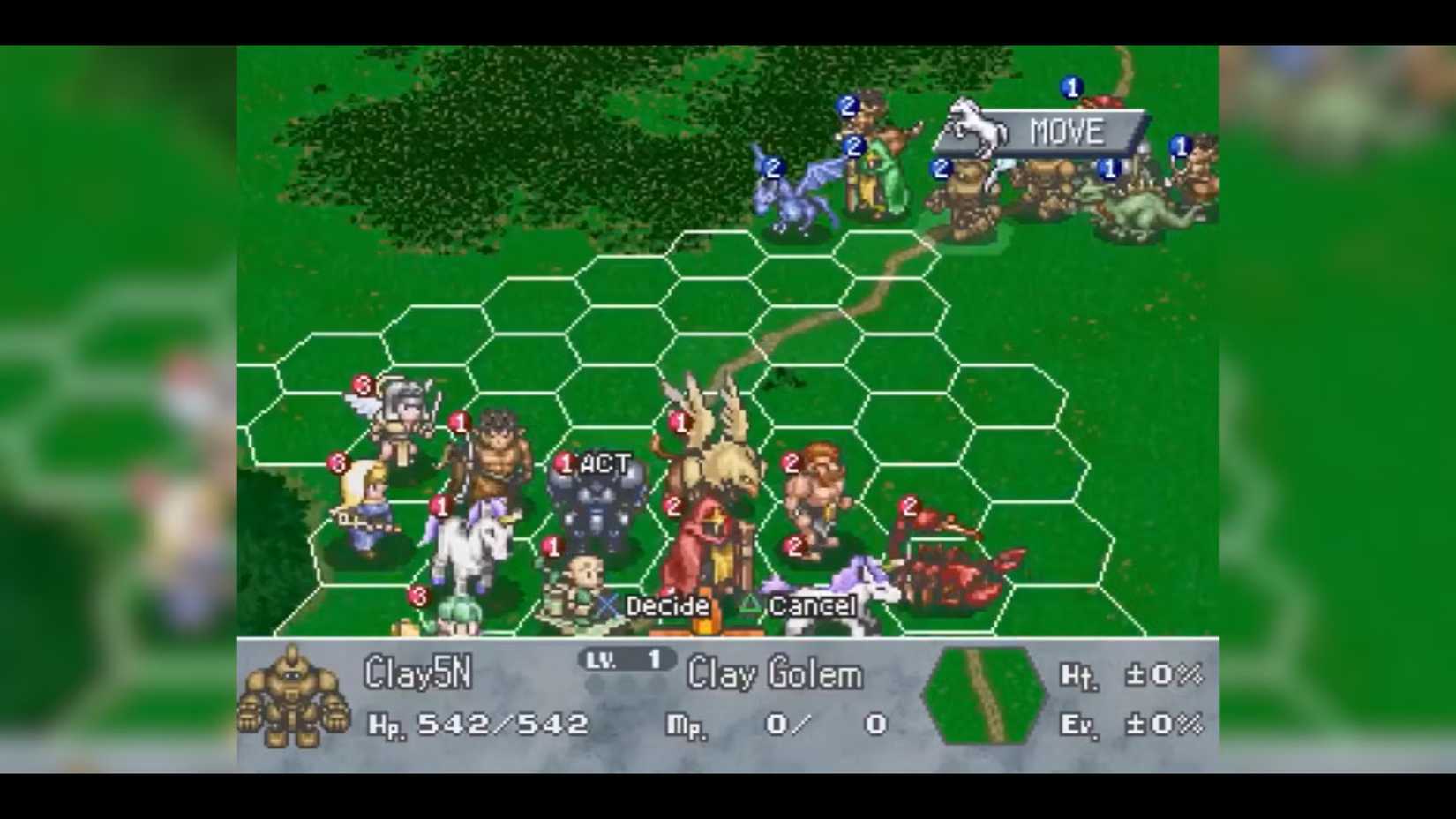
In preparation for Brigandine Abyss, I played Brigandine: The Legend of Runersia, the second entry in the Brigandine series. And that's something I never imagined I'd say: calling Brigandine a series. When I played Brigandine: The Legend of Forsena for the first time on the PS1, I found it a bit clunky and rough around the edges, and I preferred playing other JRPGs.
But the more I immersed myself in the game, learned its systems, watched the interactions between different knights, completed quests to recruit more allies, and evolved my monsters into new forms, the more dangerously addicted I became to the loop. Brigandine: The Legend of Forsena also offers multiple protagonists, which alters how the gameplay unfolds, even if the ultimate goal remains the same.
The variables in the strategic gameplay also depend on each player. I'm the type who likes to use different classes and unique monsters with each new run, both to understand the potential of every army and to add some variety to the gameplay. That doesn't mean that if you only play as Lance with his almighty Salamander, you won't have fun. It's entirely up to you.
6 Front Mission 3
Customizing Mechas is Beautiful
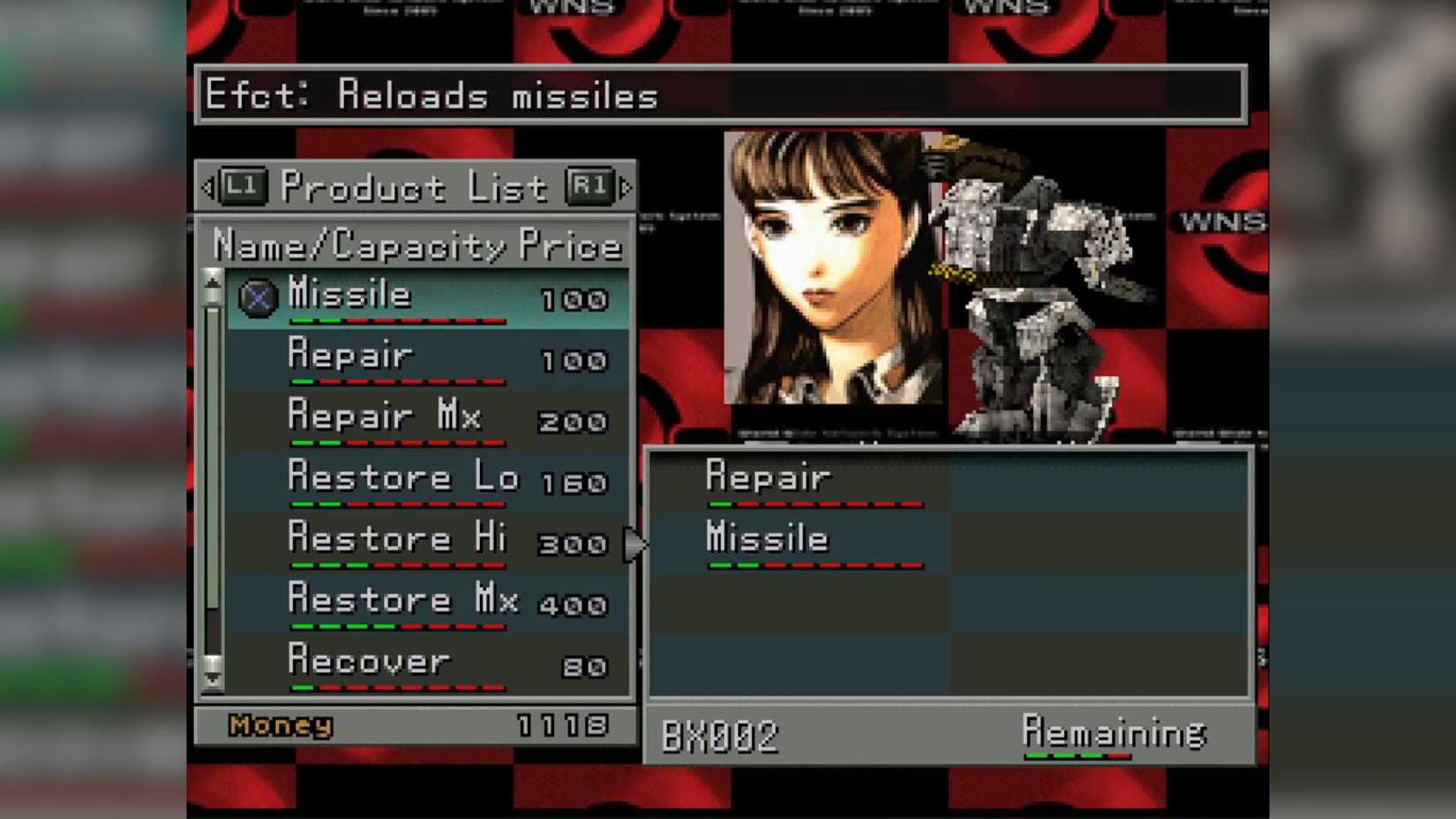
If there is one thing that always wins over sci-fi lovers, it's being able to customize your own mecha. That's the whole progression gimmick of Front Mission 3, a tactical JRPG developed by Square Enix. In every battle, we control Wanzers (we can also control just human pilots, but that's crazy, with a few exceptions). As we engage in combat with other Wanzers, we slowly destroy each part of the enemy mecha until we hit the body and destroy it completely.
In battle, our Wanzers can learn new skills right in the middle of the fray when certain conditions are met. This always left me curious about what new skills I could learn with distinct weapons, so I customized a new Wanzer for almost every battle. Another delight was advancing the story and seeing that the shop had introduced new wares, allowing me to build a massive variety of Wanzers.
Front Mission 3 featured a system called the Double Feature Scenario, in which a single early decision branched the narrative into two, altering the entire story and the recruitable party members. This brought unparalleled replayability to the JRPG, which is quite uncommon for the genre but keeps us glued to the title even longer.
5 Final Fantasy Tactics
Building Up Your Portfolio
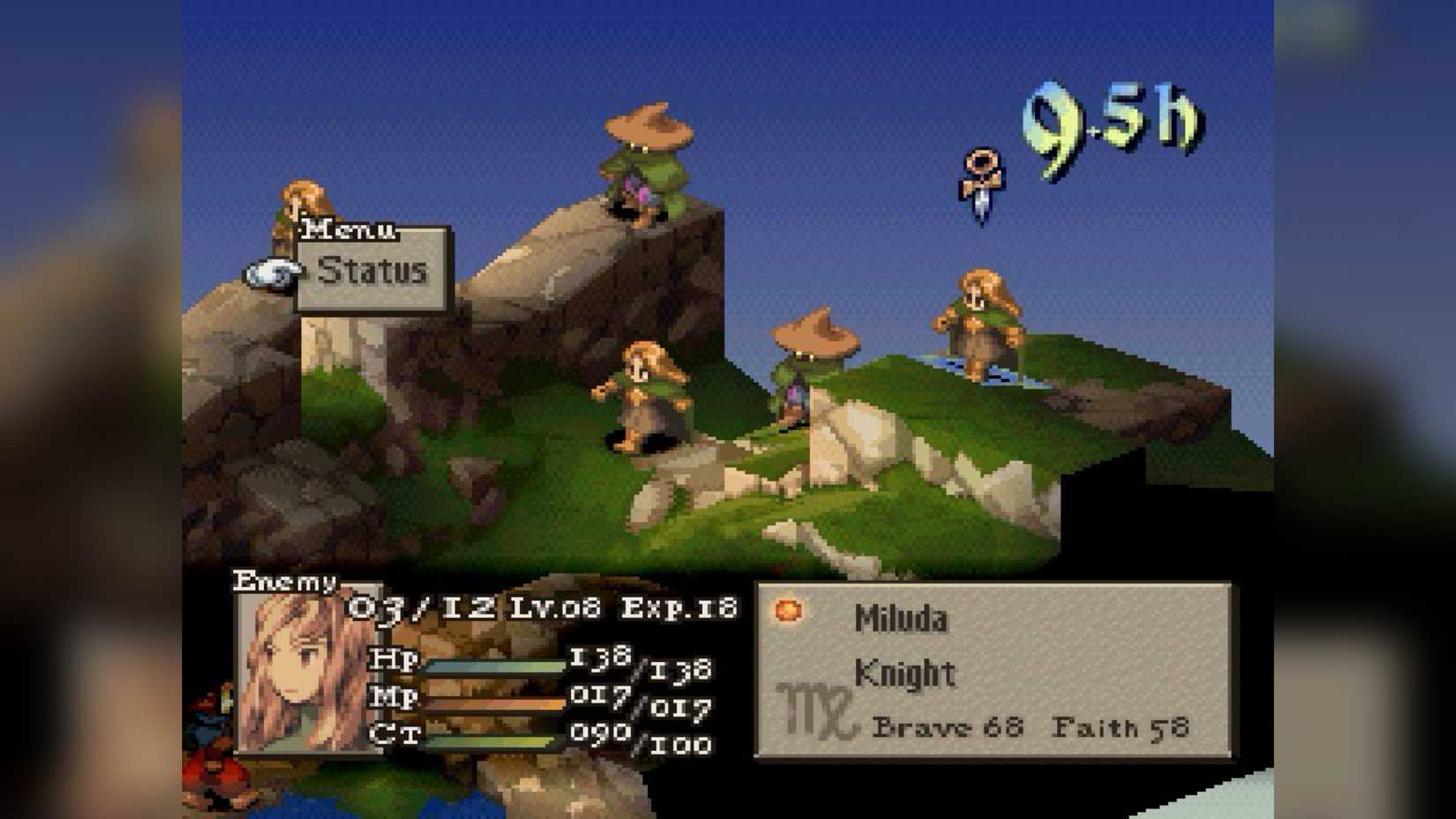
I know many Final Fantasy fans who simply gave up on Final Fantasy Tactics due to its steep initial difficulty. And I can't blame them, because the early portions of this tactical JRPG are genuinely brutal. However, as you get the hang of it, master Jobs, unlock more commands, and slowly become the Sun Tzu of Ivalice, the game becomes wonderful, and its system turns completely addictive.
Anyone who has never spent 30 minutes in a single battle just using the Squire's Focus ability to accumulate JP doesn't know what a true grind is. Some Jobs are incredibly difficult to level up in a real battle full of carnage and killing intent, but doing so is necessary to change to a more advanced Job.
Well, there is nothing better than switching to that Job, setting the Squire's Fundamentals as a secondary ability, and just grinding forever until you master any Job possible while facing a puny Goblin. Before you know it, you will be addicted to unlocking and mastering more and more Jobs, creating the best army Ivalice has ever seen. Or well, so the Durai Papers insist on telling us, at least.
4 Legend of Mana
So Many Systems
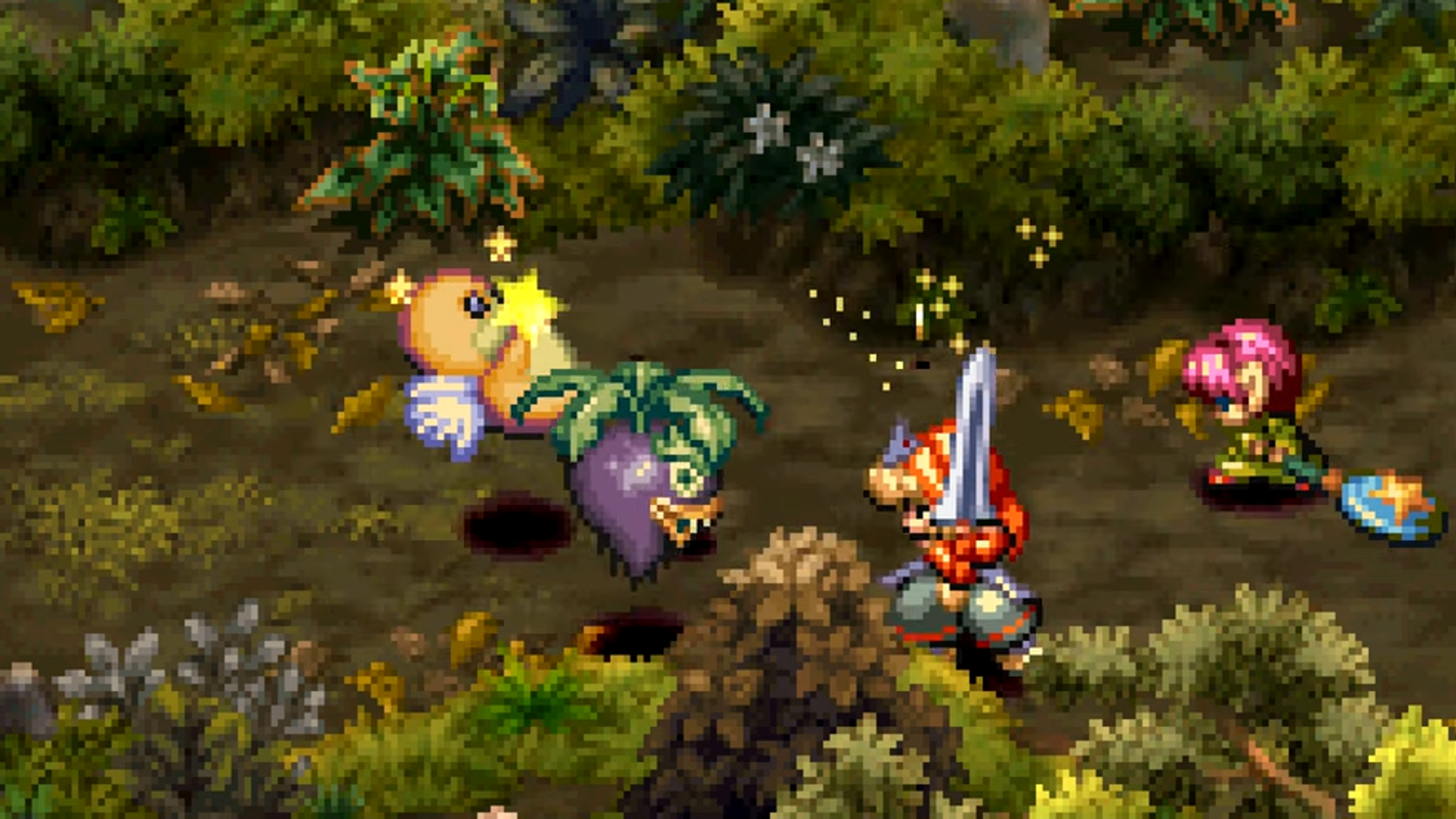
Some JRPGs get you hooked through their story, others through their gameplay, and a few because they feature so many unusual systems that you can never predict what you'll be tackling next. Legend of Mana is a prime example of the latter! A world so exuberant, yet so mystical and mysterious, that it's hard to stop playing because you never know what awaits you in the next story beat.
The action gameplay is simple at first, but it expands as you learn new abilities and Techniques. You can also swap your main weapon type to give things a much-needed refresh. But the most impressive loop in Legend of Mana is how you'll constantly unlock new features. You get an orchard, then a blacksmith, then a Golem workshop, then pets... I mean, when does the game draw the line?
Plus, the whole mechanic of building your world with artifacts is pretty mesmerizing, revealing brand-new regions, villages, and biomes that are completely distinct from the one you just finished exploring. It's a unique kind of addiction, one that holds you by the sheer surprise of what's to come rather than just what you've already experienced and enjoyed.
3 Breath of Fire III
The Faerie Caretaker
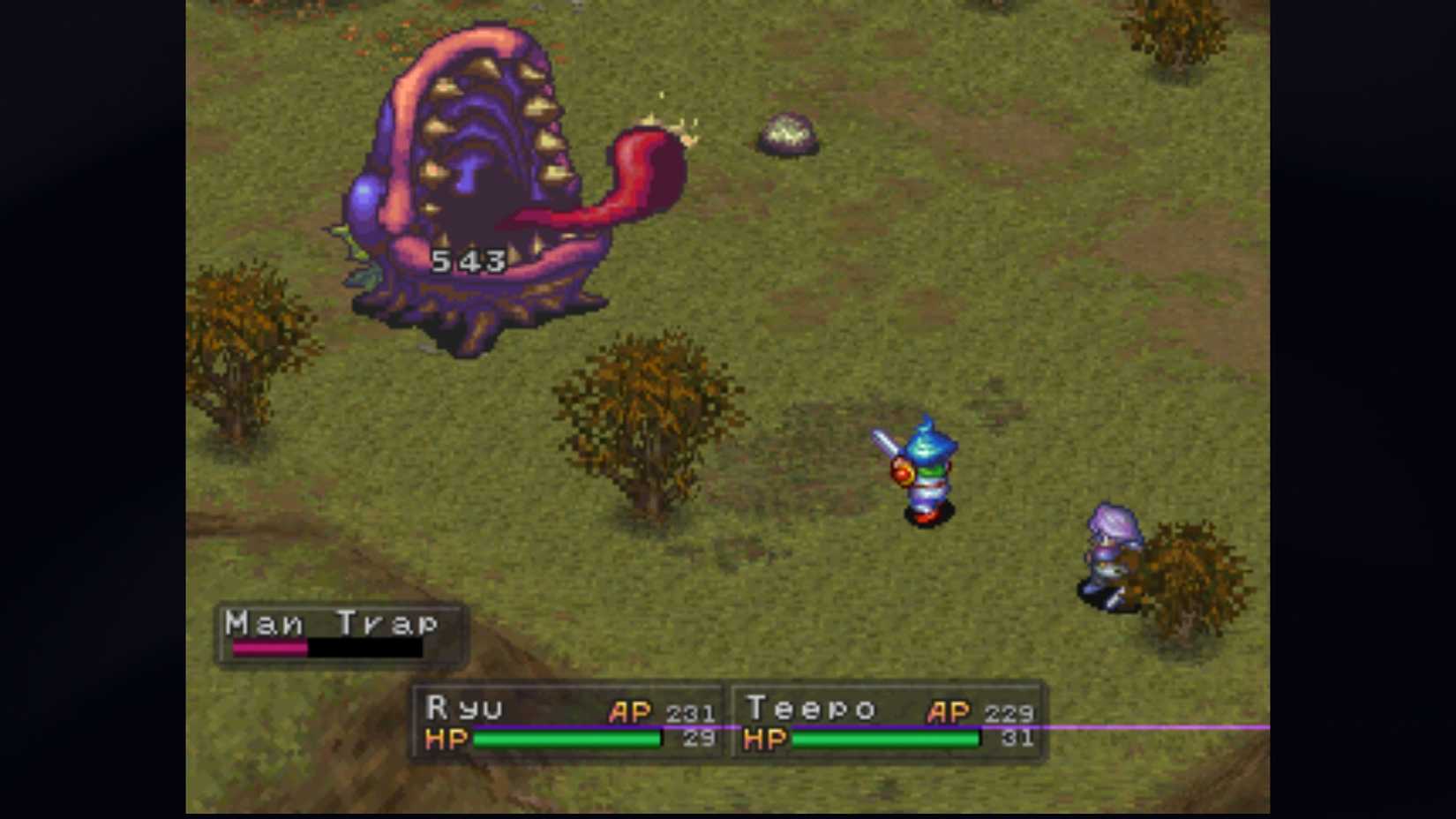 MobyGames / Capcom
This might just be me, but there is a specific feature in Breath of Fire III that made me waste hours and hours playing the game just to see it progress: the Faerie Village. Eventually, in the adventure, you will encounter faeries and start to manage their village, assigning each one to various tasks, clearing space for new buildings, and soon reaping the rewards of your impeccable management.
The thing is, Breath of Fire III is my favorite JRPG of all time, so it's no wonder it is addictive to me. But Capcom did us the favor of tying the Faerie Village's progress directly to completing battles or advancing the plot, meaning just leaving your PS1 running while standing still won't work.
You had to actually play the JRPG, which is a gift for someone who utterly loves it. Also, tracking down every single Dragon Gene is joyfully addictive, so there are more than just cute faeries to make your time in Breath of Fire III worthwhile.
2 Star Ocean: The Second Story
Best JRPG Crafting System
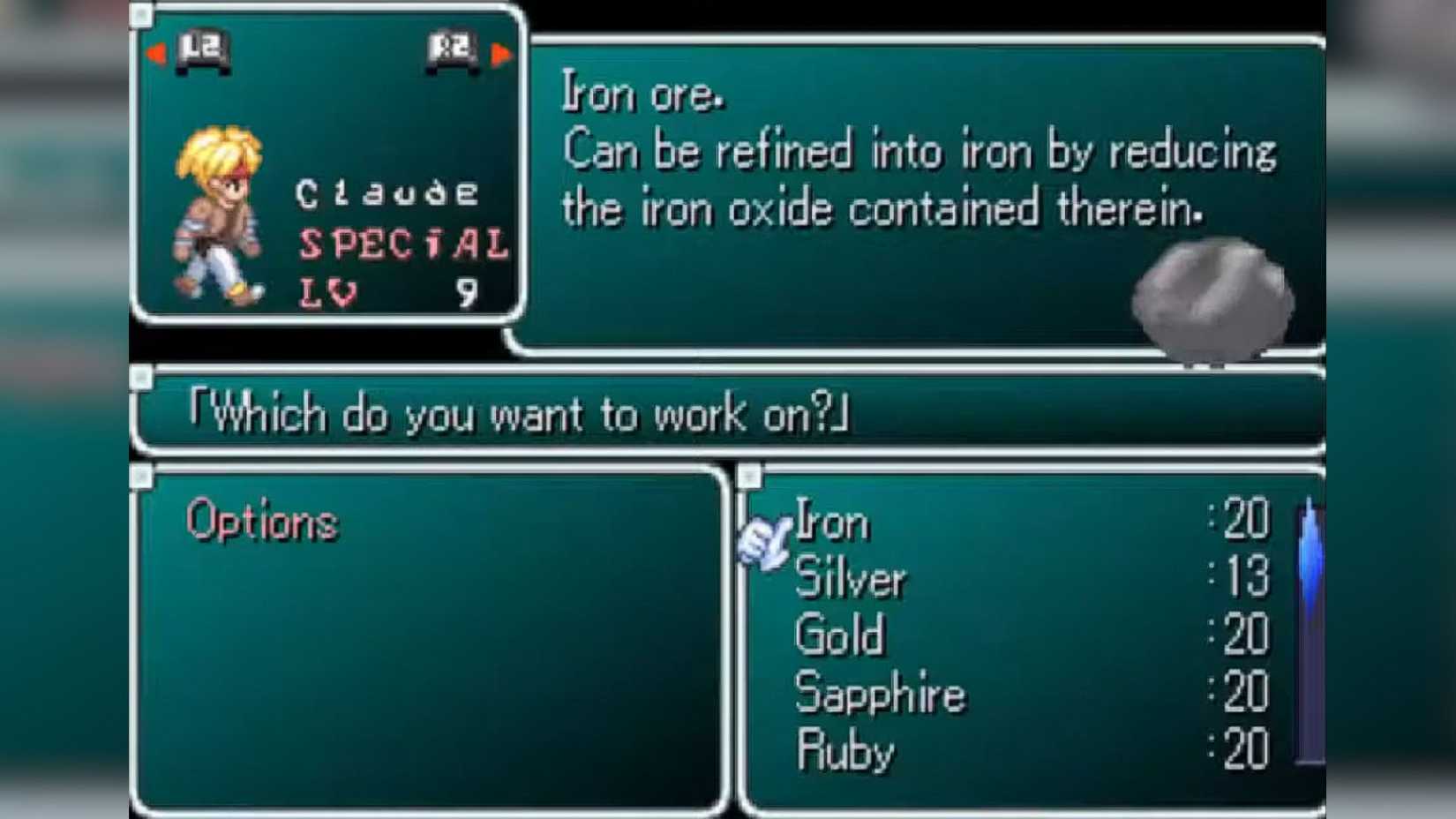
Star Ocean: The Second Story
Many JRPGs offer a crafting system, but few manage to design it in a way that makes investing your time in the feature genuinely worthwhile. Star Ocean: The Second Story is among those rare titles that not only highlight crafting but also reward anyone who engages with it absurdly well. The real challenge is breaking the preconception among JRPG fans who assume the system isn't worth the hassle.
I confess I used to be one of them, rarely leveling up the necessary skills to unlock more Specialties and interact with the mechanics. But once I learned the ropes and started to master the Item Creation system in Star Ocean: The Second Story, the sky was the limit. It was entirely possible to craft one of the strongest weapons in the game during the very early hours, turning the rest of the adventure into a complete breeze.
Once you get the hang of Item Creation, you'll start to explore, to tinker, and to ponder, "what else can I make?" You'll want to collect rare materials, you'll abuse save-scumming, and it will become highly addictive, leaving you wondering why other JRPGs don't simply adopt this exact crafting mechanic. It's glorious, gorgeous, and highly engaging.
1 Suikoden II
Evolving a Whole Army
 MobyGames / Konami
What makes a JRPG addictive to me is, generally, its progression system. Seeing my characters grow, unlocking new skills, and watching them carry a battle on their own is so gratifying that I simply can't help but grind. What happens, then, if a game offers 108 of these characters? A massive time sink, that's what.
Suikoden II gives you the ability to recruit an entire army, expanding your HQ facilities in the process and allowing most of those characters to join battles. Because the JRPG uses a rubber-banded system that prevents high-level grinding but promotes rapid evolution for low-level characters, it serves as a total pitfall for anyone who likes to level up their entire roster of party members. I constantly found myself running back and forth between different party lineups, testing new combos and leveling up every character in the process.
 Next
Next
10 PS1 JRPGs Still Trapped on Original Hardware
Some are in dire need of a port, I would say, simply because I want to replay them.




![ELDEN RING NIGHTREIGN: Deluxe Edition [FitGirl Repack]](https://i5.imageban.ru/out/2025/05/30/c2e3dcd3fc13fa43f3e4306eeea33a6f.jpg)
 English (US) ·