.png)
.png) 1 hour ago
2
1 hour ago
2
You needn't have grown up during the 4th Generation (or, as we called it back then, the Generation Where We All Acted Like We Knew What Bits Were) to know that the Super Nintendo Entertainment System was a powerhouse for RPGS — especially the ones from Japan. There were, by my count and between Japan and North America, a grand total of 1,235,832 RPGs released for the system. Don't look that up, I didn't fact check that.
 Related
10 Best 16-Bit JRPGs
It was during the 16-bit generation that the JRPG word began to spread across the world.
Yes, JRPGs really saw an explosion of popularity in the West during the next generation, but they still had their fans there during the 16-bit era, too. Some of the titles on this list actually sold really well. Not just well for an RPG, but, like, really well overall. But, we're not here to talk about the best-selling RPGs of the time. We're here to discuss the ones that you just couldn't put down. The ones we played until the middle of the night, sitting on the floor in front of our TV, blissfully unaware of how much time we've spent playing.
These are ten of what I consider the most addictive JRPGs to ever release on the SNES. I'm being very specific about the SNES, too. We might do a list of the most addictive JRPGs on Super Famicom if this article gets, I dunno, a billion reads. Or something.
10 ActRaiser
God of War and Civil Engineering
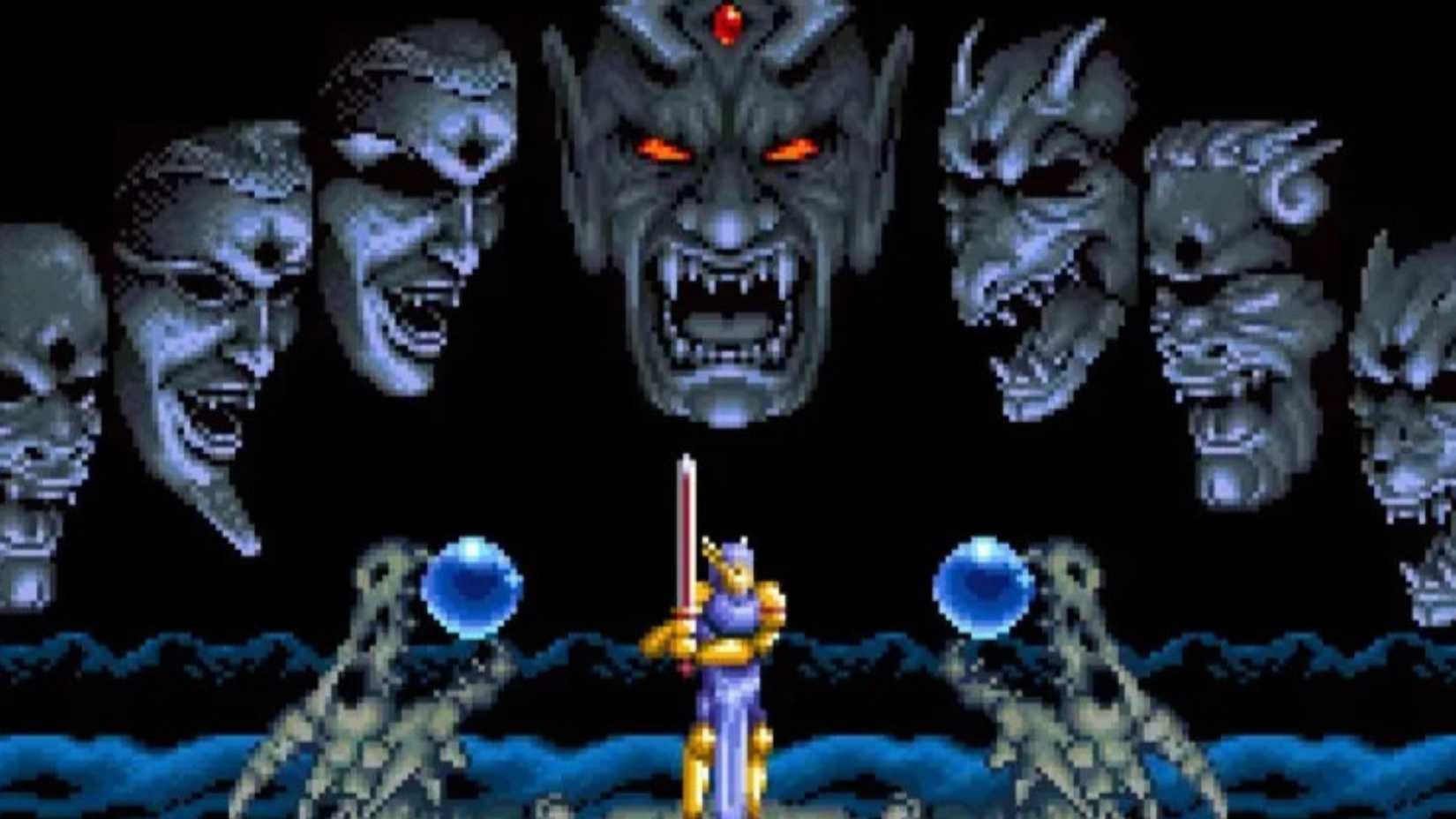
ActRaiser combines the city planning strategy elements of SimCity or Populous with the hack-and-slash gameplay of Golden Axe. Let that sink in for a second. How does that even work? Well, ActRaiser is how it works and, frankly, nobody has done it very well since. Not even its sequel — which we are not going to talk about here.
The premise is simple. You control a knight that clears the monsters out of a certain area. Then, on an overhead map, you control a little cupid-looking fella to build and defend settlements in said area. It's an addictive hook — not only are the action segments fun to play, but mixing those up with world building is a recipe for addiction.
9 Final Fantasy VI
Oh, Like This Wasn't Going to Be on Here
 YouTube via SvalPlay
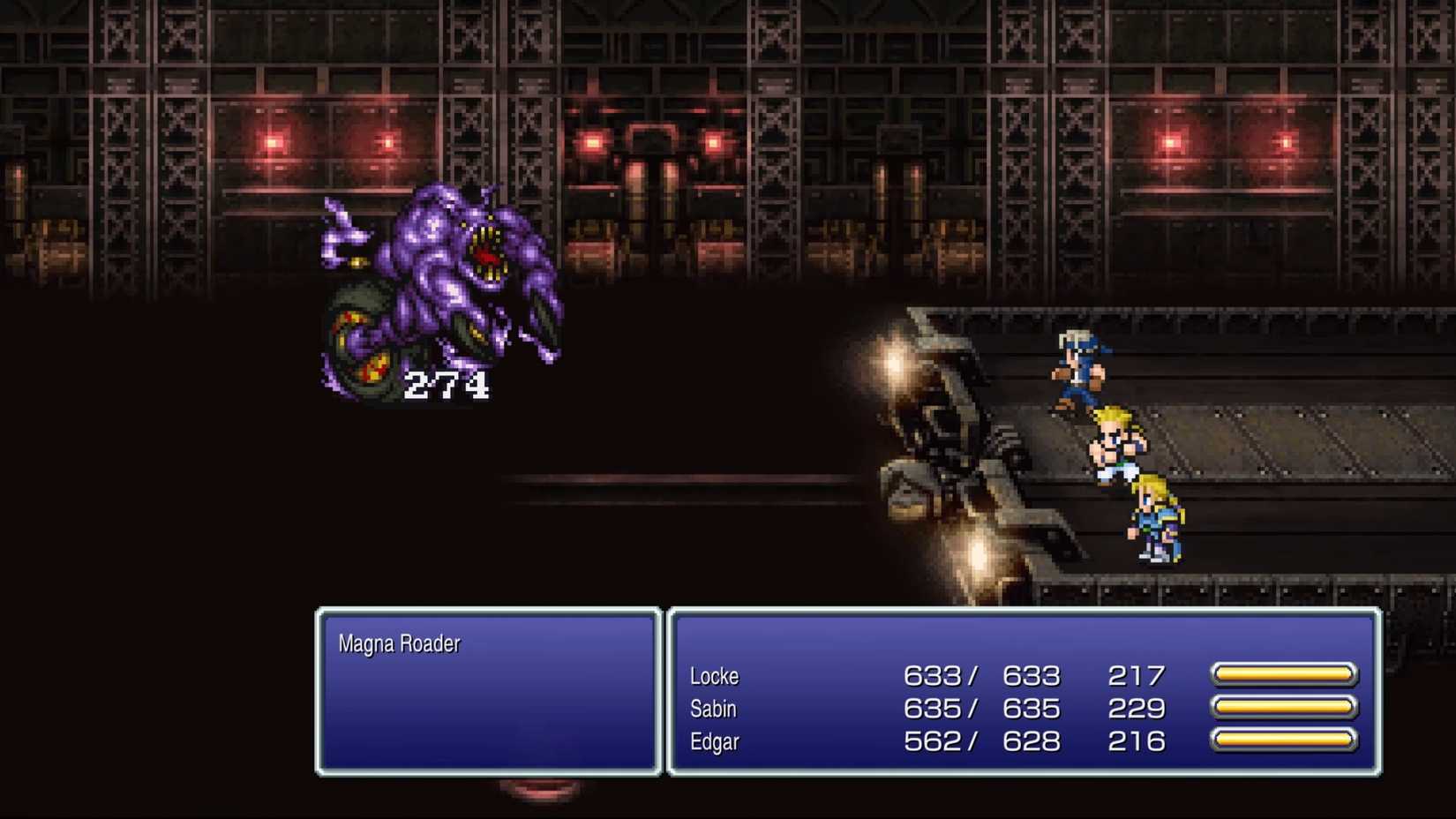
Any time you conjure up a list of SNES JRPGs, there's two that will usually inevitably pop up on them (unless it's for worst SNES JRPGs, but that's awfully depressing, isn't it?) Final Fantasy VI and... well, we're getting to it. But, there's a multitude of reasons for that. In the case of this list, it's because it's nigh-impossible to put down.
It's great when a game has a large cast of playable characters, and Final Fantasy VI certainly has that. It's even better when each of those characters plays distinctly and differently from the others. Locke plays different from Celes, who plays significantly differently from Sabin. And so on. It doesn't just make knowing how to form your party (or sometimes multiple parties) important. It's also fun to go back and mix things up and see how different characters perform in different situations. You could play this once a year for fifty years, and you might never play it the same way twice.
8 The Twisted Tales of Spike McFang
Fighting the Forces of Evil With the Cunning Use of Hats
The Twisted Tales of Spike McFang
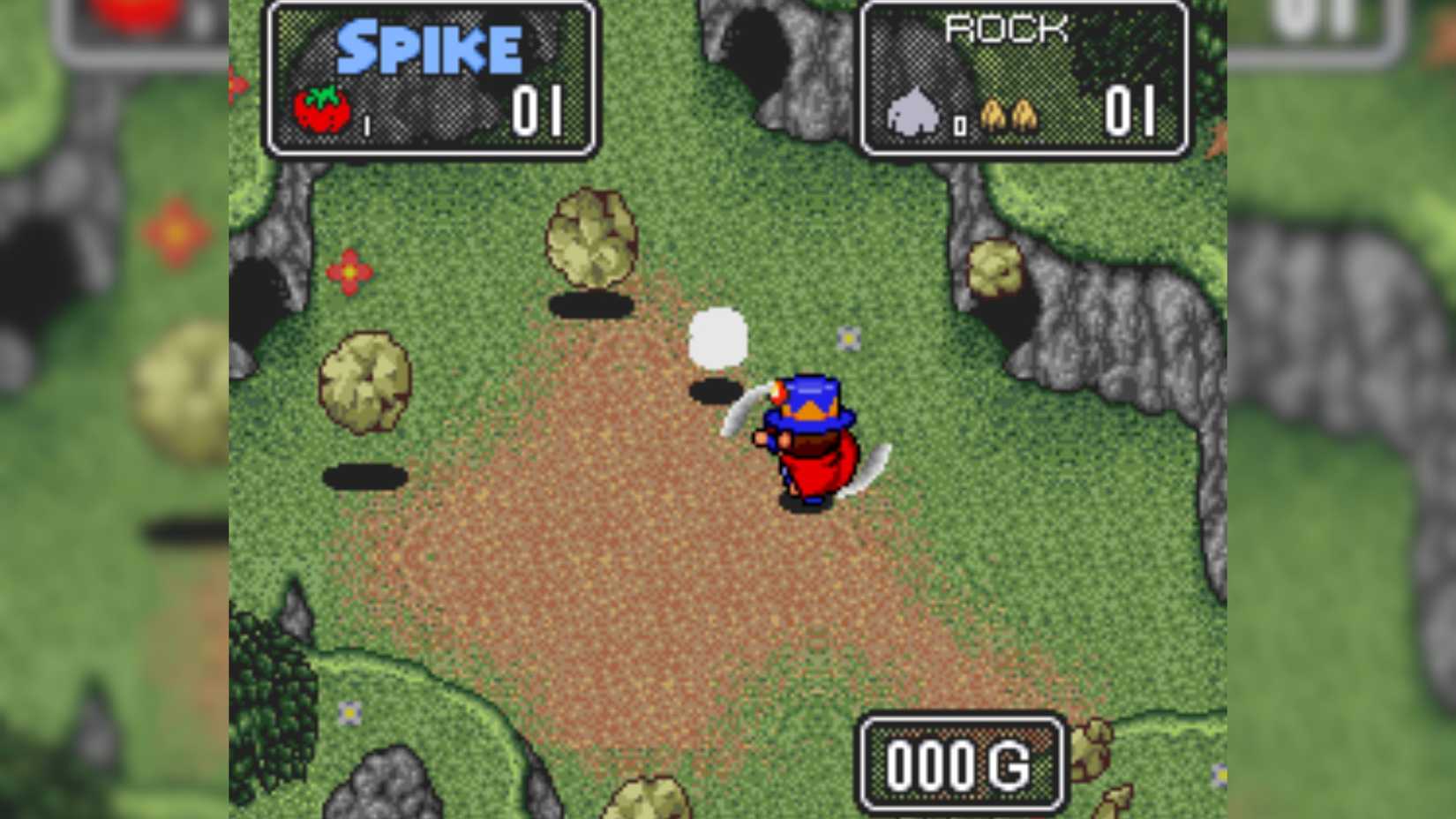
Yes, this is a JRPG. I know, I know. From the box art and the screenshots, you'd think this was a reskin of Aero the Acrobat (which is a perfectly fine game, by the way.) But, no, this is a Japanese-produced action role-playing game. And, on top of that, it's a sequel. Granted, it's a sequel to a PC Engine game, but we're not going to hold that against it.
The keywords are "action RPG," and there's plenty of that first word to go around here. Spike's main weapons are his cape and his hat, and you can never go wrong with weaponized hats. Probably. It was also a top-down adventure, much like the early Legend of Zelda games, and the action was just as addictive.
7 Lufia II: Rise of the Sinistrals
How Appropriate — the Game's Biggest Time Sink Is a Cave
Lufia II: Rise of the Sinistrals
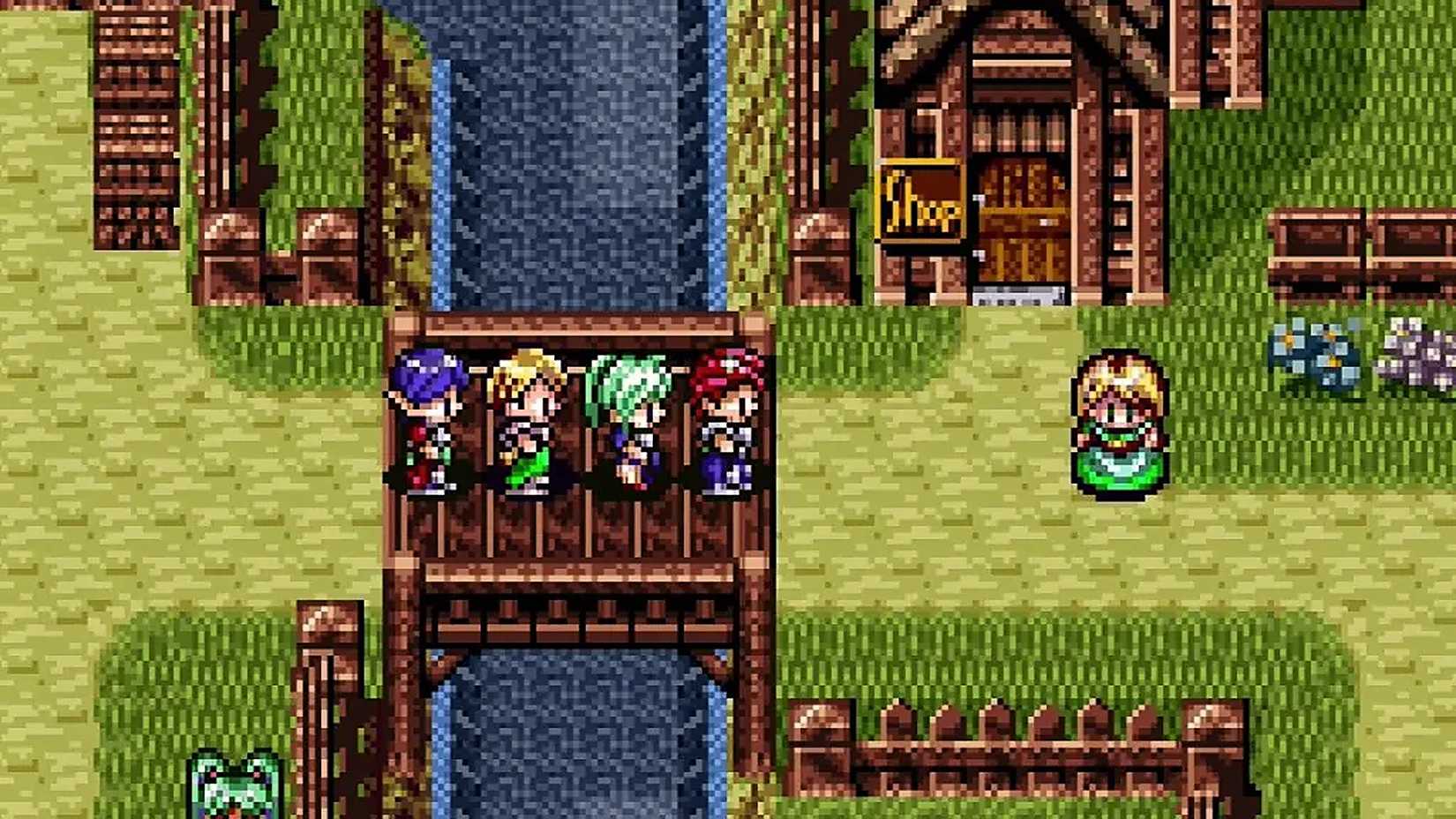
In my personal opinion — not that anyone asked, mind you — Lufia II: Rise of the Sinistrals is just an... okay game. But, I'll be the first to admit it's got some dang addictive elements. I can think of two in particular: the capsule monsters and the Ancient Cave.
The capsule monsters are pretty much what you think they are if the name is all you have to go on. It's a mechanic that allows players to find, feed, and train various different, well, monsters that can help you out in battle. That... sounds familiar.
Anyway, when you're not doing that or, you know, playing the actual game, you have the option of exploring (cue spooky voice) The Ancient Caaaaaaaaaave. This is a 99-level procedurally generated labyrinth side-quest that starts players out with zero experience points, zero weapons, and zero clue as to what to do — other than to make it down to level 99. It's fun as hell and worth playing even if, like me, you're not overwhelmed by the base game.
6 EarthBound
Mother, This is a Great Game
 YouTube via NintendoComplete
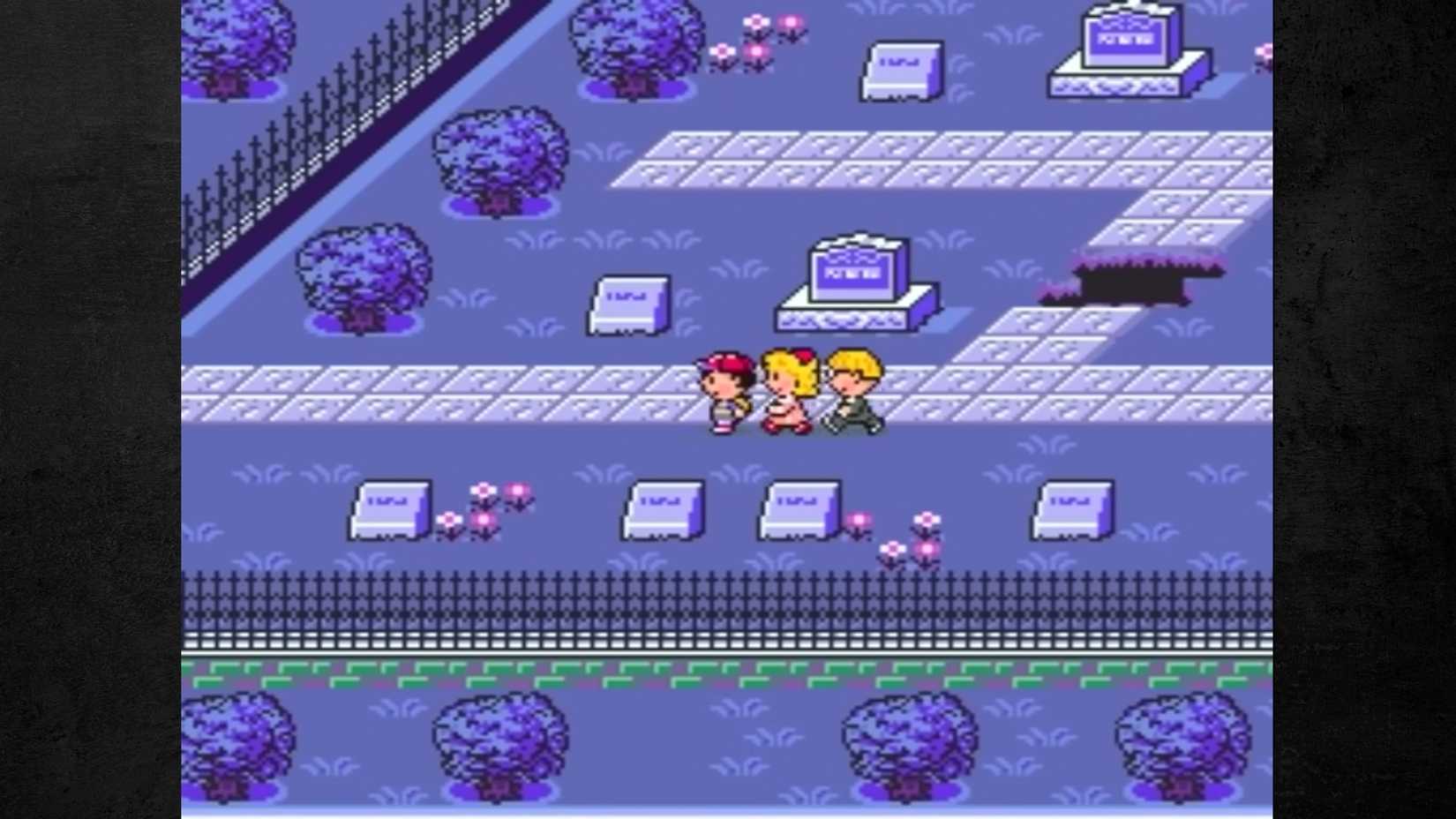
Considering we live in a world where games like Undertale and Hylics exist, it's easy to forget just how weird a game EarthBound was when it came out. Make no mistake, though: there was nothing else like it at the time. That's partly the reason it didn't sell very well in the West — but it's also the reason that those who did pick it up couldn't put it down.
EarthBound was set in a typical modern American town (or, at least, what the Japanese developers behind the game considered a typical modern American town) and featured stuff like arming yourself with a baseball bat or storing your money on an ATM card. Combine weird little quirks like that with a legitimately fun combat system, and you have one genuinely addictive JRPG. And a pretty moving story, to boot.
5 Breath of Fire II
Oh, Neat! More Town Building!
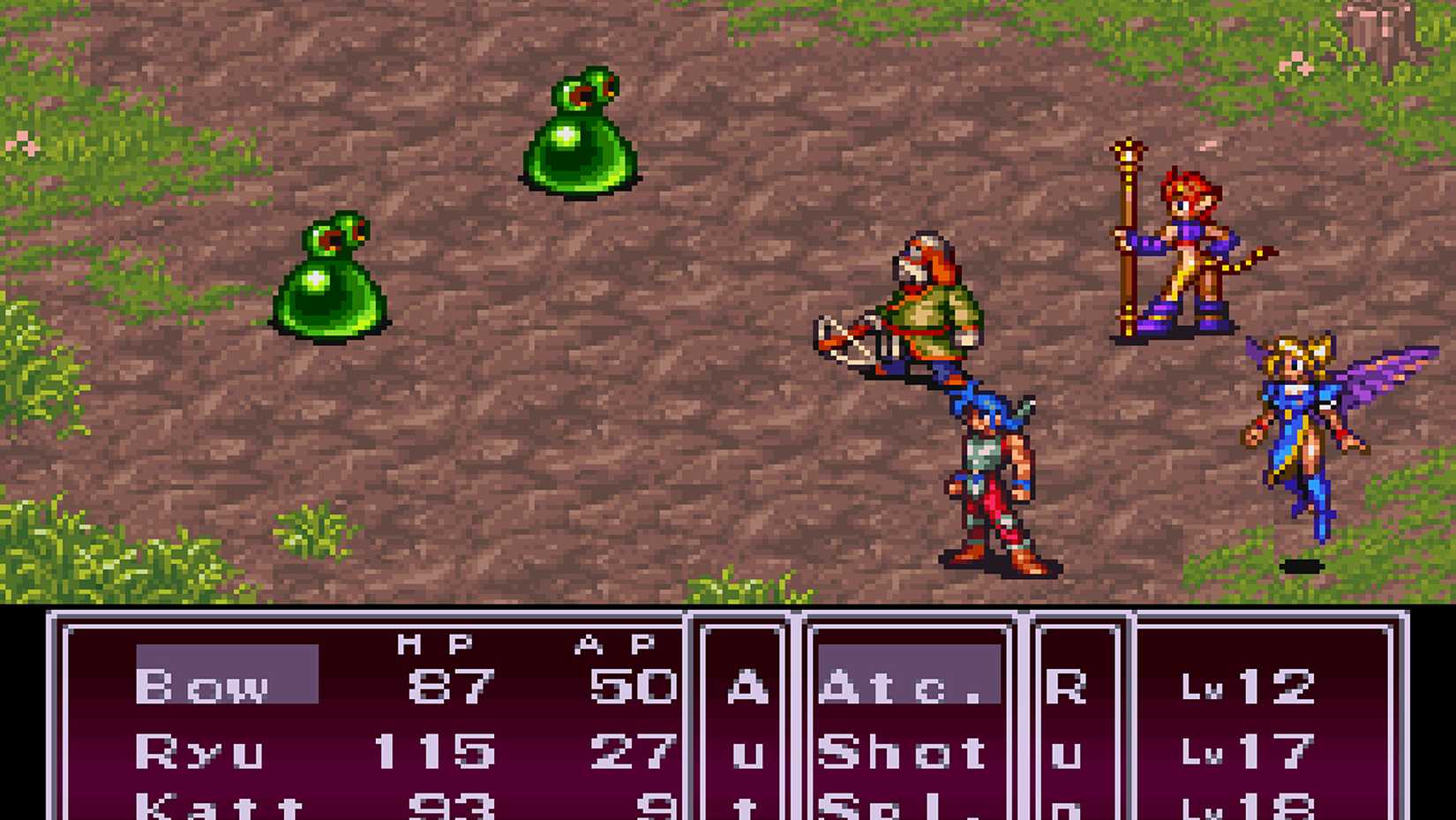
The Breath of Fire series is, in this goofy old writer's opinion, one of the most overlooked RPG franchises around. It's a shame that Breath of Fire: Dragon Quarter kind of led to that as, for a while, it was right up there with Final Fantasy and Dragon Quest in terms of recognition. And it was because of entries like Breath of Fire II that it had the stellar reputation it did.
One of the things that made Breath of Fire II so addictive to play was an element we've touched on a couple of times already. Breath of Fire II gave players the opportunity to build and look after a village. It was more than just a side project, though. From finding residents to move into your town during the game proper to giving it features that would aid you in your quest (such as everybody's favorite sub-system - cooking!), there was plenty to do in this section of the game alone to keep players busy for hours.
 Related
10 Most Addictive PS2 JRPGs
These PS2 JRPGs aren't just fun, they sink their claws into you and never let go.
4 The 7th Saga
Do Your Own Thing. Everybody Else Already Is
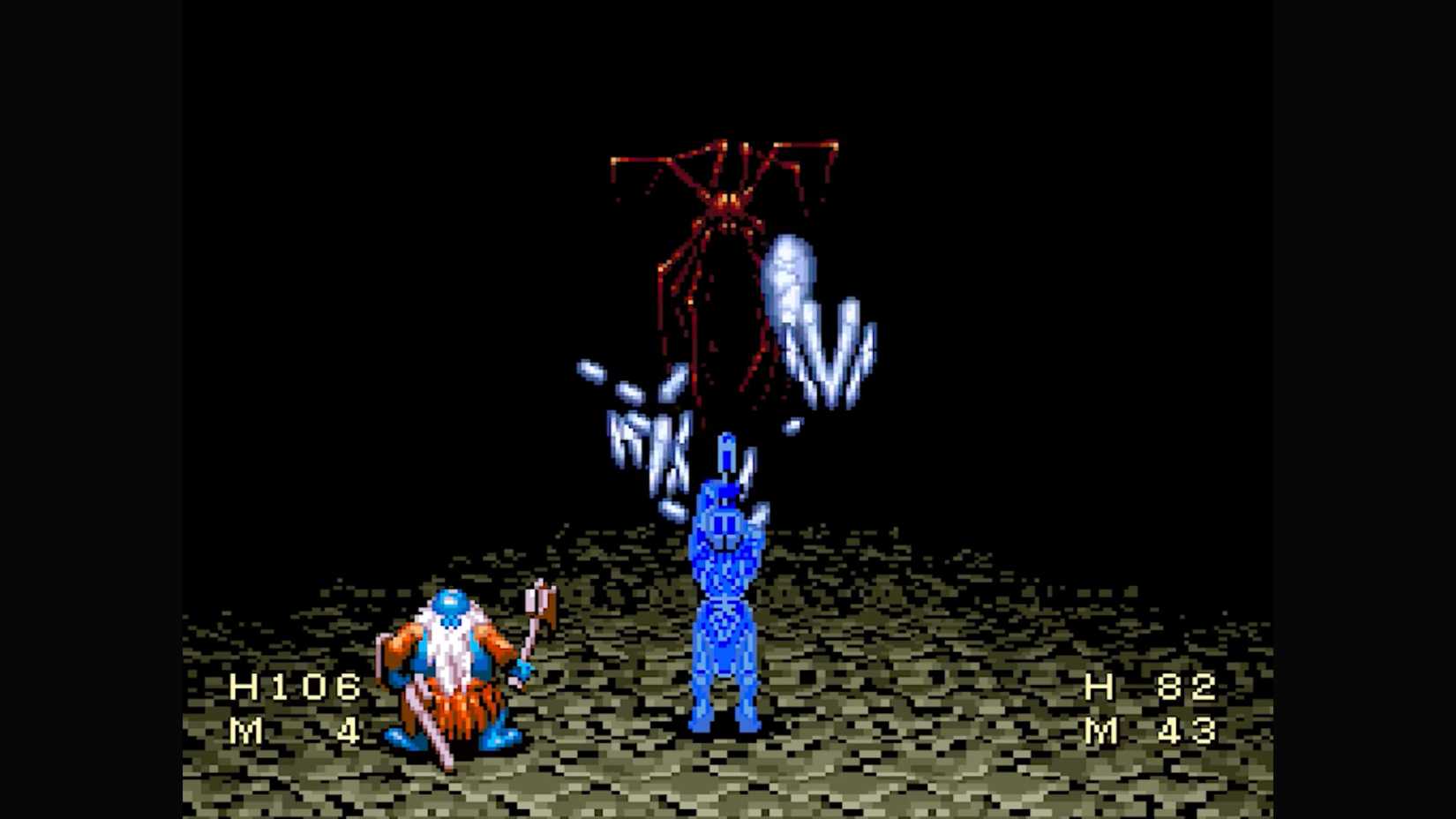
The 7th Saga has a story that, at first glance, doesn't seem to break new ground all that much. There's seven warriors, all on a quest to find seven runes. You play as one of those warriors. Nothing that's going to win any prizes for originality.
Here's the thing, though. Once you've picked your warrior, the other six don't just disappear. They're still in the game world, hunting for the runes on their own. And sometimes they find them. You might cross paths with one of them, and you may have to fight them to take theirs — or defend yours. And that fight isn't going to be a cakewalk, either. The 7th Saga — especially the North American version — is notorious for how challenging the combat is. It's, like, Dark Souls-level hard except it, obviously, predates From Software's RPG classic by years.
3 Secret of Mana
You Could Call It the "Sleep-over RPG"
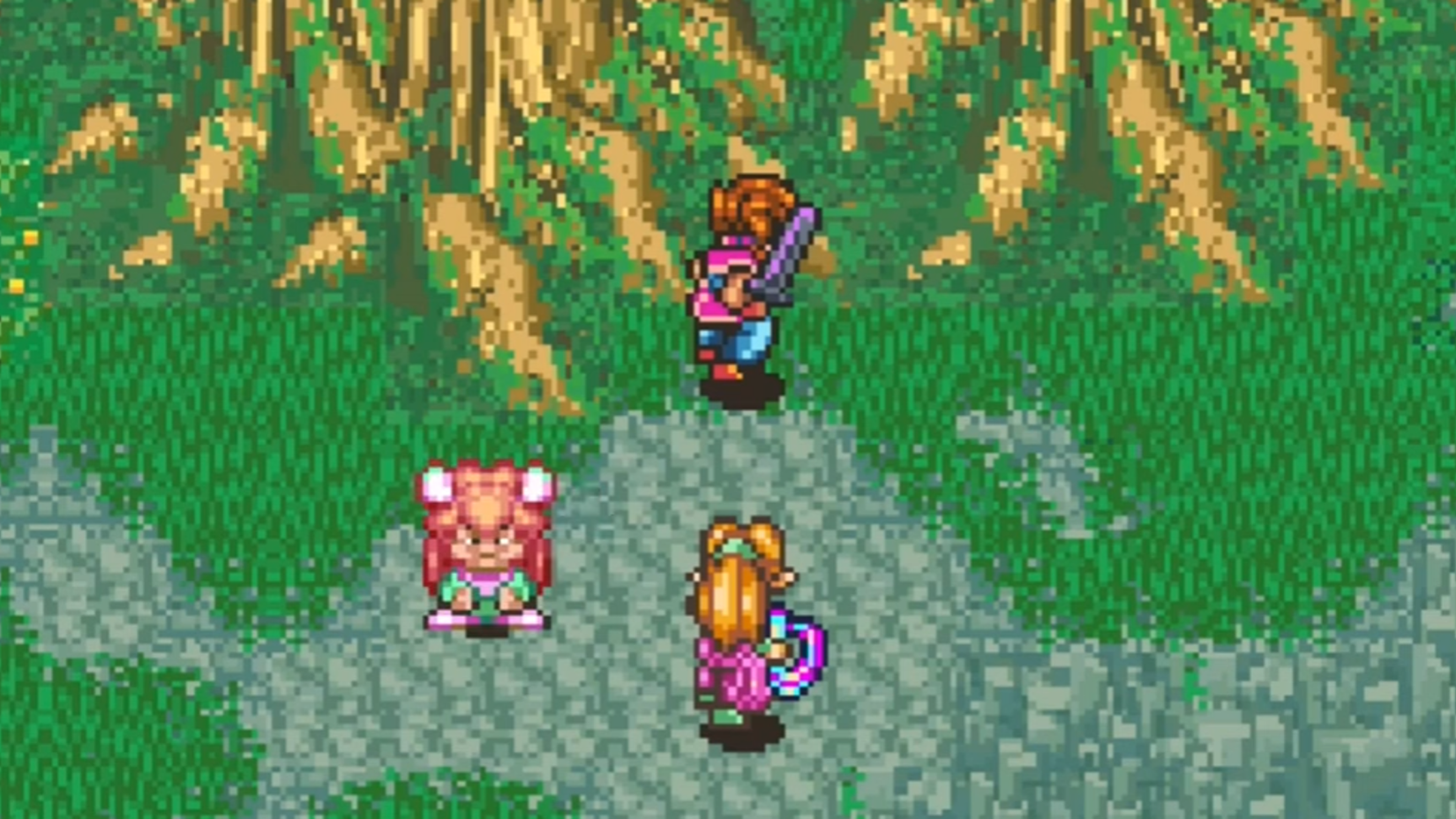
I'm going to confess something to you and I hope it doesn't alter the way you think of me. Here goes... I was a Sega Genesis kid growing up. There, I said it and I'm glad. Man, it feels good to get that off of my chest. Because of that, I don't have the same level of nostalgia for most of these games as some of my peers. Except for this one, and the reason for that is also one of the reasons I have it on this list.
Secret of Mana stands apart from all these other entries because it's also co-op. In fact, with a Multitap, up to three players could journey at the same time. That means I got to put plenty of hours into this game during sleep-overs. In fact, my buddy Jeff at the time was a real mensch — he only played this game when he had friends over, so he couldn't accidentally spoil anything while we were playing. I don't actually remember ever finishing the game, though, so I hope he eventually did.
2 Super Mario RPG: Legend of the Seven Stars
Platforming in an RPG? Leave It to Mario to Make It Happen
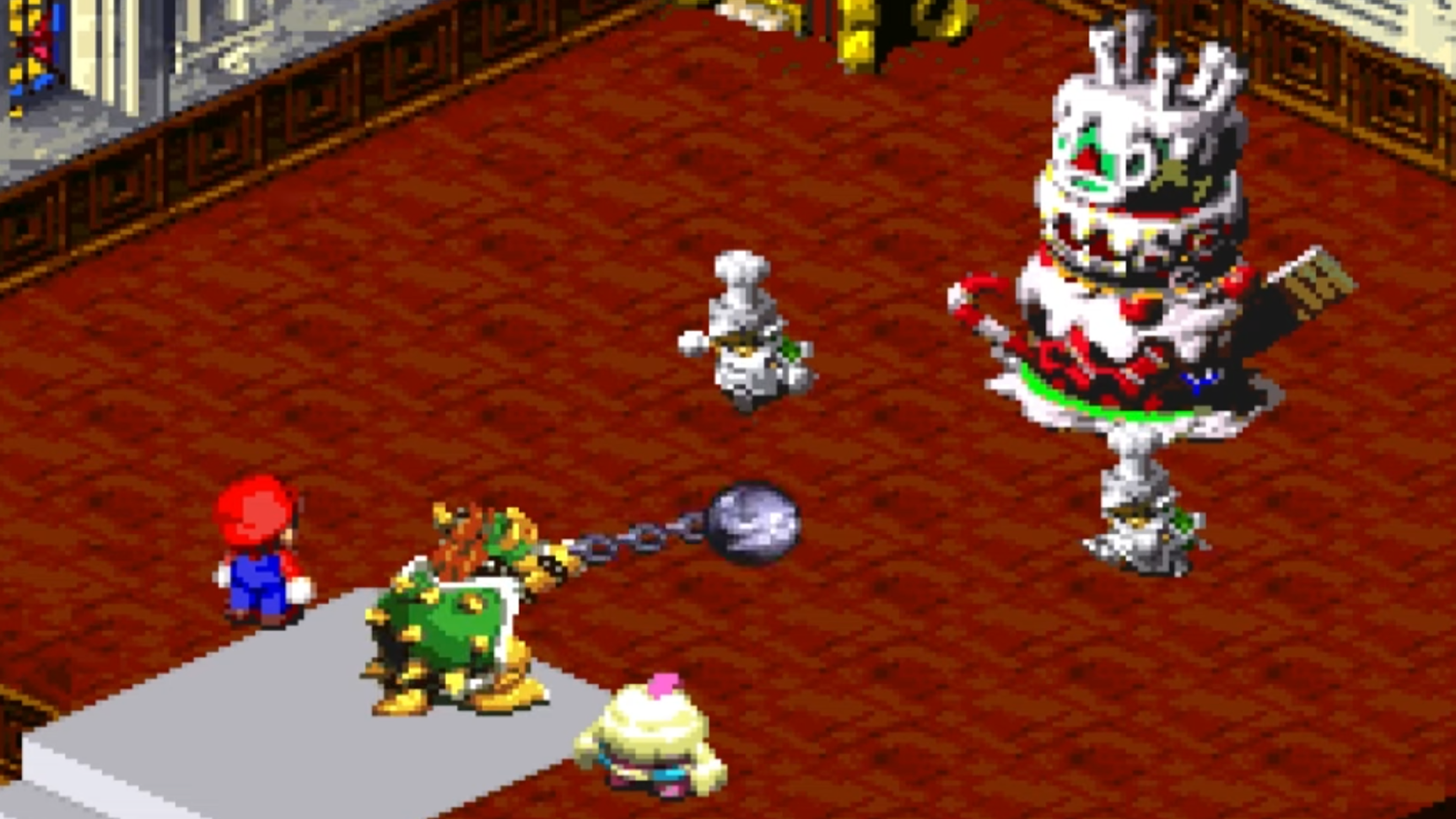
Super Mario RPG: Legend of the Seven Stars
Here's the thing about Super Mario RPG: Legend of the Seven Stars. It's not just your standard-for-the-time JRPG featuring Mario characters and locations. I mean, that's a big part of it, but Square and Nintendo went even deeper than that. They combined Mario-style gameplay elements into it in a way that's still influencing other games to this day.
For starters, Super Mario RPG has platforming. You'll need to run, jump, and climb through this entire game. That's not something you'd typically see in an RPG of any sort at the time, even action-based ones. But, it's Mario, how are you not going to have jumping in it? That's like having a soccer game without a kick button.
Then there's the timed button presses during combat. Hitting A right before attacking/being attacked added a whole new layer of strategy in what was up to that point a pretty straight-forward genre. You wouldn't have Clair Obscur: Expedition 33 without Super Mario RPG.
1 Chrono Trigger
Respect

People tend to lump Chrono Trigger into "Best of All Time" video game lists constantly, and for good reason. It really is that good. But when it comes to addictiveness, which I'm almost 100% sure is a real word, the reason for it can be summed up with one word: respect. As in, it respects the person playing it and it respects their time.
You may notice that compared to most of the big name RPGs of the time, whether they're on this list or not, Chrono Trigger isn't that lengthy of a game. A single 100% playthrough will usually run you — depending on what you consider to be "100%" — about 20 to 30 hours. Compare to, say, Final Fantasy VI, which will take a completionist at least about 55 to 60 hours. That's because Chrono Tigger is shockingly bereft of filler. Every moment, side-quest, and character means something.
That means Chrono Trigger doesn't waste your time. That becomes even more apparent when you dive into your first New Game+ run. You know how, in The Legend of Zelda: Breath of the Wild, you can take the fight right to Ganon after completing the prologue if you want? You were able to do that here first. Well, fight the final boss. Not Ganon. That would be weird.
Which is great because Chrono Trigger has 13 different endings, which means that you've got to replay the game 12 more times to see them all. Well, that or look them up on YouTube. But, you couldn't do that back when the game first came out, so it's a good thing it's just that much fun to play.
 Next
Next
The Best JRPGs On Every Nintendo Console, Ranked
The rise, the fall, and the resurgence of JRPGs in Nintendo history.



![ELDEN RING NIGHTREIGN: Deluxe Edition [FitGirl Repack]](https://i5.imageban.ru/out/2025/05/30/c2e3dcd3fc13fa43f3e4306eeea33a6f.jpg)

 English (US) ·