.png)
.png) 2 months ago
21
2 months ago
21


Published May 20, 2026, 2:34 PM EDT
Daniel Trock is a Writer at DualShockers specializing in PC games, lists, and reviews. He has been writing professionally since 2018 and covering games since 2020, with previous work spanning guides, news, lists, and reviews across multiple publications.
Before joining DualShockers, Daniel contributed guides to GamerJournalist and lists to TheGamer. He currently covers tech topics for SlashGear and BGR. He holds a Bachelor’s Degree in Psychology from Marist College and a Master of Fine Arts in Creative and Professional Writing from Western Connecticut State University.
Sign in to your DualShockers account
There are a lot of different elements that go into making an exemplary fighting game, but I think if I were to boil it down to just two bedrock components, it’d be “mechanics” and “presentation.” How the game plays, and how it looks. Arguably, one of the most important intersections between those two components are super moves, also known as hyper combos, level 1s and level 3s, and a few other names that generally mean the same thing: a big, flashy move that usually consumes some meter to deal large quantities of damage.
 Related
10 Best Fighting Games Forgotten by Time
They live on in the arcades of our hearts.
Fun fact, super moves didn’t exist in fighting games until 1992’s Art of Fighting introduced them alongside the super meter. Since that introduction, supers have become a cornerstone of the fighting game identity, both a pivotal gameplay mechanic and a spark for some of the hypest moments in FGC history. There are some supers that have become so iconic over the years, they make spectators start cheering as soon as their initial setups begin.
10 Spider-Man’s Maximum Spider
Marvel vs. Capcom Series
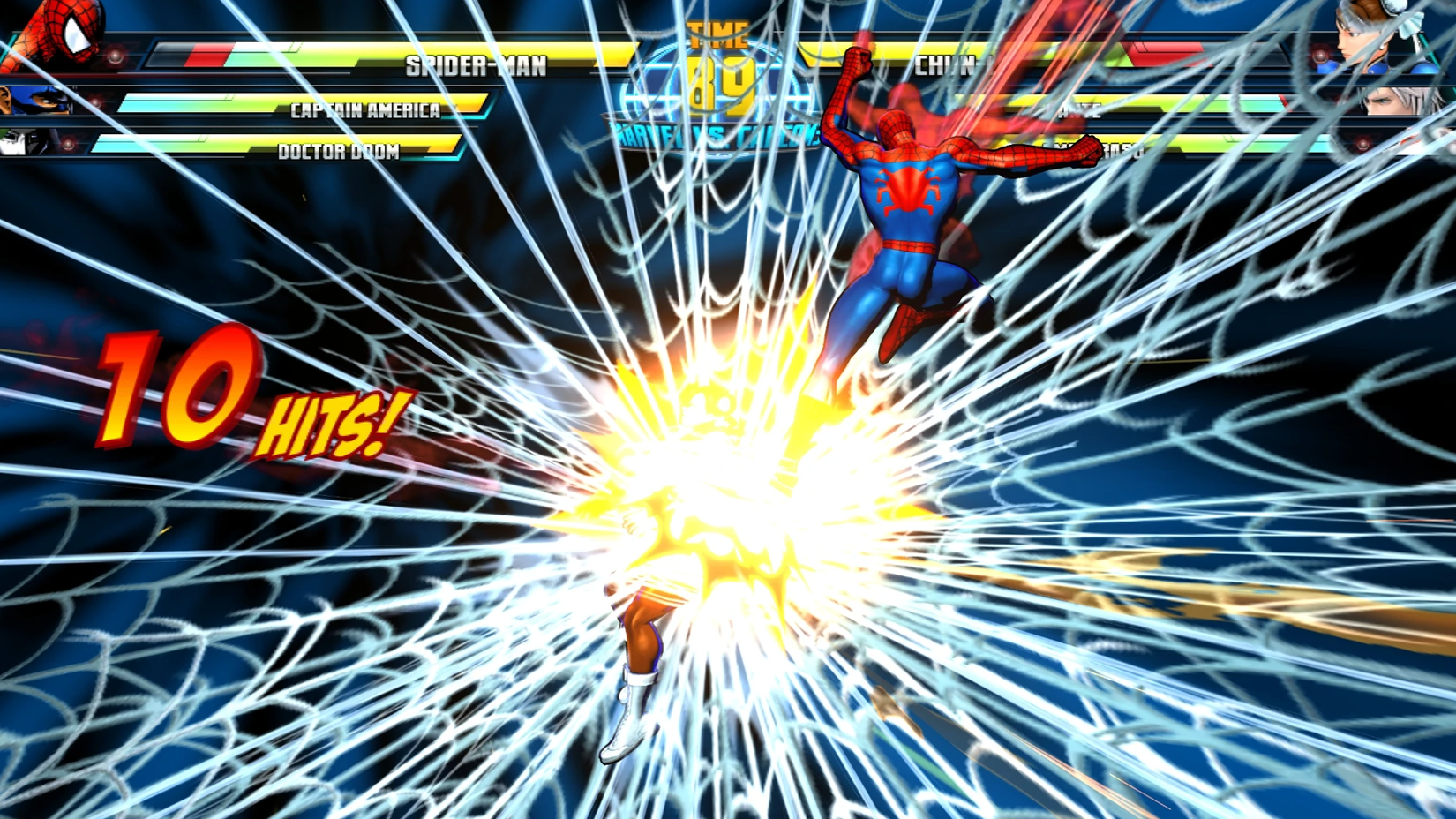
Marvel vs. Capcom 3: Fate of Two Worlds
When I was a kid, Spider-Man was the first superhero I ever really imprinted upon. Part of that came from some comics my dad gave me, but perhaps moreso was my exposure to Marvel Super Heroes, where he was even more acrobatic and speedy than usual. The moment that really cemented the Wall-Crawler in my heart was his first super, the Maximum Spider.
Debuting in Marvel Super Heroes and appearing in all of Spidey’s subsequent appearances in the Marvel vs. Capcom series, Maximum Spider is a fairly simple super: Spider-Man bounces off the nearest wall and flies toward his foe, trapping them in an elaborate combo of flying punches and kicks, punctuating with a powerful diving kick starting in Marvel vs. Capcom 3. It’s quick and decisive, and a good illustration of what Spider-Man is capable of.
Fun fact, during the original Spider-Verse comics run, the Capcom version of Spidey is confronted in-game by the villainous Morlun the Inheritor, and attempts to beat him back with a Maximum Spider. It doesn’t work, and Morlun one-shots him with a single punch, but it was a fun reference nonetheless.
9 Rugal Bernstein’s Gigantic Pressure
King of Fighters Series
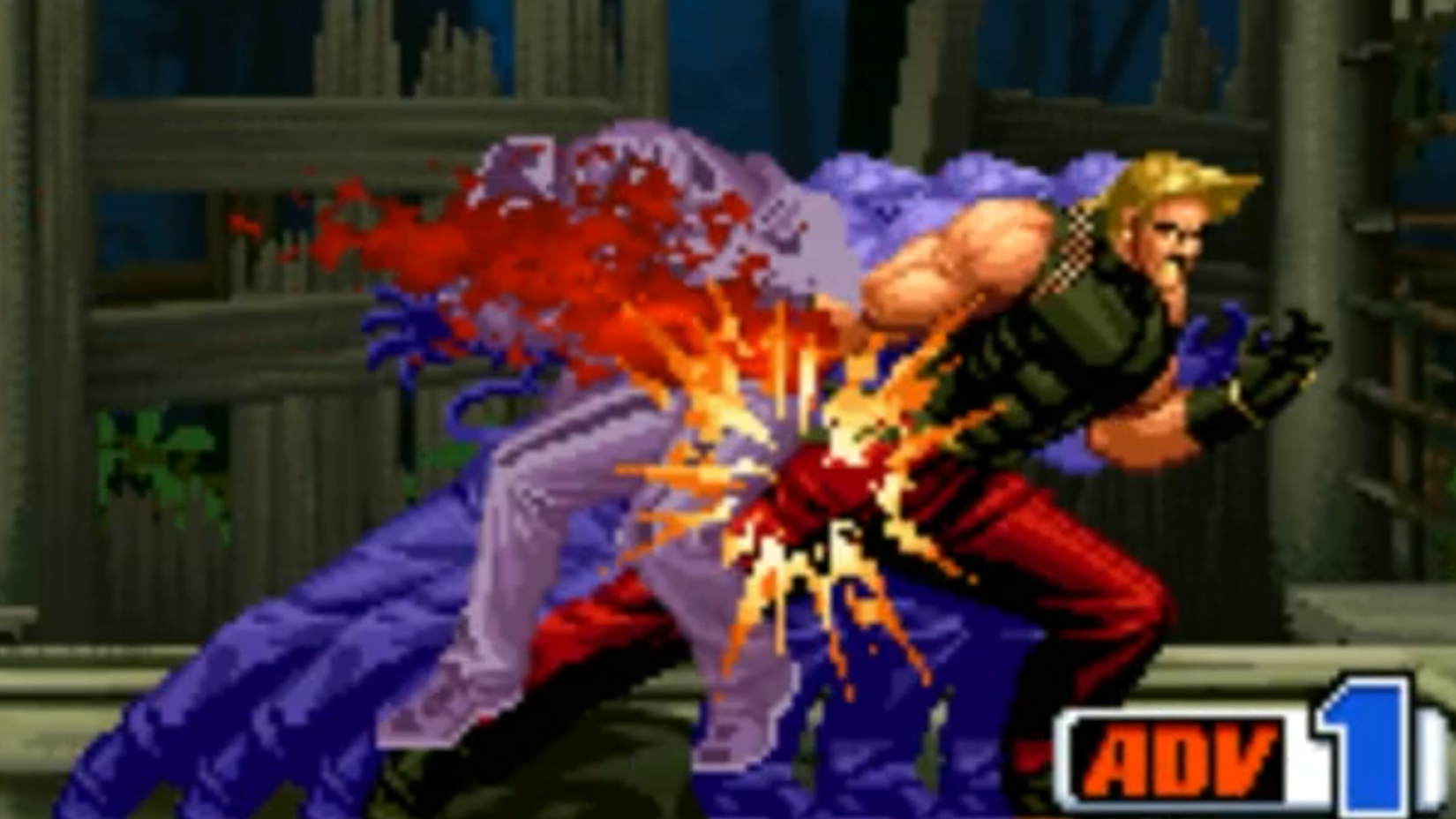
Rugal Bernstein is the enduring antagonist of the King of Fighters series, whether as just a normal evil dude or some manner of super-powered monster man. Even as a normal dude, he’s quite strong, notoriously so, with one of his most dangerous moves first appearing in King of Fighters ‘95: Gigantic Pressure.
Gigantic Pressure is a souped-up version of one of Rugal’s original specials, God Press. Both moves operate in a similar fashion: Rugal rushes down the screen at his foe and, when connecting, drags them to the far wall and pounds them into the ground. Where Gigantic Pressure differentiates is that, rather than just running, Rugal swiftly slides along the ground, and when slamming his opponent, he produces a giant pillar of energy with a laughing skull face in it. It leaves an impression to say the least. Subsequent versions in following games had him pile an extra wall-slam on top for good measure, which knocks off a massive chunk of health.
Fun fact, in King of Fighters 2003, Rugal’s son, Adelheid, uses his own version of Gigantic Pressure called G. Sklaven, which is apparently German for “G. Slaves.” No idea why, but it still looks cool.
8 Big Band’s Satchmo Solo and Death Blow
Skullgirls
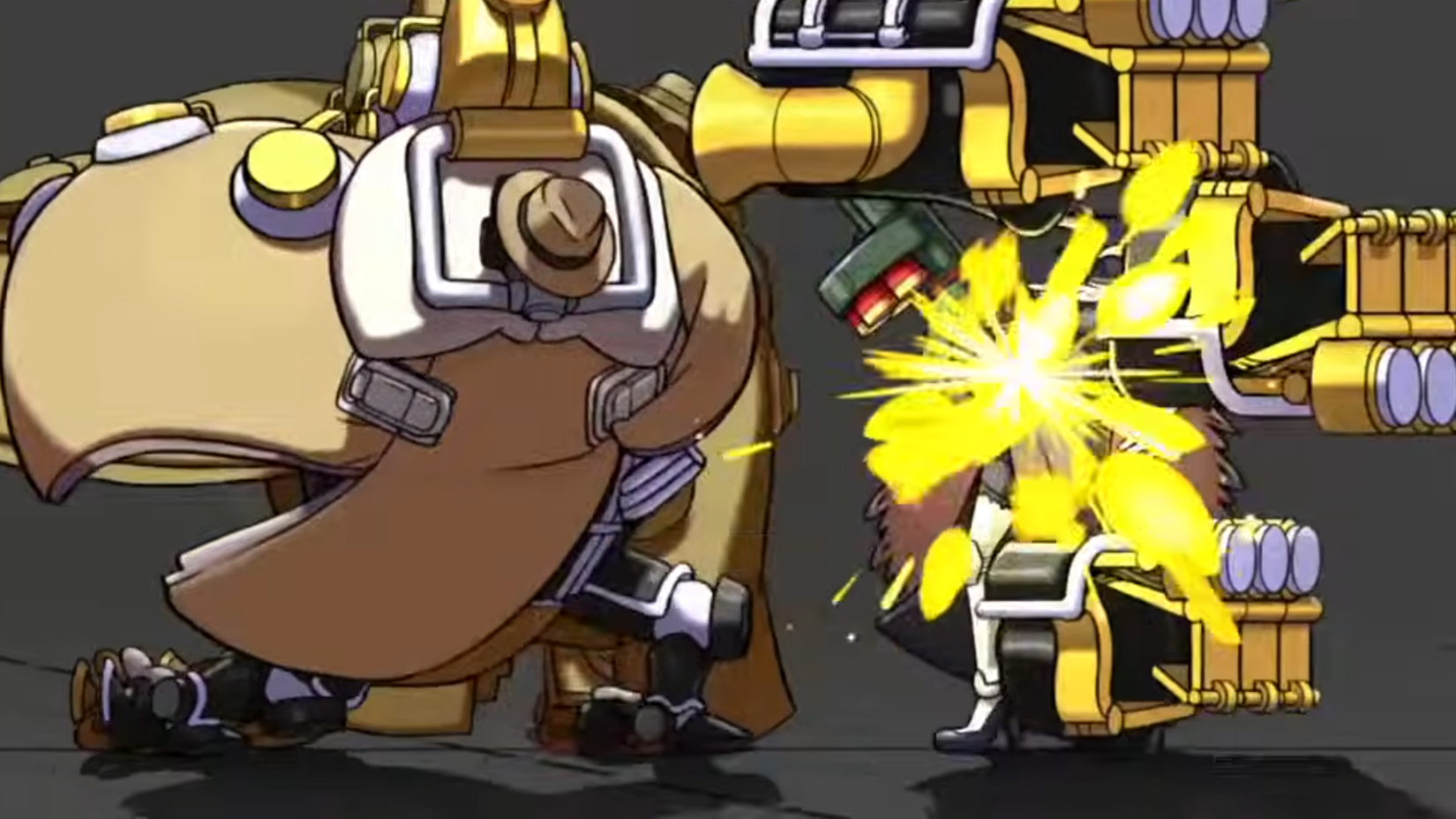
From its inception, Skullgirls was always intended to be a love letter to fighting games and the FGC as a whole, and if there’s one thing the FGC loves, it’s really elaborate opportunities to show off. Out of all its flashy supers, one of the most iconic is Big Band’s Level 5 Blockbuster, the Satchmo Solo.
When the move begins, the entire world freezes, save for Big Band and his trumpet, which you can actually play using your regular inputs. You can keep playing as long as your meter holds out, which is plenty of time to utterly disrespect your opponent with a quick, sarcastic ditty.
The real showstopper comes when the solo ends, and an extra input transitions into Satchmo Death Blow, where Big Band releases a bone-shattering flurry of brass-backed haymakers. It’s technically the same move as TUBA TUBA, but the difference is that these punches, assuming they all land, do enough damage to shave off half of a solo player’s health bar. Remember, fewer characters on a team means more health, so knocking off half a bar with one move ain’t nothing.
7 Faust’s Stimulating Fists of Annihilation
Guilty Gear Series
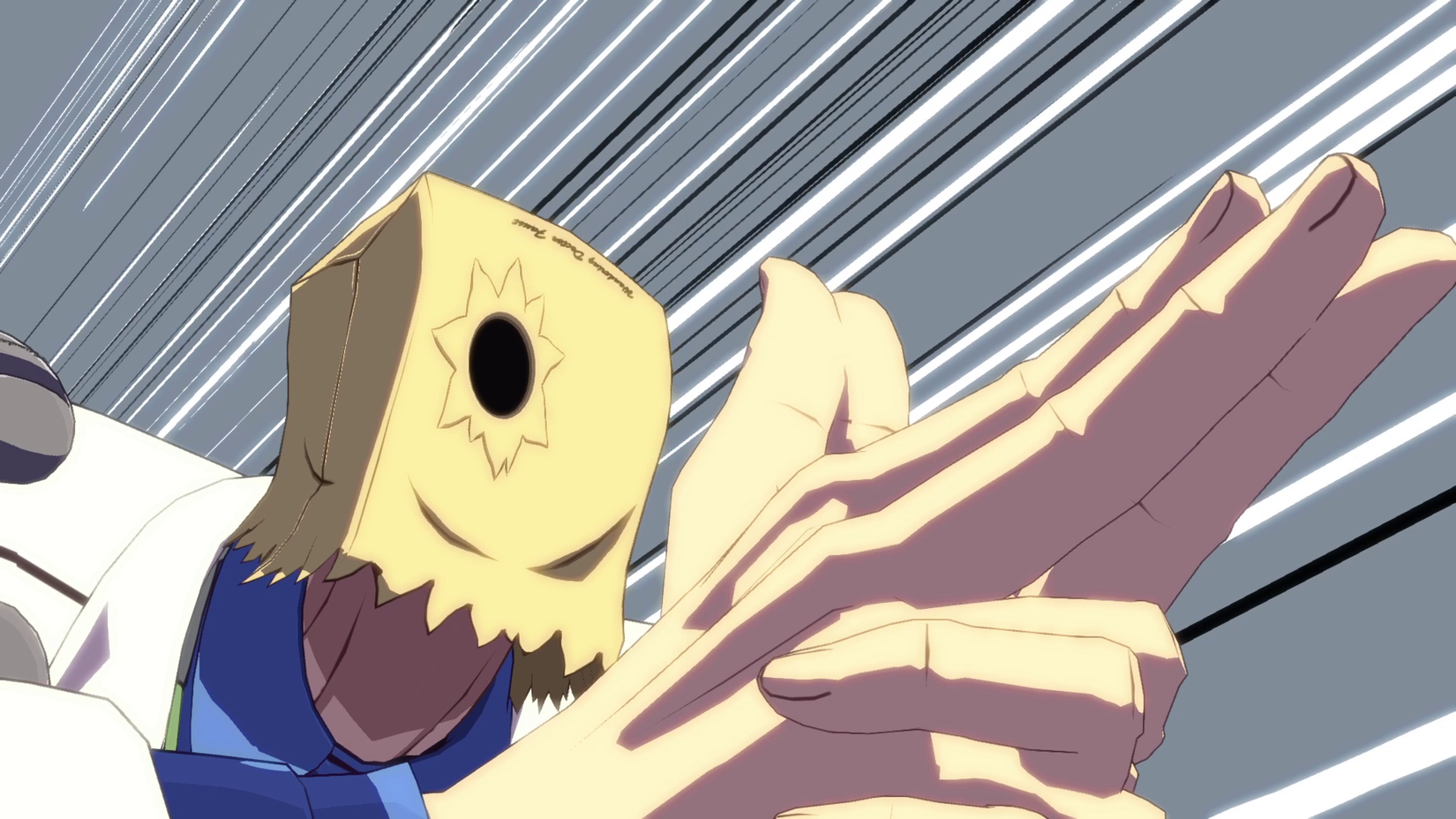
Guilty Gear Xrd: -Revelator-
Every good fighting game needs at least one wacky character, someone who eschews traditional martial arts for kooky cartoon antics. For most of the Guilty Gear series, that wacky character has been Faust, and there’s no move more indicative of his reality-bending wackiness than his Stimulating Fists of Annihilation.
Originally introduced in Guilty Gear X, this move has Faust inexplicably swimming through the ground until he makes contact with his opponent, at which point an impromptu shell game begins with three reapers and a cherub. The opponent must correctly select the container with the cherub to cancel the move, but if they pick a reaper, Faust pops up from the ground and shoves his giant scalpel right up their butt.
In Guilty Gear Xrd Sign, this move was largely the same mechanically, but had its presentation tweaked a bit. Rather than his scalpel, Faust instead presses his fingers together, shoves them upward, and we cut to the opponent’s distressed reaction. For any Naruto fans out there, the phrase “One Thousand Years of Death” should tell you what’s going on here.
6 Iron Man’s Proton Cannon
Marvel vs. Capcom Series
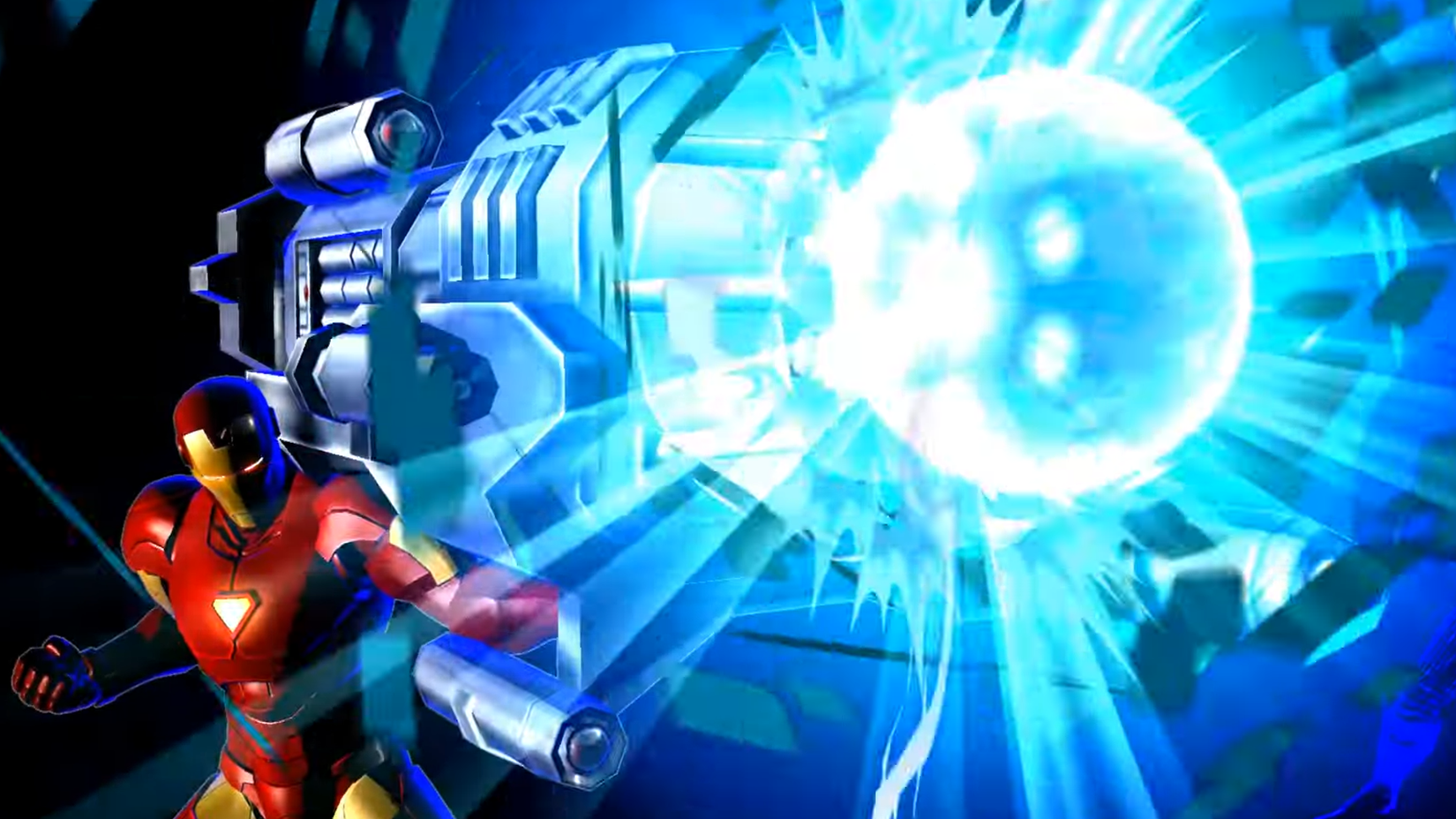
Ultimate Marvel vs. Capcom 3
Returning to the subject of Marvel heroes, I think perhaps having my first exposure to them being Marvel Super Heroes set some… incorrect standards for their overall abilities. For example, I was very confused watching Iron Man cartoons and reading comics as a kid when he never pulled out his classic Proton Cannon.
This classic beam super was Iron Man’s bread and butter in Marvel Super Heroes, as well as all the Marvel vs. Capcom games. The moment it’s activated, Iron Man manifests an enormous laser cannon, easily twice his size, perches it on his shoulder, and lets loose a solid wall of laser fury down the entire lower half of the screen. It’s got a quick setup, knocks foes up if you’re right next to them, and besides all that, who doesn’t like a giant laser cannon?
 Related
Marvel Rivals: How to Play Iron Man
Wondering how Iron Man's abilities work and the best ways to play him in Marvel Rivals? Here is its full guide with useful tips and tricks.
The move has remained largely the same mechanically since its inception, with the only noteworthy tweak being in Marvel vs. Capcom 3. In addition to the regular forward-facing Proton Cannon, Iron Man could also perform a variant version where he angles it upward slightly, making it an anti-air maneuver.
5 Dio Brando’s Time Stop and Road Roller
JoJo’s Bizarre Adventure: Heritage for the Future
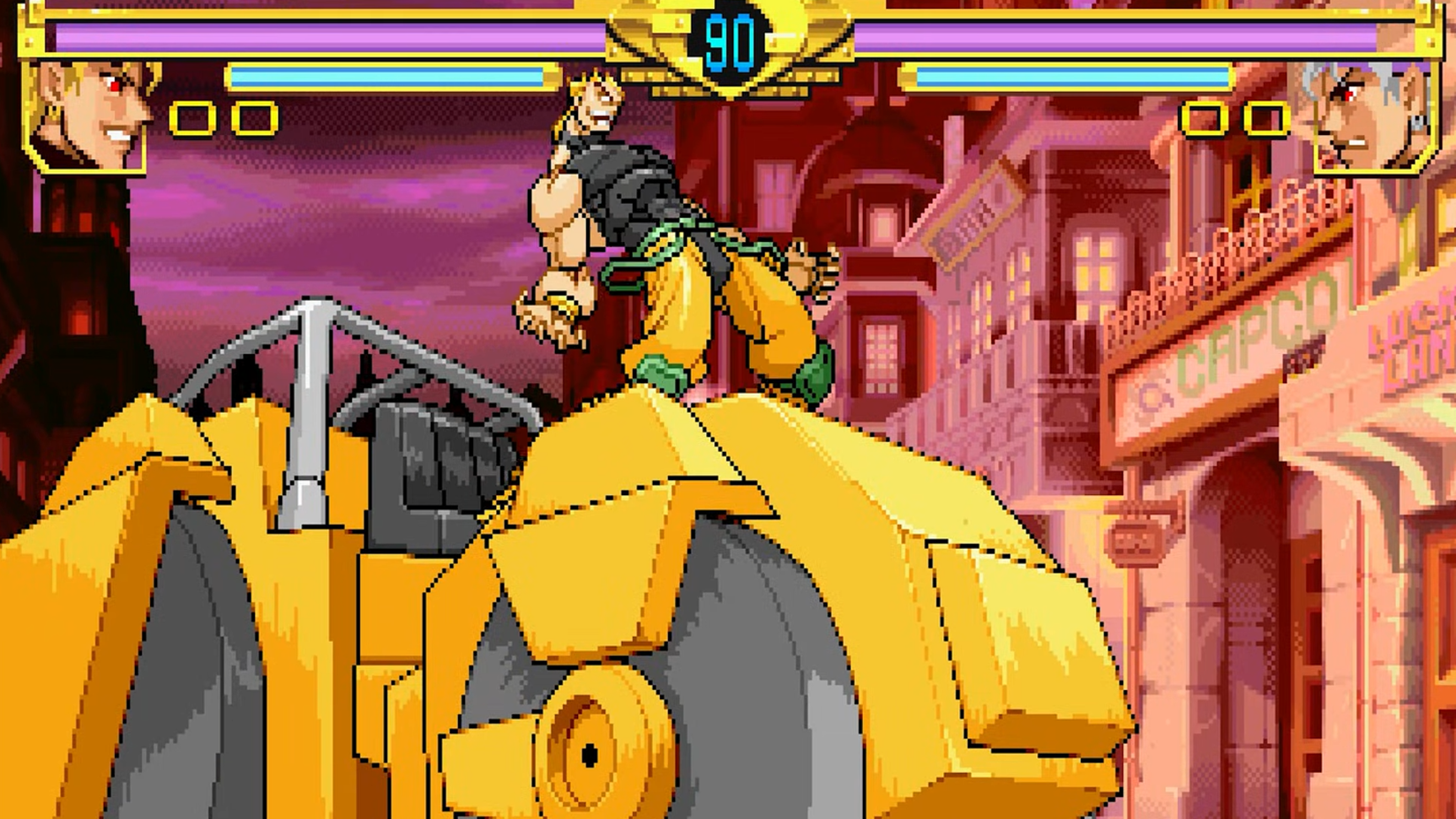
JoJo's Bizarre Adventure: Heritage for the Future
JoJo’s Bizarre Adventure is extremely ubiquitous these days, but back in the late 90s, almost nobody in the States had heard about it. Those who had caught the early stages of the JoJo bug, however, almost certainly caught it through the Capcom arcade classic Heritage for the Future, and the first playable appearance of iconic villain Dio Brando and his Stand, The World.
As any JoJo fan knows, The World gives Dio the power to stop time for several seconds. In Heritage for the Future, you can stop time by burning three bars, during which you can do pretty much whatever you want to your foe, whether it’s chucking knives or just pummeling them. However, the real crowd pleaser is Dio’s signature curveball: disappearing at the top of the screen, and plummeting back down onto the opponent with a road roller before pummeling it with his bare hands.
Technically, the Time Stop and Road Roller are two separate supers; you can just do the Road Roller on its own if you want. It’s most authentic to use it while time is stopped, though, and besides that, it’s also the most entertaining.
4 Terry Bogard’s Buster Wolf
Fatal Fury Series
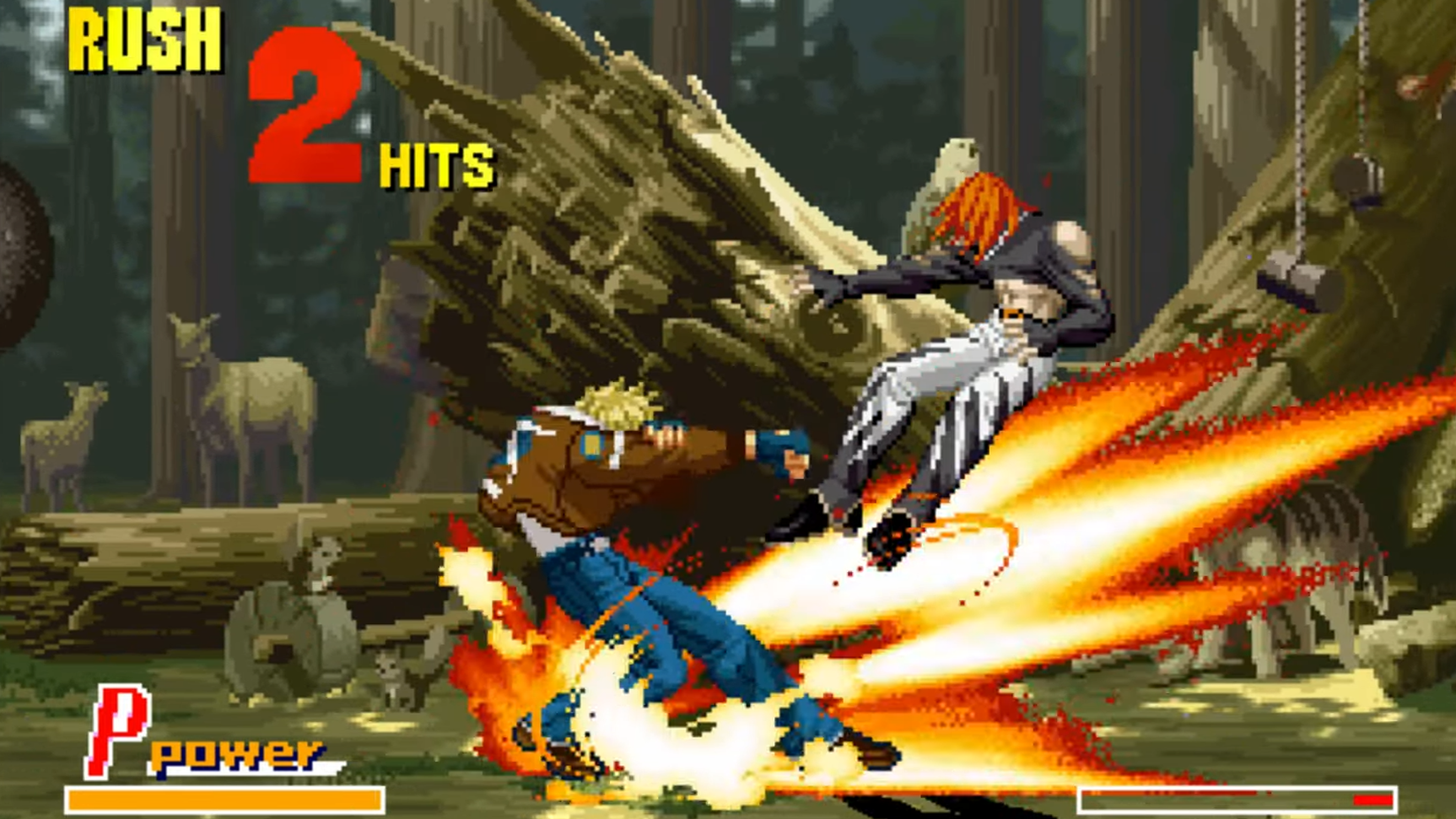
An easy way to identify an iconic fighting game super is when usage of the super in question instinctively prompts everyone present to shout its name as loudly as they can. Case in point, anyone who has immersed themselves enough in fighting game culture, upon hearing the question, “are you okay?” will almost immediately respond with “BUSTER WOLF!”
Buster Wolf is Terry Bogard’s signature super, originally debuting in Garou: Mark of the Wolves and carrying over to his appearances in King of Fighters, as well as Street Fighter 6 and Super Smash Bros. Ultimate. Terry rears back, then launches forward with a powerful punch. If it connects, he follows up with an arm thrust that unleashes an enormous wave of energy.
According to SNK vice president Yasuyuki Oda, Terry asking “are you okay?” before the move is an inside joke on his part. Apparently, he got soaked on an amusement park water ride in Los Angeles in 1998, and a little kid asked him “are you okay?” For some reason, he found this hilarious.
3 Sol Badguy’s Dragon Install
Guilty Gear Series
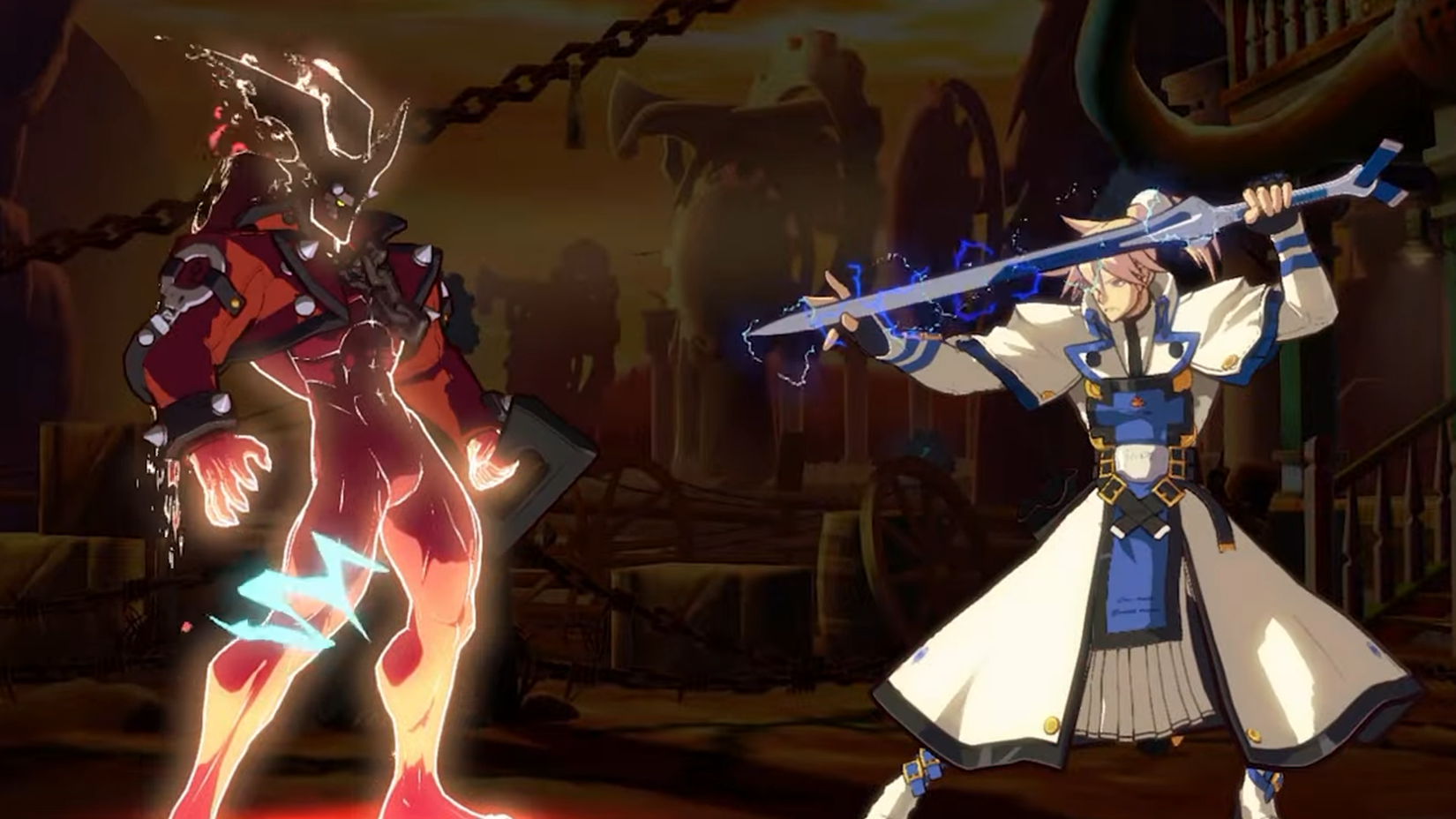
There’s a certain subcategory of supers known colloquially as “installs.” These are the kind that, rather than unleashing a big, flashy attack, instead put your character into a powerful, enhanced state for a set period of time. Why are they called “installs,” you ask? Because one of the most iconic examples is Sol Badguy’s Dragon Install, used throughout the Guilty Gear series.
Debuting in the original Guilty Gear, Dragon Install has Sol roar with rage and flash with power, entering a powered-up state where his attack and speed increase, and the properties of several of his specials change. This nerfed in subsequent games, removing the attack buff and halting Tension gain, but the speed buff and special changes still make it a major threat.
The best version of Dragon Install came about in Guilty Gear Xrd, where it comes with a full-body transformation for Sol and swapping out the current BGM for his signature track, “Ride the Fire.” You do this in a tournament, everyone’s gonna scream “LET IT OUUUUUTTTT,” guaranteed.
2 Ryu’s Shin Shoryuken
Street Fighter Series

As the mascot and protagonist of the Street Fighter series, it’s a given that Ryu’s supers would have some enduring appeal, even if the first couple of Street Fighter games didn’t have supers. He’s got a few of them based on his signature moves like the Hadoken and Tatsumaki Senpukyaku, but the one that usually gets the most regal treatment is the Shin Shoryuken.
Debuting in Street Fighter III: New Generation, Shin Shoryuken is pretty much exactly what it sounds like: a Shoryuken with a little extra pepper on it. Ryu delivers a crushing blow to the opponent’s midsection, then follows it up with a soaring uppercut that carries them high up into the air.
Every depiction of the Shin Shoryuken is a little bit different, depending on how a particular game is stylized. In Street Fighter 6, for example, it has two variations depending on whether it’s a super or critical art. The former is a regular Shin Shoryuken, while the latter switches the visuals to grayscale and has Ryu charge the final punch with the Power of Nothingness, delivering a mighty jolt of electricity.
1 Akuma’s Raging Demon
Street Fighter Series

Super Street Fighter II Turbo
Every fighting game has at least one guaranteed crowd-pleaser super, something that will make the audience absolutely explode with hype when used. In the case of the Street Fighter series, if you’re playing a match with Akuma, you are all but obligated to finish the fight with his signature super, the infamous Raging Demon.
Also known as the Shun Goku Satsu, the Raging Demon accompanied Akuma’s first appearance in the series in Super Street Fighter II Turbo. When performed, Akuma begins floating off the ground and dashes toward the opponent. When he connects, the entire screen flashes white, save for a handful of small impact sparks. When we snap back to reality, the opponent is crumpled on the ground with Akuma standing over them, the kanji for “heaven” glowing malevolently on his back. In many of this move’s appearances, finishing a match with it will cause the entire screen to glow with that kanji just to really drive the point home.
The Raging Demon is unlike almost any other super, not just for its obvious visual flair, but for its bizarre mechanical input. It takes a very carefully-timed combo of two light punches, a forward tap, a light kick, and a hard punch. It’s one of those inputs that makes no sense to read, but feels surprisingly natural once you figure the timing out.
 Next
Next
10 Best Fighting Games With High Replay Value
These 10 fighting games are the best to come back to and fight through solo or against friends time and time again.


![ELDEN RING NIGHTREIGN: Deluxe Edition [FitGirl Repack]](https://i5.imageban.ru/out/2025/05/30/c2e3dcd3fc13fa43f3e4306eeea33a6f.jpg)
 English (US) ·