.png)
.png) 2 months ago
52
2 months ago
52
Even though the original game wasn't nearly successful enough to expect a sequel, PlatinumGames gifted us NieR: Automata, leaving everyone who played it in awe.
.jpg?q=49&fit=crop&w=220&h=124&dpr=2) Related
Related
10 Games You Should Play If You Love NieR Automata
The NieR franchise had a rough path to success but has grown a sizable following. Here are some games that you can play if you love NieR Automata.
Between its magnificent hack-and-slash gameplay, superb genre-blending, unforgettable soundtrack, and constant fourth-wall breaks, Yoko Taro's masterpiece has established itself among the century's best; a guaranteed recommendation for any video game fan.
However, the key factor that has made this assertion so true is its story, as it presents one of the most profound, reflective, and philosophical plots in video game history, sparking as much discussion as praise.
Therefore, to celebrate its greatness (and to prepare ourselves in case, God willing, a sequel is announced), here are ten NieR: Automata moments that show why the story still feels so unique today.
There will be minor and major spoilers for all of NieR: Automata.
10 Adjusting the Game’s Configuration
The Difference Between the Player and the Avatar
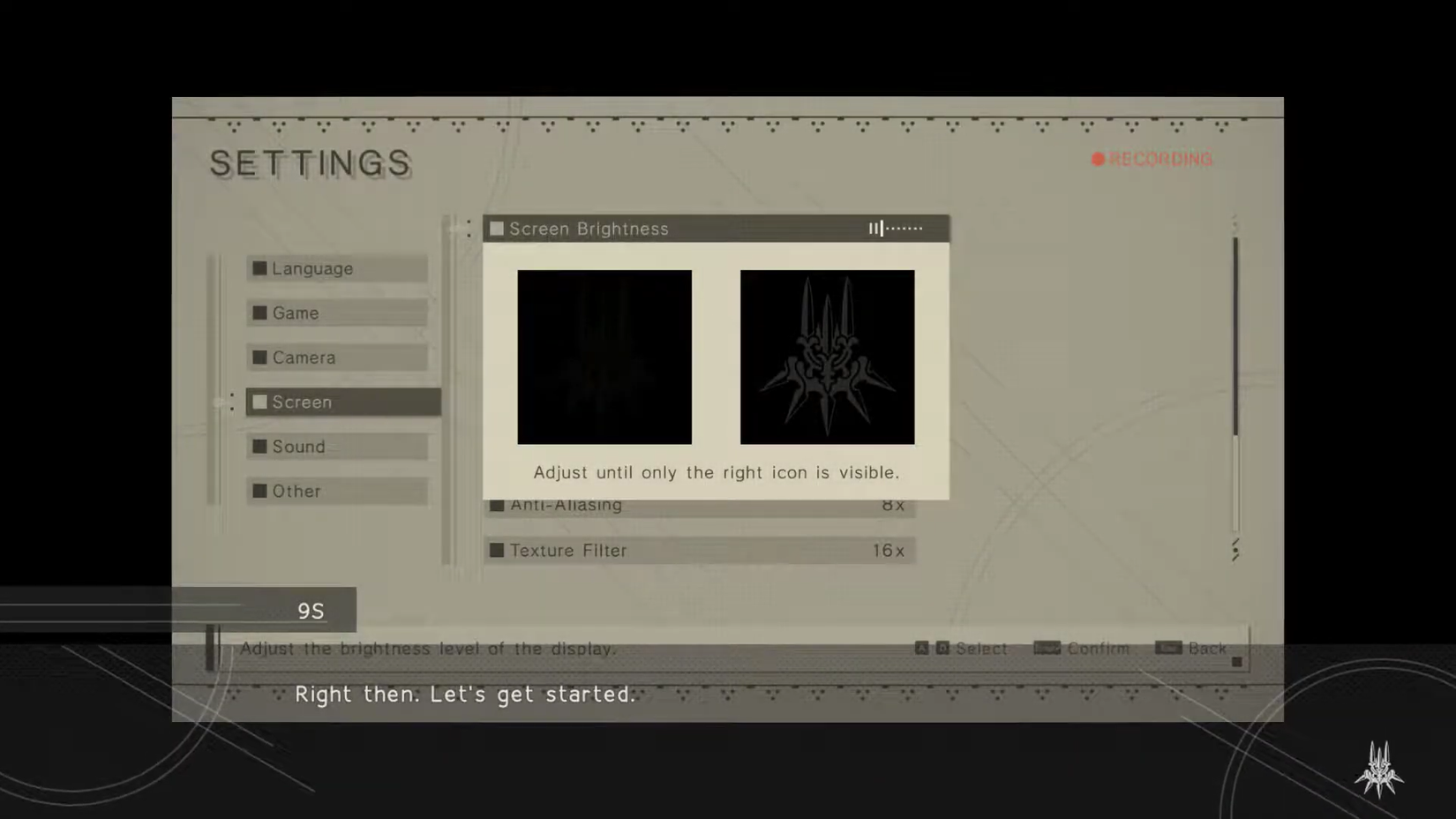
At the adventure's beginning, a robotic voice guides you through the game's audiovisual settings, such as the overall sound and lighting, but this is more than just a curious way to adjust the experience for the user.
Instead, I've always felt this point marks a departure from the common experience of “inhabiting” the protagonist, as there's a noticeable difference between the player and the avatars we control throughout the campaign.
2B, 9S, and A2 aren't just beings with knowledge and motivations separate from the player; they are also the very objects of our control, and configuring the game options is essentially configuring these androids themselves.
It's a clear separation between the two that, even if you don't realize it at the time, foreshadows a reality that becomes palpable throughout the entire journey: you know far less than you think about what's happening and what will happen.
9 Making You Play as a Little Robot
Empathizing with Metal
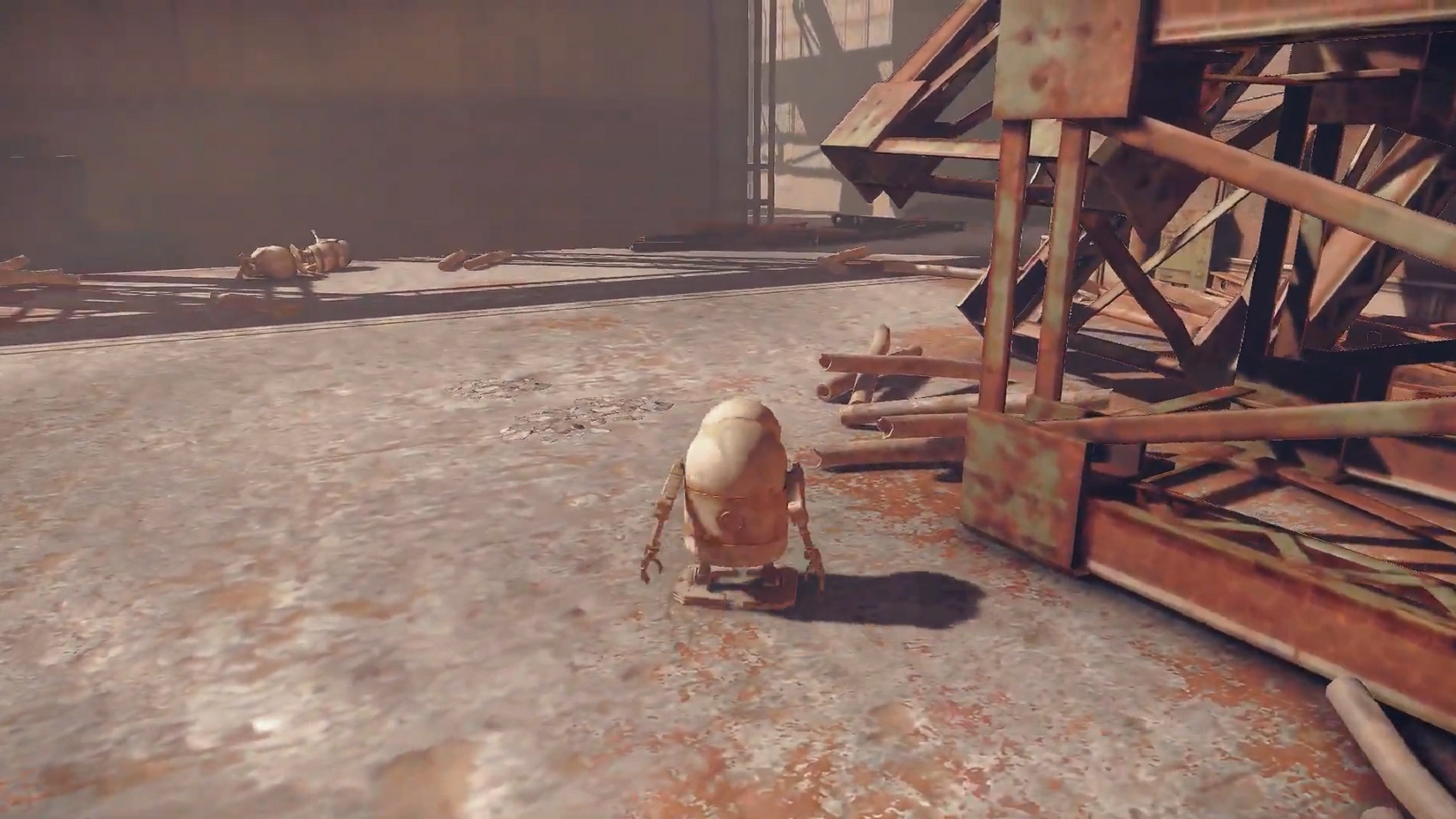
Now we jump considerably from the beginning of Route A to the start of Route B, where NieR: Automata subverts player expectations by putting them in control of a small robot.
Although it's a minor and limited sequence where we embody a small metallic organism trying to save its sibling, it's among the first instances where the game begins to reveal its story's true intention.
First and foremost, because it allows us to empathize with the species we're supposedly meant to destroy to save humanity, but also because it emphasizes how regularly the game shifts our perspective, both mechanically and narratively, maintaining cohesion between the two.
When a completely frenetic action game takes the time to stop and detain the player in a prison far slower, more helpless, and weaker than 2B, you realize it's not just another hack-and-slash where you mindlessly kill everything in sight, but rather it wants you to start reflecting on why you're doing what you're doing.
8 Talking with the Supply Trader
Are We Our Body or Mind?
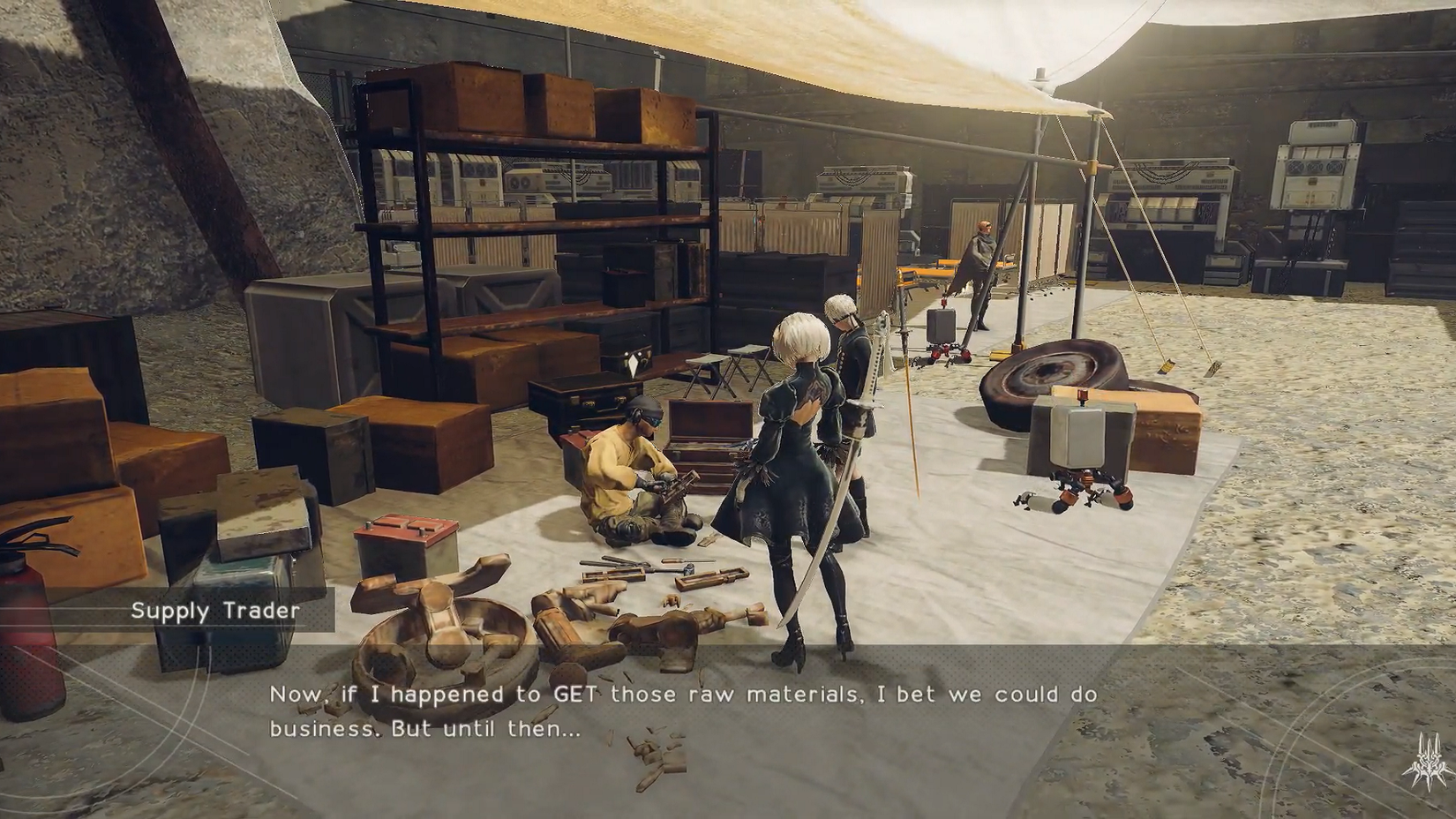
NieR: Automata is abundant with memorable dialogues that invite you to ponder countless weighty themes, though my favorite among the minor conversations is with the Supply Trader at the Resistance Camp.
In it, you meet a merchant who has gradually replaced the damaged parts of his body except for his leg, which also needs replacing, but he refuses because it's his only original component, and, therefore, he doesn't want to lose his identity by replacing the last part of his initial self.
It's a clear evocation of the Ship of Theseus paradox, which explores whether an entity that has changed all its components remains the same and which marks one of NieR: Automata's story's fundamental themes.
Despite being a minor NPC with a relatively secondary role, it offers a more heartfelt and interesting conversation than most entire stories in the AAA universe. Thus, in the first few hours of gameplay, it's easy to foresee that all of NieR: Automata will have you thinking until your brain cells burn out.
7 Conscience as the Save System
Blurring the Line of Identity
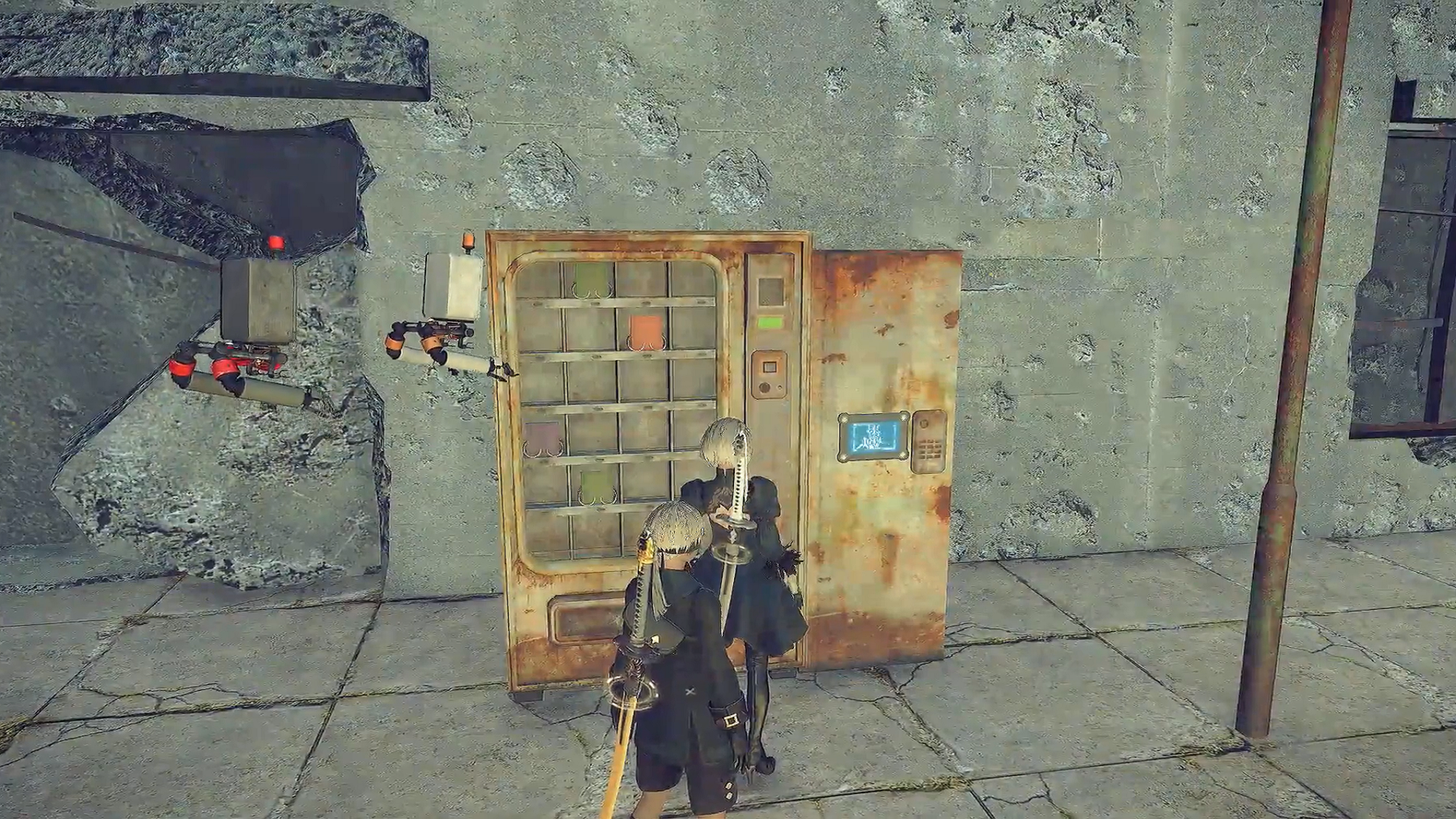
Most video games don't bother explaining the extradiegetic aspects of their experiences, and then you have NieR: Automata, which not only justifies the in-game audiovisual setup, but also the save system itself.
 Related
9 Great Games We Wish Had Romance Options
Love wasn't in the air, but it should have been.
When you find your first Access Point, you discover that “saving” is equivalent to uploading the androids' consciousness to the cloud, which is retrieved if the body is destroyed and placed in a new shell to continue fulfilling its functions.
Just like with the paradox of Theseus, the save system, an element we take for granted in almost all video games, takes on a fundamental thematic role within the plot, blurring the lines of identity and self-perception in the process.
And you know what's incredible? That a game makes you sit and contemplate what its method of recording your progress implies for its world, demonstrating an attention to detail and tonal coherence that every title should envy.
6 The Romance Between Jean Paul and Simone
One-Sided Devotion
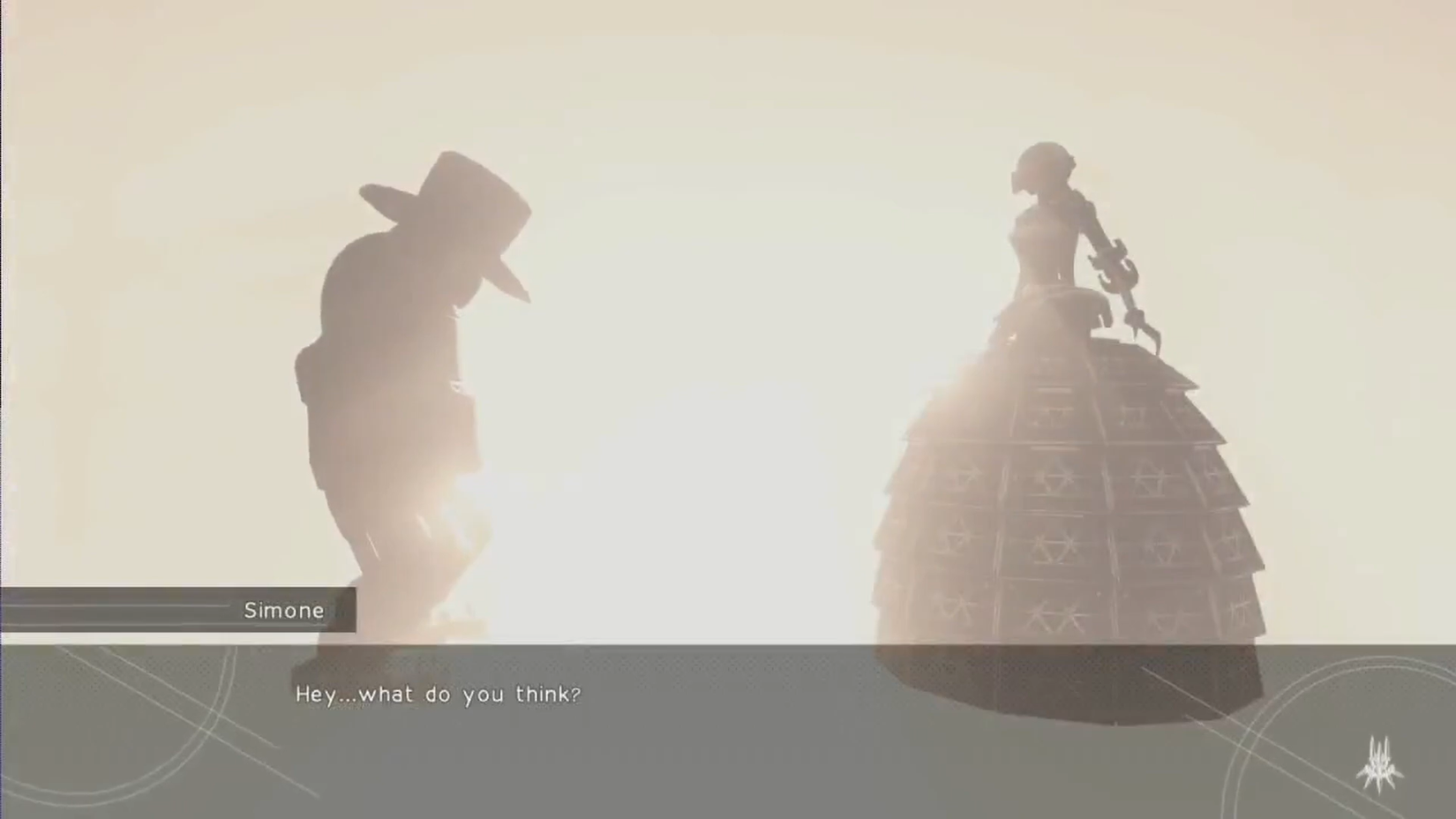
Love in video games often takes banal and superficial forms that aren't particularly thought-provoking, which makes the bond between the robots Jean Paul and Simone all the more interesting.
Despite being an optional mission that connects the story of a main boss with a secondary character, while also referencing the real-life philosophers of the same name, the way the subplot unfolds is superb, always leaving you wanting more.
You have to talk a lot with Jean Paul to understand his indifference and cynicism, and you have to fight a lot with Simone to understand her unrequited devotion, which allows you to connect the dots as the hours pass and, of course, grasp the tragedy of what happened.
Ultimately, love, the desire to be desired, and the efforts to find someone to share the rest of one's life with are very human characteristics, and the fact that NieR: Automata goes to such lengths to reflect this through a side quest with so many distinct little requirements is highly commendable.
5 First Time at the Amusement Park
Traces of Humanity
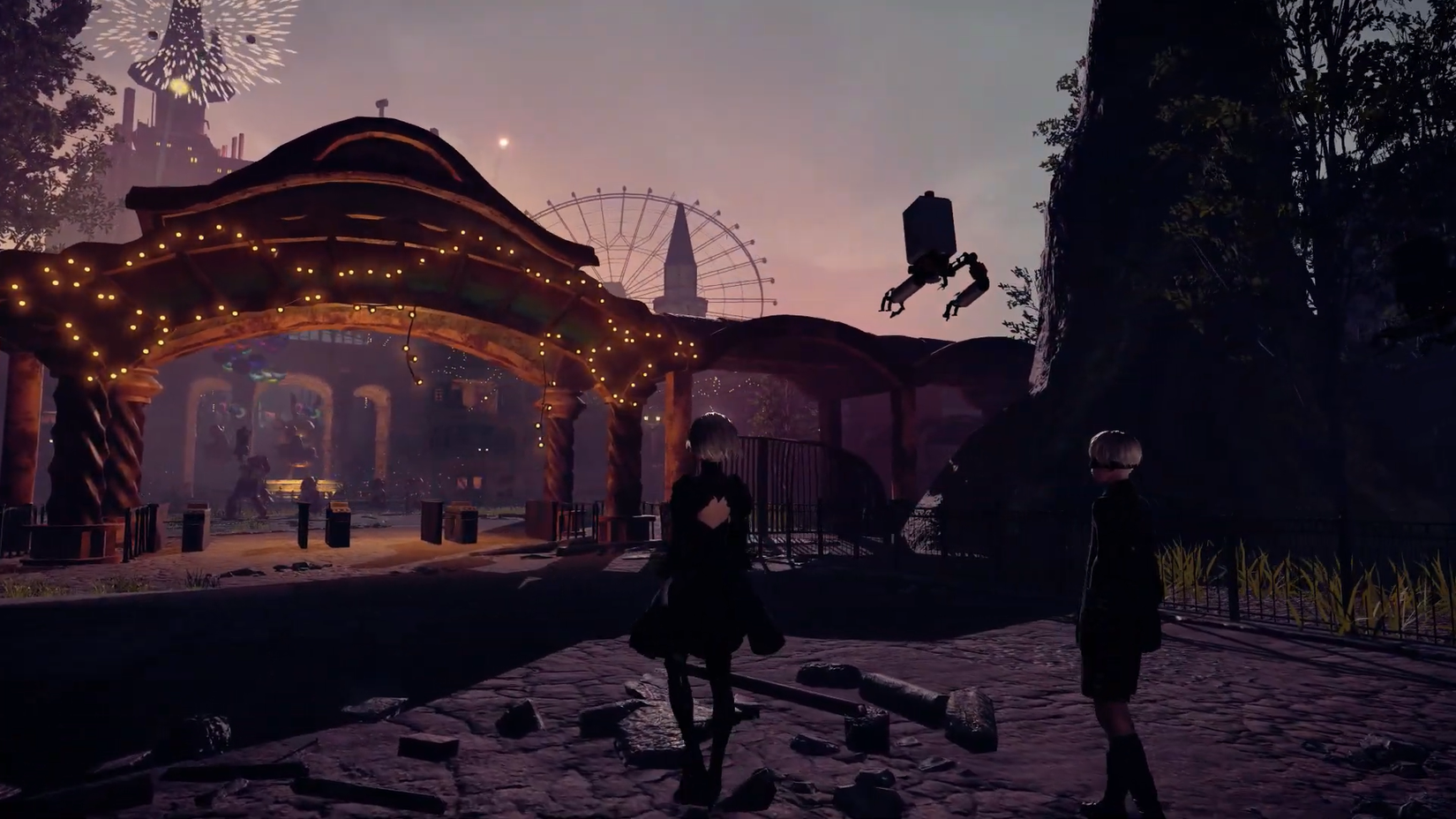
Arriving at Amusement Park for the first time is among the most magical moments I've experienced in the last 10 years as a video game player, and the reasons are numerous.
After hours of fighting robots and hearing that they are the main threat to the human race, you have the opportunity to see them in a completely different light, precisely emulating the characteristics of the civilization they supposedly intend to destroy.
The music and choreography of the supposed enemies blend during a sequence even more human than what we've experienced up to that point, beginning to suggest that perhaps they aren't our enemies and that, in reality, they may be the only vestige of humanity left.
Many of the most impactful plot points of NieR: Automata unfold subtly, without grandiose cutscenes or explicit dialogue, which further enhances its narrative and the trust it places in the player to decipher the messages it conveys.
4 Devola and Popola’s Appearance
An Eternal Sin
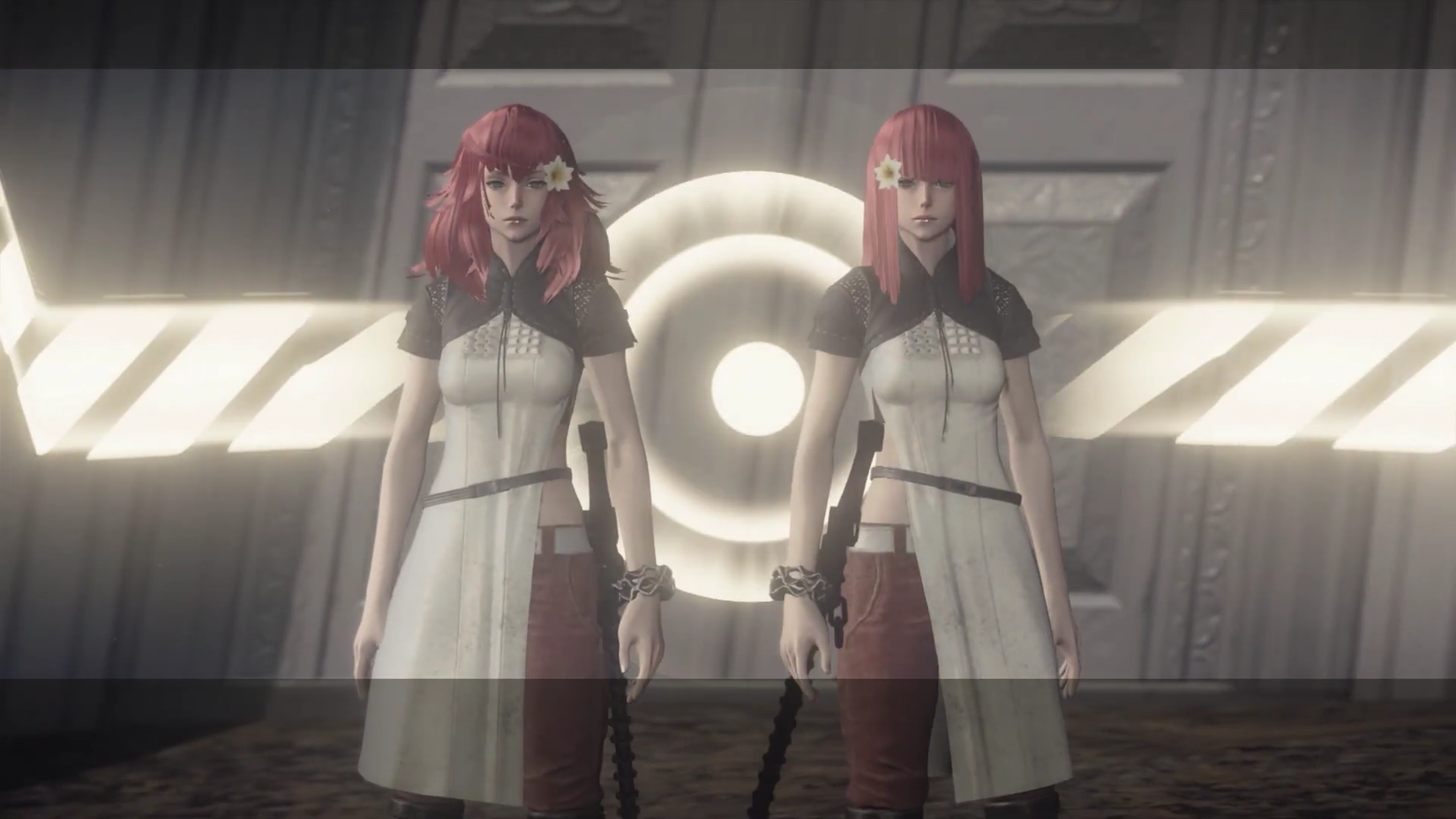
NieR: Automata diverges from the stories of its direct and spiritual predecessors for the vast majority of its narrative—or so you're led to believe until Devola and Popola arrive.
While they may be unfamiliar characters to most players, their original counterparts (since these are new models) were fundamental to Nier's story and, consequently, to the world's fate after its events.
When they appear, it's a striking twist firmly within the confines of NieR: Automata's plot, though its greatest value lies in how it connects with its predecessor to create a shared story with even greater depth.
If we then consider this implies a connection between NieR: Automata and Drakengard, it's an amazing way to solidify the title as a sequel rather than a standalone game, doing so with great elegance and without leaving either veterans or newcomers out of the loop.
3 Pascal’s Despair
A Tragedy Without Equal
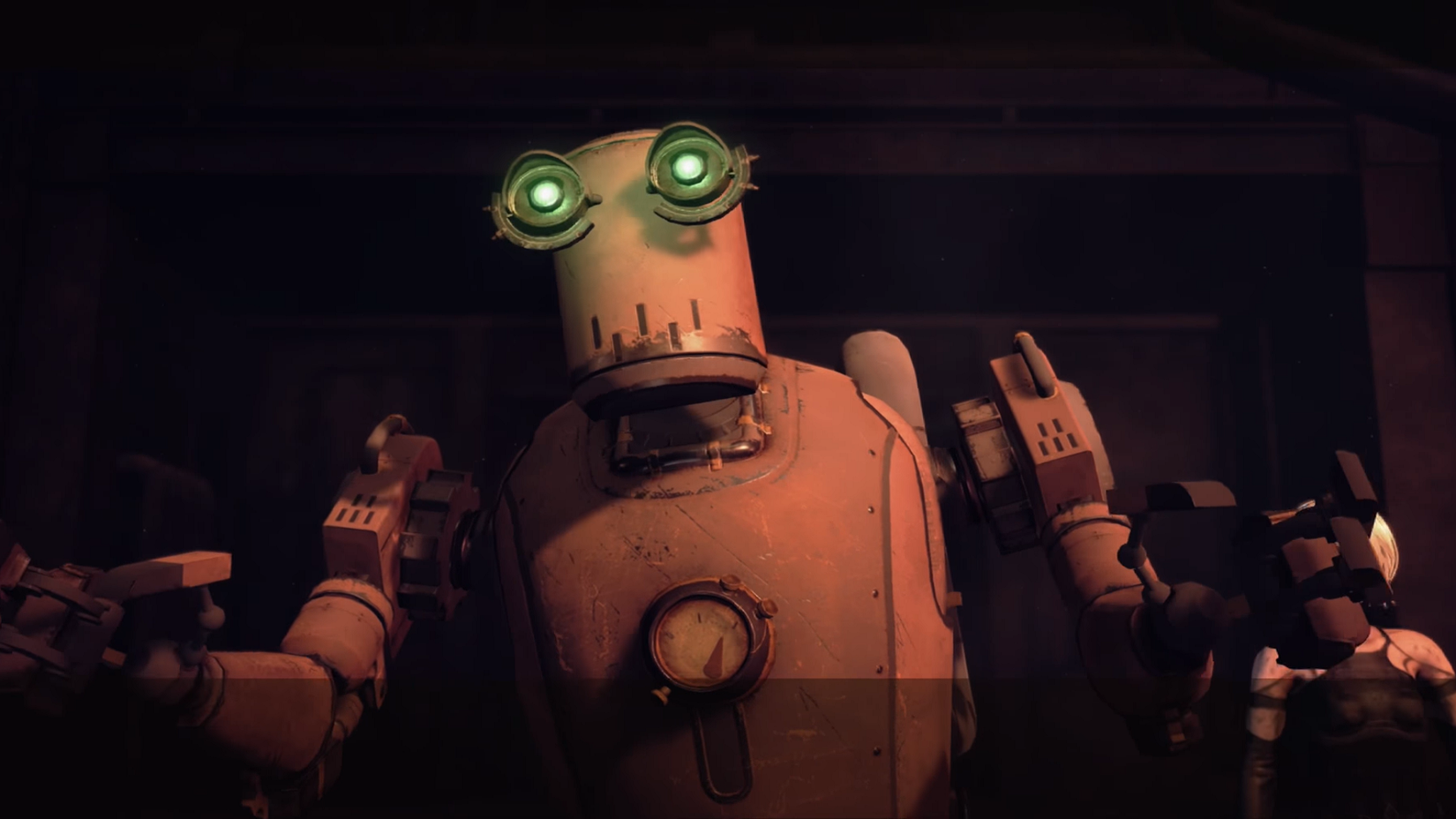
While the game spends much of its duration trying to convince you that robots aren't natural enemies, I'd say no moment reflects their acquired humanity more than Pascal's Despair, the final mission of one of the game's best and most complex characters.
 Related
10 Amazing Games That Have Made A Sequel Seem Impossible
The only thing more difficult than creating these masterpieces is trying to give them a worthy sequel.
Pascal, who leads a peaceful robot village, is petrified by the sight of the dead robot children, whom he taught emotions so they could perceive danger, experience fear, and act accordingly to survive in such a dystopian world.
However, his well-intentioned efforts ended in tragedy, as it was fear itself that led the children to take their own lives under siege by hostile machines in the abandoned factory, leaving the player to decide whether to eliminate him, erase his memory, or make him bear the responsibility.
Suicide, childhood trauma, guilt, grief... These are themes that most big productions try to avoid, but NieR: Automata rejects conventions and addresses them with great respect and sincerity, adding to the seriousness with which it expresses its ideas and integrating the player into the mix to make them feel the weight of their decisions.
2 2B’s Initial Monologue
Everything That Lives is Designed to End
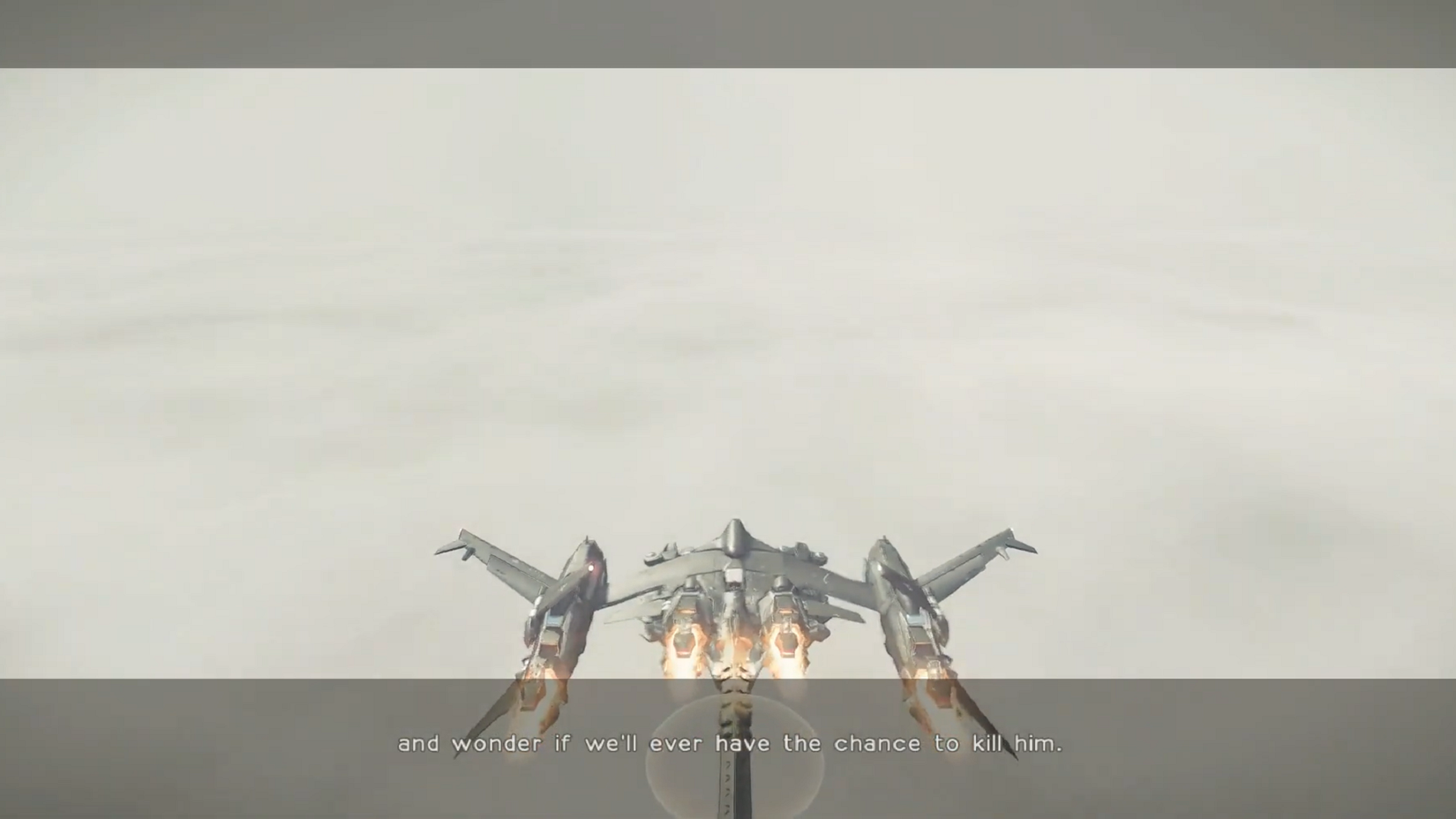
I have no memory of a more phenomenal and unforgettable introductory monologue than the one 2B delivers at the campaign's start, so much so that I can recite it from memory even in a language that isn't my native tongue.
In just a few lines, NieR: Automata's thematic cornerstone is masterfully yet subtly summarized, gaining relevance with each new route you complete and making the emotional impact of every word even greater.
Any other game would have made this a spectacular and over-the-top moment, though here it's just a soliloquy against a white screen from a character whose face we haven't even seen, but we will eventually learn to love.
The inescapable fate of death, the cycle of existence, the absence of gods in the puzzle we call life… The monologue is 46 words brimming with the most fascinating narrative weight imaginable, and as the years go by, it only feels better and more relevant.
1 The Credits
Making the Ultimate Sacrifice

As obvious as it may have been to end the list with this moment, the credits in Ending E are, quite simply, among the finest in video game history.
Just when you think you've seen it all, when you've put down the controller and feel the calm of having reached the end of your journey, PlatinumGames invites you to one last challenge in the form of a mini-game where you shoot the developers' names in the credits, but this is more than just a fun curiosity.
In reality, it's a final act of resistance between the players, responsible for the androids, and the developers, responsible for the androids' misfortunes, who join forces so that the protagonists of the story can finally be free, thus unlocking a final cinematic in which 2B and 9S are seen through a lens of hope.
When the game asks you to completely relinquish your save data to support other players in combat (which cannot be won without help), the core theme of NieR: Automata finds its final resolution: the hope for life lies in the shared experience of existence, and we only exist as long as others do.
I had never so readily accepted deleting so many hours of progress, because it was the cherry on the top of a story that, both within and beyond the plot itself, was already monumental, and which illustrates the full potential of video games as a medium of communication when approached with passion.
 Next
Next
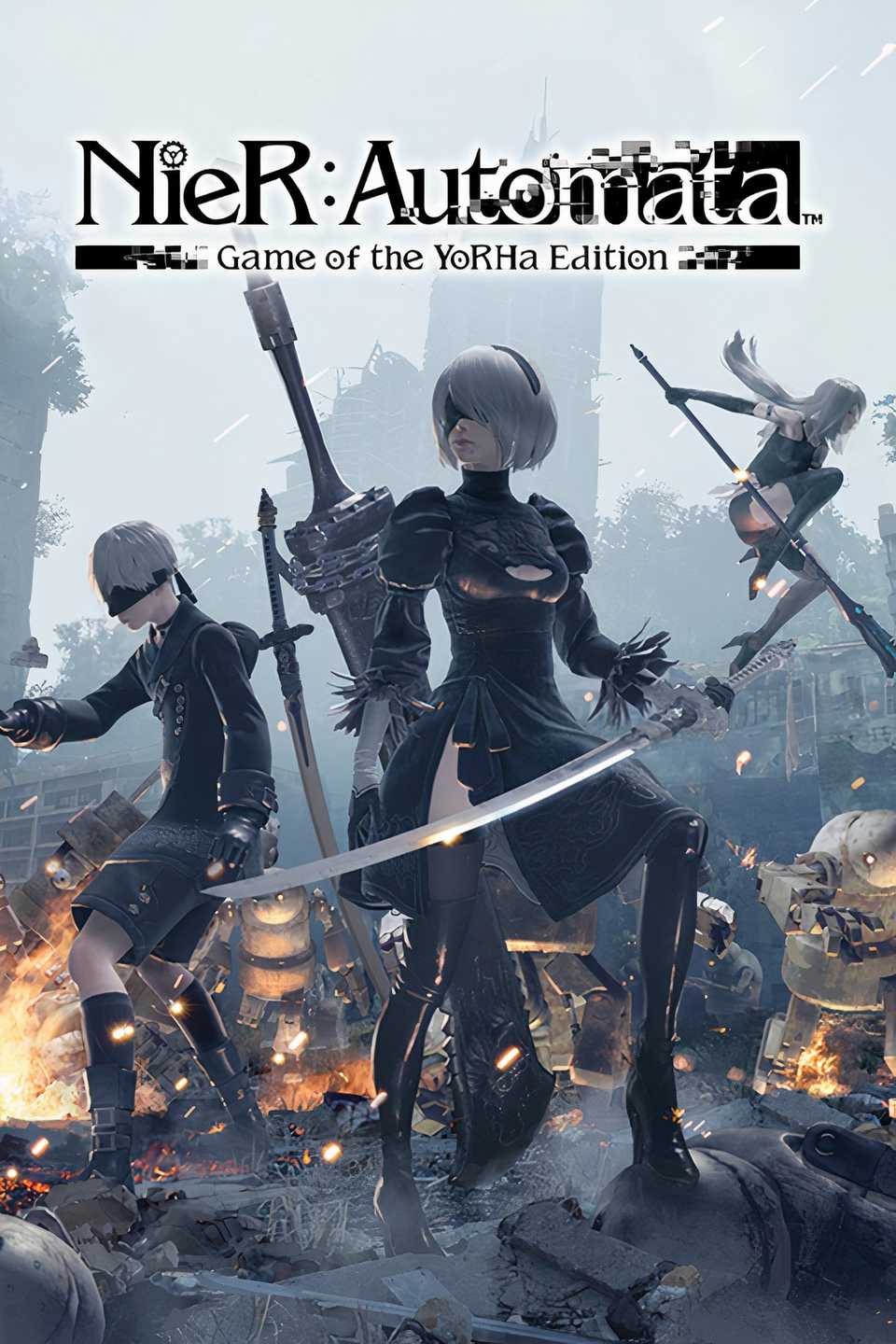
Released March 7, 2017
ESRB M for Mature: Blood, Partial Nudity, Strong Language, Violence
Publisher(s) Square Enix
Engine Proprietary Engine
Nintendo Switch Release Date October 6, 2022


![ELDEN RING NIGHTREIGN: Deluxe Edition [FitGirl Repack]](https://i5.imageban.ru/out/2025/05/30/c2e3dcd3fc13fa43f3e4306eeea33a6f.jpg)
 English (US) ·