.png)
.png) 1 hour ago
1
1 hour ago
1
Castlevania and Metroid have left an immeasurable legacy for the video game industry, so much so that the fusion of both styles gave rise to a new genre: Metroidvanias.
However, the influence of Konami and Nintendo's works has extended far beyond those who directly draw from their structures, helping to shape the general landscape of action-adventure experiences.
Whether it's the progression systems, the interconnectedness of the levels, or the narrative mechanisms, it's easy to see the interactive medium was never the same after Castlevania: Symphony of the Night and Super Metroid.
Therefore, in order to acknowledge the more subtle impact this iconic duo has had on our history, I invite you to read this list of ten non-Metroidvania games that feel like Metroidvanias.
10 Hyper Light Drifter
Cryptic and Interconnected
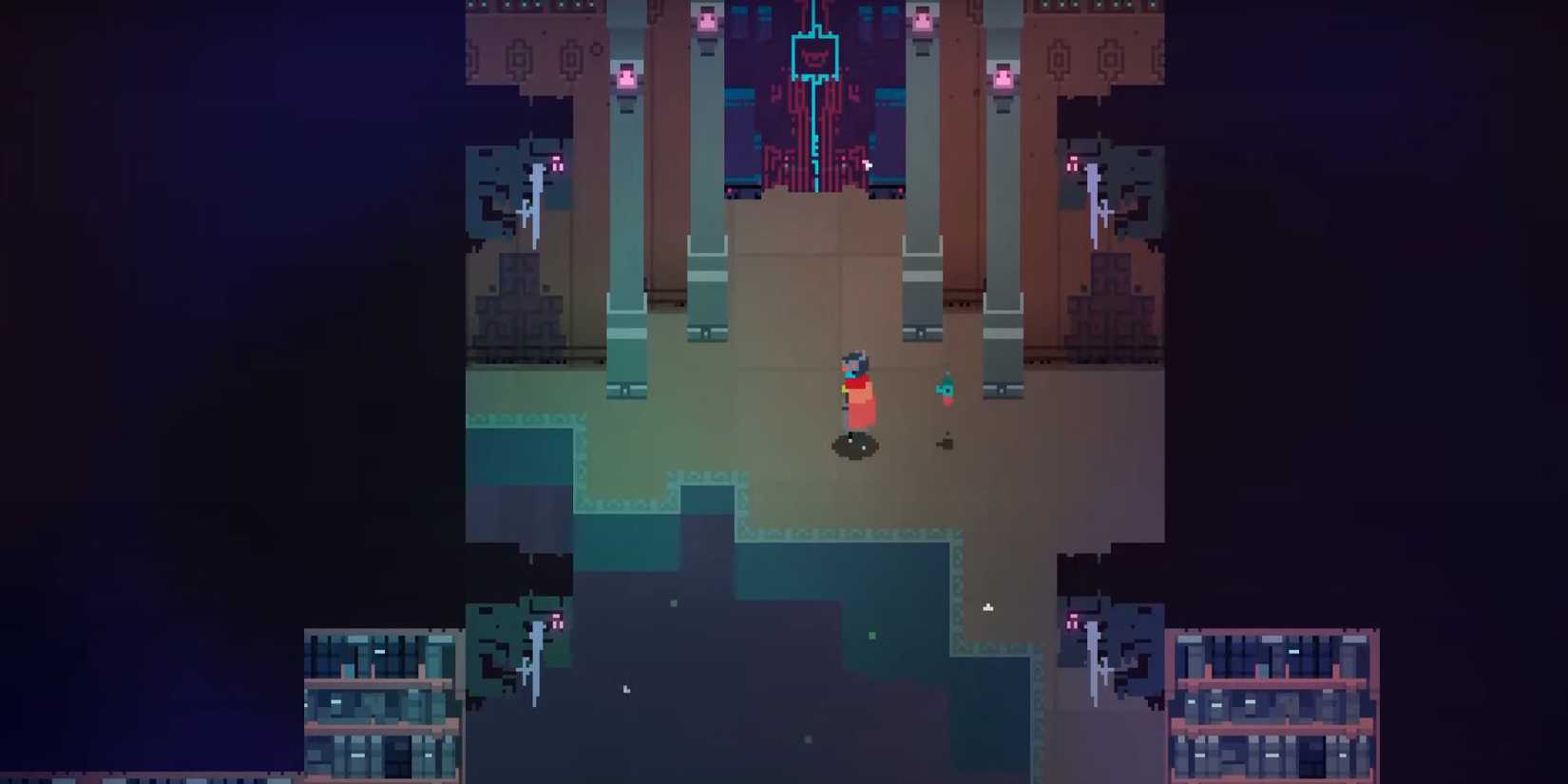
Of all the games you'll see in this article, Hyper Light Drifter is the least Metroidvania-esque, though the atmospheric similarities it shares with the genre's common denominator are palpable.
The trend toward cryptic campaigns with clearly separated levels but tightly interwoven internal designs is as strong as ever, and Heart Machine divinely replicated this tradition.
While you acquire upgrades and your understanding of how the world works grows, you can go to any of the four cardinal directions in any order you want from the start and progress, as there's no linear path dictating your journey.
Point by point, Hyper Light Drifter isn't a Metroidvania, not even if you stretch the definition as far as possible, but when it comes to the genre's vibe, it oozes it from every pore.
9 Styx: Blades of Greed
A Progressive Heist
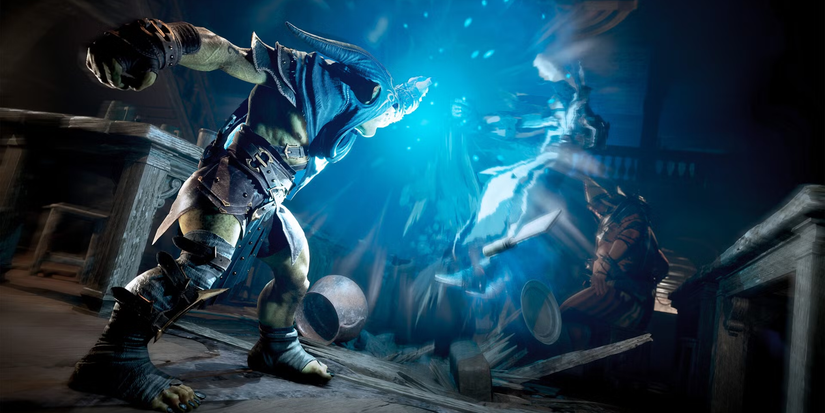
Having played the previous two titles in the franchise, which were predominantly linear, encountering Styx: Blades of Greed's semi-open structure was a pleasant and unexpected surprise.
Across three large levels, you have narrow access to the areas depending on your progress through the campaign, as you gradually unlock traversal abilities that allow you to backtrack and exploit the initially limited potential of each environment.
Thanks to the pace at which these new mechanics are acquired, the game always has something new to offer, keeping exploration fresh and encouraging you to engage with the levels from all perspectives so that each mission becomes increasingly fluid.
Boasting a level of verticality virtually unheard of in the genre's history, Styx: Blades of Greed is a title whose gameplay combinations are captivating despite their imperfections, and the Metroidvania philosophy works wonderfully for its stealthy approach.
8 Death’s Door
An Honest and Intricate Job
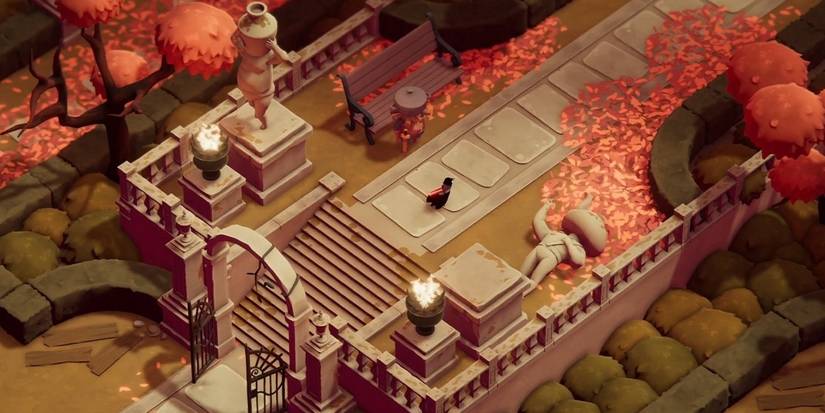
Combining Hyper Light Drifter's Metroidvania aesthetic with Styx: Blades of Greed's skill-based progression, Death's Door seems like it belongs to the genre, but that's not quite the case.
Regardless, the mere fact it gives the impression of being part of the family tree is a clear indication of the similarities, which manifest themselves through the numerous secrets and branching paths in each zone, sealed according to the powers you have access to.
Similar to what we've seen in franchises like The Legend of Zelda, this progression allows you to perform interactions that, on your first scan, you wouldn't have imagined possible, granting you access to a growing series of areas and bosses that advance the plot.
It's meticulously crafted in terms of spatial awareness and gameplay customization, making Death's Door a distant cousin that, in any case, feels like part of the family in almost every sense.
7 Darksiders 3
A Changing Fury
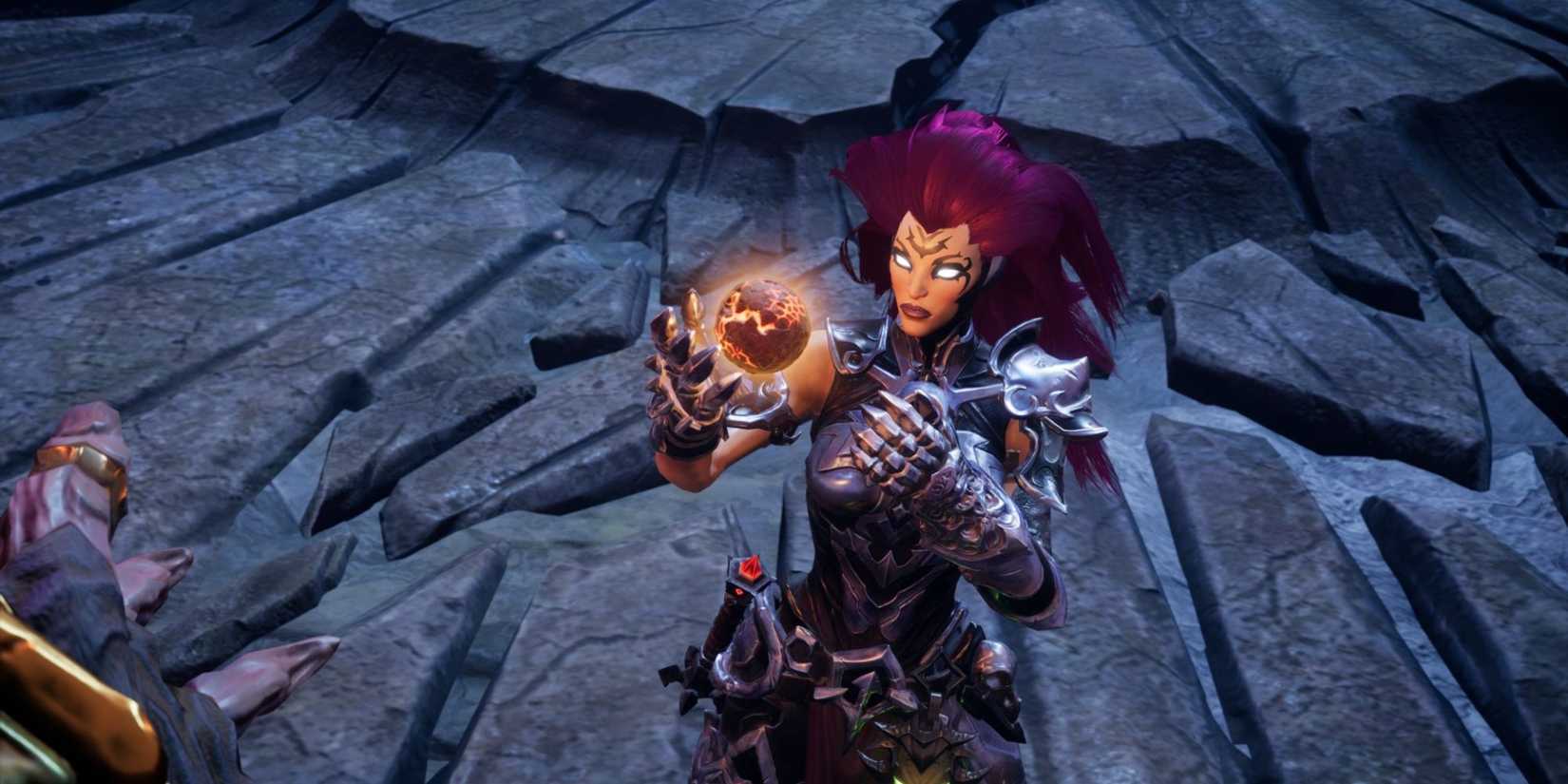
While the first was a traditional hack-and-slash and the second an open-world RPG, Darksiders 3 opted for a variant more akin to the Soulslike genre, yet it retains the full structure of a Metroidvania.
As the story unfolds and Fury defeats more of the Seven Deadly Sins, she discovers elemental powers that transform her weapon, movements, and abilities, allowing her to double jump, stick to the walls, and glide.
The intriguing aspect lies in the fact that she must alternate between these powers, reflected in her hair color, to access their respective active and passive abilities, which forces you to change your playstyle frequently to tackle both puzzles and exploration challenges.
Not all levels are revisited, but many have a limited scope until you possess all the Hollows, making Darksiders 3 a hybrid between Soulslike, given its combat, and Metroidvania, given its progression, which is magnificent.
Between Bridges and Card Keys
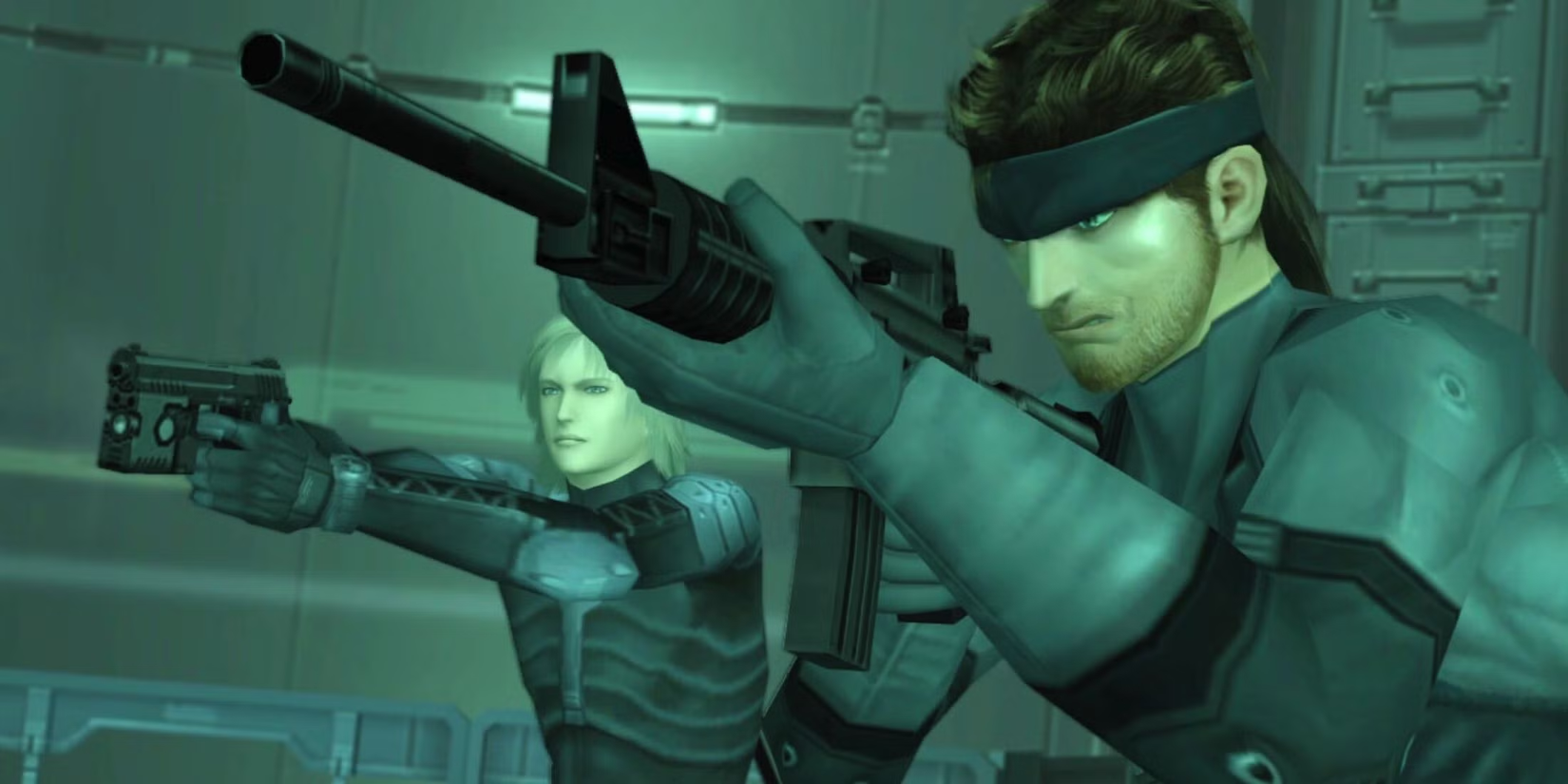
Metal Gear Solid 2: Sons of Liberty is a masterpiece for so many reasons that listing and describing them would require a thesis, but the reason it earns a place on this list is Big Shell.
Given its heavily armed and secured nature, many of its appendages are locked based on the rank of the person trying to access them, leading Raiden to pursue every possible method to acquire the respective key cards that will allow him to progress in his mission.
Furthermore, from exploration to enemy encounters, specific weapons are essential to overcome the challenges, so you eventually spend so much time going in circles within the decontamination plant that you become one with it.
It's the only game in the entire series where backtracking and the protagonist's arsenal growth feel so vivid, making it the sole time we've come close to seeing what a Metroidvania made by Hideo Kojima would be like.
5 Dark Souls
Does Not Open From This Side

Since we mostly associate Metroidvanias with two-dimensional games, it's difficult to perceive the symmetries when a third plane is added, though it makes perfect sense in Dark Souls' case.
When you stop to think about the countless shortcuts that underpin its levels' interconnectivity, even though they aren't limited by traditional progression abilities, you realize how its world operates on the logic of a Metroidvania.
If we then consider the need to illuminate the Tomb of the Giants, to endure the lava of Lost Izalith, to find a remote item to enter the Painted World of Ariamis, and so on, you conclude that not only does spatial positioning adopt said logic, but progression does as well.
The parallels are subtle and, for some, perhaps far-fetched, but once you change the way you view the philosophy of both Dark Souls and the other Soulsborne entries, there's no going back.
4 Resident Evil 2
One Place, A Thousand Paths
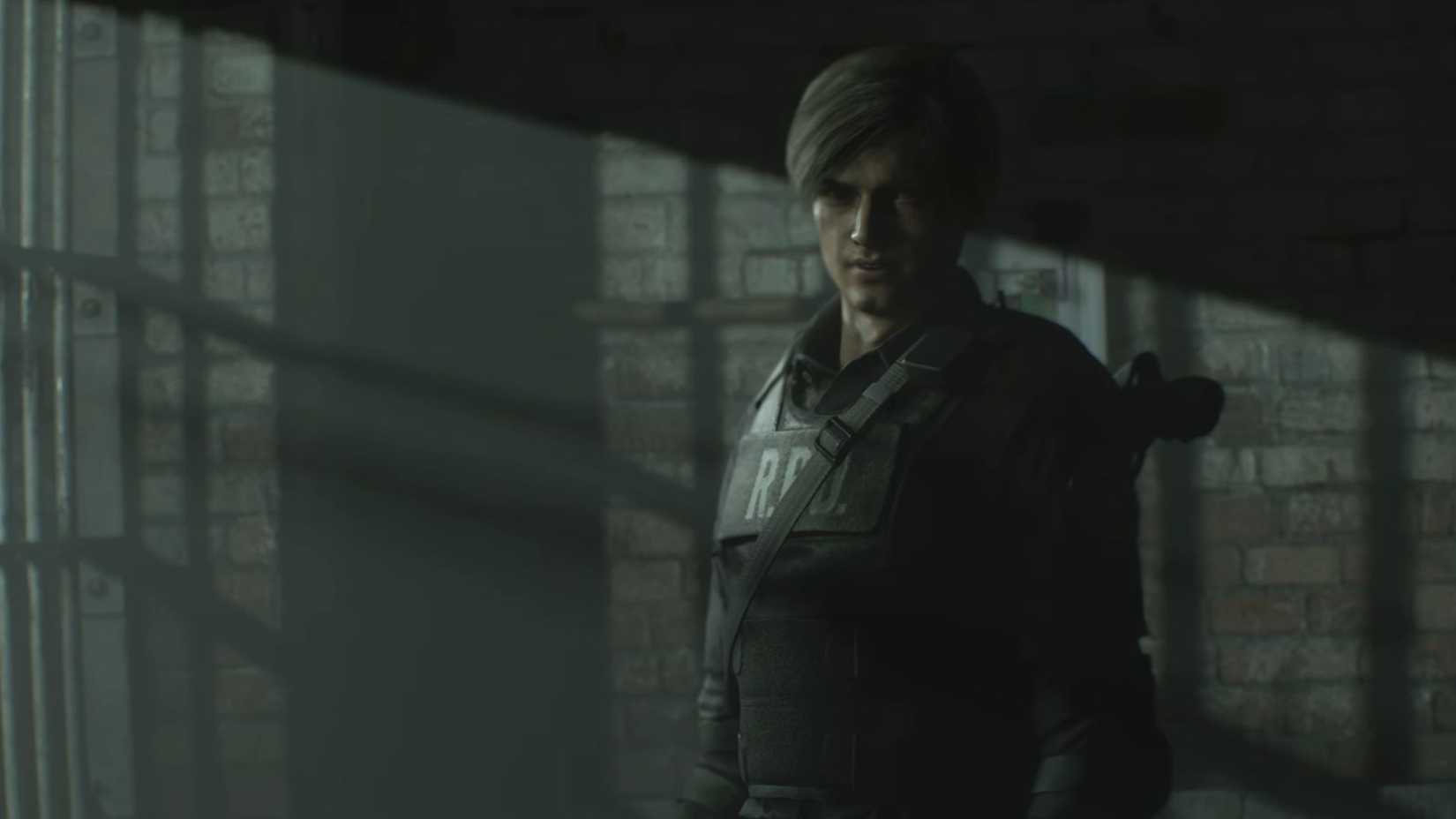
Although this approach is partially lost as you progress through the campaign, few things in this world are as Metroidvania-esque as the police station in Resident Evil 2.
The number of hours you spend wandering around the same place, retracing your steps as you acquire new items and tools, is so considerable that it's difficult not to feel Castlevania and Metroid breathing down your neck.
Once you leave this magnificent location behind, the game becomes more linear, though it still retains vestiges of that backtracking spiral that becomes so satisfying as your abilities match the challenges.
It may not have the same consistent Metroidvania feel over time as some other games on this list, but that initial experience reaches such a high point that, frankly, it doesn't matter.
3 Mina the Hollower
Deciphering the Contingencies
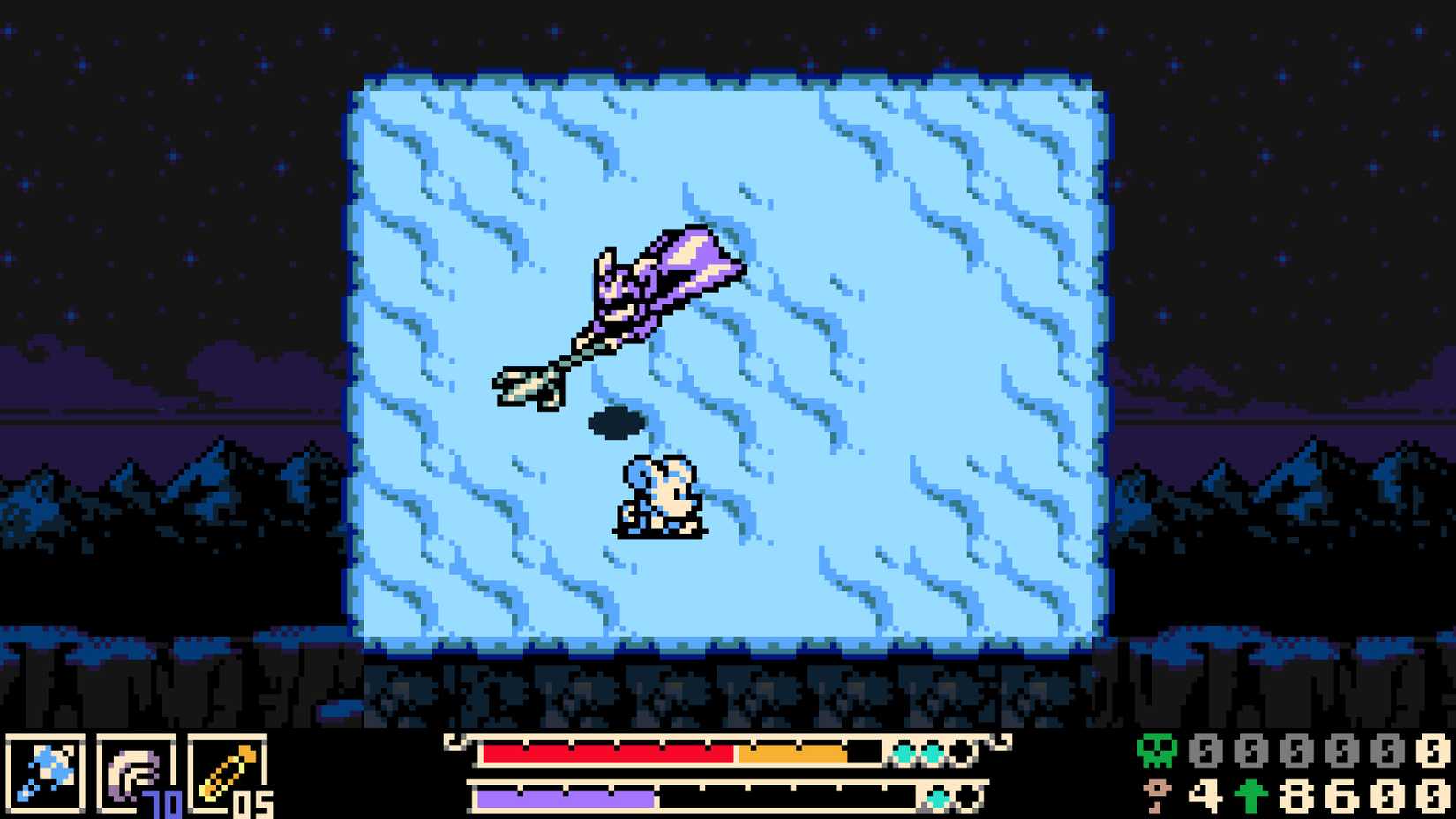
Mina the Hollower drops you right into an immense world from the start that, despite having a recommended order to follow, doesn't restrict you from getting lost while exploring and discovering creative ways to solve its platforming and exploration puzzles.
In this regard, the title allows for a superb degree of customization that greatly varies the user experience, so players can discuss at length how they reached the same places through different means, because the game presents so much room for maneuvering.
Even without considering the countless secrets and shortcuts within each main area, the way Mina the Hollower encourages curiosity, experimentation, and recalling specific points where you couldn't progress in order to return and try a different approach is quite reminiscent of Metroidvania.
Ultimately, it's not so much about the technical similarities but about the shared feel, and in that sense, Mina the Hollower feels as much like The Legend of Zelda as it does like Hollow Knight.
2 The Legend of Zelda: Ocarina of Time
The Closest Uncle
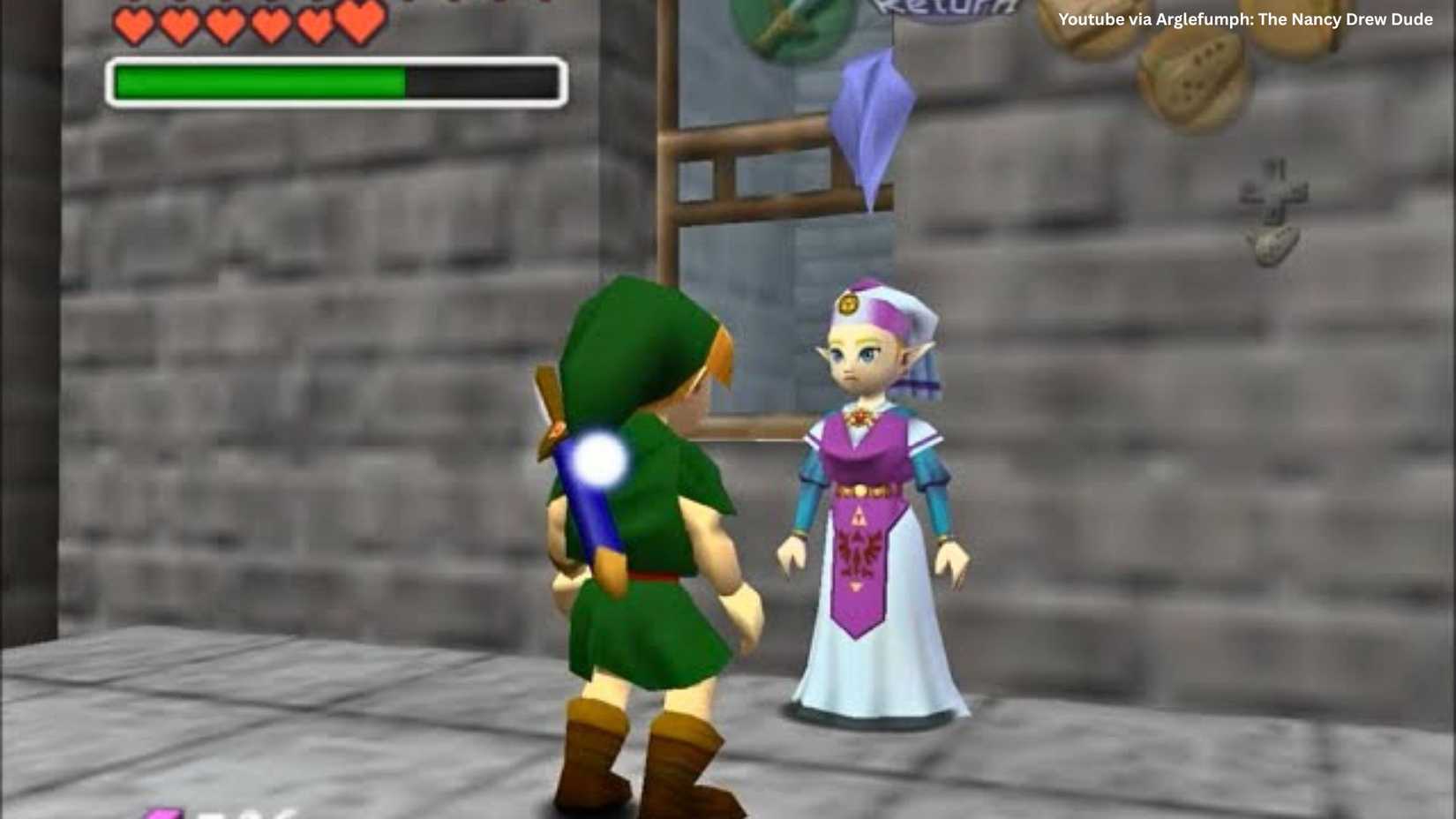
From the moment I mentioned the series, it was inevitable one of its representatives would appear; although any installment could have taken the place, I decided to stick with The Legend of Zelda: Ocarina of Time because it was the one that sparked the desire to write this article.
It's difficult to include a game that directly predates the genre I'm discussing, because I genuinely believe Metroidvanias themselves were influenced by Link's first 3D adventure.
However, especially after recently replaying it with all my knowledge of the genre, the way you access increasingly larger areas based on the abilities and items you acquire makes you feel as if you're visiting a completely new version of Hyrule each time.
That sensation of visiting the same place but with a completely different perspective is something I've only experienced in Metroidvanias, and the fact that I felt it so vibrantly repeated in Ocarina of Time was all the motivation I needed to write this piece.
1 Prey
Different Formula, Same Reward
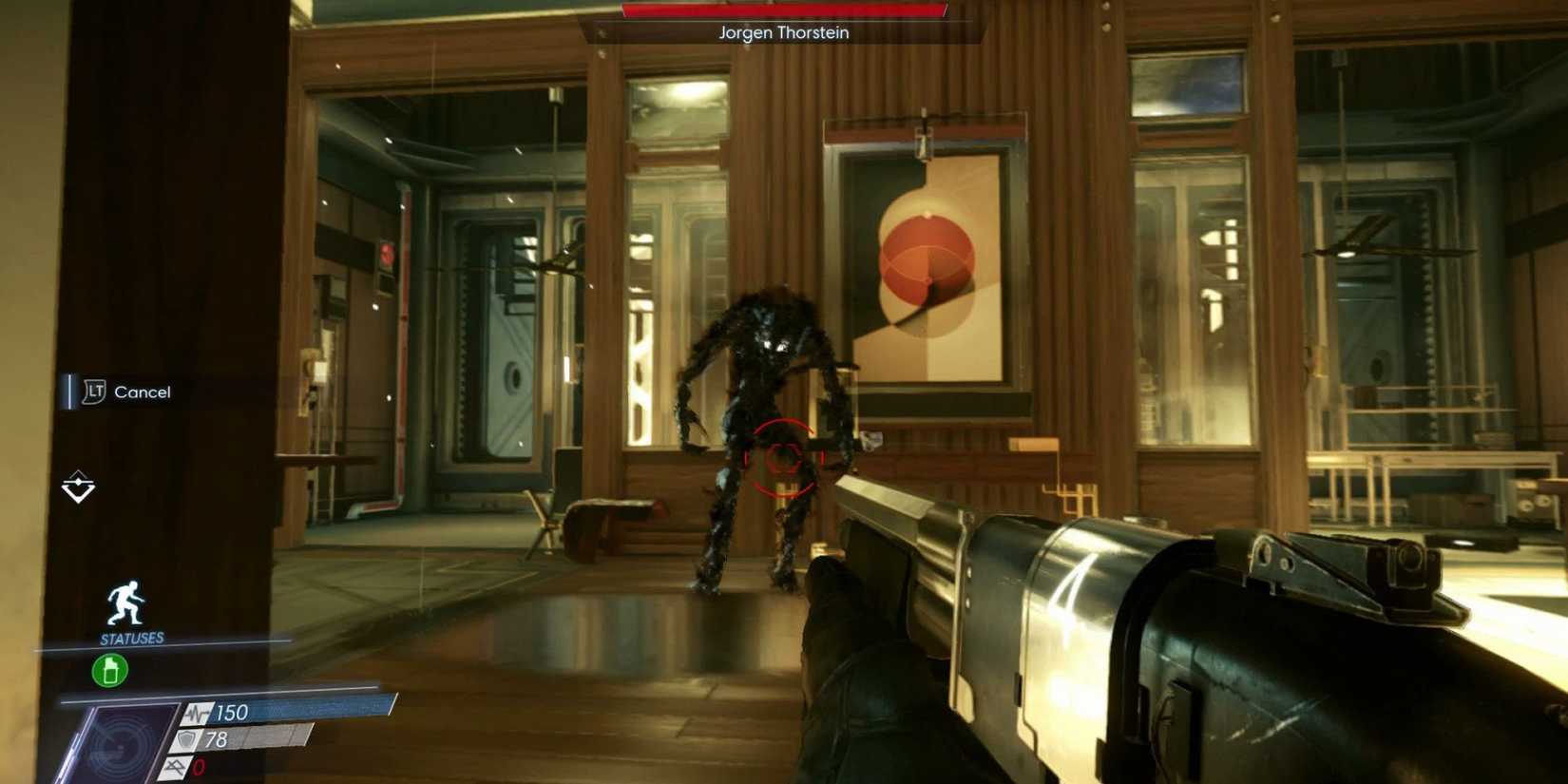
Despite the above, upon reviewing the list of games I've immersed myself in enough to readily recognize the subtleties of their philosophy, Prey stands out as a masterpiece that isn't a Metroidvania only by technicality.
With Metal Gear Solid 2's interconnectedness, Ocarina of Time's tool-based progression, Mina the Hollower's creativity, and Resident Evil 2's extremely tight level design, Arkane Studios' gem encapsulates most of the reasons why I can include any game on this list.
It's no wonder it's one of the best immersive sims in history, as this genre is precisely characterized by how and when to progress, questions conditioned by the player's imaginative and problem-solving abilities, who transforms the environment into their sandbox for play.
The endless “Eureka!” moments provided by Prey's expansive systems and Talos I's vast array of opportunities are simply divine, delivering a level of satisfaction that rivals the best games of any genre imaginable.
Years go by, and I still see this title as one of the most underrated creations in the video game industry, so I think it's only fair to reward its charismatic premise with a chance if you haven't already.





![ELDEN RING NIGHTREIGN: Deluxe Edition [FitGirl Repack]](https://i5.imageban.ru/out/2025/05/30/c2e3dcd3fc13fa43f3e4306eeea33a6f.jpg)
 English (US) ·