.png)
.png) 2 hours ago
2
2 hours ago
2

Published Jul 5, 2026, 12:30 PM EDT
Ewan is an experienced gamer with more than two decades of gaming under his belt, across consoles, handhelds, and PC. He's written for a variety of digital publications, including DualShockers, GameRant, The Mary Sue, and We Got This Covered.
GameFreak's Pokémon FireRed and LeafGreen are classic entries into the series. They were its first set of remakes — if you don't count Pokémon Yellow, which was more of an enhanced edition — and they started a tradition of remakes that the company has followed right up to today.
 Related
But despite being so old — 2004 was 22 years ago now — FireRed and LeafGreen feel surprisingly modern. Timeless, in many ways, thanks to a suite of features that were fresh and original at the time, but which are now firm features of modern gaming. With the Switch rerelease, many new and old fans are discovering and rediscovering these games, and finding that they hold up surprisingly well.
10 Unobtrusive Tutorials
Help When You Want It

Endless tutorials that can't be skipped and cover too many basic details are ironically more a feature of modern Pokémon than they are of its older entries, but FireRed and LeafGreen struck a balance that feels like it sits up there with the best of modern tutorials. Teachy TV and other contextual help explained mechanics if players wanted them, which meant that new players could learn and experienced players didn't have to slow down and sit through something they already knew.
Tutorials were tucked away where they were useful but unobtrusive; aside from the traditional catching tutorial that was already in the originals, players could largely get on with what they wanted without stopping every ten minutes for another unskippable tutorial about another minor mechanic they either had no interest in using or already knew how to use.
9 Running Shoes
Gen I Kanto Walked So Gen III Kanto Could Run

It's incredibly hard to overstate how slow walking around feels in the original Red, Blue, and Green games. I showed my young niece the originals recently, since I'm lucky enough to have a working copy of Red, and she just straight up didn't believe me that you couldn't run until she tried it herself.
But the Running Shoes changed that, and they were a very welcome addition to FireRed and LeafGreen. They made backtracking around Kanto much easier, especially in places you couldn't ride a bike, and made exploration feel a little less painful. It's such a simple addition, but it makes the games feel so much more modern than the originals.
8 Useful Pokémon Summary Screens
Useful Information Available At A Glance

The OG Pokémon summary screen was serviceable, but it was pretty bare-bones compared with everything that came after it. FireRed and LeafGreen included screens showing stats, Pokémon Abilities, Natures, whether they were holding an item, their experience earned, and whether they had Pokérus and more.
This made it very easy to compare Pokémon without using external resources like strategy guides or, if you were lucky, the Internet. Although not completely the same, and still lacking in some useful features like IV or EV checkers you can get in modern games, the FireRed and LeafGreen summary screens feel very close to the modern screens you see today.
7 The Vs Seeker
Rematches For Fun and Money

The Vs Seeker was a fantastic addition because it let you grind much more effectively. I've got so many memories as a kid of thrashing low-level Pokémon in the tall grass because I wasn't strong enough for a Gym or the Elite Four, but in FireRed and LeafGreen, you can fight trainers instead.
This also made older routes feel more relevant, since trainers you already fought could upgrade their teams and offer a new challenge — and a bit of money. Like many parts of FireRed and LeafGreen, the Vs Seeker streamlined the frustration and boredom without removing the original challenge; a touch of modern convenience paired with old-school design.
6 An Organized Bag
Pockets Are Pretty Convenient
 pokemon-firered-in-game-screenshot-3.jpg
An inventory with dedicated pocket space for different types of items is pretty much standard these days, so it might seem like a reach to describe this as a "modern" feature, but anyone who played the earliest Pokémon games will understand the frustration of the original Bag.
Every item went into the same pocket, and although you could rearrange them, it was usually pure chaos. In Gen I's original Kanto games, you could only store 20 different types of items in your bag at any one time. Although pocketed bags were introduced in Gen II, FireRed and LeafGreen increased the number of items that could be placed in the Item pocket from 20 to 42, making it feel surprisingly — though not entirely — modern.
5 Useful Item, Move, and Other Descriptions
It's Helpful When You Know What Things Actually Do

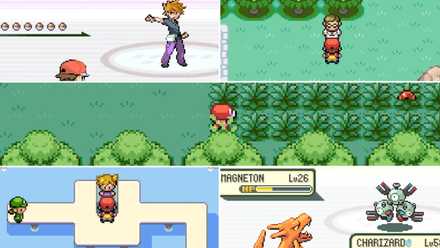
Pokémon FireRed and LeafGreen quietly carried over enhancements to the level of information available to players at a glance, making it much easier to understand what was going on in battles. Most items included clear explanations of what they actually did in and out of battle, and moves displayed power, accuracy, PP, and descriptive text.
 Related
Pokémon summaries actually told you what Abilities did — sort of — alongside other important information. This meant you didn't have to constantly check strategy guides or memorize mechanics: you could just play the game and check whenever you forgot something. This kind of information-led approach is much more common in games today, but it was a welcome change at the time.
4 The Sevii Islands
An All-New, To This Day Unique, Kanto Experience

The original Pokémon games had a very one-and-done feel to their story. You beat the Gyms, stop Team Rocket, fight the Elite Four, and then that's kind of it. You're done. Gen II knocked it out of the park with its inclusion of a Kanto post-game, and the Gen III games continued to provide some sort of post-game.
The Sevii Islands were threaded through Pokémon FireRed and LeafGreen, so it's not wholly a post-game experience. This gives FireRed and LeafGreen a totally unique feel: it expanded the story with new locations, characters, and side-quests that have never appeared in any other game set in Kanto. It provided a space for players to catch additional Pokémon and helped the games feel like something completely fresh and new. To this day, the Sevii Islands make FireRed and LeafGreen feel novel, as thousands of new players have discovered with the rerelease for the Switch.
3 Updated Sprites, Overworld Environmental Animations, and Battle Animations
Fresh, Fun, and Timeless Visuals
 pokemon-firered-in-game-screenshot-2.jpg
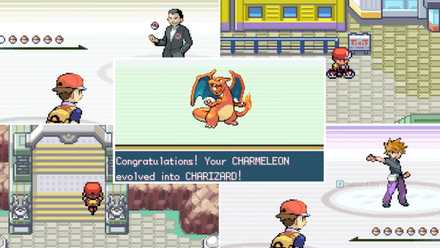
FireRed and LeafGreen featured redrawn sprites for Pokémon, trainer classes, and the overworld. With richer colors, more details, and animations, even today these feel surprisingly modern. Timeless, almost, which is a big part of the draw of 2D pixel art.
 Related
Animated water, reflections, and overworld effects made Gen III's Kanto feel much more alive than the more limited technology could ever allow for the originals, and battles were much more dynamic thanks to better attack animations. The charming, simple, and vibrant art style makes the games feel visually timeless; unlike the early 2D or early 3D entries, FireRed and LeafGreen strike a balance between classic and fresh that's aged extremely well.
2 Recaps
No Need to Wonder What You Were Doing

Every save file loaded in with a summary of what you did last time you played. While this doesn't feel revolutionary, it's something that many modern Pokémon games lack in such an accessible format, and it was definitely useful at the time — especially since I originally played FireRed and LeafGreen as a kid during their original release.
You could just jump right back in without worrying about where to go next or what you were doing, because the game told you! Many modern RPGs don't have this mechanic, much to players' frustration, so this is one area where Pokémon FireRed and LeafGreen excelled. It's a surprisingly modern, player-friendly innovation that was a pleasant change for the series.
1 Gen III Battle Mechanics
Fixed Bugs, Updated Mechanics, and Much More Fun

Kanto from the original Red, Blue, and Green could be a little frustrating when it comes to battling. Although it's from before the Physical/Special split, FireRed and LeafGreen feel surprisingly modern because they fix some of the biggest bugs, frustrations, and weird moments from the originals.
The addition of Dark and Steel type helped to balance Psychic, while the Ghost-type bugs were fixed so that the type functioned correctly. The addition of Abilities, Natures, Held Items, and Gen III move effects made familiar Kanto Pokémon feel fresh... although the lack of a National Pokédex until the post-game was super frustrating if you were training a Golbat!
 Next
Next
10 Pokémon FireRed & LeafGreen Features That Made the Remakes Feel Like a Huge Upgrade
Pokémon Red & Blue are all-time classics, but their remakes, Pokémon FireRed & LeafGreen, are way better, especially in a few specific ways.

Released September 7, 2004
ESRB Everyone 10+ / Mild Fantasy Violence, Simulated Gambling




![ELDEN RING NIGHTREIGN: Deluxe Edition [FitGirl Repack]](https://i5.imageban.ru/out/2025/05/30/c2e3dcd3fc13fa43f3e4306eeea33a6f.jpg)
 English (US) ·