.png)
.png) 2 months ago
59
2 months ago
59


Published May 16, 2026, 6:30 PM EDT
Murillo Zerbinatto is an Editor at DualShockers specializing in JRPGs, RPGs, reviews, guides, and lists. He has been writing professionally since 2018 and covering games since 2020, with previous work published at Xfire, RPGInformer, IndieGameCulture, and GameRant.
A longtime JRPG enthusiast, Murillo has played more than 250 JRPGs and earned over 100 platinum trophies, giving him deep hands-on experience with the genre’s progression systems, side content, collectibles, and completionist challenges. His coverage often focuses on franchises such as Final Fantasy, Dragon Quest, Trails, Tales of, and Star Ocean.
Sign in to your DualShockers account
It is undeniable that, looking at the history of the gaming industry, the PS1 was a milestone for JRPGs. Not only did many developers start releasing their own titles in the genre or doubling down on them, but it was also the birthplace of Final Fantasy VII, which was a watershed moment that expanded JRPGs worldwide and put them on the map.
If you throw a stone at the PS1 JRPG catalog, you're more likely to hit a good game than a forgettable one, which doesn't mean there aren't some rather lousy titles out there. Since everyone nowadays suffers from a chronically massive backlog, I've listed a few PS1 JRPGs here that you should definitely avoid, whether because they are too difficult, overly complex, or just plain sloppy.
 Related
10 PS1 JRPGs Still Trapped on Original Hardware
Some are in dire need of a port, I would say, simply because I want to replay them.
That doesn't mean you can't play them! After all, I'm not the boss of anyone. But take my word for it. Sometimes it's better to wait for a potential remaster or port that brings quality-of-life improvements to games from the last century, or to focus on a more reliable experience rather than sink over 50 hours into sketchy JRPGs.
10 The Granstream Saga
Too Shabby
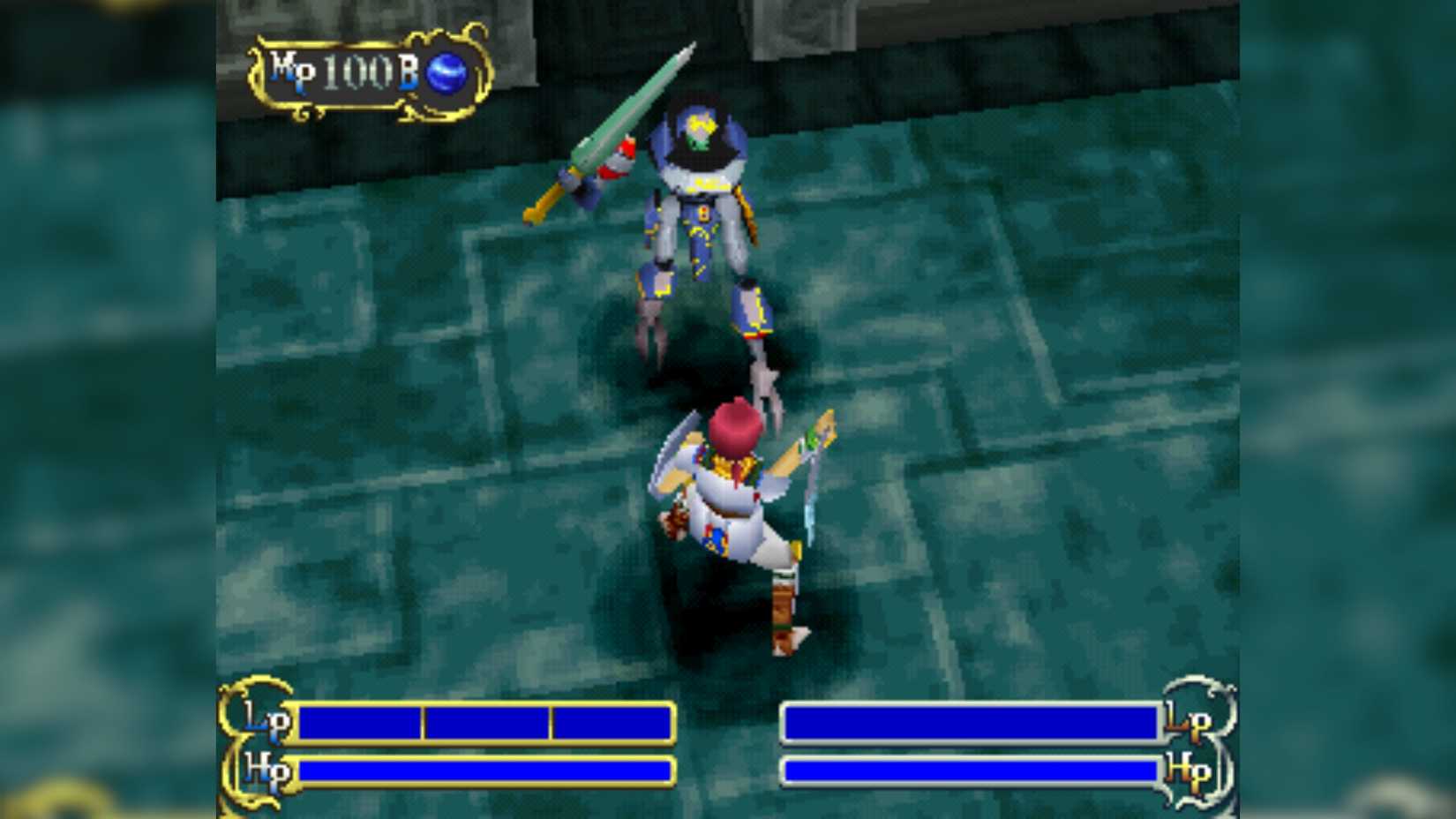
I recently replayed Illusion of Gaia and Terranigma and remembered how precious those SNES hidden gems are. Plot aside, the gameplay was seamless and so good, showing that Quintet was absolutely nailing it. Then came the generational jump, and the developer produced The Granstream Saga, a sort of spiritual successor to what is informally known as the Quintet Trilogy.
The polygonal graphics of The Granstream Saga give the impression that it was "charming for its time," though it doesn't feel that way, especially given our literally faceless protagonist. The combat, which often involves 1v1 duels, seems to have good ideas on paper, but the execution is clunky, locking our hero into a Z-targeting-like system that never engages and just drags on. The Granstream Saga is one of the most obscure JRPGs on the PS1, and the reason is solely the game's lack of quality.
9 Digimon World 3
Digi-devolution
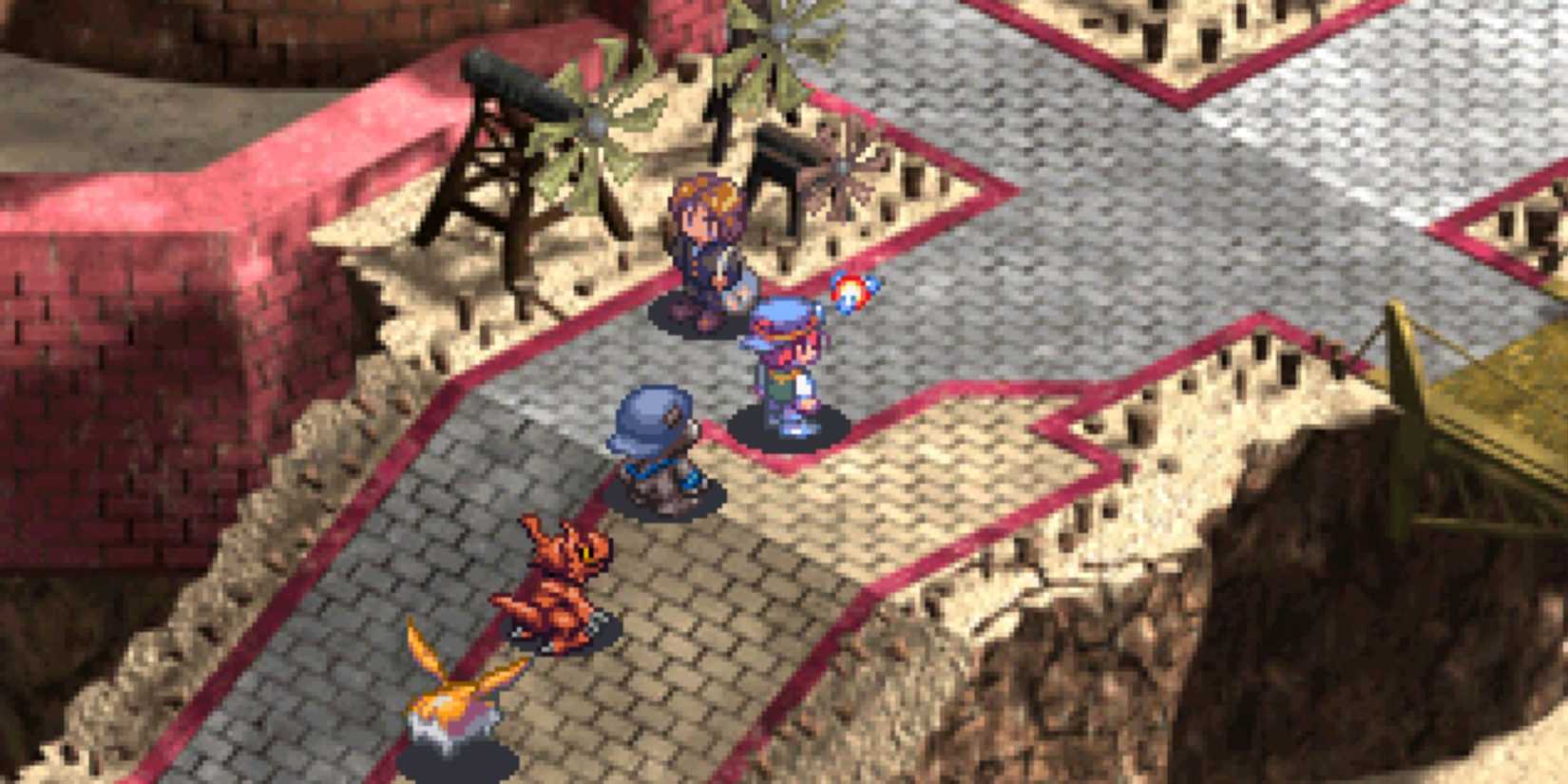
I was never much into watching Pokémon, but when Digimon debuted, I was hooked. It didn't take long for me to venture into the games, starting with Digimon World, confused as to why all my virtual pets were turning into Numemon, and later navigating the grids of Digimon World 2, happy to perform DNA digivolutions. However, while Digimon World 3 captivated me with its graphics and more streamlined combat (compared to its predecessors), nothing else won me over.
The biggest offender in Digimon World 3 for me is the unnecessary backtracking. There is so much—and I mean SO MUCH—backtracking that you would think it was a way to justify natural progression and unlock more digivolutions, right? You're not wrong, but it's so grindy and takes forever that the fun of discovering a new digivolution gets lost along the way. Well, everyone fumbles now and then, Bandai, don't sweat it! And then they released Digimon World 4.
8 Brigandine: The Legend of Forsena
Play Runersia Instead
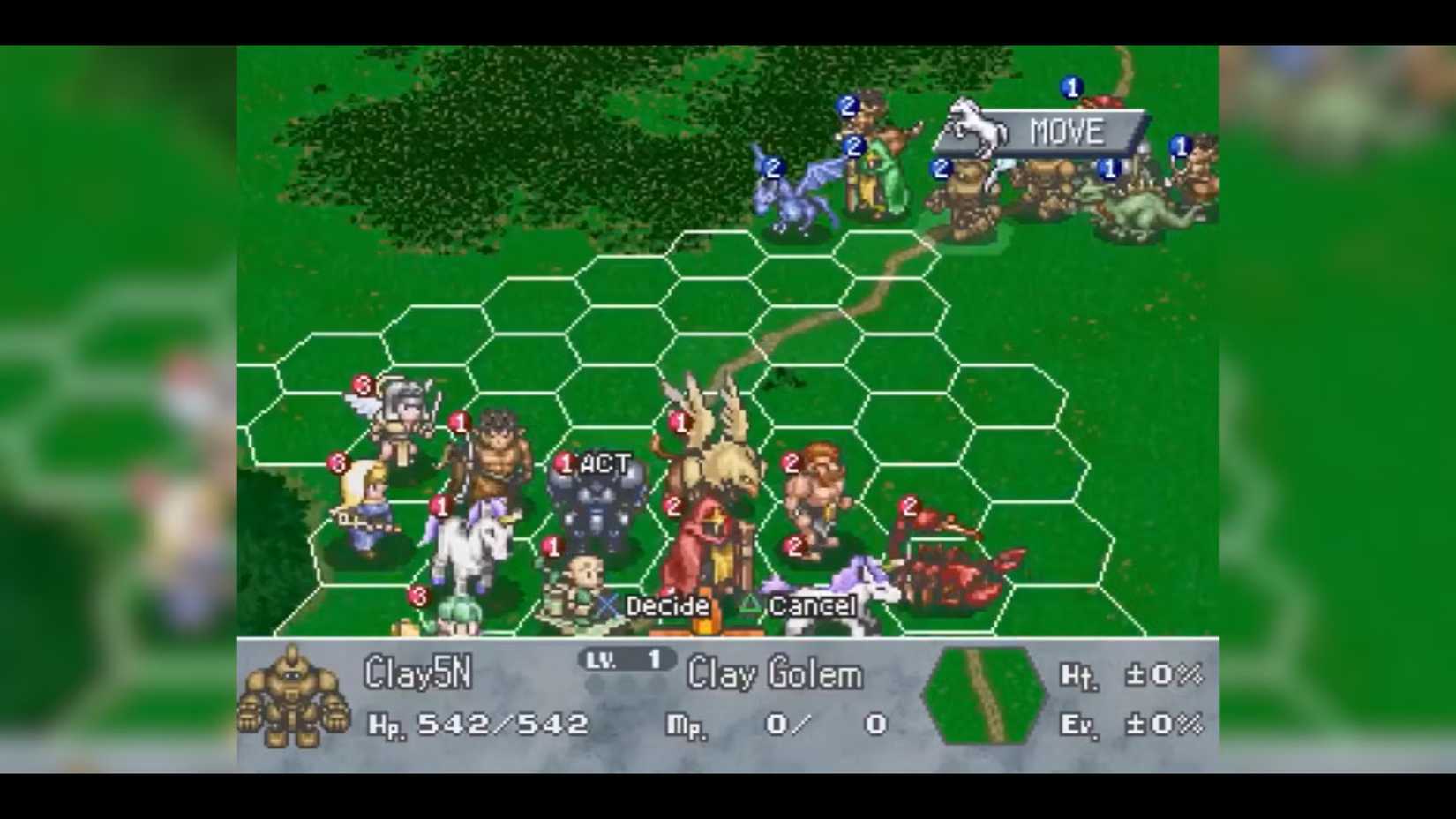
Brigandine: The Legend of Forsena
I stumbled upon Brigandine in an extremely sketchy, hole-in-the-wall rental shop in my city about 25 years ago, and look, despite being a bit clunky and perhaps rather ugly, it was charming and featured a highly engaging strategy system. After Brigandine Abyss was announced, I was tempted to revisit the game, but instead of the classic, I jumped straight into Runersia.
That's when I realized that Brigandine: The Legend of Runersia is practically a remake of Forsena, even going so far as to simulate the faction leaders. So, to make a long story short (and I know this might sound like a stretch), my argument is that if you want to try out Brigandine, there's no reason to play the first one set in Forsena. You're better off going straight to Runersia, which is essentially the same game, just revamped for modern audiences.
7 Hoshigami: Ruining Blue Earth
Tactical Sadism
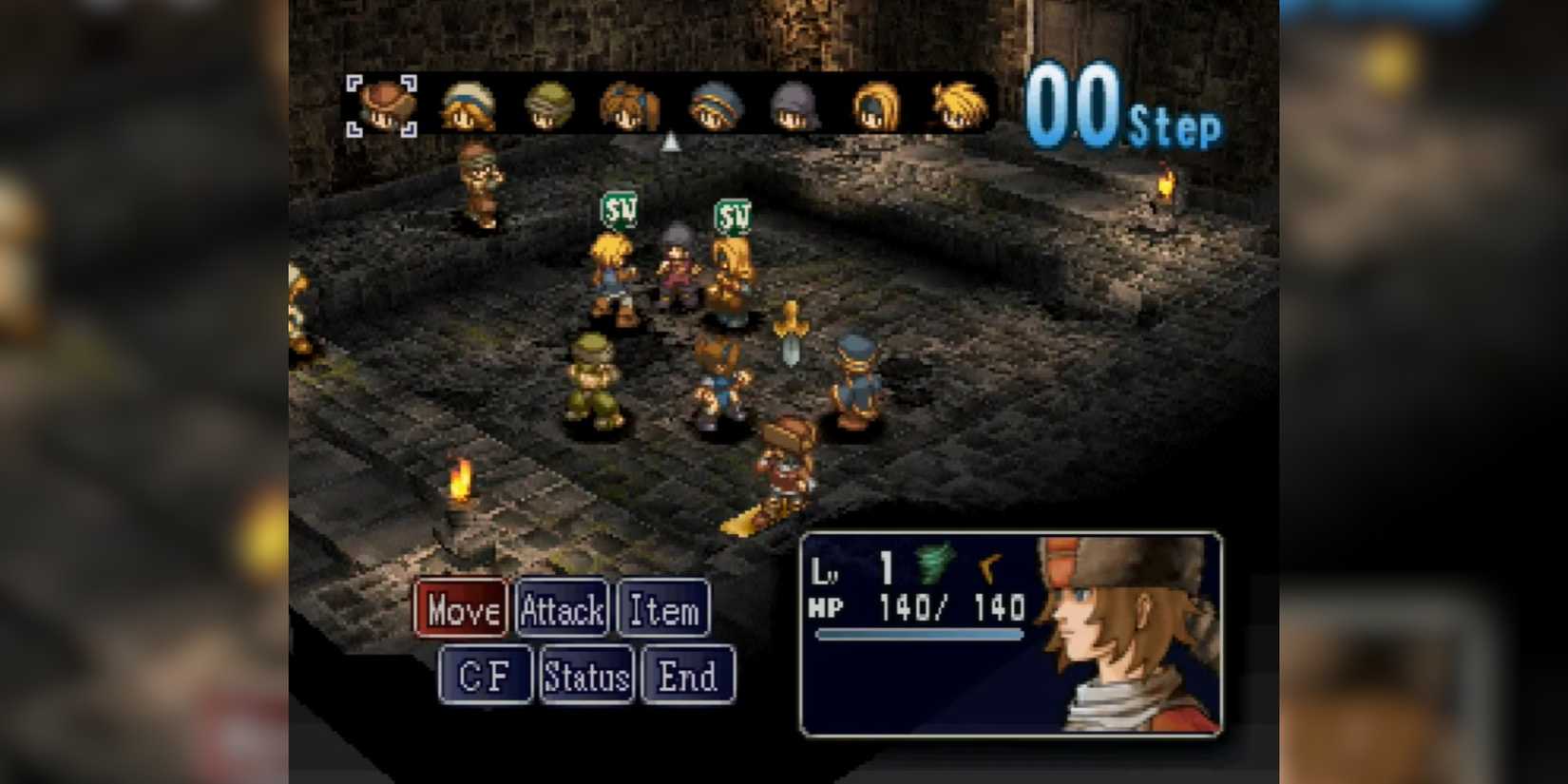
Hoshigami: Ruining Blue Earth
Hoshigami, Kartia, Eternal Eyes, Saiyuki: Journey West, these are all good, solid tactical JRPGs on the PS1, but if you play them back-to-back, it will feel like you're essentially getting the exact same gameplay experience. Story-wise and thematically, they are worlds apart, but from a technical standpoint, there were so many tactical JRPGs back then that only a handful actually thrived.
You can play them all, mind you. However, I'd still refrain from Hoshigami: Ruining Blue Earth. It's not exactly a bad game, especially given its plot and the gorgeous graphics for the time, but it misses the mark in gameplay. Strategy is the lifeblood of tactical JRPGs, but that doesn't mean cramming in more convoluted systems and mechanics is the solution.
To top it all off, at the end of the day, you'd still need to grind far too much in Hoshigami, only to watch a character die in battle, lose them to permadeath, and have to start from scratch, leveling another from level 1. Tactical JRPG aficionados might play Hoshigami just to see what it has to offer, but casual players are better off playing any other game in the subgenre instead of investing time in this subpar experience.
6 Torneko: The Last Hope
More Like The Last Straw
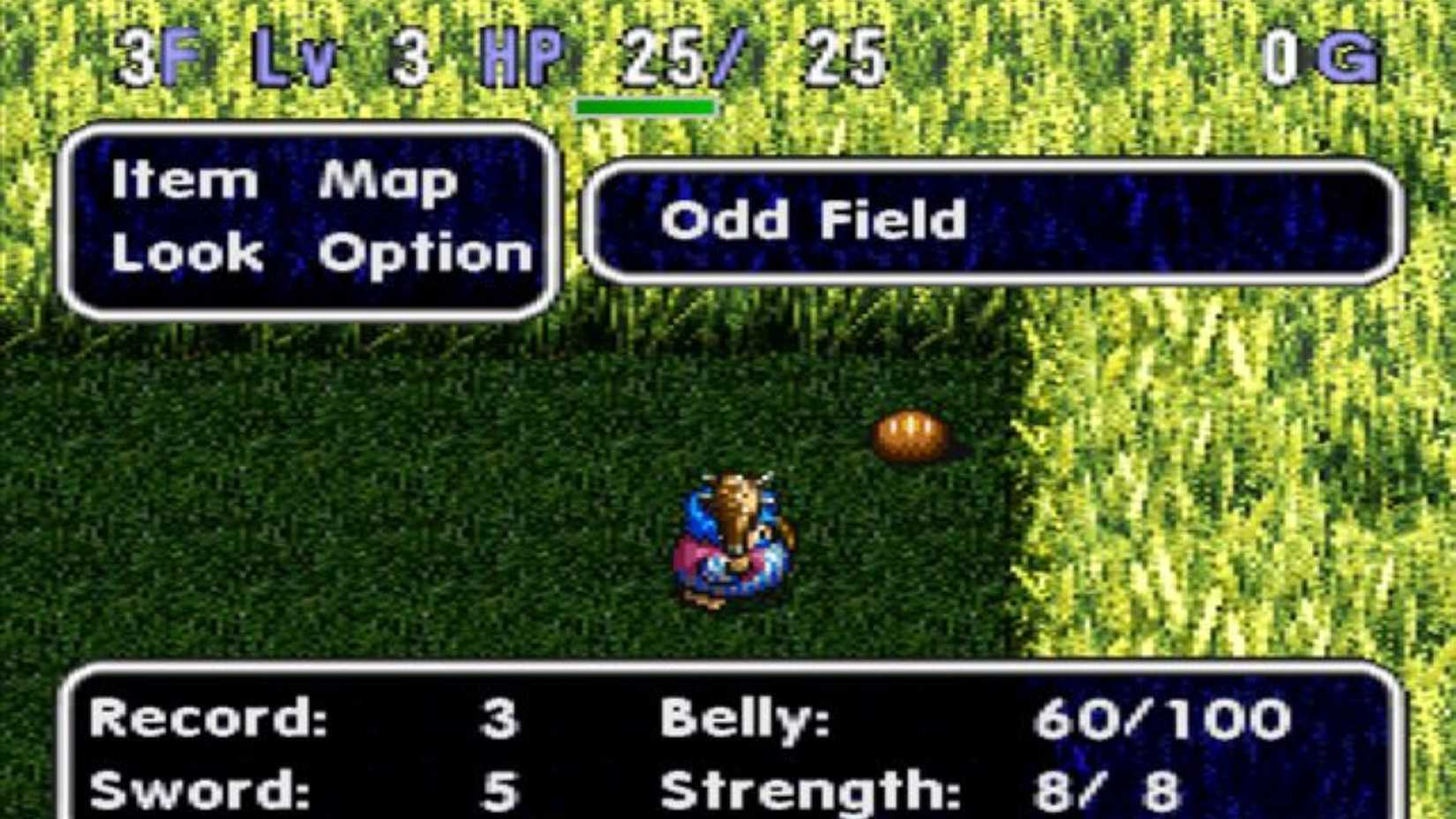
World of Dragon Warrior: Torneko - The Last Hope
You've just finished Dragon Quest IV, and you didn't get enough of the world and Solo, Alena, Maya, Meena, Ragnar, and… Torneko? I mean, being a merchant who just wants to thrive in his business is certainly more relatable than any other character, but it still seems like an odd choice for a spin-off. Yet, that's exactly what you're getting with Torneko: The Last Hope.
With Chunsoft at the helm, you already know to expect a Mystery Dungeon game, a subseries of roguelikes that, coincidentally, started out with a Torneko game, Torneko's Great Adventure. And while the series' pioneering title was successful, the same cannot be said of its sequel.
Torneko: The Last Hope follows the classic Mystery Dungeon style, where you navigate grids in dungeons, enemies only move when you act, and much of your progress is reset as soon as you leave the dungeon until you make certain permanent upgrades. While the game sold well and was acclaimed in Japan because, well, Dragon Quest, Western audiences were a bit harsher. Aside from the soundtrack and a few parts of the script, there isn't much in Torneko's dungeon crawling to save the game. If you ask me, you'd be much better off playing Chocobo's Dungeon on the PS1 instead.
 Related
5 Guardian's Crusade
The Story of the Knight, Knight
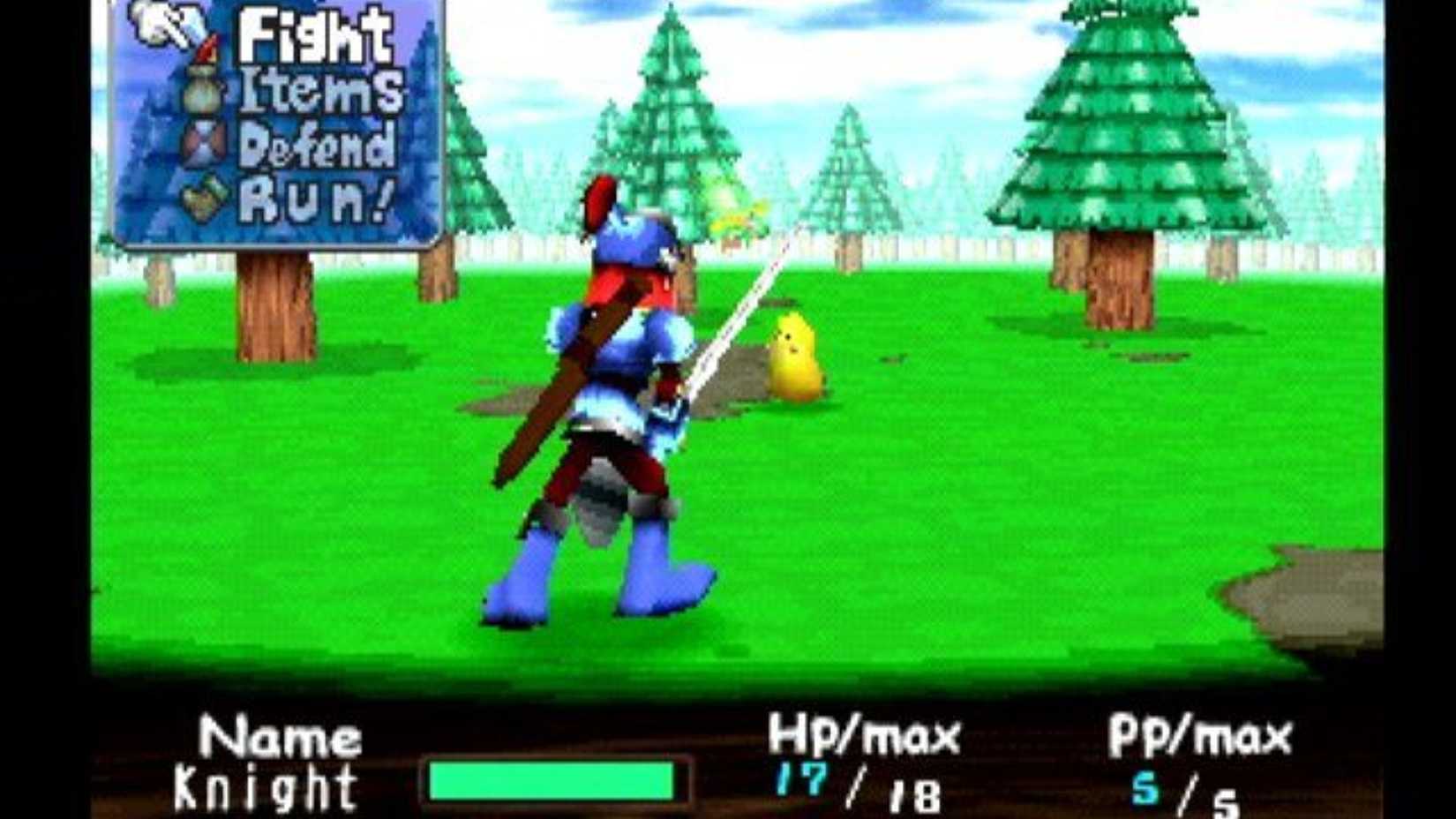
Guardian's Crusade presents itself as a very cozy, cute JRPG, though it is incredibly easy, features a predictable story, and eventually becomes quite tedious. It revolves around a hero named Knight on a journey to bring Baby back to its mother, so he can fulfill his destiny to save the world. Who came up with these highly creative names? Amazing stuff.
The biggest standout feature of Guardian's Crusade for its time was the lack of random encounters. Furthermore, if you were at a high level, enemies would actually run away from you, a mechanic seen in EarthBound. The protagonist, Knight, can find Living Toys that join the party, each with their own specialty. But other than that, it's just a generic game that won't bring anything new to anyone who already has a couple of JRPGs under their belt.
4 Vagrant Story
Perfectly Complex
 YouTube via Metal Gamer Suneku / Square / Square Enix
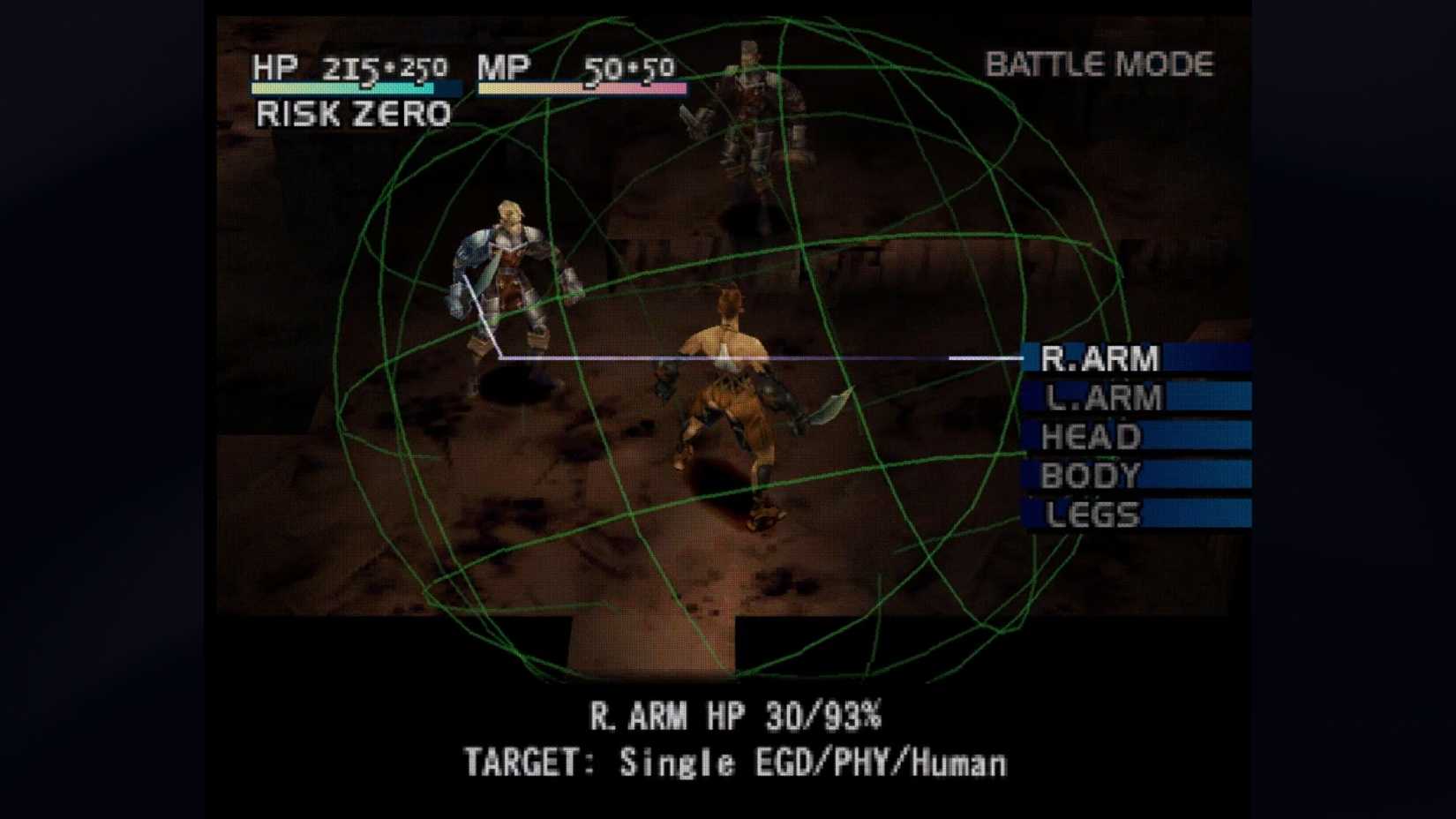
I can feel your laser eyes trying to burn a hole through me right now, and I get it, Vagrant Story is a hella good game. However, I'm not telling players to avoid it because of the game's quality, but rather because of its sheer complexity, especially given that it's an old-fashioned title by today's standards and nobody has the patience to read a manual anymore.
Vagrant Story boasts a fantastic plot taking place in Ivalice, the same setting as Final Fantasy Tactics and Final Fantasy XII. But back then, what scared players off was its gameplay. At first glance, it seemed that hitting timed inputs and chaining one attack after another was the formula for success. After all, it's harder to miss an input than to hit it, so I would just chain attack after attack.
But in the long run, that approach was detrimental because it raised your Risk gauge. The higher your Risk, the lower Ashley's chances of dodging, the more damage he sustained, and the harder it became to hit an enemy, meaning it's actually bad news to be too aggressive. Don't even get me started on those situations where I was only dealing 1 point of damage on a boss because, back then, I never figured out that I needed to craft a weapon that had an affinity advantage against that specific enemy type. This is certainly not a game advisable for newcomers.
3 Blaze & Blade: Eternal Quest
Great First 30 Minutes

Blaze & Blade: Eternal Quest
For me, what appeals most in a JRPG is its narrative, its story, the world-building, and the characters. However, I recognize that the most important element of a game is its gameplay. Otherwise, it wouldn't be called a game. So, I have no problem with a JRPG that focuses entirely on its interactive systems rather than spinning an elaborate yarn.
Blaze & Blade: Eternal Quest feels exactly like that. It doesn't waste any time trying to convince you it has an interesting plot, as it drops us straight into the action after we build a team of characters with various classes and races. Yet, if a game is going to double down on its gameplay, it had better go all-in because it has nowhere else to hide!
Unfortunately, Blaze & Blade: Eternal Quest didn't play its cards right, delivering a lukewarm experience. It's neat to assemble a party with distinct classes and gradually learn new skills, but the combat gets repetitive way too fast and goes stale, bringing nothing fresh to the table.
2 Beyond the Beyond
When You Stare into the Beyond, It Shows Depression

|
Camelot |
|
Sony |
|
September 11, 1996 |
Beyond the Beyond is an oddity because it was developed by Camelot at a time when they already had experience with major titles, such as Shining in the Darkness and the first two Shining Force games. So, it stands to reason that the developer could bring a simple yet endearing game to the PS1.
Simple it was, but endearing it wasn't. Beyond the Beyond has all the staples, including turn-based battles and basic level-up progression that teaches new skills at certain thresholds. The problem is that the encounter rate is alarmingly high, and even though the JRPG offers a sort of timed input system (which often doesn't even work), it doesn't make the battles fun and fails to justify so many random encounters.
Pair that with a rather unfair system that doesn't grant many healing spells and items, and you will find yourself constantly having to backtrack to town, risking even more encounters during the back-and-forth trip. This leaves you completely bored out of your mind before you even get to face the Warlocks of the Underworld.
1 Monster Seed
Monstrous Experience

Monster Seed is a game about seeding monsters. Wait, that didn't come out right. But it's still technically true, so there's that. Once you fire it up, you'll learn what it feels like to take a beating, because that's exactly what happens to our protagonist in the first minutes. Then, he starts working in a village to earn some money and make a living, and in the process, learns he is a Ruler, someone who can rule monsters.
Using seeds (told you) and some bizarre concoctions, we can hatch new monsters and have them fight in grid-based combat. It's akin to tactical JRPGs, but not quite. Monster Seed is so unpolished that it's hard to ever get into the groove of it. Pair that with a rough translation and, oof, you're better off just avoiding it entirely. Monsters literally have a command called Suicide. Why?
 Next
Next
10 Most Obscure PS1 JRPGs
If you know five or more titles from this list, I've failed my mission.




![ELDEN RING NIGHTREIGN: Deluxe Edition [FitGirl Repack]](https://i5.imageban.ru/out/2025/05/30/c2e3dcd3fc13fa43f3e4306eeea33a6f.jpg)
 English (US) ·