.png)
.png) 2 weeks ago
11
2 weeks ago
11

Published Jul 7, 2026, 2:30 PM EDT
Ewan is an experienced gamer with more than two decades of gaming under his belt, across consoles, handhelds, and PC. He's written for a variety of digital publications, including DualShockers, GameRant, The Mary Sue, and We Got This Covered.
Square Enix's Final Fantasy X was a landmark game in the franchise, and for good reasons. It's packed full of unforgettable moments, a dazzling array of memorable NPCs, and insanely fun gameplay. As the tenth game in a long-running franchise complete with spin-offs and even some movies, Final Fantasy X had big shoes to fill.
 Related
Best Order To Play All Mainline Final Fantasy Games
The time has come to discover the franchise of the crystals.
Fortunately for us all, Final Fantasy X more than filled them. This entry stands out as one of the best Final Fantasy games of all time, precisely because it wasn't afraid to tackle hard questions and explore new areas. Its bold choices, engaging gameplay, and great storytelling make it one of the most unique JRPGs ever made.
10 Blitzball: A Game Within a Game
Why Fight Sin When You Can Win the League?

FFX's Blitzball minigame has to go down in history as one of the minigames of all time. Sure, it's a little dated these days, but it's not just a minigame: it's an entire game inside a game. It's a sports game and a team management game all-in-one, with excellent rewards that carry over to the main game.
It features its own reward system, progression, player recruitment, team management, and character development. Most RPG minigames are small distractions at best, but Blitzball could be a game of its own! The depth of this minigame also helps to cement Blitzball as a key part of Spira for us players, since we can get just as Blitzball-crazy as every Spiran. I've played far too many games of Blitzball in my time not to put Blitzball here, but it helps that it's a rock-solid addition to FFX that makes the game stand out even today.
9 Playable Summons
Summons are Characters, Not Just Animations
 Final Fantasy Wiki
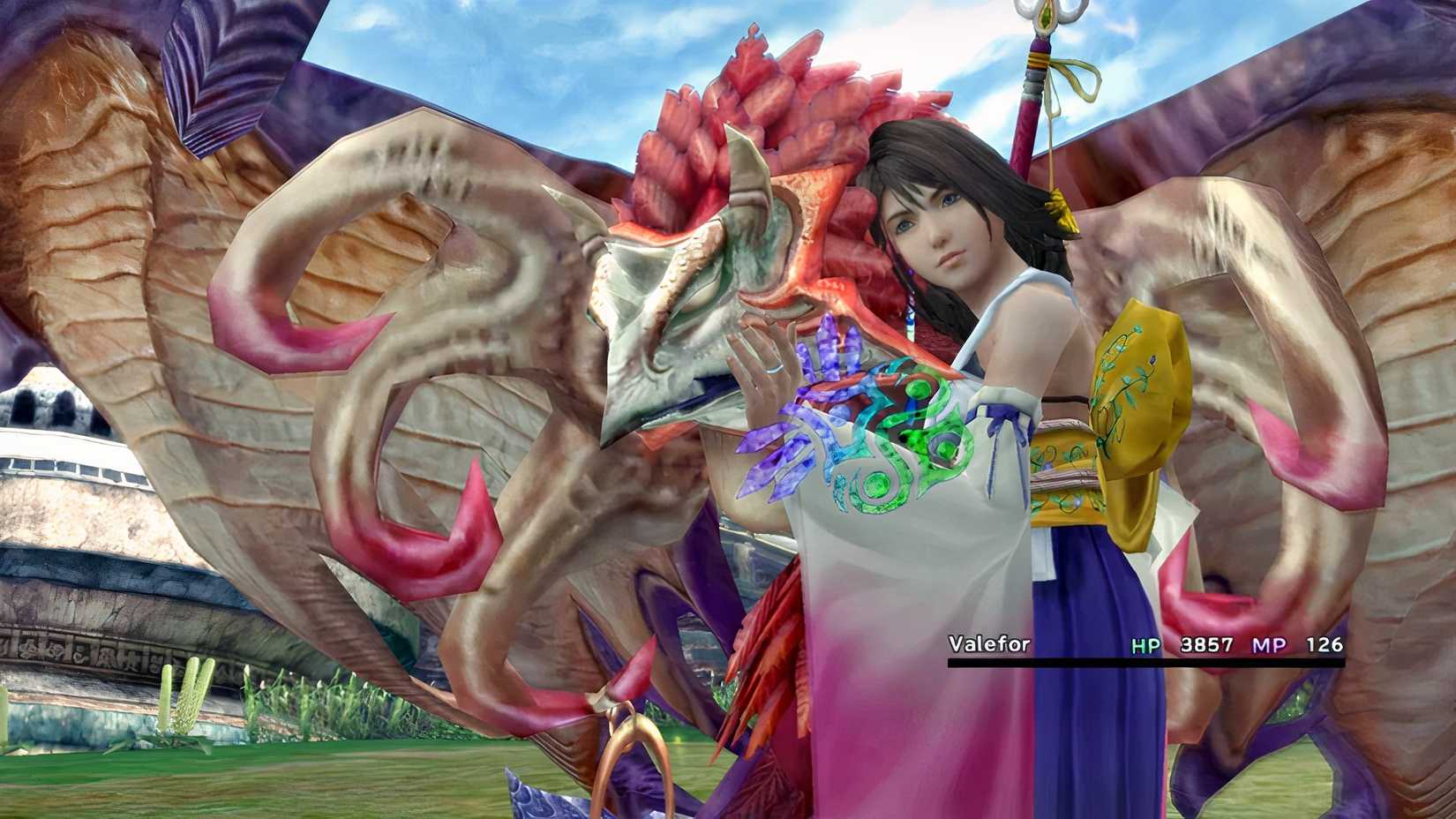
The Final Fantasy franchise has always included summons, but FFX turned them from an extended attack animation with an attached FMV and into actual characters. In FFX, you directly control your Aeons. You can teach them attacks, improve their stats, and learn abilities. You can even give them names if you want!
This helps accentuate their deep role in the story, since the Aeons are more than just set dressing. In FFX, they're core characters players don't realize are as important as they are until right at the end. Instead of being weapons or tools, they're more like party members. Here, FFX uses game mechanics to support story beats and wider themes, integrating story and gameplay in a way many games never manage.
8 In-Battle Character Swapping
Teamwork Makes the Dream Work
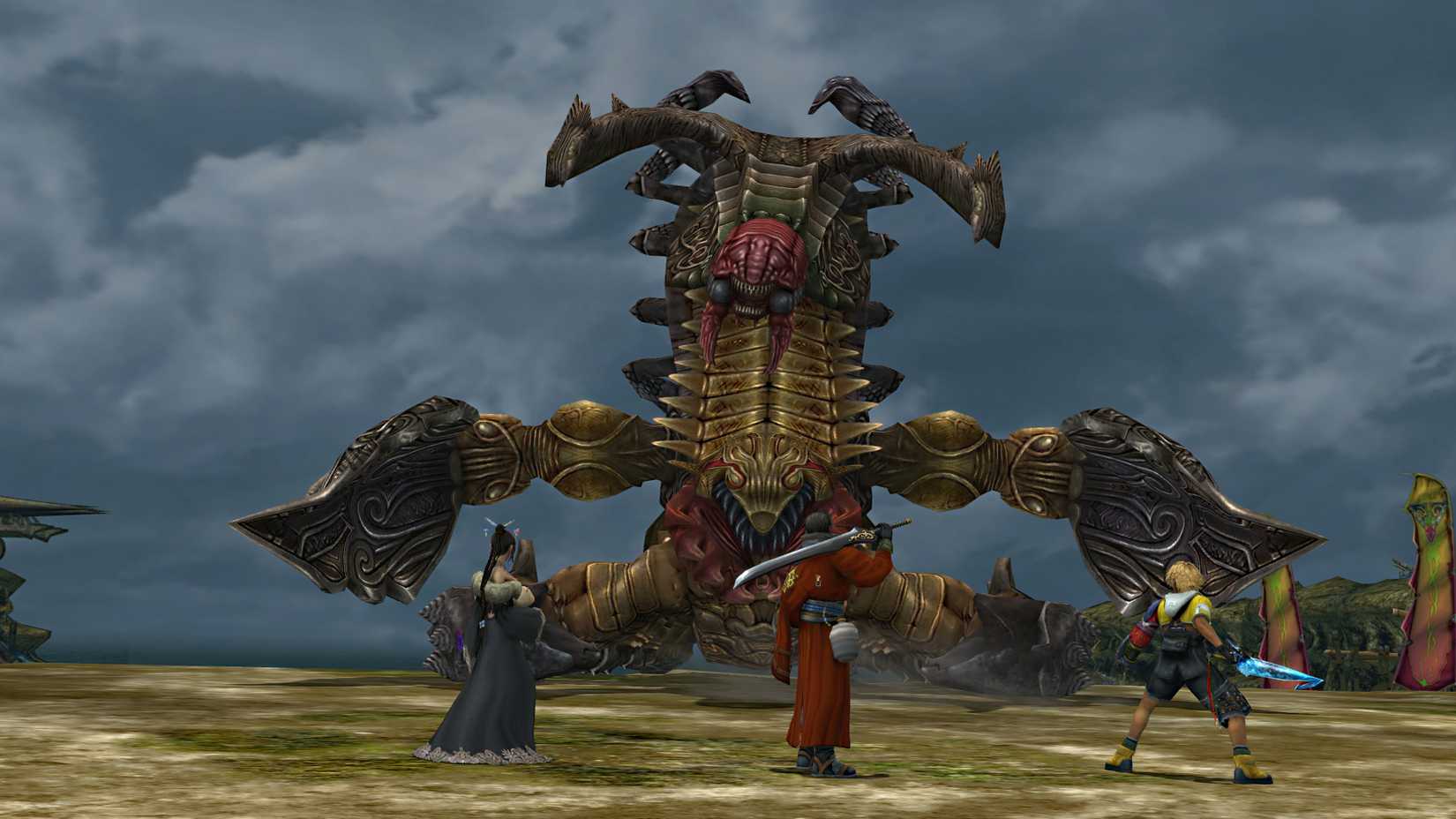
A major issue in previous entries in the franchise was some characters never getting any playtime. FFX switched up the model by allowing us to swap in party members during the battle. This made leveling everyone up much easier, since you could make sure everyone fought in important battles, but it's also a big practical change, too.
It lets you pick the right character for the job without getting stuck in a fight you have no hope of winning because you left the right characters on the bench. It makes the characters feel like a real team working together. More than that, this is another example of FFX using game mechanics to support the overall themes: just like the battle against Sin, everyone contributes something useful. It's a team effort.
7 The Sphere Grid
The Right Balance of Freedom and Identity
 Final Fantasy Wiki
The Sphere Grid was a fantastic way of enforcing a little "class identity" without sacrificing player freedom. It enabled players to choose upgrades for each character, and although during the early game they were restricted to recognizable roles — Yuna heals, Lulu has Black Magic, Tidus is a swift attacker — this opens up in the later game.
And if you had the PAL version or played the remaster, you could use the Expert Sphere Grid, which offers much greater flexibility for players, even from the start. The Sphere Grid strikes the right balance between freedom and character identity, making it stand out among other JRPGs with a more restrictive design philosophy.
6 FFX Bridged Classic and Modern JRPGs
Classic and Modern at the Same Time

FFX released at the perfect time to bridge more classic JRPGs with the modern JRPGs that followed. It had classic JRPG standards like turn based combat, traditional menus and abilities, and character-driven stories, but it also embraced modern technology and approaches.
I was amazed coming from Final Fantasy IX as a kid to find that it was fully voice acted with cinematic scenes and proper facial animations (even if they look a bit goofy nowadays). The time of its release and the fact that it blended aspects of classic and more modern design means FFX feels like both the last classic Final Fantasy and the first modern one.
5 The Linear Structure
Gameplay and Narrative Working Together

Many gamers dislike linear games these days, but FFX's linear structure wasn't a simple gameplay choice. Although there were definitely design constraints thanks to being a 3D game on a new console, the linear structure also enhances and supports the themes in the story. Whether that's intentional or not is impossible to say, but the linearity of the game echoes the linearity of the pilgrimage itself.
It's a preordained journey that can only end in one way, and the game literally follows the pilgrimage step by step. The feeling of inevitability is the point. In FFX, players only get some flexibility in what to do during the endgame, after the party rips up the traditional script and throws off the shackles of tradition, which is kind of the whole point of the game. Game mechanics and structure combine to support each other in a way that makes FFX feel unique.
4 Spira Is Already Doomed
If Victory is Temporary, Other Questions Matter
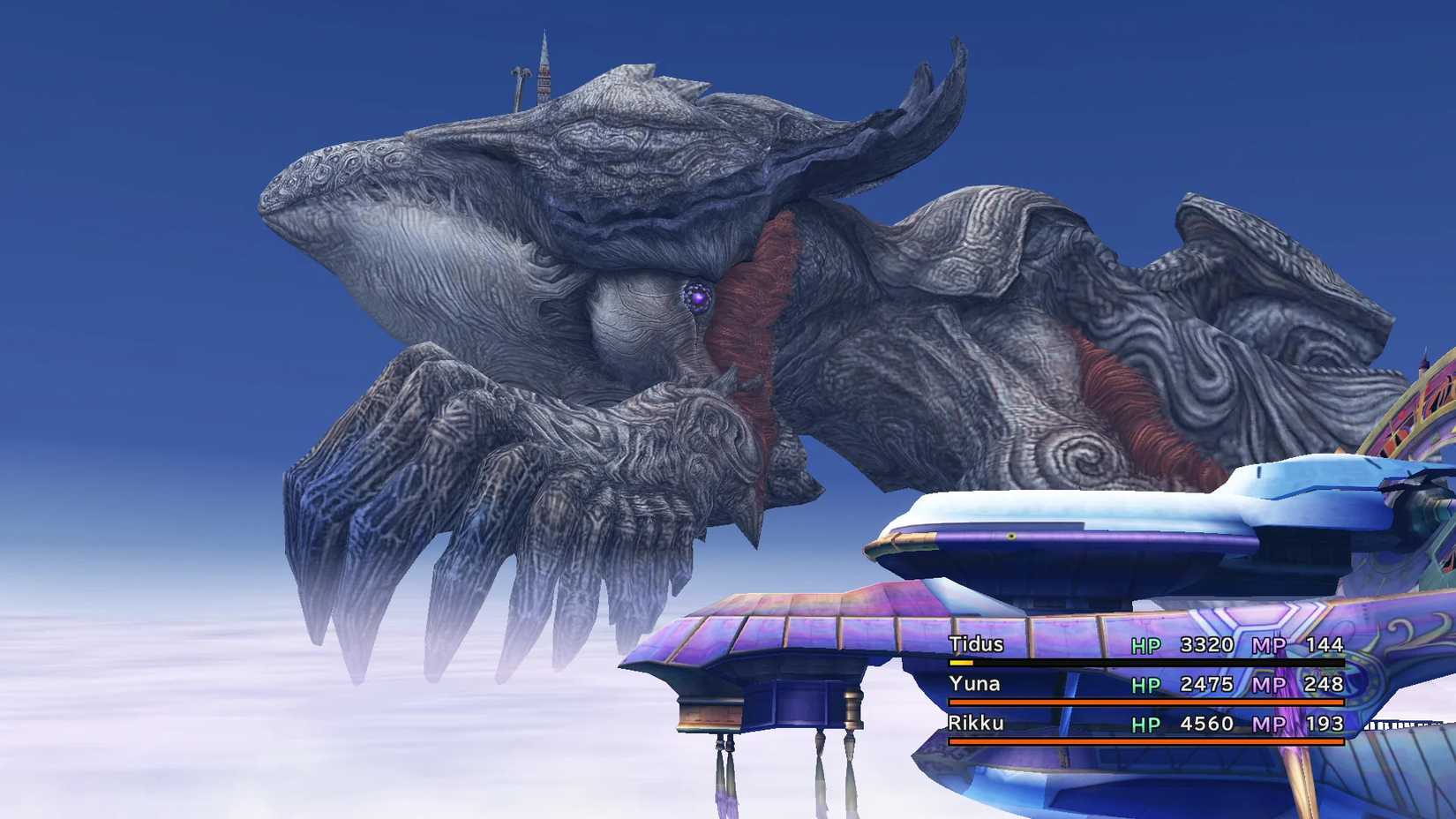
You're not really setting out to save Spira when you play FFX, at least, not intentionally. Every character except for Tidus knows and accepts the Calm will be temporary. Spira is a world locked in cycles of death and sacrifice, after all, and everyone already knows Sin will come back.
 Related
Every Mainline Final Fantasy, Ranked By Story
If you've ever concerned yourself with the best Final Fantasy stories from the games, I encourage you to look at our ranking of the mainline series.
This means FFX can ask much more interesting questions than "Can we beat Sin?" and instead, focus on deeper explorations of duty, sacrifice, love, and persistence in a doomed world. FFX is an emotionally complex game with a lot of different things going on, making it stand out in a sea of competitors even today.
3 Strong Religious and Cultural Themes
Lore Isn't an Afterthought: It's the Entire Foundation
 Steam
SteamThe world of Spira feels unique because it's deeply rooted inside an actual belief system and cultural structure, rather than one that's been tacked on with a couple of fantastical elements to look nice but provide little actual value. Yevon is deeply embedded into Spiran society, and it's a looming presence throughout the entire game.
Religion affects daily life, and seeps into the culture of the people. This makes the setting feel unique and much more real; it's not a themepark for players to explore, but a world with its own context, traditions, and cultural pillars that look and feel alien to us even though, superficially, they share features with the real world. It's not tacked on after the fact because it's the actual foundation for the game and its story, which gives it its own identity even today.
2 Systems and Cultural Norms as Villains
The Status Quo is the Enemy
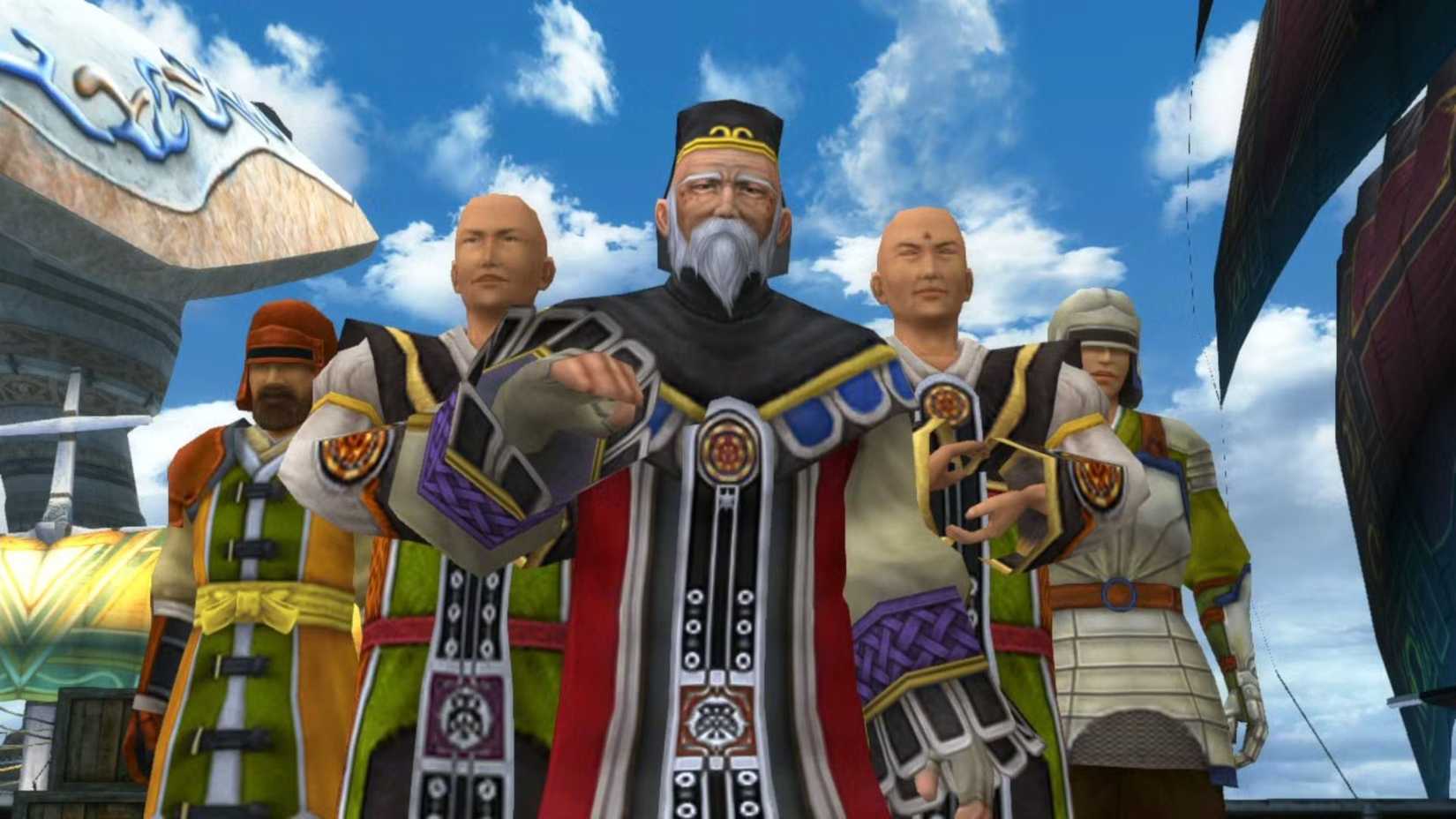
Final Fantasy X is stuffed with actual characters who are varying levels of villainous. You certainly can't forget Seymour Guado, and the Luca Goers are a major obstacle to the Aurochs' Blitzball success. And there's obviously Sin, who is the main "villain" character in the game.
But it's kind of a superficial reading, since the game's themes run much deeper than that. FFX is fundamentally a story about challenging tradition, duty, and sacrifice. Despite fighting individual villains at various points, the party is really fighting against deep-seated societal ills and values at a much more abstract level. This framing makes Final Fantasy X a unique experience.
1 Wasn't Afraid to Ask the Hard Questions
Who am I? Does the Truth Matter? What is Happiness?

FFX is filled with hard moments and deep questions. It's fundamentally a game about the value of tradition, challenging authority, the nature of blind faith, and whether comforting lies are better than painful truths. These are real questions adapted to fit a fantastical world, and they resonate precisely because they're so relatable.
Rooting FFX in fundamental questions over the nature of belief and truth, happiness, and sacrifice means it feels like so much more than a simple RPG where you defeat the big bad evil and move on. It pairs engaging gameplay with stunning visuals to bring players on a philosophical journey where there are no easy answers. Because there are no real answers to the questions it poses, as we grow and experience new things, we can reflect differently on the questions posed. This makes FFX a rare kind of game that can offer something new and unique at multiple stages in our lives.
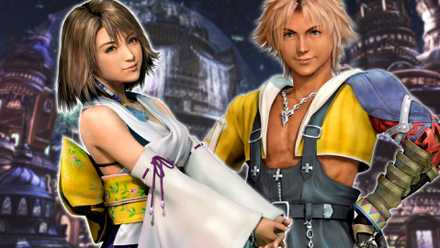 Next
Next
10 Final Fantasy X Details That Players Appreciate Much More as Adults
FFX is a deep story that many of us loved as kids, but there are parts that just hit differently now we're adults
Systems

Released December 17, 2001
ESRB T for Teen: Mild Blood, Mild Suggestive Themes, Violence
Developer(s) Square Enix
Publisher(s) Square Enix





![ELDEN RING NIGHTREIGN: Deluxe Edition [FitGirl Repack]](https://i5.imageban.ru/out/2025/05/30/c2e3dcd3fc13fa43f3e4306eeea33a6f.jpg)
 English (US) ·