.png)
.png) 1 month ago
15
1 month ago
15

Published Jun 13, 2026, 12:30 PM EDT
Shayna Josi is a Contributor at DualShockers who covers RPGs, cozy games, life sims, action games, gamer culture, and PC gaming. She has been writing professionally since 2020 and covering games since 2023, with a focus on features, commentary, storytelling, character writing, and game design.
Before joining DualShockers, Shayna wrote for GameRant as a Features Writer. She has also worked as a copywriter for Nas Academy and as a researcher and assistant writer for a book tied to the Nelson Mandela Children’s Fund. Outside of games journalism, she works as a ghostwriter, copywriter, and editor in the publishing industry. Shayna holds a BA in Film Studies and a BA Honours in English.
There are times when certain games mark a turning point in the industry. They push the video game medium to its limits, bring in new mechanics and features, and essentially raise the standards for everything that comes after. The Witcher 3: Wild Hunt is one of these games for many reasons, and changed what people expected from their open-world RPGs.
 Related
8 Witcher 3 Moments That Prove Exploration Was Always the Game’s Greatest Strength
The Continent is vast and allows you to go almost anywhere. Here are some moments in The Witcher 3 that prove exploring is its greatest strength.
I'm far from alone in the opinion that The Witcher 3 changed RPGs for the better. Because of its attention to detail and uplifting every aspect of the game to make the whole a better experience, it changed what RPGs are capable of, and challenged others to rise with them. Here are just some ways it changed RPGs for the better.
10 Reactive Open-World
The World Changes with Your Choices
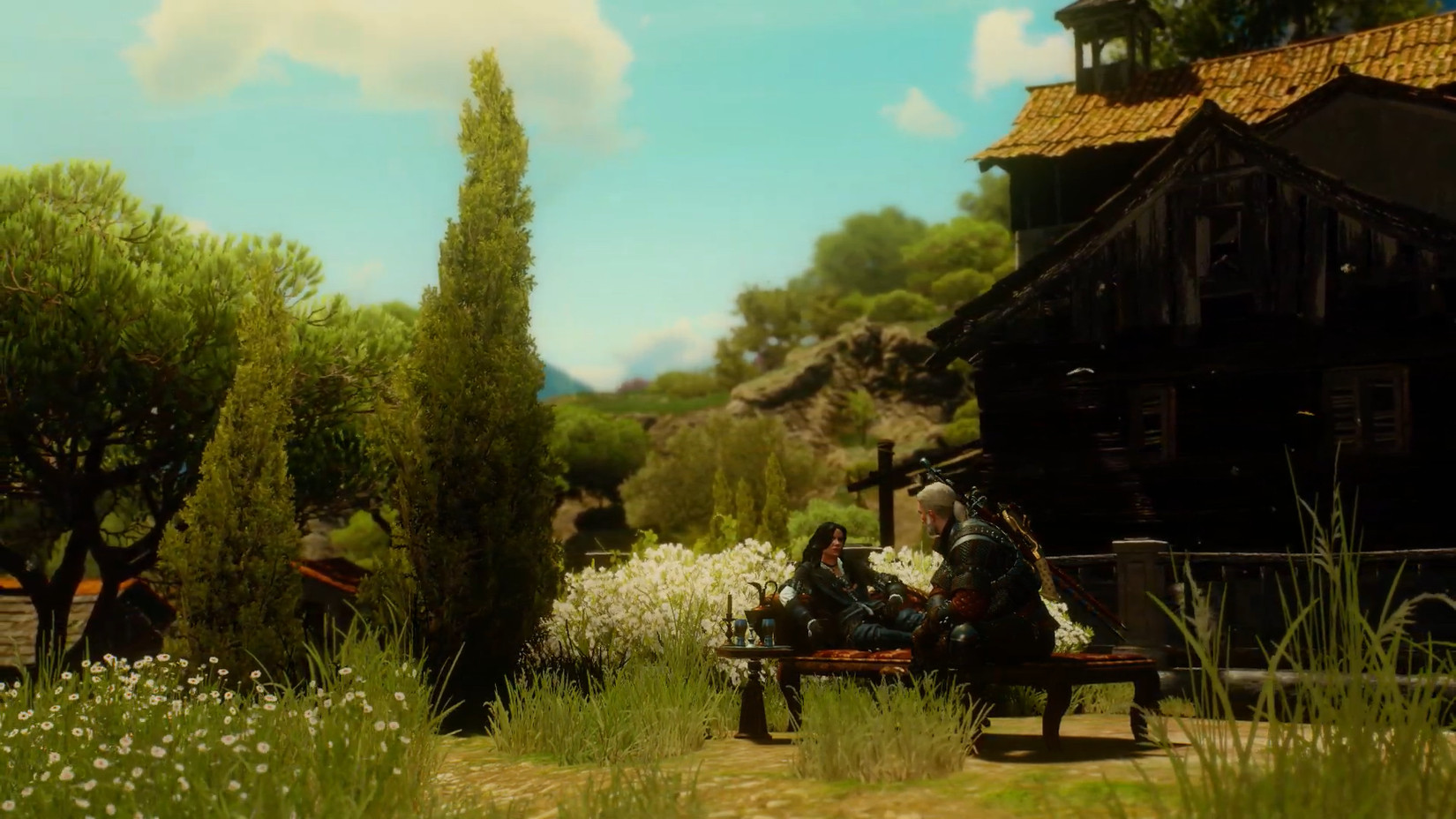
Open-world games became a big trend when The Elder Scrolls V: Skyrim was released, and several other RPGs attempted to replicate its open world with varying levels of success. The Witcher 3 was not only the first one to do so, but it marked a shift in what is expected of open-world games.
The Witcher 3 has a massive open world that actively shifts and responds to your choices. It's one thing to hear NPCs talk about your deeds when you run past, it's another to return to a location and find things have actually changed. Sometimes the NPC in question moves away, sometimes they die, but every time there's a real impact on the world because of you.
9 Side Quests That Feel Like Main Quests
Everything Feels Significant
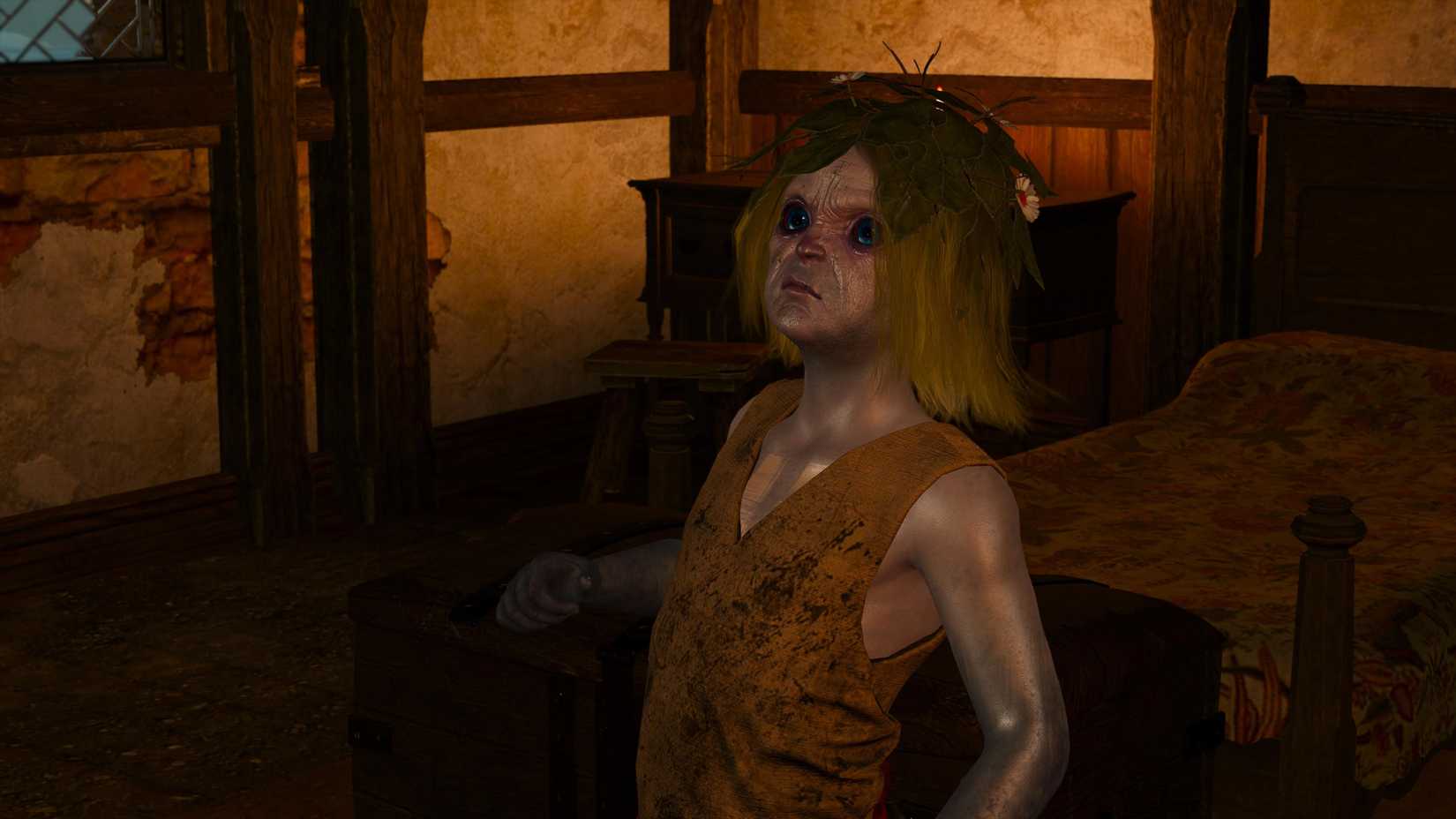
Love it or hate it, side quests take up the bulk of many games' runtime. Because of their sheer volume, side quests are often forgettable at best and a massive waste of time at worst.
The Witcher 3 respects your time by making every side quest feel meaningful. They're designed around compelling storylines, and often end in a twist of some kind that drives home The Witcher 3's themes of morality, loss, and the consequences of living in a harsh world. Rewards should just be a small part of the motivation of doing side quests, and games as a whole are uplifted if its side quests feature good writing.
8 Combat Informs Storytelling
Silver for Monsters, Steel for Humans
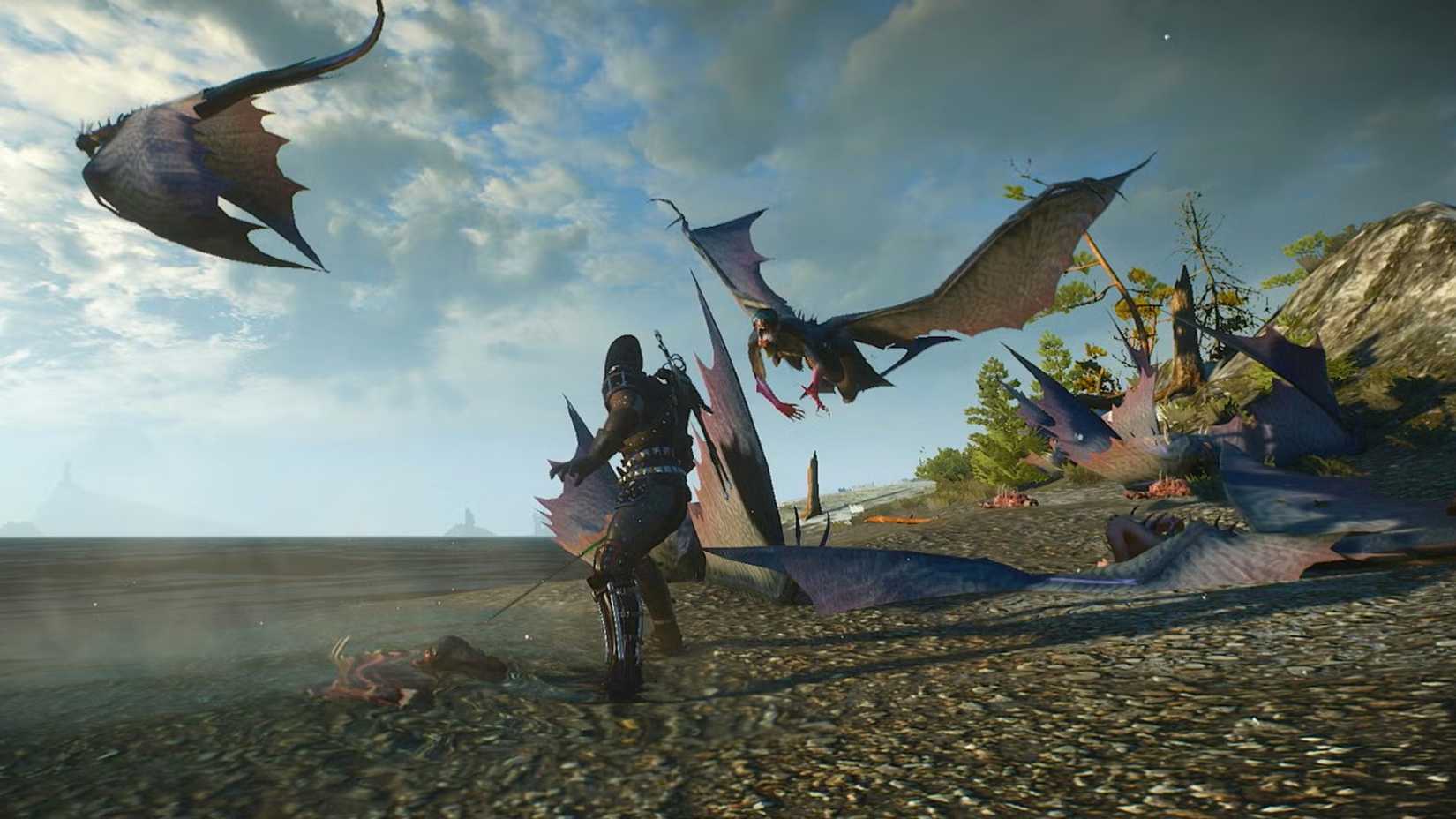
What separates witchers from humans and the Elder races is the mutations, but an underrated part of the separation is simple knowledge. Ciri isn't mutated in The Witcher 3, but shows the significance of this gap with her knowledge of combating werewolves. Related to this knowledge, all witchers carry two swords: one made of steel, one made of silver.
The two swords are a mark of a witcher before anyone sees their eyes or medallion. Having a trademark weapon does a lot of work in making the witchers a defined group, but it also translates to making combat more interesting. It's a marker of skill and specialization, and a way to visually flag what group they're a part of without any need for words. Approaching combat in this way, with different methods of preparation before battle, makes it more deliberate rather than simply dodging and hitting hard.
7 Geralt Has a Day Job
He Has a Place in This World
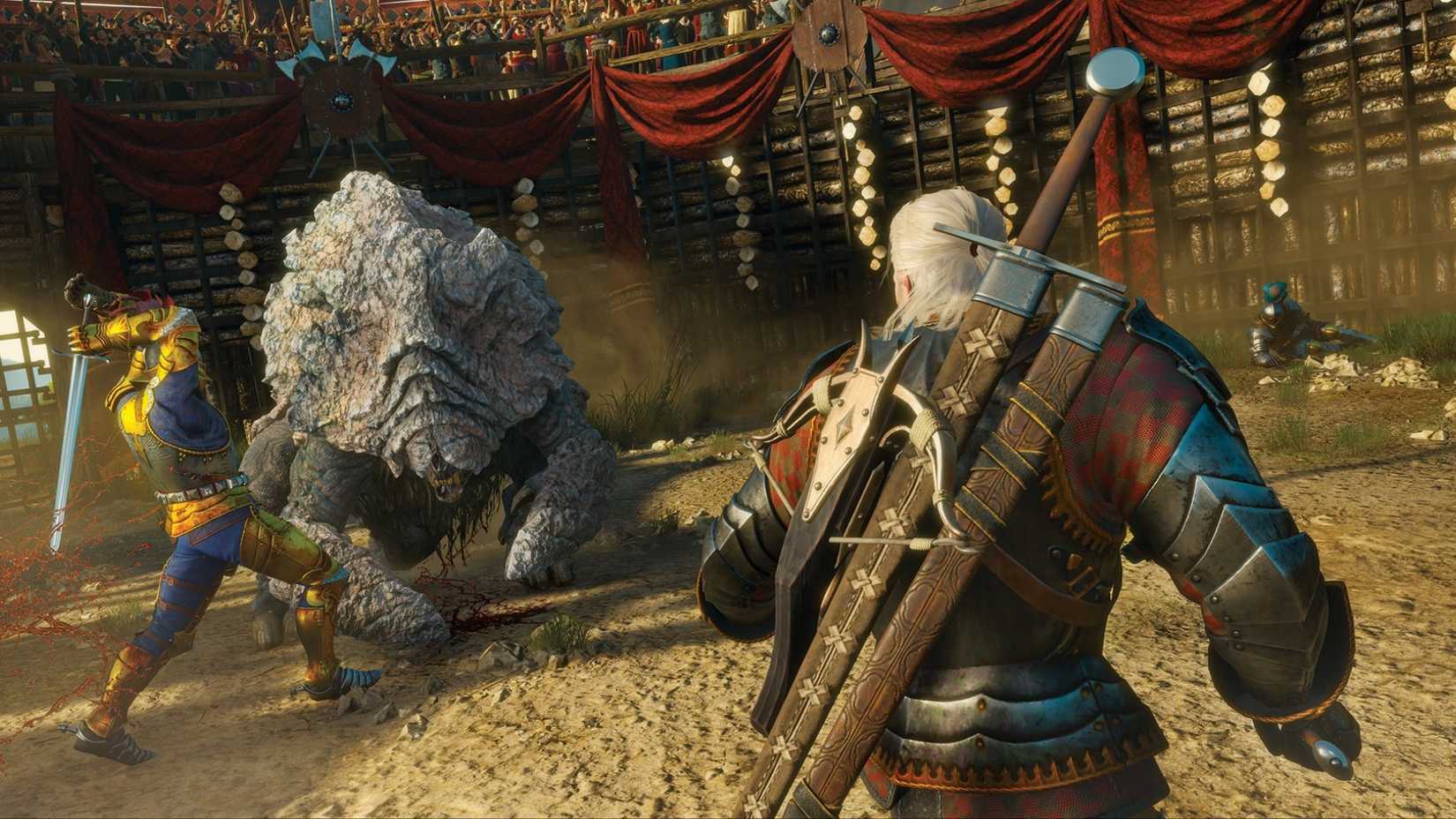
Geralt's day job is so badass and integrated into everything that it's easy to forget that he even has one. He's a monster hunter, and tracking and killing monsters earns him his bread.
 Related
10 Games with Layered Storytelling
Linear storytelling is overrated.
Playing a game where your day job is a literal day job is only good if it's in a specific niche, but having an actual career to earn money beyond the vague label of "adventurer" goes a long way in establishing a character and making those side quests interesting. It's also a reliable system to fall back on if you're running low on gold: just check the job board and find out if someone needs you because of your very specialized skillset. This may seem like a very niche point, but having a baseline motivated by the narrative that shapes the rest of the game is a lesson worth taking from The Witcher 3.
6 It Sticks With You
What if You Had Chosen Differently?
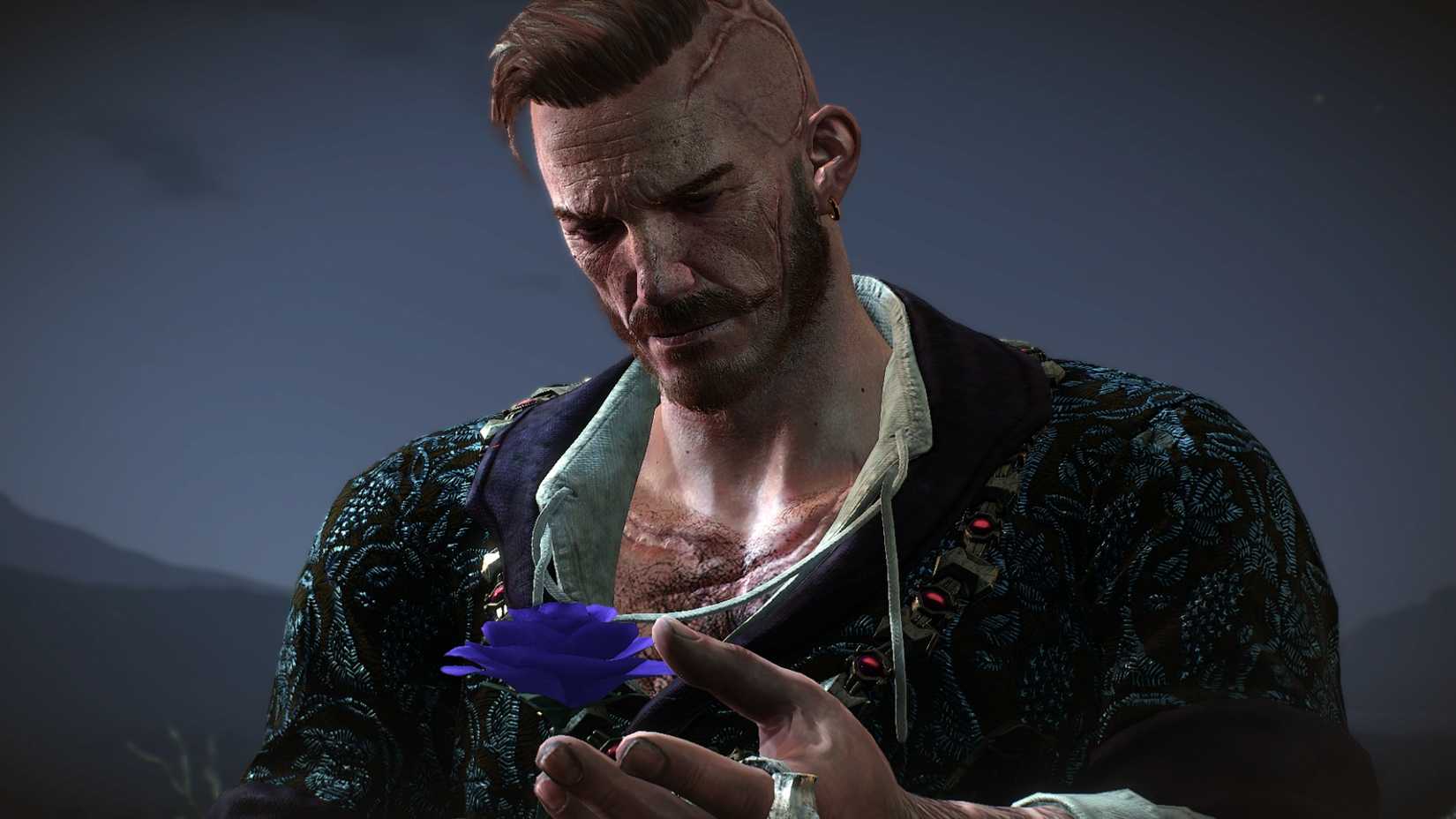
The best stories are the ones that stick with you a long time afterward, and one of the ways to do that is to make your stories morally gray. The Witcher 3 has so many examples of this that it would be impossible to list them all, but the Continent is filled with people living in terrible circumstances and just trying to survive. The unfortunate part is that survival often brings terrible, ugly things with it, where people do awful things with good intentions or just out of a need to survive.
Dettlaff and Olgierd are two examples of this, and it's hard to reconcile seeing someone as awful as the Baron being kind and welcoming to Ciri when we know he beat his wife to a pulp every night. It hits too close to home, as it's a reflection of how real people behave, and often the choices we're given aren't the solution because there never was one.
5 Monster Ecology
An Underrated Immersion Tool
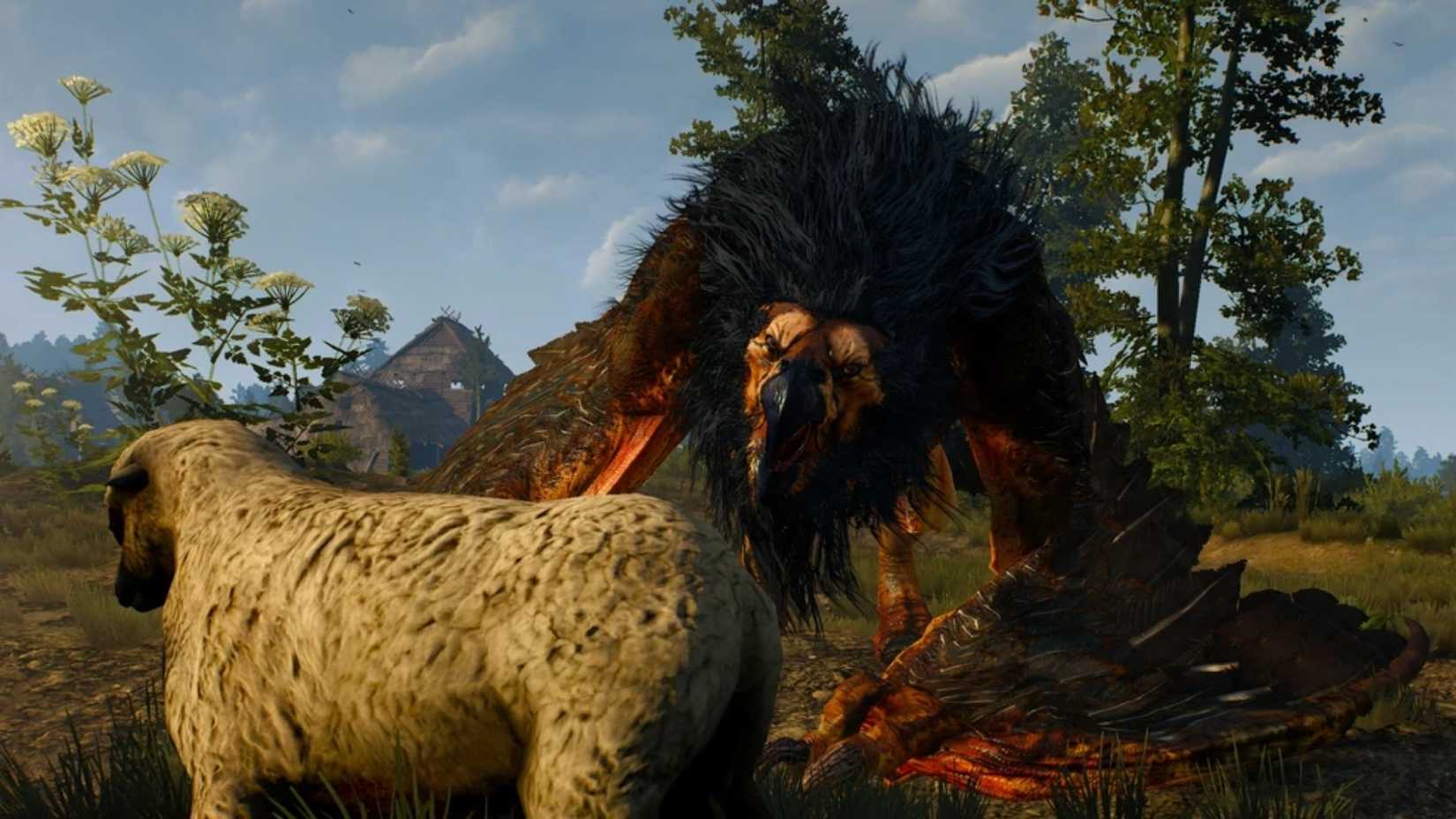 The Witcher Wiki / CD Projekt RED
Even stories set in a fictional world need to make sense, and one of the best ways to do that is to mimic the real world. Ecology is one of the areas that are best lifted from real life, and The Witcher 3 does this flawlessly. Each monster occupies its own niche and has adapted to its surrounding environment.
This is a key way stories keep you immersed in them, as anything that just doesn't make sense makes you stop and question it, which is something that writers avoid at all costs. Breaking immersion is one of the worst things for a writer, as it makes everything else fall apart.
4 No Morality Bar System
Geralt is Defined By His Decisions
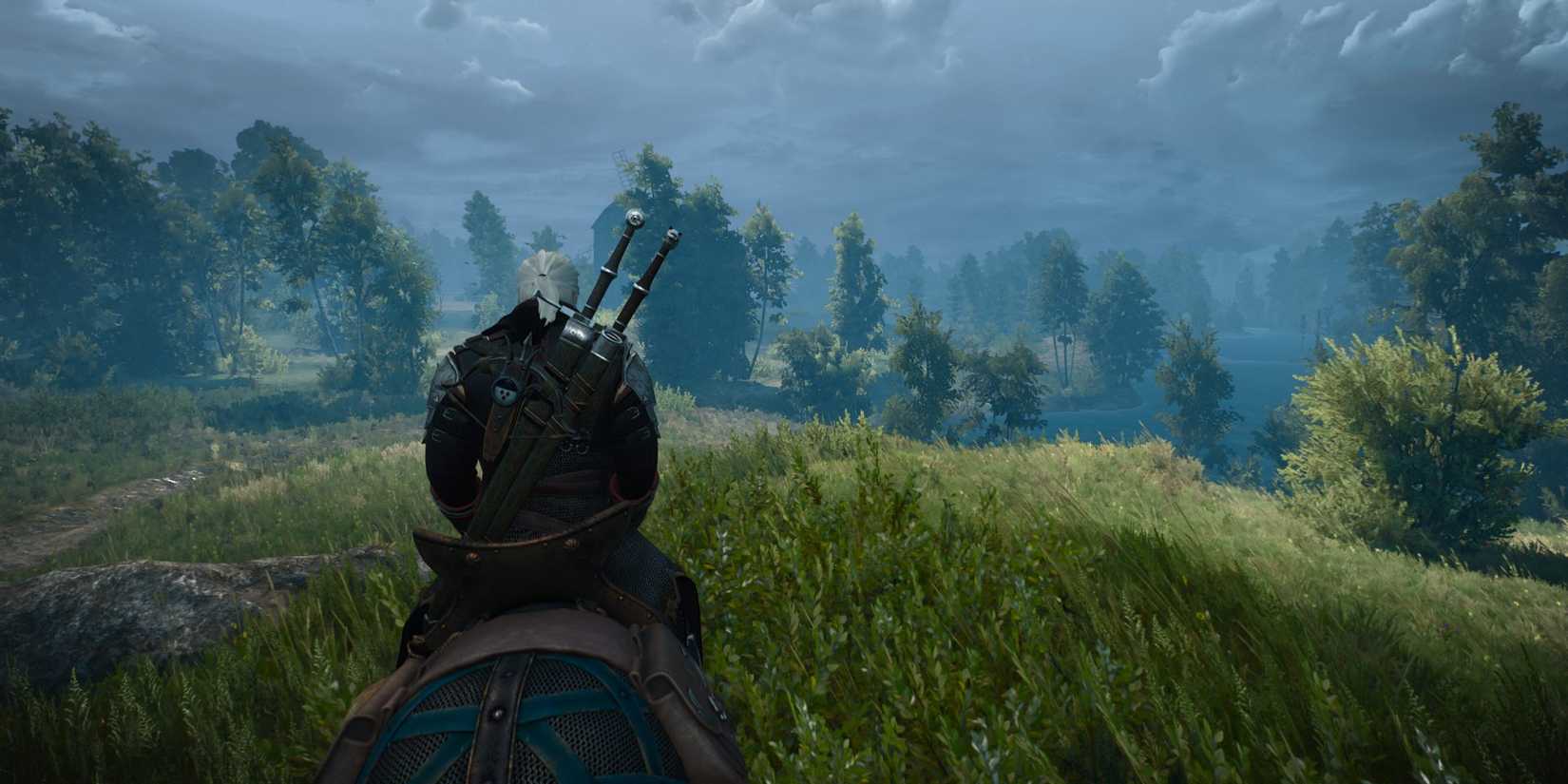
Being able to track your character's morality in a visual way using a bar or something similar can be helpful in many ways, but the way The Witcher 3 approaches it is also incredibly effective.
 Related
Instead of a morality bar, The Witcher 3 lets character reactions and story consequences give an indication of Geralt's moral compass. This feeds into the gray morality of the situations posed in The Witcher 3, and informs you of Geralt's morality through how he changes and affects the world around him, leaving you to ultimately decide where his morals lie in the aftermath. This kind of storytelling is very visual, and a lesson many RPGs released post-The Witcher 3 have implemented.
3 Regional Identities
History and Culture Matters
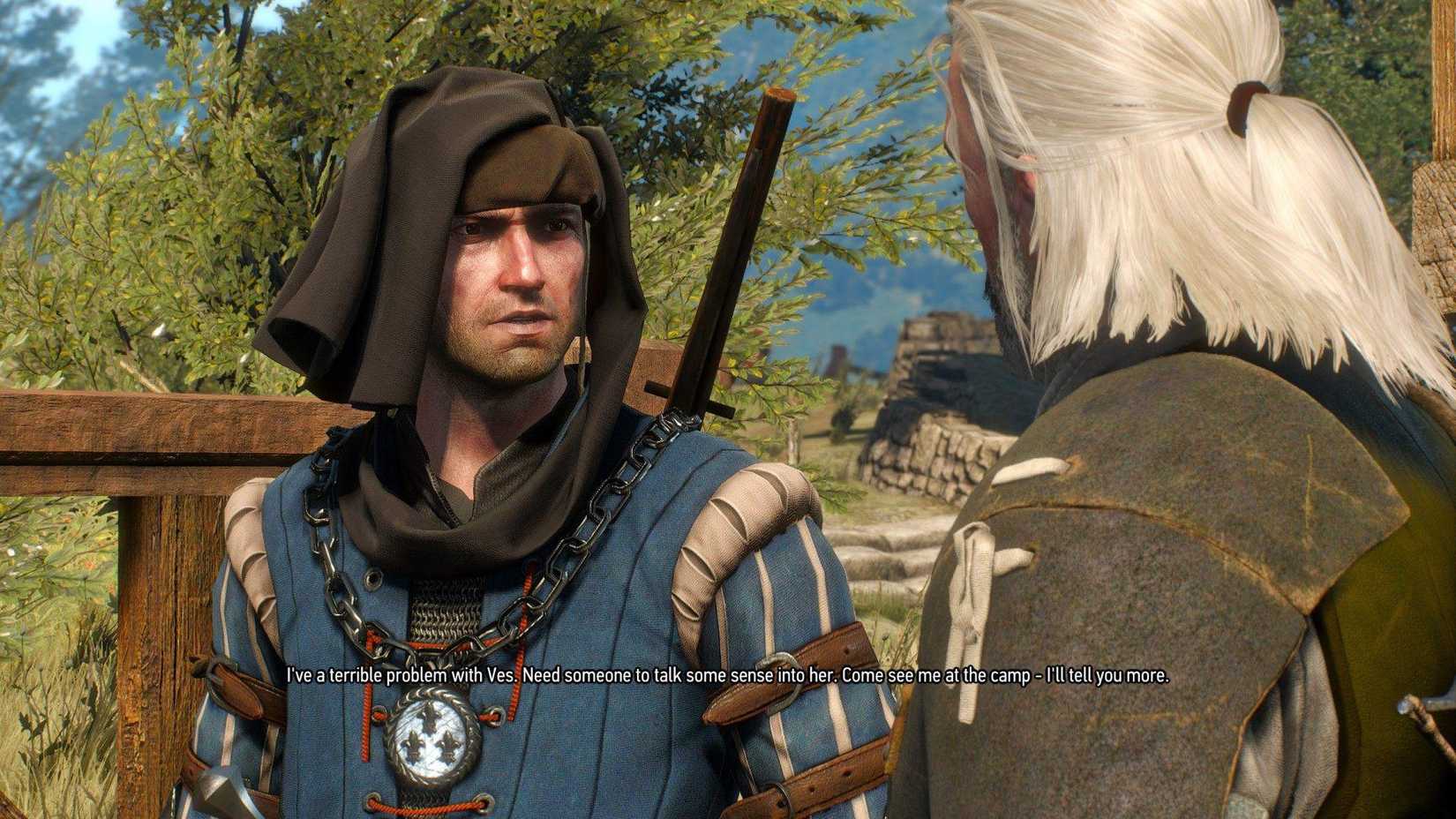
The Continent is split into several major countries and territories, and they don't have a clean split indicated by something like a change in geography. The differences between Temeria, Redania, and Cintra are all a matter of culture and politics rather than the landscape suddenly changing and you know you've crossed the border.
The biggest indicator of which country you're in is the culture of the people who live there. Even parts of Skellige look very similar to Temeria and Redania, with the accents, architecture, and spiritual beliefs differentiating them. Like the ecological niches of monsters, this goes a long way in creating and holding immersion.
2 Everyone is Well-Written
Side Characters Deserve Care

The main cast needs to shine, but a world is its characters and neglecting those will ultimately make the game suffer. The Witcher 3's world is filled with characters with motivations, dreams, and a life to survive, and this doesn't end at its main cast. Side characters approach problems with their own solutions, asking Geralt for help but going on their own path if you don't choose to help them.
This is partly why side quests are so compelling and come with consequences that feel real. You need to care about the characters that inhabit a game's world, and the memorable NPCs like Cerys, Regis, Eskel, and Shani, who aren't a part of the main class.
1 Mysteries Left Unsolved
It's Okay to Leave Questions Unanswered

Much of The Witcher 3 involves solving mysteries, and hunting monsters can make you feel like a detective at a crime scene a lot of the time.
Much of the reason the inhabitants of the world of The Witcher are so ill-equipped to deal with monsters is because of a simple lack of information. Monster attacks and simple human violence are attributed to curses, and much of Geralt's job is to untangle the myth from reality. The thing is, not everything has an explanation, and that's fine. Keeping some mystery in the world is essential, not only because it gives us more stories to explore, but it also makes the world more compelling.
 Next
Next
10 Best CRPGs of All Time
The genre has made an epic resurgence thanks to mainstream booms like Baldur's Gate 3 and Pillars of Eternity 2.

Released May 19, 2015
ESRB M for Mature: Use of Alcohol, Blood and Gore, Intense Violence, Nudity, Strong Language, Strong Sexual Content
Engine REDengine 3
Cross-Platform Play yes
Cross Save yes



![ELDEN RING NIGHTREIGN: Deluxe Edition [FitGirl Repack]](https://i5.imageban.ru/out/2025/05/30/c2e3dcd3fc13fa43f3e4306eeea33a6f.jpg)
 English (US) ·