.png)
 2 hours ago
2
2 hours ago
2

Published Jul 4, 2026, 2:00 PM EDT
Complete unity between character and concept
 Image: Squaresoft
Final Fantasy 4 is a big deal. Not just because it was the series' first Super Famicom-slash-Super Nintendo installment. Not for the debut of the Active Time Battle system, something Square Enix still uses now. And not even because it made fewer overt Star Wars references than usual. (There's still plenty of Star Wars, though.) It's special for how it combines character personalities and abilities with the broader story, something most RPGs and other Final Fantasies rarely do.
Released in Japan in July 1991 (and overseas in November of that year), Final Fantasy 4 follows the troubled Cecil, a knight in service to the king of Baron. Baron's ruler isn't a great guy. His favorite hobbies are starting wars and killing innocent people, something Cecil goes along with, albeit reluctantly, as he feels he owes the man his loyalty. Plus his childhood friend (and roommate) Kaine does it, so going against the grain just isnt' feasible. Until following orders becomes impossible. Cecil has to make amends for the terrible things he's done and try to stop his king, and the forces behind him, from plunging the world into darkness and chaos.
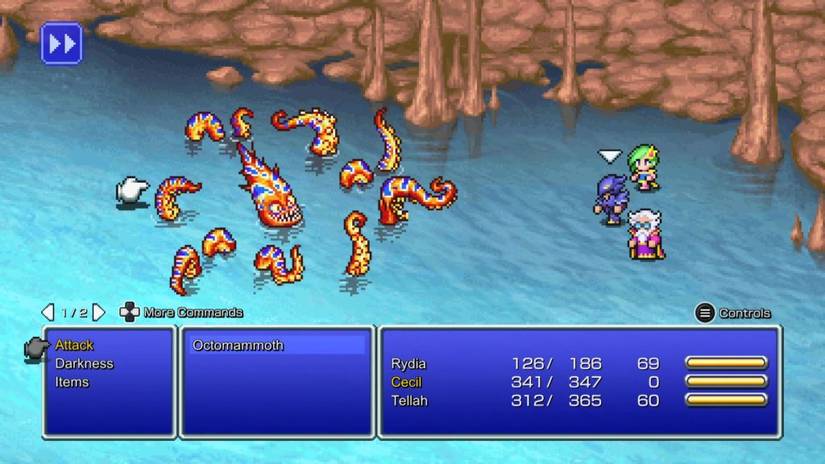 Image: Square Enix
Final Fantasy 4 takes a refreshingly practical and clear-eyed view of redemption. Cecil might be born again, with the new clothes and hairstyle to prove it, but that doesn't mean he automatically earns everyone's forgiveness. After he comes to terms with what he's done, he still has to face the repercussions of it — the towns he helped destroy, the people whose lives he ruined, the girl whose mother he killed. No one gets off easy. Edward has to deal with the ramifications of his cowardice. Tellah can't escape the consequences of his crusty intolerance. Kain… well, Kain finds forgiveness pretty quickly for his repeated "stole your girlfriend" offenses, among other things. But his words and actions do at least suggest he feels appropriately rotten for what he did.
Rosa just gets kidnapped a lot. It was a '90s story, after all.
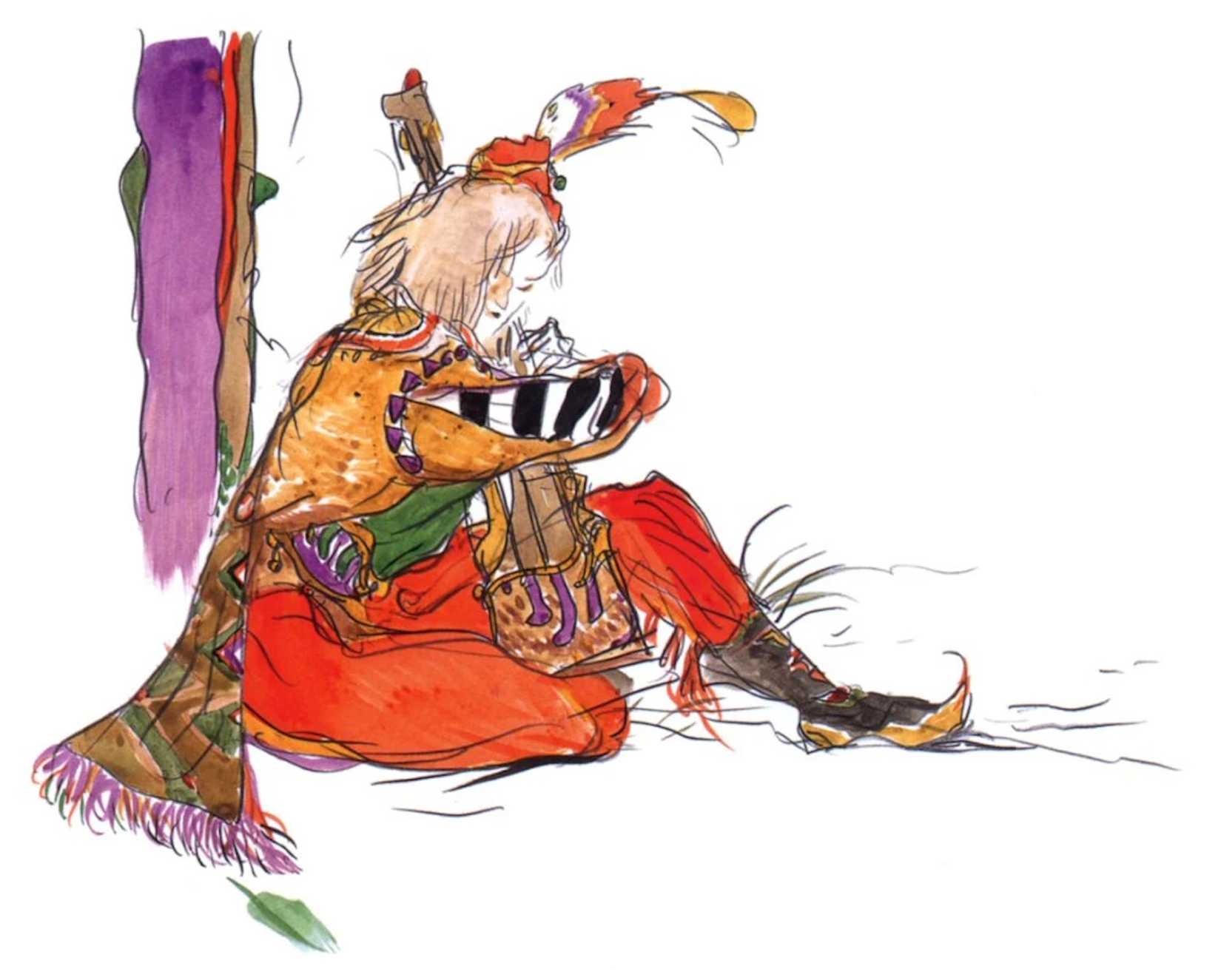 Image: Squaresoft
Anyway, variations on redemption aside, Final Fantasy 4 has another slick trick up its sleeve: Its characters are inseparable from every part of the game's identity. Look at the relationship between their personalities and their battle functions, for example.
- Tellah can't cast meteor unless he's okay with dying
- Rydia being a summoner is essential to the story
- Palom and Porom have to exist because Cecil's story doesn't work without Mysidia mages
- Edward being absolutely useless means you have to baby him in battle, too
- Rosa, the carer, is naturally the party's best supporter
- Yang's monk-ly focus in combat is what makes him the ideal leader of Fabul after the conflict, a sign of a new world order after the bad old days of greed and conflict
You can't just swap these characters and their abilities out on a whim. The whole game changes if you do. Normally in Final Fantasy, you get one or the other — typically strong personalities, rather than narratively important abilities — but not both. Square and then Square practically institutionalized the practice of letting every character learn any ability for years, and even in later games, the closest you get to FF4's take on the marriage of function and personality is the way Clive learns new skills in Final Fantasy 16.
And it's a shame Square Enix hasn't revisited the practice. It might be another tale of magic crystals saving the world. But the unique way Final Fantasy 4 handles its characters lends it all a heightened sense of intimacy and binds you more closely to their triumphs and tragedies.
 Related
Final Fantasy’s Yoshitaka Amano is making an anime
We'll get a first look at the legendary illustrator's new anime next week




![ELDEN RING NIGHTREIGN: Deluxe Edition [FitGirl Repack]](https://i5.imageban.ru/out/2025/05/30/c2e3dcd3fc13fa43f3e4306eeea33a6f.jpg)
 English (US) ·