.png)
 1 hour ago
3
1 hour ago
3
An exceptional story arc can elevate even the most flawed anime series. The inner workings of a good arc might vary, but they almost always have high stakes that allow one or more characters to grow, leading them steadily towards a cathartic payoff. Conflict also needs to be convincing and fleshed out, keeping an antagonist’s evolving goals and the heroes’ shifting motivations in mind.
Take the Chimera Ant arc from Hunter x Hunter, which is nothing short of a rite of passage. It takes the anime’s tendency to deconstruct shonen conventions to its limits and plunges Gon Freecss and Killua Zoldyck into contrasting trajectories. Similarly, the Shibuya Incident arc from Jujutsu Kaisen shines despite some imperfections, functioning as a watershed moment in the history of jujutsu society. The interplay of multiple perspectives, the collapse of a long-established status quo, and the death of major characters bring this exhilarating arc to its head.
Perfection is subjective, but exceptional anime arcs are memorable, well-paced, compelling, and conclude in a meaningful way. With these factors in mind, here are five anime arcs that are 10/10 and can be considered very close to perfection. We wouldn’t change a thing.
[This article contains spoilers for the anime arcs referenced below]
What happens when a brilliant story ends with a brilliant arc? Fullmetal Alchemist: Brotherhood is chock-full of story arcs that stand out, such as The Ishvalan War and Hunt for the Homunculi, among several others. That said, the beloved anime ends with the near-perfect Promised Day arc, a chaotic culmination of antagonist Father’s 400-year plan for Amestris and the fates of the Elric brothers, Edward and Alphonse. An unexpected attack by Greed ends up becoming the decisive turning point, and things come to a head with an unforgettable trip to the Gate of Truth.
The buildup to Promised Day is complex and drawn out, allowing this final stretch of the story to go all out. The sheer complexity of Amestrian politics is felt here once the State Alchemists ally themselves with military defectors, Xingese royalty, and local citizens to form a strong resistance against Father. However, this macrocosmic scale is contrasted against individual truths, as the core focus remains on Edward and the lessons he has learned along the way. All the time-tested merits of a smart, well-written shonen shine in a final arc that knows how to juggle quieter moments with battle-oriented spectacle. Edward’s sacrifice towards the end feels fitting without detracting anything from the life of someone with a Fullmetal heart.
2 Golden Age Arc (Berserk)
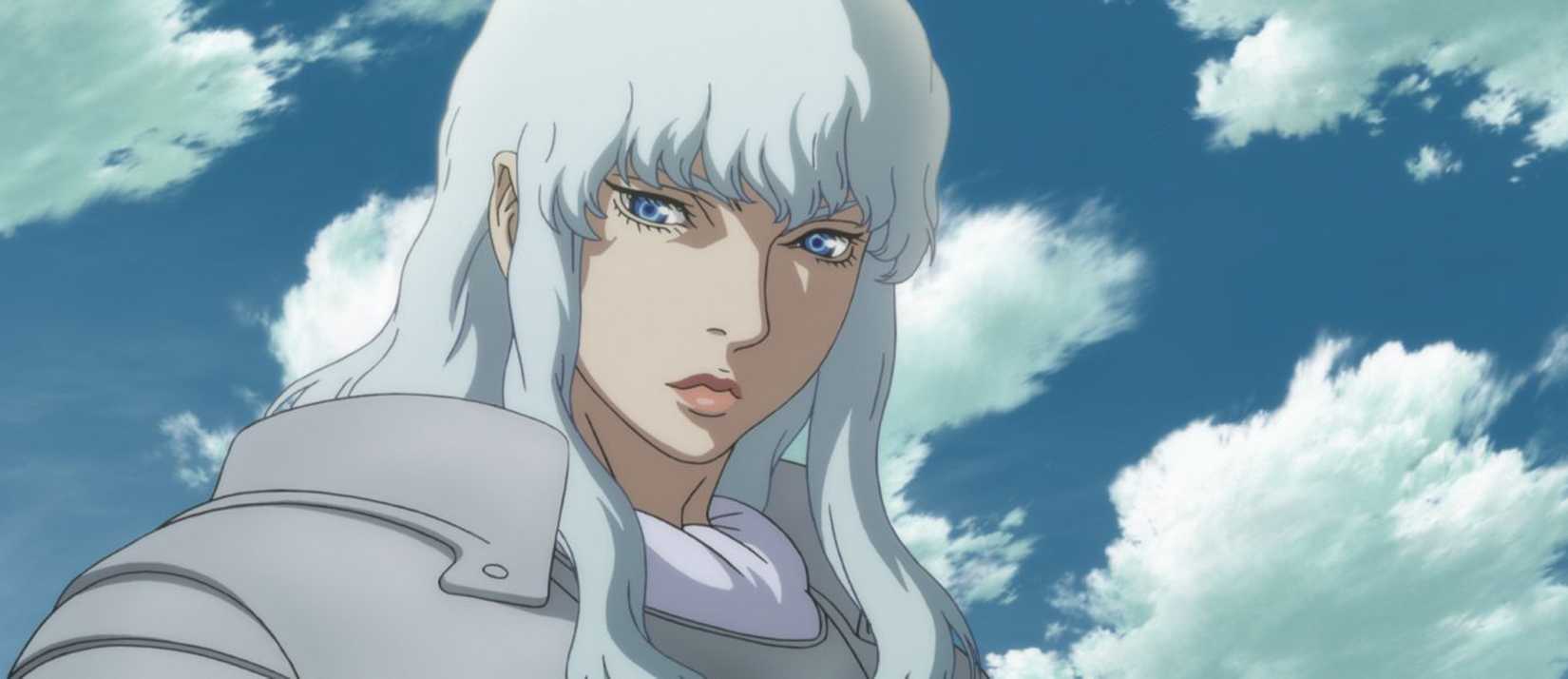 Image: Studio 4°C
One might argue that the Berserk: The Golden Age Arc film trilogy, which adapts the corresponding arc from Kentaro Miura's Berserk, isn’t perfect. Despite sporting stunning hand-drawn art, the blend of 2D and 3D elements in some scenes feels uneven. Even so, this adaptation faithfully captures the essence of the Golden Age, which is a breathtaking exploration of complex morality, psychological trauma, and betrayal. All three films — The Egg of the King, The Battle for Doldrey, and The Advent — excel in portraying the frayed dynamics between Guts, Griffith, and Casca, along with how these characters react to (and drastically change because of) grief and loss.
Griffith and Guts are set up as foils from the start, but their connection is developed with incredible depth and nuance. Guts, although shaped by a harsh childhood and hardened survival tendencies, begins this journey by gradually lowering his walls and learning to trust again. Regrettably, Griffith’s fall from a magnetic leader to a man corrupted by pain and ambition undoes all of this, plunging Guts back into a vicious cycle of anguish and revenge. The Eclipse becomes this arc’s unforgettable climax, with Guts embarking on a journey to hunt down Apostles and the God Hand. There’s hope and pathos crushed together into this unforgiving Berserk arc, urging us to dive deeper into the theme of human resilience that the story primarily champions.
3 ???% Arc (Mob Psycho 100)
Mob Psycho 100 is pure shonen excellence. It uses the framework of a shonen to tell a radically subversive coming-of-age tale about human connection and empathy. Shigeo "Mob" Kageyama spends most of his time trying to control his psychic powers. The emphasis isn’t on strength training, however, but on the development of emotional intelligence. As Mob’s powers are intricately linked to his psychological state, the ???% Arc (which also happens to be the final arc, followed by an epilogue) acts as the culmination of Mob’s emotional suppression. This is what happens when an overpowered protagonist reaches the breaking point — the final conflict isn’t with another antagonist, but with himself.
Mob’s repressed feelings stem from trauma, which, when suppressed for too long, manifests as the sentient ???% (or Unknown). The resolution isn’t traditional, as the conflict doesn’t end with a power-up or a deus-ex-machina. Instead, it is Reigen Arataka’s unflinching honesty that snaps Mob into awareness, after which he accepts Unknown as an intrinsic part of himself. Mob Psycho 100 resolves the protagonist’s most deep-seated conflict by not offering an easy way out. Mob needs to work through his trauma while keeping his heart open to the sweetest of connections. Judging by Mob’s carefree laughter at the end of the anime, he does.
4 Pain's Assault Arc (Naruto)
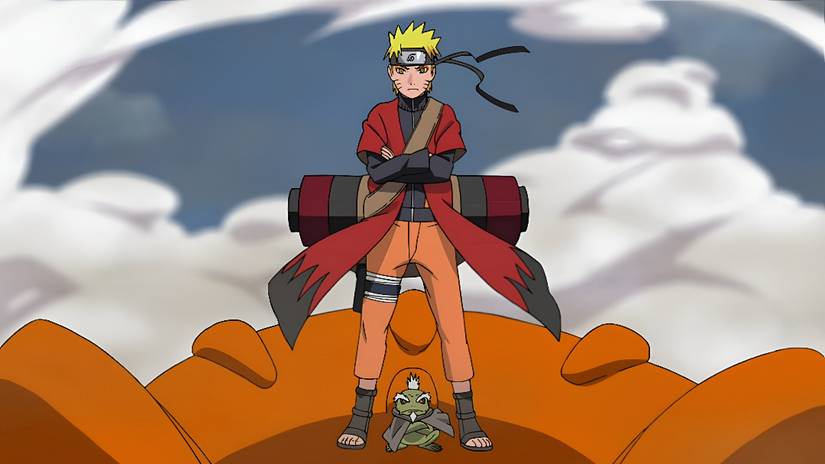 Image: Pierrot
A sprawling anime like Naruto is bound to have more than one standout arc, especially when mixed in with episodes that are considered filler. While the Chunin Exams and the Sasuke Retrieval arcs are popular for good reason, the story’s most viscerally uncompromising arc is undoubtedly Pain’s Assault. Apart from featuring Nagato/Pain, who is easily one of the most well-written antagonists in the saga, this stretch of the story challenges the Hidden Leaf Village to contend with total destruction and compels Naruto and his allies to face Nagato’s ideological complexity head-on.
The atmosphere at this juncture of the story is already somber, as it opens with Jiraiya’s tragic demise during his undercover infiltration of Amegakure. Nagato’s motivations are more complicated than revenge, as he believes that the cost of true peace is humanity experiencing catastrophic suffering to understand what it feels like. As empathy cannot be forced, Nagato aims to induce it by wreaking havoc, believing it to be a justified measure in his pursuit of long-lasting peace. Naruto lays these philosophies out through dialogue and fights, using the visual language of an intricate, devastating battle to deliver the highs of Pain’s Assault arc. This is one of those rare segments where no character feels safe, and that sense of danger is only lifted once Naruto chooses empathy to resolve his ideological clash with Nagato.
5 Civil War Arc (JoJo’s Bizarre Adventure: Steel Ball Run)
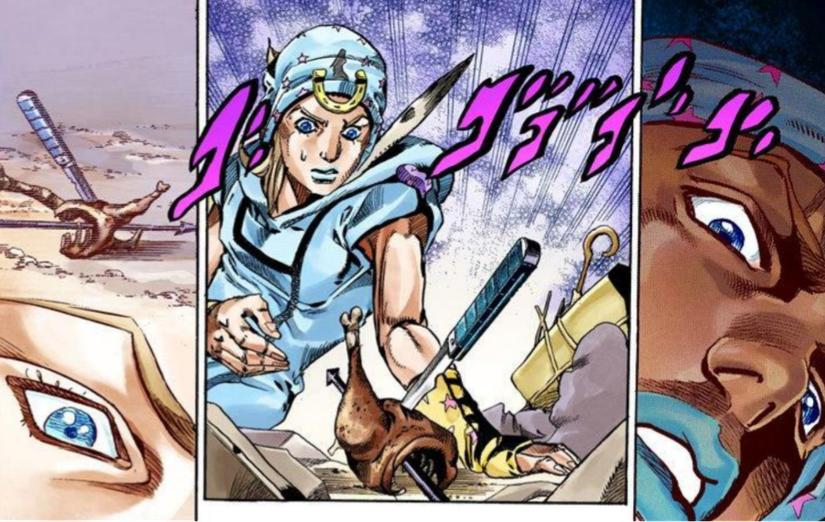 Image: Shueisha/Viz Media
We have a long, long way before the Civil War Arc in JoJo’s Bizarre Adventure: Steel Ball Run gets animated, but the sheer brilliance of this segment moves it pretty close to perfection. Hirohiko Araki excels in creative abstractions, with the entirety of JoJo (which is still ongoing) being living proof of a series built on profound eccentricity. Even so, the Civil War arc stands out because the titular Stand — belonging to government agent Axl RO — turns Johnny Joestar, Hot Pants, and Gyro Zeppeli’s guilt into physical manifestations. The full extent of Johnny’s traumas is also laid bare here, as we’re privy to the defining childhood incidents that have haunted him throughout his life.
As usual, Araki gets props for originality, as these physical manifestations (which can be anything, like a broken knife or a teddy bear) encase the targets with a membrane that slowly crushes them to death. The only way to endure this hell is to push through, which is why Johnny confronts his past and unlocks a new tier of his Spin ability. Jesus Christ himself makes an appearance during the conflict, strengthening the thematic underpinnings of a story about personal growth and the dangers of destructive ambition. Although the Sugar Mountain and High Voltage / D4C arcs in Steel Ball Run are wonderful in their own right, the Civil War arc is a massive turning point for the protagonist, functioning on the same wavelength as a spiritual rebirth.


![ELDEN RING NIGHTREIGN: Deluxe Edition [FitGirl Repack]](https://i5.imageban.ru/out/2025/05/30/c2e3dcd3fc13fa43f3e4306eeea33a6f.jpg)
 English (US) ·