.png)
.png) 2 hours ago
2
2 hours ago
2

Published Jul 23, 2026, 2:30 PM EDT
Shayna Josi is a Contributor at DualShockers who covers RPGs, cozy games, life sims, action games, gamer culture, and PC gaming. She has been writing professionally since 2020 and covering games since 2023, with a focus on features, commentary, storytelling, character writing, and game design.
Before joining DualShockers, Shayna wrote for GameRant as a Features Writer. She has also worked as a copywriter for Nas Academy and as a researcher and assistant writer for a book tied to the Nelson Mandela Children’s Fund. Outside of games journalism, she works as a ghostwriter, copywriter, and editor in the publishing industry. Shayna holds a BA in Film Studies and a BA Honours in English.
Sometimes the smaller video games that don't receive the fanfare end up being the ones that change the most. Innovation isn't limited to the most well-known or successful games, and some common features of games that we see today can come from surprising places.
Action games are one of the most popular genres in video gaming, and are a personal favorite of mine. There's nothing quite like the exhilaration of hitting the perfect combo or taking out a room full of enemies using perfect timing. Modern action games are butter smooth and the genre is better than ever, but it's only because of the games that came before that the genre is as good as it is today. There are the standouts that everyone knows, but some lesser-known games also did their part in changing action games for the better.
8 Enslaved: Odyssey to the West (2010)
Introducing the Useful Follower

Enslaved: Odyssey to the West
Enslaved: Odyssey to the West did a lot to challenge what you could expect from companions in action games. Rather than having the AI turn them into liabilities on every level, Trip instead served a purpose in combat, exploration, and puzzle-solving. This was years before The Last of Us’ Ellie, and serves as a progenitor for the followers that came after.
Another way that Odyssey to the West changed action companions was in the dialogue and storytelling, which comes across as unrefined today, but was novel for the action-adventure genre at the time. It did a lot to shape the cinematic storytelling common in action games today, and deserves recognition for doing so rather than being overshadowed by more popular games.
7 The Saboteur (2009)
Visual Design at Its Best

Video games are a visual medium, and visual design is just as important here as it is in movies. There are a number of ways to communicate information, with text the most boring, dialogue slightly more interesting, and visual clues often the best option. The Saboteur stands out for its use of color — Paris is depicted in black and white, but slowly gains color as its districts are liberated.
I'm a sucker for a resistance story, and The Saboteur's use of visuals to depict changes in its world is right up my alley. This is a great example of game design and a cinematic way to show how the world is changing, rather than using percentages on a map. Its evolving world created a tangible sense of progress years before territory liberation became a staple of open-world games, and makes The Saboteur an innovative game.
6 Binary Domain (2012)
More Strategic Combat

Enemy design is important in most games, but in Binary Domain it takes center stage. While many third-person shooters focused on larger explosions and bigger set pieces, Binary Domain experimented with making every bullet matter. Rather than simply reducing enemy health bars, players could shoot individual robot limbs, remove weapons, slow movement, or even cause enemies to attack their own allies.
This dynamic damage system made battles delightfully gritty and tactical, much like Mass Effect 2's combat system. Binary Domain never achieved mainstream success, but its enemy design remains one of the most creative ideas of the genre. Few shooters have matched its level of reactive combat more than a decade later.
5 Oni (2001)
More Versatile Combat
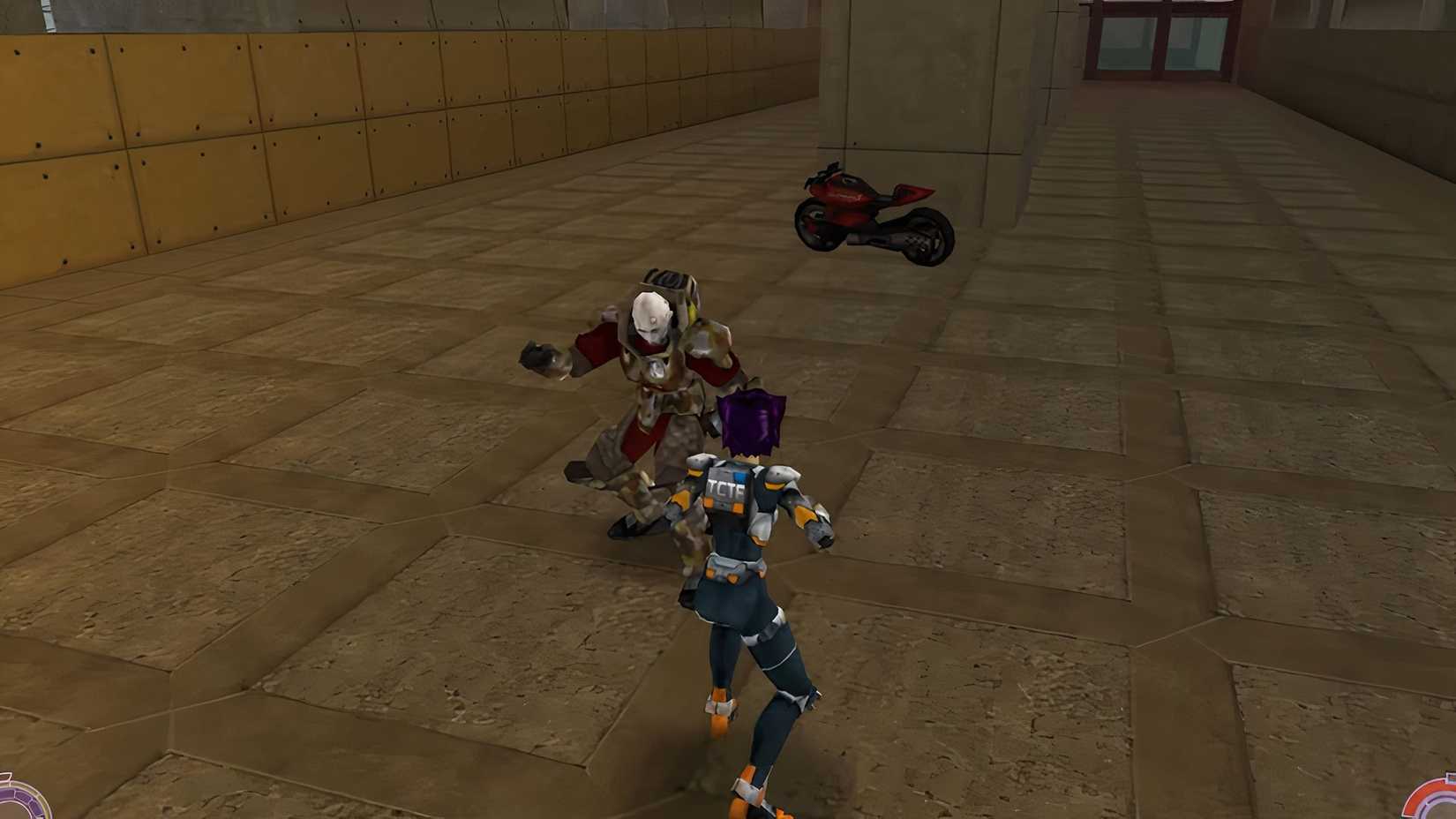
I love a game that lets me approach fights in multiple ways, and Oni was one of the first to do so thanks to its hybrid combat system. Oni gives you the option of using guns or melee alongside the ability to switch between them while in combat. Surprisingly, while most games from this era haven't aged well, this system holds up pretty well.
Oni encourages fluid gameplay with seamless transitions between both styles depending on the situation. Throws, combos, disarms, and firearms all became part of a single combat system that encourages you to be adaptable. Oni was overshadowed by Bungie's work on Halo, but it introduced ideas that would become common in modern action games built around versatile combat.
4 Freedom Fighters (2003)
Issue Orders to a Squad

RPGs are usually the games with companion orders, but directing allies was a key part of Freedom Fighters, which let you issue simple directives much like in Mass Effect. Freedom Fighters used a novel combination of territory control and squad commands, and proved how they could play nicely together. Freedom Fighters streamlined tactics and strategy and showed that sometimes simple really is better, making you feel like a real leader and a part of an effective team.
Over the course of the game, Freedom Fighters unlocked new options to liberate districts. This encourages you to consider more strategic paths when tackling objectives. Many action games that have been released since have adopted similar liberation mechanics, but Freedom Fighters rarely receives the credit it deserves for proving how engaging they could be.
3 Shinobi (2002)
Combat with Style

|
Overworks |
|
Action |
|
2002 |
Style isn't everything, but it goes a long way in making you feel like a badass while playing a game. Shinobi got that down to an art with its Tate system (not like that guy, here it's pronounced ta-te), where you'd kill the first enemy in a group and have time freeze. The moment time releases, all enemies die at once, and you feel like the hero of a Japanese movie.
Action games in particular benefit from the rule of cool, and Shinobi's unapologetic embrace of it does a lot for its appeal, but it's also an approach that action games since then have taken, even if it's not the exact example verbatim. Aside from the fun of it, this combat system also encouraged mastery in a way few action games attempted at the time.
2 God Hand (2006)
The Magic of Combos

God Hand stands out in several ways, most prominently its difficulty system and its combat system. Difficulty is an essential part of many games, but God Hand's system adapted according to the player's skill. There are pros and cons to this system, but the takeaway here is that looking to try new things is important for the development of the industry.
Another place that God Hand innovated was combat, particularly its customizable combo system that let you create your own fighting style by assigning attacks to different inputs. This allowed for a lot of freedom to experiment with different combinations in combat, something that was rare at the time, but is fairly common in action games today.
1 Vanquish (2010)
Speed Over Caution
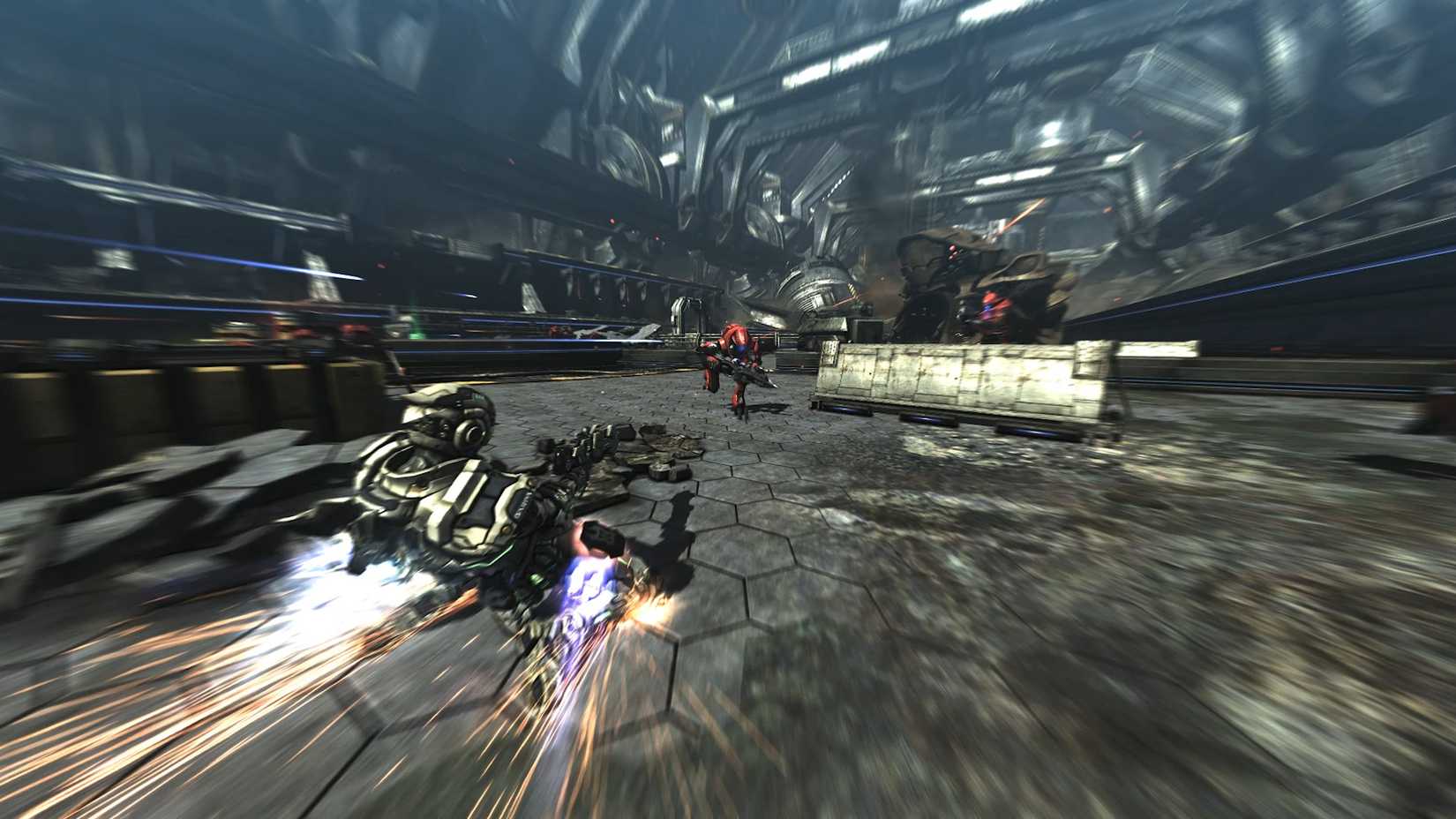
Vanquish rarely receives the recognition it deserves, despite its innovations in the action genre. A third-person shooter, Vanquish abandoned the cover-based level design that was common at the time in favor of aggression, speed, and momentum. Rather than crouching behind cover, Vanquish encouraged you to keep moving to survive, which significantly changed the pacing of combat.
It didn't abandon the cover system, but made it so that you were penalized for relying on it. Many modern action shooters now embrace the same mobility and momentum that Vanquish innovated back in 2010, and it's a pity that it's largely overlooked even in the action-shooter community.





![ELDEN RING NIGHTREIGN: Deluxe Edition [FitGirl Repack]](https://i5.imageban.ru/out/2025/05/30/c2e3dcd3fc13fa43f3e4306eeea33a6f.jpg)
 English (US) ·