.png)
.png) 3 weeks ago
9
3 weeks ago
9


Published Jun 30, 2026, 1:30 PM EDT
Murillo Zerbinatto is an Editor at DualShockers specializing in JRPGs, RPGs, reviews, guides, and lists. He has been writing professionally since 2018 and covering games since 2020, with previous work published at Xfire, RPGInformer, IndieGameCulture, and GameRant.
A longtime JRPG enthusiast, Murillo has played more than 250 JRPGs and earned over 100 platinum trophies, giving him deep hands-on experience with the genre’s progression systems, side content, collectibles, and completionist challenges. His coverage often focuses on franchises such as Final Fantasy, Dragon Quest, Trails, Tales of, and Star Ocean.
Sign in to your DualShockers account
JRPGs truly began to find their footing on the SNES, a time when various developers started launching their own foundational series. With this explosion of titles, we ended up with several games that, for one reason or another, were far more challenging than necessary. Perhaps it was an issue with enemy level scaling, a complete lack of explanation of core mechanics, incessant backtracking, or mandatory grinding.
 Related
10 Best JRPGs You Need to Play This Summer
With the arrival of summer, and for some, holidays, there is no better time to clear a few JRPGs from your backlog.
Whatever the reasons, there were plenty of hard to beat SNES JRPGs that remain quite complicated to this day. Imagine experiencing them during an era when we couldn't count on walkthroughs and internet guides right in the palm of our hands. It was tough. Here, I list a few of those JRPGs that, whether due to sheer raw difficulty or some incredibly obtuse mechanic, became extremely daunting and fought against our arrival at the credits with all their might.
8 Star Ocean
Create Your Items
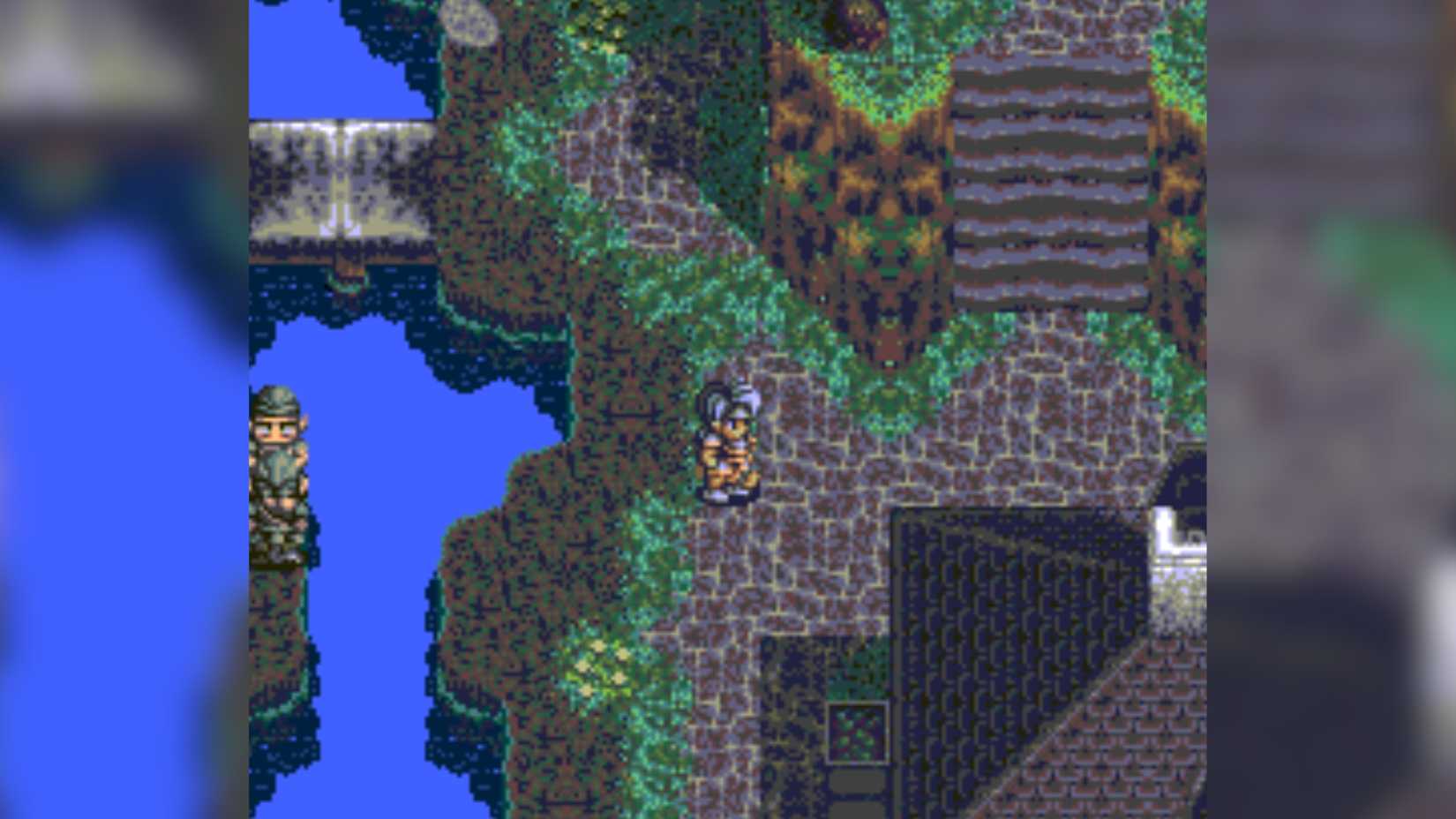
Including Star Ocean here might be a bit unfair because the SNES version was never officially localized and differed significantly from its modern remake. However, if there is one constant across the franchise, it is that every Star Ocean game features an immense difficulty spike, and the original title is no exception.
The SNES version featured a combat system that was a bit more automated than the series standard. You could not explore the battlefield freely, and every action sends your characters beelining for the enemy. Still, all the signature mechanics were already present, including the wonderful Item Creation system, which is absolutely mandatory to utilize, alongside a varied roster of potential party members.
I won't even complain about having to grind in Star Ocean because the main story forces so much backtracking upon the player that leveling up happens naturally. Yet, it remains a highly challenging experience if your entire strategy consists of mindlessly spamming Air Slash until your MP runs out.
7 EarthBound
No Use Crying to Mother
 YouTube via NintendoComplete
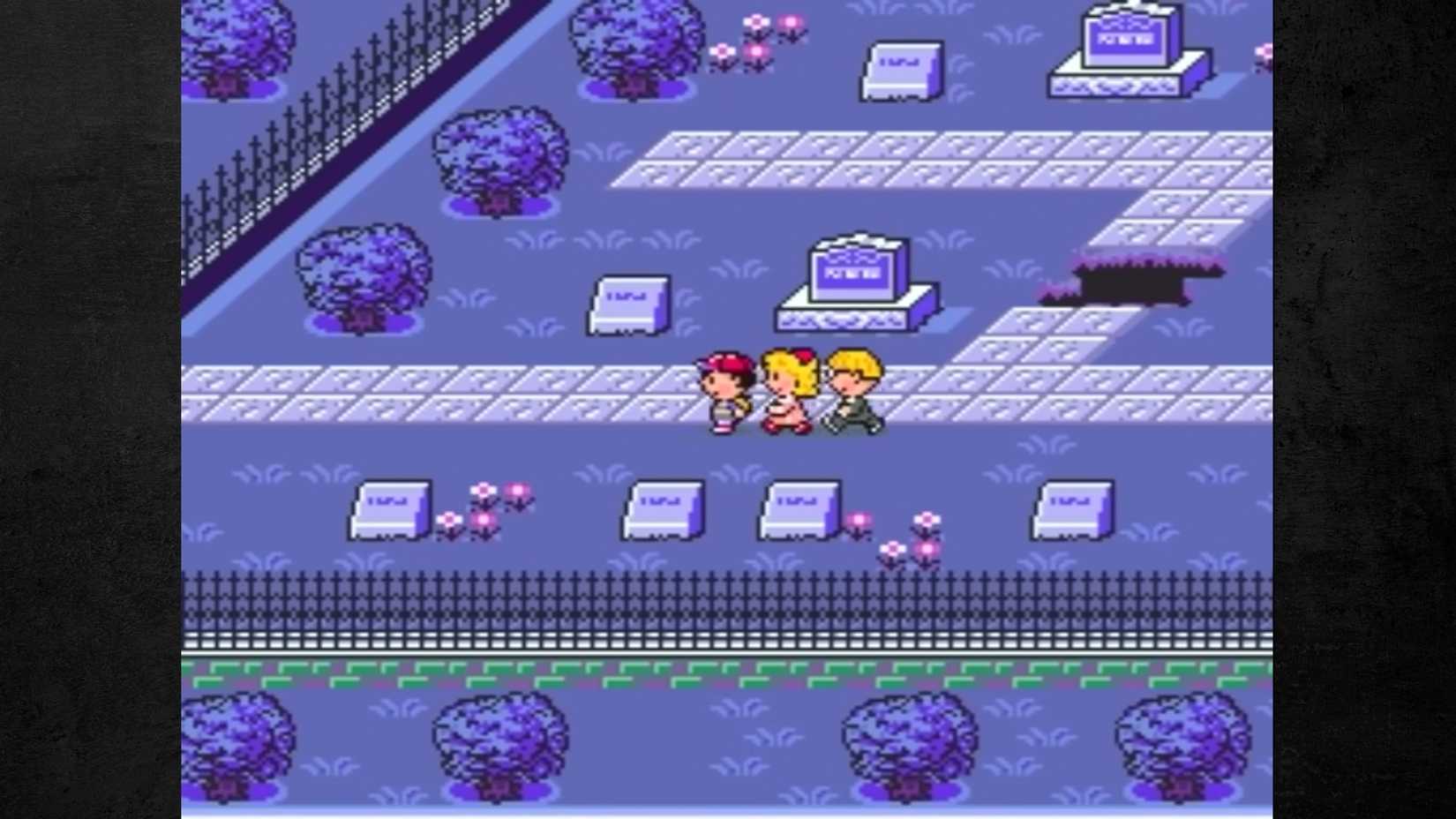
EarthBound is widely considered a cult classic among SNES JRPGs, but if I am to be honest, I don't fancy it that much. I don't get the American parody elements, nor do I particularly care for the humor or the writing. However, I still played through it because I wanted to understand the phenomenon behind the massive popular acclaim, and the best decision I made was playing it via a Nintendo Switch Online subscription.
Overall, the game isn't inherently brutal, but it can become highly challenging if you don't play with a degree of caution. Because your inventory space is strictly limited, you cannot simply stock up on endless healing items, no matter how much you grind away. You can be right in the middle of a dungeon, with everything going smoothly, when a poorly timed critical hit from an enemy cuts your trip short, sending you straight back to town.
There is a fair amount of RNG involved with encounters. While they are not random, the game can sometimes spawn too many enemies in the same spot. If they all engage you at once, it turns into a grueling battle against a massive horde. On the flip side, I would sometimes expend all my area-of-effect psychic abilities only to stumble upon a magic butterfly immediately afterward, completely restoring my PP. If you play patiently and manage your inventory well, you will do just fine. If you just push forward mindlessly, a premature game over awaits.
6 Torneko's Great Adventure
A True Roguelike
Torneko's Great Adventure
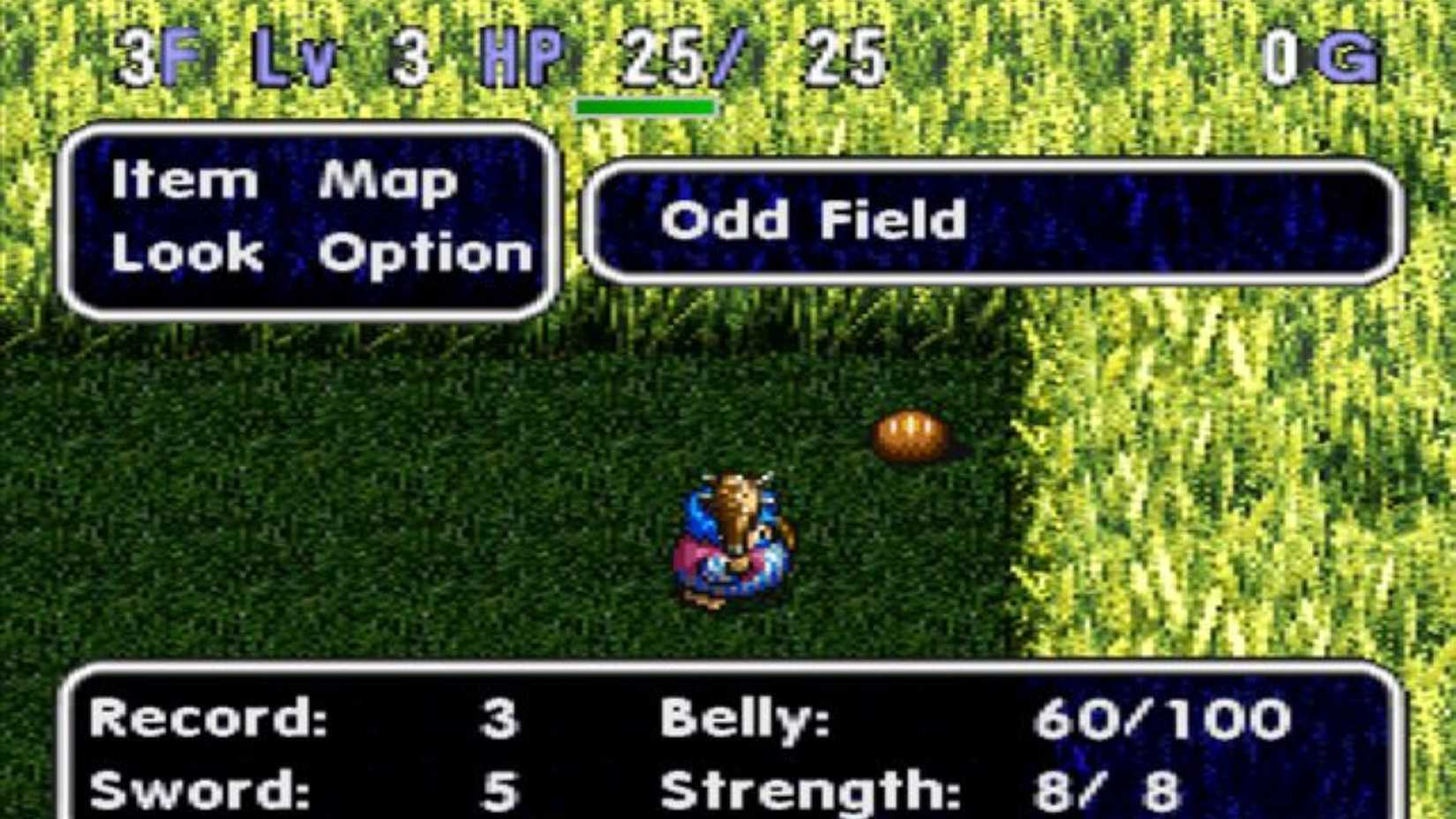
Torneko's Great Adventure never officially left Japan, but you can easily play it today using a translated ROM. It stands as the very first entry in the Mystery Dungeon series by Chunsoft, a studio that would go on to produce a plethora of similar titles, mostly acting as spin-offs for famous franchises like Pokémon, Final Fantasy, and of course, Dragon Quest.
Since it was the foundational game, the mechanics were still consolidating. It already featured the distinct nuances that would define future Mystery Dungeon entries, but the balance was incredibly brutal. As a true roguelike, permadeath and the total loss of all items found inside the dungeons were very real factors here. This reality made every single dungeon dive feel heavily luck-based, even when backed by your own growing player experience.
If you tried to rush through the floors too quickly, you risked losing all your gold, items, and levels, completely resetting your progress. But if you exit a run prematurely, you could sell your loot to upgrade your home and shop, purchase better gear, and secure a far more advantageous headstart on your next run, even though Torneko's character level always resets to 1. In the end, the loop remains heavily RNG-driven, which is exactly where the difficulty of Torneko's Great Adventure lies, but death isn't the endgame here, it is merely just one more mechanic.
 Related
10 Best Fantasy JRPGs
The best fantasy is the one we experience for ourselves.
5 Shin Megami Tensei
A Devil of a Game
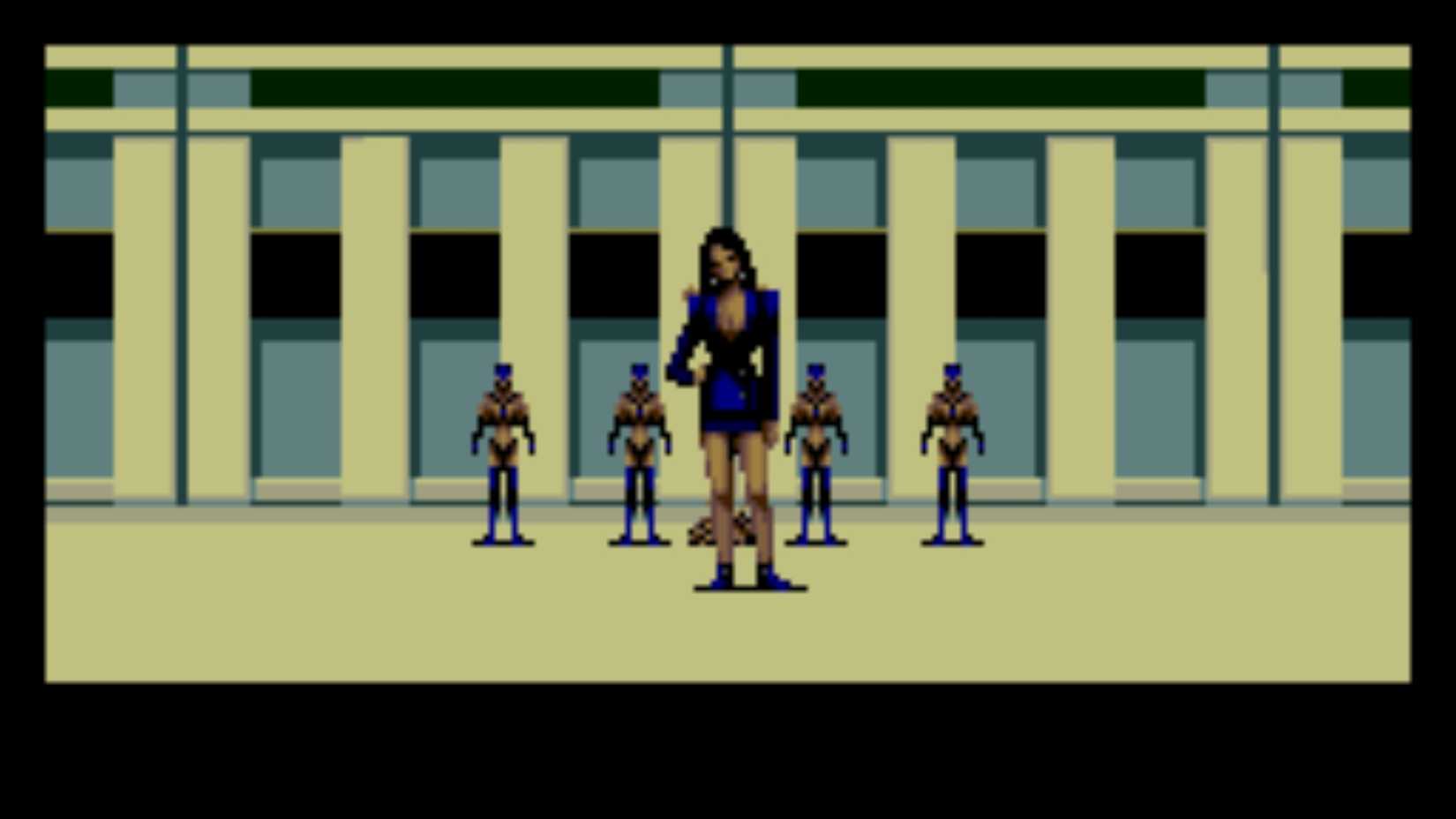
Despite its name practically serving as the moniker for the entire overarching franchise, Shin Megami Tensei is actually the third game released in the broader series. For a massive portion of its lifespan, it remained trapped in Japan until it received an official localized port for iOS, though you can still experience it on the SNES today with an English fan patch.
Shin Megami Tensei features the exact same staples we know and love in modern entries. You recruit demons to your party, negotiate with them during turn-based combat, and control a protagonist who utilizes swords and guns while other party members cast magic. However, the entirety of the exploration takes place in a strict first-person perspective because classic SMT games and the old testament of Persona are fundamentally first-person dungeon crawlers.
I am not the biggest fan of first-person dungeon crawlers, but that design was incredibly common back then. The environments all look a bit repetitive to me as I stare at wall after wall, simply praying to find the exit. Praying, however, will not get you very far in Shin Megami Tensei, because extensive preparation is required. There is no in-game map, meaning you have to either commit every single corridor to memory or jot down everything on graph paper, both options that are definitely not for the faint of heart.
4 Breath of Fire II
No More Handholding
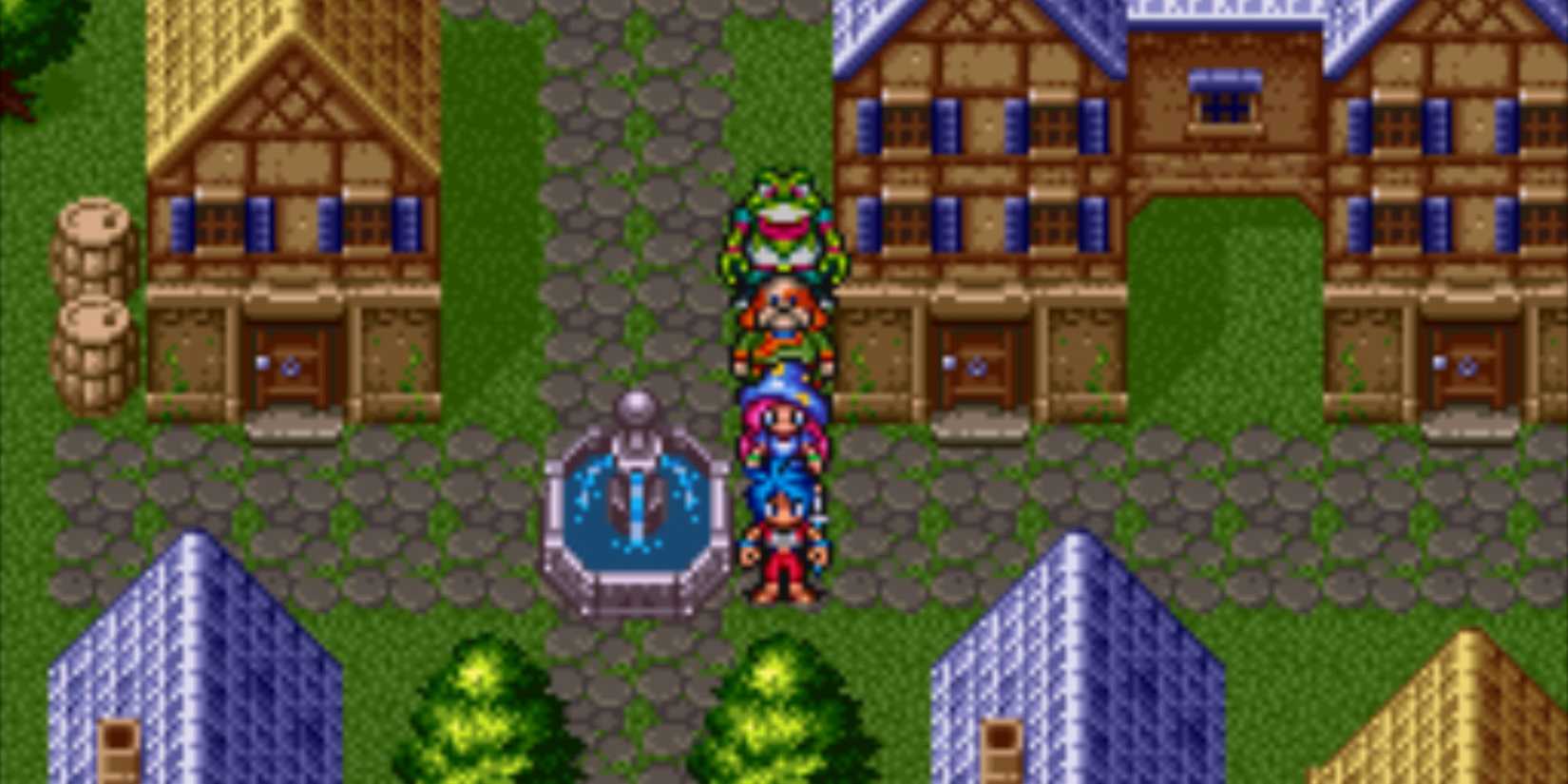
Breath of Fire is my absolute favorite JRPG series, and one of my favorite pastimes is watching my friends stream the games when they experience them for the first time. A friend of mine recently started a franchise marathon and completely steamrolled the original Breath of Fire once he unlocked Karn's fusion abilities. Naturally, he moved on to Breath of Fire II assuming it would be just as easy, and he was so incredibly wrong.
The later GBA versions of the first two Breath of Fire games significantly increased Zenny and EXP drops to make the gameplay loop flow much faster. This change means that on the original SNES hardware, a heavy amount of grinding is mandatory if you want to tackle the toughest challenges. Grinding can be a bit of a nuisance, but it was an expected reality during the SNES era. Even so, Breath of Fire II is remarkably difficult, especially during the opening hours.
I distinctly remember wiping to the harpies, then losing to the cockroaches, and eventually hitting a massive roadblock at the colosseum because Rand, despite being a dedicated tank, takes an absolute beating early on, particularly from the boss. In the long run, the game does become more manageable, especially once you begin rescuing the hidden Shamans and finally understand the gist of the system.
3 Ogre Battle: The March of the Black Queen
Micromanaging at All Times
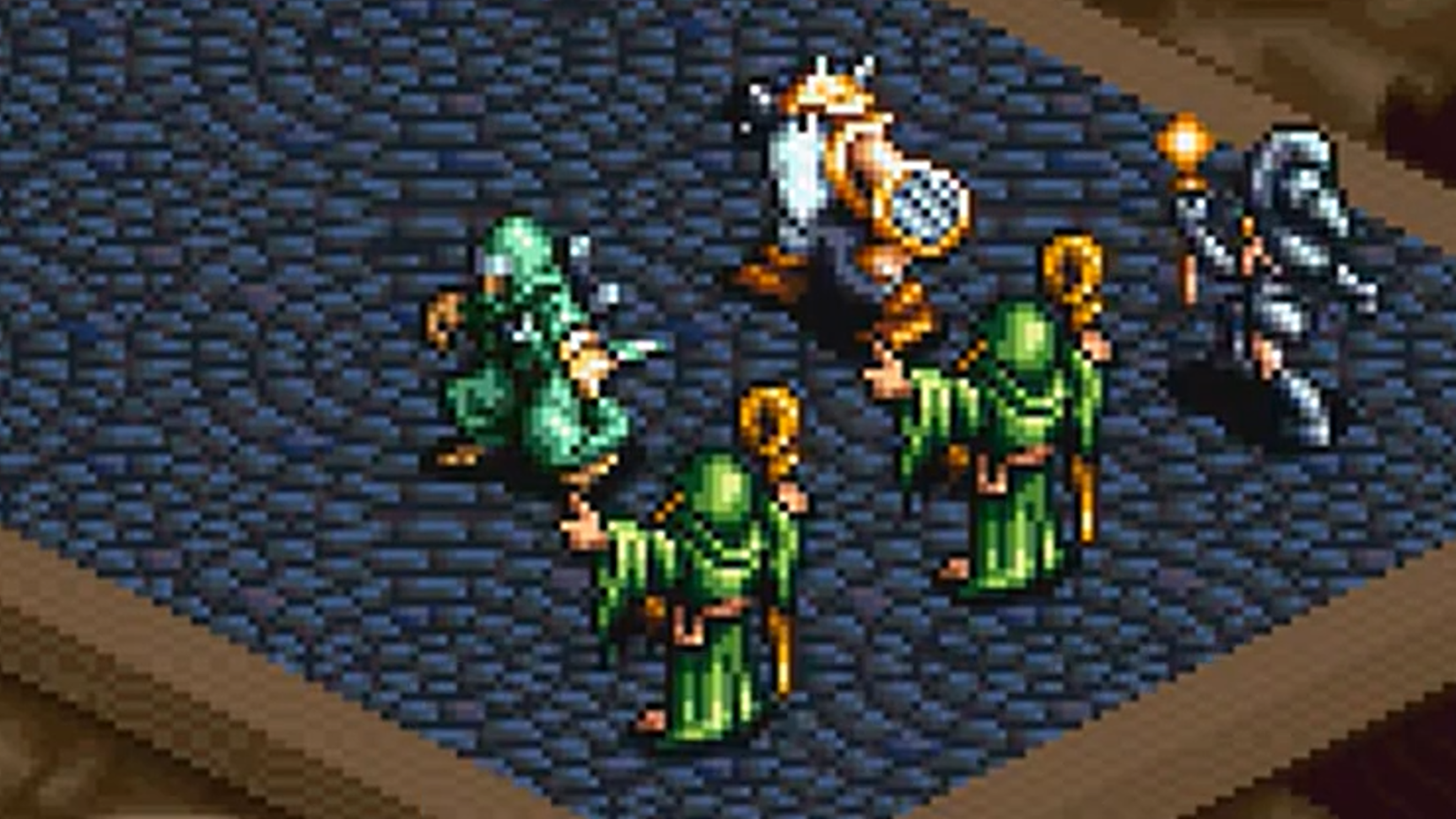
Ogre Battle: The March Of The Black Queen
Nowadays, we have instant access to the internet and any guide is just a browser tab away, but back then, we had to rely entirely on instruction manuals and the help of likeminded colleagues who also enjoyed JRPGs, who were few and far between at the time. Ogre Battle is a game where, even as an adult, I initially struggled to understand what to do because you don't actually input direct commands during combat, you simply deploy your units and watch the battles play out automatically.
Ogre Battle is one of the rare JRPGs that follows a real-time strategy blueprint. In every mission, you deploy various squads to map out the terrain, liberate towns, and engage enemy forces. Trying to micromanage everyone simultaneously, emerge victorious, and manage your alignment to secure the best ending was incredibly daunting. Today, it is easy to find exploits online to use a single overpowered unit to rush the enemy castle, but doing so completely strips away the fun.
If you don't want to dig all the way into the past to play an RTS JRPG, you can always try Unicorn Overlord, a modern title directly inspired by Ogre Battle that offers fantastic exploration. On second thought, scratch that recommendation, as getting addicted to a massive tactical game might not be the best idea.
2 Romancing SaGa 2
Dying is Not the End
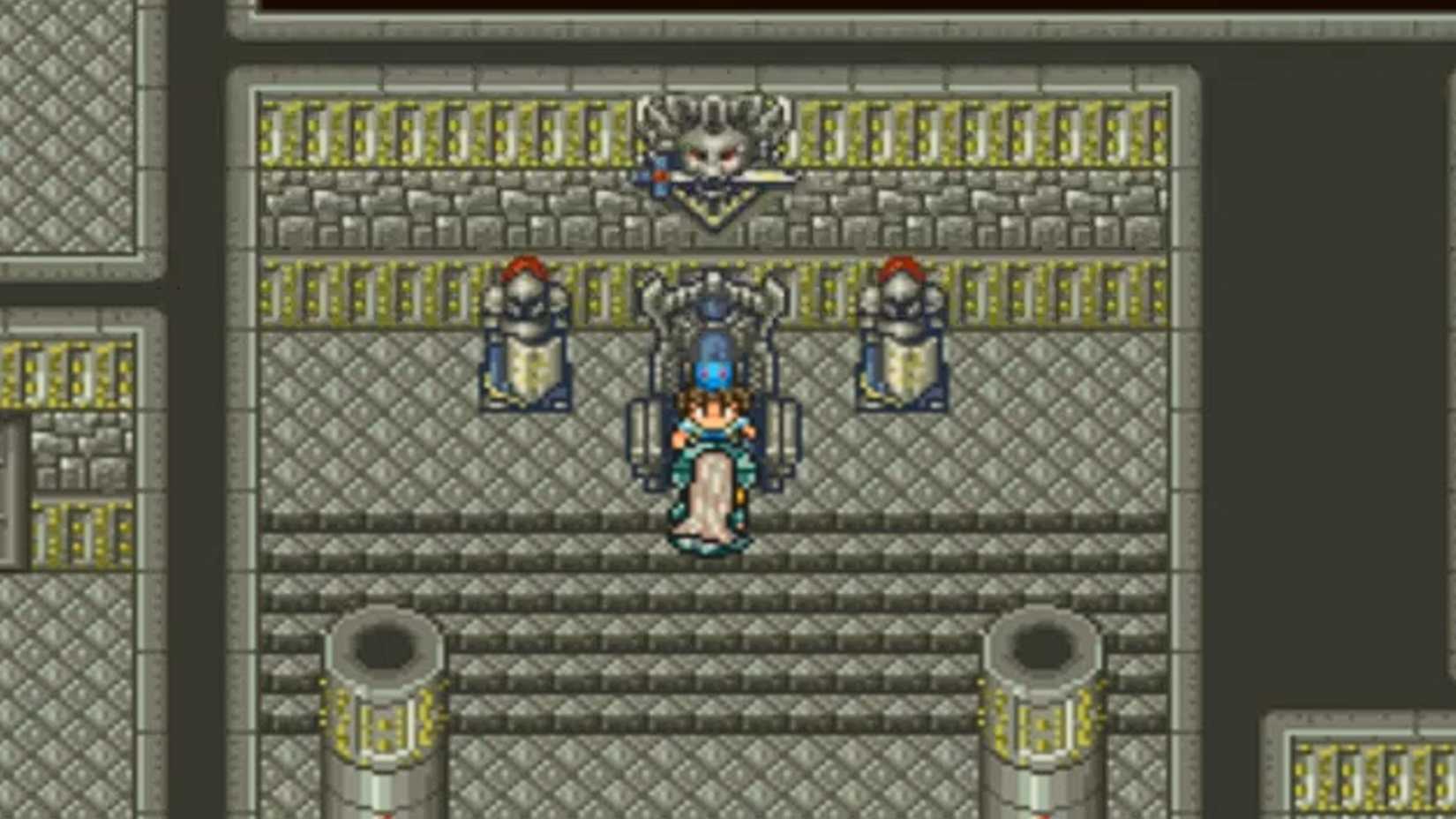
I am aware that Romancing SaGa 2 never officially left Japan during its original run, but if you play the modern remaster, which is essentially a enhanced port of the SNES version, you will get the exact same underlying experience as the original release, which was how I tackled it. And wow, what a punishing game. I was already highly familiar with the SaGa franchise, so I knew what I was getting into, and I was still completely humbled.
Romancing SaGa 2 features an incredible generation-skipping mechanic that was wildly ahead of its time. You control a lineage of emperors as you steadily expand your territory. If a massive amount of time passes due to completing quests and annexing regions, your current character passes away from old age and transfers their accumulated skills to the succeeding emperor. However, this transfer also triggers if a party wipes or if a character runs completely out of LP, meaning a true game over won't hit until you fail with the final, absolute emperor.
Naturally, I discovered this reality the hard way because I died after leisurely stumbling into one of the main villains while casually grinding inside a dungeon. Romancing SaGa 2 is entirely unforgiving, and the design fully expects you to fail and adapt in the process. I didn't include Romancing SaGa 3, which I hear is even more merciless and can easily softlock your progress, simply because I haven't played it yet.
1 The 7th Saga
Localizing the Difficulty
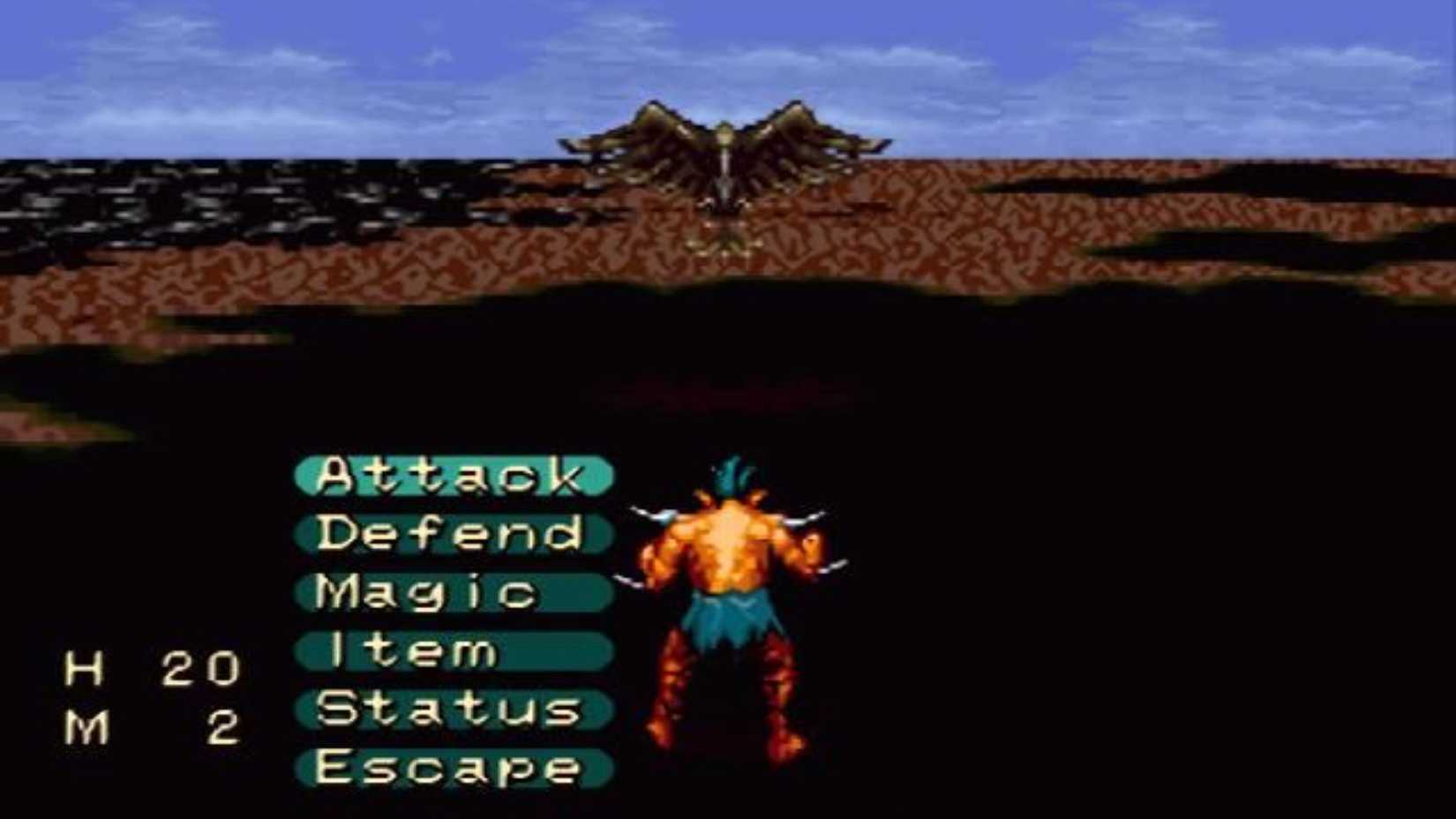
Technically speaking, The 7th Saga was not originally designed to be this brutal. The issue stems entirely from the international localization process, where the Western release team made a sadistic decision to heavily amp up the difficulty compared to the Japanese version. Enemies hit significantly harder, your stat gains per level-up were drastically reduced, and since the rival bounty hunter characters scale their levels directly alongside yours, they become completely overpowered if you rely too heavily on traditional grinding.
This creates a paradox because a massive amount of grinding is absolutely mandatory in The 7th Saga if you want to have a fair shot at progressing through this fantasy battle royale plotline. After selecting one of the seven playable heroes, you set off to recover the mystical runes, forming temporary alliances with rivals or fighting them to the death. It is a solid turn-based game with a simple yet highly compelling premise, and it can be genuinely fun, but you will struggle immensely if you want to see this adventure through to the absolute end.
 Next
Next
10 JRPGs That Shaped Modern Gaming More Than Players Realized
The release of some JRPGs had massive, rippling effects, both in the genre and outside it.



![ELDEN RING NIGHTREIGN: Deluxe Edition [FitGirl Repack]](https://i5.imageban.ru/out/2025/05/30/c2e3dcd3fc13fa43f3e4306eeea33a6f.jpg)
 English (US) ·