.png)
.png) 4 hours ago
2
4 hours ago
2


Published Jul 5, 2026, 10:30 AM EDT
Murillo Zerbinatto is an Editor at DualShockers specializing in JRPGs, RPGs, reviews, guides, and lists. He has been writing professionally since 2018 and covering games since 2020, with previous work published at Xfire, RPGInformer, IndieGameCulture, and GameRant.
A longtime JRPG enthusiast, Murillo has played more than 250 JRPGs and earned over 100 platinum trophies, giving him deep hands-on experience with the genre’s progression systems, side content, collectibles, and completionist challenges. His coverage often focuses on franchises such as Final Fantasy, Dragon Quest, Trails, Tales of, and Star Ocean.
Sign in to your DualShockers account
Sometimes expectations can completely ruin our fun and set us up for disappointment and frustration. Other times, poor marketing or a review written in bad faith can also tarnish our perspective on a game. Generally, my best approach is to play them and draw my own conclusions, but more often than not, I'm already biased.
This happens with great frequency even today, but sometimes certain games are vindicated in the long run. As I will show in this list of JRPGs that were unfairly criticized at launch, there are examples of titles judged by comparison with others, some whose marketing painted them in a wrong light, and others where the shadow of their predecessors still loomed large.
 Related
8 Best JRPGs That Aged Like Fine Wine
These JRPGs can still teach a thing or two to their modern counterparts.
Luckily, most of these JRPGs are considered masterpieces nowadays or simply great games, proving that first impressions are not that lasting and that sometimes giving them time is the best thing to do in the gaming world.
8 Earthbound
Hindered by Marketing
 YouTube via NintendoComplete
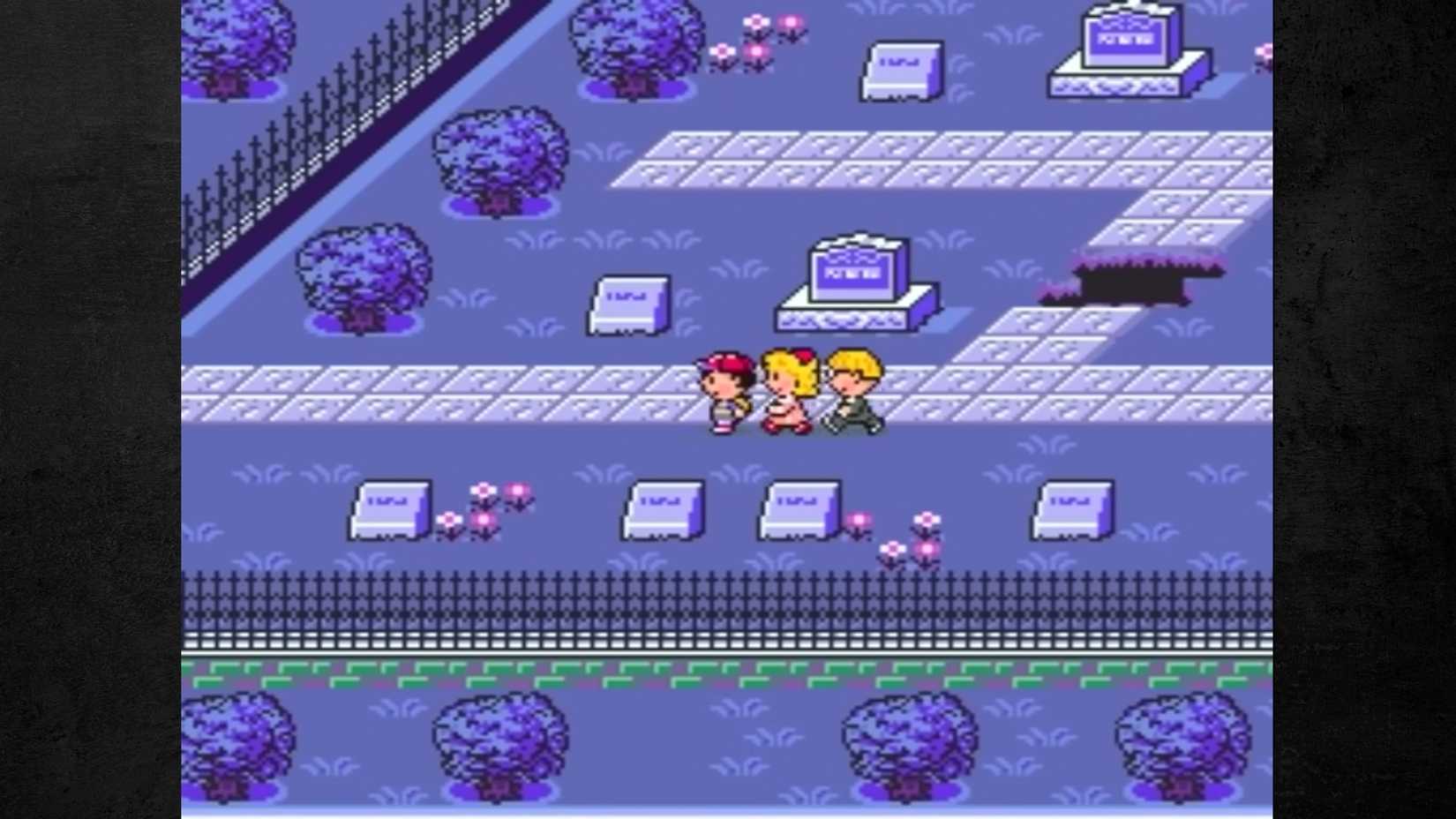
Nowadays, Earthbound is considered a cult classic for the Super Nintendo. Many adore and clamor for the JRPG, calling it quirky and timeless, and showering it with other compliments. However, it was not always this way, and especially around its release date, the game was met with anything but praise — except in Japan, where the fame of its creator, Shigesato Itoi, was skyrocketing.
The Western reception was one of indifference and negative critiques. Granted, it was an era when JRPGs were still finding their footing in the West, so many complaints were focused on the overly cartoonish art style. To make matters worse, Nintendo ran a bizarre marketing campaign for Earthbound with the tagline "This game stinks," full of satire and even including a scratch-and-sniff ad page that smelled foul.
I don't know about you, but since Earthbound and the JRPG genre at large were still being introduced to the international market, I don't imagine many would have understood the game's satire. It was only years later that Earthbound received the proper affection from the fanbase. In hindsight, I see that the blame lay more with Nintendo's marketing than with the game itself.
7 Star Ocean: The Last Hope
Xbox Investment Paid Off

Talking about subjects while looking through the rearview mirror is easy, but well, it is the best way to learn and appreciate the past. When Microsoft launched the Xbox 360, they began investing heavily in JRPGs to try and capture a Japanese audience. One developer they invested in was tri-Ace, who launched Star Ocean: The Last Hope as a timed exclusive on the Xbox 360. It was evident, especially compared to Star Ocean: Till the End of Time, that The Last Hope received an impressive budget.
To be honest, Star Ocean: The Last Hope had solid critical scores. The ones who judged it prematurely were the members of the fanbase. Some criticized the English voice acting because you couldn't switch to Japanese at the time; others commented that the characters were bland, and a few complained about the story and its pacing, which ok, since I remember a 40+ minute cutscene there. A few players even unfairly criticized The Last Hope for having insane achievements. Really?
However, a few years later, when Star Ocean: Integrity and Faithlessness came out, retroactive praise for Star Ocean: The Last Hope began to surface, and the fanbase started to realize that it was, in fact, a good game and an organic evolution of the space opera series.
6 The Legend of Dragoon
Unfairly Compared to Final Fantasy

It baffles me to this day that The Legend of Dragoon didn't receive all the accolades it deserved at its launch. This is exactly why comparison is the thief of joy, because as soon as Sony's JRPG arrived, constant analyses comparing it to Final Fantasy VII began. There was even a reviewer who said that The Legend of Dragoon would be a good game if evaluated on its own merits. So just do that, man! Comparisons only make sense if the games belong to the same series, and even then, there are exceptions.
Anyway, many critics accused the story of being clichéd, featuring a generic plot and fantasy tropes that were worn out at the time. I love dragons, so give me more dragons whenever possible. When I played it, I was completely shell-shocked, impressed by the scope, the Addition system, and the incredible CGI cutscenes. Nowadays, there are constant demands for a remake of The Legend of Dragoon, indicating that the JRPG has grown in the fanbase. But it is a case of too little, too late, fam.
 Related
10 JRPGs You Need to Vote For on the GOG Dreamlist
Keep the dream alive by bringing some classic JRPGs back to life.
5 Xenoblade Chronicles X
Shifting from Story to Exploration

Xenoblade Chronicles is a phenomenon, both in the game itself and in the impact it had on the JRPG community. Initially, it was released only for the Wii in Japan, but fans banded together and organized Operation Rainfall, which successfully brought Xenoblade Chronicles, The Last Story, and Pandora's Tower to the West. I extend my gratitude to that movement because Xenoblade became one of my favorite series.
While the first game brought a stellar story packed with endearing characters and a mind-bending plot, Xenoblade Chronicles X offered a completely different take. In this title, the intention was to test the Wii U's limitations and technical capabilities by creating a sprawling open world, but at the cost of shifting its focus away from a linear, character-driven story.
Shulk was an amazing protagonist, and while we could create our own character in this JRPG, being a silent protagonist meant we had little to no character development and almost no agency in the story whatsoever. In retrospect, though, the game is widely considered a technical miracle for its seamless, massive alien world and a masterclass in mech-based exploration that few modern games have managed to replicate to this day, except for Xenoblade Chronicles X: Definitive Edition itself.
4 Lost Odyssey
Rivaling Western RPGs
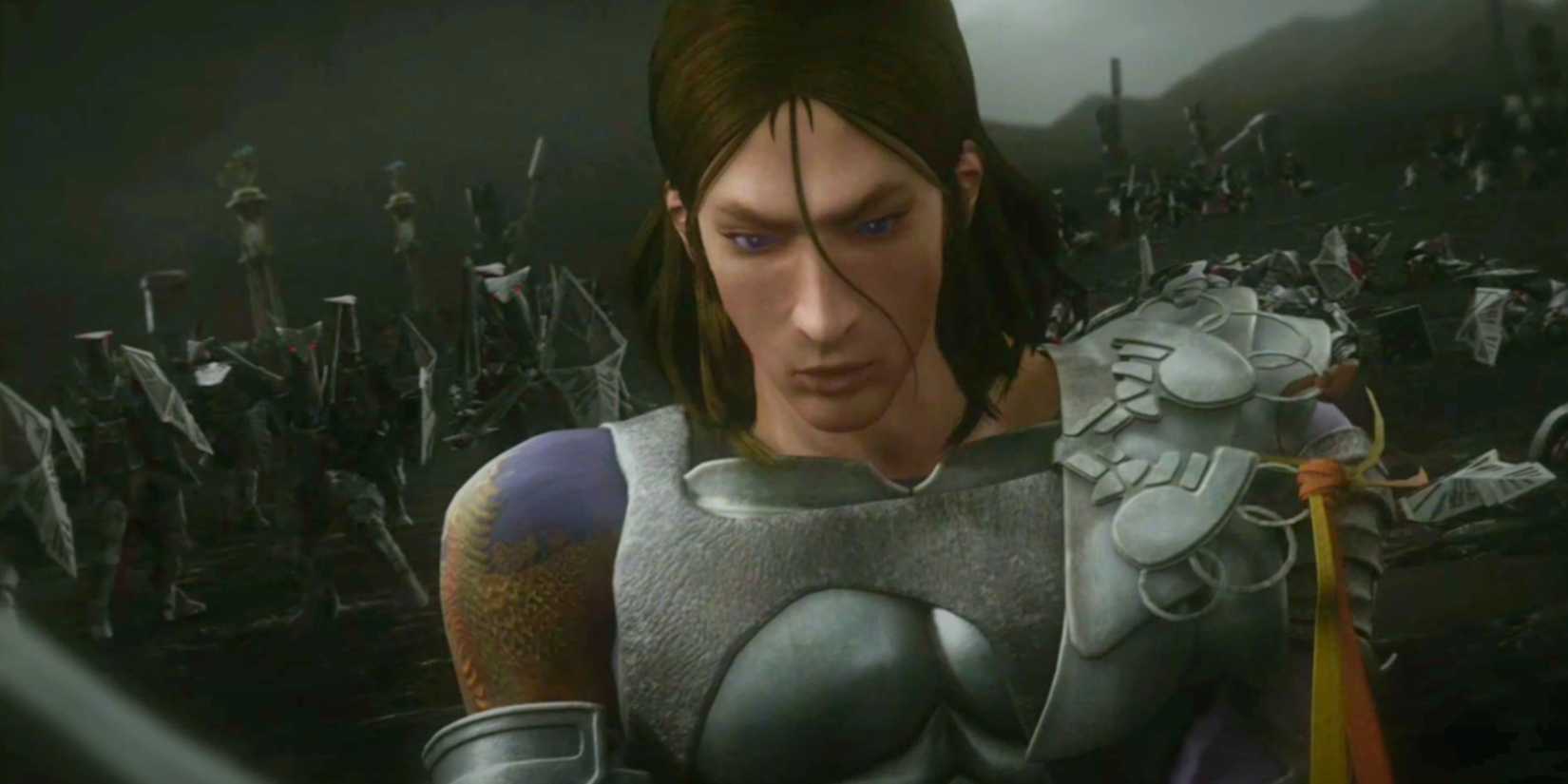
Lost Odyssey was yet another project where Microsoft injected money to create a JRPG library on the Xbox 360, and who better to invest in than Hironobu Sakaguchi, the creator who brought Final Fantasy to the world. However, the timing was dishonest to the game. In the late 2000s, the Western gaming industry was undergoing a massive shift toward action-heavy, cinematic Western RPGs, including on the Xbox 360, by the way.
Players wanted more Morrowind and Mass Effect and fewer turn-based JRPG combats. The prejudice was evident even in professional outlets. I appreciate Microsoft's attempt and their investment in Mistwalker, but the odds were against them. At any rate, fast-forward a bit, and nowadays some call Lost Odyssey the real Final Fantasy XIII, which, glass half-full perspective aside, was a tad unfair to Lightning's game.
3 Final Fantasy XIII
The Antithesis of Open-World Bloat
 YouTube via wo0ter
Speaking of which, Final Fantasy XIII, man. Of course, to this day I get confused by the terminologies of fal'Cie, l'Cie, Cie'th, and whatnot, but I truly liked the game. The linearity never bothered me because I am not a fan of open worlds, and coming straight from Final Fantasy XII, I didn't find the snappier, somewhat automatic combat strange. Also, to this day, I don't understand the hate toward Snow (toward Hope, yes, annoying prick).
I don't even need to comment on the visuals, right? Outstanding even by today's standards. What the technomages at Square did with Final Fantasy XIII is borderline witchcraft, and for me, the advantage of linearity is the ability to achieve excellent pacing in the narrative and the presentation of set pieces at opportune moments. But of course, none of that mattered at launch, and all anyone commented on was that it was a long corridor and featured auto-battle.
Who would have thought that, in a way, FFXIII would be the last mainline turn-based Final Fantasy. I don't even need to mention how the complaints about the game aged poorly, right? Not that it deserves appreciation solely for being turn-based while today's mainlines are action-focused, but at least it deserved to be less unfairly criticized when it first released.
2 Breath of Fire: Dragon Quarter
I'm Also to Blame

Breath of Fire: Dragon Quarter
Breath of Fire: Dragon Quarter is, to this day, considered the scapegoat for the fall of the series. Maybe, just maybe, that could be the case, financially speaking. But Capcom could simply double down on the series, release a proper Breath of Fire 6, not that atrocious mobile version, and well, see if it was a dud or if interest really died. The developers never gave my boy Ryu a second chance.
However, among all the games here, this is the one I recognize as the most unfair reception, because I myself criticized it for being incredibly jarring compared to its predecessor. It featured a much more grim environment, less fantasy, an insanely challenging battle system, and a roguelike mechanic when roguelikes weren't popular. Yeah, it was rough.
I replayed Breath of Fire: Dragon Quarter in 2020, and let me tell you, it aged fine. It remains as daunting as ever, but the gameplay is tweaked to accommodate the countless tools the game offers. Struggling like a fish out of water, I still managed to finish the game on my first playthrough, although I was never able to cherish the scenario overlay system.
1 Chrono Cross
Loved by Critics, Shunned by Players
 Square Enix
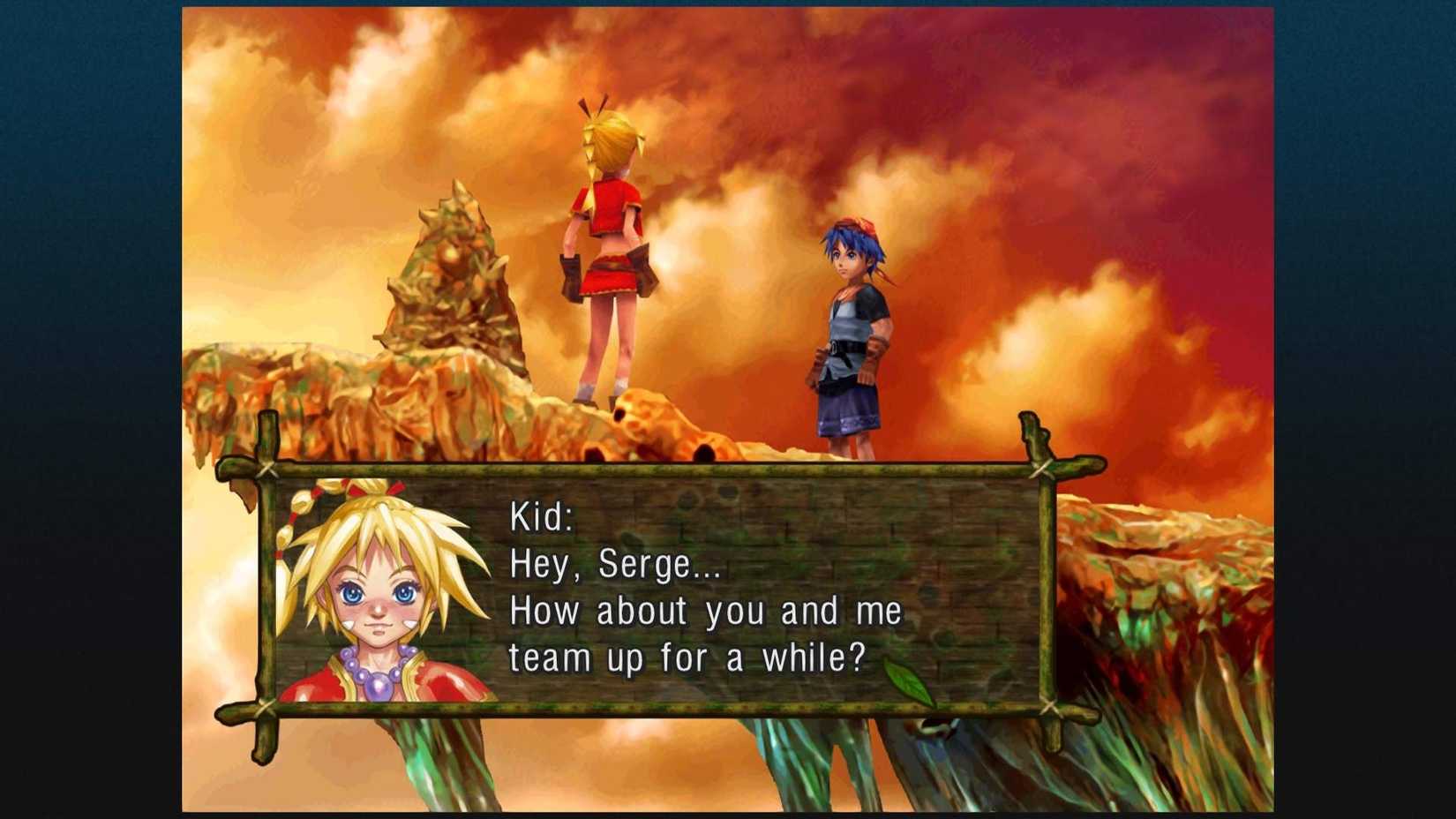
If there is any game more wronged at launch than Chrono Cross, I don't know it. Of course, I don't blame anyone for expecting a Chrono Trigger 2, but even so, it seems the player base closed their hearts and refused to accept Chrono Cross simply for not being a direct sequel. In terms of critics, there isn't much to say, as Chrono Cross remains one of the highest-rated JRPGs on Metacritic to this day.
On one hand, I understand those who wanted more Chrono Trigger. I didn't experience Square's marketing at the time, and I don't know whether they misled players into thinking this would be a direct sequel, but once again, comparison is stealing joy. The wonderful combat system was criticized; the number of recruitable characters was also targeted, and even the reduction of double and triple techs. And of course, the absence of a more pivotal role for Crono and the crew.
To this day, it is possible to find people who simply detest Chrono Cross as if it had offended their family. I wish everyone could separate it from the stigma Chrono Trigger created, because, beyond being one of my favorite JRPGs of all time, it is a freaking masterpiece in the genre.
 Next
Next
11 Most Disappointing Square Enix Game Cancellations
A word of caution before reading: some of these cancellations might sting.



![ELDEN RING NIGHTREIGN: Deluxe Edition [FitGirl Repack]](https://i5.imageban.ru/out/2025/05/30/c2e3dcd3fc13fa43f3e4306eeea33a6f.jpg)
 English (US) ·