.png)
.png) 1 hour ago
1
1 hour ago
1

Published Jun 29, 2026, 2:30 PM EDT
Shayna Josi is a Contributor at DualShockers who covers RPGs, cozy games, life sims, action games, gamer culture, and PC gaming. She has been writing professionally since 2020 and covering games since 2023, with a focus on features, commentary, storytelling, character writing, and game design.
Before joining DualShockers, Shayna wrote for GameRant as a Features Writer. She has also worked as a copywriter for Nas Academy and as a researcher and assistant writer for a book tied to the Nelson Mandela Children’s Fund. Outside of games journalism, she works as a ghostwriter, copywriter, and editor in the publishing industry. Shayna holds a BA in Film Studies and a BA Honours in English.
Old-school RPGs can be pretty janky, and can be especially difficult to get into if you're used to playing games only made from around 2015 and after. There's a clear jump in technology, graphics, and storytelling when it comes to RPGs made before and after 2015, and some features that used to be commonplace in RPGs are unlikely to be seen again, for better or worse.
 Related
Some studios and game series reached their height pre-2015, and became a symbol of the era. Their decline marked the end of this era of RPGs, and studios either adapted to the new format, or just couldn't keep up and failed. Either way, these games that became the last of their kind are still well worth playing, even through any jank or clumsy graphics.
8 Baldur's Gate 2: Shadows of Amn
An End of an Era for BioWare

Baldur's Gate 2: Throne of Bhaal
One of several BioWare games on this list, Baldur's Gate 2: Shadows of Amn was the last of the isometric CRPGs that they made before moving on to games like Star Wars: Knights of the Old Republic and their own IPs.
Isometric CRPGs are having something of a revival thanks to the efforts of Larian, but the isometric CRPGs of the 2000s were very different to the ones we see today. Baldur's Gate 2 required a lot of reading, a task which seems tedious, but it went a long way to establishing lore, creating immersion, and giving characters and party members captivating dialogue.
7 Neverwinter Nights 2
Players Could Create Custom Campaigns
 Image Via Aspyr
Mods like Skyblivion are an exciting way for players to create their own campaigns within their favorite games, but it used to be a lot easier to do. Neverwinter Nights 2 was one of the last of the games to be able to do this. I remember LAN parties where we'd play our own custom campaign in Neverwinter Nights 2, which was an experience that co-op mode in modern RPGs doesn't quite emulate.
Homebrew campaigns are the bread and butter of TTRPGs, and having them in a published CRPG was something that's unlikely to happen again anytime soon. Either way, we haven't seen anything quite like Neverwinter Nights 2's custom campaigns since.
6 Star Wars: The Old Republic
A Disappointing End to a Story

This may seem like an odd one, but for those who remember waiting for a sequel to Knights of the Old Republic 2: The Sith Lords, the news that there was no sequel and never would be a sequel was a bitter pill to swallow. Instead, we got Star Wars: The Old Republic, an MMO set hundreds of years after the last KotOR game and every character we knew and loved would be dead, while the conflict would be so removed from the original two games that it would be a different story entirely.
 Related
This was not the last time that a video game publisher decided to go the route of an MMO instead of a single-player game to the detriment of the story. SWTOR wasn't a bad game by any means, and actually had some profound storytelling, but it was a far cry from the two Knights of the Old Republic games it was based on. Before it was released, there was always hope that there would be a third KotOR game.
5 The Witcher 2: Assassin of Kings
The Height of the Hub

The Witcher 2: Assassins of Kings (Enhanced Edition)
The Witcher 2 often gets overlooked in favor of its more robust sequel, but it's the perfect example of what RPGs were like before studios were hit with open-world mania. It is organized around hubs rather than the open-worlds with cities that are the norm in modern RPGs.
This game design is one of the ways that makes The Witcher 2 feel like a game from another era. It's completely removed from The Witcher 3 in terms of its game design, and is very much a product of its time. Having such a gap between two games isn't common, and The Witcher franchise is one that really drives home how quickly games change.
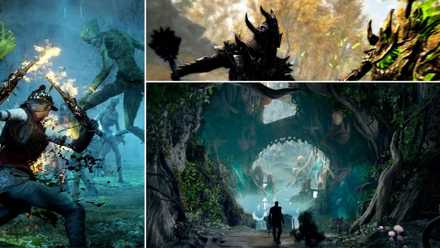
4 Dragon Age: Origins
The Last 2000s CRPG
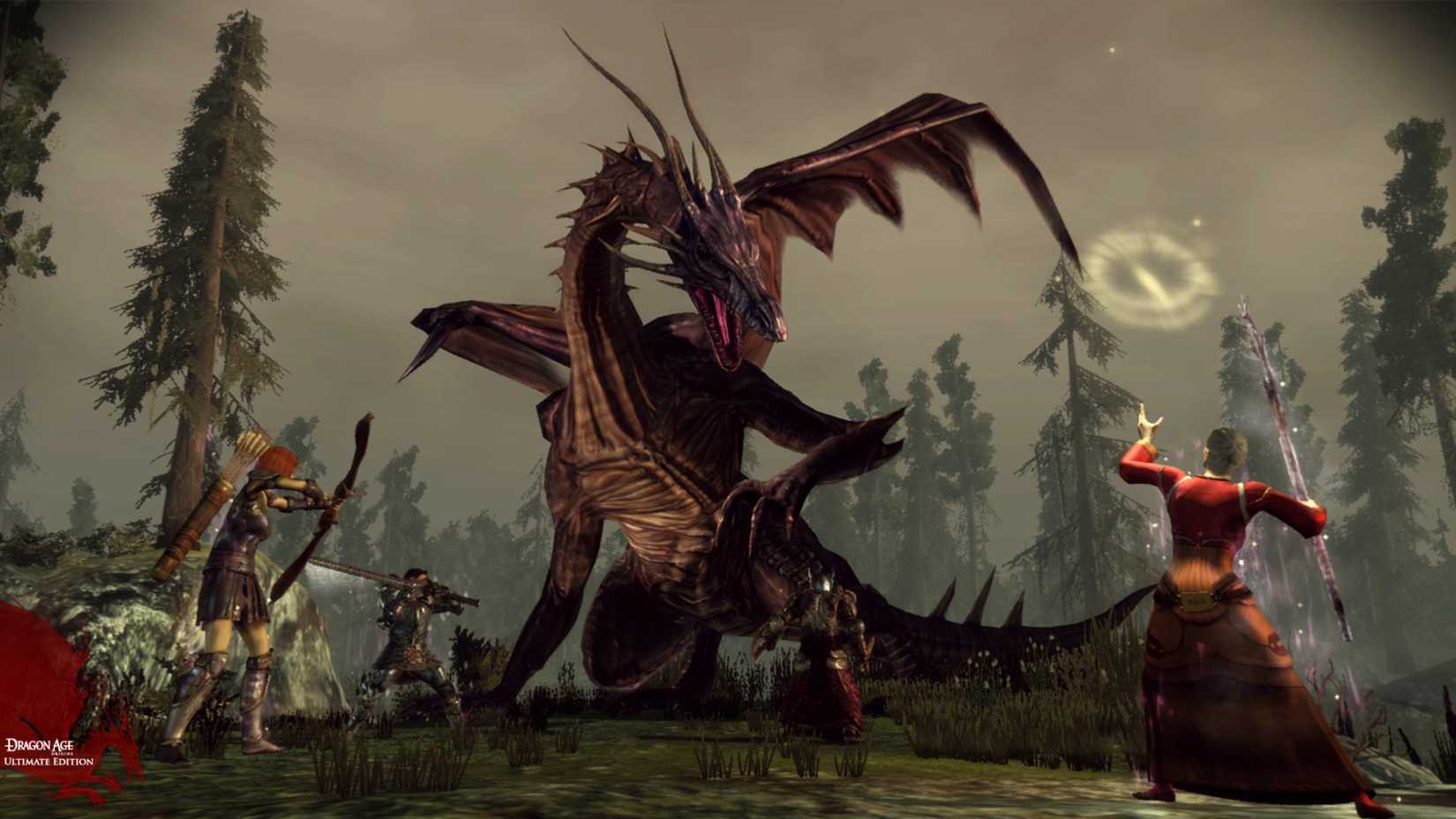
Dragon Age: Origins was BioWare's other IP, the one that wasn't as popular as Mass Effect, but it had a very dedicated group of fans. I remember very clearly when Dragon Age Origins was released, and it was actually my favorite BioWare game for years as I didn't play Mass Effect until the ME3 ending debacle had been resolved.
The 2000s was the era of the great CRPGs, and Dragon Age Origins was the last of them. It gave us a new world, incredible lore and characters, and a story that could be told in so many different ways. Thinking about how Dragon Age eventually ended makes me sad, especially when I think about where it started out, and the hope we all had for its potential.
3 Fallout: New Vegas
A Very Different Game to Modern Fallout Games
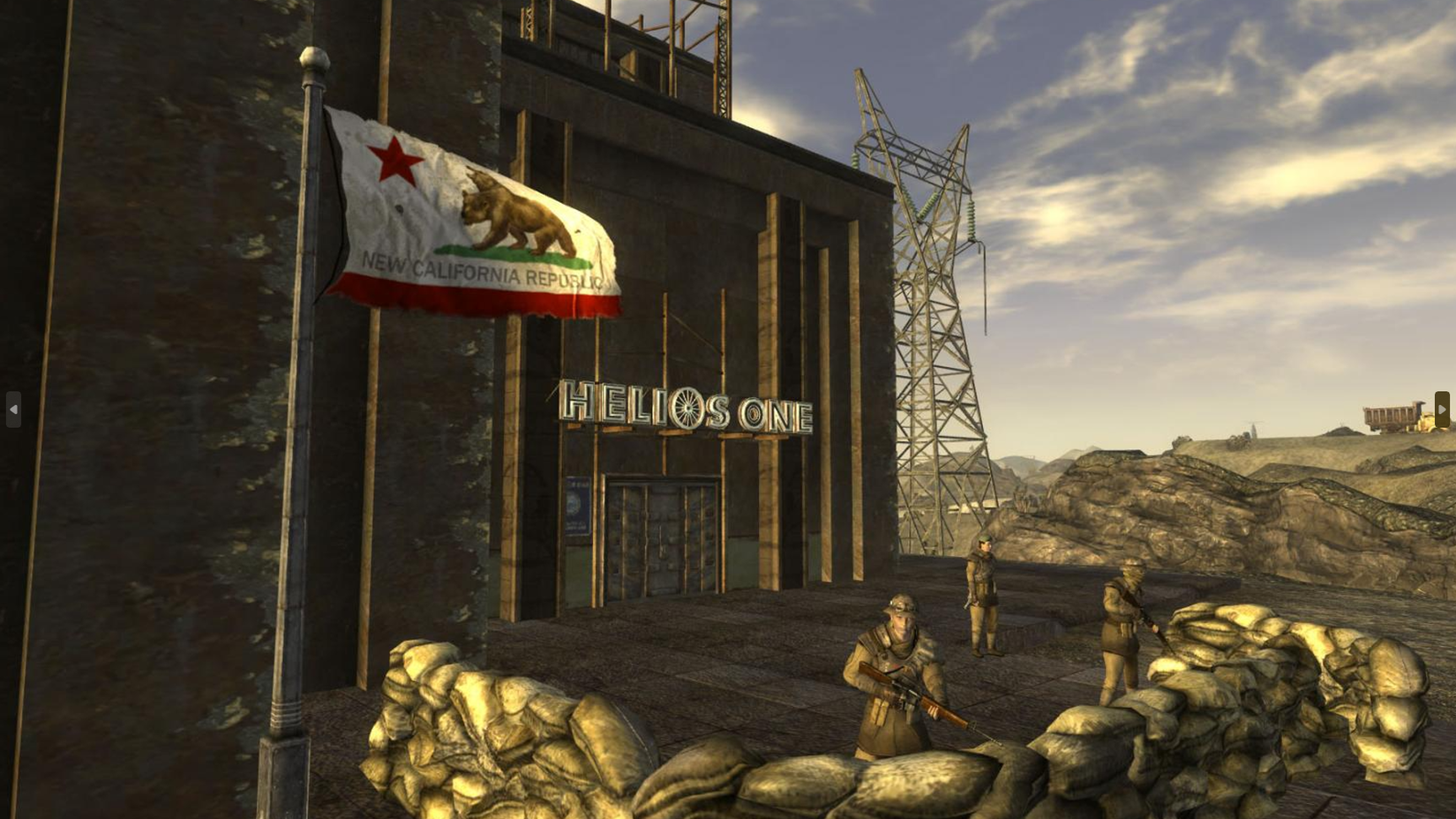
The only Fallout RPGs that have been released since Fallout: New Vegas are Fallout 76, an MMO, and Fallout 4, a game so different to its predecessors that it falls firmly in the modern RPG category. Fallout: New Vegas has an emphasis on character, choice, and consequence, something that Fallout 4 arguably falls flat in a lot of areas.
 Related
10 Best CRPGs of All Time
The genre has made an epic resurgence thanks to mainstream booms like Baldur's Gate 3 and Pillars of Eternity 2.
Fallout 4 introduced a lot of the mechanics for what would become staples in Bethesda's other games, namely settlement building. Fallout: New Vegas is the final Fallout game that prioritized its story and characters and carried through on storylines all the way to the end, making it a game that belongs to another era of RPGs.
2 Mass Effect 3
The True End of Mass Effect

Mass Effect 3 was truly the end of an era. It brought Shepard's story to a close, one that we had all been following over three games. Because we could transfer our saves, Mass Effect 3 took into account all our decisions over the course of two games, including Shepard's appearance, relationships, and minor decisions that would have a big impact.
It was the last Mass Effect game that would bring over decisions like this, a system that BioWare would eventually abandon. Modern RPGs in general don't use a save transfer system anymore, a fact that's disappointing, especially as it was effective in tracking story and character choices.
When RPGs Gave No Clues

It's normal now for games to have map markers and fast travel, but that wasn't always the case. Morrowind is perhaps the most famous example of a game that doesn't hold your hand, which can be a major learning curve if your only experience is modern games. It can also become very frustrating — you walk slowly, there's no way to know if you're going the right way, and there's a lot of reading to do.
Once you get used to this, though, this style of gameplay has immersion like nothing else. Checking your journal to confirm locations and directions, consulting your map, and getting swept away by everything you come across is a kind of magic that only comes with these games. Morrowind was the last Elder Scrolls game to do this, and it's unlikely we'll ever see games like it again.
 Next
Next
10 Best RPG World Maps
Between depth, aesthetics, and immersion, these spaces are a fundamental part of their works' greatness.



![ELDEN RING NIGHTREIGN: Deluxe Edition [FitGirl Repack]](https://i5.imageban.ru/out/2025/05/30/c2e3dcd3fc13fa43f3e4306eeea33a6f.jpg)

 English (US) ·