.png)
.png) 3 hours ago
1
3 hours ago
1

Published Jul 15, 2026, 1:30 PM EDT
Shayna Josi is a Contributor at DualShockers who covers RPGs, cozy games, life sims, action games, gamer culture, and PC gaming. She has been writing professionally since 2020 and covering games since 2023, with a focus on features, commentary, storytelling, character writing, and game design.
Before joining DualShockers, Shayna wrote for GameRant as a Features Writer. She has also worked as a copywriter for Nas Academy and as a researcher and assistant writer for a book tied to the Nelson Mandela Children’s Fund. Outside of games journalism, she works as a ghostwriter, copywriter, and editor in the publishing industry. Shayna holds a BA in Film Studies and a BA Honours in English.
There are a lot of hit RPGs that have been released over the years. The Elder Scrolls V: Skyrim, The Witcher III: Wild Hunt, Mass Effect, and Baldur's Gate 3 have been some of the biggest games of all time, and their influence on the video games that came after is obvious. Lesser known are the games that were overlooked but still pushed the genre forward in unexpected ways.
Lesser-known RPGs are overlooked for various reasons, such as having an unfortunate release window, being made by a studio that went on to release far more popular games, or had flaws that made the game unpopular. Despite these drawbacks, the RPGs on this list changed the industry in fundamental ways, and would go on to quietly influence their peers, making RPGs better and more creative in the long-run.
8 Jade Empire
Expanding Fantasy Beyond Medieval Europe
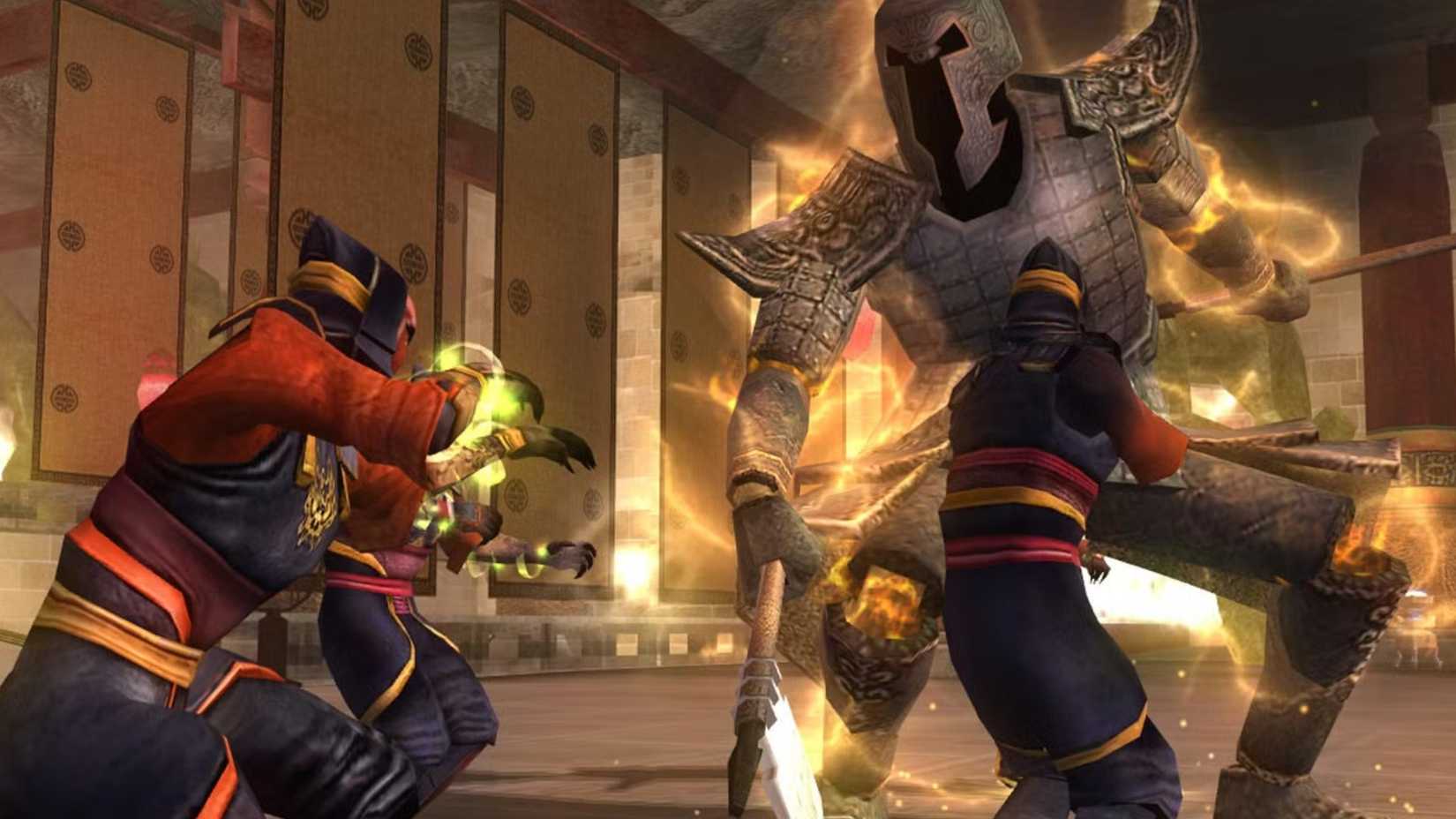
Fantasy in all mediums has had a very long problem of being the reserve of medieval Europe, to the point that people genuinely argue about historical accuracy in a fantasy setting. Aside from the fact that many such arguments about what medieval Europe are also incorrect, the fantasy genre can seem like it’s been copy/pasted with different characters and lore.
Jade Empire was instead set in a Chinese-inspired fantasy world, and proved that the genre didn't have to rely on medieval Europe for compelling fantasy. BioWare's martial arts-inspired world offered a refreshing alternative while replacing traditional swordplay with fluid real-time combat styles that players could swap between on the fly. It got overshadowed by the likes of Star Wars: Knights of the Old Republic and Mass Effect, but it did a lot to break that barrier that was stifling the genre.
7 Neverwinter Nights
A DM's Dream

Neverwinter Nights often gets overshadowed by its successor, but it did a lot to establish the CRPG genre, and many popular games that we have today include mechanics and features that were introduced in it, and became the forerunner to modding.
Neverwinter Nights was released alongside a toolset that lets you build your own adventures and campaigns, something that sets my imagination on fire as a long time DM. Getting access to this toolset and having so much freedom with it is reminiscent of Skyrim's toolset that made community modding an essential part of it.
6 Gothic
Modern Game Design in 2001

Gothic paved the way for the popularity of RPGs in Europe, particularly Eastern Europe. Another way it stood out is that it gave us one of the most convincing living worlds ever seen in an RPG years before open worlds became the norm. NPCs followed daily routines, belonged to rival factions, reacted to the player's reputation, and occupied a world that felt largely indifferent to the protagonist's existence.
Gothic also innovated exploration in RPGs. Your curiosity would be rewarded alongside making exploration feel genuinely dangerous by making player and enemy levels scale independent of each other and creating an organic way to make certain areas inaccessible until later. These are all game design mechanics that would become standard in video games, and Gothic had them all as early as 2001.
5 Tyranny
Obsidian's Forgotten RPG

Tyranny gave us a world where the unthinkable has already happened: the villain has already won. This is a fascinating scenario that many video game narratives avoid, but it's something that I feel should be explored more, especially considering current world events and real anxieties that people have over the state of things. Tyranny has you serving within a conquering regime, and rather than fighting to stop the tide of darkness, you have to navigate this dark world to survive.
As can be expected with this kind of game, choices are morally gray, and its various factions all believe they're doing the right thing. Experimental games like Tyranny rarely reach mainstream success, but are important in the overall landscape of the industry as they ask difficult questions and force the industry to mature in significant ways.
4 Pillars of Eternity
The Soft Return of the CRPG

Very few isometric CRPGs had been released in the 2010s, and even Dragon Age had done away with the format in Dragon Age II. Pillars of Eternity was released when many had believed that the isometric CRPG was long obsolete, an assumption that thankfully was not correct.
Obsidian modernized the formula with sophisticated real-time-with-pause combat, richly layered world-building, and meaningful dialogue shaped by character attributes beyond simple persuasion checks. Its crowdfunding success also demonstrated that players were eager to support ambitious CRPGs outside traditional publisher funding models. Far bigger games like Divinity: Original Sin and Baldur's Gate 3 are often credited for the revival of this format, but Pillars of Eternity's success laid the foundations for its comeback.
3 Outward
Survival Mechanics Taking Priority in an RPG
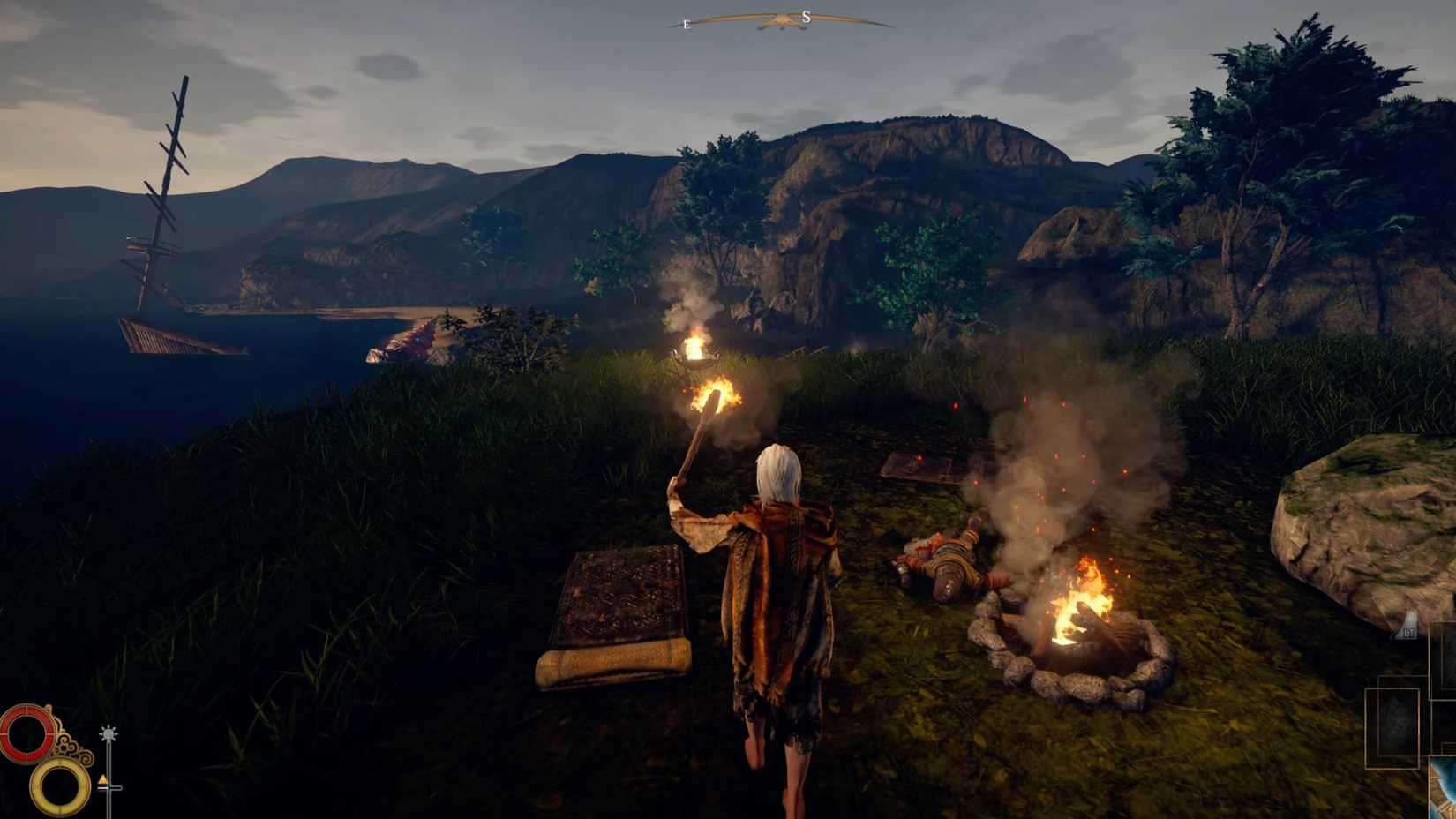
Outward was an ambitious RPG and attempted many features that even AAA studios have never tried. For such a small studio to create an ambitious narrative, put survival mechanics to the fore, and to also add features to make co-op an option was incredibly ambitious.
Nine Dots implemented a split-screen feature so that friends and family could play Outward together, a task that was notoriously tricky for an open-world and narrative-heavy RPG. Survival mechanics also took center stage, rather than being implemented with a mod, or used as flavor text. It had varying levels of success with these ideas, but that a small studio took on such a big challenge to make the open-world RPG space more interesting and to do something new in this space is incredibly important.
2 Dragon's Dogma
A Unique Follower System

This is a Japanese game, but its characteristics of being set in a Western-style high fantasy world make it feel very much like a Western RPG. Dragon's Dogma has a cult following today, but it's also often overlooked by its successors and other similar games.
Dragon's Dogma did wonders with scale, and its AI for NPCs through the Pawn system. Companions are an essential part of many RPGs, and having Pawns who evolve through gameplay and your decisions make for unique characters that could be shared with others is still something that makes Dragon's Dogma stand out as an RPG.
1 Vampire: The Masquerade - Bloodlines
A Messy Launch Obscured a Brilliant Game

Vampire: The Masquerade - Bloodlines had a lot going against it when it was released. It launched in an obviously unfinished state, which is never a good thing. It was massively overshadowed as it was released in the same week as Half-Life 2.
Bloodlines did a lot for the RPG genre though, particularly when it came to player choice, character background, and social skills. Your chosen vampire faction changed the story in fundamental ways, a mechanic that other games would go on to adopt, and you could approach quests with different strategies, all of which were informed by your choices on multiple fronts. It's unfortunate that Bloodlines was overlooked when it was released because of its technical issues and unfortunate release window, but its influence in RPG spaces is undeniable.





![ELDEN RING NIGHTREIGN: Deluxe Edition [FitGirl Repack]](https://i5.imageban.ru/out/2025/05/30/c2e3dcd3fc13fa43f3e4306eeea33a6f.jpg)
 English (US) ·