.png)
.png) 2 months ago
59
2 months ago
59

Published May 21, 2026, 8:31 AM EDT
Jaime Tugayev is the News Editor at DualShockers, where he covers gaming news, reviews, features, guides, and major industry updates. He has been writing professionally since 2013 and covering games since 2015, with a focus on FPS games, tactical shooters, strategy titles, JRPGs, and PC and console gaming.
His work often covers games and franchises such as Escape From Tarkov, Gray Zone Warfare, Battlefield, ARC Raiders, Arma, STALKER 2, and Six Days in Fallujah. Before joining DualShockers, Jaime contributed to IndieGameCulture and Aviator Insider. He also holds a Master’s Degree in Developmental Psychology from the University of Coimbra.
How many times have you looked at a game and thought, 'This would be perfect if it had this mechanic from that other game?' I catch myself thinking about this way too often, but those thoughts tend to be crushed by the realization that a lot of these features may be lost to the sands of time.
That being said, I want to stay optimistic. A lot of great mechanics do eventually come back, sometimes not in the exact way we dreamed of, but the meteoric rise of esoteric indie shooters can only mean good things for a genre this prone to creative stagnation.
 Related
10 Upcoming FPS Games to Keep on Your Radar in 2026
Here are 10 FPS games currently slated to launch in 2026 that players should keep an eye out for.
The game mechanics listed here are innovative additions to first-person shooters that stuck with me after playing. Some of these are recent, most are fairly old now, but these are features I find myself coming back to when I want to remember a time when the FPS genre still dared to be different.
9 RNG Gunplay
Suppressive Fire!
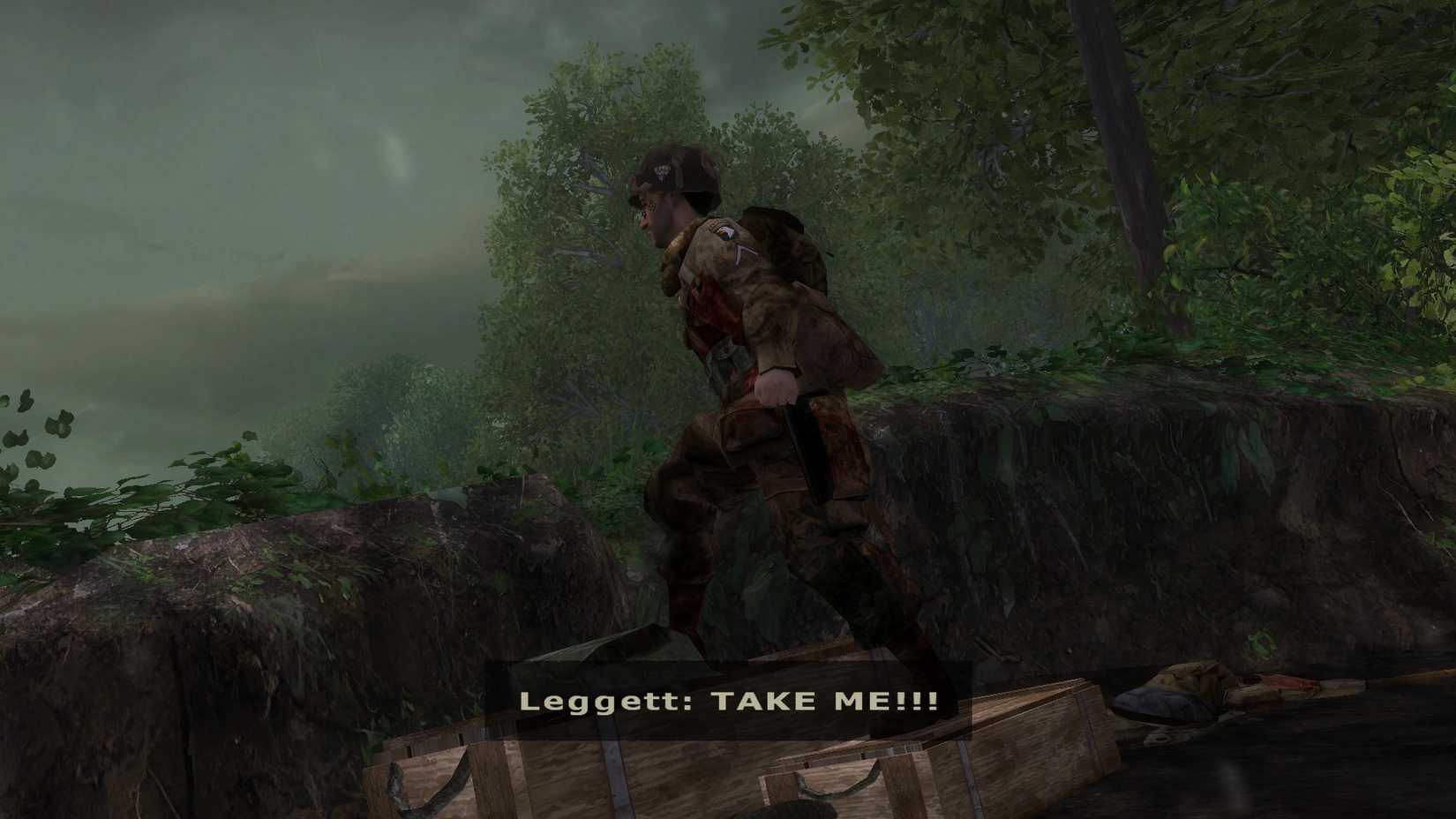
Most people know Gearbox because of its work on Borderlands, and while I don't blame them, the company's magnum opus will forever be the Brothers in Arms series. We're only going to consider the three mainline games here because what came after is abominable.
Rather than traditional hitreg/hitscan mechanics, whether you actually land a shot against an enemy in cover is determined by the mighty RNGesus. The exact position of your crosshairs is barely relevant if you're shooting an enemy in cover. The gods of randomness might smile upon you and grant you a lucky shot, but the real way to take them down is to flank and hose them down with a clear line of sight.
Once you get past the frustration of missing two-thirds of your shots, it's a delightful implementation that makes you actually have to use your brain instead of raw mechanical prowess, and more single-player FPS games would benefit from bringing this back. Squad actually tried a similar approach with its Infantry Combat Overhaul, but multiplayer crowds proved too immature for this.
8 Squad Permadeath
I Have Failed You, Brother
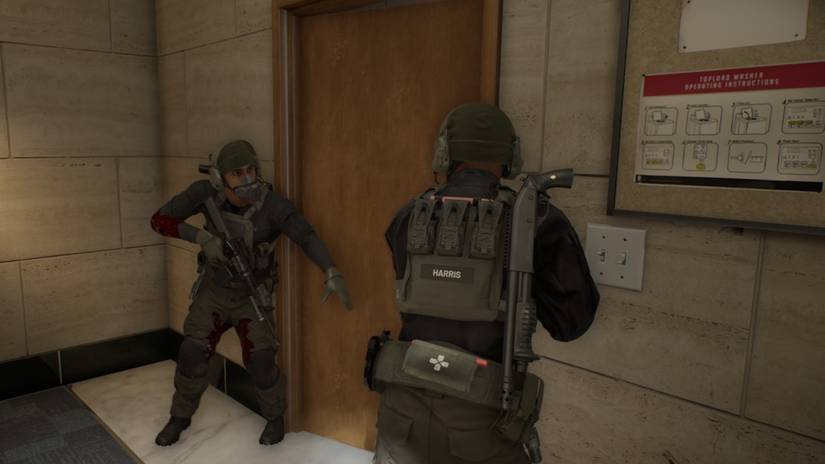
Maybe I'm too imaginative, but I find it difficult to play a game with persistent squad members without getting attached to them. That makes it inevitably horrifying when one of them goes down, but what really ups the stakes is having them die for good if you're careless.
My first experience with this mechanic was the original Ghost Recon. Walked into a room without chucking a grenade first? Dead. Didn't check your corners? Dead. Did everything right, then slacked for half a second? Believe it or not, dead.
The fact that your teammates (and their unique skillset) are gone if you screw things up makes every step feel tense in ways your usual Call of Duty cinematic gunfight could never replicate.
7 Tossing Picked Up Guns
It's Called Borrowing, Look It Up
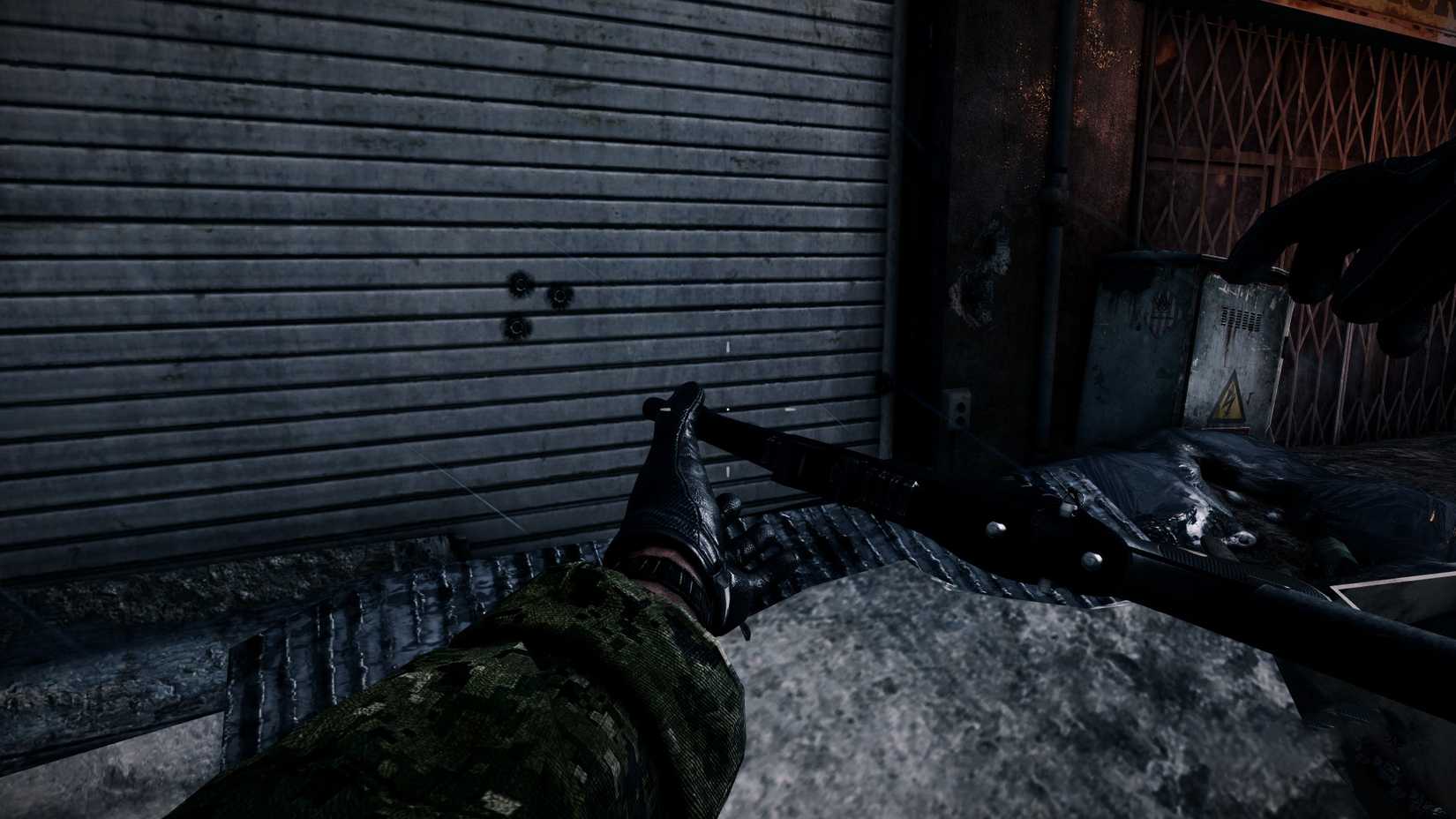
If you put a weapon on the floor and step over it, do you absorb the ammunition on it through osmosis? Also, if you do bother picking up a boomstick, do you just throw out your main weapon? I'm hoping you said no to both, and that's what the designers behind EA's most maligned release did.
I'm not going into the specific merits of Medal of Honor: Warfighter here, but one of the game's mechanics I miss the most is how it treats picked-up weapons. If you drop a bad guy and are running low on primary ammunition, you can quickly pick up his gun and unload it. When you do this, your character lets the primary hang on the sling. As soon as you run out of ammunition or switch back to your main gun, you throw the captured weapon to the ground and move on with your life.
It's a fantastic mechanic that makes picking up your enemy's weapons actually feel like a last resort, and it pairs perfectly with the game's ammunition sharing between teammates. Since you can periodically get an extra mag from your buddies, captured weapons work as a means to survive until you find a lull in the fighting to pick up primary ammo.
6 Malaria Management
The Deadliest Mosquito in Gaming History
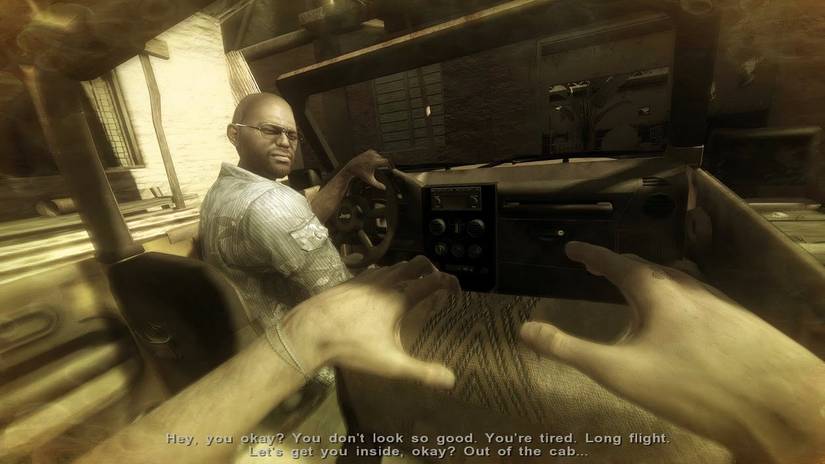
Having a protagonist suffer from some malaise that affects the journey is a pretty tired trope, but a big part of that is that the consequences are only evident during cutscenes. Far Cry 2, to date the finest game in the franchise for a multitude of reasons, dared to make you responsible for your health.
The malaria mechanic is a brilliant addition to a game that already feels beyond tense on its own. Your original mission goes out of the window upon arrival because of the illness, and you need pills to keep it in check from there on out. The priest in Pala hooks you up early in the game, but you'll have to come get them yourself after that.
 Related
Every Far Cry Game, Ranked
Between iconic characters and revolutionary gameplay systems, this is one of the most notable series in the FPS genre.
Malaria attacks in Far Cry 2 happen at least once every hour of gameplay, and knock the wind out of your character until you take your pills. If you run out, you eventually collapse, and it'll be your fault for not preparing properly. Educational, I know.
5 Immersive Gas Masks
In the Metro, Everyone Can Hear You Breathe
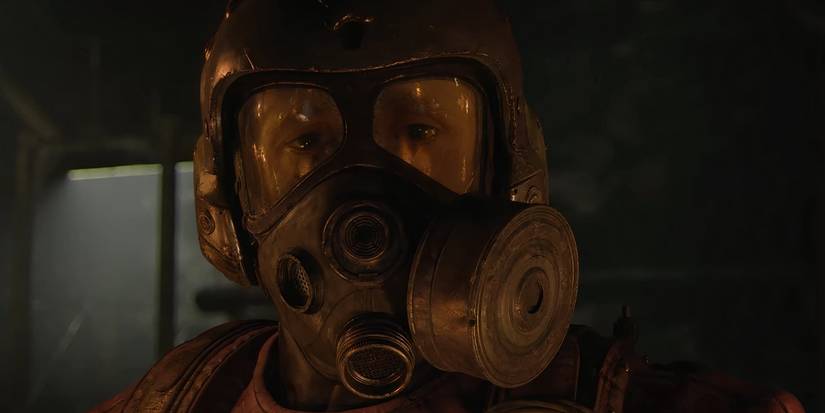
It's hard to explain how uncomfortable and claustrophobic gas masks feel to someone who didn't have to put one on in a hurry during a drill, but the next best thing is just playing any game in the Metro series.
As if the bulk of the suits was not enough, when things get rough, Artyom needs to don the gas mask to avoid a bad case of radiation poisoning, and the audiovisual experience really drives the experience home.
You hear your labored breathing as it fogs up the visor, water and blood drip down blocking your vision, and you only have your heavy glove to clean it. The loud clunk as your hand bangs on the glass makes it feel alive, and it's the kind of attention to detail that was sorely missing when STALKER 2 released in 2024.
If you ask me, any first-person game where your character has bulky headwear should be held up to the immersion standards set by Metro Exodus and its predecessors.
4 Collaborative Hivemind AI
F.E.A.R. the Bots
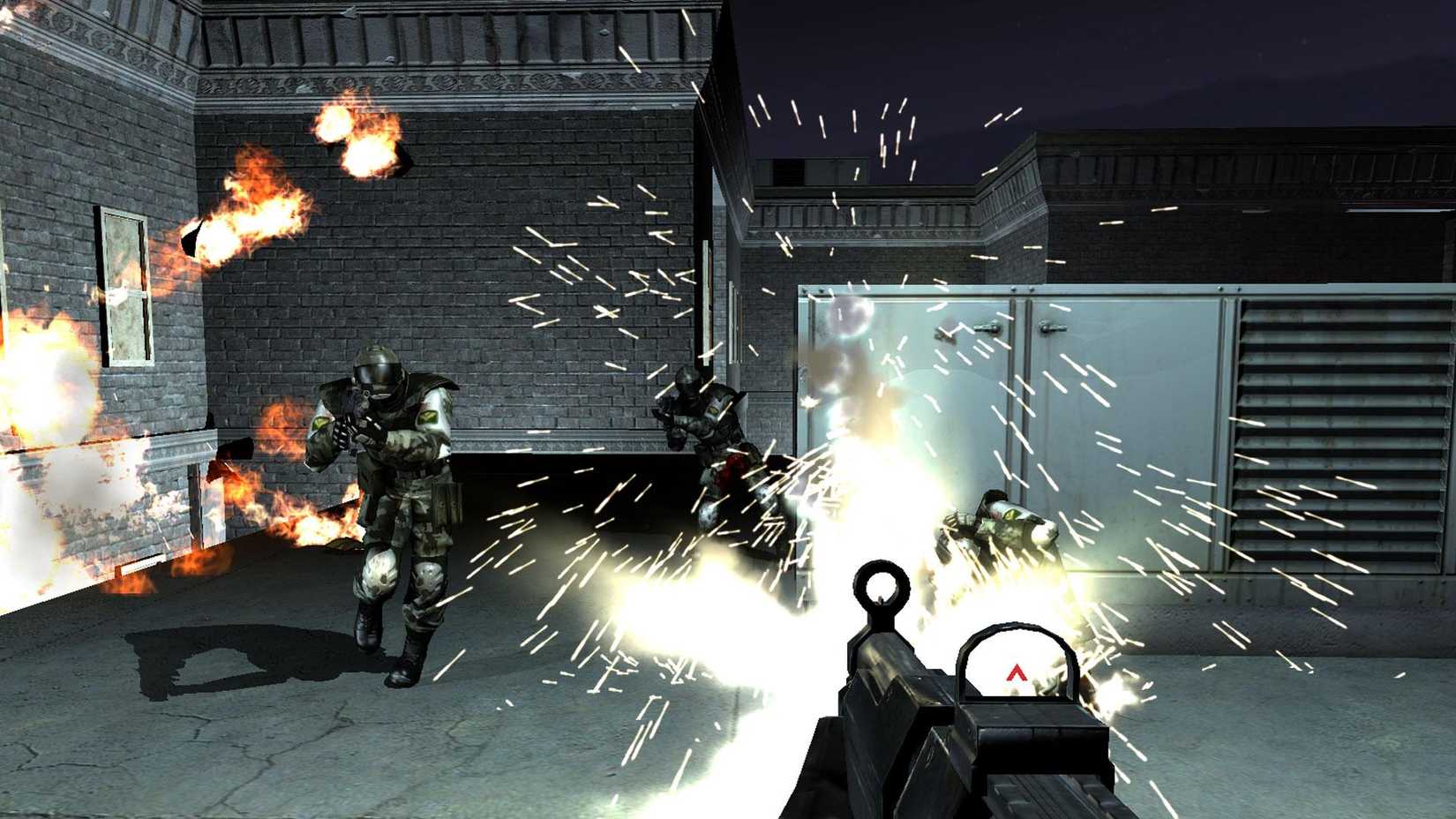
As someone who tends to gravitate toward single-player shooters, the biggest issue across the board is the AI. Fighting the computer tends to fall into one of two categories: predictable and easy, or unfair aimbot. If your game design is bad enough, you might even have both in the same game. F.E.A.R., however, is not like other shooters.
Before dweebs with SCP patches dominated airsoft fields, F.E.A.R. (First Encounter Assault Recon) was the prime unit dealing with supernatural phenomena. The game does a lot of things right, but it's the AI combat that remains unbeaten to this day.
Monolith programmed an extremely reactive AI system that had an unusually varied response to your actions, and also had a fairly refined squad system that made enemies work like a true fireteam. It was brilliantly simple under the hood, but F.E.A.R. sold you the complexity by making you aware of what was happening via voice callouts and visual cues. One can only hope we get such a great AI system back sometime soon.
3 Freezing Time
A Super Hot Mechanic
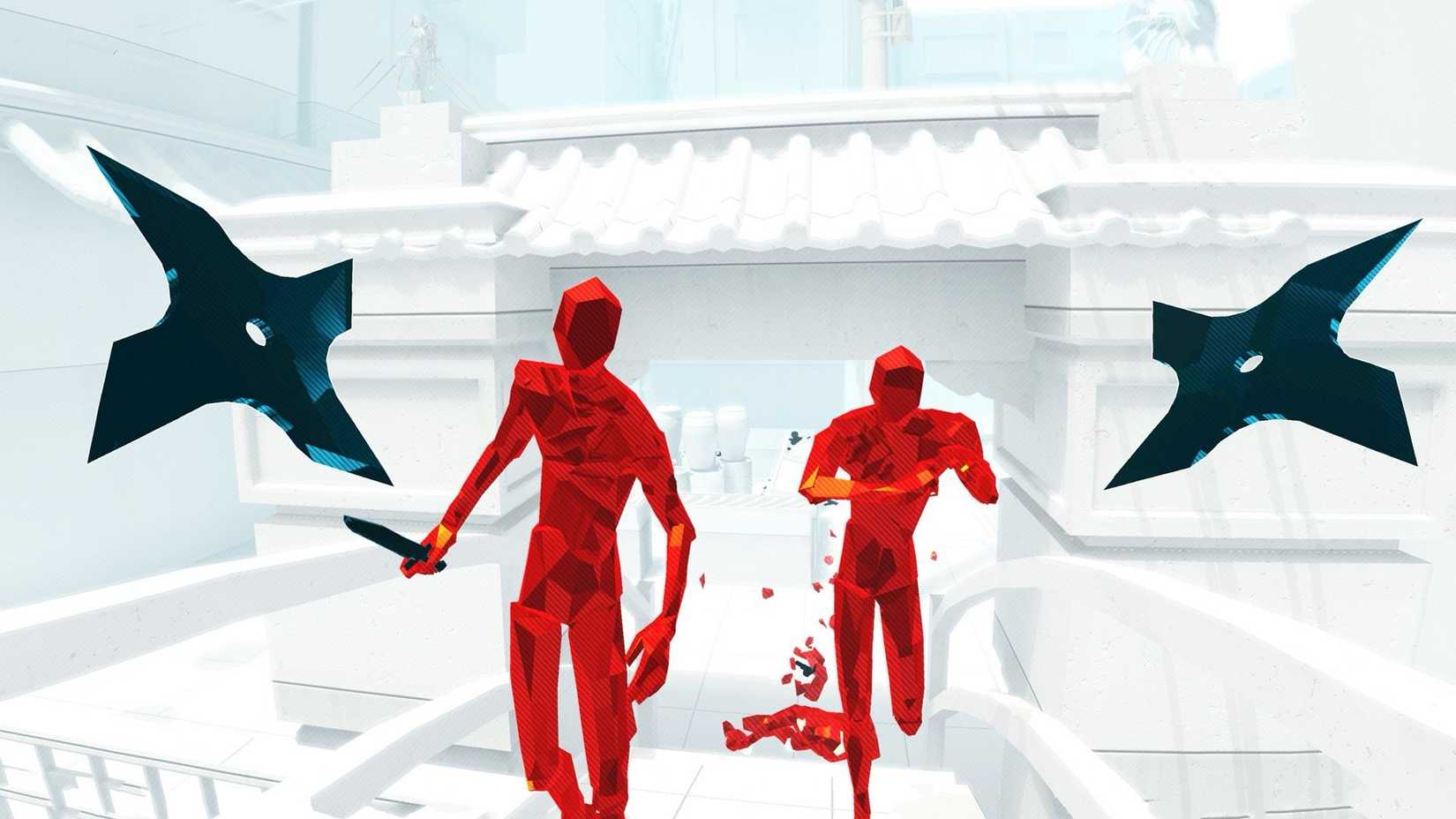
Did you ever want to control time, but without the consequences of Adam Sandler's controller from Click? You'll love SUPERHOT then.
The main sell of the game is simple: time only moves when you do. In practice, this makes it play out like a first-person strategy game, especially until you get into the flow of things. The methodical nature of it all is in juxtaposition to the John Wick combat and goofy story, but this is the kind of innovation you don't see often in the genre.
The time mechanics of SUPERHOT would fit perfectly into a more 'serious' shooter that plays out like a board game instead of an action movie, and I hope to see that concept realized someday.
2 Manual Reloads
Bolt-Action Minigames
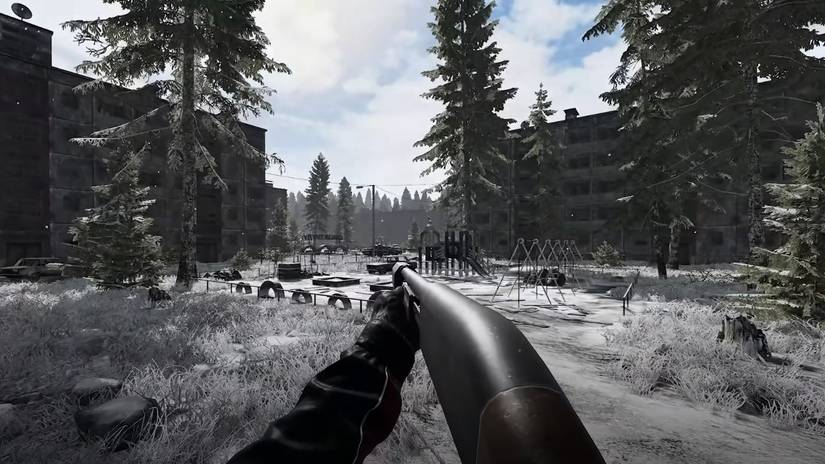
Weapon handling in first-person shooters has changed very little from the days of DOOM, and I kind of get it. Point the crosshairs, click to shoot, hit the button to reload. It just works, and people have gotten so used to it that most games don't dare touch this formula. Fortunately for those who like a little spice in life, Finnish solo developer Antti figured to shake things up with his survival shooter, Road to Vostok.
Most games treat bolt-action rifles and pump-action shotguns by automating cycling, so the only real difference between them and other guns is that they are slower between shots. This is a fair practical outcome, but it does not give you any serious feedback on how different these weapons handle.
Some games sprinkle in control by having you only cycle once you let go of the trigger, but Road to Vostok went all the way. Take the classic Mosin-Nagant rifle, for example. After each shot, you need to hit R to cycle the bolt and chamber the next round. If you want to actually reload the gun, a separate keybinding pulls the bolt back and lets you insert bullets one by one, with a dedicated key press for each.
This feels extremely cumbersome and interactive, and Road to Vostok does a brilliant job showing you exactly why the world moved past manual-action guns for most applications.
1 Thousand-Player Servers
War Never Changes
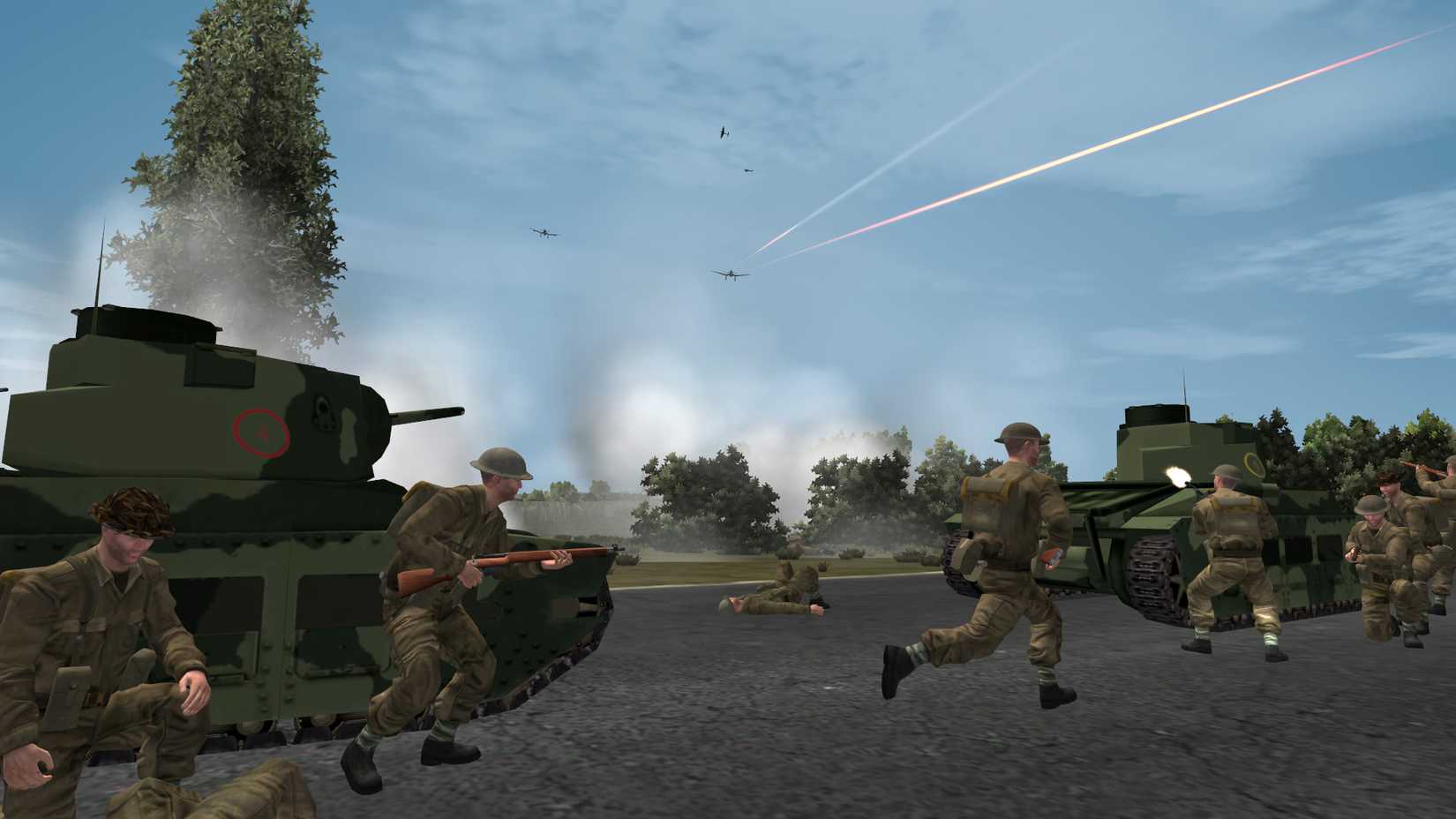
A lot has gone on since World War II Online launched in 2001, but it remains unbeaten as the only first-person shooter to recreate the sheer scale of the bloodiest modern war.
You see, a lot of shooters try to market themselves as large-scale games, but things fall through one way or another. Modern Battlefield maps are the size of an NYC studio apartment, Squad doesn't offer any continuity, and ARMA Reforger is still held back by the load-bearing jank.
World War II Online may be old and ugly, but it is one of the few games that supports 1000 players going at it in the same server, fighting over a map that spans across multiple countries.
I don't think the subscription model is viable in any shape or form for a modern game, but I wish another developer would take a stab at a shooter that gives you a whole war without compromising on scale.
 Next
Next
10 FPS Games That Reward Exploration
There's plenty of goodies to be found if you just look through your scope.



![ELDEN RING NIGHTREIGN: Deluxe Edition [FitGirl Repack]](https://i5.imageban.ru/out/2025/05/30/c2e3dcd3fc13fa43f3e4306eeea33a6f.jpg)
 English (US) ·