.png)
.png) 3 months ago
57
3 months ago
57
With the launch of the Xbox 360, Microsoft had a mission: to win over the Japanese audience. To do this, there was no better way than to talk to Japanese developers and invest in titles that could leverage the console in the West, such as our beloved JRPGs.
The strategy worked, even if only initially. Many JRPGs bolstered the console's sales in Japan, gaining both popular and critical acclaim. In contrast, others, although not exclusive to the Xbox 360, made an appearance on the hardware because it was the first of the seventh generation and easy to develop for.

Related
10 Forgotten Xbox 360 Games That Need A Remake
The 360 library was jam-packed with great games, some of which deserve another go.
This list features some Xbox JRPGs that are fun from start to finish. I admit I've included almost the entire catalog of the genre on the Xbox 360, and for good reason—even with this investment, the console didn't have that many JRPGs. But the few it had showed that Microsoft was really striving to win over the fan base.
I chose to include Xbox 360 JRPGs that were exclusive or those that started as timed exclusives, even if definitive or modernized versions exist on other platforms today.
9 Enchanted Arms
Enchanter University

Before the international fame that made it one of the most acclaimed developers in the industry, FromSoftware produced various RPGs. Some were more traditional, like King's Field, while others were unusual, such as Enchanted Arms, which was supposed to be a launch title alongside the Xbox 360 in Japan.
Enchanted Arms starts practically with a battle tutorial, immediately showing us the game's unique selling point. It is a turn-based battle, but the battlefield is divided into grids with each combatant occupying one. Attacks and skills respect these grids, so moving members to attack or defend is vital.
The fun comes from the university setting, where the protagonist Atsuma learns to be an Enchanter. It brought back memories of games like Final Fantasy VIII, with a more relaxed, irreverent atmosphere before world-threatening plots kicked in. While it seems a bit rough around the edges, Enchanted Arms holds its own in the long run, maintaining enjoyment throughout.
8 Magna Carta 2
Still Locked on the Xbox 360

|
Softmax |
|
Bandai Namco |
|
October 13, 2009 |
It is rare to have JRPGs still stuck on the Xbox 360, whether due to a lack of backward compatibility or a port, but that is the situation with Magna Carta 2. I am using the term JRPG very loosely here because the title was developed by Softmax, a South Korean developer. However, the label has its value, given that the Eastern structure is very familiar, and the title was published by Bandai Namco.
Magna Carta 2 is the third game in the series and, compared to the other games mentioned here, it is the slowest. It starts with a rather large lore dump, as if it were a recap of a previous season (it isn't because the game isn't a direct sequel), but it helps us get our bearings in the kingdom of Lanzheim.
The combat system is reminiscent of the first game, but now it's more active. We don't enter a separate battle screen as we engage enemies directly on the field. There are no more timed inputs for every single attack, but when we have more party members, it is possible to chain skills with one another if both are in Overdrive.
7 The Last Remnant
Square's First Unreal Engine Foray
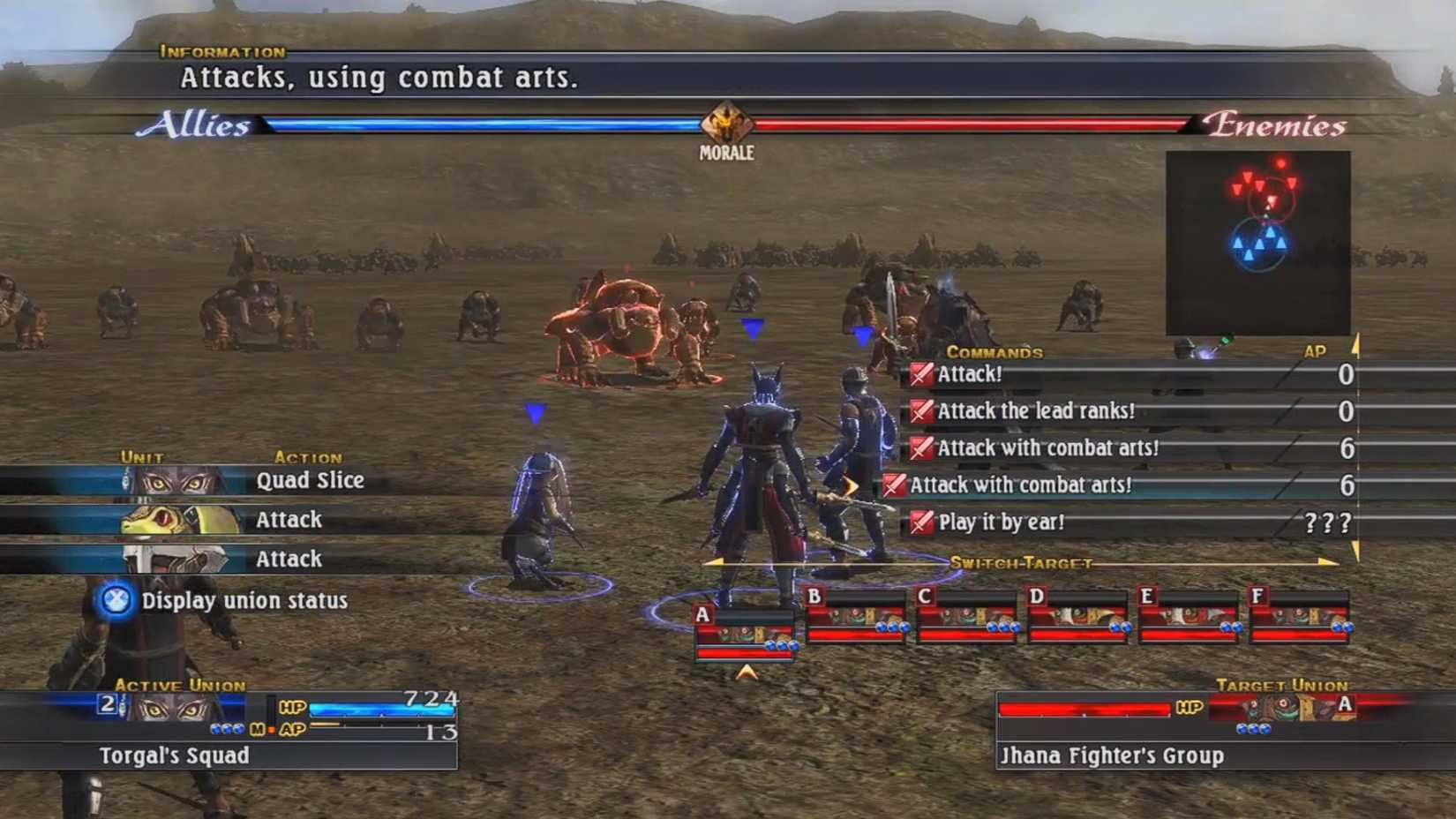
I have a complex relationship with The Last Remnant because I started the game about five times before finally getting into it. That is not a flaw of the game, but rather because it is incredibly similar to SaGa (Kawazu, the creator, is behind the game) and I had difficulty adapting to the Battle Rank system, randomness in battle, and other quirks.
Yet, I say that if you dive deep, you will find a great JRPG in The Last Remnant, a really gorgeous and unique one. Right at the beginning, we are witnessing a war and already get a taste of the distinct battle system. Here we do not control isolated units but squads, giving orders and praying they use the ideal abilities.
In the middle of the confusion, Irina, the sister of the protagonist Rush, is kidnapped, which kicks off the journey that leads him to join David Nassau in an attempt to save her. The Last Remnant features a lot of unusual mechanics that can be a good choice for those who want to escape the standard JRPG blueprint.
6 Infinite Undiscovery
Ambition Unfulfilled
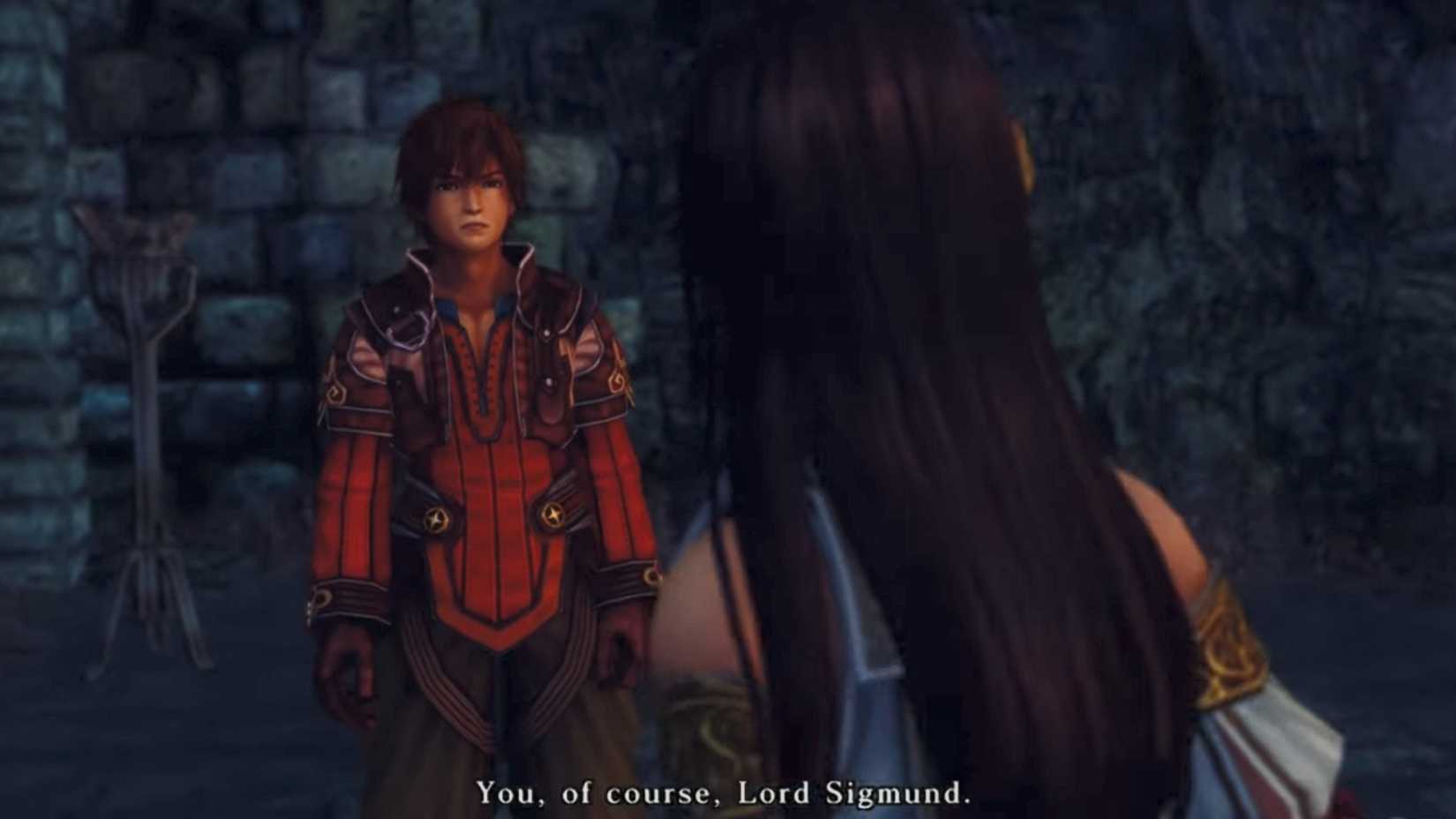
Infinite Undiscovery was one of the original JRPG IPs helmed by Microsoft. The game was developed by tri-Ace, famous for series like Valkyrie Profile and Star Ocean, and was intended to break the mold of what defined a role-playing game. Well, it didn't quite get to that point, but at least they tried, and that can be seen from the start. It was also the most expensive game I've ever bought, given its rarity.
Prison is a common setting in JRPGs, but we don't always start in one. In Infinite Undiscovery, the protagonist Capell is imprisoned but is soon released with the help of Aya, beginning an escape. This section also serves as the game's tutorial, teaching gameplay, RPG elements, and map interaction.
The JRPG tried to be too ambitious from the start, attempting to create a world reactive to the player's actions. In the end, tri-Ace couldn't deliver on its full promise, but they still made a fun title that presents some novelties for fans of the genre.
Related
Xbox 360 JRPGs Still Trapped on Original Hardware
It'd be nice to relive these long-lost Xbox 360 JRPGs, but sadly, that's easier said than done.
5 Blue Dragon
A New Era for Sakaguchi

One of Microsoft's strategies to conquer the Japanese market was to invest in Mistwalker, the new company of Hironobu Sakaguchi. The developer's first game was Blue Dragon, a JRPG with art by Akira Toriyama and a soundtrack by Nobuo Uematsu. It was like a revisit to the old Final Fantasy formula, but under a new company and a new name.
Blue Dragon doesn't stand on ceremony and gets right into trouble, putting the protagonist Shu into battle. Right off the bat, we see it is a traditional turn-based system, a style very familiar to Sakaguchi. Eventually, we unlock Shadows, which function as a class system, and as we increase the rank of each, we can mix and match between them.
On the surface, Blue Dragon doesn't bring many novelties to those already familiar with JRPGs. But it is undeniably a love letter to the games of old, bringing that comfort of titles that shaped old platforms and found fun in simplicity.
4 Star Ocean: The Last Hope
Almost a Canonical Reboot

tri-Ace almost jumped ship from PlayStation with Star Ocean: The Last Hope, following claims that developing for the Xbox 360 was much easier. This corroborates reports from many other developers and explains why we still have so many games stuck on the PS3 due to its complex hardware architecture. Long story short, Star Ocean: The Last Hope received a PS3 port, but it initially launched only on Xbox 360.
I can say that Star Ocean: The Last Hope was the last game in the series to receive a proper investment and was the most ambitious. The title brought all the features that established Star Ocean as a great JRPG franchise, but with more modern graphics, elaborate (and rather long) cutscenes, and a refined battle system. Not every JRPG fan likes The Last Hope, but it is a great game nonetheless.
Granted, it takes about 30 minutes to engage in the first battle, but if you know Star Ocean, you will be locked in from the start because the game already starts throwing numerous references in your face, from the Kenny family to the support character Welch, with many more awaiting you during the playtime.
3 Eternal Sonata
The Most Hidden Gem
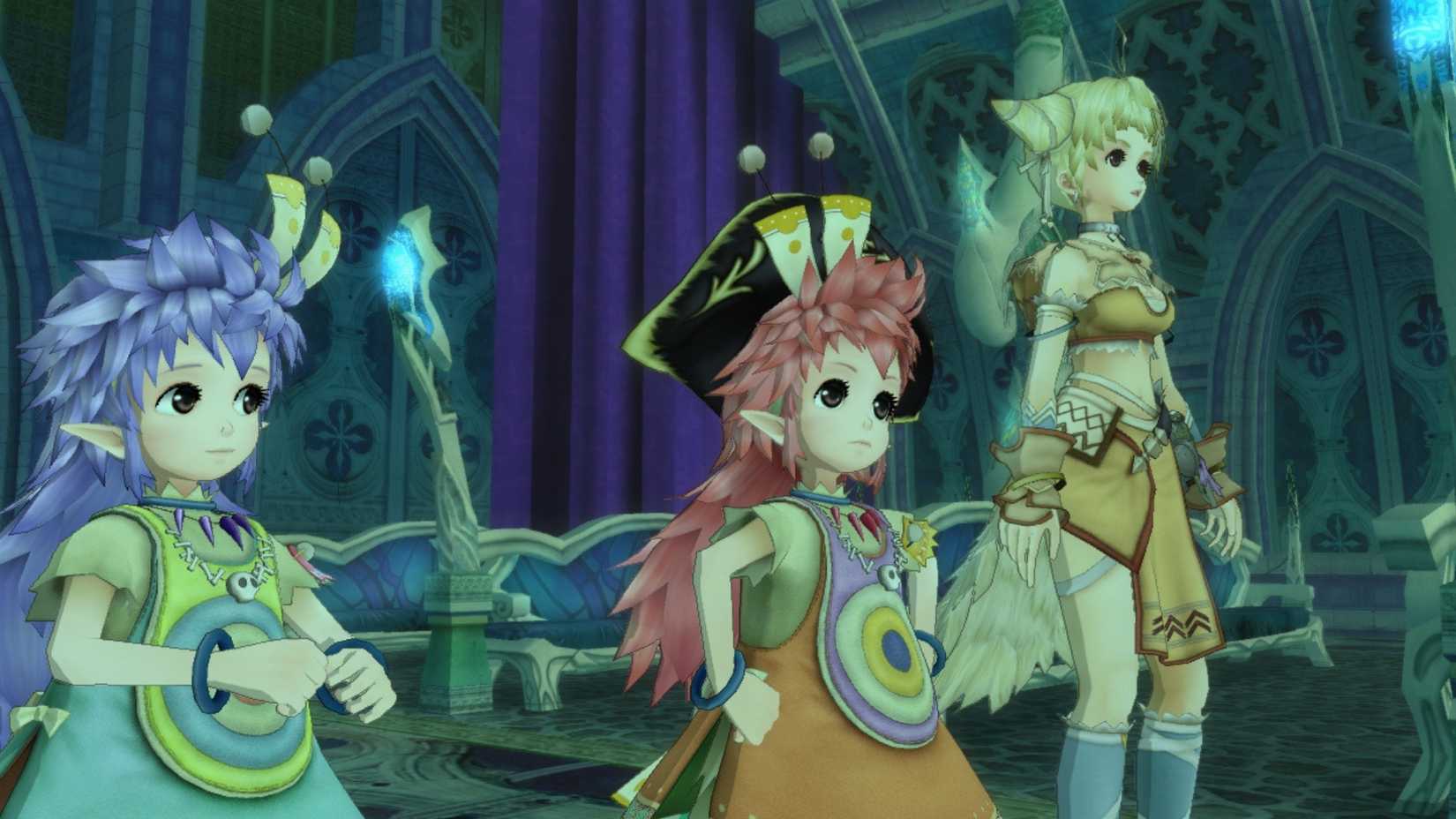
I'm already sounding like a broken record at this point, but the truth must be told: Eternal Sonata is the JRPG world's biggest hidden gem. While the game seems to have been planned as a timed Xbox 360 exclusive from the get-go, it was enough to be acclaimed by critics and win several awards for the console, losing only Best RPG to Mass Effect.
I would love to tell you to play Eternal Sonata now, but since it is not backward-compatible and is also stuck on the PS3, I know it is rather tricky. Which is a shame, because the game is a blast from start to finish. We are on a journey through the dream world of Frederic Chopin (yes, that one), so the whole theme centers on music.
The combat is the high point of the game, featuring a turn-based system with real-time elements whose abilities change depending on whether the party member is in a light or dark environment. It is a disservice to summarize the game with cheap synopses because Eternal Sonata can only be truly enjoyed with a controller in hand. Hopefully, the JRPG will receive a port someday, and I'm counting on GOG's help with that.
2 Tales of Vesperia
Made By The Best Team
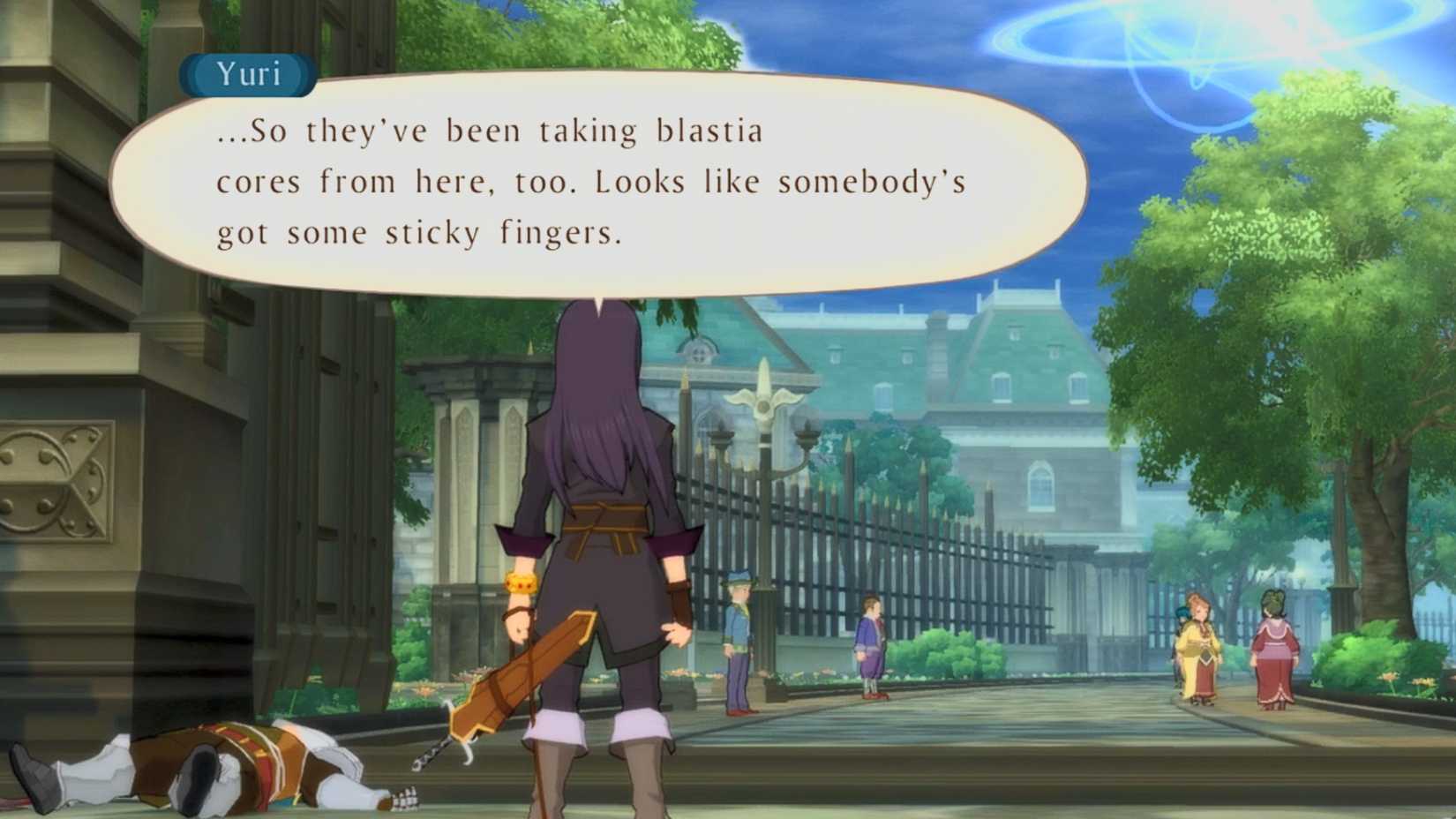
There is a notion that Tales of Vesperia received a larger investment than other titles because it was backed by Microsoft, but that isn't true. It was simply a strategic decision by Bandai Namco, which wanted its next mainline Tales title to be produced for the seventh generation of consoles, and the Xbox 360 was the first to launch.
What best explains the high quality of Tales of Vesperia is that it was developed by the same team as Symphonia and Abyss, two of the most beloved titles in the series. While the Xbox 360 version of Tales of Vesperia has the fewest features and additions compared to the PS3 port and the Definitive Edition, it helped boost Xbox 360 sales in Japan.
All that is to say, if you like Tales and haven't played Vesperia, do so. It has one of the franchise's best protagonists, Yuri Lowell, and a battle system that still carries the series' DNA. Although the plot takes a while to get its stride, once it does, it is remarkably well done.
1 Lost Odyssey
Xbox 360 JRPG Magnum Opus

Blue Dragon broke sales records set by Mistwalker and Xbox in Japan, so they tried to follow suit with Lost Odyssey, the developer's second JRPG for the Xbox 360. While sales were more modest, it still pleased Microsoft, which seriously considered turning Lost Odyssey into a series—too bad it didn't move forward.
Lost Odyssey is considered by many to be a non-official Final Fantasy. The game has a more modern presentation, starts with a wonderful CGI sequence, and presents a turn-based system with timed inputs that is quite remarkable, even though it was criticized at the time for being outdated (oh, how the world turns).
For me, the strongest point of Lost Odyssey is not its visual production, battle system, or narrative, but rather the short story segments called A Thousand Years of Dreams, which portray the life of the immortal protagonist Kaim Argonar. Throughout the game, we found new stories that were a gut punch in quality and plot, immensely enriching the script of Lost Odyssey.

Next
10 Nintendo DS JRPGs That Are Fun from the Start
Flip open the DS, and there's immediate JRPG fun to be had.





![ELDEN RING NIGHTREIGN: Deluxe Edition [FitGirl Repack]](https://i5.imageban.ru/out/2025/05/30/c2e3dcd3fc13fa43f3e4306eeea33a6f.jpg)
 English (US) ·