.png)
 2 hours ago
3
2 hours ago
3

Published Jun 28, 2026, 2:30 PM EDT
Sanderson was the speaker at this year's Tolkien Lecture on Fantasy
 Image: New Line Cinema
Brandon Sanderson is one of the world’s most successful and prolific fantasy authors. Since the early aughts, he’s published numerous books, novellas and short stories, among them, the Mistborn series and The Stormlight Archives. And after Robert Jordan’s death in 2007, he stepped in to complete the 14-book The Wheel of Time. Needless to say, Sanderson is an expert on fantasy and also one of the genre’s biggest fans. He’s also a bit of a scholar on J.R.R. Tolkien.
This year, Sanderson was the speaker at the Tolkien Lecture on Fantasy Fiction, a yearly event hosted at Oxford University meant to foster conversation about the genre of fantasy, its future and its legacy. In an hour-long lecture, available on YouTube and on his website, Sanderson discussed some of Tolkien’s contributions to the genre. He also revisited one of his most controversial essays: “How Tolkien Ruined Fantasy.”
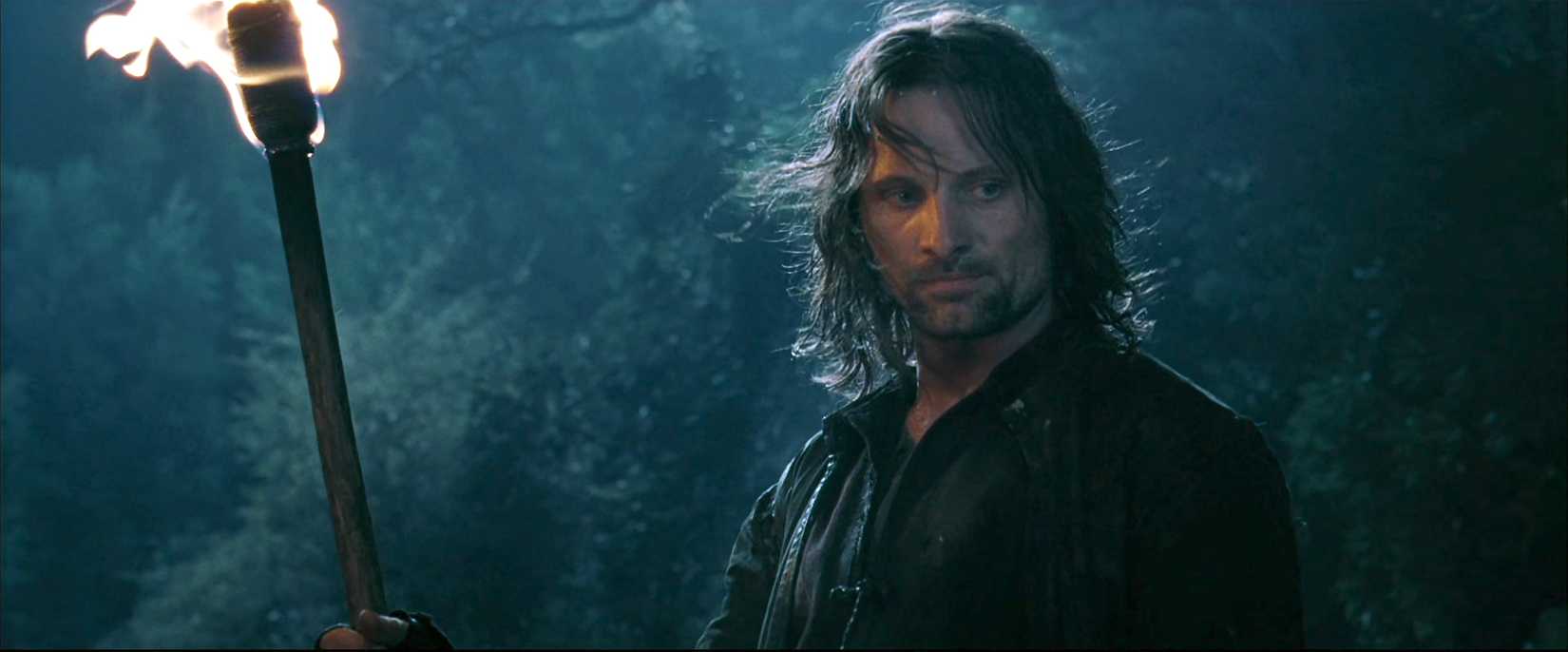 Image: New Line Cinema
Sanderson himself admits that the title was a bit of clickbait, but the point he raises remains. The author argues that Tolkien was so skilled with his work and cast such a large shadow on fantasy that he held back the genre from innovating and evolving, pushing readers in the ’90s to take a step back from these stories. “Many of them talked to me about their experiences when I was first publishing,” he said. “They’d say that they fell slowly out of love with fantasy, because it was no longer giving them the sense of wonder it used to.”
Tolkien was among the first fantasy writers to innovate and embrace the genre fully, taking it seriously enough to create a new language, poems, songs, and all manner of texts exploring the mythology of the world he created, all with the intent of making Middle-Earth feel believable for readers. It's hard work that paid off, creating that immersive feeling that permeates his novels and that fantasy lovers love. His contributions were so vast that The Lord of the Rings remains the major Epic Fantasy text, despite the fact that the books came out 72 years ago.
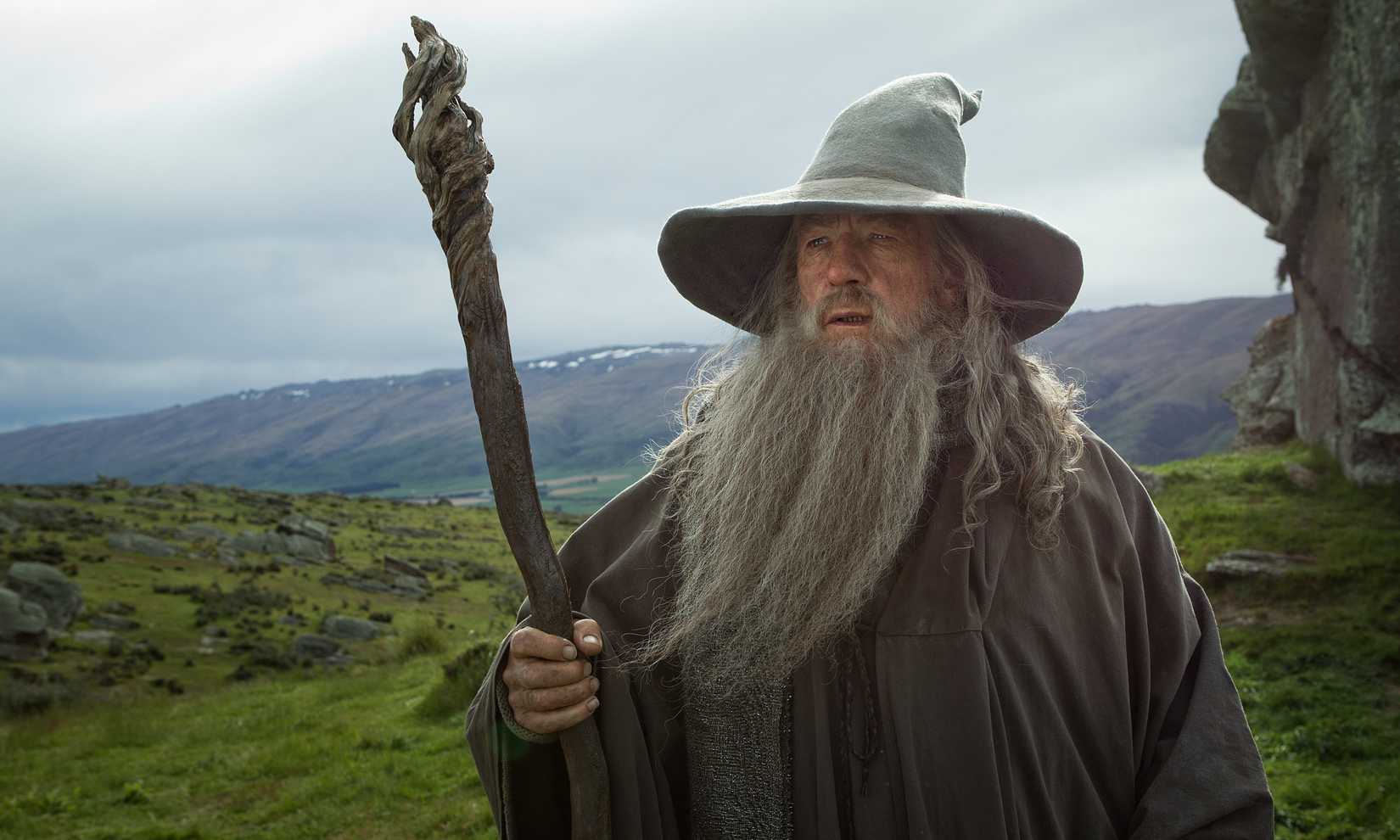 Image: New Line Cinema
In his writing, Tolkien discussed three emotions that fantasy evokes from the reader: “Recovery, Escape, and Consolation.”
“One core idea of these three is that these stories help us see the world anew. To recover our view of reality, and the inherent wonder in it,” said Sanderson. He argues that Tolkien was an innovator, which is one of the reasons why people loved his stories so much, and that writers should take that spirit and embrace it in their own work.
“It’s merely important that we offer a variety of places to explore, from a variety of diverse roots and narrative traditions, so that we preserve that emotion of exploration and innovation. Otherwise, our readers will look elsewhere for that,” he said.
Sanderson concluded his talk by trying to pinpoint what makes fantasy special and why adult readers are still interested in exploring worlds filled with knights, magic, and dragons. While the genre is often accused of being a lesser form, Sanderson argues that fantasy pushes readers to improve and challenge their own imaginations, key traits for humanity. In his eyes, fantasy provides “two simple goods we could desperately use more of today. Empathy. And hope.”
He argues that fantasy “is the genre of the impossible” but that its effects can have an impact on people and in the real world.
Brandon Sanderson's love of fantasy rules makes him a great sci-fi writer too
The prolific author offers some clever spins on time travel and simulation theory in Tailored Realities



![ELDEN RING NIGHTREIGN: Deluxe Edition [FitGirl Repack]](https://i5.imageban.ru/out/2025/05/30/c2e3dcd3fc13fa43f3e4306eeea33a6f.jpg)

 English (US) ·