.png)
.png) 2 months ago
64
2 months ago
64


Published May 9, 2026, 6:09 PM EDT
Jaime Tugayev is the News Editor at DualShockers, where he covers gaming news, reviews, features, guides, and major industry updates. He has been writing professionally since 2013 and covering games since 2015, with a focus on FPS games, tactical shooters, strategy titles, JRPGs, and PC and console gaming.
His work often covers games and franchises such as Escape From Tarkov, Gray Zone Warfare, Battlefield, ARC Raiders, Arma, STALKER 2, and Six Days in Fallujah. Before joining DualShockers, Jaime contributed to IndieGameCulture and Aviator Insider. He also holds a Master’s Degree in Developmental Psychology from the University of Coimbra.
Nothing exists in a vacuum, and the gaming industry has been happy to remind us that, no matter how much escapism it may offer, the trials and tribulations of global affairs affect it too.
It feels like just yesterday we witnessed dramatic supply chain issues that made the PlayStation 5 a unicorn upon launch. Since then, every single major console has gone up in price due to competing needs from data centers (for the most part, at least).
 Related
Rather than wait for the reaper to come to game engines, Guerrilla Games co-founder and former Epic Games tech director Arjan Brussee has a plan to protect the European gaming industry. It sounds simple enough: create a major gaming engine in Europe, avoid getting caught in trade wars, and enjoy.
To say The Immense Engine project sounds ambitious is an understatement, but the real issues with the project are harder to solve than simply convincing developers to shy away from Unreal or Unity.
'The Immense Engine' has a Godot-Sized Problem
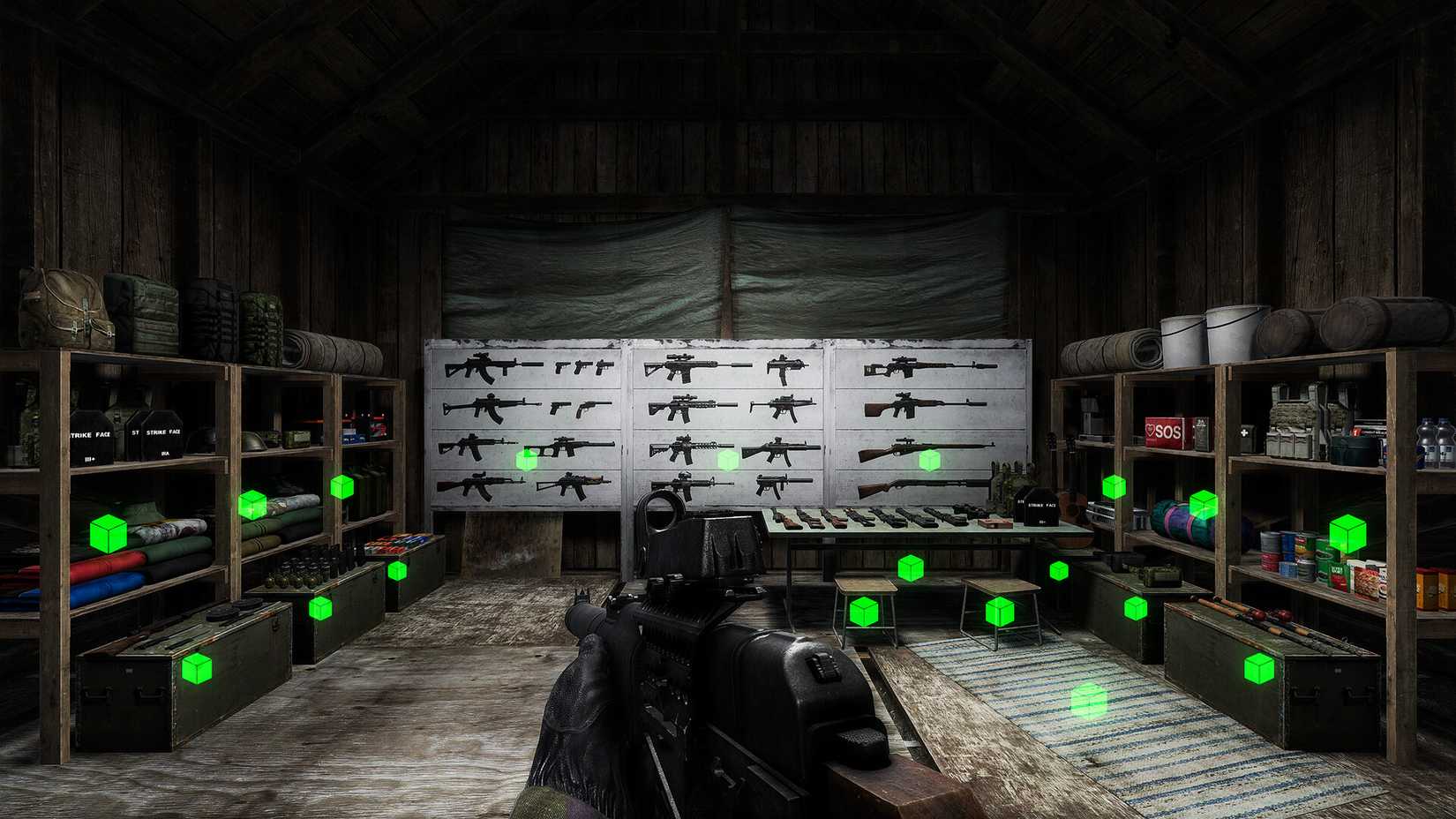
In an interview with Dutch podcast De Technoloog, Brussee explained that popular engines today restrict creators due to the way they are structured.
As reported by VGC, they are "made for and by people who have to click through a menu with a mouse", and while engines like Unreal have a respectable toolkit, anything that is not available requires waiting for an update "for the entire engine."
While this is certainly true, especially in Unreal Engine and Unity, the interview (available here, in Dutch) seems to ignore the existence of Godot.
Created in the early 2000s in Argentina by Juan Lenitsky and Ariel Manzur, Godot entered open source ten years ago and became the dark horse of gaming engines.
As an open-source engine, Godot gives developers much more room to tinker, provided one takes the time to understand the whys and hows of the beast. Above all, however, this status bypasses most of the concerns over future global animosity.
Getting Past the Unity Trauma
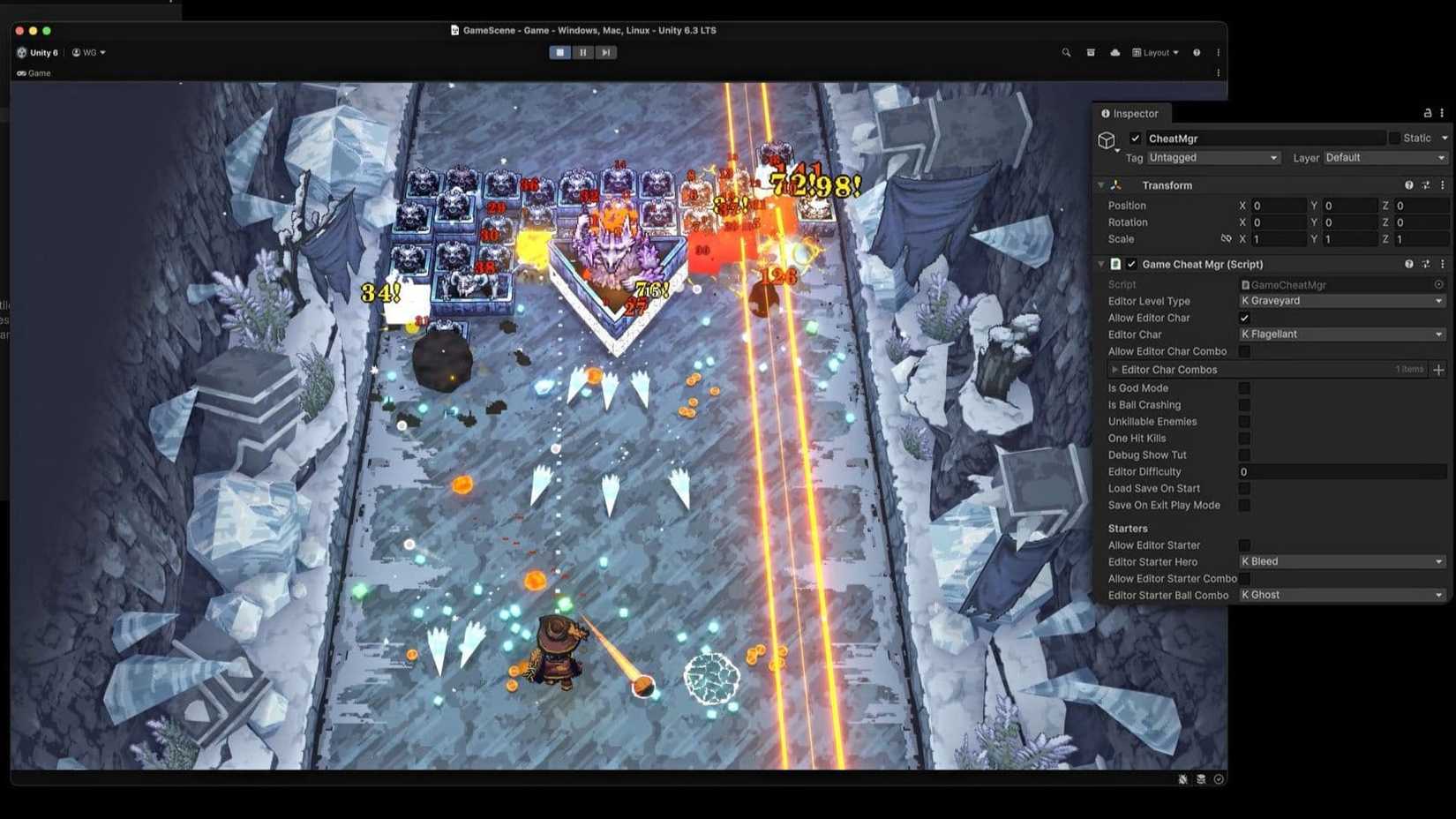
Having a backup plan so that your project doesn't collapse due to mercurial decision-makers is not a particularly new thing, but game devs, especially outside of AAA spaces, had a rough wake-up call thanks to Unity.
In late 2023, Unity announced it would start charging monthly royalties based on the number of times a game is installed. You would think someone in the room would have shot the idea down, but the company went public with it and was justifiably met with outrage from developers and players.
Godot entered open source ten years ago and became the dark horse of gaming engines.
Unity would eventually backtrack on this, but the damage to its reputation was done. Rather than deal with the idiosyncrasies of Unreal on both development and business terms, many developers decided to give Godot a chance instead. GDScript may be more obtuse, and the libraries are smaller, but at least you won't get thrown under the bus when some exec wants to buy a new Lambo. Slay the Spire 2 is currently the engine's most popular title.
Given that Arjan Brussee's The Immense Engine is more focused on LLM integration and European hosting rather than openness, it's hard to see it justifying its existence in the near future.
Even if The Immense Engine were to offer comparable quality to other game engines (itself not an easy feat), you run into the issue of LLM integration being far from the silver bullet touted by Brussee in the interview.
Achieving his 'full integration of AI' into an engine does little when even the most advanced models lack the finesse required for much of game development. If we ignore that, there's also the issue of European alternatives lagging behind American ones, rendering the whole European-based angle moot if the tools needed to use the engine are still abroad.
In the meantime, if you want to play a European game that uses an open source engine, give Road to Vostok a go. This Finnish survival shooter has 85% positive reviews on Steam, and is an awesome single-player experience for people who want that Escape From Tarkov grim vibe without having to deal with tryhards.
 Next
Next
When Companies Get A Vote On Morality, Everyone Loses
Payment processors panic. Games disappear overnight. The question of who gets to decide what's acceptable has never felt more urgent.

Systems

Released Coming Soon
Developer(s) Road to Vostok
Publisher(s) Road to Vostok
Engine Unity






![ELDEN RING NIGHTREIGN: Deluxe Edition [FitGirl Repack]](https://i5.imageban.ru/out/2025/05/30/c2e3dcd3fc13fa43f3e4306eeea33a6f.jpg)
 English (US) ·