.png)
.png) 5 months ago
46
5 months ago
46

Published Feb 7, 2026, 10:30 AM EST
Maddie Fisher is a writer, journalist and game developer. She was born and raised on the east coast, having started working in games journalism over fifteen years ago. She tends to enjoy musical theater, hockey and tennis.
JRPGs have a tendency to be a bit more linear than western RPGs. There's usually a strong focus on a set character, and the path through the game tends to unfold the same way each time. As a result, JRPGs tend to have less of a focus on supremely detailed character creation.
In all honesty, however, I tend to find that much more enjoyable. It forces JRPGs to come up with interesting ways to define your heroes, and that rigidity may seem like a weakness in comparison to their western counterparts, but I find it leads to some of the coolest upgrade systems.

RELATED
8 JRPGs That Break the Genre's Rules
These JRPGs sought to redefine the conventions of the genre and introduce their own rules.
It really allows the game to evoke a cinematic perspective, as the stories tend to lean into narrative, dialogue, and explosive, propulsive action. These upgrade systems all follow the rule of cool, where the modalities are built around making characters stronger, but doing so in a way that feels much more bombastic and larger-than-life as a result.
I Accidentally Became Important at Work
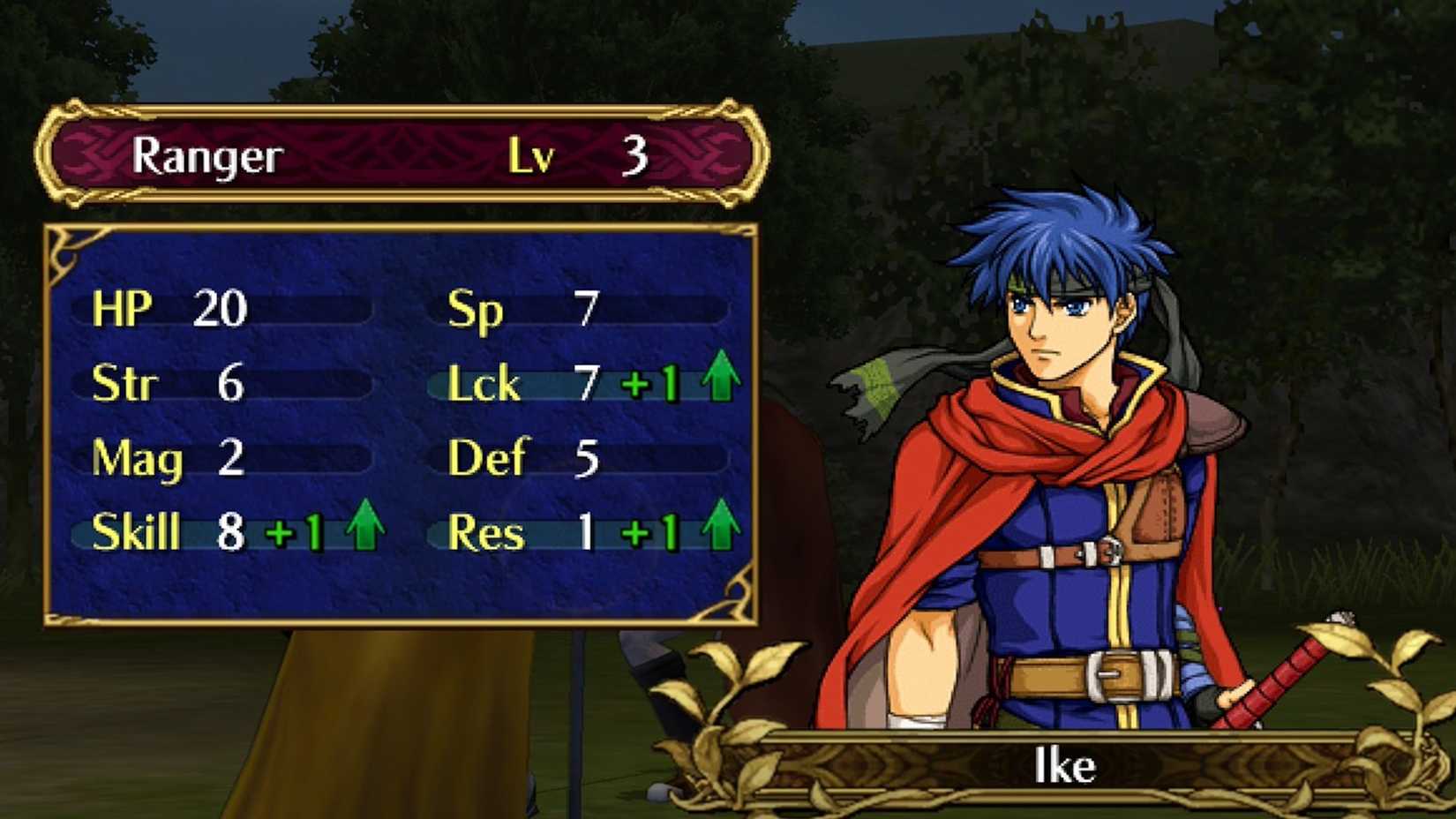
Fire Emblem: Path of Radiance
Fire Emblem is one of those franchises where my experience with it tends to shift between generations. I've had a sort of on-again, off-again relationship with it for years. One of the things that has constantly kept me returning to the series, no matter how long it's been, is the way it handles upgrading characters.
Character upgrades happen through what the game calls promotions. Getting a promotion comes with enhanced stats, new weapons, and equipment. Most promotions happen automatically at certain levels, but you can also activate certain promotions manually.
This system is excellent in the way it lets you dictate each character's class or job within the game. Having the ability to let it happen naturally or brute forcing it is part of why Fire Emblem has become such a beloved series, and if you're anything like me, you desperately want to play more of this franchise to make up for lost time.
5 Evolving Pokémon
I Choose You!

Pokémon's meteoric rise to the top during the 1990s could probably be attributed to a few key things. The tie-in anime was a smash hit and the tiny monsters were all loaded with charm, but perhaps the most influential aspect of Pokémon's ascent to the top was the way these creatures were upgraded.
Winning battles and getting experience doesn't just give your Pokémon new moves. It ties into a very real, honest examination of animal life and how creatures in the real world can evolve over time.
Training Pokémon, watching them grow, and then burst into something greater is one of gaming's most incredible feelings. The franchise has also experimented with ways to innovate on the evolution concept, including evolving Pokémon with candy, rare items and even the internal clock of a game console.
4 The Affinity Chart
The Heart Grows Fonder
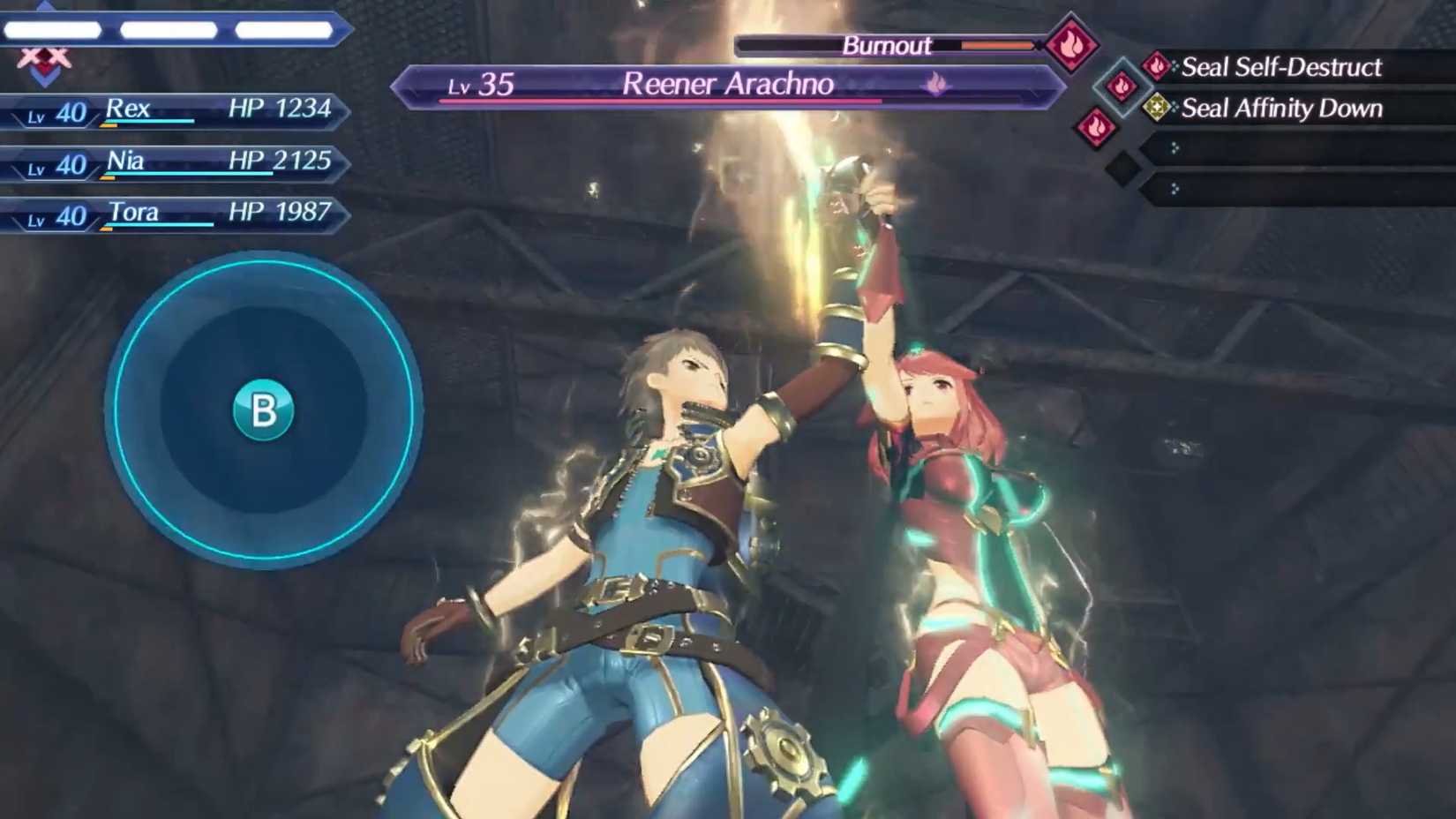
The Affinity Chart is something that has appeared in every Xenoblade Chronicles game. It serves different functions in each game, but its inclusion in Xenoblade Chronicles 2 has been my favorite use of the concept.
Making progress through Xenoblade Chronicles 2 requires the use of Blades. Each one has a distinct, fascinating personality, and getting the best out of them requires significant use of the Affinity Chart.
It's largely similar to the concept of completing character-specific quests that other JRPGs have done, but it's the way that these activities sometimes feel mundane that makes the system so compelling. Some of them are larger, more complex tasks, but sometimes it's as simple as just defeating certain enemies or finding an item.
The way it makes the game feel a bit more intimate, as well as making the Blades feel important, is outstanding. The Affinity Chart is a key part of each Xenoblade game, but the version seen here is the best iteration of it that Monolith has made so far.
3 Demon Fusing
Welcome to the Velvet Room
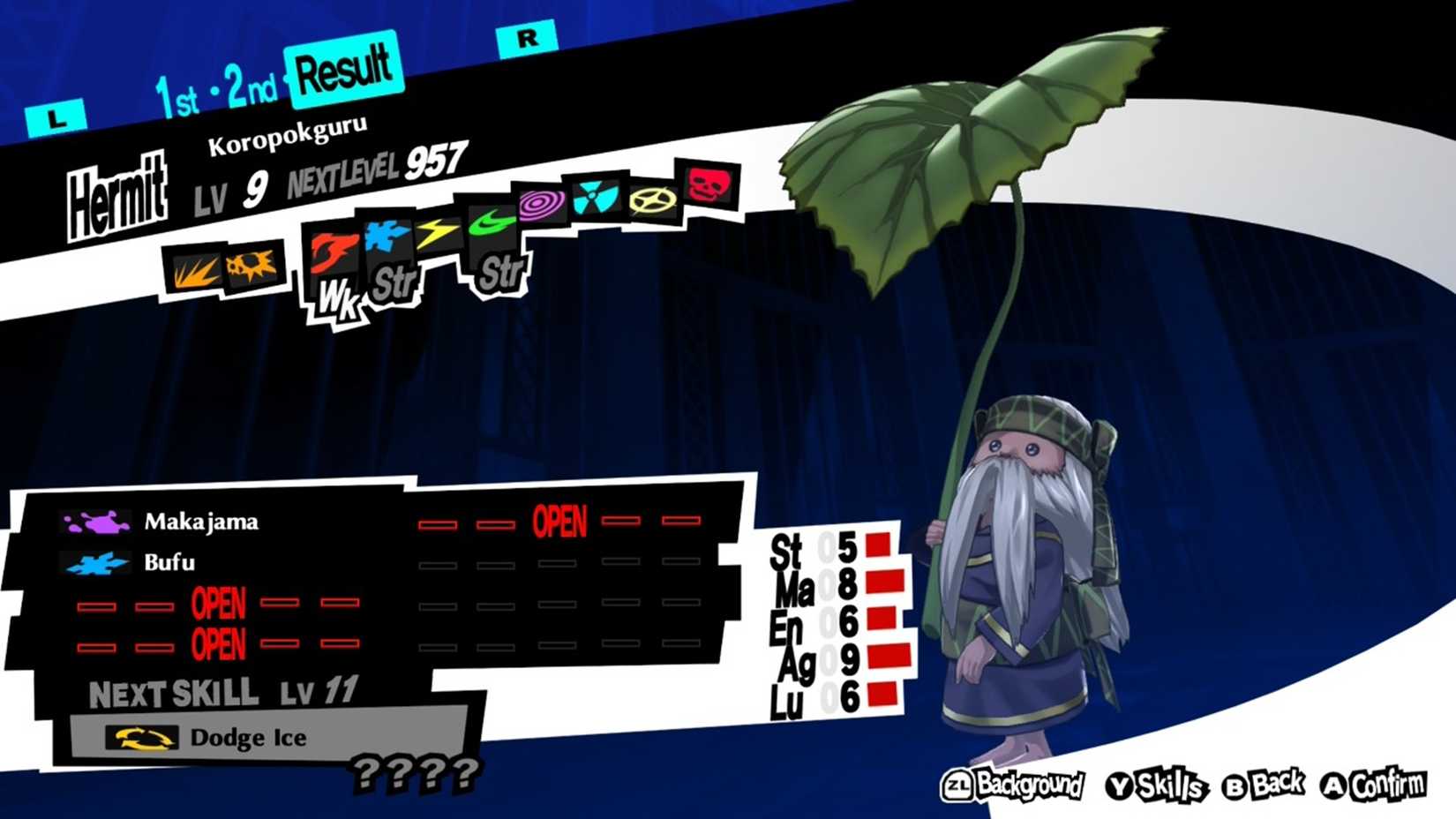
Persona is a franchise with a lot of systems running at any given time. The social links and confidants are fantastic, but if you're looking to upgrade your collection of demons and monsters, then the franchise's fusion system is exactly what you want.
It sounds fairly simple, and on paper it is, but the sort of mad scientist energy it creates is amazing. It all starts by entering the Velvet Room, a staple of the franchise where this all goes down.

Demon fusing is so much fun because of the madcap nature of taking two monsters, then forging them together. The creations you can muster up are delightfully sinister, and sometimes it's just fun to mess around with it and see what comes out.
2 The Sphere Grid
Sphere of Influence
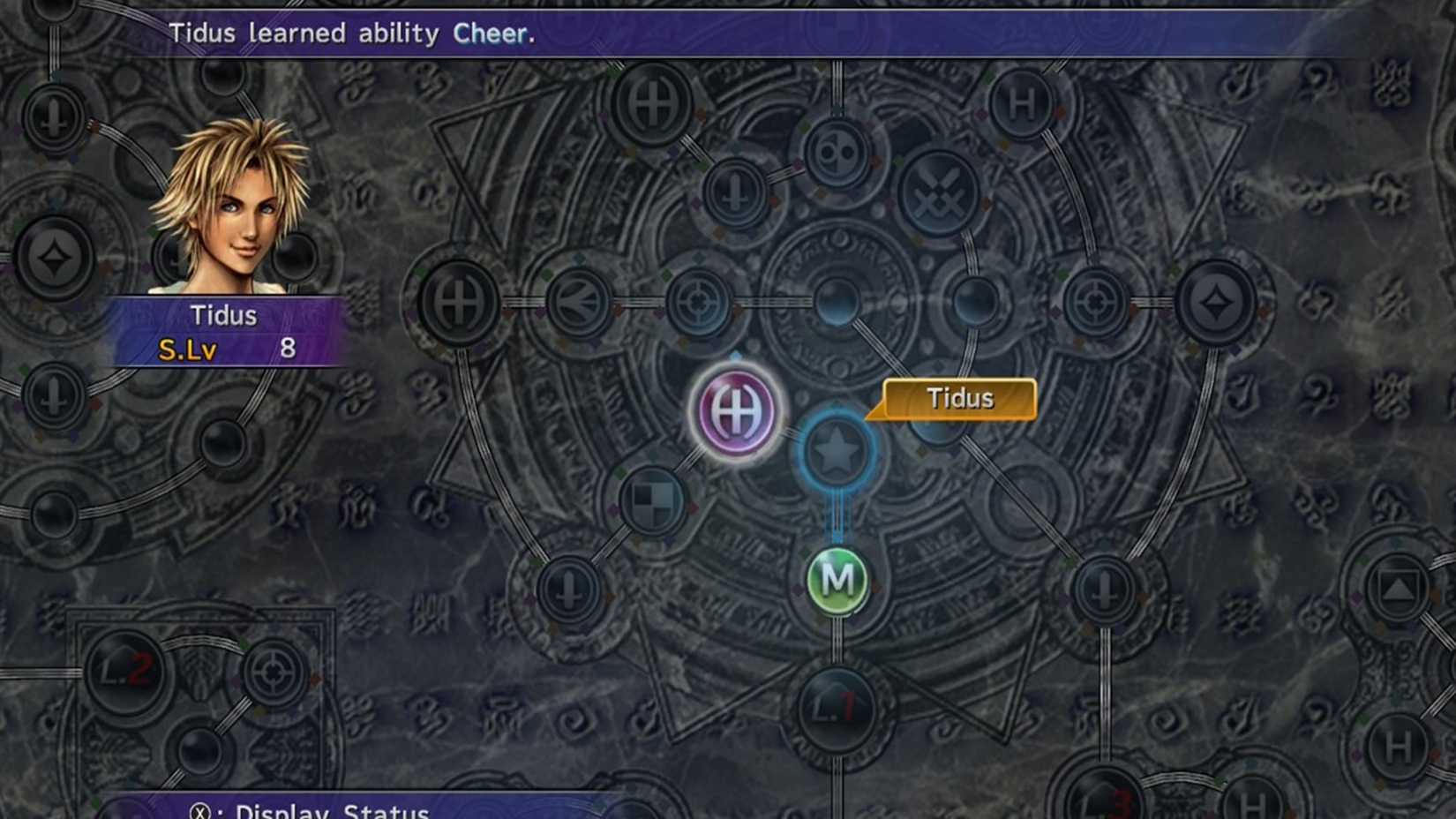
Final Fantasy 10 made a lot of big, sweeping changes to the series that are still being felt today. But one thing it did retain from the games that preceded it was crafting its own unique upgrade system, the fabled Sphere Grid. Elements of the Sphere Grid would influence the License Board from FF12 and the Crystarium from FF13, but it's largely exclusive to FF10.
What makes the Sphere Grid feel so much fun to engage with is how simple and satisfying it is. Exploring the world and defeating enemies will grant a few ways to delve into the Sphere Grid, as you can use both earned AP from battles to unlock new skills and find various spheres that will unlock empty nodes.
It's the solid, almost tangible feel to the Sphere Grid that I love. You can really feel a strong reaction when you unlock a new skill, and using the spheres to customize what you want to focus on is terrific.
1 The Materia System
Living in a Materia World
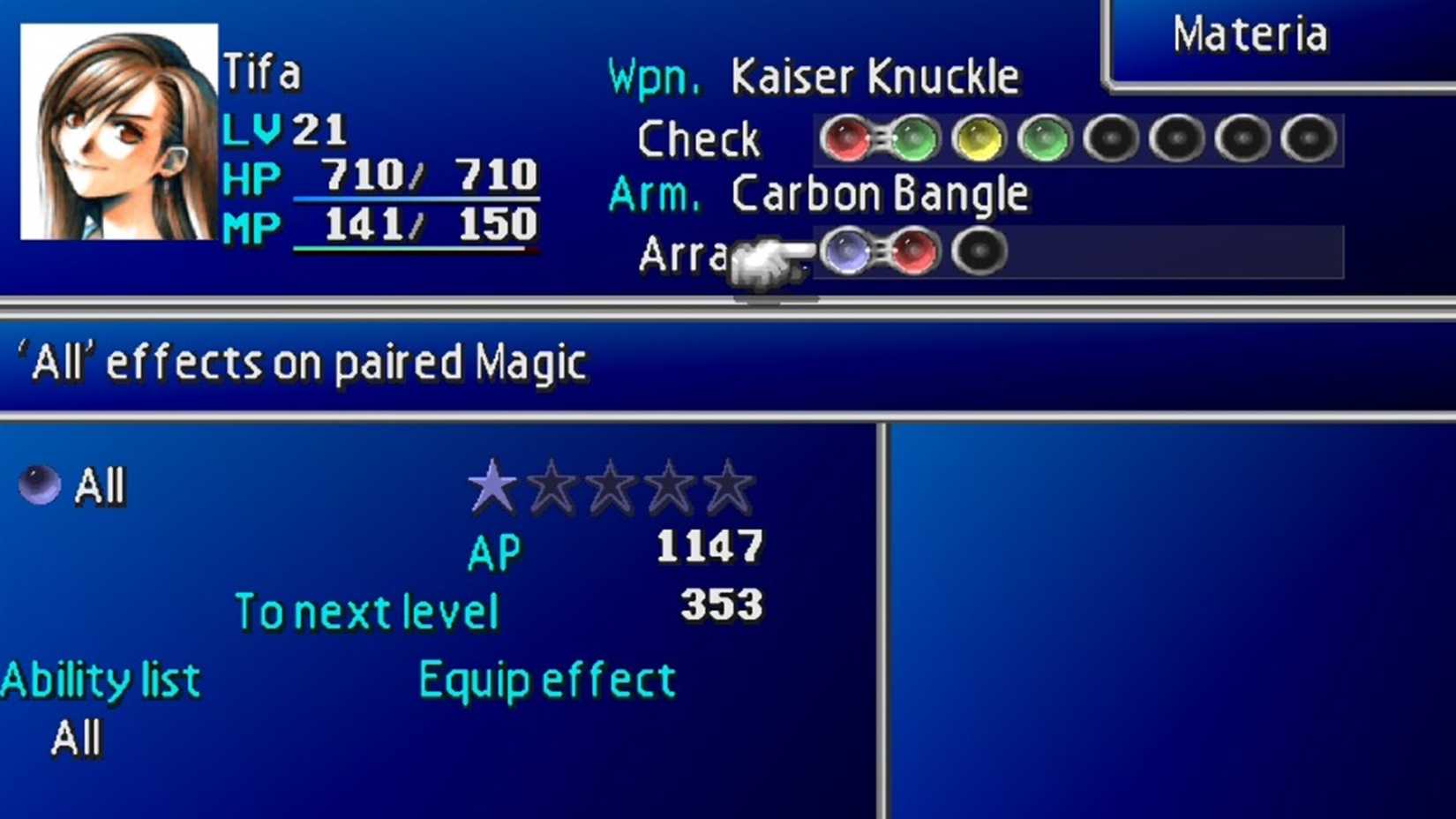
Final Fantasy 7 was the first JRPG I played back in the day, and despite not knowing much about how the genre worked, the upgrade system that Square created for this game allowed me to understand exactly what was so appealing. The Materia system in Final Fantasy 7 may seem simple on the surface, and in many ways it is, but it's also rather complex in what kind of things you can accomplish with it.
Materia is what gives the heroes of Final Fantasy 7 access to their abilities and summons. Each weapon comes equipped with Materia slots, and adding them will grant you elemental attacks like fire, ice and more. Each battle won grants AP, which will level up the Materia. Each orb you get is also free to swap between all party members, meaning no one is left out in the cold.
But not all weapons are created equal, and some of them have double and triple Materia growth. When you pair that with linking Materia, such as attaching an All Materia to 4x-Cut, you can really create some deadly concoctions.
NEXT
10 JRPGs Where You're the Anti-Hero
While it's fine playing the white knight trope, these JRPGs are ones where you play someone decidedly morally grey as a naughty anti-hero.




![ELDEN RING NIGHTREIGN: Deluxe Edition [FitGirl Repack]](https://i5.imageban.ru/out/2025/05/30/c2e3dcd3fc13fa43f3e4306eeea33a6f.jpg)
 English (US) ·