.png)
 4 hours ago
2
4 hours ago
2

Published Jul 5, 2026, 10:00 AM EDT
Stop giving me what you think I want
 Image: Naughty Dog/Sony Interactive Entertainment
When I think about the last 10 years of games, or more specifically, storytelling in games, there's a big, glaring problem: So much of it feels insubstantial. Some stories have memorable moments, sure, and others are entertaining. But for a medium striving so hard to prove its artistic value, very few video game stories have much to say — and even less conviction that what they do say is important.
There's a small handful of examples to the contrary, like The Last of Us Part 2, and it's a style of storytelling I want to see more of.
What The Last of Us 2 says about revenge and grief is heavy-handed, with almost criminal disregard for subtlety and nuance. But it works because Naughty Dog believed it was a worthwhile vision and built it into every part of the game. It's an exhausting and uniquely miserable experience. Which is the point.
You're sad and angry that, after all the heartache she caused, Ellie still values her own needs more than the people who love her — more than her child. Every step forward is one you don't want to take, and by the end, you can't believe it's still going, that she’s still doing the same thing again and again. The message might not be especially profound. But Naughty Dog had a specific argument and stood behind it, whether or not every player agreed.
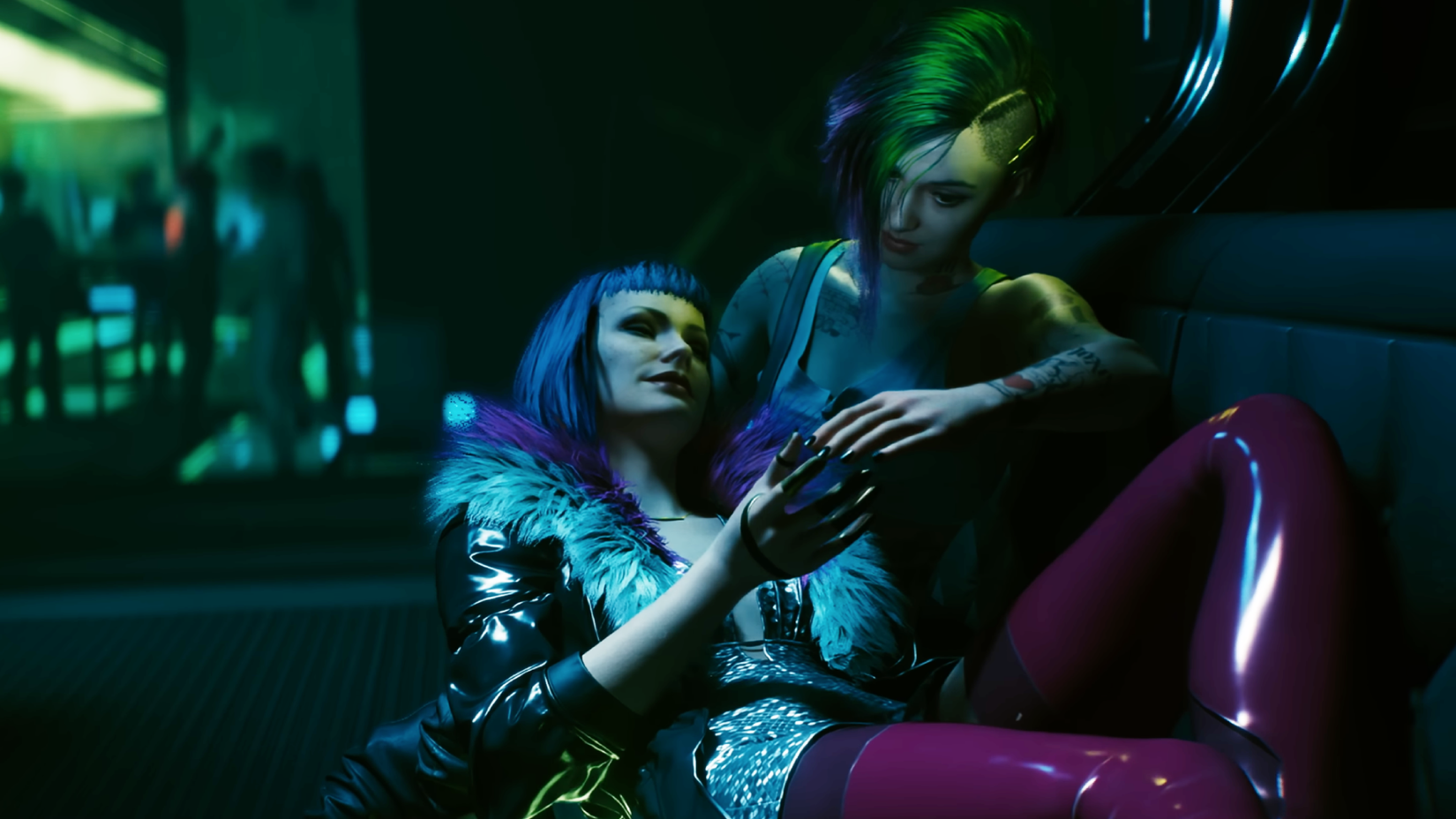 Image: CD Projekt Red
Cyberpunk 2077 is the exact opposite, though it’s also considered a story-driven, character-focused game.I like Cyberpunk 2077 quite a lot, but often in spite of itself. I've played it twice now, and both times at the end, I'm left wondering: what's the vision here? To show Night City is a bad place? You get that impression quite clearly in the first few minutes and then again in practically every conversation. That there's hope for a brighter future, or one person can make a big difference? Maybe, but that's venturing into platitude territory.
Media literacy might be at an all-time low, but we can still hope for more than regurgitated Hallmark card messages. There's power in cutting through the noise of a massive city and focusing so closely on one person's life in the middle of all that mess. But V is an observer of their own life. They watch as things happen to them and have no strong opinions about anything other than making it big. You go through the ritual of making choices, but whoever you help and whatever decisions you make, everyone's V is fundamentally the same by the end of the game. It's a somber reflection about the point of living, but probably not the one CD Projekt Red intended.
The problem isn't exclusive to choice-driven games, either. Look at Persona 5, a linear game with big vibes and a lot of style that I very much want to like. But for the life of me, I cannot muster the energy to care about its shallow story and characters. Persona 5's message is that it's bad when bad people do bad things, and if you have superpowers, you can stand up to them. This weak idea gets repeated in every major story beat and minor character scene, so often that it loses all meaning.
But there's no conviction behind any of it, no sense that the people making it have strong thoughts about the state of the world or how they hope it gets fixed. A cynic (like me) could even say it's mildly exploitative. It gives the impression of sympathy and understanding by tapping into deep-rooted social frustrations, but lacks the courage to say anything meaningful — or show even the slightest understanding of what it's like to live on the margins.
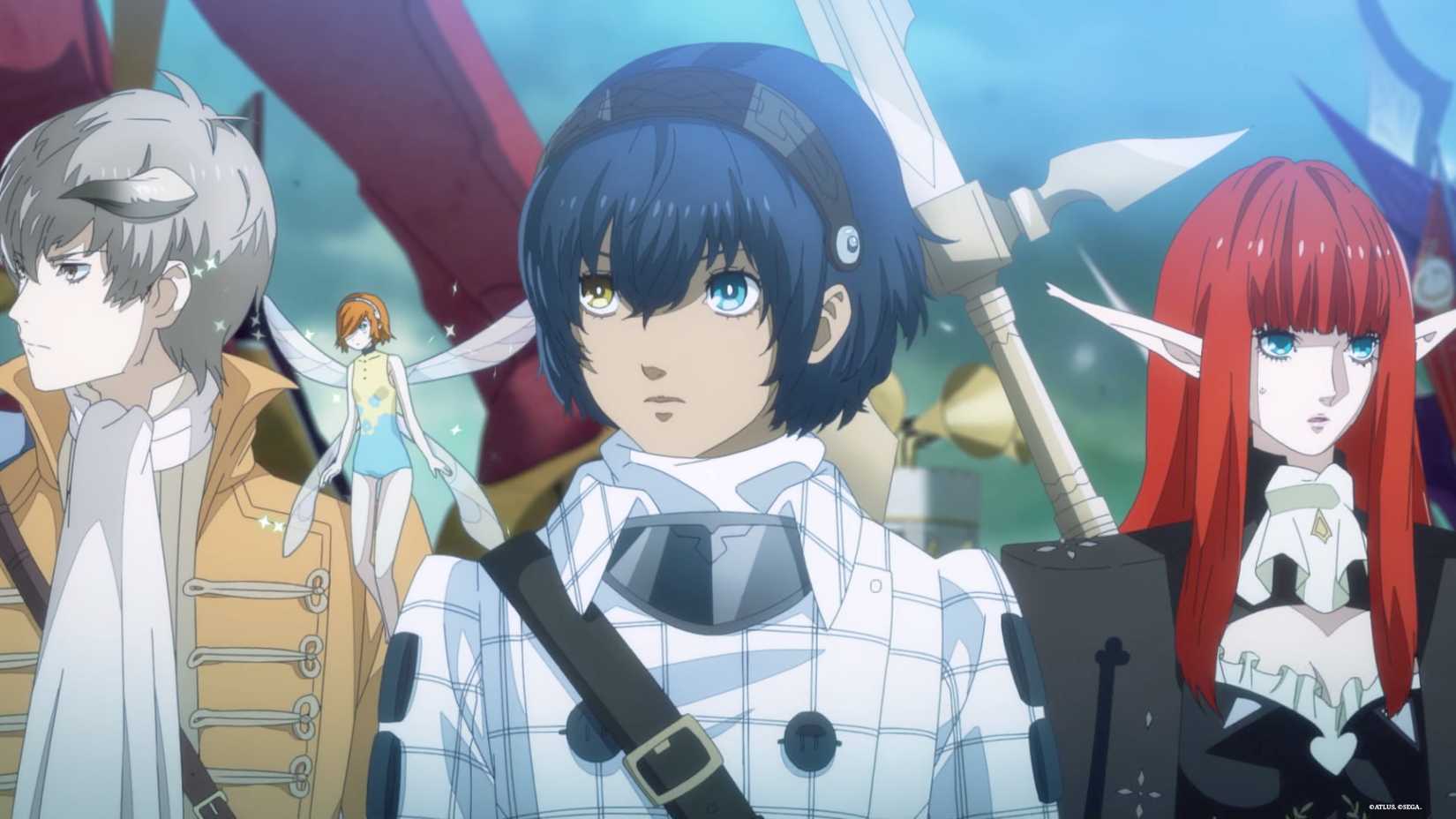 Metaphor: ReFantazio_20241023211556Metaphor: ReFantazio_20241023211556
Contrast that with Metaphor ReFantazio. Metaphor's protagonist is just as much a cipher as the modern Persona heroes, but Studio Zero has a very specific vision of what it wants you to take away after playing. The plot explores abuses of power and how bad-faith actors manipulate people into supporting things that aren't even good for them. Literally everything you do, even side quests, is designed to reflect that idea in some form. The cast and your relationships are curated so each one is tied to some facet or other of that theme — racism, disenfranchisement, poverty, how one group's existence gets turned into a political weapon. Like many allegories, it's not an exercise in subtlety. But it has a purpose. Studio Zero wants you to keep thinking about the story, to make connections in your own life and maybe even make some positive changes.
That doesn’t mean a good story has to have a message, or an answer, or even a call to action. Clair Obscur: Expedition 33 is a capital-D Drama, a knotty depiction of a shitty family where everyone does shitty things to each other. There's no right answer for anything. Everyone's to blame. It's a gigantic mess, a proper tragedy — and very clearly the product of people who understand the complexities of relationships. It may not really say much about grief, or life, or any big thing. Same with Xenoblade Chronicles 3, a game that asks Aristotle's Philosophy 101 question ("what is a good life?") and never answers it. It doesn't need to answer it, though. There's a lot of meaning in an artistic and empathic representation of issues we all experience in some form. It lingers in the soul and makes life just a bit easier to understand and endure.
That's what modern gaming needs more of. Stop giving me what you think I want! Pour yourself into the story. Have a clear vision for what it means to you, and then let me decide whether I like it and what it means to me.
 Related
Expedition 33 lead says if people don't like the studio's next game 'that's life'
Sandfall Interactive doesn't seem too worried about living up to GOTY expectations




![ELDEN RING NIGHTREIGN: Deluxe Edition [FitGirl Repack]](https://i5.imageban.ru/out/2025/05/30/c2e3dcd3fc13fa43f3e4306eeea33a6f.jpg)
 English (US) ·