.png)
 1 month ago
36
1 month ago
36

Published Jun 14, 2026, 12:00 PM EDT
How far will ruthless capitalist landgrabbing go this time?

Xbox's new Fable is coming in February 2027, and that’s great news for everyone except for the poor inhabitants of Albion, who will have to once again witness my transformation into the thing I hate most: a landlord.
On June 10, developer Playground Games released a 30-minute video showcasing the depths of Fable. Players will be able to develop relationships with NPCs and build a family, as is tradition for the series. Moreover, their choices will influence the world at large, in classic Fable style. The new Fable promises to push this further than ever, with Albion evolving to keep up with players’ decisions. This includes the option of buying all properties and shops in the game, dictating the prices, managing the tenants, and deciding if you want to kick them out onto the street.
Fable’s motto has always been “your choices matter.” In Fable, this was as simple as growing devil horns if you were too wicked, or villagers cheering if you played like a goody-two-shoes. Fable 2 improved that rock-solid foundation by making the world more vast and dynamic. It also introduced a fully fledged economic system that allows players to purchase almost every building in the game, set up shops, and more.
And then Fable 3 came along, where economy, real estate, and money are not just fun ways to add depth to a game; they are tied to the main story and the hard choices that players have to make. After the Royal Hero overthrows their tyrant brother Logan, they have to raise 6.5 million gold to fund the army that will defend Albion against the demonic forces of the Crawler. Remember that orphanage taking care of the poor kids in the city? It turns out that, to save your citizens, the most efficient choice is to turn it into a brothel.
I loved Fable 3’s latter parts. Fable series original developer Peter Molyneux said that, in this game, he wanted to explore what happens after the point where similar games traditionally end: the hero defeats the bad guy and becomes the king. This is when the consequences of your choices stop being just about you and start affecting an entire country. If you keep the orphans well-fed and taken care of, more people will ultimately die when the Crawler’s forces strike. Worse still, keeping a balanced stance as I did during my first playthrough (keeping the orphanage open but raising taxes, for example) will only leave you with a feeling of indecisiveness: You pissed off some people but also let some die in the attack.
Of course, you can always take the evil route to generate money, but that means breaking a lot of promises you made to some good people during the first half of the game. But there is an option to keep your angelic wings and save the citizens of Albion. The Royal Hero’s personal funds can be transferred to the kingdom’s treasury, but you’ll have to raise a total of 8.5 million to reach the threshold needed. That’s a near-impossible sum to accumulate — unless you resort to aggressive house market speculation, of course.
One of the most reliable ways to raise the money you need in the endgame is to start buying property in Albion early (before you hit the endgame) and set their rent to the highest level possible. You can do the same with shops and their prices, because you can’t have a good housing crisis without some nice inflation to accompany it, right? In my second playthrough, I did all that. By the end of the game, I had turned into something much worse than an evil king. I became a capitalist.
The final quest of the game is called “Do the Ends Justify the Means?” and, oh boy, that’s a tough question. I’m sure that most real-life millionaire landsharks justify their actions in the name of some twisted “greater good.” Fable 3 at least gave you a real moral quandary to struggle with, putting the lives of Albion’s citizens at stake. The new Fable will most likely avoid that same plot, meaning that you’ll indulge in market shenanigans just for the sake of it, which invites a reflection on the next chapter of this generational series.
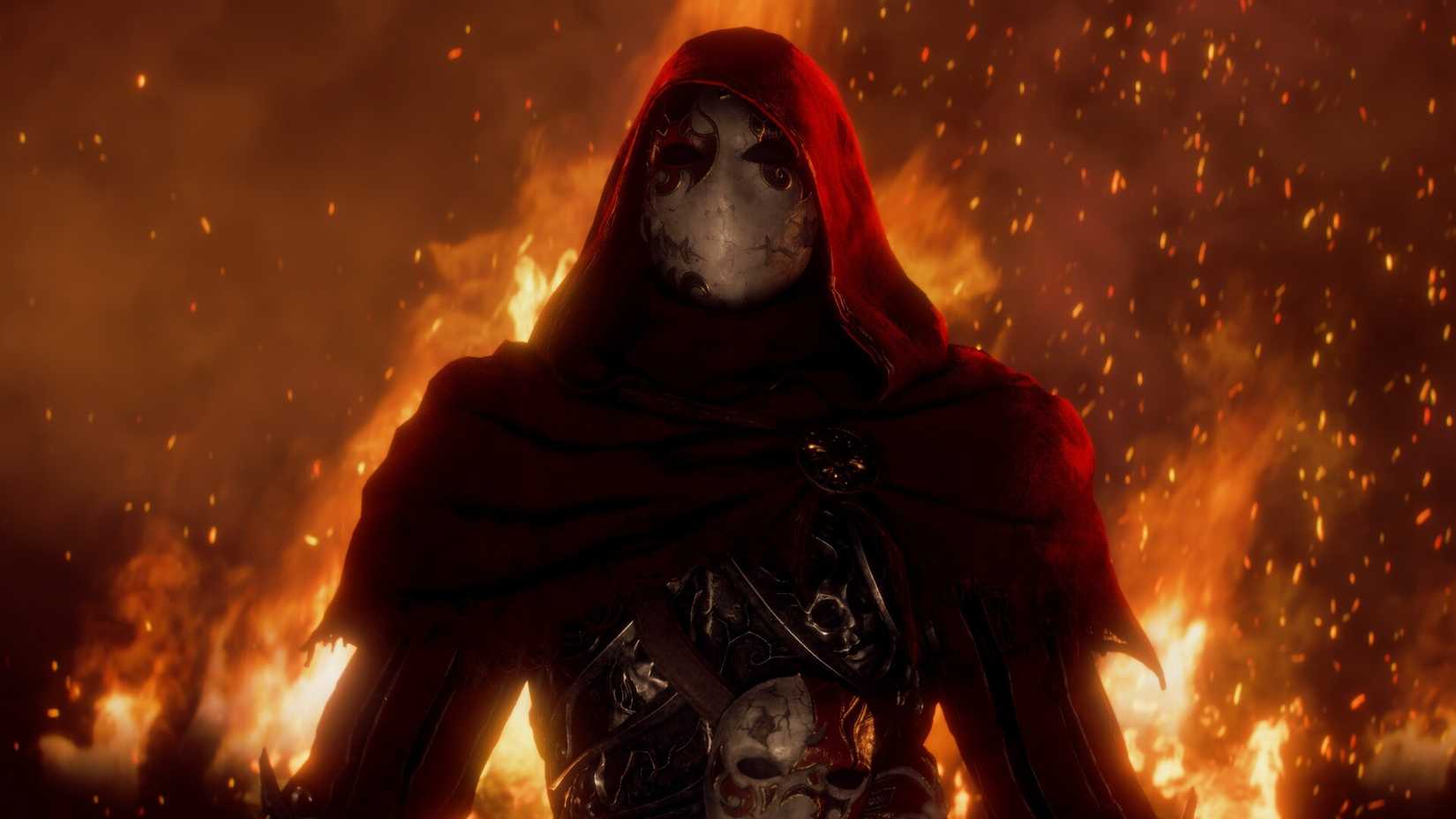
The first three Fable games excelled because they expanded vertically rather than horizontally. Instead of giving players an overwhelmingly big world full of randomly generated elements, like in The Elder Scrolls series, for example, they focused on depth, details, and relationships. Rather than providing (apparently) endless choices, the series wanted to make you feel like every decision truly mattered, from the silly ones to the big, plot-related questions. In Fable, if you want the strongest sword in the game, you have to kill your sister. In Fable 2, you can either resurrect your dog and family or the thousands of innocents who died building the Spire. In Fable 3, you have to be an asshole to save your subjects.
I hope that Fable will learn from its predecessors and not just be another open-world game with a Fable skin. The game’s scope looks mind-blowing, but will it be able to maintain the same emotional depth the series became famous for, now that Molyneux is no longer involved? After all, if I have to roleplay a heartless capitalist landlord again, I’d like to have some valid excuse at least.
 Related





![ELDEN RING NIGHTREIGN: Deluxe Edition [FitGirl Repack]](https://i5.imageban.ru/out/2025/05/30/c2e3dcd3fc13fa43f3e4306eeea33a6f.jpg)
 English (US) ·