.png)
.png) 6 months ago
138
6 months ago
138
The My Hero Academia anime is drawing to a close, but that doesn’t mean it’s going to vanish forever. The world of video games keeps the biggest manga/anime franchises alive long after their creators are gone, with new consoles bringing fresh iterations of classic series.
My Hero Academia has had its fair share of video games since the manga debuted, which makes sense, as a battle manga franchise about student superheroes has a ton of potential in the gaming world.

Related
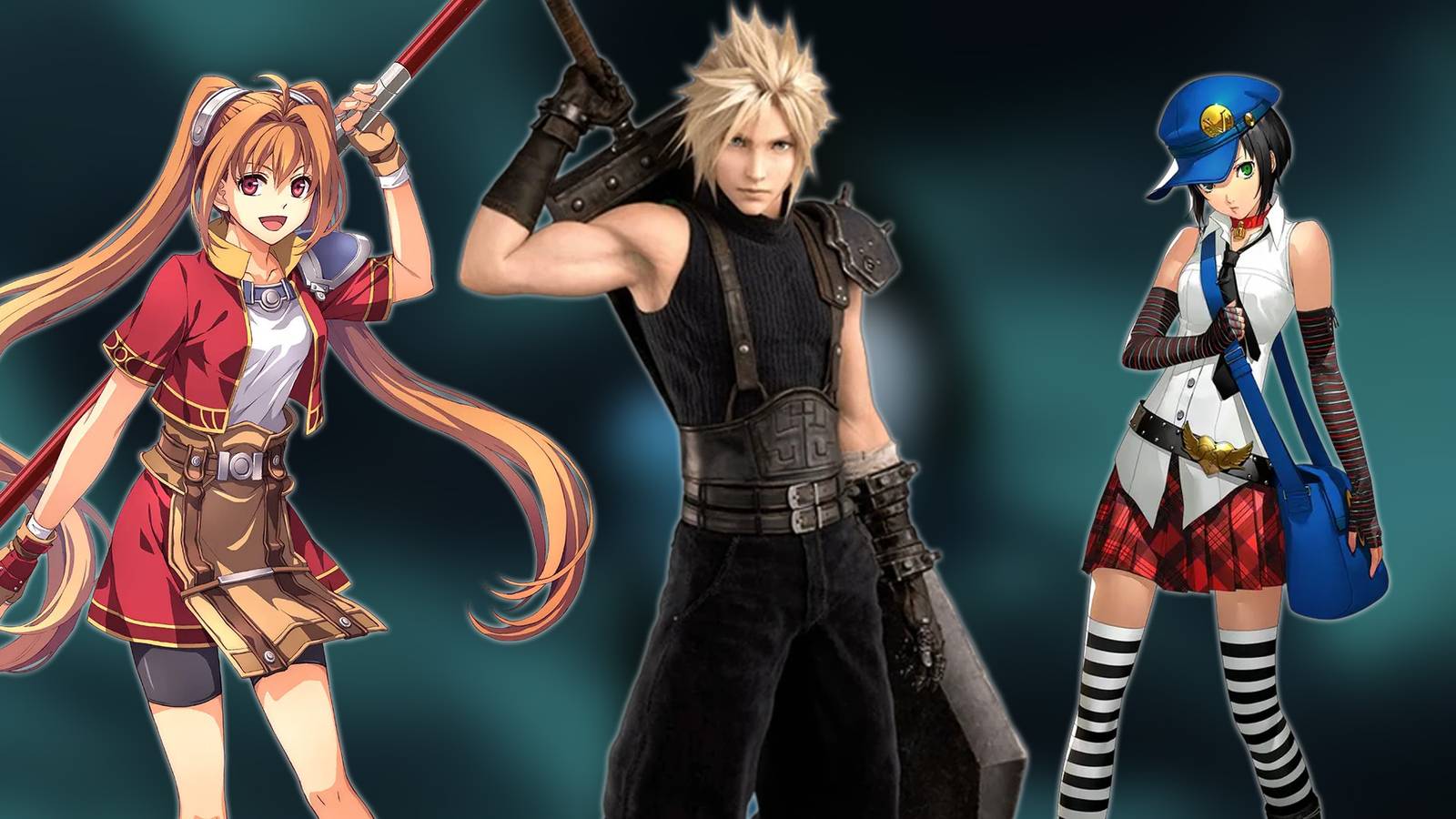
10 JRPGs Perfect for Players Who Love Final Fantasy, But Want Something Different
The Final Fantasy series has produced some of the best games of all time, but some of the most amazing JRPG franchises aren't connected to it.
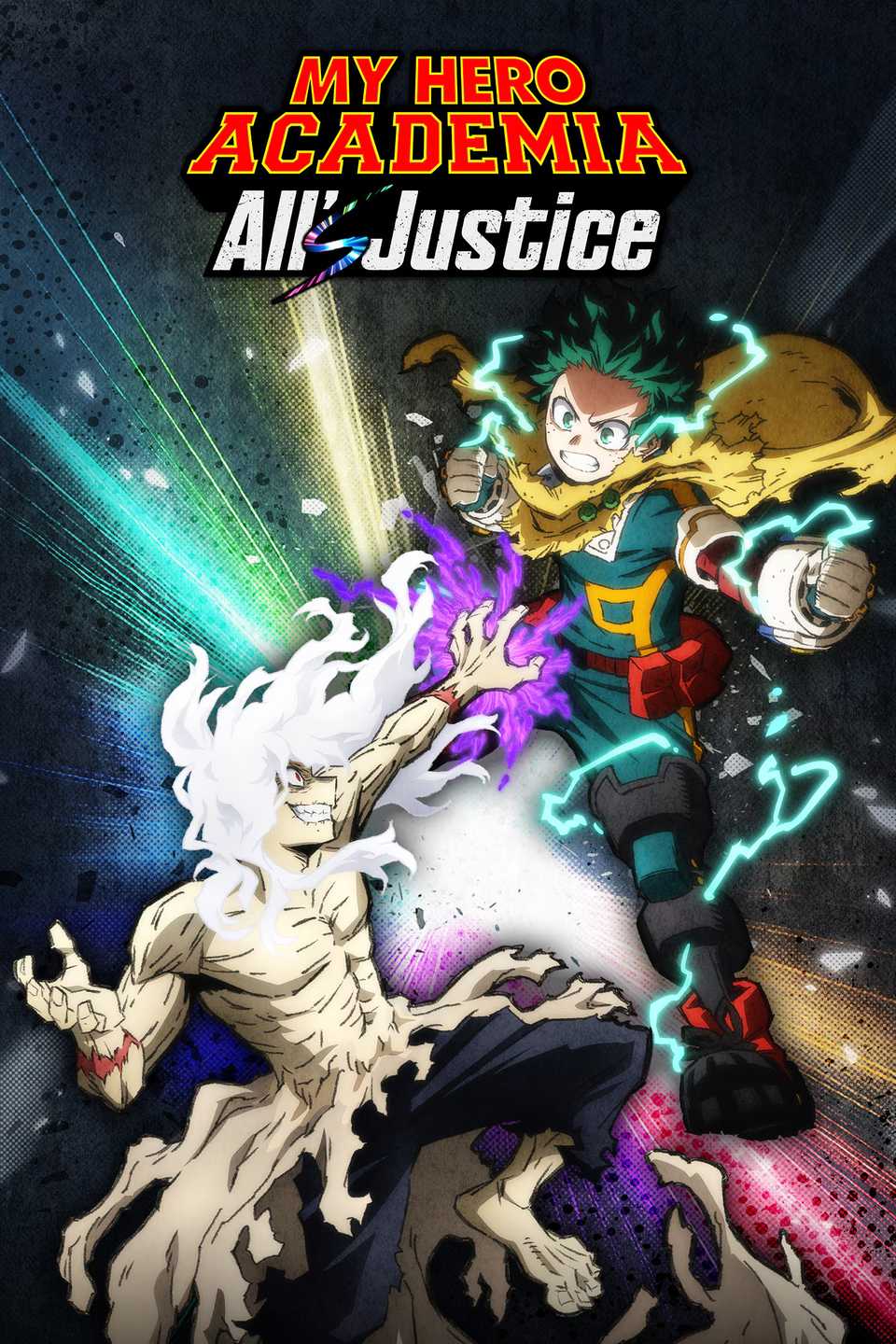
The next video game adaptation of the series is My Hero Academia: All’s Justice, an arena fighting game set during the manga’s final story arc, the Final War. It’s here where the heroes and villains have their climactic battle to determine the fate of the world.
DualShockers recently had some hands-on time with My Hero Academia: All’s Justice, ahead of its February 6 release, to try out its different modes and get to grips with its varied roster of superpowered brawlers.
This article will contain story spoilers for moments from the final story arc of the My Hero Academia anime and manga.
My Hero Academia: All’s Justice Brings The Story To A Close
The Gang Is All Here For The Ending
The preview was broken into gameplay chunks, with the first focusing on the game’s single-player story mode. It’s here I got to play as Bakago during his fight with the younger version of All For One, which played out across four separate missions.
These battles acted as my tutorial, which was certainly a choice, considering All For One is one of the final villains of My Hero Academia. I was thrown straight into the combat, which will feel familiar to those who have played similar anime arena battlers.
Unlike most fighting games, which take place on a 2D plane, arena brawlers are set in a 3D space, where the player can move about as they please. Many stages have hazards, destructible elements, and even buildings that can block your path.
The Story Mode battles I played in My Hero Academia: All’s Justice took place in an abandoned city, where I quickly had to get to grips with the mechanics. Characters have regular attacks that can combo together, as well as special moves based on their “Quirks” (the My Hero Academia term for superpowers). In the case of Bakago, his Quirk causes his sweat to explode, granting him powerful short-range blasting attacks.
Related
My Hero Academia: 7 Weakest Quirks
Not all Quirks are powerful. Some are more of a burden than a gift, leaving their users struggling. Here are 7 Quirks that fall on the weaker side.
My Hero Academia: All’s Justice also has a “Rising” meter that builds up over the fight. Once filled, the player can activate their Rising Mode to gain a temporary power boost, though it comes with a strict drawback (which we discovered later). There’s also an Ultra Plus mode, which is a super move meter broken into three chunks. Once a chunk is filled, you can attempt to perform a cutscene super that deals a ton of damage.
Now, with the basics out of the way, how does it all work in practice? My Hero Academia: All’s Justice is a game all about zoning, as characters don’t move that far when you perform an attack, so you have to be extremely careful when starting a combo. It’s not something like the old Dissidia Final Fantasy games, where most characters zip across the screen when attacking.
My Hero Academia: All’s Justice is a game all about zoning, as characters don’t move that far when you perform an attack, so you have to be extremely careful when starting a combo.
My Hero Academia: All’s Justice has guarding and evasion, which is tied to a Stamina meter that depletes the more defensively you play. This means movement and positioning are vitally important, as the game is unforgiving when it comes to attack hit boxes.
I learned all this the hard way, as All For One Rewind is a tricky foe to fight, favouring long-distance attacks and large AoE explosions, not too dissimilar from Bakago’s own fighting style. As tutorials go, it was brutal, with All For One Rewind forcing me to constantly go on the offensive, as he continually blasted me from afar, while using the buildings nearby as cover.
The All For One Rewind fight was a trial by fire, as I had to learn all of the game’s mechanics, and fast. The only way I was going to overcome the boss was through mastering the Rising/Plus Ultra attacks to overcome his ranged advantage.
I had to do this twice in a row, as the only Story missions available in the preview all involved facing All For One Rewind. Fortunately, as a fighting game fan, I was able to finally master the dodging, supers, and offensive moves needed to overcome this nightmare of a foe. Not bad for my first time playing the game.
Team Up Missions Feel More Like A Superhero Story
Gang Warfare Is The True Foe In My Hero Academia: All’s Justice
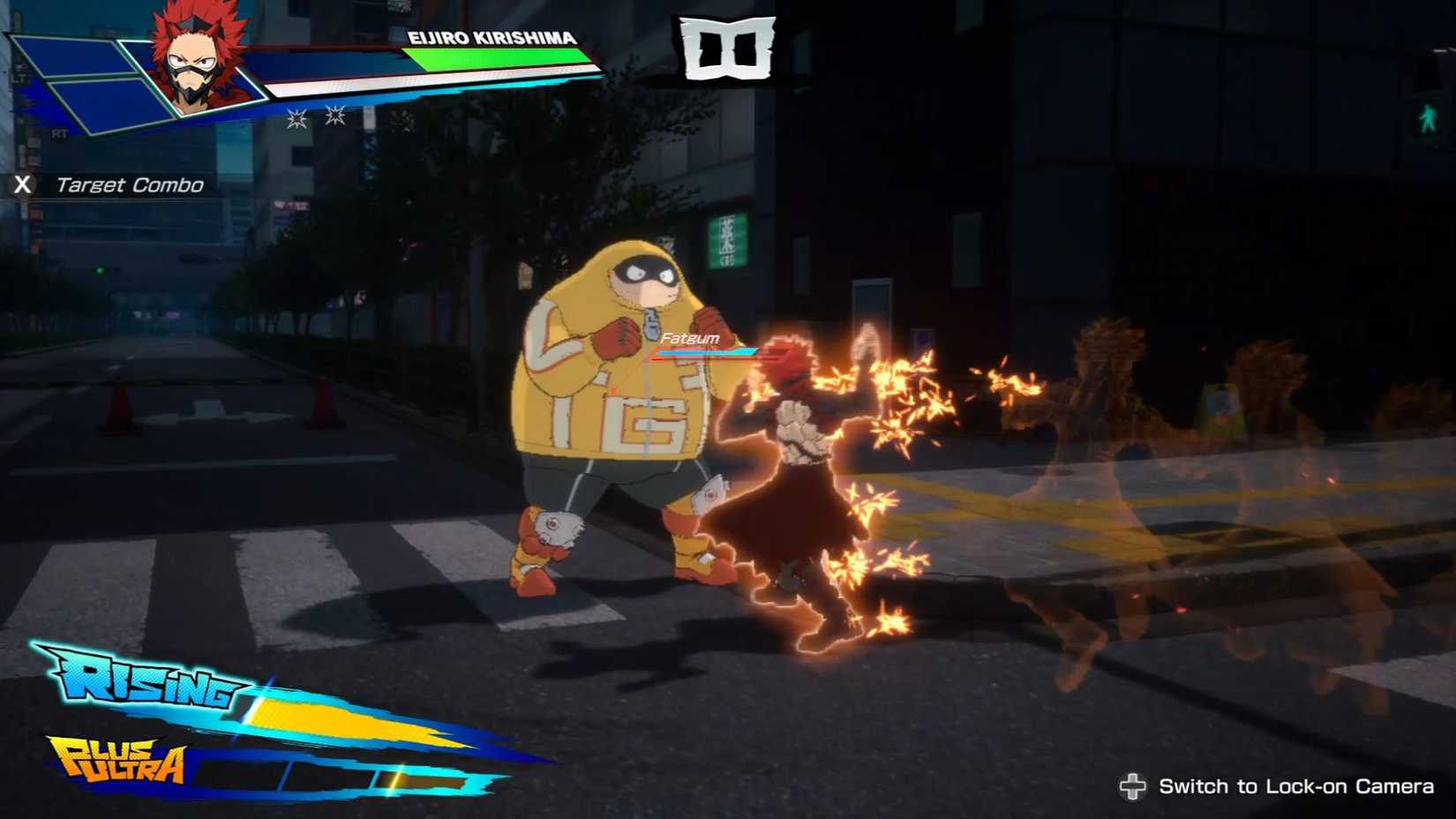 Image Via Bandai Namco Entertainment
Once I had finally overcome All For One Rewind, I was able to move into the Team Up Missions Mode. It was here that I finally got to control Deku, the protagonist of My Hero Academia, who is preparing to take up the mantle of All Might, the world’s greatest superhero, who was able to pass on his power (One For All) to Deku.
In the Team Up Missions, I had free rein to explore a small part of a city, with pedestrians and shops strewn around. These provide a more varied range of content than straight-up fights, as you get to complete quests/side quests, take on mini-games, and chat to other characters from the series.
There are also some mild traversal elements, with Deku able to ride railings like a skateboarder or use his powers to swing around like Spider-Man. These are fun, but they didn’t affect the gameplay much from my brief time with the preview.
The Team Up Missions did offer a more accurate gameplay experience than the Story missions I played, as I had the chance to use a team of three. While battles still only involve one combatant on each side, you can switch to your allies with the shoulder buttons, though this has its own meter.
Related
Top 10 Brainiacs in My Hero Academia - Who's the Smartest of Them All?
My Hero Academia isn't always about braun, as brains can be just as important, and these ten characters are among the most intelligent of them all.
The Plus Ultra meter also ties into using three characters, as filling the bar up to three chunks allows each character to use their super move one after the other.
The Team Up Missions did offer a more accurate gameplay experience than the Story missions I played, as I had the chance to use a team of three.
Having three characters at my disposal, with more varied movesets and abilities, quickly elevated the gameplay experience. While Deku was a brawler, I could switch out to the more interesting Fumikage, who could detach his monstrous shadow and control from afar, allowing for a puppet-style of combat.
Unfortunately, the Team Up Missions provided the worst experience of the preview, as it was here that I encountered battles with multiple opponents at once. There are roving gangs of supercriminals roaming the streets, and when you fight them, you fight all of them at once.
At its heart, My Hero Academia: All’s Justice is a team-based fighting game, but characters only face each other one at a time. The random encounters throw this out of the window, as your one character has to face multiple opponents at once, who can dogpile and stunlock the player, or even shoot them from off-screen, using attacks that are almost impossible to dodge, because you can’t see them.
If the player had been able to send out their teammates as AI-controlled allies to face the enemy all at once, then these sections might have been chaotic fun. As it stands, I had to play overly defensively and run around the stages, taking out each foe one by one. Otherwise, they would just keep piling on the pain, making it impossible to retaliate, due to a distinct lack of i-frames.
My Hero Academia Characters Get A Chance To Shine In The Hero’s Diary
What’s An Anime Game Without A Bit Of Slice Of Life?
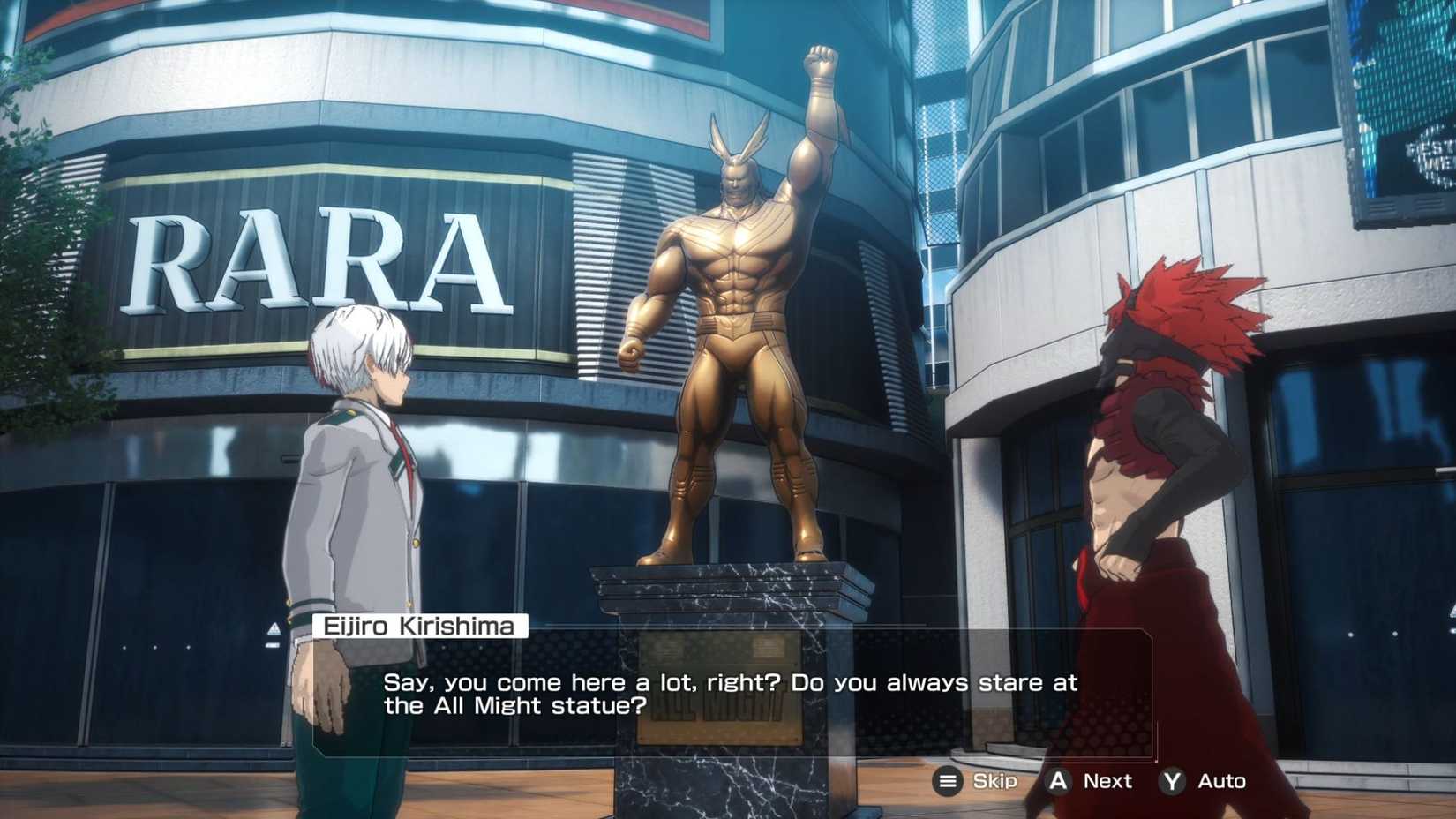 Image Via Bandai Namco Entertainment
The My Hero Academia cast is chock-full of interesting characters, many of whom have earned sizable fanbases of their own. Those who love specific heroes in My Hero Academia can get the chance to experience individual storylines in the Hero’s Diary mode.
During the preview, I was able to access the Hero Diary chapters for Minoru Mineta, Eijiro Kirishima, and Mina Ashido. These comprised three stages, a mix of fights and cutscenes.
The Minoru chapter showed his quest to use his sticky ball power to climb faster, which involved a mini-game of scaling a building by racing to hit checkpoints.
Those who love specific heroes in My Hero Academia can get the chance to experience individual storylines in the Hero’s Diary mode.
The Eijiro chapter was all about his rivalry with Tetsutetsu, so it was focused on fighting. It also featured another unfair fight, where it has two face two rival heroes at once, but this wasn’t as unbalanced as the gang fights in the Team Up Missions.
The Mina chapter involved finding cats around a playground as part of a training exercise, culminating in a fight with a Nomu, one of the powerful artificial lifeforms used by the villains.
The Hero Diary Mode offered a fun diversion from the seriousness of the Story Mode, as it gives minor characters a chance to be in the starring role. It’s just a shame they’re so short, but this isn’t too surprising considering the number of characters it covers. If even half of the roster has a Hero Diary, then it's still a ton of content, even for people who want to skip the characters they don't care for.
Team Battles Are The Core Of The My Hero Academia: All’s Justice Experience
The Cast Is Full Of Quirks
The preview concluded with the Battle mode, facing off against the CPU. The Battle Mode is My Hero Academia: All’s Justice’s bread and butter and is likely where most people will spend their time, as it’s all about throwing the characters against each other in brawls.
My Hero Academia: All’s Justice has over fifty characters at launch, and while some of these are variants of the same character (such as multiple versions of Deku, where he’s at different stages of mastering his powers), the roster has a surprising amount of diversity in playstyle.

Related
My Hero Academia: 8 Best Character Arcs
My Hero Academia thrives on growth and redemption. These character arcs showcase the struggles, sacrifices, and triumphs that define true heroism.
While Deku and Bakago have the standard fighting game mixture of short-range melee attacks accompanied by projectiles, there are characters like Lady Nagant, whose sniper Quirk favors long-ranged attacks and keeping away from the enemy.
The Battle Mode is My Hero Academia: All’s Justice’s bread and butter and is likely where most people will spend their time, as it’s all about throwing the characters against each other in brawls.
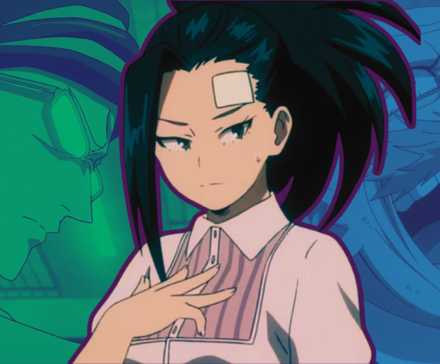
Fighters like Momo can craft shields and throw them around the battlefield, Best Jeanist can create machines that lock enemies in place, and Himiko can copy character appearances and powers after extracting their blood. There are gimmicks to be found throughout the entire playable roster, meaning you’re unlikely to get bored with what’s on offer.
My Hero Academia: All’s Justice doesn’t shortchange fans by replicating how each character feels compared to their on-screen counterparts. The size of the roster, coupled with varied stages that actually feel different (due to their diverse layouts influencing movement options), means there’s a ton of content on offer in the battle mode alone.
My Hero Academia: All’s Justice Will Give Fans What They Love
It’s Probably Not Smart to Start at the End
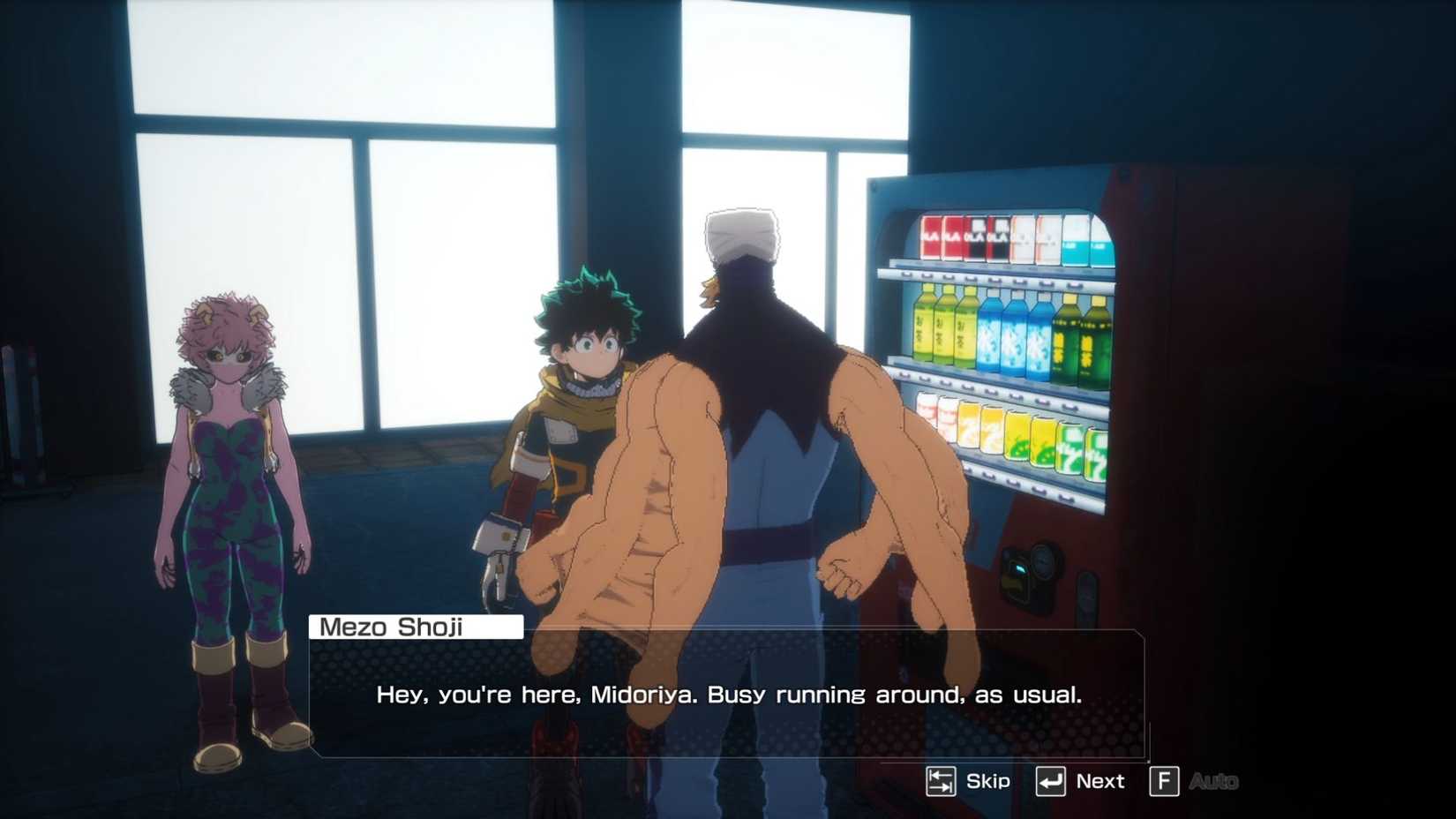 Image Via Bandai Namco Entertainment
My Hero Academia: All’s Justice isn’t for people who are unfamiliar with the franchise. The fact that it’s focusing on the final story arc should tell you that. Anyone looking to get into My Hero Academia should probably start with the anime or manga, as this game is chock-full of spoilers for the ending.
That being said, My Hero Academia: All’s Justice should please the fans who are looking for one more adventure with the students in Class 1-A. It’ll be a great accompaniment to the anime's conclusion.
While I had gripes with some of the missions in My Hero Academia: All’s Justice, most notably the annoying group vs. one battles, the core fighting gameplay loop is solid and deeply satisfying to play as a fan of the franchise. The extra content is also an excellent send-off for individual characters, especially for the fans who loved them more than Deku.
My Hero Academia: All’s Justice is coming to PC, PlayStation 5, and Xbox Series X/S on February 6, 2026.
Released February 6, 2026
ESRB Teen / Blood, Language, Suggestive Themes, Violence, In-Game Purchases
Developer(s) BYKING





![ELDEN RING NIGHTREIGN: Deluxe Edition [FitGirl Repack]](https://i5.imageban.ru/out/2025/05/30/c2e3dcd3fc13fa43f3e4306eeea33a6f.jpg)
 English (US) ·