.png)
 5 months ago
50
5 months ago
50

Published Feb 12, 2026, 12:30 PM EST
Recent Highguard and 2XKO layoffs illustrate the dangers of a model that has stopped making hits
 Image: Wildlight Entertainment
It may not be a tale as old as time, but over the last few years, it’s been a very familiar one. Studio launches live-service game, game has high-profile but underwhelming launch, studio is forced to make almost immediate cutbacks and lay off staff (if it even survives).
It's happened twice this week. Wildlight Entertainment, maker of the hero shooter Highguard, has laid off what seems to be a substantial number of its developers — “most of the team,” according to one of those affected. Highguard was Wildlight’s first game. It was released less than three weeks ago, on Jan. 26.
Meanwhile, Riot Games — whose League of Legends is one of the great live-service success stories — laid off around half the team working on 2XKO, its attempt to bring League of Legends’ characters, lore, and free-to-play business model to the world of fighting games.
It’s tempting to jump to conclusions about the current state of live-service gaming, but we should do so with caution, for a few reasons. Firstly, this has always been a high-risk business, where a small number of hits print unbelievable sums of money, but suck up all the oxygen and playtime and make competition tough. History is littered with the corpses of failed live-service games, all the way back to the many attempts to copy World of Warcraft’s success in the 2000s, and beyond.
 2XKO.Image: Riot Games
Secondly, these are two highly individual cases, marked more by their differences than their similarities. Riot is a rich, well-established company. It definitely spent far too long (a decade) making 2XKO, and the wisdom of its mission — break into and expand the fiercely defensive niche market of fighting games with a business model that has never worked in that sector — was always questionable. Riot is chastened, but with around 80 developers still working on 2XKO, the game is on a bit better than life support. It’s unlikely to be as big as Riot hoped, but it could still work out.
Like 2XKO, Highguard is made by developers who are experts in its genre, including veterans of Apex Legends and Call of Duty. But there most of the similarities end. Wildlight is a new, self-publishing outfit without other revenue streams to back it up. It entered a high-profile, highly competitive market — hero shooters — where its free-to-play model is common. Rather than failing to convert a niche audience, it failed to stand out for a mainstream one. Going by the precipitous drop in Highguard's Steam players, the game and the studio are going to struggle to stay afloat for long.
There’s also one very unusual and (hopefully) unrepeatable factor in Highguard’s story. Wildlight had intended to shadow-drop the game, hoping to build its audience organically, like Splitgate or, in a best-case scenario, Apex Legends. But the studio was persuaded to accept a trailer spot at the 2025 Game Awards — one of the most high-profile marketing opportunities in all of gaming — by TGA supremo Geoff Keighley. The splashy debut left fans baffled when the reveal wasn’t immediately followed by more info on the game, and set expectations unreasonably high.
Did Keighley kill Highguard with his kindness? It’s impossible to say; the game might have flopped anyway. But he certainly didn’t help.
 Highguard.Image: Wildlight Entertainment
Each of these cases is highly specific, then, and it’s unlikely that Riot and Wildlight would have much to teach each other. But there is one choice that didn’t help either studio in their respective scenarios: going free-to-play.
There’s long been an assumption that free-to-play is the route to ultimate success in live-service gaming, because of the sheer size of audience you can attract. But the truth is that most of the free-to-play giants outside mobile gaming — LoL, Dota 2, Counter-Strike, Fortnite, Call of Duty: Warzone, Apex Legends, and Overwatch — have been established for years. It’s incredibly rare for a newcomer to be able to crack into that club. Marvel Rivals is the only recent success story I can think of, and even that is currently a long way off its 2025 peak.
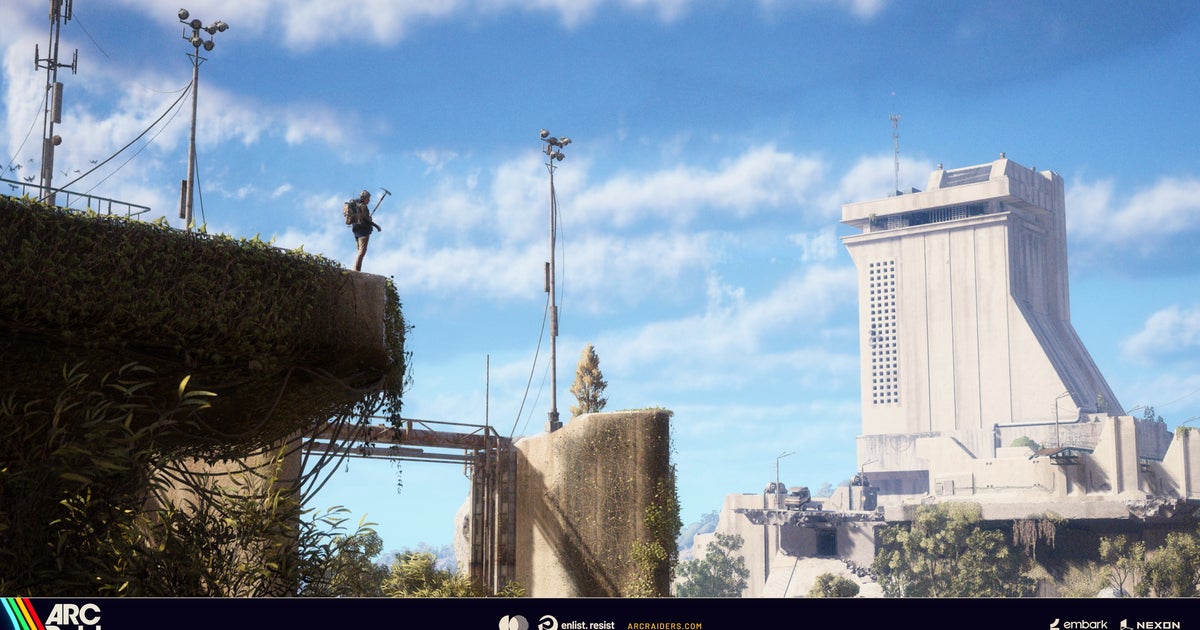
On the other hand, premium live-service games are having a moment. The sector’s biggest hits of the last three years — Diablo 4, Helldivers 2, and Arc Raiders, to name three — have all been paid games supplemented by optional microtransactions, expansions, or battle passes (or all three).
There’s a lot of risk in taking this route, too. But there’s an obvious degree of comfort that comes with selling your game for money. You (hopefully) get a big injection of cash from launch sales that can support further development of the game for a while, and per-player revenue is guaranteed, whether they keep playing or fade away. Players are invested, and even those who don’t stick with the game can be won back with free updates. Low player numbers like Highguard’s are a major concern for a premium game, too — but they’re not immediately lethal.
Premium games aren’t immune to crashing and burning; just look at Concord. But there are clear signs that players are drawn to paying for their live-service games again, and that the good old-fashioned “sell stuff for money” business model works for studios, too. Bungie is probably right to charge for Marathon. Would a price tag have saved Highguard? Maybe not. But it might have bought the Wildlight team a little more time, and left them with a little more to show for their trouble.

![ELDEN RING NIGHTREIGN: Deluxe Edition [FitGirl Repack]](https://i5.imageban.ru/out/2025/05/30/c2e3dcd3fc13fa43f3e4306eeea33a6f.jpg)
 English (US) ·