.png)
.png) 1 month ago
16
1 month ago
16
 Photo Credits: frimufilms/Magnific

Published May 4, 2026, 4:00 PM EDT
Tay Garcia is a Staff Writer at DualShockers and a Brazilian journalist who has been covering games professionally since 2017. Her work spans news, reviews, previews, lists, guides, and features, with a particular focus on horror, retro games, theories, puzzle games, Metroidvanias, Soulslikes, and story-driven titles.
Before joining DualShockers, Tay worked as an assistant editor and contributed to Jovem Nerd, one of Brazil’s largest pop culture outlets, as well as Editora Europa, a major Brazilian publisher known for gaming and technology magazines. She has also worked as a streamer, YouTube creator, and podcaster. Tay holds a B.A. in Journalism, has postgraduate training in Social Media, and is certified in professional video game journalism. She was also a member of Podcast UP, which won the Cubo de Ouro Award for Best Podcast in Brazil in 2021.
Sign in to your DualShockers account
I have a question for you: what are your fondest memories of gaming? I find it hard to believe that among them, there isn’t the presence of a relative, a friend, a partner, or even a stranger who eventually became a close friend.
And I’m taking this guess because I strongly believe that while the act of playing can be quite solitary (just you and the controller), gaming has always been a collective experience at its core, whether through playing together or simply sharing stories and tips. It’s no coincidence that, back in the 1970s, home consoles started and rose to popularity during the Pong era, which, as it turns out, was designed specifically for two players to experience together!
 Related
9 Low-Stress Competitive Multiplayer Games
You're less likely to be banned from chat after a match with these.
This sense of collectivity has remained a cornerstone of the industry over the decades. As technology advanced, games evolved, bringing forth diverse genres, complex mechanics, deeper narratives, and also new approaches to morality.
In the early days of the gaming industry, plots were often straightforward, centered on a basic rhetoric of power in which you had the protagonist (the hero), a conflict (to generate the gameplay), and the villain (the source of the conflict). It was basically when the classic “good versus evil” was the main formula. Over time, however, developers dared to break that idea, leading to the birth of new genres and subgenres that explored the gray areas of human nature.
 Photo Credits: fxquadro/Magnific
Now, fast-forward to the era where technology paved the way for multiplayer and online games (which remain incredibly popular to this day), and this moral landscape shifted once again. Since player interaction increased exponentially, it was no longer just about the player’s relationship with a scripted villain, but about how thousands of real people interact with one another in shared digital spaces. This turned the spotlight from pre-written heroism to the unscripted social dynamics of the lobby, since there ain’t much story in a quick or ranked match.
Naturally, it opened up the doors for multiplayer titles to become true social hubs. This means that while friendships are forged in these spaces, they also become breeding grounds for hostility, mocking, and constant friction with others – sometimes to the point of completely ruining another player's experience. Because, well, these kinds of games demand cooperation and teamwork to win, and a “You Lost” screen can really get under the skin of people who just wanted a few minutes of fun and winnings.
 Related
10 Best AA Multiplayer Games You Need To Play
AA games are getting the love they deserve, but you may have missed these best AA multiplayer games you need to play.
At first glance, one might think there isn't much developers can do about human behavior, and that is true to some point. However, concrete data suggests that toxicity isn’t strictly a moral flaw but also a business problem that can be directly affected by how a game handles social conduct.
According to research conducted by the ADL (Anti-Defamation League) Center for Technology and Society in 2023, around 76% of adult gamers (aged 18–45) and 75% of teens (ages 10–17) have reported experiencing some kind of harassment or hate in online multiplayer games. And this is not a fleeting trend. Another research from ADL, now from 2025, showed that this scenario has remained steady in the following years, with toxic interactions being detected in almost half of online multiplayer sessions tested with players from different regions around the world.
To put these results into perspective, the number of active gamers worldwide may reach 3.5 billion in 2025, according to What’s the Big Data, meaning that even a statistically low incidence of toxicity can still translate into thousands of daily confrontations online. This widespread impact is exactly why Daniel Kelley, Director of Strategy and Operations at the ADL, expressed deep concern regarding these figures when reporting these numbers last year. He emphasized the urgent need for structural change, stating: “As increasing numbers of people engage in online gaming spaces, we need to find ways to minimize disruptive behavior, hate, and harassment.”
Kelley’s call to action highlights that simply reacting to reports isn't enough, and the gaming industry must find proactive ways to soften the environment as it continues to grow.
To dig even deeper into that thought, we need to first realize that this constant exposure has normalized such behavior, making most players think "that's just the way it is" and don't expect anything different. Moreover, data gathered by PubMed Central in 2025 suggests that it isn't an isolated issue, but a chain reaction: exposure to toxicity significantly increases the probability that a player uses similar language. This effect can range from 5.49 to 13.81 percentage points, depending on whether the toxicity originates from opponents or teammates and whether the player's team won or lost.
In simpler words, toxicity breeds more toxicity, creating a vicious cycle that poisons the entire ecosystem, since it also comes with a financial cost to game developers: a 2024 survey by JLens indicates that 20% of players who enjoy multiplayer experiences are spending less and less money on the games due to toxic interactions in recent years, meaning that negative environments, quite literally, drive away profit.
Concrete data suggests that toxicity isn’t strictly a moral flaw but also a business problem that can be directly affected by how a game handles social conduct.
Faced with a scenario as chaotic as a ranked match, it can be difficult to find a way to avoid (or soften, at least) this cycle. However, in recent years, we have seen a subtle shift among several multiplayer titles that have managed to use their own in-game mechanics and systems to soften this conflict-heavy side of the community and even encourage the opposite: being kind to one another.
How Developers Are Gamifying Kindness
Most of these developers manage to encourage acts of kindness in a remarkably subtle way – one where players might not even notice they are being conditioned to behave better. They do so by intentionally bending their own game design to reward both small and large acts of kindness. This can range from direct XP and in-game currency to sharing loot and gaining momentary boosts, simply making the player realize that helping others is actually the fastest and smartest choice to win a match.
Sure, it’s a “self-interest through helping others” situation, but it remains the most effective way to encourage people from different cultures and social backgrounds to share a brief moment of being not only cooperative, but also respectful and supportive. Since these actions are mechanically beneficial, players are incentivized to rediscover that sense of collectivity that has been at the heart of the industry since home consoles first arrived.
This can range from direct XP and in-game currency to sharing loot and gaining momentary boosts, simply making the player realize that helping others is actually the fastest and smartest choice to win a match.
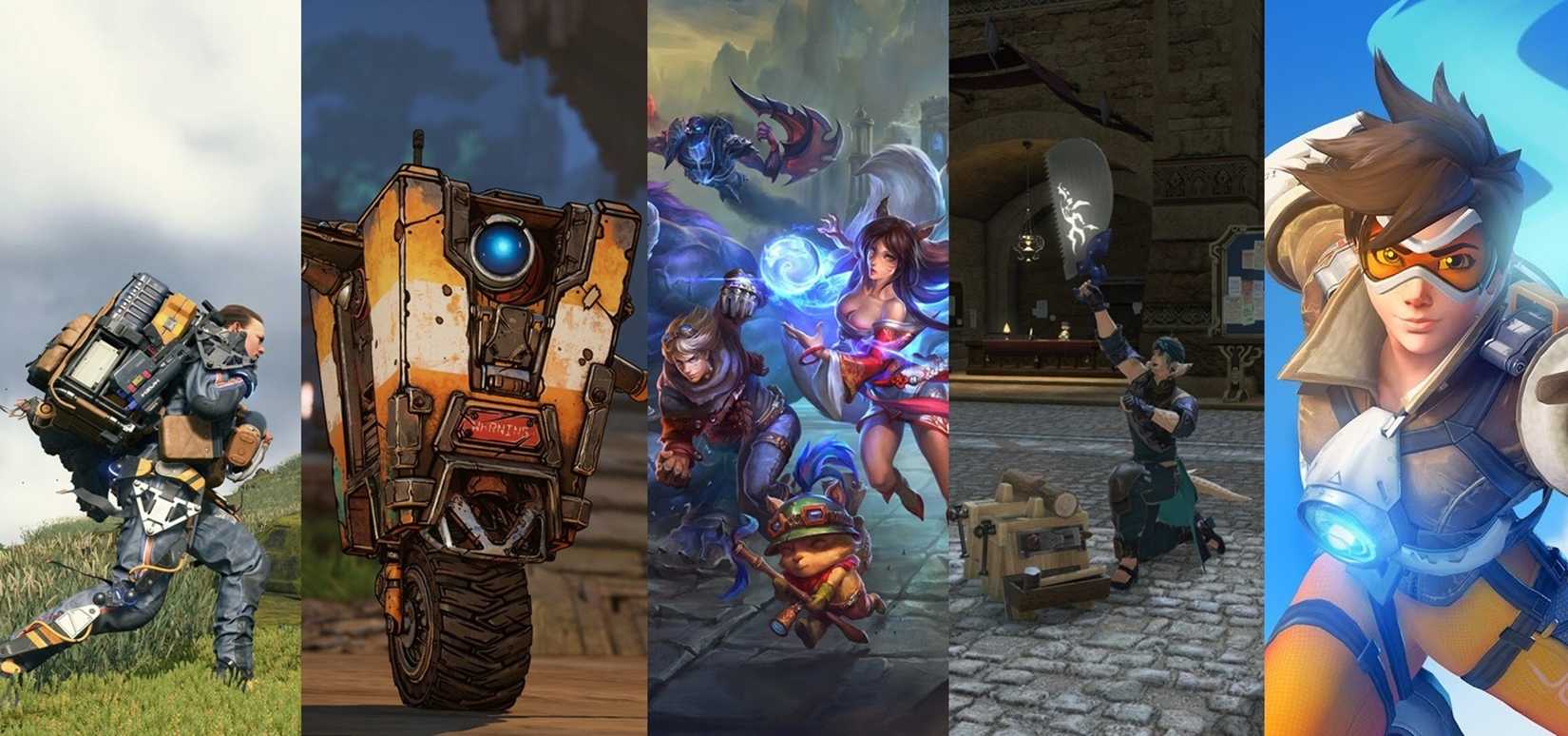
For concrete examples of what I’m saying, we can look at titles like Overwatch and League of Legends, which implemented these systems because their communities can get quite heated. By analyzing them, we notice that these social mechanics are vital to protect player retention and the game's long-term revenue, preventing the loss of players due to an unwelcoming environment.
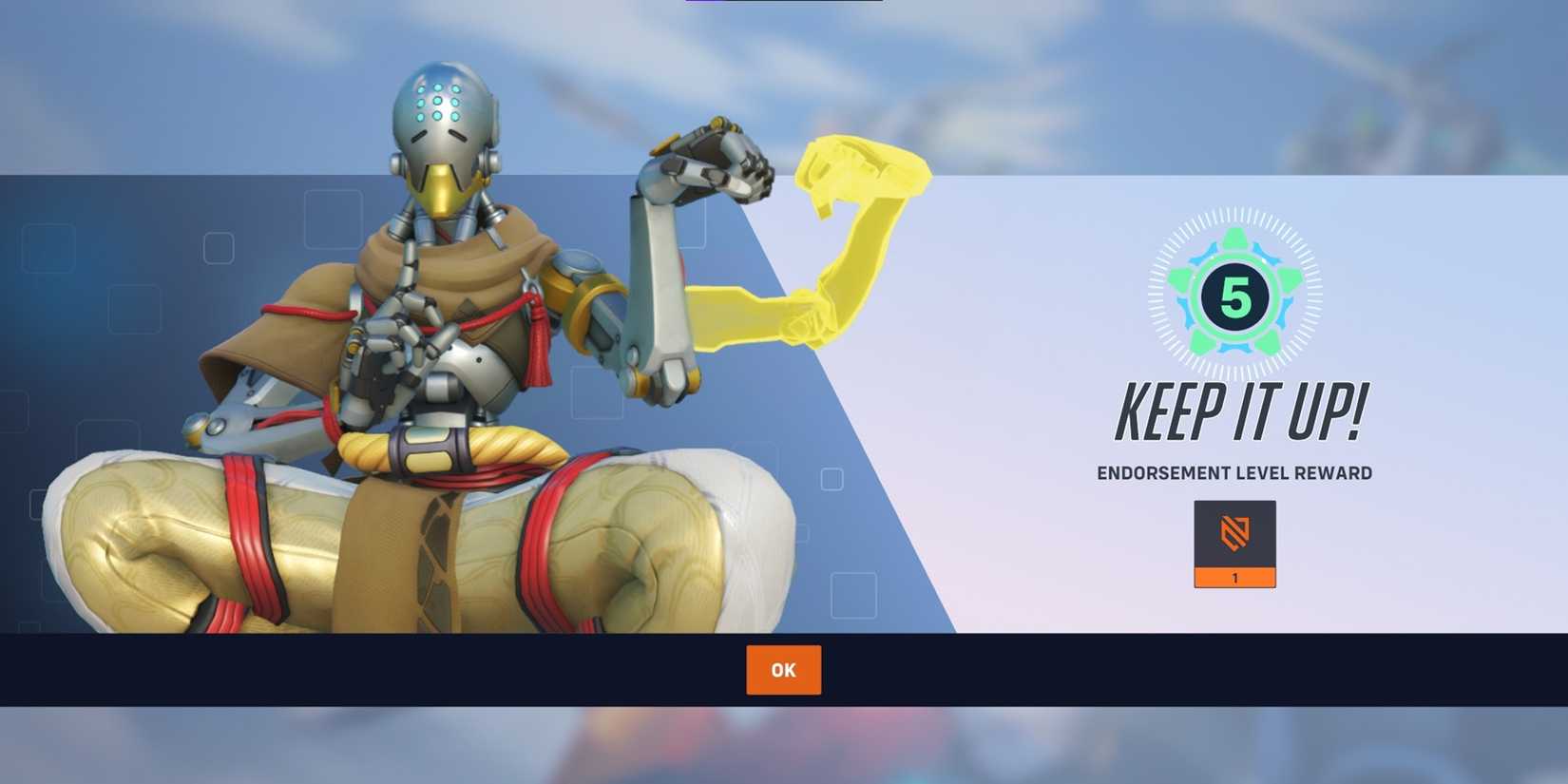
So Blizzard’s hero shooter, for instance, has an endorsement system, where you can label others (a teammate or adversary) as a good player, whether they were a strong leader, a great communicator, or simply displayed good sportsmanship in a match. You gain XP just for casting these "votes", making the task of acknowledging other players almost automatic for anyone looking to level up faster, creating a loop to actively recognize the value in others.
After a couple of matches, this became a mandatory step at the end of every match without me even realizing it! In my personal experience, I soon noticed that the more I endorsed others, the more I was also voted in return – with no words needed, just a direct and simple mechanic. Maintaining a nice, high endorsement level on my profile not only felt rewarding but also helped me find custom matches much faster.
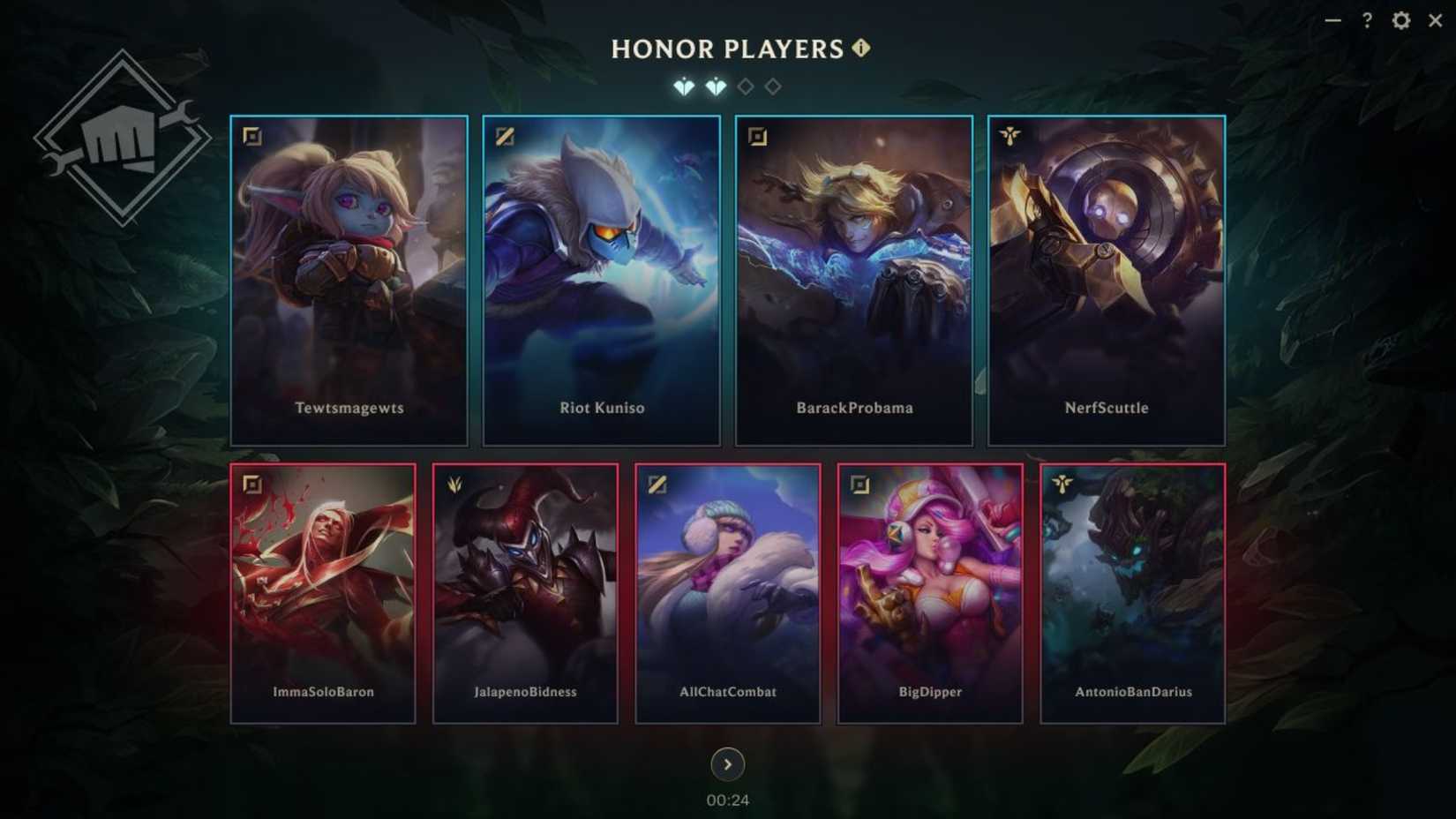
Similarly, Riot Games’ MOBA features a revamped honor system that rewards you based on how teammates evaluate your behavior. Much like ARAM rerolls, you bank honor votes as you play. If you are consistently positive, you gain access to some exclusive content and in-game perks. While the system originated in 2012 to supplement the old Tribunal, it was reworked into its third and current iteration in 2025, consolidating it into a highly unified framework that monitors player behavior in real-time.
What I find particularly clever about this mechanic is that the developers understood that for a player (especially a League of Legends player), there is a genuine sense of pride in reaching those higher tiers and displaying a visible badge on their profile. So they basically used this to their advantage, incentivizing players to strive for a shiny badge that identifies them as a reliable teammate in such a notoriously high-pressure environment by simply acting nice. Looking at how high the harassment rates can be for LoL nowadays – 76% for adults and 70% for teens, according to a recent report by JLens –, the implementation of a dedicated social system isn't just a simple bonus.
 Related
11 Best Couch Co-op Games With A Story Mode
Story campaigns aren't only for solo players, plenty of games let you take the journey with a friend.
This logic isn't limited to hardcore competitive titles, though, and it also thrives in more cooperative genres, such as MMORPGs and looter-shooters. Take Final Fantasy XIV, for example, with its mentor and sprout systems: veterans can act as mentors (basically a guide) and are encouraged to lend a hand to newcomers or returning players (labeled sprouts). This isn't just out of the goodness of their hearts at the end, since helping others grants experience bonuses and even mounts, often resulting in new friendships or guild members along the way. In a world where raids can be very complex, and you have more than 10 different jobs to choose from, that little help is enormous to both sides.
And the Borderlands franchise took some steps further throughout the years by rethinking how players interact with resources. Shared loot has become the very essence of the experience, which leads to some fun, unspoken rules where the host gets the rarest loot, or groups that search chests together to agree on who needs what most. Instead of fighting over gear, the game introduced options and skills specifically designed with teammate synergy in mind. Also, by granting damage reduction to allies upon reviving them or providing team-wide buffs, the game ensures that helping a teammate isn't a distraction from the action, but the most efficient way to survive the mayhem.
A Strong Strand of Kindness
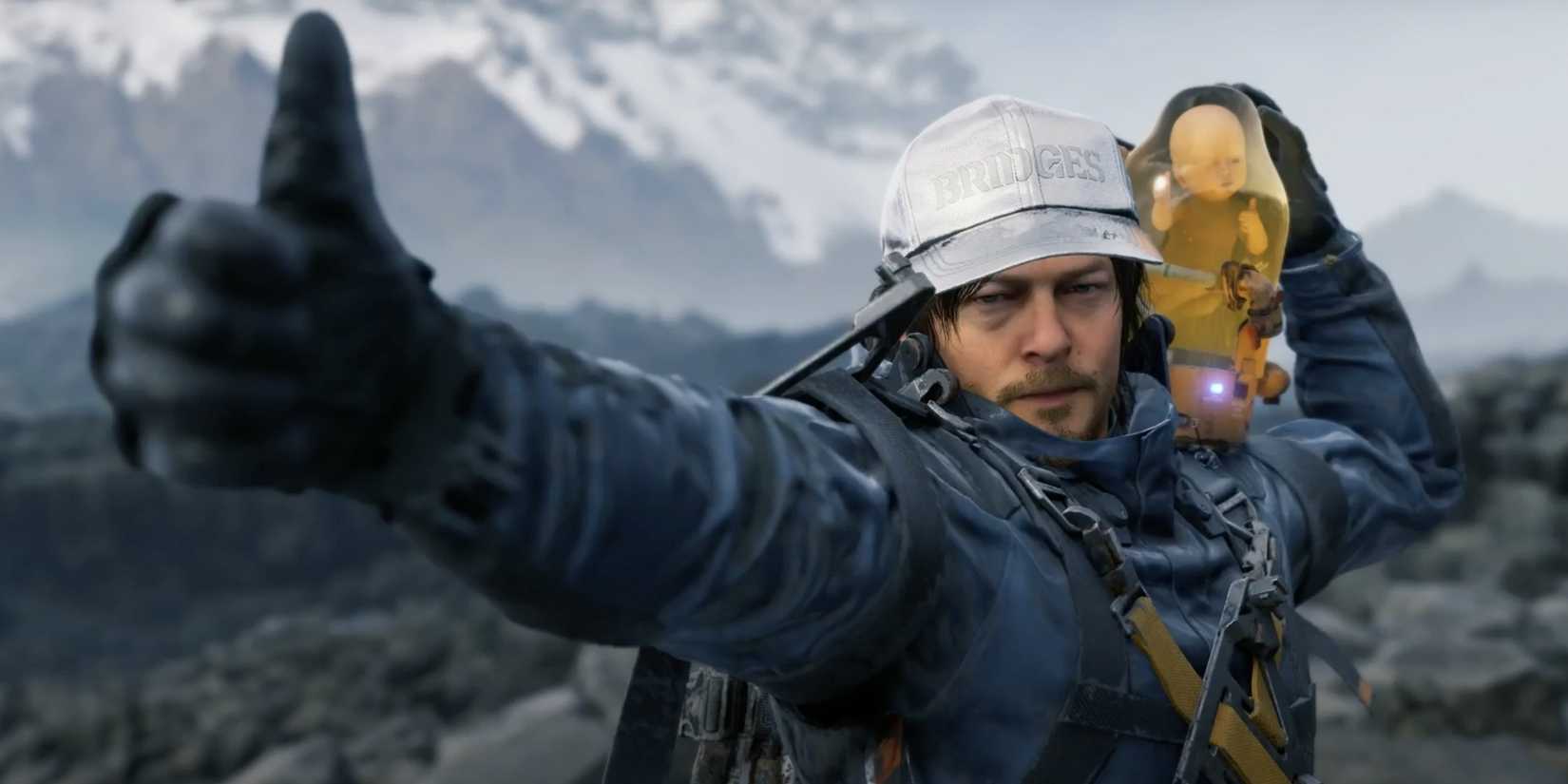
We have certainly seen some effective, active examples of this in modern gaming so far, but there is one final case that I believe fully embraces the idea of making prosocial behavior rewarding rather than optional. And it comes from one of the most creative minds in the industry: Hideo Kojima himself.
This is the Social Strand System from the Death Stranding franchise. While both titles are single-player experiences at heart, deep in their soul lies an important asynchronous multiplayer system, meaning you don’t actually meet other players, but you interact with them indirectly. What’s truly impressive is how the game manages to use these mechanics to foster kindness while reinforcing the central theme of "connection" from the main story and deepening the overall experience.
So let's first look at it from a mechanical standpoint: you basically have several ways to help others while automatically benefiting yourself at the same time. You can place signs and messages anywhere to guide others or offer momentary boosts, like a speed increase in a steep, difficult-to-climb area, and the equipment or structures you built for your own journey can appear in someone else's world – an unintentional way of leaving gear behind for someone in need.
And this works both ways! When others interact with your structures, you gain “Likes,” which act as experience points that build your relationships with facilities (unlocking blueprints and materials) and increase your porter grade (boosting the protagonist Sam’s stats). In-universe, Likes basically serve as a rating system, and the dopamine hit of receiving them even offsets the symptoms of chiralium poisoning that porters experience. It is a simple yet interesting way of connecting every player's worlds, making them cooperate in a completely indirect way.
 Related
Death Stranding 2: How To Quickly Gain Likes
Every like counts to fuel that dopamine rush!
However, this system wasn’t an easy sell at first, and even Hideo Kojima witnessed his own team at Kojima Productions doubting the efficacy of a system without punishments or financial rewards that relied solely on the goodness of the player. “My staff said: Why would anyone offer a Like when there’s no reward or money involved? All other games [have some kind of system like that],” he said in an interview for The Face in 2019 to promote the launch of the first Death Stranding. Some of the developers even suggested adding a “Dislike” button to balance it, but Kojima stood his ground: “No, that won’t have any meaning.”
This skepticism from the developers themselves curiously revealed a deeper issue, one already highlighted by the toxicity reports from players cited earlier in this article: we have become so conditioned to the hostility of modern multiplayer that we struggle to imagine an online space without it. The Kojima Productions team wasn't just doubting a mechanic, but reflecting a common status quo where toxic friction is seen as an unavoidable part of the multiplayer experience in the gaming world.
This is precisely why Kojima’s refusal to compromise is so key! It marks him as the kind of developer (and gamer, of course) who should inspire us: he does not view video games as social hubs that can only incite toxicity – quite the opposite. He seems to strongly believe that there is more room for “Likes” than “Dislikes” in our digital spaces, and that should be the mindset for a more embracing experience.
This skepticism from the developers curiously revealed a deeper issue, one already highlighted by the toxicity reports from players: we have become so conditioned to the hostility of modern multiplayer that we struggle to imagine an online space without it.
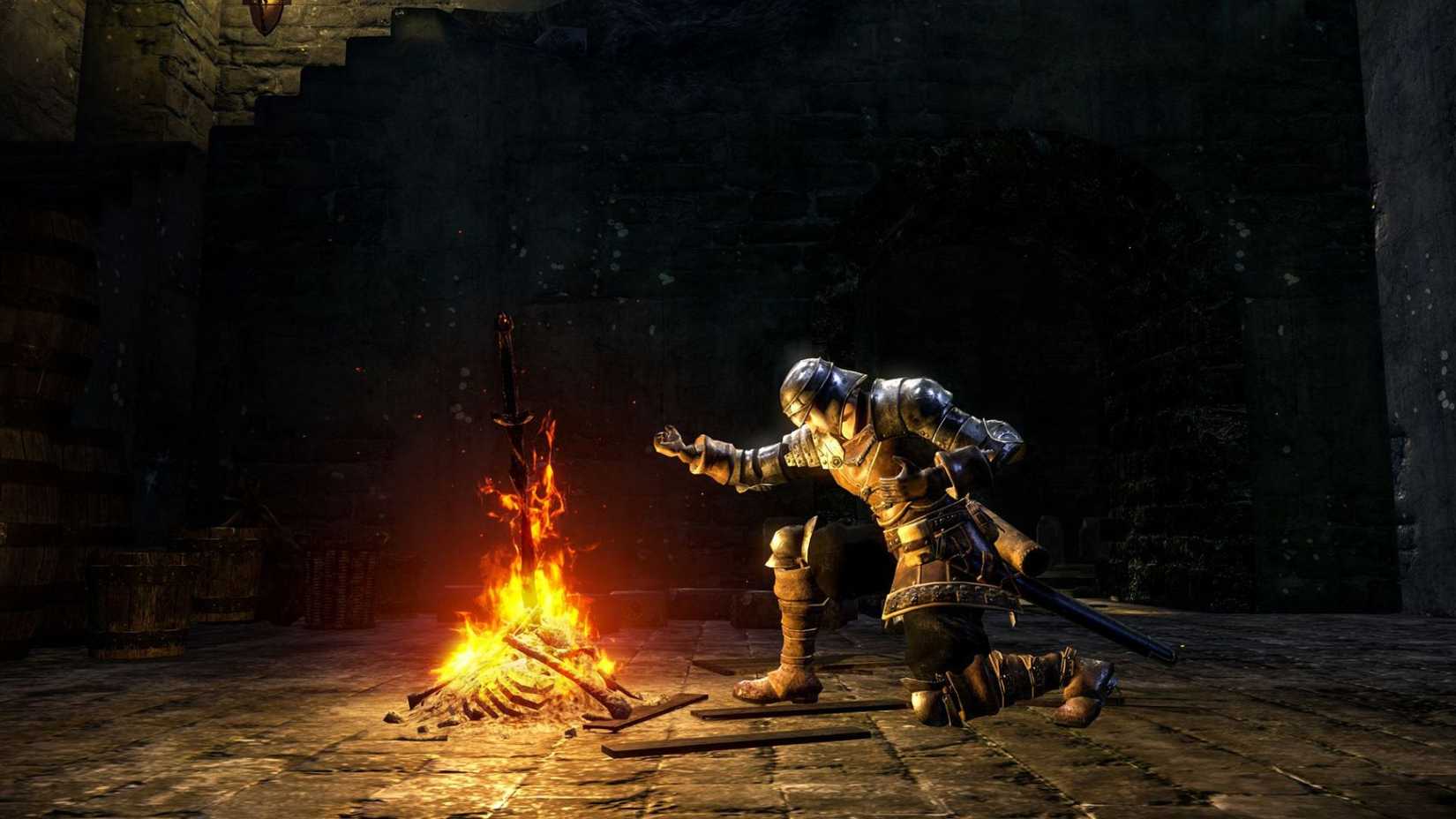
What I find most fascinating is that you can literally feel that belief in how the Social Strand System works, since there is no room for hate or tricks in this mechanic, and every message you can leave is inherently positive. This stands in stark contrast to other asynchronous titles like Dark Souls, where players often leave misleading messages to trick you into falling into a pit and losing your hard-earned souls.
By tying these actions directly to the main pillar of the story (forming connections with others, even those you’ll never meet), Death Stranding uses design to make the player realize that helping others leads to progression, better rewards, and social recognition. It’s organic, it's rewarding, and it proves that community kindness scales when generosity is tied to mechanical incentives. Also, it is important to note that its “learning curve” is actively softened by this same kindness, since it is a core mechanic that impacts progression directly, often helping players who are struggling get accustomed to and better understand the game’s complex systems.
Fortunately, this philosophy seems to have resonated with the public. In 2025, Kojima celebrated a massive milestone on social media, stating that the number of players who have already delivered some crates is quite high and that many people are still building connections: “The number of Death Stranding players has exceeded 20 million. Thank you very much. Sams from all over the world are still delivering. You are connecting the world,” he wrote. Reaching so many players worldwide is a powerful sign that a community built on mutual aid can be just as successful (if not more so) than one built on conflict.
When diving into Death Stranding’s systems, we see that the game is perhaps the most poetic evidence of a broader truth: players aren’t inherently toxic or saintly, they are responsive! This reinforces the idea that game design is actively responsible for incentivizing player behavior. Whether we are building a bridge for a stranger in a post-apocalyptic wasteland or endorsing a healer in a competitive arena, our behavior is a reflection of the “architecture” we live in – and in the gaming world, that architecture is the game design itself (or part of it).
 Related
Best Co-Op Games From Every Console Generation, Ranked
From 1970 to the present day, non-competitive multiplayer games have given us countless memorable experiences.
Bending the Rules of Engagement
In the end, we need to realize that toxicity in gaming isn't a fixed reality, but often a byproduct of the systems players inhabit. While individual backgrounds matter, games not only shape competition, but they also help shape social conduct. Players, by nature, often follow incentives more than ideals. And toxicity tends to thrive when selfish play is rewarded or tolerated, while kindness grows more naturally when systems reduce competition over scarce rewards.
Whether we are building a bridge for a stranger in a post-apocalyptic wasteland or endorsing a healer in a competitive arena, our behavior is a reflection of the “architecture” we live in – and in the gaming world, that architecture is the game design itself (or part of it).
And I am not the only one saying so. Jane McGonigal, a PhD researcher and game designer who is an authority on how game design impacts our lives, has already argued in the past that mechanics have a deeper impact on us than we might think – and how that can also impact the gaming industry.
“Game developers know better than anyone else how to inspire extreme effort and reward hard work”, she writes in her acclaimed book Reality Is Broken: Why Games Make Us Better and How They Can Change the World. “They know how to facilitate cooperation and collaboration at previously unimaginable scales. And they are continuously innovating new ways to motivate players to stick with harder challenges, for longer, and in much bigger groups. These crucial twenty-first-century skills can help all of us find new ways to make a deep and lasting impact on the world around us.”
As McGonigal points out, developers know how to facilitate cooperation at scales previously unimaginable by simply making the reward worth the effort. So, as we've seen from different titles such as Overwatch, Final Fantasy XIV, Borderlands, and Death Stranding, when these developers treat kindness as a core mechanic (even a small one) rather than a polite suggestion, the very essence of play changes, harkening back to that collective spirit that has been part of gaming since it first found a home in our living rooms. Whether through visible reputation systems that reinforce a positive identity or mentor programs that formalize kindness, these titles don’t just ask players to be nice – they make cooperation the smartest and most natural move.
This proves that video games aren't always about killing a major villain, but also about being the one who leaves a simple ladder behind for the next traveler sometimes. With a little help from the game design, it turns out the smartest and most efficient way to win the game is simply to help someone else win it, too! So, I’ll ask you one more time: what are your fondest memories of gaming? Because the connections we build and the way we choose to play today are exactly what will define the memories we’ll cherish tomorrow.
 Next
Next
10 Co-Op Games That Shaped Modern Gaming More Than Players Realized
The current state of co-op would look much different without these games.

![ELDEN RING NIGHTREIGN: Deluxe Edition [FitGirl Repack]](https://i5.imageban.ru/out/2025/05/30/c2e3dcd3fc13fa43f3e4306eeea33a6f.jpg)

 English (US) ·