.png)
 1 hour ago
1
1 hour ago
1

Published Jul 25, 2026, 3:30 PM EDT
It's no Memento, but Nolan's latest still benefits from a rewatching
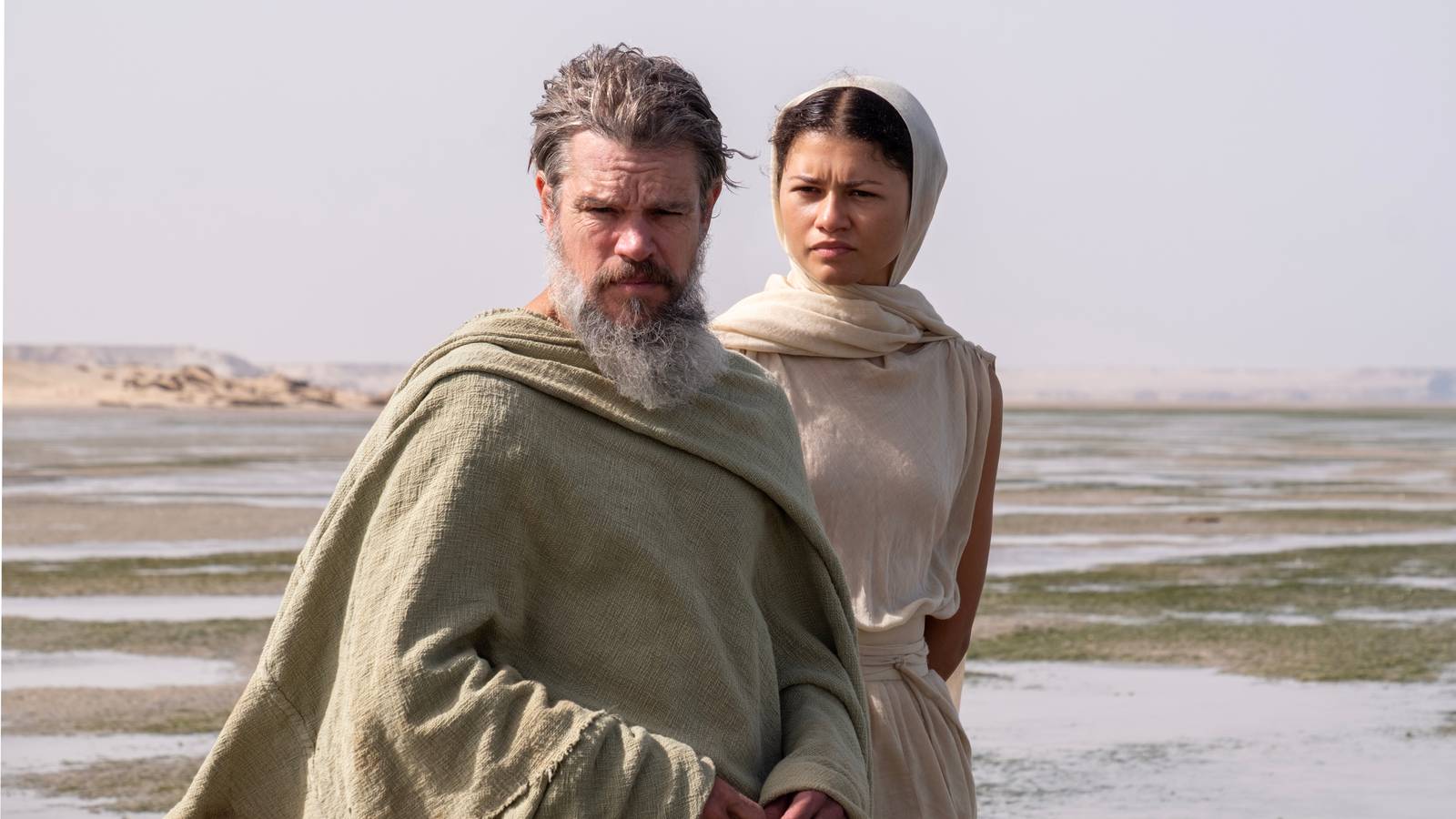 Image: Universal Pictures
Christopher Nolan’s movies are famous for being hard to follow. From Memento to Tenet, his films typically require multiple viewings to fully understand what exactly happened and, often most importantly, when it happened.
In a sense, The Odyssey is an exception to that rule. Like the Dark Knight trilogy, Nolan’s adaptation of the ancient Greek epic is relatively straightforward. The plot unfurls naturally and ends neatly without any mind-blowing twists or turns. And yet, there’s still one very good reason to watch The Odyssey a second time, and it has everything to do with the character who gives this story its name.
Odysseus, played in the movie by Matt Damon, is typically defined in Greek mythology by his intelligence. He’s not necessarily the strongest guy around, but he’s the most cunning. That’s how he came up with the idea for the Trojan Horse in the first place, and that’s how he overcomes most of the obstacles in Homer's Odyssey. But on a first viewing of Nolan's film, that intelligence isn’t always so obvious.
Take the Cyclops. Odysseus inadvertently leads his men into a trap when they enter the giant’s cave looking for food, but it doesn’t take our hero long to devise a plan that involves culling a few soldiers from his crew, blinding the Cyclops, and then disguising his remaining men as sheep to escape. On first watch, it can seem like Odysseus is improvising the entire thing one step at a time. Oh, the Cyclops is blind now, let’s pretend to be sheep! On the second watch, a few quick lines of dialogue early on reveal how he planned their escape as he scans the cave and mentally assembles all the tools he needs: hay, fire, a sharp stick.
The same goes for the whirlpool, aka Charybdis. In an earlier scene, Odysseus learns that trying to sail his ship through the whirlpool means certain death. The only alternative is a narrow path that exposes his men to a sea monster (Scylla) who will eat six of them but spare the rest. Of course, Odysseus chooses the latter, but on first watch, the entire scene feels chaotic and random. The crew argues over which path to choose until the last possible minute before just barely making the right choice. Pretty lucky for Odysseus, right?
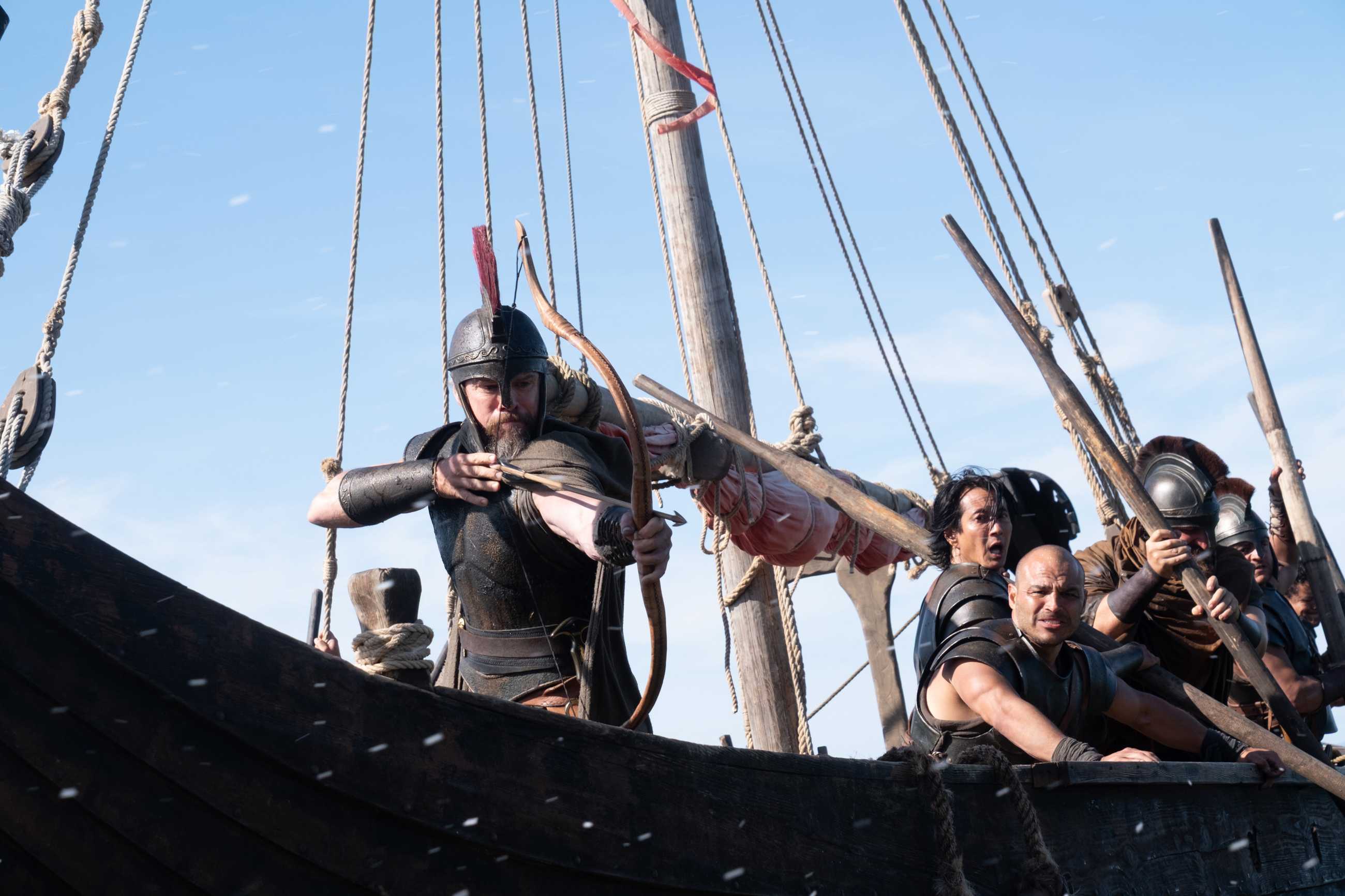 Image: Universal Pictures
On second watch, however, our hero’s plan becomes clear. Odysseus subtly pushes his men, who already don’t trust him, to head straight through the whirlpool. Thanks to reverse psychology, they choose to make for the pass instead, saving Odysseus’ life in the process. Only once you’ve seen how the scene plays out do you understand the scheme that drives it.
(There are also several other subtle twists in The Odyssey's final act that reward a second viewing. Without going into spoilers, I'll note that both Zendaya's performance as the goddess Athena and the mysterious threat of the "Sea People" take on new meaning once you've seen the entire movie.)
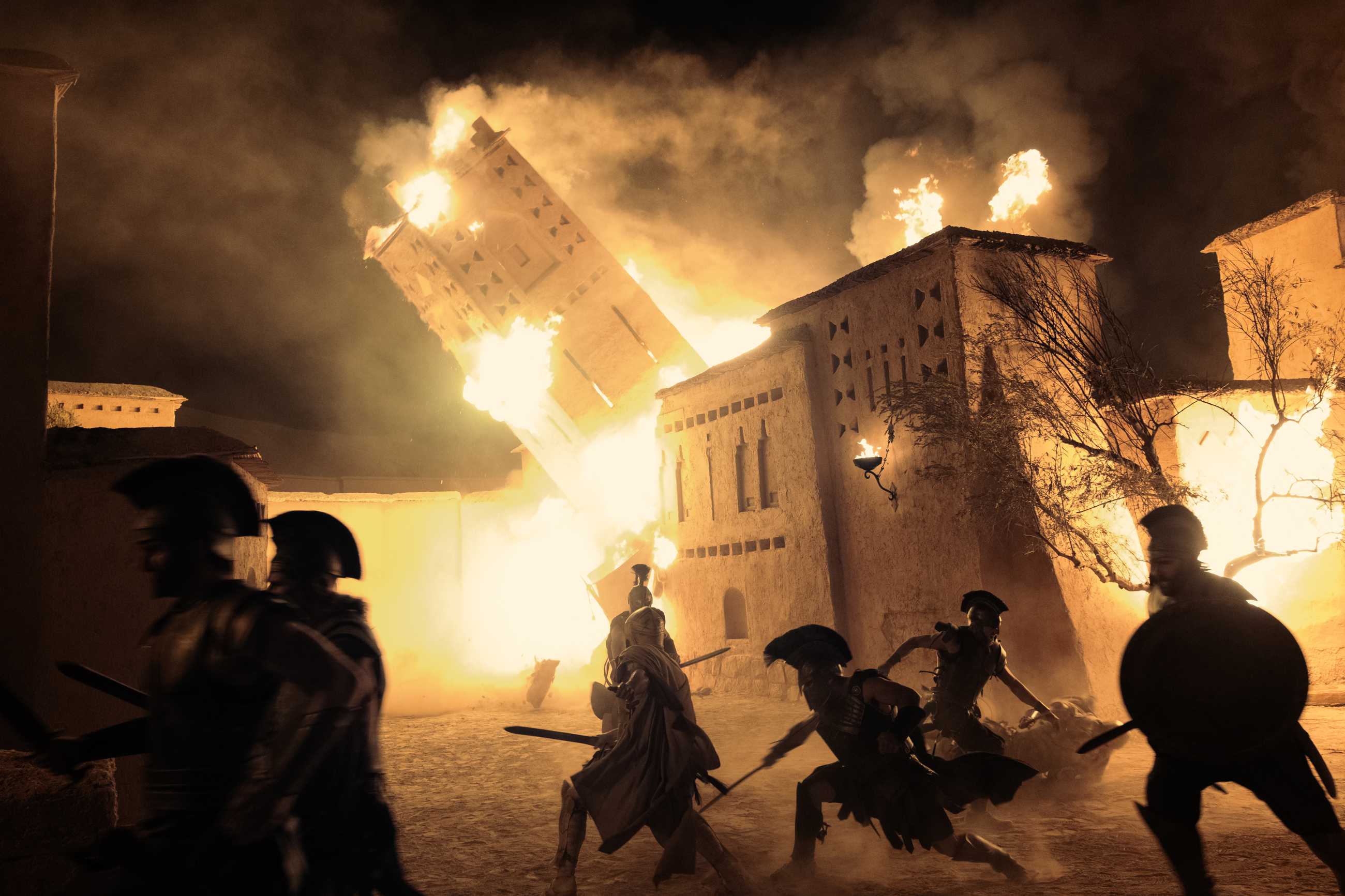 Image: Universal Pictures
Look, it’s possible I’m just dumb or bad at watching movies. Maybe you didn't have any issues picking up on all of this on your first viewing. But based on other conversations I’ve had, both in person and online, I’m not the only person who experienced The Odyssey in this way.
So, assuming it was intentional, why did Nolan add a layer of opaqueness to his movie? I can think of two reasons. First, this is Christopher Nolan. He loves messing with his audience in ways that reward multiple viewings. Why should The Odyssey be any different?
There may also be a more technical explanation. The Odyssey clocks in at just under three hours, which happens to be the maximum runtime for a film on Nolan’s preferred 70mm IMAX format. To pull that off, the director cut tons of footage to fit that restriction, removing anything that didn’t serve the plot directly.
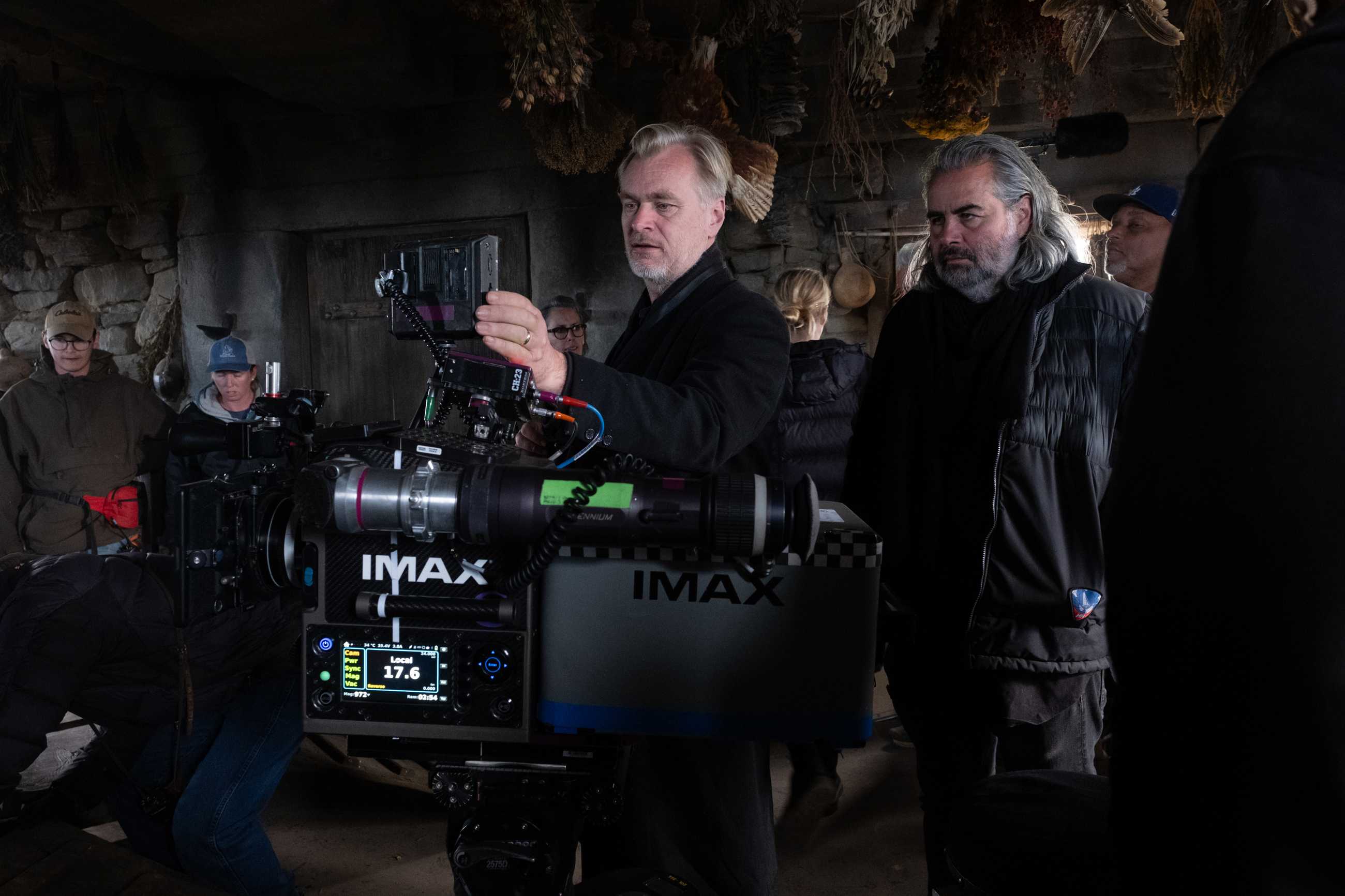 Image: Universal Pictures
As a result, The Odyssey moves at breakneck speed. Every line of dialogue is carefully chosen with almost no extra room for explanation or even a spare second to let one moment settle before moving on to the next. It makes for a thrilling ride, but one that’s surprisingly hard to follow, even when the plot appears to make perfect sense on the surface.
That's perhaps the brilliance of The Odyssey. Unlike Memento, which literally doesn't make sense until you've seen it at least twice, The Odyssey does make sense on a first viewing. However, it's only after revisiting the movie for a second time that you may truly appreciate all the cunning and scheming Odysseus needed to survive his epic journey and make it back home.
The Odyssey is in theaters now.



![ELDEN RING NIGHTREIGN: Deluxe Edition [FitGirl Repack]](https://i5.imageban.ru/out/2025/05/30/c2e3dcd3fc13fa43f3e4306eeea33a6f.jpg)
 English (US) ·