.png)
.png) 2 months ago
58
2 months ago
58


Published May 11, 2026, 6:07 PM EDT
Shane Limbaugh is a Contributor at DualShockers who began covering games professionally in 2025. A longtime gamer with a Bachelor’s Degree in Game Design and Criticism, Shane brings a design-focused perspective to his coverage, looking closely at how mechanics, systems, story, and player experience come together.
Before writing professionally, Shane worked as the Lead Writer and Executive Producer on a college game project for roughly six months. He also spent time working at GameStop, which gave him hands-on familiarity with a wide range of games, platforms, and player preferences.
Sign in to your DualShockers account
The world of indie games doesn't just stop at developers. While developers might make the games, the publishers put in the legwork to get the game out there and, in some cases, provide some much-needed advice.
One of these publishers is tinyBuild, a prolific publisher behind games like Hello Neighbor, Hozy, and Graveyard Keeper. They operate a little differently from typical publishers, and maybe that's why their games seem to be so well-received most of the time.
 Related
9 Incredible Games Turning 10 This Summer
A decade ago, these games proved that summer was best spent indoors.
I had the opportunity to sit down with the CEO of tinyBuild, Alex Nichiporchik, and talk a little about the world of indie publishing. This comes right on the heels of the 15th anniversary of tinyBuild, as we discussed successes, failures, and how he thinks about games in general.
Interview with CEO Alex Nichiporchik
Q. It's awesome to meet you. Very, very excited. I don't really get to meet a lot of super fancy CEO people, so that's always really fun. It won't be too formal as we talk about indie success and tinyBuild.
Informal sounds great. I still play games and work on games every single day, so.
Q. Yes, I know you do. I stalked your Twitter at Tony's request. I thought it was very funny. Really got me laughing a lot.
Yeah, I try. Maybe half my job is shitposting. And then you see YouTube comments that have like 10,000 likes. It's just like a complete shitpost, where when people look at it, they go, 'oh, wait, is this real?' This is the shitpost that we stick on main. That's your quote.
Q. There we go, shitposting on main. I love it. Well, this is going to be mostly kind of revolved around the success of tinyBuild and what it means for success for indie developers and things like that.
Well, let's get started with the main core thing that we're here to talk about. Just get it out of the way. So, in terms of success for indie games or maybe even indie publishers or just in general, what do you think is the most important thing for them to focus on, in terms of success? What would you define success as?
Yeah, I think success is when you make enough money to make your second game and then your third game, your fourth game, et cetera. It's kind of like success is being able to carry on in this industry. And it's not just money, it's just to be able to sustain a living, right? So for us, a successful launch is when we 2X our investments in the first month or the launch window. Then it's about the long tail and building that out.
But I think in terms of the context of your question for an indie developer, I approach it from a marketing standpoint, but it's really finding an audience. Right? Making something that players will want to play and will want to continue following that developer or that franchise for the future. I feel like that's the most important thing, because the challenge that we see is a lot of people make games, a lot of games get released, and if your game doesn't find an audience, then it won't sustain you to continue making games.
Q. Yeah, absolutely. When I was writing up things, it was kind of my thought process behind it, as I'd rather have at least the ability to make another game and be able to keep players coming back for more. That leads to another one of the questions I have. Graveyard Keeper 2 is coming out hopefully soon-ish.
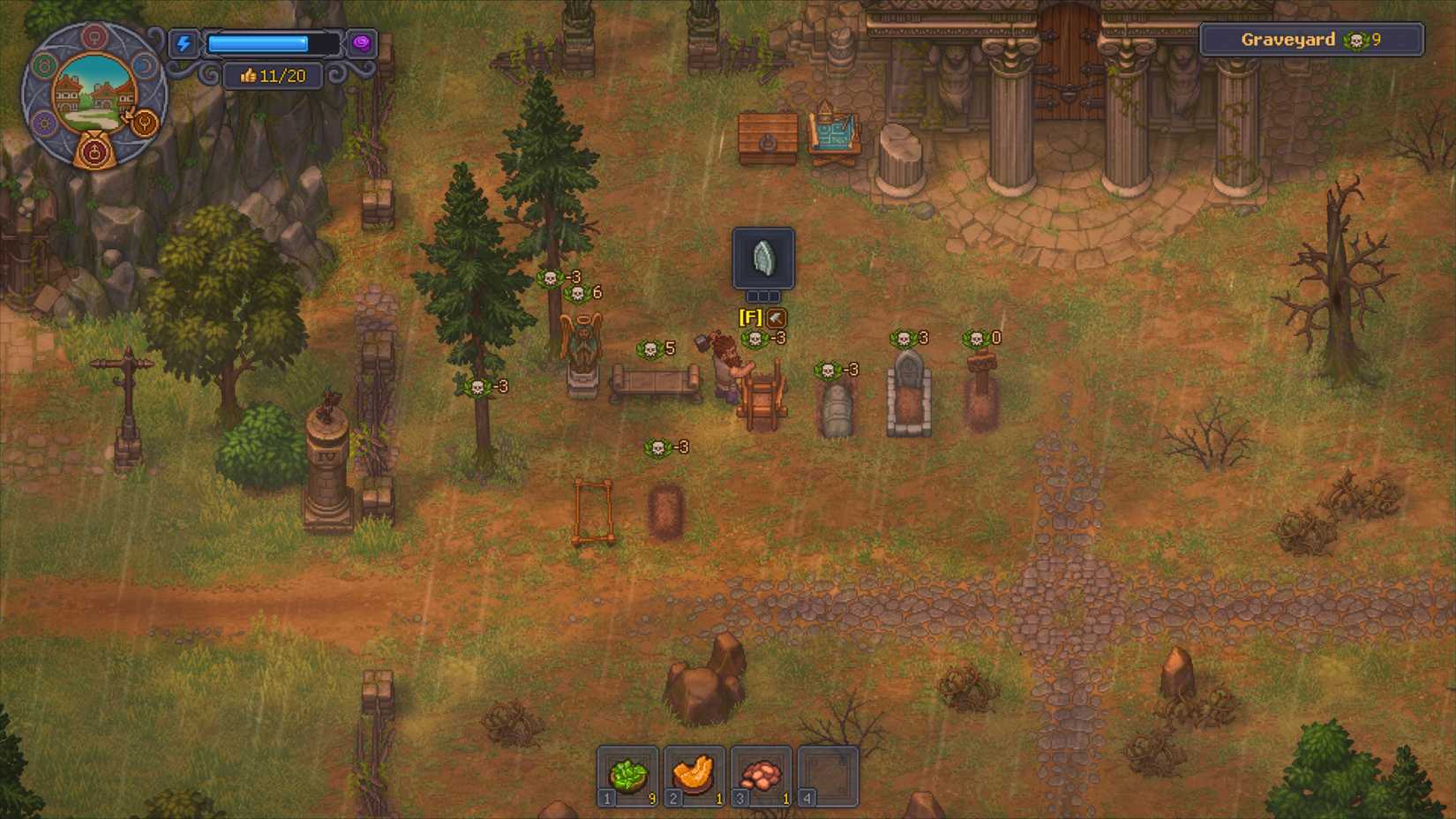
I think it's fascinating that it's coming out, sort of at all in a way, because eight years is kind of a big difference in time, especially for indie games to do a sort of sequel to something. Not only is it an eight-year-later sequel, but it's already hit number 62 on the top wish lists. So I think that's pretty impressive in and of itself. Was that sort of expected, or was that a surprising turn of events for you guys?
Well, it was definitely above our expectations, like the way there was just crowd-acted. But we also did something that, on paper, looks really stupid, which is giving away the original game for free. The business case was that there were a lot of outstanding wishlists for the original game.
All of them would get the notification that the game is 100% off. And when they launch it, they get a very enticing banner to wishlist the upcoming sequel. At the same time, we also have a lot of DLC for the original. We actually made a ton of money by doing that, not just to hype for Graveyard Keeper 2, but also to make a lot of money. They grossed over half a million dollars from the DLCs during the announcement phase.
So, were we expecting this level of hype? No, you always dream of it, and then, you know, sometimes stars align. But to your question about eight years later, you're right, it has been a long time. The game did have three years' worth of DLC, so technically, you know, since the last major release, it's been about like five years.
I think it's interesting because the CEO went on and did a few other projects. It made them really understand the unique circumstances and the unique appeal of the original Graveyard Keeper. So when we were talking about a sequel, we were talking about it for years now. And once we had an idea that absolutely hit for what a sequel could be, yeah, it was like all engines go.
So it's kind of a balance of making a great game and also making a great game that the fans of the original are going to love. That was the other issue that we felt. You really need to have a fan base that played the original really in depth to enjoy the sequel. Because the games are kind of like intertwined together story-wise, at least. So that is why giving away the original for free, to give it this resurgence, was a really smart idea. You know, in hindsight, when we were discussing, we were contemplating like, 'okay, how stupid, how stupid is this?' It could have gone completely the opposite direction.
Q. It could have, you're right. But it didn't. You gotta have a little risk for a little reward, right?
Oh, yeah, history remembers the, uh, the successes, not the failures.
Q. I think that's fascinating that you guys were sort of debating about it, given that Graveyard Keeper's not a super obscure title. Like I had heard about it even back when it came out, and I wasn't particularly involved in gaming, but life was a little different back then. I thought that was a really interesting move, and it definitely blew up the internet because it was all over everything I could find. I was like, "Oh my god, what is happening?"
What was that conversation sort of like? Was it an idea that maybe you had, or was it an idea that somebody threw out, or was it just like, "Well, we need to sort of get people involved in the original, and this is a good way to do it. It could blow up in our face, but this could also work really well."
Well, it's always scary when you have a game that's in the portfolio that makes consistent revenue. You do a sale for it that spikes, and then it's predictable. And then it's kind of like, well, how much are we going to cannibalize? The idea came from the publishing team, and the developers were not super enthusiastic about it.
For us, a successful launch is when we 2X our investments in the first month or the launch window.
But the conversation was really all about data. So we knew that during its normal sales, we had a very high attachment rate of DLCs. So, people will play the game, and then they will also buy the DLCs. Right now, after the surge of new players, we're still seeing a lot of sales for those DLCs. So, it worked out really well, and to anyone reading this, I'd say, don't do it unless your original game has a high attach rate for DLCs.
Q. Great advice. Honestly, great advice. That's a really interesting way to kind of break it down into a more numerical sort of mathematical way to look at it. You brought up talking with the other developers and how maybe they weren't so gung-ho about it. That seems to kind of be your guys' MO. I know on your website, you guys talk about sort of building partnerships with developers.
It's super different that you guys are talking about partnering with people over just funding their game. I'm a little curious about sort of what brought on that mindset, or if that was just something that ended up happening because of the original way that your first few games went and your time with SpeedRunners?
Well, I'd say what you're probably referring to is what I call transactional publishing. It's when you have a publisher that just signs a game, and they have maybe a 5, 10, 20-year licensing deal on that specific game, and then that's it. What usually happens in those kinds of transactions is, if the game blows up, the developer makes a bunch of money, the publisher makes a bunch of money, it's a good deal, right? In my opinion, it's very short-sighted because when you have a game like that, usually it's a brand-new intellectual property. And if a new IP blows up, it's actually much easier to scale it from, let's say, the first million dollars to 10 million than from zero to the first one.
Because most games, unfortunately, do not succeed. So, when that opportunity presents itself, the incentive to continue working on this property for the original developer, I've seen that it just isn't there quite a few times. Because you just made a bunch of money, you've worked on this game for X number of years. It is successful, but you want to do something else.
I've seen it with creative people; they need a break. And it's very understandable. When we were starting to see this, we decided to shift our strategy a little bit into creating these environments where, should the original developer decide they want to do something else, we can build a path to continue working on it. And this has happened on several projects where the original creatives aren't involved; we just continue working on them, giving them passive royalties.
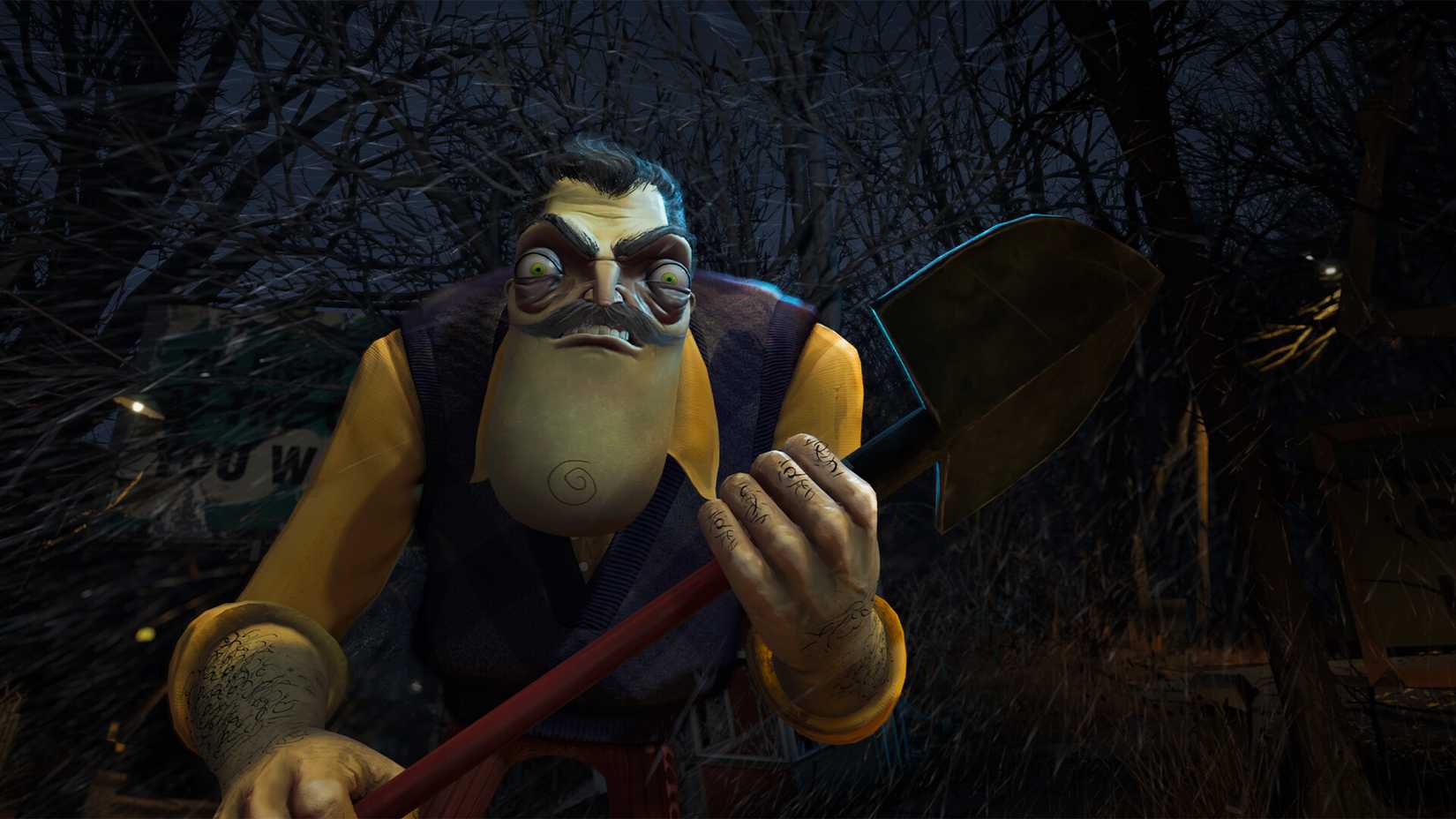
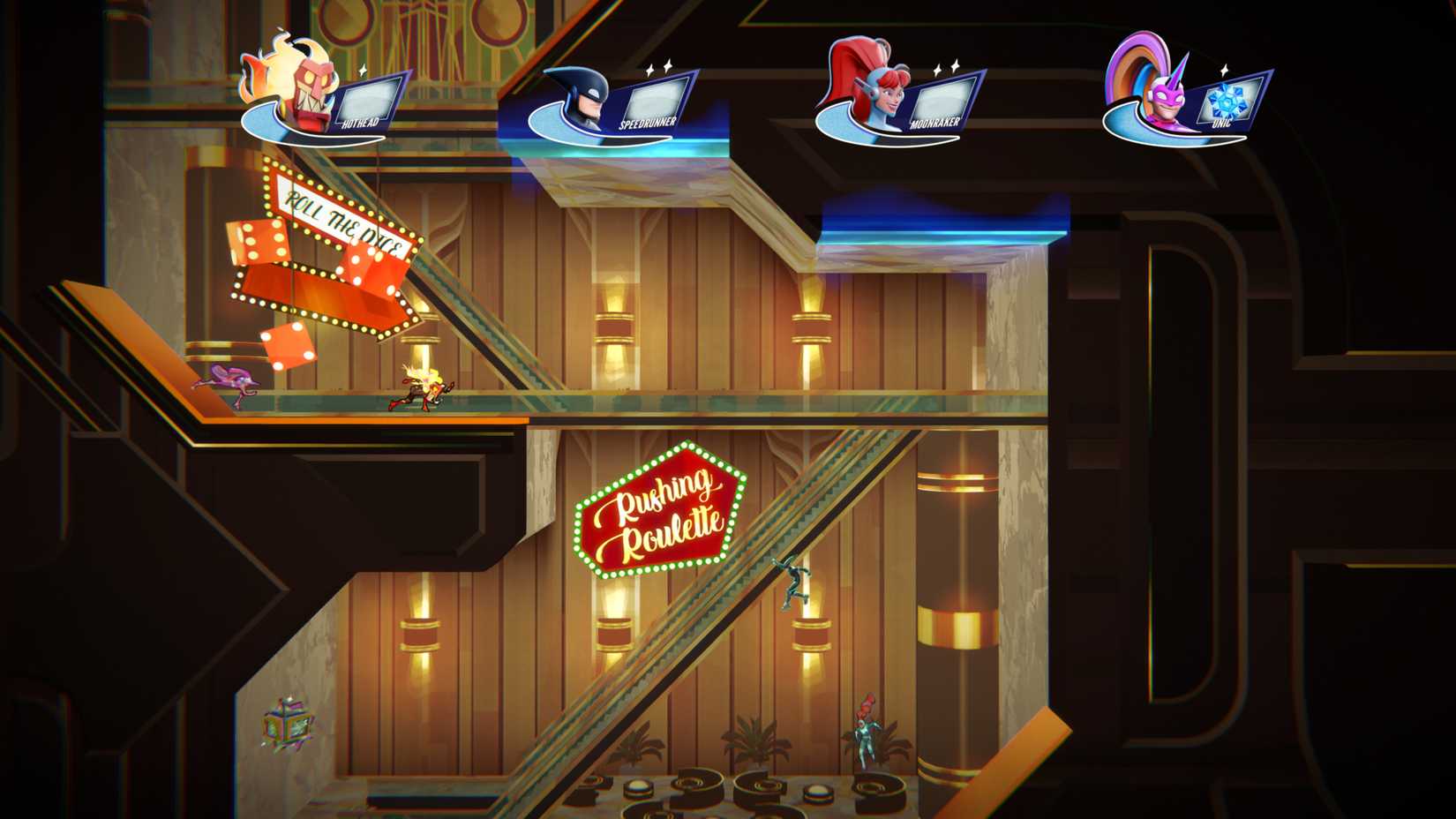
It's shown really well with the Hello Neighbor franchise, for example, where we have nine games now and like five million books sold, et cetera. But it also shows with, like you mentioned, SpeedRunners. Right now, we're finally working on SpeedRunners 2. And we have a path there where the original creatives are advising us, but we are working on the sequel ourselves. And that's fine.
 Related
8 Indie RPGs with Better Exploration Than Skyrim
It's not easy to surpass the king, but these independent creations make his crown waver.
We did give the opportunity for the original people involved to get in on this, and they're just doing something else, which again, is totally fine. But to the core here, I think when we started in like 2011, now, there was this gated feeling when you talk to publishers, and they're going to do this, they're going to do that, it didn't feel open to me. It didn't feel like a partnership.
Whenever we talk to developers, we're like, we do get involved. We do get creatively involved. And I know that it's popular to say these days that we will give control, all creative control to development teams, this and that. No, we actually get very involved, and we do it in a way that is data-based, and that usually helps the product.
We'll tell you when something doesn't work, we'll tell you what people do like, we'll do a lot of play testing, and it's a collaborative process. So I feel like it's important for anyone who works with us, and for us to be able to collaborate. We're in this together. At least that's the mindset that I really like to promote with any kind of potential partnership or with existing development teams.
Q. It's much less transactional, which I think is really great just overall for games in general. I do think it's interesting that you guys are involved in play testing and sort of like getting on the ground floor with games and sort of being a part of the development process. You guys were originally a developer with No Time to Explain, which was a flash game, if I'm remembering correctly. Not many developers end up becoming publishers in any real, significant way?
I mean, I think there's you guys, OuterSloth, and maybe a handful of others, but it's not something that I think happens super often. Do you think maybe that you can provide those insights because you guys were originally developers first, or do you think that just has something to do sort of with maybe the way that you interact with games as a whole?
I think it definitely stems from being developers first. There's a lot of baggage that comes with working on your game for three years with limited funding. With this stress of balancing a job, and not knowing what's going to happen.
I think the key moment for me was when we launched No Time to Explain on Steam, and overnight we could suddenly fund another game, you know, like scale up. It was a terrifying moment for me because I didn't want to spend another two to three years in development hell, and then hope that we hit the market correctly again. So our go-to-market strategy would be relevant at that point.
I really wanted to continue adapting our marketing, our go-to-market strategies as we go, and that is when I found SpeedRunners at a little expo in Germany, and it was called SpeedRunners HD at that point, where we said, "Okay, well, we just launched this game very successfully. I feel like the game SpeedRunners HD, while we could have kept our name, also has a very cool core mechanic that, with a little facelift and a little bit more content, could take off on Steam."
Essentially, within a year, we did launch on Steam into early access. And this kind of methodology is also why I share pretty much everything that we do very transparently. Because while there are some "trade secrets" that we use that we won't talk about, most of these stunts that go absolutely viral, like with Graveyard Keeper, you can really only do them once.
Anyone planning to do something very similar is probably not going to have as meaningful an effect because it's a stunt. You know, it's a talking point. You do this kind of stuff once, because we already have like the next five other things that we're going to try. But it needs to be new and interesting. And that's what I believe is really fun about this industry, because every half a year, everything just changes. You know, it's just constantly evolving. And as a developer, I don't want to spend three years between those evolutions.
Q. I agree wholeheartedly. It's crazy out here, especially from 15 years ago. It was wild then, and now it's just progressively gotten more and more insane. It's definitely interesting to kind of look back and see how different things are now from where they were so many years ago.
On the subject of time, 15 years is a pretty long time to be in the industry in any way, shape, or form, but I think especially doing what you guys do. It's really interesting because things keep changing, so you have to be able to adapt. But if you had to pick one or two things that changed in these last 15 years that maybe really surprised you or left an impact on you, or maybe something you think is just totally stupid, what would some of those things be?
Oh, well, I think the biggest shift in the industry has been the ability to play games early. Because I'm just remembering the old KillZone 2 trailer from the PlayStation 3. Yeah, it was PS3. And, everyone knew it was pre-rendered and didn't really show much gameplay. And while the game did turn out okay, it looked close enough.
It feels like today's players are much more critical of the final product. Because we've had situations where some trailers overpromised, and then the final games didn't deliver. I feel like the biggest shift is just the idea that play testing is fine, that releasing early builds is fine, getting into players' hands. Over the past four or five years, it has become part of Steam essentially.
We'll tell you when something doesn't work, we'll tell you what people do like, we'll do a lot of play testing, and it's a collaborative process.
But before that, I was building custom launchers for alpha builds of Hello Neighbor, and we were distributing them through email lists. It was a technical challenge to distribute your game outside of Steam. Steam didn't have the tools to allow you to play those early builds. With that shift, there's now an expectation that a game needs to have a demo, a game needs to have a play test.
For the AAA, AA, there'll be a server slam or something like that. This especially means that you have to iterate on the fly, and you have to show your product early. And this was very difficult for a lot of older school creatives. When your game is in your mind, and you have an exact vision, and by the end of production, that vision is shipped, and then you hope that it's going to hit your target audience.
But now, you can just iterate on the fly. We've had a few games where, a year into production, we realize that some of the features just don't work. Again, through play testing, and then we shift and adapt and become something different, something that we didn't envision that the final product would be. And it's just a very interesting time to be in this industry, in that regard.
Q. 100%. And it's definitely been interesting, especially with even big-name games like Baldur's Gate 3 doing it and still becoming one of the most popular games ever. Those are some really interesting sorts of perspectives to have on it, especially when you've been involved in the industry since before it. I can definitely attest that it is a technical nightmare dealing with, like, "Okay, well, you sent me the thing in the email, and now this thing doesn't work." And it's like this weird back and forth of sort of trying to, you know, 'IT out' some issues, which is never fun. It's nice that Steam makes it a little easier now.
So while I was reading about this, I hadn't really considered it because I was during the time when Hello Neighbor was really popular. Hello Neighbor really leveled up tinyBuild from just another indie publisher to something that's like, okay, these guys like know what they're making. I don't think you can't really you can't really plan for the kind of success that I feel like Hello Neighbor probably had. On your webpage, you talk about sort of building the track as the train is moving. What was that like being a part of that insanity? While being successful, but also like having so much more to do.
Well, it was a very difficult project to develop, because it was our biggest budget by far. We essentially bet the company on that game. After like a year of in-depth production, we decided to pretty much fold most of it and use the existing things that we had already developed to kind of like shape it into what became the final game. That was like a three and a half month process.
It's not exactly correct to say that the original game was made in three and a half months because there were years of development before that. It was rough. And then when we shipped, it was kind of weird because the game was not popular on Steam. So, PC was not the biggest platform for it. It became bigger as younger audiences gravitated towards Steam over the past eight years or so. But Steam was never the biggest one.
And suddenly, this year, it is the biggest one for us, eight years later. But that whole process was really weird because we were juggling like what to do with the game, like do we do a sequel, do we do a DLC, do we do a prequel, or a spin-off? And I just decided, let's do all of those things all at once, which was crazy to dive into. Pretty much around the same time, we started development on a prequel called Hello Neighbor Hide and Seek. That was the original team.
Then shortly after that, we started development on a multiplayer spin-off called Secret Neighbor, with a team called Griffcore, who are right now finishing up the game called Sand, which is another multiplayer game. And then we had a book author signed, we had plushies, licensing everywhere. It was not easy, I will tell you that. The biggest challenge during that period is to kind of keep focus and manage expectations, which I think we've done sometimes well and sometimes not as well. You have a very loyal and very vocal fan base. And then you have a lot of data, and then you also want to make sure that you keep true to what made the original successful.
Juggling all of those variables is just a nightmare. As we're developing Hello Neighbor 3, we have a lot of feedback coming in, a lot of it contradicts itself. A lot of it is either from your fans or from other game fans. And facing all of that while also expanding the business as a whole, you can't be prepared for that. What I will say is we have the opportunity not to do anything with it and just work on a sequel for a few years. And I feel like it was the right choice to just expand it into multiple products right now.
Q. I definitely agree. I think there's always a chance when you are making something that you have to strike when the iron is hot. And I mean, you guys did that, and clearly it paid off really well. There's always the opportunity to sort of play it safe, but I think sometimes you have to risk it for the biscuit. You can't get anything if you don't try anything. With the games market, as we talked about, you posted on your Twitter about something like 5,286 games making over, I think, 100K. Was it or something?
Yeah, it's from Valve's presentation at GDC this year.
 Related
DualShockers’ 2025 Game of the Year Awards: 10 Best Indie Games
2025 was a fantastic year for award-winning indie games, and DualShockers has compiled its top 10 list of the best of the past 12 months.
Q. Yeah, exactly. The games market is much more oversaturated than it used to be. Games are basically coming out every single day. Like, I mean, there's probably 100,000 games coming out a year or something insane. I was sort of curious about how you go about managing those expectations while still sort of trying to be encouraging of a game doing well?
Well, I think it's a difference between established IP and new IP, right? With established IP, you already have a fan base, which makes it easier to figure out what works and what doesn't. For some of our franchises, we have done many prototypes within those communities or within those IPs, and being clear that, "hey, this may or may not end up being a game." We do a play test. It's fun, but then we decide that there might not be enough longevity or that this specific prototype as a final game would never go outside the bubble of the fan base, which is always a risk.
But with a new IP, you just want to always put your best foot forward and see what works. I really like working in an iterative way to see what kind of images, what kind of visuals, what kind of concepts catch people's attention, and then what do they expect when they see it, and does that align with your vision of the game that we're developing? And often it doesn't. Then the question is, well, do we correct the marketing and tell them, no, no, no, don't play that with this game that has a lot of appeal, and that's kind of like we tell ourselves, or people are expecting this. Maybe we should kind of tweak our pipeline to meet those expectations, right?
It's always kind of like a game of chicken in a way with expectations. You can have the best game possible, but if no one knows about it, then it's going to flop. You can make sure that your game is well known or highly anticipated, and then you do your best to meet those expectations.
Q. I think that's a great way to sort of look at things. I was at PAX East recently, and there were just a lot of devs who were talking to me about still looking for a publisher. It was really mind-boggling that they were there and still looking for a publisher. The game looks mostly done. It's just that it was a really interesting sort of perspective to get. But what sort of advice would you give them, or just any indie dev in general?
Well, I'd say market validation is the most important thing, right? There's a game that is gaining traction, and the way that we look at it is, always find a target audience, always find some hook that resonates with that target audience. What we eventually do is, we come in with a decent game, and we just pour gas on that fire, right? That's the way that we look at it. So we really like it when developers are out there, they are already play testing, they're taking feedback. Some of the games that we're signing right now, like we have an unannounced project, for example, that came to us about eight months ago. We did a bunch of feedback and did not sign it.
So, were we expecting this level of hype? No, you always dream of it, and then, you know, sometimes stars align.
The developer really took that feedback to heart, then did a play test locally at a local convention, really loved the results of it, and said, "Yeah, guys, how can we like get a deal here? I really want to work with you." And that's really positive for us, right? Because, you know, we always give a lot of feedback, um, and now we know the developer will be able to take it, and we can shape the product together. But just searching for any kind of market validation is, I think, really important. Focusing on the first user experience in the build. Quite often, we see builds that need a fair bit of hand-holding.
We're now in this TikTok generation of overstimulation, and everything needs to be accessible and easy. If your game has really deep mechanics, and you find a way in your pitch build, or your demo build, to ease people into it, so that they continue playing, and you can show that to us, so we can play it and see it. That is really, really important. I think the other one is, if you have shipped games before, put that at the forefront, even if they weren't successful. Because having shipped a game, even very small prototypes, or participated in game jams, or have some sort of web game on it, that is really helpful. Put that at the forefront. Because you know what it's like to actually get a game into people's hands.

Q. Great advice. Yeah, I always think it's better to put forth, you know, evidence that you can do it, rather than, you know, having sort of something that shows you can do it. Having a shipped build is way better than having the promise of a shipped build.
Well, portfolio is what I mean, right? But then any kind of game that you've released, even if it didn't get good reviews or a good reception, you still shipped it. You went through hell and fire for it. So, you know what it's like.
Q. You sort of talked about the openness that you have about numbers and things like that. I think it's really interesting because, in this sort of time period that we live in, where everything is really like hush-hush and like nobody really wants to tell you what's going on. They don't want to be present with whatever information they actually have.
But you are just going out and throwing everything on the table like this is what it looks like. That is what it is. I love that. I think that's great. I think it's really rare, too. I guess the question I'm sort of asking here is what sort of brought that on? Like, why are you so open when it seems like almost everyone else plays cards close to the chest?
Well, I think it's human nature, really, that you don't want to talk about some sort of secret sauce that you have. But the reality is, it goes back to the fact that this industry constantly evolves, and just keeping up with trends is not what I'm interested in. I'm interested in finding out what's new, what's going to happen in the future. This drives us. We already have marketing dates and initiatives written out for the next X number of months. They are different from what we're doing today.
So, there is no harm in my sharing what we did yesterday. That's one part. The other part is just kind of like inspiration in how we think. If you follow us over the years, we've done very wild things, some of them worked, some of them not so much, but it's still interesting to talk about. So if your job is really interesting, you might as well share your findings and what you're doing. It's all about just having a really interesting story, I think.
It was fantastic talking to CEO Alex Nichiporchik and getting a behind-the-scenes look at some of what drives tinyBuild. I certainly learned a lot about how things look from a publisher's perspective, but more than that, it was incredible to hear the passion that he has for games as a whole.
If you're an indie dev and looking for a publisher, some of this should probably help you, and if you're just interested in games, hopefully this will give you some nice perspective. Either way, it'll always be interesting to see what tinyBuild manages to put out next.
 Next
Next
Windrose’s Success Proves Indie Games Can Easily Outmatch AAA Releases
Windrose is the latest surprise indie success, earning a million purchases only a week into early access.

Released October 8, 2017
ESRB E10+ For Everyone 10+ Due To Mild Violence
Publisher(s) Tiny Build Games
Engine Unreal Engine 4

![ELDEN RING NIGHTREIGN: Deluxe Edition [FitGirl Repack]](https://i5.imageban.ru/out/2025/05/30/c2e3dcd3fc13fa43f3e4306eeea33a6f.jpg)
 English (US) ·