.png)
 2 weeks ago
19
2 weeks ago
19

Published Jul 10, 2026, 10:00 AM EDT
A breathtaking saga about grief and letting go
 Image: Netflix
What does it mean to be haunted? Horror primarily associates hauntings with ominous mansions or manors that hide vengeful ghosts or spirits who have been wronged. Everything from The Shining (1980) to The Others (2001) has put a spin on this well-worn trope, where the hauntings manifest on both physical and psychological levels. But what happens when a haunting spans generations and uses trauma as the fuel to drive loved ones apart?
Several adaptations of Shirley Jackson’s 1959 gothic horror, The Haunting of Hill House, have brought the book’s eerie, isolated setting to life. Jackson draws parallels between the struggles of the protagonist, Eleanor Vance, and the microcosmic interiors of Hill House to create a constant sense of unease. Although it is unclear whether Eleanor’s experiences are real or projected, Hill House is characterized as a sentient entity that lures people in with its dizzying architecture and mysterious secrets.
Mike Flanagan’s loose adaptation of Jackson’s novel for Netflix retains this crucial aspect — however, his version of The Haunting of Hill House focuses on one family’s shared history with the mansion, with grief acting as the catalyst for a heartbreaking tale for the ages. This makes it an unforgettable viewing experience that you can easily binge-watch over the course of a weekend.
In this 10-part miniseries, Hugh (Henry Thomas) and Olivia Crain (Carla Gugino) move into Hill House with their five children to renovate it during the summer of 1992. Each one of them experiences inexplicable paranormal activity during their stay, until a traumatic event forces most of the Crains to suddenly move out. Flanagan juggles the 1992 timeline with one that takes place 26 years later, giving us a glimpse into the adult Crain siblings, whose worldviews have been directly shaped by their childhood experiences at Hill House. Grief and trauma are at the center of this generation-spanning story, in which everybody is forced to confront a shared past that they would rather forget.
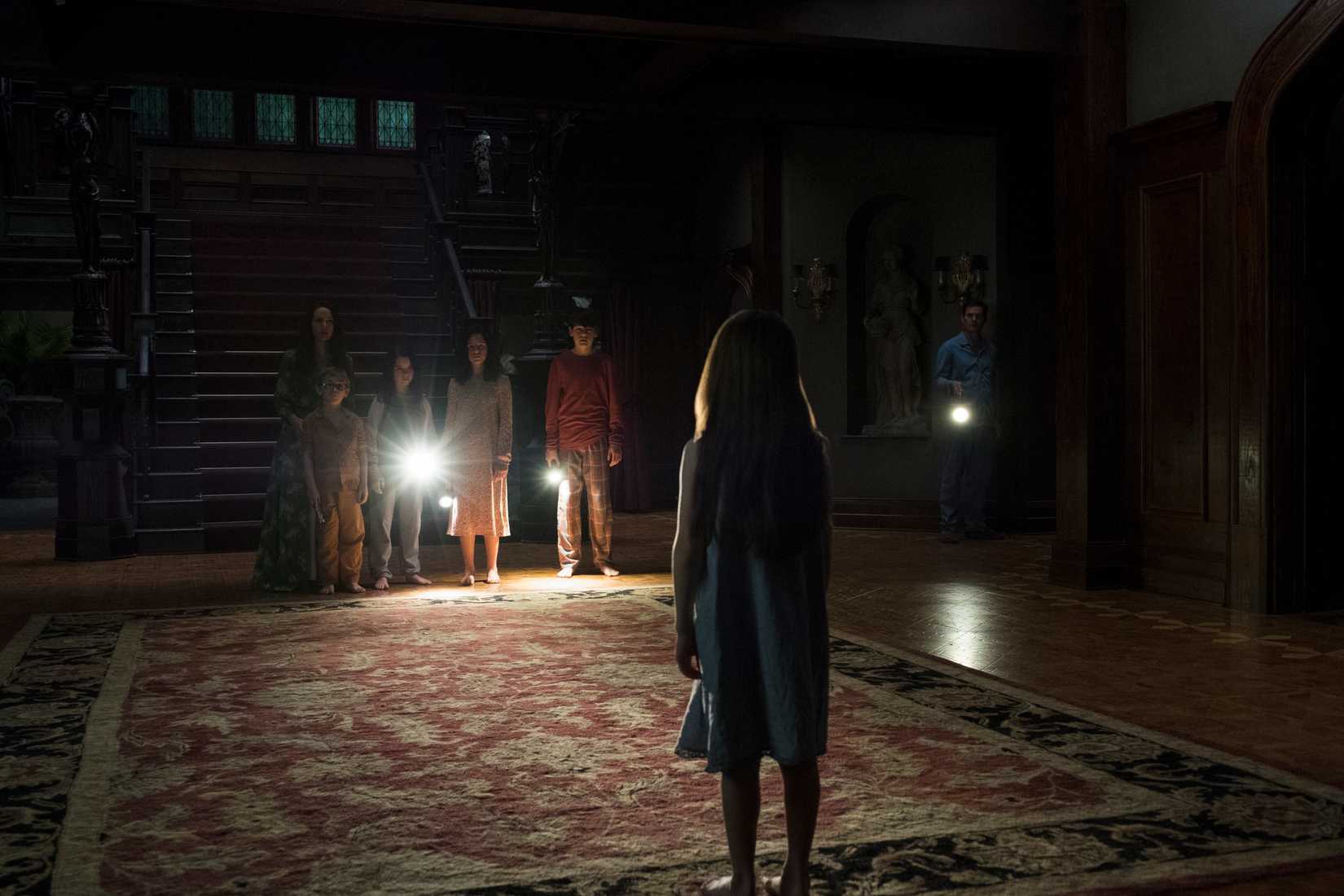 Image: Netflix
The Haunting of Hill House isn’t the only Flanagan story that explores grief through the framework of traditional horror. This emotion-first storytelling carries over to The Haunting of Bly Manor, which makes great use of its Gothic tropes to weave a gripping yarn about guilt and letting go. Bly Manor isn’t a conscious entity like Hill House, but a mundane location that is trapped in a cyclical curse that manifests due to the actions of its inhabitants. Although this story also features real hauntings, these ghosts are allegories for unresolved grief, which can only have power over those who cling to their pasts.
Flanagan also uses the grief-as-horror metaphor in The Midnight Club, where a group of terminally ill teenagers grapples with mortality and the tragedy of their impending fates. The titular Midnight Club becomes an emotional anchor, allowing these kids to engage in the escapism that comes with powerful storytelling. While connection and empathy become key motivators in The Midnight Club, Hill House demands much more from its characters. Here, grief can lead the tender-hearted Nell (Victoria Pedretti) to give in to the nostalgia of the past, or cause the skeptical Steven (Michiel Huisman) to use emotional detachment as a coping mechanism. Although all three shows use grief as a source of unimaginable horrors, Hill House emerges as the most nuanced (and thematically polished) entry.
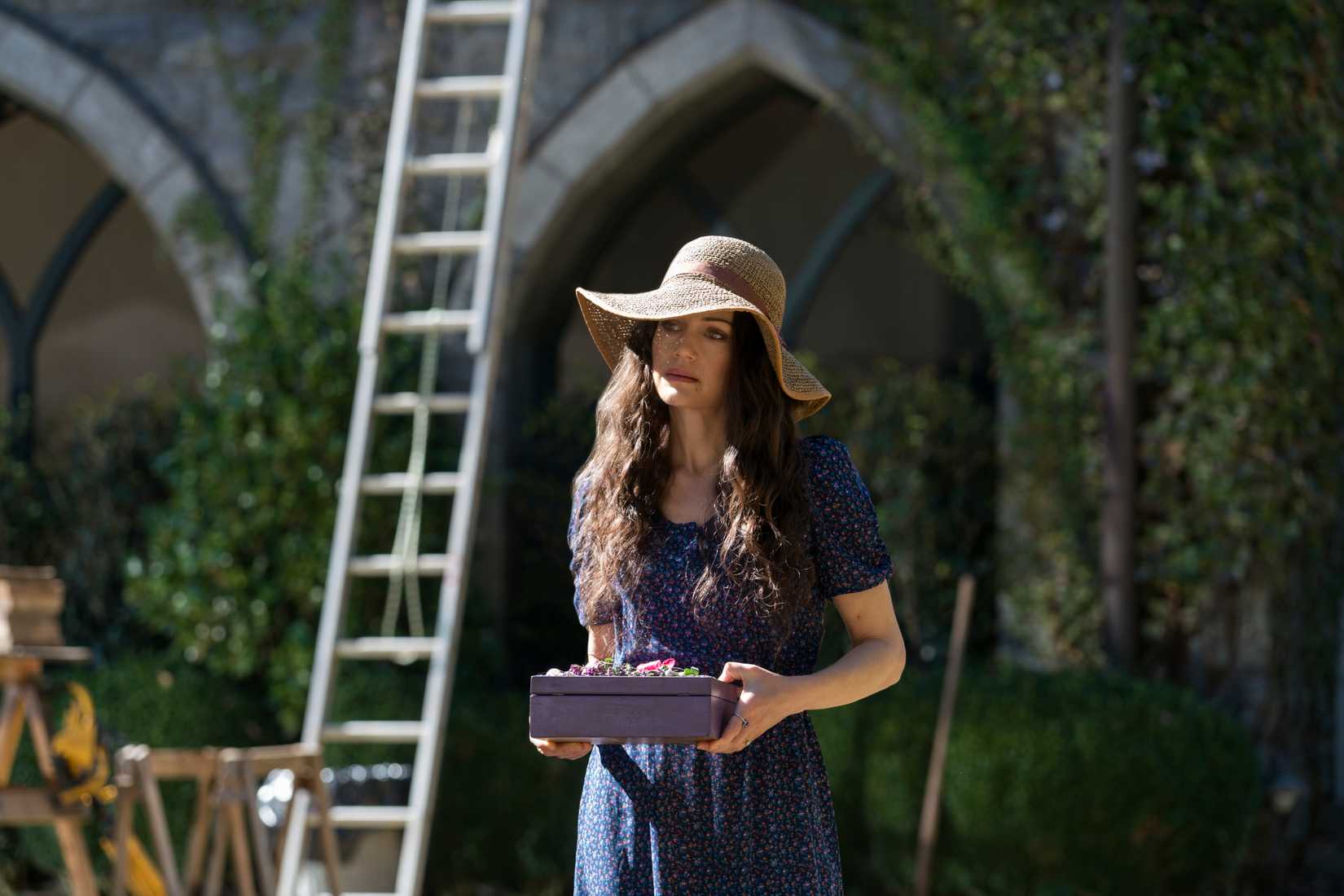 Image: Netflix
Hill House uses the insecurities of its inhabitants to drive them apart from one another, and this horrific sabotage lingers over the years. This is a haunted house story that makes minimal use of jump scares to escalate tension or evoke fear. Flanagan is more preoccupied with the emotional weight of being a part of a broken family. After all, grief often brings out the worst in people. Vulnerability does not come easily to every Crain, especially when it’s more tempting to participate in endless blame games and run away from consequences. In the end, the weight of trauma needs to be shouldered by every member for them to inch towards hard-earned catharsis and hope.
The Haunting of Hill House peppers enough physical ghosts across its 10 perfectly bingeworthy episodes, but you should be on the lookout for subtle emotional tells and mirrored symbolism that link the two timelines. Its horror is an external manifestation of pain, an abstraction that can never be quantified. The psychological depth Flanagan brings to Jackson’s haunted house story is astounding, making it clear that people can be as haunted, if not more, than physical spaces.
The Haunting of Hill House is streaming on Netflix.







![ELDEN RING NIGHTREIGN: Deluxe Edition [FitGirl Repack]](https://i5.imageban.ru/out/2025/05/30/c2e3dcd3fc13fa43f3e4306eeea33a6f.jpg)
 English (US) ·