.png)
.png) 4 months ago
102
4 months ago
102
Revolutionary video games are my favorite kind of interactive work to discover, as it's an adjective that isn't usually applied lightly within the industry.

Related
10 Metroidvanias With Intricate World Design
DualShockers presents a thorough list of Metroidvanias with intricate world design, from Hollow Knight to Ultros.
People often talk about which games are the best, with subjectivity playing a considerable role, but the transformative connotation of so-called revolutionary products tends to generate greater consensus.
It's not infallible, of course, but it points in a clearer direction where you know what to expect, and what you expect is nothing less than a game that helps you understand a genre differently, whether in a small or large way.
As a result, I like to view video games based on how much of a novelty they bring to the legacy they belong to, which is why today I bring you this article on the ten most revolutionary Metroidvania games every fan needs to experience.
10 Darksiders 3
An Unusual Perspective

I'm sure every fiber of your being will wince at the thought of Darksiders 3 being here, not only because it's so rarely recognized as a Metroidvania, but also because it's commonly considered the main series' weakest entry.
However, it's a clear representative of the genre in its most unusual variant: 3D. Likewise, it's a great combination of hack-and-slash and Soulslike mechanics that faithfully demonstrates my reason for including it on this list: big-budget productions can also belong to the genre.
Metroidvania is a concept largely dominated by indie developers, and while I find that wonderful, Darksiders III shows how interconnectivity, skill-based progression, and an emphasis on exploration can be utilized without being two-dimensional or having a tight budget.
Is it an exaggeration to call it revolutionary for that reason? I would understand if you think so, though it's one of the few modern examples—if not the only one—that dares to invest a significant sum of money in the genre, and that, added to its inherent and underrated quality, is enough for me.
9 Dead Cells
Fusing Genres

However, when it comes to genre fusion, the game that truly popularized the notion of Metroidvania as a structure rather than a specific set of mechanics was Dead Cells, despite its initial foray into the genre.
Commonly known as the first 'roguevania', this marvel of indie development makes prodigious use of both gameplay styles to create a divine and addictive progression system that won't let you go even after 200 hours of gameplay.

Related
10 Best Metroidvanias For Players Tired of Open World Bloat
Though it can be fun to get lost sometimes, this list features all short and sweet Metroidvanias without bloated world design.
If both genres inherently favor diverse playthroughs and non-linearity, combining them seems like a logical outcome, though it wasn't until Dead Cells that the true potential of adding the Metroidvania element to any other formula was fully realized.
It's a simple execution that relies on the fundamental principle of finding abilities that allow you to traverse previously inaccessible areas, but with the twist that the maps are straight lines that cannot be backtracked.
Instead, you are obliged to keep moving forward until you complete the cycle, which awakens the fundamental idea of the game: you must always move forward, never backward.
8 MIO: Memories in Orbit
Incomparable Dimensions
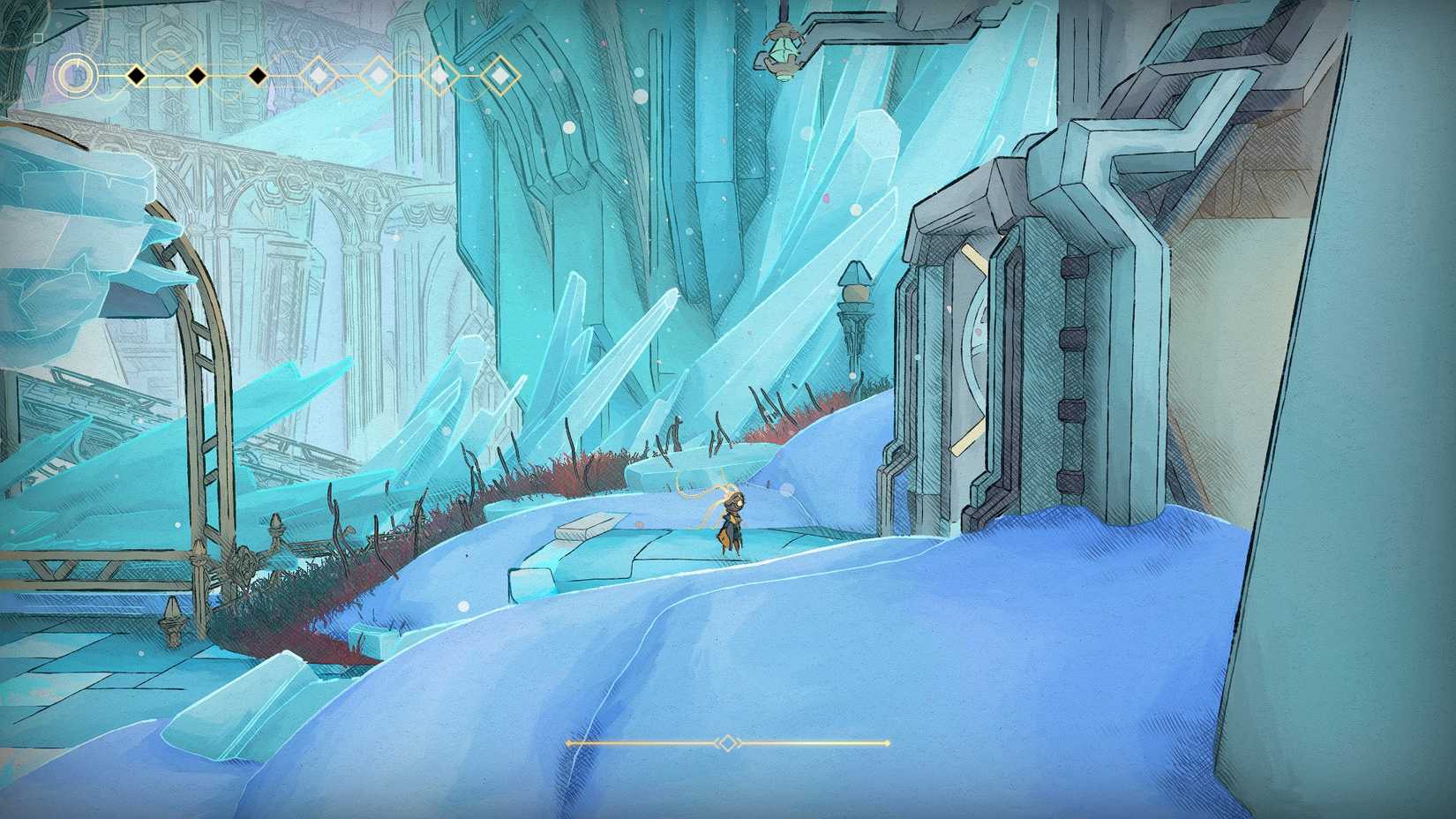
In a genre where two-dimensionality is the absolute norm, any game that breaks the mold can easily capture my attention, but what MIO: Memories in Orbit achieves, a game I believe is destined to be among the best in the genre's history, is unprecedented.
With its 2.5D style, the handling of environments, depth, and scale is as atypical as it is titanic, allowing you to vividly feel the size of the places you explore and, consequently, the smallness of your encounters and paths, always between narrow pipes or tiny chandeliers.
The game world is made to our size, but the background, just like in the story, is made on a much larger scale, generating a contrast with every step you take that makes you feel small yet awestruck, part of a colossal and fascinating universe to explore.
Add to it one of the decade's finest art directions so far, and it's easy to see MIO: Memories in Orbit as a new benchmark for Metroidvanias, because that ability to convey size is something I've never felt in all the years I've been playing this kind of experience.
7 Ori and the Blind Forest
Explore and Escape
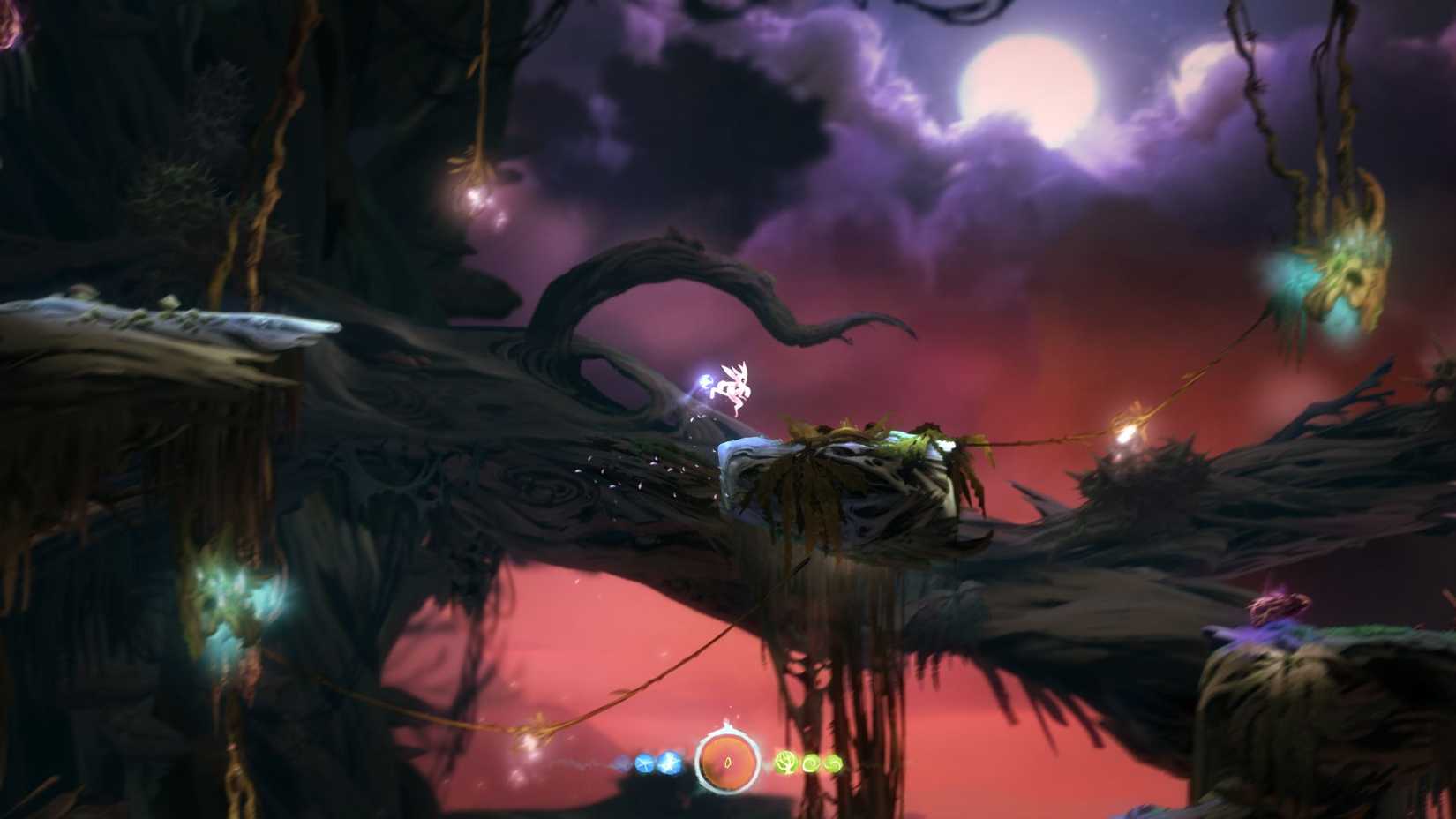
Video games are largely power fantasies, whether it's watching a Greek god wipe out an entire pantheon of his kind or a collection of pixels trying to survive in a decaying world, but what Ori and the Blind Forest does goes further.
Instead of the typical epic where you amass more power to dominate, here you do it to defend your home, bringing with it a connotation of relative non-hostility that is highly unusual for a genre where everything is solved through brute force and raw power.
On the contrary, the narrative approach of this game is non-belligerent, and this translates into mechanics where bosses don't involve complex attack patterns or upgrades that increase your damage, but rather you escape through platforming challenges from natural phenomena that you don't confront directly.
The encounters remain intense, and the story still feels like it has a lot at stake, yet Ori and the Blind Forest rejects the usual gameplay and story conventions to go in another direction, which helped it stand out above many of its peers, even though its best version would come with its sequel.
6 Animal Well
Not Everything is About Fighting
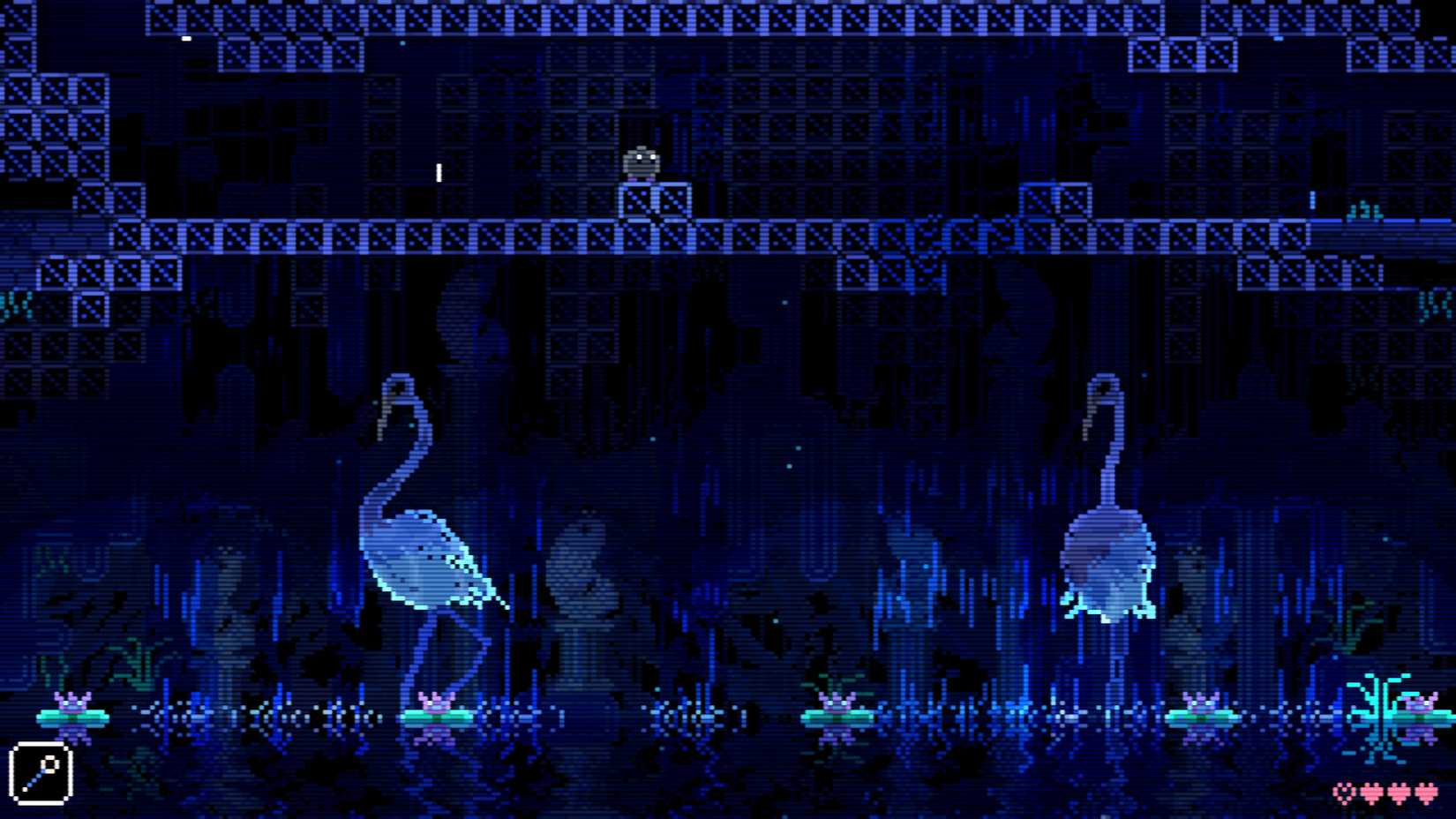
Nevertheless, Ori and the Blind Forest features combat mechanics at the end of the day, unlike Animal Well, which finds its unique way of setting itself apart from the norm by completely rejecting violence and embracing puzzles, and it does so in an astonishing way.
Without combat or character upgrades, this magnificent natural world presents a structure more akin to the 'Metroidbrainia' concept; that is, what increases your abilities is your knowledge of the laws of its universe, not so much your own character's.
Aside from the tools you invariably need to access increasingly larger areas, Animal Well offers a context in which, just like the avatar you embody, you've barely acquired awareness of your surroundings and must venture out and experiment to discover how everything works, what to do, and why.
Even if we disregard the fact that the game's item-abilities are among the most creative ever seen, the mere premise of the work is enough to make it feel revolutionary, because nothing speaks more to breaking the status quo than embracing a genre that is a priori contrary to the majority of Metroidvanias, such as puzzles, and making it the center of your experience.
5 Prince of Persia: The Lost Crown
Specific Innovations
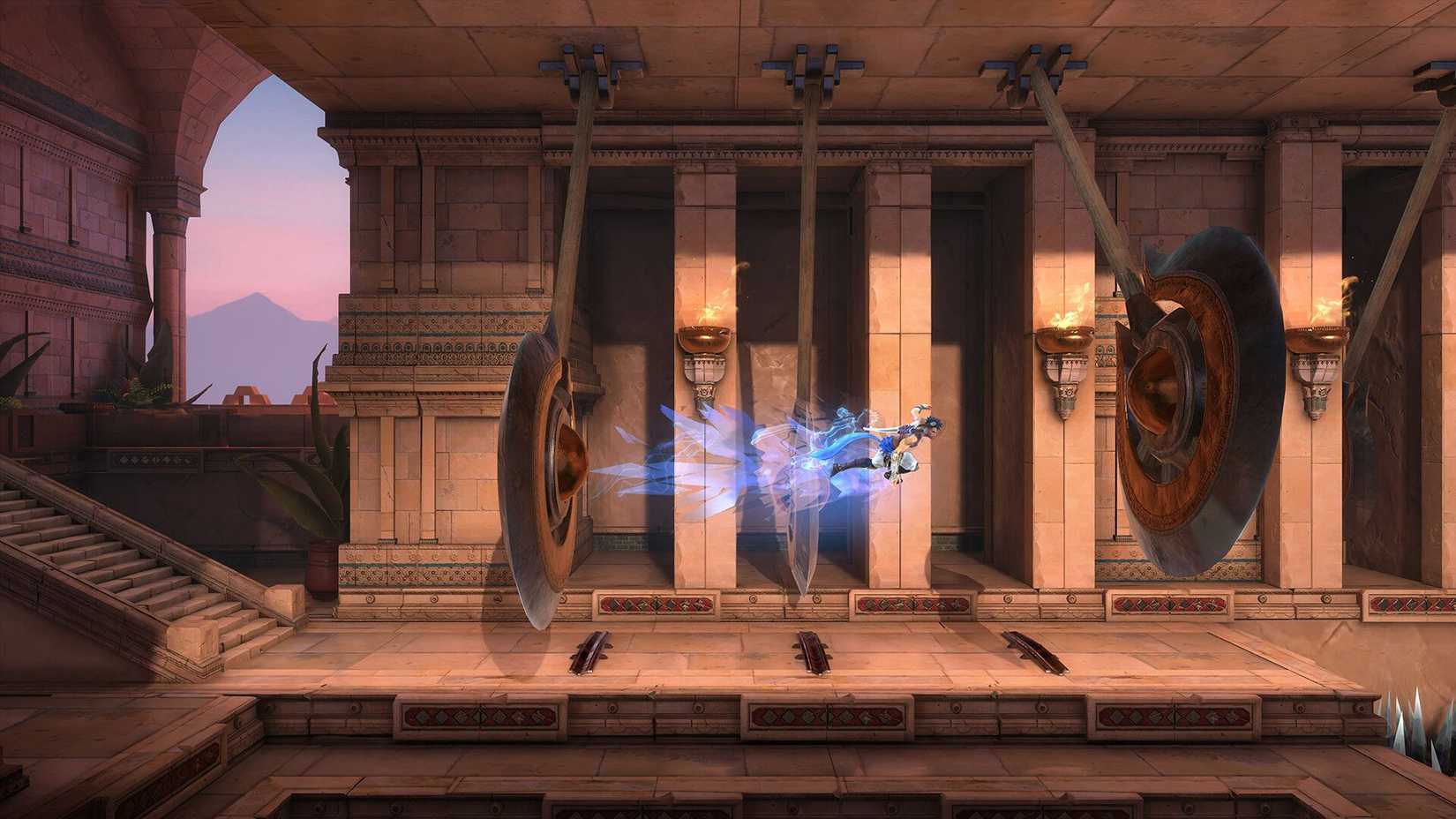
As the years go by, it feels increasingly difficult to make significant improvements in established genres, but Ubisoft managed it with Prince of Persia: The Lost Crown for two key reasons: the photo mode and the IP's flexibility.

Related
8 Best On-Budget Obscure Metroidvania Games
If you're tired of seeing Hollow Knight top all the genre charts, this article is for you.
The first is fairly self-explanatory, as the inclusion of in-game photos to facilitate orientation within the game world is a tremendous quality-of-life upgrade, simplifying the user experience by eliminating the need for third-party software to accomplish tasks the game itself can easily handle.
Secondly, I'm absolutely certain that The Lost Crown will be remembered in the future as one of the first instances where a AAA developer used “indie aesthetics” to reclaim the reputation of one of its multi-million dollar franchises, which is precisely what this installment achieves in terms of critical acclaim and public opinion, even if not as much regarding sales.
Considering both respects, and that it's in itself a magnificent Metroidvania that fulfills all the genre's precepts with undeniable talent, the years will take care of placing this game where it belongs, which is on the lists of the most complete Metroidvanias ever conceived.
4 Cave Story
An Indie Icon

Before people had the brilliant idea of combining Castlevania with Metroid, and before modern indie games were even a thing, Daisuke Amaya was already revolutionizing the video game industry with Ikachan and, more relevantly for this discussion, Cave Story.
This game existed before games developed by small teams were commercially viable and before the Metroidvania genre was formally established in the collective imagination, so I feel little explanation is needed to justify its revolutionary nature.
If the interconnected areas with two-dimensional action and an emphasis on exploration, different endings depending on your choices, and a subtle narrative that tells the story through small fragments sound familiar, it's because this title was already laying the groundwork more than 20 years ago, built upon the foundations laid by the genre's two parents.
Unfortunately, mainstream popularity did not accompany Cave Story but rather its successors, so I will take this opportunity to champion this as one of the most important games in the history of the industry, mainly for how it helped shape the indie concept, being a true pioneer.
3 Hollow Knight
The Prodigal Son
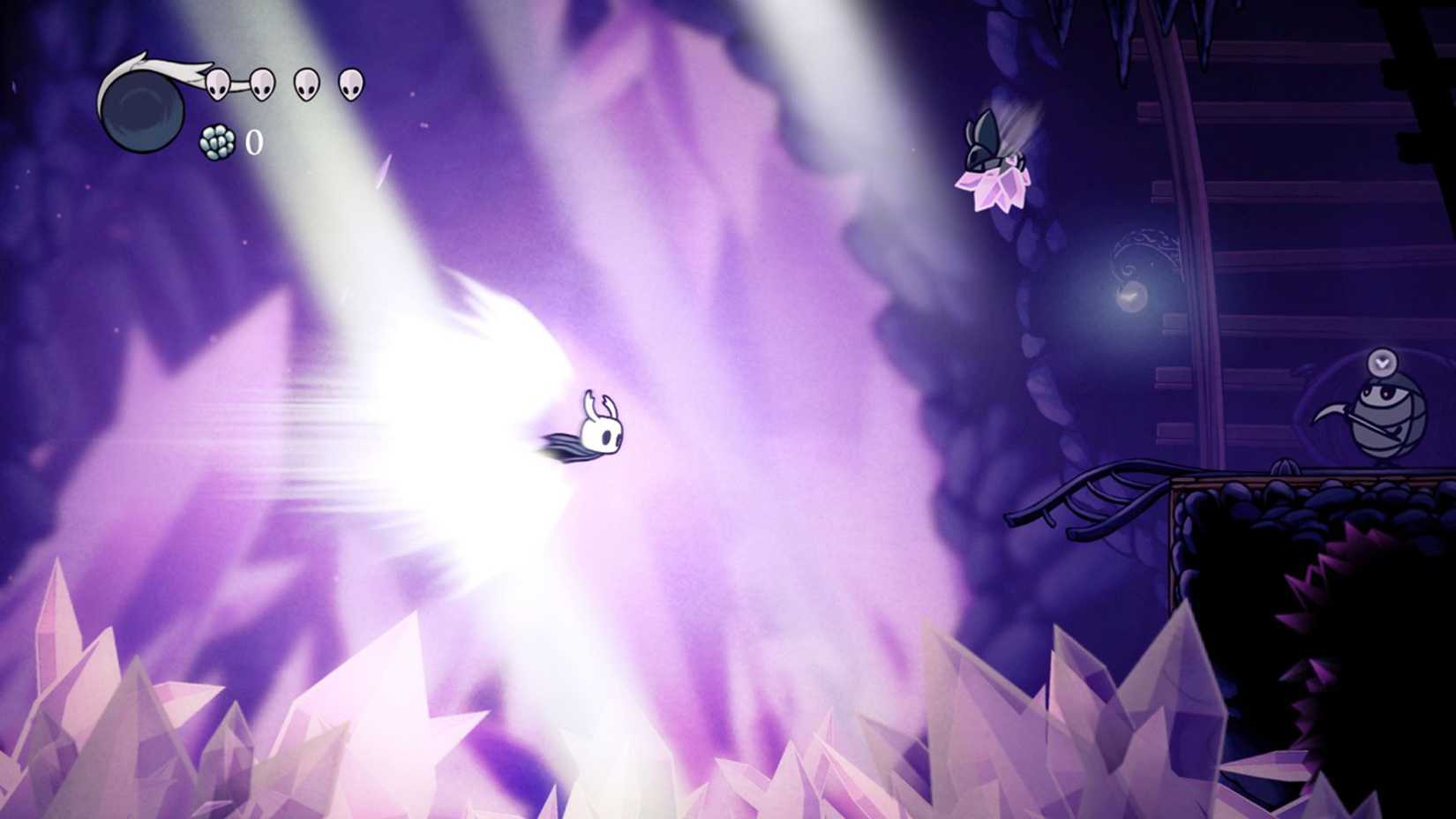
Hollow Knight is the most prominent and vivid embodiment of FromSoftware's influence on the video game industry since the popularization of the Soulsborne formula, creating a Metroidvania that owes its existence to its influence on both the genre's giants and the works of Hidetaka Miyazaki.
Team Cherry's first official title became the gold standard for this type of game, practically institutionalizing a significant increase in the difficulty of fights, specific save points to customize your character and refill health, resource loss upon death, and as many secrets as main content.
Consequently, since 2017, it's virtually impossible to find a Metroidvania that doesn't evoke Hollow Knight, as it perfected the formula to its fullest extent. Exploration and interconnectivity, backtracking, attack patterns, narrative ambiguity, and even the game's art style have permeated the entire legacy.
And the truth is that I'm happy about it, because Hollow Knight seems to me an undeniable masterpiece, and I partly believe this because of how the industry itself reacted to its existence, which explains better than any words I could use the groundbreaking and transformative nature of this essential title.
2 Castlevania: Symphony of the Night
The Father of All

Castlevania: Symphony of the Night
There's no better way to begin concluding this list than with the two main reasons the genre exists, and while they could be interchangeable to determine first place, I'll give Castlevania: Symphony of the Night a well-deserved and not at all rigid silver medal.
It's curious how enjoying a 1997 experience can make you feel like the genre hasn't progressed at all, but the reality is that this title was extremely ahead of its time, so much so that it makes any modern release seem like a weak imitation that doesn't quite grasp why this game is as great as it is.
Making a single location into an entire universe, including RPG mechanics like attributes and character customization via weapons and armor, transforming the environment depending on your progress in the campaign, natural backtracking… If achieving these aspects is remarkable now, imagine what it was like almost 30 years ago.
And then you have the fact that the soundtrack is magical, the pixel art is divine, and the platforming and combat haven't aged badly at all, and you get a timeless game that could be released in 2026 and still be a hit, so I hope that the new generations who have enjoyed games like Hollow Knight so much will bother to at least give Castlevania: Symphony of the Night a chance.
1 Super Metroid
The Mother of the Lineage

More than just the most important Metroidvania of all time, Super Metroid is the undisputed benchmark for 2D action-adventure games, reaching the pinnacle of this gameplay style at a point in history where the only remaining step was to leap into 3D.
To discuss what defines a Metroidvania is to list the characteristics that Super Metroid performed at the time, including the interconnected world, spatial progression through abilities, compact story, precise controls, map interface, and even its meticulous graphics.
Mentioning all these elements doesn't seem surprising today because they've become commonplace, but they did so precisely because this installment established them as a successful formula that not only worked but also felt superior to the typical linear and easily digestible game.
The thrill of discovery, the satisfaction of eureka moments, and the atmospheric immersion born from environmental storytelling conspire to create an unparalleled experience, one that three decades later seems increasingly unrepeatable. If you love Metroidvanias, there's no world you can live in without enjoying Super Metroid and Symphony of the Night, because without them, we wouldn't be here.

Next
10 Best Metroidvania Shooters You Need To Play
Who needs to hack and slash when you have a broomstick close at hand?



![ELDEN RING NIGHTREIGN: Deluxe Edition [FitGirl Repack]](https://i5.imageban.ru/out/2025/05/30/c2e3dcd3fc13fa43f3e4306eeea33a6f.jpg)
 English (US) ·