.png)
 1 hour ago
3
1 hour ago
3
After spending nearly two decades in development, Motor City has finally reached the big screen. Starring Alan Ritchson as an ex-Army Ranger seeking revenge after being framed and sent to prison, the film tells much of its story with little dialogue, relying instead on physical performances, visual storytelling, and a soundtrack of classic rock needle drops that become as important as the characters themselves.
Polygon spoke with director Potsy Ponciroli about finally landing the long-gestating project, collaborating with Ritchson, Shailene Woodley, and Ben Foster, building key sequences around songs like "Nights in White Satin" and "The Chain," and why sometimes the best direction an actor can receive is, "The first person to speak usually loses." (We also snuck in a question about his involvement in a planned Goonies sequel.)
Check out the full interview, edited for brevity and clarity, below.
Polygon: Motor City spent nearly two decades in development before finally making it to the screen. How did the project find its way to you?
Potsy Ponciroli: This one came to me through my agent. You get sent scripts all the time, and this one really stuck with me because it's so unique and such a cool story. Chad St. John [screenwriter of Peppermint and London Has Fallen] wrote it so well. There'd been a lot of directors and actors attached over the years who'd fallen off, or the funding didn't come through.
When I got it, I pitched on it and got a second pitch, which is always good. Then it came down to me and another director. We went back and forth with the producers, and at the end it went to the other director, but it stuck with me.
I didn't want anything to be pantomime. We're not overexaggerating movements to sell anything.
Seven or eight months later, I got a call from my agent. He said, "Hey, that movie Motor City, the director just fell off." I was like, "Oh, shit." I called Jon Berg, the producer, and said, "I sat with this thing for seven months now. Let me pitch again." He said, "I'd love it."
So I pitched him and (producer) Greg Silverman, and it was the best pitch of my life because I'd had all that time to prepare. They wanted me to meet with Alan [Ritchson]. He was already on board, so I drove home early from vacation, did the Zoom with Alan, they did my deal over the weekend, and I started work on Monday. It was a really quick way in after that, but it was great to see it come back around and have a shot at it.
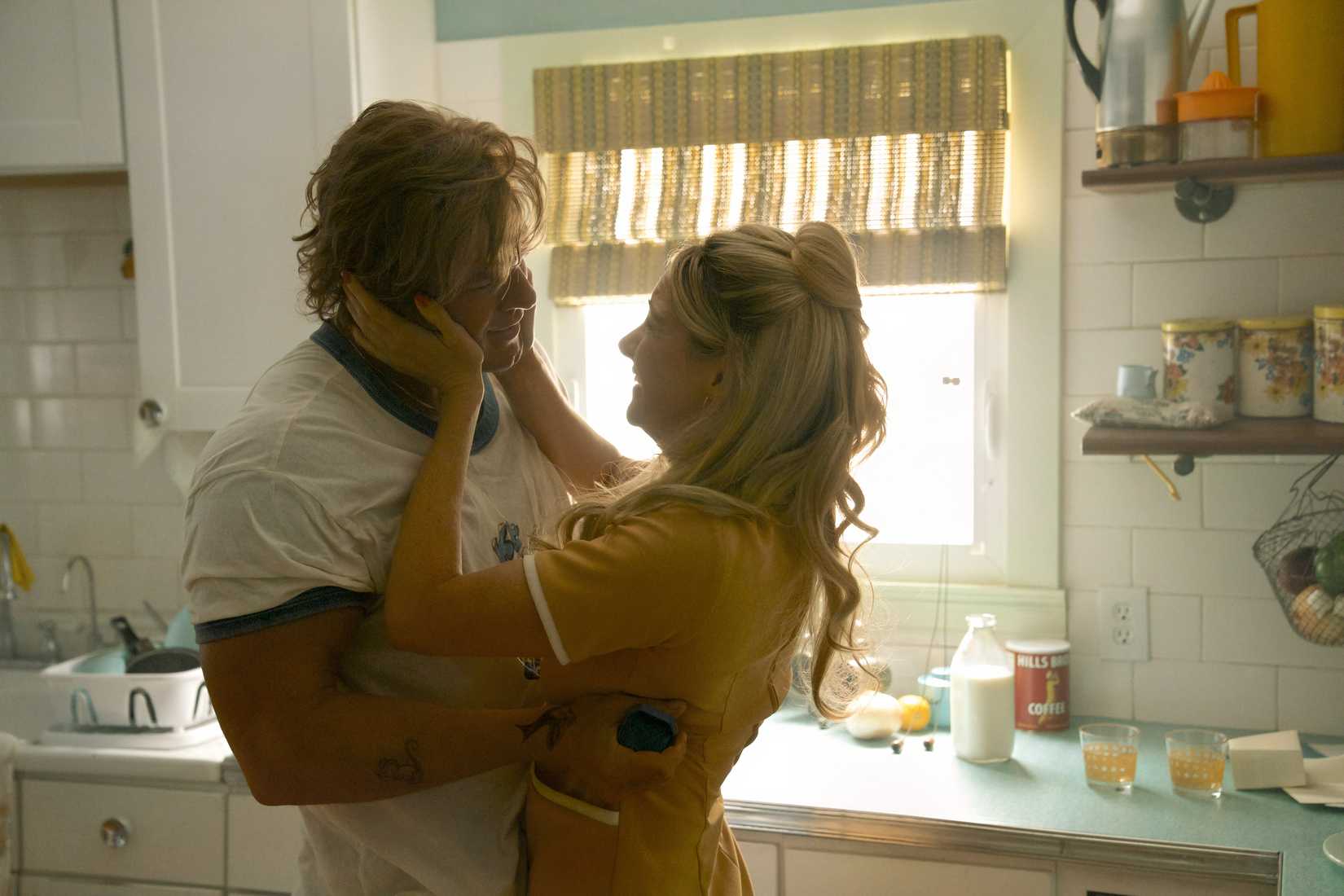 Image: IFC
With so little dialogue, how did you work with the cast to communicate so much through body language, facial expressions, and silence?
I didn't want anything to be pantomime. We're not overexaggerating movements to sell anything. It still has to be subtle and real.
It's kind of the way I approach all my projects. It's a billion conversations beforehand. We really dig into who the character is.
With Shailene [Woodley], she was like, "What's my playlist?" I was like, "Oh, let's find your playlist." Then we took that onto every other character and was like, "How do we really define this person before we even get into it?"
We created a Spotify playlist, and we'd put songs on there, go through it, add songs, and figure out who her character is and what she listens to. It helped her get into, "This is what I would listen to in the afternoon writing in a journal. This is what I'd listen to at a party at night," things like that. I think it just helped her get into the feel of that character.
Then we had conversations between each actor and conversations with the actors together. It was constant dialogue so that when we got to set, everyone knew where they were and where they wanted to go. It was just a combination of being overly prepared and allowing everyone to be free to create in that moment.
Did the lack of dialogue beco
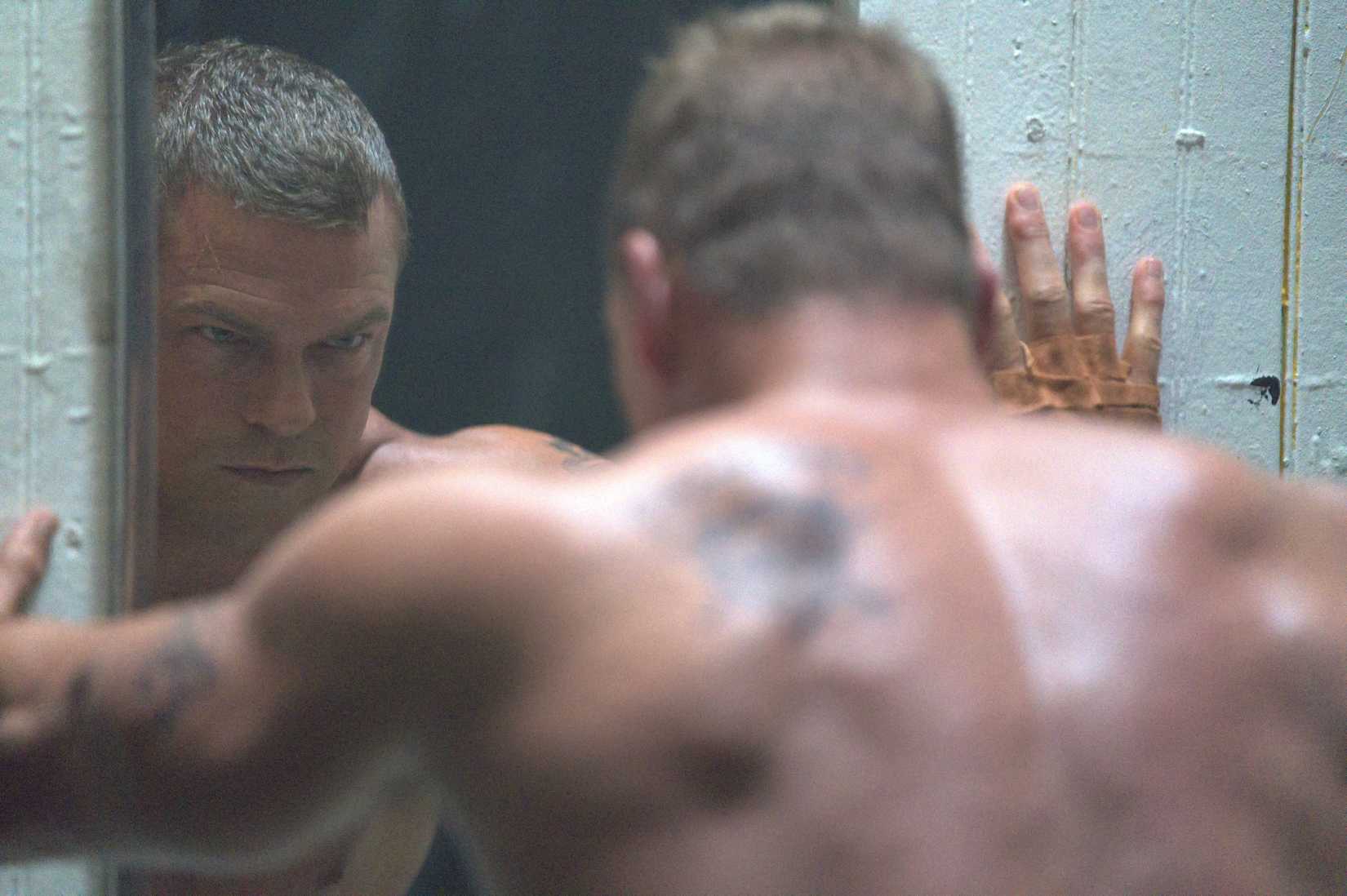 Image: IFC Films
me a selling point for the actors—a chance to approach acting in a completely different way?
Everyone was up for that challenge. Shay and Ben [Foster], in the diner scene, it's this couple making up after leaving on bad terms. It's a four-minute-and-change scene, and it's like, how do you navigate that moment without saying a single word?
The only thing I gave them was, "When you get in a fight with somebody you love, the first person to speak usually loses. Nobody wants to be the first person to say something." They were like, "Got it, got it." They just played and toyed with each other and worked the scene, and it was incredible.
So yeah, that was a huge selling point. It was a challenge. It was something you don't always get to do.
How did you decide which songs belonged in the film? Were there tracks you knew had to be there from the beginning, or did they emerge during editing?
A little bit of both. “Nights in White Satin,” that song had to be for the prison break. I edited it on paper before we even shot it. It was like, from 10–25 seconds is this section, from 25–32 seconds is this moment. We actually had to do a little bit of a song edit when the car comes through the gate to get to that crescendo at the end. My editor, Joe Galdo, loves this era of music. We would sit in the edit, try 30 songs. I'd go home, he'd stay up until 2:00 in the morning and try 20 more. Things like “The Chain,” we had edited that scene and were trying different songs. I came in the next day, and he goes, "I didn't touch anything. Just check this out."
Nights in White Satin, that song had to be for the prison break.
He laid “The Chain” in there, and all those musical breaks and tempo changes, where it slows down and where it speeds up, just happened to land weirdly right. It was like, "All right, we have to have 'The Chain' now."
For “Cat People (Putting Out Fire)," Ben Foster gets all the credit because he had a boombox on set to get into character. In my mind, he played “Cat People” on repeat, and he swears he didn't, but that was a song I kept picturing whenever he'd come in. That just felt like the vibe of the time and the texture and feel we were going with. We dropped that at the beginning, and it felt right.
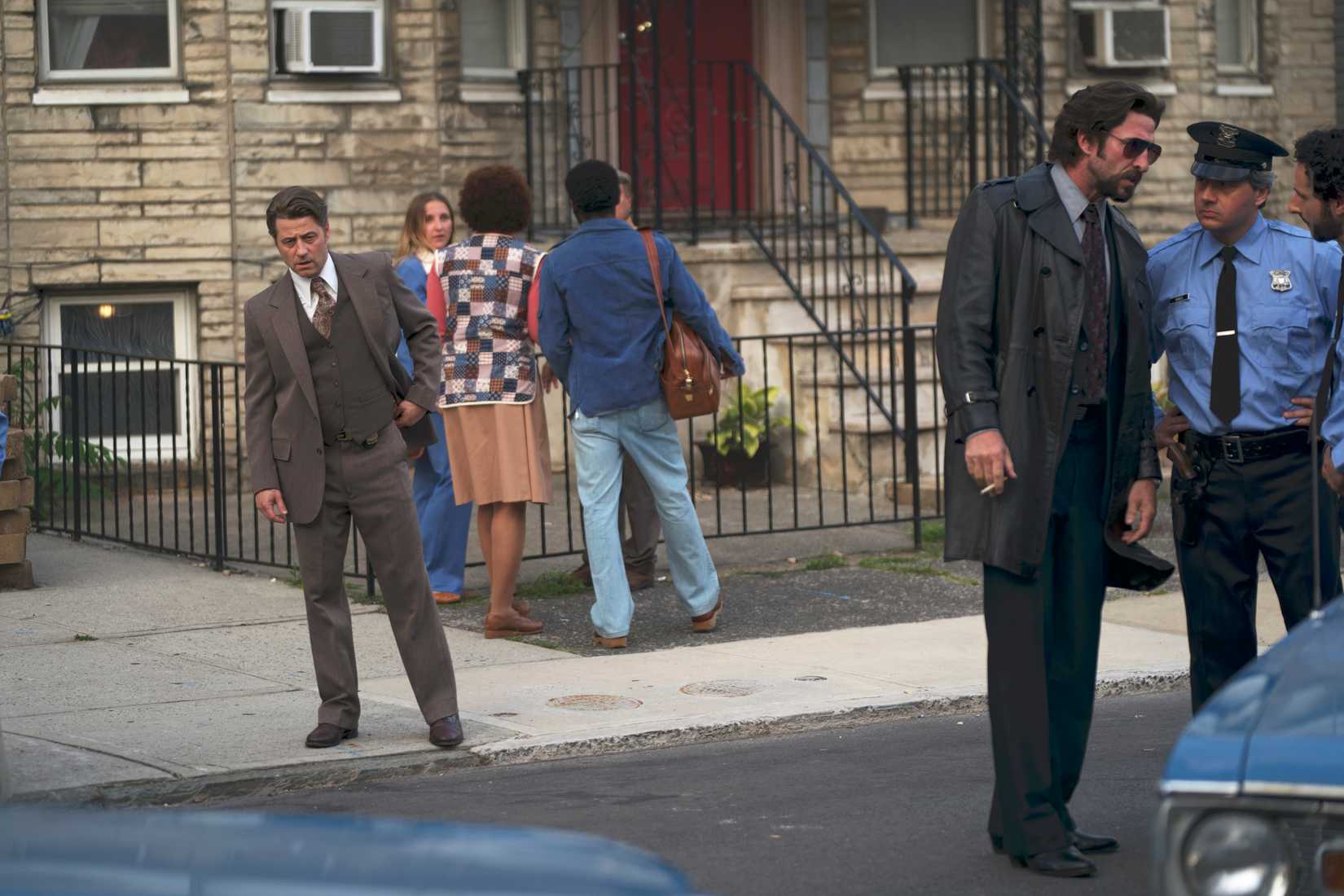 Image: IFC
With so little dialogue, the audience learns a lot through visual details like tattoos, newspaper clippings, and photographs. Were those storytelling beats already in the script, or did they evolve during production?
It depends. A lot of those things, like the newspaper clippings, were in the script. But there were a couple of scenes we knew were going to be kind of a problem. How do you get out of the scene without saying anything at all?
One of them was the café with Ben McKenzie and Shailene. This guy [McKenzie] has to come in, put the ring on the table, and tell her he's [Alan Ritchson] been framed, whatever he says in that moment.
Trying to figure out how you shoot that without any verbal dialogue? My DP, John Matysiak, and I scoured New Jersey for locations and found this really cool café. It was like, "Oh, well, this is high-end enough. It would have a piano player [played by Jack White]. What if we pull the camera back here, and we're actually seeing it from the POV of a piano player?"
That gets us out of that cone of dialogue, and we hear it from the outside, or we see it from the outside. So things like that were kind of found in the moment. But the Ranger tattoos that was in the script originally.
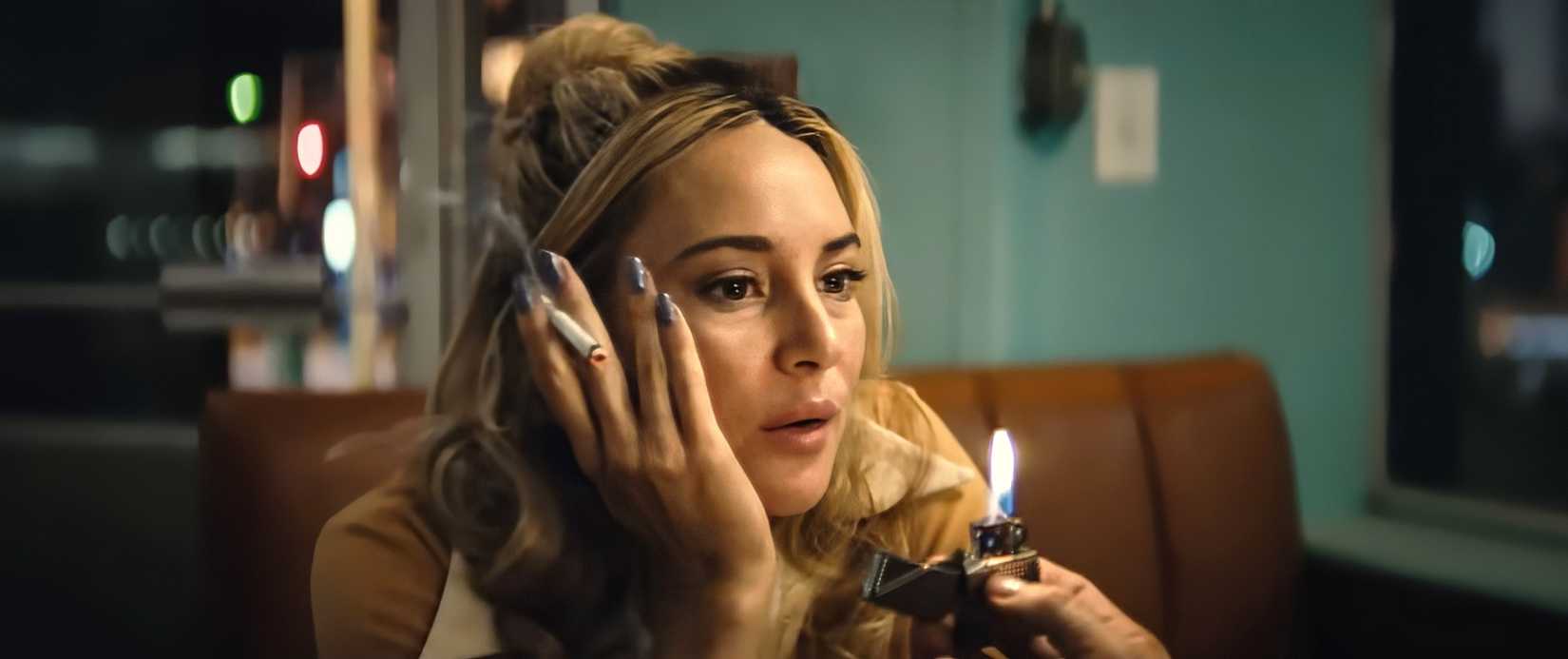 Image: IFC Films
In just three feature films, you've directed an impressive lineup of actors, including Tim Blake Nelson, Joseph Gordon-Levitt, Lily James, and now this ensemble. What have those collaborations taught you as a filmmaker?
Look for actors that are phenomenal and trust them. I've been really lucky with the people who've said yes to work with me and trusted me, because you can get into a three-month project with somebody with all the right intentions, and it may turn out a different way. It's really nice to find people who want to collaborate and want to work. Everyone's just been the best people, the best humans in general—kind, patient, excited about what we do, and really digging into the creative side of it. It's been a blast.
Tim Blake Nelson has come back a few times because we've gotten to be really good friends. Shay and I were trying to build another project when I got this script and got the job. I called her on a Saturday morning at 8:00 and said, "I have this movie. It's '70s Detroit. No dialogue."
She was like, "Wait, what?" I was like, "No dialogue in the whole movie." She said, "Please let me read this." I sent it over, and I think it was 10:30, about two and a half hours later. She called me back and said, "I have to do it. How do I get this job?" I was like, "Let me have the producers make an offer."
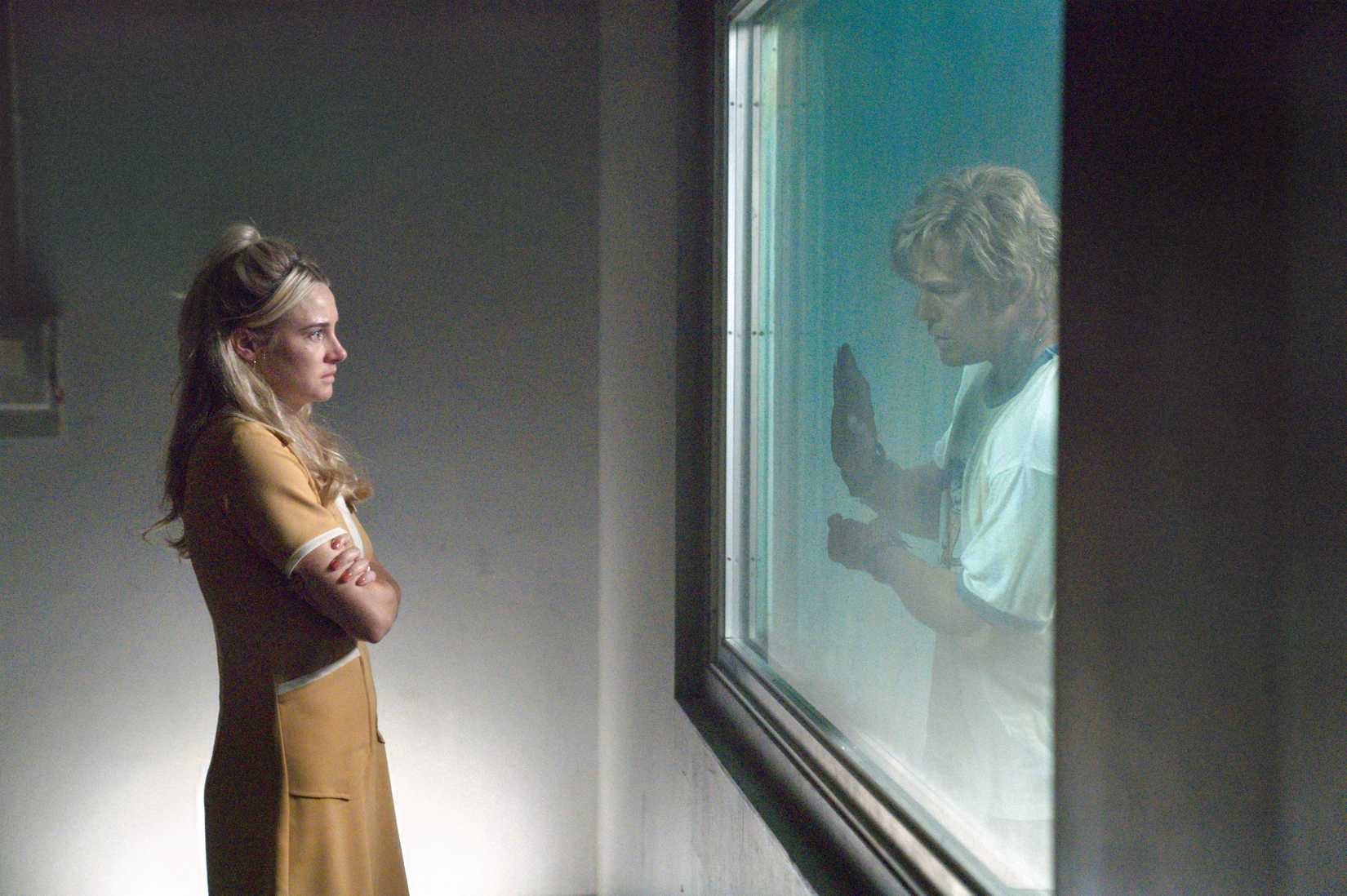 Image: IFC
When the credits roll, what do you hope audiences are talking about on the drive home?
The elevator fight. Everybody has to see. We just did our premiere last week, and you could literally feel the entire theater tense up during it. That's the big moment.
You could literally feel the entire theater tense up.
The other part is, just don't go in expecting the... I wouldn't call it a gimmick of no dialogue. It's just a way to tell a story and a way to express these characters and their journey. Just commit to it. Don't look at your phone, don't look up. See it in the biggest, loudest room you can and just immerse yourself in this movie.
It takes you on a 96-minute ride, and you come out, and you're like, "All right, that was really fun." It's a really fun, enjoyable, actiony, dramatic ride.
Earlier this year it was announced that you're writing the script for Goonies 2. The original means so much to so many people. How do you approach a sequel to something that's this beloved without simply trying to recreate the magic of the original film?
This is a really tricky subject. I got in trouble in Venice for saying anything. That's my favorite movie of all time. It's the movie that got me into this business. I saw it as a kid a bunch. I saw it as an adult a bunch. There's such a magic to it and just a feeling it gives you of adventure and fun. So that was one that I think the kid in me was excited about. That's really all I can say on that.
Motor City premieres in theaters on Friday, July 24.



![ELDEN RING NIGHTREIGN: Deluxe Edition [FitGirl Repack]](https://i5.imageban.ru/out/2025/05/30/c2e3dcd3fc13fa43f3e4306eeea33a6f.jpg)
 English (US) ·