.png)
 1 month ago
30
1 month ago
30
Nintendo used its most recent Nintendo Direct to announce that a remake of The Legend of Zelda: Ocarina of Time is headed to Switch 2 later this year, confirming weeks of fan speculation. Although the reveal addressed the broadest questions gamers had about what’s next for the Zelda franchise, it did surprisingly little to reassure members of the fractured fanbase that the new release has their particular interests in mind.
A history of Zelda excellence
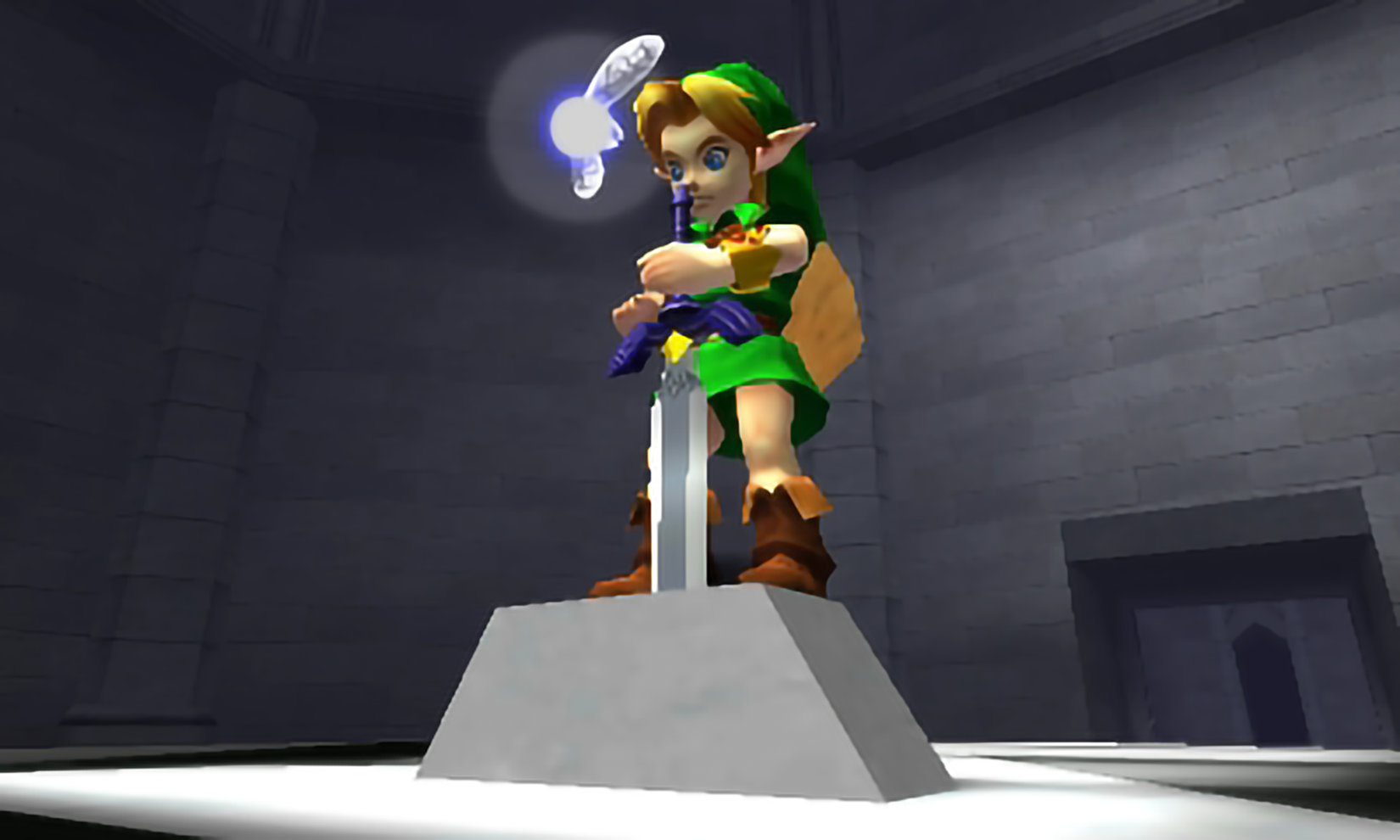 Image: Nintendo
Ocarina of Time is a jewel in Nintendo’s sparkling crown. Originally released in 1998, the classic adventure title brought the Zelda franchise into 3D and sold more than 7 million units for the Nintendo 64 alone, an especially impressive figure at the time. A 3DS remaster brought the tally to more than 14 million and introduced the world of Hyrule to many players that would become the franchise’s most vocal fans.
After Ocarina of Time, Nintendo developed a number of successful follow-up releases before eventually striking gold again with Breath of the Wild in March 2017. Released simultaneously on the ill-fated Wii U and its unproven successor, the Switch, Breath of the Wild delighted a new audience with an expansive open world that allowed players to explore in any order while navigating a hostile wilderness full of secrets.
Breath of the Wild went over well with critics and players alike, selling more than twice as many units as Ocarina of Time and leading to the eventual release of the similarly successful follow-up, Tears of the Kingdom. However, some fans loyal to older entries in the series, particularly Ocarina of Time, feel that those wildly successful recent releases abandoned too much of what made Zelda truly great.
A Zelda reveal light on details

In May of this year, leaker Nate the Hate announced the Ocarina of Time remake on his podcast. Fans spent the next few weeks arguing about how the game might look and play. Although the Nintendo Direct event finally confirmed the game is on its way, the brief glimpse showed no actual gameplay.
Because so few details have been confirmed, even after the trailer reveal, fans are left to speculate on whether the new Ocarina of Time will be a 1-to-1 remake of the original, or if it will offer an open-world approach more in line with recent hits such as Breath of the Wild and Tears of the Kingdom.
The great Zelda dilemma
The Zelda franchise has millions of fans, which some people might describe as a nice problem to have. Viewed from another perspective, it risks becoming a no-win situation. If Nintendo tries to cater to Ocarina of Time’s original audience with a 1-to-1 remake, it may alienate players who associate Hyrule with the sandbox style pioneered by The Legend of Zelda on the NES and A Link to the Past on the Super Nintendo, and the more recent Switch releases.
If Nintendo instead caters to a larger audience of newer fans, it will likely draw criticism from players who preferred the more linear approach Ocarina of Time and Zelda entries in that same vein, like Twilight Princess, The Wind Waker, and Skyward Sword. Nintendo is backed into a bit of a corner. It stands to disappoint fans regardless of which path it follows. The best way forward might be a hybrid approach, but potential pitfalls remain.
The challenge of a hybrid Zelda
A Zelda game feels slightly different to almost everyone. No list of core components will draw universal agreement. There are some general guidelines, however.
Ocarina of Time is remembered most fondly for its involving plot focusing on the Hero of Time, as well as for its ambitious three-dimensional dungeons. Fans enjoyed entering new locations to unearth powerful equipment, which they then used to explore the outside world in new ways. But later installments in the series have arguably eclipsed many of the game’s best qualities.
Breath of the Wild and Tears of the Kingdom both adopted a more scattered approach to their stories. Players uncovered memories and gradually pieced together most of the details themselves, in the order of their choosing. They also started the game with most of the powers they would utilize throughout the campaign, rather than finding new ones along the way.
Weapons are breakable in Breath of the Wild and again in Tears of the Kingdom. That new mechanic forced players to embrace the changing environment, but it irritated those who like to grab a sword and swing it around without worrying it would shatter. Mostly, dungeons were replaced by much smaller and more numerous shrines that boasted a single battle with a more powerful enemy, or a puzzle. Some players find that all quite tedious.
Unfortunately for Nintendo, these disparate elements exist at opposite ends of the spectrum. The developers can’t wholeheartedly take either approach to the story, to dungeon progression and depth, or even to weapons and gear without changing something one fan or another loved.
How a hybrid Zelda might work
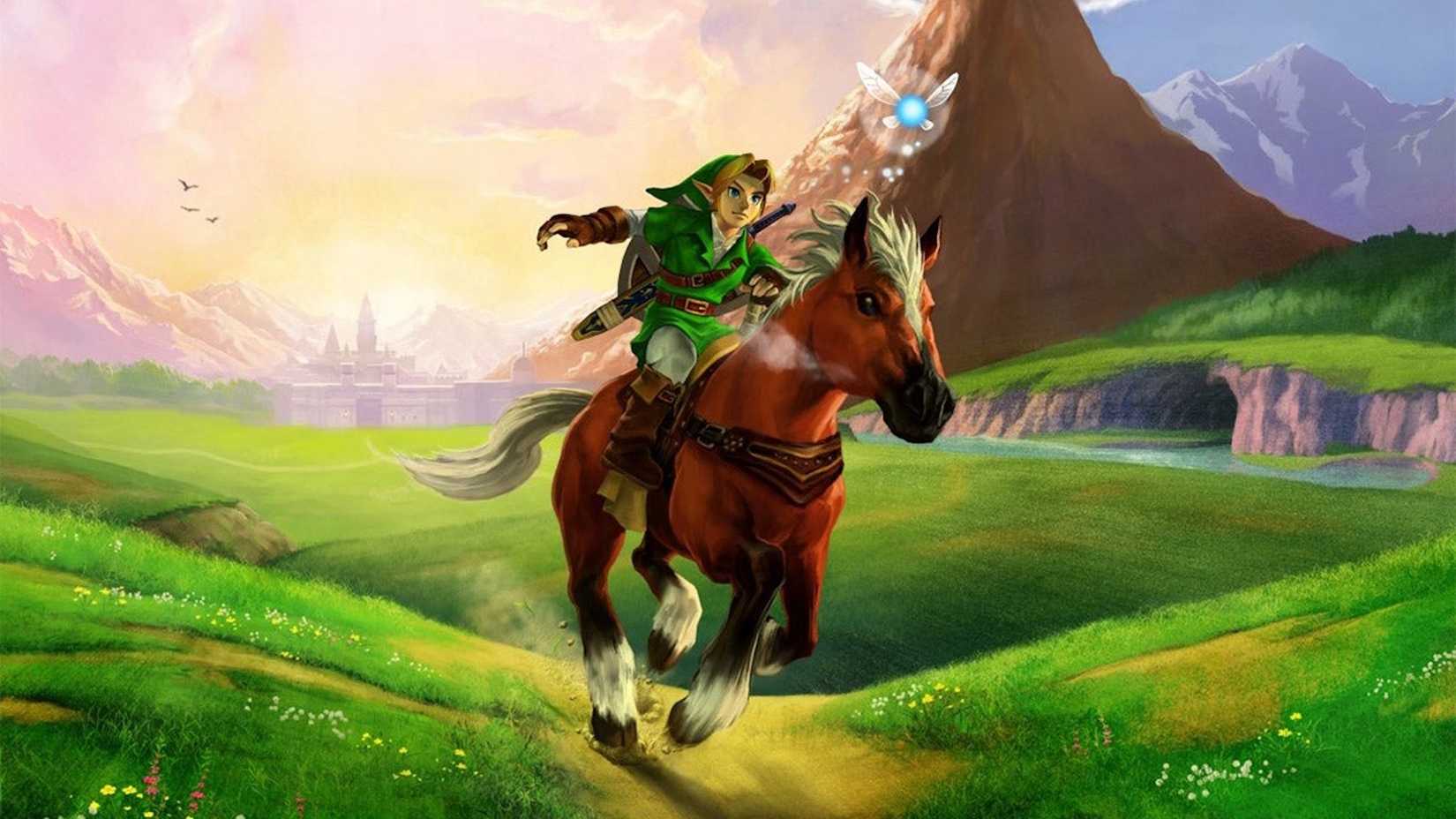 Image: Nintendo EPD/Nintendo
A successful hybrid approach to the Ocarina of Time remake would require balance and a desire to build upon what already exists. In Ocarina of Time, Hyrule Field served as a hub area that connected outer regions, such as Kokiri Forest, Death Mountain, and the Goron Domain. Largely empty of attractions aside from Lon Lon Ranch at its center, that environment represents perhaps the single biggest opportunity for improvement. Nintendo might easily expand it to offer more secrets, collectible Gold Skulltulas, enemies, and even NPCs and events.
The plot might similarly expand. What’s already there is great, but it could go deeper. Later games established considerable lore that built on what Ocarina of Time introduced, and more of that lore might reasonably find its way into conversations with characters, hidden tablets, and so forth. Perhaps players might even unearth memories, as in Breath of the Wild, but any of that new content would need to supplement the core story, not replace or modify it.
Dungeons are another area for possible improvement. At the time, they felt vast and mysterious. By today’s standards, Ocarina of Time’s dungeons are compact and bland. The remake might expand them, while keeping their moody atmosphere. The infamous Water Temple ought to confound a new generation of Zelda adventurers, and the Shadow Temple must be suitably dark and eerie.
Likewise, the supply of weapons could be diversified. There should still be events around the Biggoron Sword, but hopefully there will be additional gear for Link to gather. Tears of the Kingdom included all sorts of equipment from other games in the franchise, and the Ocarina of Time remake might easily do the same (especially with the Hero of Time officially in the mix). Perhaps there could even be a new place for Link to house his treasures.
The Zelda remake’s approach draws nigh
 The Legend of Zelda: Ocarina of Time on Nintendo 3DSNintendo
Whatever Nintendo has in mind for the Ocarina of Time remake, players won’t have long to wait. If the game arrives in 2026 as planned, that event will likely occur by the middle of November. Ocarina of Time is all but certain to be the big Switch 2 release for this holiday season, while squaring off against Grand Theft Auto 6. Nintendo will want to share details in time for the game to make it to holiday wish lists and drive Switch 2 console sales.
Until new information arrives directly from Nintendo, all eager consumers have to look forward to is more speculation and dreams of what the future might hold. There’s a lot riding on this new release, but if Nintendo can get the approach just right, the Ocarina of Time remake could turn into another generational hit for the franchise.
 Related
Nintendo's Zelda: Ocarina of Time reveal was a mistake
It's exciting, but there's too much room for speculation




![ELDEN RING NIGHTREIGN: Deluxe Edition [FitGirl Repack]](https://i5.imageban.ru/out/2025/05/30/c2e3dcd3fc13fa43f3e4306eeea33a6f.jpg)
 English (US) ·