.png)
.png) 3 months ago
29
3 months ago
29


Published Mar 15, 2026, 11:30 AM EDT
Murillo Zerbinatto is a contributor from Brazil. He's a JRPG enthusiast who has been around the world of games and content creation for more than six years now. He has a particular love for Final Fantasy and has absorbed all the content this long-running series offers, including its obscure spinoffs such as Dimension I & II, Explorers, and My Life as a King. While playing JRPGs is already a time-sinking endeavor, Murillo doubles down by being a platinum hunter as well.
Sign in to your DualShockers account
Alcatraz was known as one of the most secure prisons in the world. In the gaming industry, that same handle could easily be applied to the PS3, since many developers justify the absence of ports or remasters of their games due to the hardware's complex architecture, which made porting to modern consoles quite an uphill battle.
There's still hope since several games that were stuck on the PS3 have started receiving contemporary versions, such as Tales of Xillia Remastered and Metal Gear Solid 4: Guns of the Patriots. Yet many others were left behind or received only a Steam port, as was the case with Final Fantasy XIII. Square, I am still waiting for a collection with the entire trilogy remastered.
Related
10 SNES JRPGs That Are in Dire Need of a Modern Port
There are still many SNES JRPGs that could be rescued from the console with a modern port.
Among those titles, we have several PS3 JRPGs that are still trapped on the original hardware for whatever reason. Some of them I would love to see receive a modern port or even a remaster, while others are here mostly for the record, since they were not exactly well-received at launch.
10 Tales of Xillia 2
Soon to Be Remastered

I will start by taking Tales of Xillia 2 off the list because Bandai Namco has practically confirmed that it is producing a remastered version of the JRPG, so it is only a matter of time before it releases. However, at the time of this writing, Tales of Xillia 2 is still locked on the PS3.
As the name suggests, this installment is a direct sequel to Tales of Xillia. We play as Ludger Kresnik, an oddly silent protagonist whose family has the power to destroy parallel dimensions, which leads to him being hired specifically for that purpose. Throughout the journey, some characters from the first Xillia appear, including the protagonists Jude and Milla.
The battle system uses an evolved version of the Linear Motion Battle System, now in full 3D. It plays out in real time, Artes use TP, and each action is governed by AC, which determines how many commands can be chained together. Of the four party members we can bring into battle, each pair can be linked, gaining mutual benefits. Tales of Xillia 2 also features narrative choices, offering two endings.
9 Ar tonelico Qoga: Knell of Ar Ciel
Gust's B-Side

|
Gust |
|
Bandai Namco (Japan), NIS America (NA/EU) |
|
January 28, 2010 |
Ar tonelico Qoga: Knell of Ar Ciel, also known as Ar Tonelico III, is obviously the third and final title in the franchise. It takes place two and a half years after the second game in the country of Clustania, which is also located in the world of Ar Ciel. The protagonist this time is named Aoto.
Aoto also has the power to dive into the Cosmospheres of the Reyvateils and create new Song Magic by uncovering more of each individual's backstory. The story begins when Aoto crosses paths with Saki, a Reyvateil who survived an attack and now needs protection.
The biggest difference lies in the gameplay. The first two Ar Tonelico titles used turn based combat, while Ar tonelico Qoga switches to an action-based system. When encountering an enemy in the field, the scene shifts to the battlefield, and we control only one character, though we can switch between them at any time. However, the battle pauses whenever we use commands such as items or Song Magic.
8 Folklore
Made Upon Myths
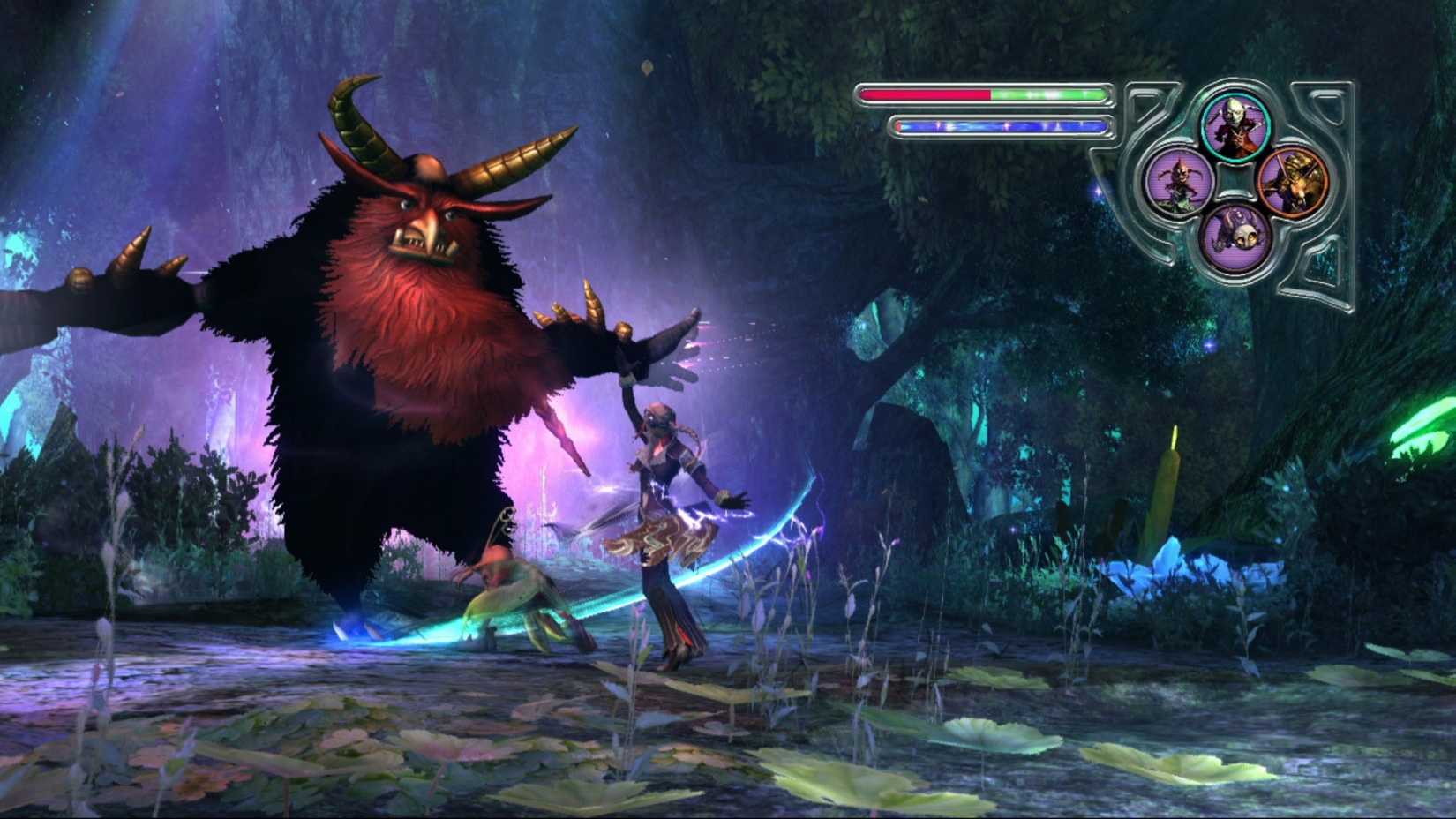
Folklore was one of the first games I tried on my brand-new PS3. It was developed by the Japanese studio Game Republic and had Kouji Okada as its creative producer, not only one of the founders of Atlus but also the co-creator of Shin Megami Tensei and Persona.
Not surprisingly, Folklore carries some elements reminiscent of those series. The gameplay revolves around capturing Folks, spirits, and creatures, and then summoning them in combat. Up to 4 Folks can be used at once in real-time battles.
Folklore features two main characters, Ellen, a girl searching for answers about her past, and Keats, a journalist investigating a murder. The two meet in the village of Doolin, where it is said that the living can speak with the dead. Doolin also works as a hub and a place to rest between main quests.
7 Time and Eternity
A Wedding Is Forever
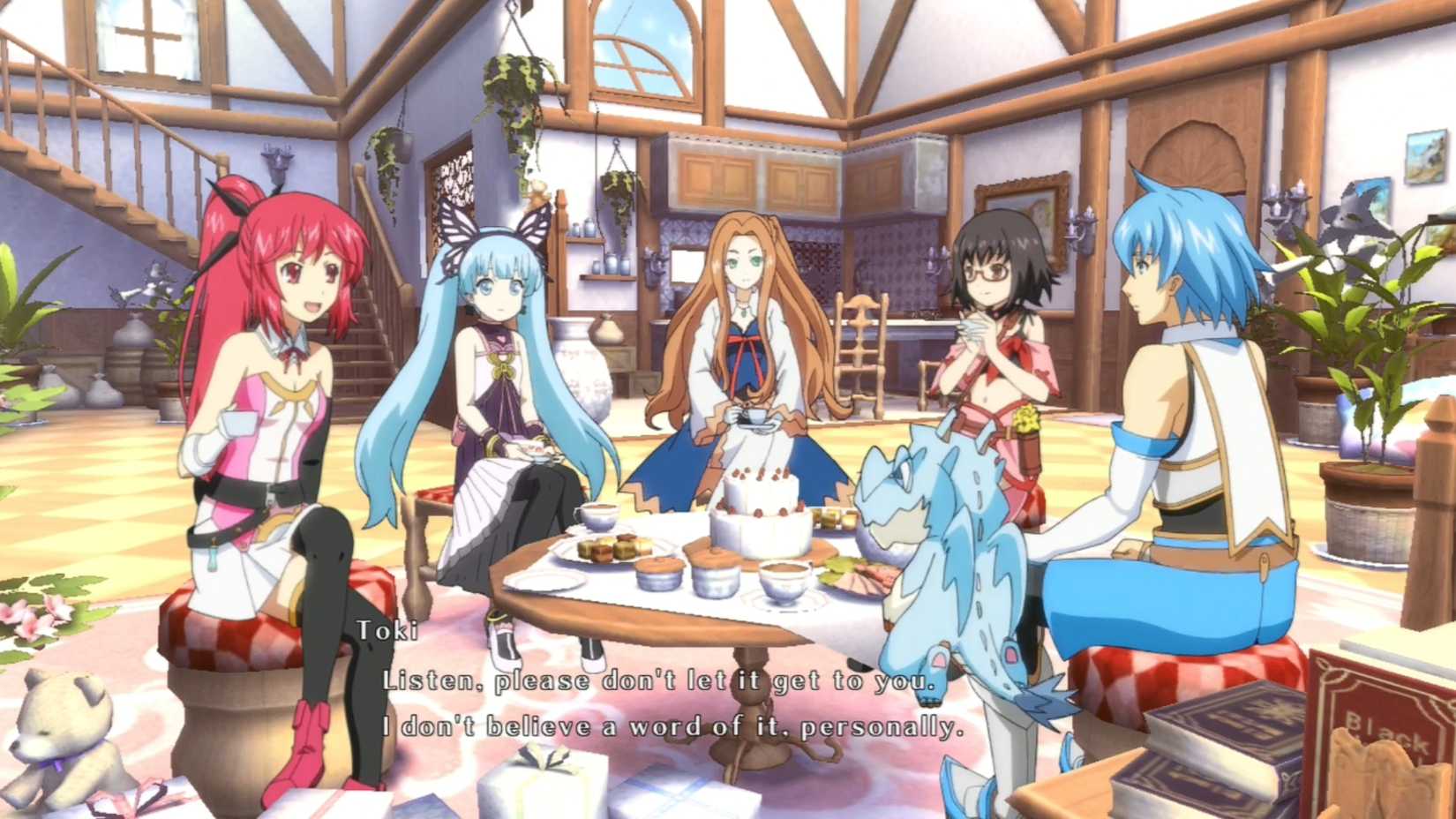
While some developers struggled to make the graphical jump required by the PS3 era, others relied on style and creativity to deliver an incredible artistic direction, as is the case with Time and Eternity. Every character in cutscenes and some gameplay segments is stylized in a hand-drawn format.
As the name suggests, Time and Eternity revolves around time travel. During the wedding of the protagonist Toki with Zack, the groom is severely injured. At that moment, Toki awakens the power of her alter ego, called Towa, and travels back in time. Now she must relive past events to save her marriage, while Zack ultimately has to choose between Toki or Towa.
The JRPG's combat takes place in real time but is based on your inputs. If you are far from the enemy, the character will fire shots, and the defense button blocks incoming attacks. At close range, sword strikes are performed, and counters can be triggered with defensive inputs. As Toki and Towa level up, who switch personalities at various story beats, they learn new combat skills.
6 The Guided Fate Paradox
Anime Bruce Almighty

If there was one prolific developer and publisher during the PS3 era, it was Nippon Ichi Software. Just by glancing at The Guided Fate Paradox you can instantly recognize the NIS art style, which is very well known thanks to Disgaea. However, unlike the usual strategic JRPGs, The Guided Fate Paradox is a roguelike similar to a Mystery Dungeon title.
Each dungeon is randomly generated, and we control the protagonist Renya through grid-based maps. When encountering an enemy, each character acts once per turn, whether attacking, moving, or using skills. Battles are resolved quickly, and exploration yields many items, both consumables and equipment, which can be equipped on the spot and adorably change the protagonist's appearance.
The story follows the same wacky tone seen in many NIS games. The young Renya becomes a god after winning that power through a lottery and is immediately sent to heaven, called Celestia. His duty is to grant wishes to people by delving into dungeons, but he will not be alone. Renya is accompanied by his personal angel named Lilliel. It is a typical Disgaea-like storyline that oddly works.
5 Last Rebellion
Indeed, the Last

Still within the halls of Nippon Ichi, Last Rebellion was developed by Hit Maker but published by NIS. Despite its attractive cover and visual presentation, the game was unfortunately poorly received by both critics and players, which impacted future releases from Nippon Ichi, especially new IPs.
Last Rebellion tells the story of Nine, a Blade who has the power to destroy the physical bodies of monsters known as Belzeds. However, their souls must also be destroyed, and to help Nine there is Aisha, a Sealer. The two are sent to Nine's homeland, destroyed nine years earlier, which has long since become a Belzeds-infested place.
Combat in Last Rebellion is turn-based but introduces a few unusual mechanics. Before attacking, we select several body parts of the monsters. If we hit different parts in the correct order, we create a combo and mark the enemy with a Stamp. Then, if we use a Stamp Magic ability, it hits the enemy based on the number of stamps currently applied. It is a strange system that never really found its stride.
4 Trinity Universe
An Unusual Crossover

Trinity Universe is a collaborative project between Idea Factory, Nippon Ichi, and Gust. It follows the typical blueprint of Idea Factory games, with cutscenes presented in a visual novel format and character designs consistent with their style, while featuring characters from the Atelier and Disgaea series.
The JRPG's narrative splits into two scenarios. In the Goddess side, our protagonist is Rizelea, and she meets characters from Gust during the adventure, Pamela Ibis and Violet Platane, both from Atelier Viorate: Alchemist of Gramnad 2. On the Demon side, the protagonist is Kanata, whose path crosses with Flonne, Etna, and Prinny from the first Disgaea.
Combat in Trinity Universe follows a structure similar to Hyperdimension Neptunia. During a character's turn, we select skills mapped to the face buttons, and each action consumes a timer. We can chain together different skills until the timer runs out, and once it does, it becomes the next character's turn. It is fairly straightforward and does not offer the deep customization seen in Hyperdimension Neptunia.
3 White Knight Chronicles
The Best Among 7/10 Games
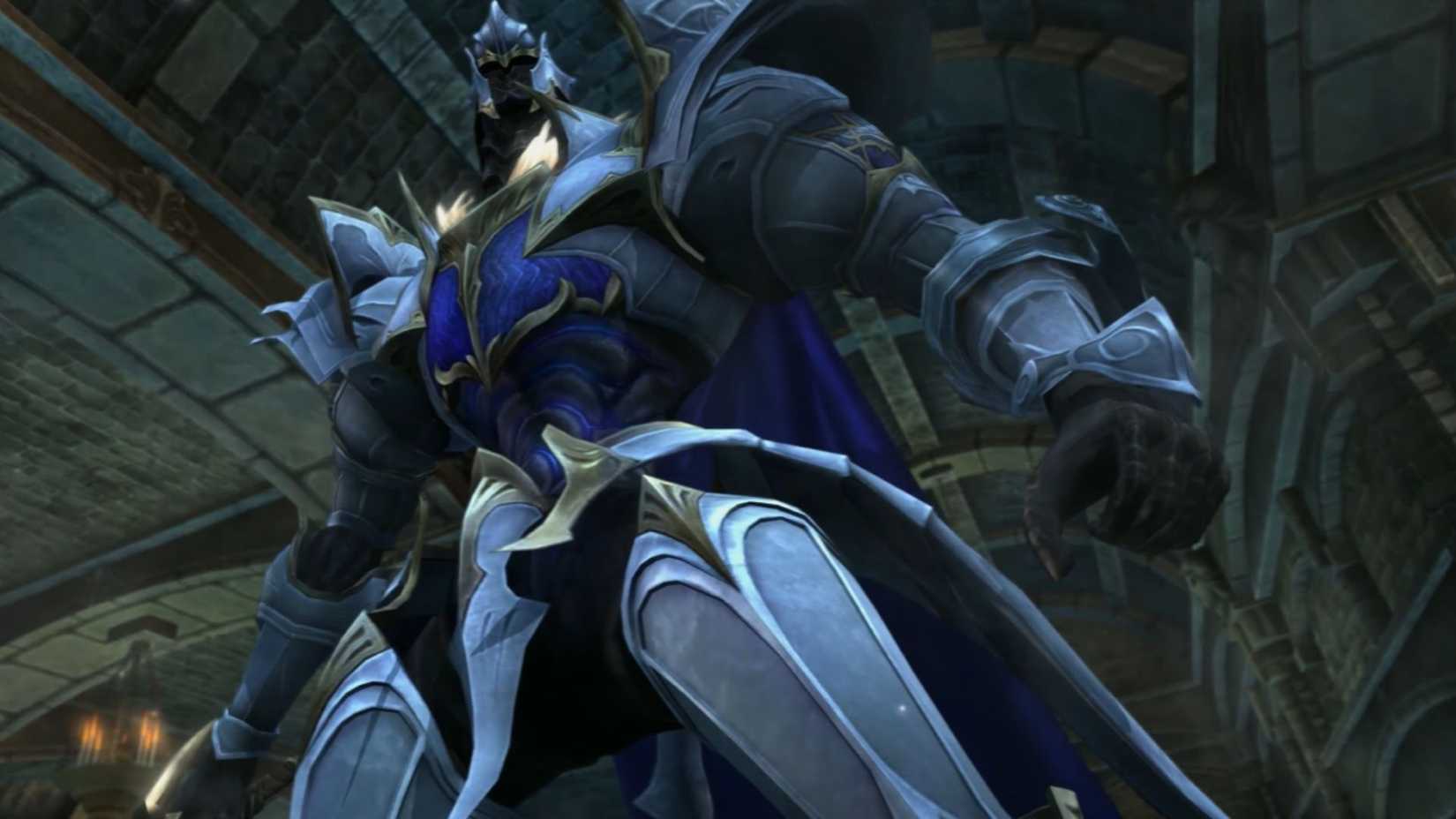
White Knight Chronicles was Level-5's first JRPG for the PS3. The first time I played it, I was completely fascinated. I created my character, followed Leo's story, and watched him transform into the massive White Knight. What more could I ask for? The premise hooked me right away, even if the plot does not quite hold up in the long run.
The combat system is also interesting, using a sort of MMO-like structure where our characters attack automatically, and many of their abilities, which we customize, operate on a cooldown system. It worked quite well.
The game also featured the Georama system, something familiar to fans of Level-5 titles. We could build our own town, tackle online missions, earn points, and increase our rank. However, White Knight Chronicles became infamous for another reason. The JRPG is considered one of the longest games to platinum because the online mode was shut down, and farming rank points offline is an absolute slog.
2 Eternal Sonata
Eternally Forgotten
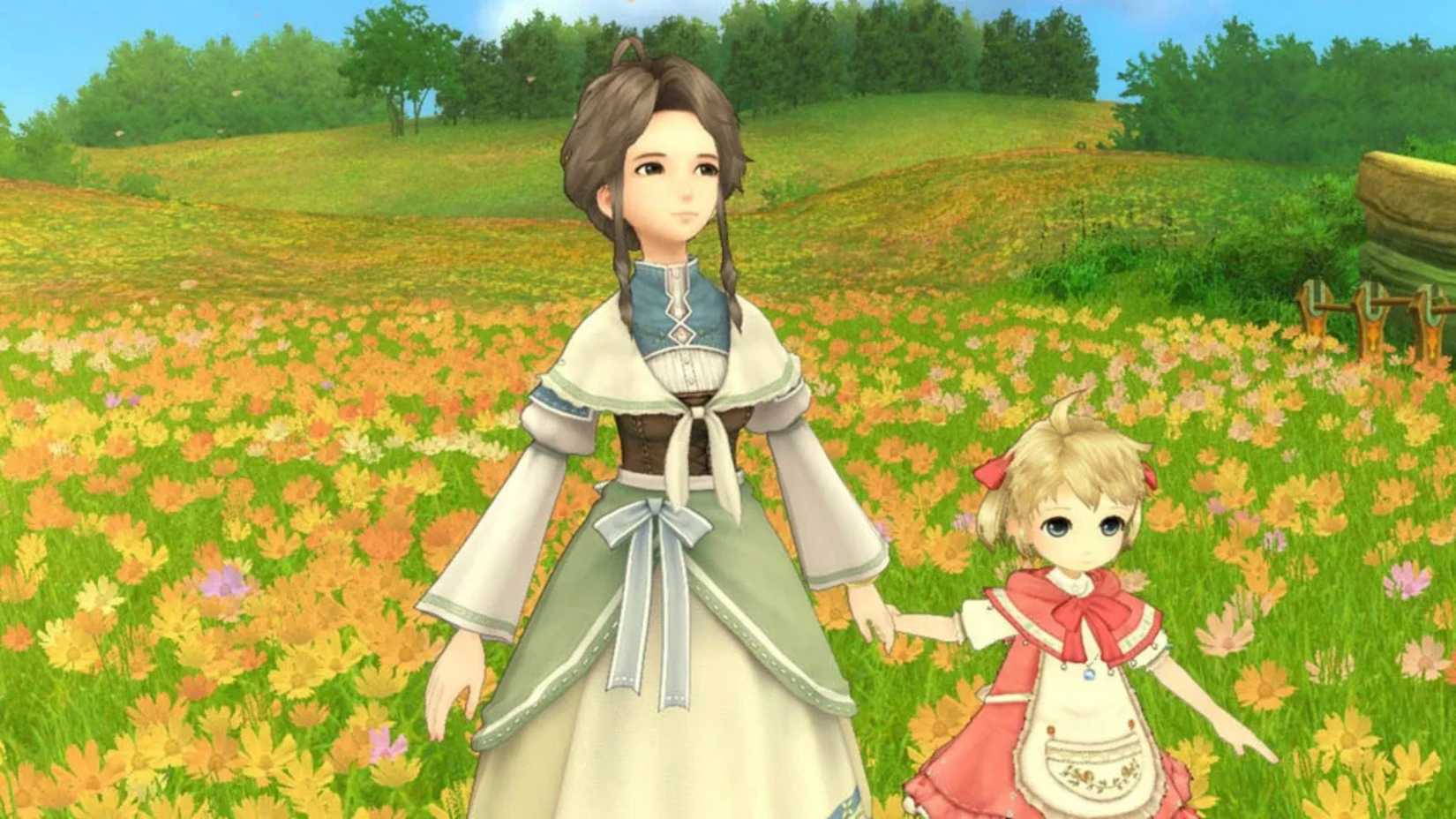
Alright, alright, I know the game first released on Xbox 360, but hear me out. It isn't backward compatible, meaning you cannot play it on modern Xbox consoles, and I doubt you will buy a 360 just to play this one JRPG. So I think it is fair to say the game is still stuck in its original hardware era, including the PS3. And honestly, I just want to champion this title a little more.
Eternal Sonata is a music-themed JRPG in which the entire story unfolds in the dream of a dying Chopin. In that dream, Chopin is transported to a fantastical world where musicians die young. Alongside Polka and Allegretto, he must confront an evil noble. Many of the game's story beats draw parallels to Frédéric Chopin's life.
The combat system in Eternal Sonata is wonderful, a blend of turn-based and real-time mechanics. During a character's turn, they can move until the Action Gauge runs out while using items, normal attacks, or special abilities. Each special attack has either a Light or Dark variation depending on the area where the character stands, completely altering the effect of the ability. To me, Eternal Sonata is one of the most underrated JRPGs that ever existed.
1 Drakengard 3
Before NieR

Despite being the third game, Drakengard 3 is actually a prequel to the first title. We play as Zero, who, as expected for the series, forms a partnership with a dragon named Mikhail. She belongs to a sisterhood with godlike powers and decides that it is time to kill her five sisters to take their powers for herself, which is a perfect premise for a non-heroic protagonist in a JRPG.
Like the other Drakengard games, the gameplay is largely hack-and-slash while controlling Zero on the ground, but it also features aerial combat when she rides Mikhail. The hack-and-slash combat is highly praised, especially since it was developed by Access Games, which has experience with that style, though the dragon combat still falls a bit short of expectations.
After every mission, it is possible to collect spoils, buy items or weapons, or upgrade the ones you already have. Zero can use four types of weapons, including swords, chakrams, spears, and combat bracers, each with its own strengths against different enemy types. When her Tension Gauge is full, Zero can activate Intoner Mode, dealing far more damage and becoming temporarily invulnerable to attacks.

Next
10 PS1 JRPGs Still Trapped on Original Hardware
Some are in dire need of a port, I would say, simply because I want to replay them.



![ELDEN RING NIGHTREIGN: Deluxe Edition [FitGirl Repack]](https://i5.imageban.ru/out/2025/05/30/c2e3dcd3fc13fa43f3e4306eeea33a6f.jpg)

 English (US) ·