.png)
.png) 2 hours ago
2
2 hours ago
2

Published Jun 29, 2026, 9:33 AM EDT
Linda Güster is a Contributor at DualShockers and a German, UK-based gaming journalist specializing in video games, esports, industry analysis, features, lists, reviews, interviews, and news. She has been writing professionally since 2020 and began covering video games and esports in 2025, turning a lifelong passion into her professional focus.
Before joining DualShockers, Linda worked as content lead for Esports Insider DACH and The Escapist Magazine Germany. She previously worked in software engineering and digital media, giving her a strong technical background and the ability to explain complex systems clearly. Across her career, she has written thousands of news pieces and covered gaming culture, esports, technology, and broader industry developments.
A new class action lawsuit accuses Samsung, SK Hynix, and Micron of fixing RAM prices and deliberately strangling supply during what the media has dubbed "RAMageddon." This is not the first time these exact three companies have faced this exact accusation. Two of them have actually pleaded guilty to it before.
 Related
As reported by Law360, the suit – filed by a proposed class of individual and business consumers – accuses the trio of working together to fix component prices while reducing supply, specifically by cutting production of DDR3 and DDR4 RAM while pivoting most of their manufacturing toward HBM, the high-cost, high-bandwidth memory that AI datacentres are currently throwing money at.
What the Lawsuit Claims

The complaint's central argument is that this isn't how a competitive market is supposed to behave. In a healthy market, rapidly rising prices should pull more supply toward the product commanding those prices – at least one of the three companies should have looked at DRAM prices climbing and decided to flood that market to undercut the others. "That did not happen," the suit states. Instead, all three simultaneously pivoted away from conventional DRAM and toward HBM, which the complaint frames as coordination rather than coincidence.
The suit also leans hard on a structural argument: that nobody else can realistically challenge Samsung, SK Hynix, and Micron even if they wanted to. Building a single DRAM fabrication plant can cost tens of billions of dollars and take years. The manufacturing process itself involves what the complaint calls "decades of accumulated trade secrets," and US export controls block Chinese manufacturers from acquiring the equipment needed to compete at the current generation level. The practical result, as the suit puts it, is that when the big three restrict supply, nobody else can step in to fill the gap.
The History That Makes This Complicated

Back in 2002, the US Department of Justice opened a Sherman Antitrust Act investigation into DRAM pricing after Dell and Gateway complained that inflated memory costs were eating their margins. Five manufacturers ended up pleading guilty to an international price-fixing conspiracy running from 1998 to 2002 – Hynix, Infineon, Micron, Samsung, and Elpida. Samsung pleaded guilty in 2005 and paid a $300 million fine. Hynix was fined $185 million. Micron avoided a fine entirely by reporting the conspiracy and cooperating with prosecutors. A Samsung DRAM senior manager even did eight months in prison over his role in it, before going on to become President of Samsung Europe less than a decade later.
 Related
Then it happened again. Between 2016 and 2018, DRAM prices nearly tripled, and a 2018 class action accused the same three companies of price-fixing once more. That case was dismissed by the district court, and the dismissal was upheld on appeal by the Ninth Circuit in 2022, which ruled the plaintiffs hadn't presented sufficient plausible evidence to clear the bar the Sherman Act requires. Rising prices and a concentrated market, on their own, weren't enough.
The AI Alibi

This is the wall the current lawsuit has to get past, and it's a real one. Samsung, SK Hynix, and Micron have shifted roughly 80% of their manufacturing capacity toward HBM, which feeds the AI datacentre boom. Sam Altman signed a letter of intent to spend $1.4 trillion on memory before quietly walking that figure back, but the broader scramble for HBM capacity from hyperscalers like Microsoft, Google, and Amazon is real and well documented. The companies' obvious counterargument is that this isn't engineered scarcity. It's just selling to whoever's paying the most, which happens to be AI firms right now, rather than consumers buying a couple sticks of RAM for their gaming PC.
Nobody else can realistically challenge Samsung, SK Hynix, and Micron even if they wanted to.
That defense isn't nothing. New fab capacity is genuinely coming online – SK Hynix has a new facility opening in South Korea in 2027, Micron has one landing in Idaho next year – and most analysts expect none of that relief to trickle down to regular consumers before 2028 at the earliest, because multi-year hyperscaler contracts have already claimed the bulk of it.
What This Actually Means for the Rest of Us

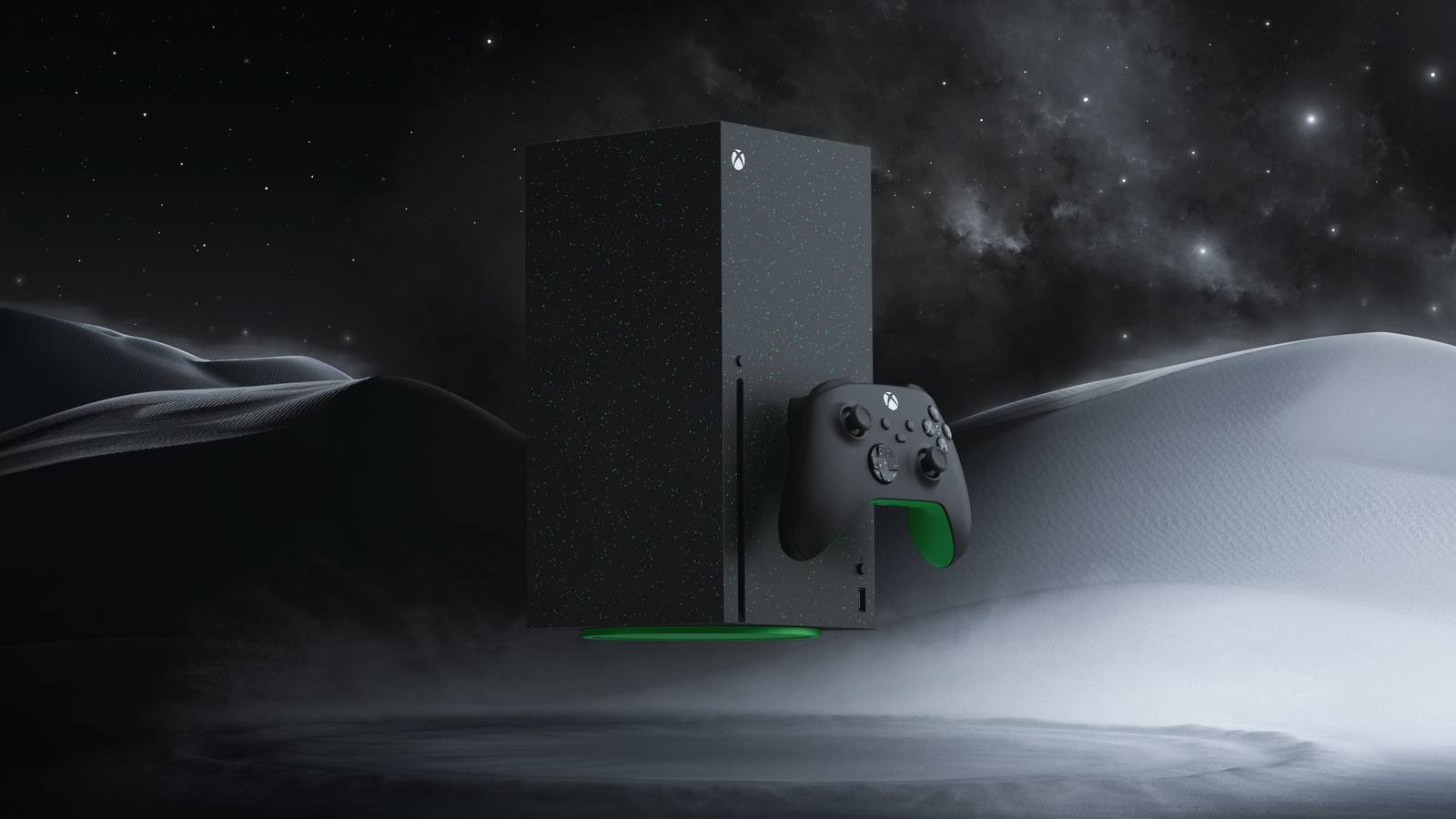
While all this plays out in court, the price increases keep stacking. Microsoft raised Xbox prices by $100 to $150 last week. Apple raised prices across its hardware lineup the same day. Valve confirmed the Steam Machine would retail north of $1,000, openly stating its original price target was "no longer viable." Sony and Nintendo have both raised console prices in recent months, and analysts aren't expecting that trend to reverse anytime soon.
Whether this lawsuit actually goes anywhere depends entirely on whether the plaintiffs can find something the 2018 case never had – actual internal communications showing deliberate coordination, rather than three companies independently reacting to the same market signal in suspiciously similar ways. If that evidence exists, this becomes one of the biggest antitrust trials in tech in years. If it doesn't, "well, they've done it twice before" is a compelling narrative but not, on its own, a winning legal argument. The Ninth Circuit already made that distinction painfully clear in 2022.
For now, the price of RAM keeps climbing, the consoles keep getting more expensive, and three companies with a documented history of doing exactly this are once again explaining why it's totally different this time.
 Next:
Next:
The 10 Rules for Surviving a Seasonal Steam Sale
When you're out in the trenches of a sale with your wallet straining, just remember these safety tips.






![ELDEN RING NIGHTREIGN: Deluxe Edition [FitGirl Repack]](https://i5.imageban.ru/out/2025/05/30/c2e3dcd3fc13fa43f3e4306eeea33a6f.jpg)

 English (US) ·