.png)
 2 months ago
15
2 months ago
15

Published May 13, 2026, 1:00 PM EDT
In considering new business models for PS6, Sony's strategies are limited
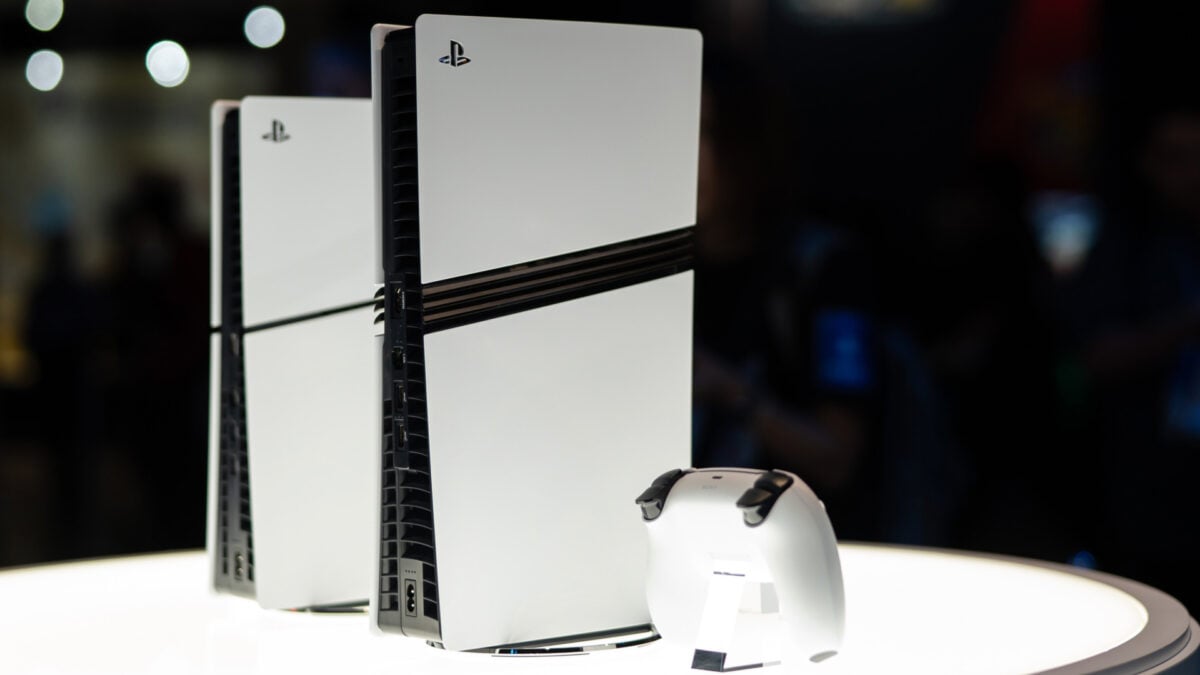
 Photo: Henry Hargreaves for Polygon
Last week, Sony CEO Hiroki Totoki told investors that the company had not yet decided when it would release PlayStation 6, or at what price. This could have been standard-issue exec waffle, hand-waving away a topic on which Sony did not yet want to show its hand. There are reports that Sony's original plan was to launch the PS6 next year, in which case it would be reasonable to assume it had a rough price and date strategy in place already.
But, with things as they stand, there's every reason to believe Totoki is being completely honest. The computer electronics market is in turmoil, upended by shortages in memory chips caused by the AI boom, which are driving up the price of RAM and storage. This is driving up the price of current-generation consoles in turn, including the PlayStation 5, and, as it stands, would have a severe impact on the cost of a next-gen machine like the PS6, pushing the price into the high three figures or even over $1,000.
Totoki said he expected memory shortages and high prices to continue into the next financial year. So there's every reason to take him at his word when he said that "we would really like to observe and follow the situation" and "we must think carefully what we will do."
But one passing comment made by Totoki really underlines just how difficult the current situation is. "We would like to think about various simulations," he said, "including changing business models to come up with the best solution and strategy."
Changing business models? What could that mean?
 A satisfied customer walks out of a store in Seoul with a PS5.Photo: Ed Jones/AFP/Getty Images
Sony's biggest profit driver at the moment is digital software, add-on content, and network services — so, digital games, DLC, and PlayStation Plus subscriptions. But, historically, Sony is a consumer electronics manufacturer, and putting devices in boxes and selling them remains at the core of its strategy. The former CEO of Sony Interactive Entertainment, Jim Ryan, came up as a hard-nosed sales executive, and was renowned for his ability to flood the European market with PlayStations. Since PS4 at the latest, Sony has made its bones by selling PlayStations at an attractive price and then watching the digital revenue roll in.
What happens when you can't sell a console at an attractive price, though? What other "business model" is there for a console manufacturer?
The obvious suggestion would be to follow the path set by the smartphone industry and offer consoles on contract with monthly repayment plans — perhaps bundled with a PlayStation Plus subscription, just as phone repayments are bundled with network fees. A variation of this is a subscription model, which has similar monthly payments, but the user doesn't own the device at the end; the advantage of this model is that users aren't tied into lengthy contracts and can return or switch the console at any time.
Some retailers already offer payment plans for consoles, and there are popular "buy now, pay later" financing options available like Klarna, too. In fact, Sony's console rival Microsoft dipped a toe into contract plans back in 2018 with the launch of the official Xbox All Access payment plan, which bundled hardware with Xbox Live and Game Pass for a monthly fee. Presumably, it wasn't a great success; Xbox All Access has been discontinued. But maybe the calculus would shift for a console that costs $800 to $1,000, as high-end smartphones do.
The All Access payment plan arguably made more sense for Xbox than it would for PlayStation, since the Game Pass subscription service is so central to Microsoft's offering. That's not quite true for PlayStation Plus; Sony has been frank that it doesn't think day-one releases on a subscription service are a good idea. If hardware sales are difficult, Sony might consider a shift in focus, but it seems unlikely.
 Promotional materials for phone trade-in and loyalty programs hanging in the window of a GameStop store in Danbury, Connecticut.Photo: James Bareham/Polygon
What other options are there? Perhaps a halfway house, whereby the PS6 is sold at a hefty discount if the user commits to a long-term PlayStation Plus subscription contract. Or, in the other direction, a complete shift toward a cloud gaming platform, whereby players stream games from servers and Sony bears the cost of all the hardware. Sony has made investments in game streaming and does offer a cloud gaming service on PlayStation Plus, but once again, cloud seems much less central to the company's strategy — and a much more awkward fit for its culture — than it is for Microsoft. And once again, even Microsoft has yet to manage to make this business model work at scale.
There would seem to be few options among these business models that are a natural fit for Sony's way of thinking and doing business — not to mention that are promising in their own right. But this is what makes Totoki's pronouncement so impactful. The very fact that Sony finds it necessary to consider ill-fitting alternatives to its present, very successful business model indicates just how serious an issue the memory crisis is.
There is one last change in business model that Sony should consider — and that I believe it is considering: simply not replacing PlayStation 5. Not in the next year, or two years, or maybe three, or even more. No PlayStation has ever lasted more than seven years without seeing a successor. But, even setting the memory crisis aside, there are several reasons to rethink the generational obsolescence the console market has been built around: the economic environment, diminishing returns in technological advances, spiraling game development costs, changing player habits, and a general lack of consumer appetite. This is the real outside-the-box thinking Sony must face: What if PlayStation 6 simply wasn't?
 Related





![ELDEN RING NIGHTREIGN: Deluxe Edition [FitGirl Repack]](https://i5.imageban.ru/out/2025/05/30/c2e3dcd3fc13fa43f3e4306eeea33a6f.jpg)
 English (US) ·