.png)
.png) 2 weeks ago
11
2 weeks ago
11

Published Jul 10, 2026, 9:30 AM EDT
Scott Baird is a Contributor at DualShockers with over a decade of experience writing about video games, board games, and tabletop RPGs. He has been writing professionally since 2013 and covering games since 2018, with work spanning news, reviews, lists, guides, interviews, and event coverage.
Before joining DualShockers, Scott contributed to publications including The Escapist, Dexerto, TheGamer, CBR, and Gamepur. He has also worked as a full-time Pokémon writer at Dexerto and a features writer at TheGamer. Scott holds a Bachelor’s Degree in Film & TV Production.
Square Enix has announced that it's closing one of its publishing labels, one that brought series like Call of Duty to Japan, as part of changes in how video games are sold worldwide.
Video games are often published by different companies in various regions, with big entities like Nintendo stepping in if they think a title will be a hit, even when the studio behind it doesn't have the means to get it into the public's hands. This is even more relevant when games are localized into different languages and sold in regions where the developer has no holdings.
Square Enix has published games for various companies over the years, including Capcom, HAL Laboratory, and Falcom. The company even created a publishing label for overseas games that were launched in Japan, which is now being shut down. According to Automaton Media, Square Enix's Extreme Edges is shutting its doors after sixteen years of activity.
Square Enix Closes Extreme Edge Due To Games Becoming More Global

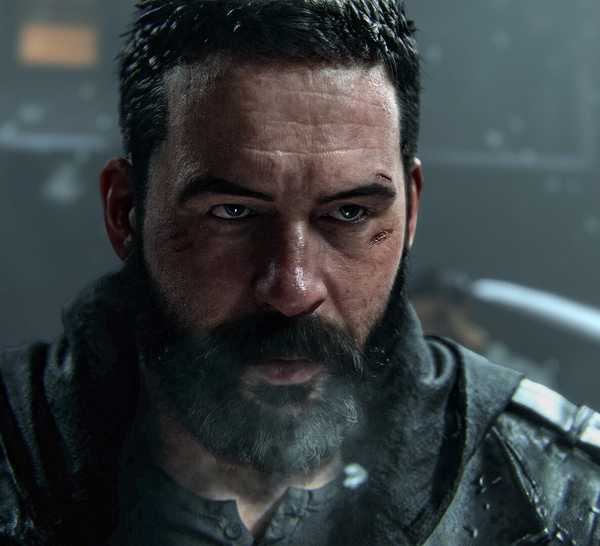
Square Enix created the Extreme Edge label for the European and North American-developed games it was launching in Japan, including series like Call of Duty, Life is Strange, and Tomb Raider. The label was created back in 2010, but the decision has been made to shut it down. This will also include the Square Enix Extreme Edges social media channels in the near future, including its blog, which is still active.
So, why is Square Enix dumping the Extreme Edges label? Are there more industry layoffs? Is it another casualty of the decline of mobile gaming, like Final Fantasy 7 Ever Crisis? While it's possible there could be some behind-the-scenes or industry drama that's resulting in the shift, the more likely answer is the one Square Enix gave, as fans live in a time when there's no need to label a game based on its international roots.
Square Enix created the Extreme Edge label for the European and North American-developed games it was launching in Japan, including series like Call of Duty, Life is Strange, and Tomb Raider.
According to Square Enix, video games have become such a global industry that there's no need to differentiate between international and local releases. Back in the old days, series like Final Fantasy and Pokémon were released gradually across different regions, with many changes during localization, but nowadays, releases tend to happen simultaneously and with fewer alterations.
In the modern era, no one bats an eye when games are released in different regions, even indies, with titles like Deltarune launching its new chapters in both Japanese and English at the same time. The industry is in a position where it's feasible for even smaller developers to launch their games worldwide, hire out companies to localize them, and make them instantly accessible on platforms like Steam.
The difference in style and substance also doesn't need to be commented on as much when promoting titles. There's been a vocal backlash against the term "JRPG" in recent years, mostly from developers, while the more viscerally violent shooters that were once the focus of controversy are now among the biggest franchises of all time, including Call of Duty, Doom, and Grand Theft Auto.
Globalization in style is a good thing, as it means different types of video games are being accepted worldwide. Back in the day, turn-based RPGs rarely saw an international release because publishers didn't want to invest in localizing games they didn't think would sell. Nowadays, labels like Extreme Edges aren't needed because video games are just that: video games, and anyone can enjoy them.








![ELDEN RING NIGHTREIGN: Deluxe Edition [FitGirl Repack]](https://i5.imageban.ru/out/2025/05/30/c2e3dcd3fc13fa43f3e4306eeea33a6f.jpg)
 English (US) ·