.png)
 2 months ago
35
2 months ago
35

Published Mar 25, 2026, 2:19 PM EDT
Lucasfilm needs to be less resistant to the potential of the Sequel trilogy
 Image: Lucasfilm Ltd.
"I think the sequels are no more polarizing than the prequels were when they came out," Brian Herring, actor and operator behind the Star Wars sequel trilogy’s most beloved droid, BB-8, said in an interview with Gamereactor. It’s an opinion that, in and of itself, is pretty controversial, depending on where you stand on either the prequels or the sequels. But there's one thing standing in the way of Herring’s prediction coming to pass: Lucasfilm needs to be brave enough to give the sequels exactly what saved the prequels in the minds of fans.
As a Star Wars fan long before I hit double digits, I grew up and discovered that every Star Wars fan wants something different. While I deeply enjoyed George Lucas’ prequel trilogy, there were plenty in the community who couldn’t stand it and much preferred the adventures of the original trilogy, following Luke Skywalker, Leia Organa, and Han Solo.
However, while the prequel trilogy certainly faced similar problems to the sequel trilogy, it wasn’t just time that softened people’s perspective of that era. That journey began in 2008 with Lucasfilm Animation’s Star Wars: The Clone Wars. Directed by Dave Filoni, with George Lucas and Catherine Winder serving as executive producers, the film introduced the animated TV series of the same name. The Clone Wars TV series, which aired from Oct. 3, 2008, to May 4, 2020. Unlike the prequel films, which told the story of the rise and fall of Anakin Skywalker and the birth of the Galactic Empire, the TV series had much more space to work with.
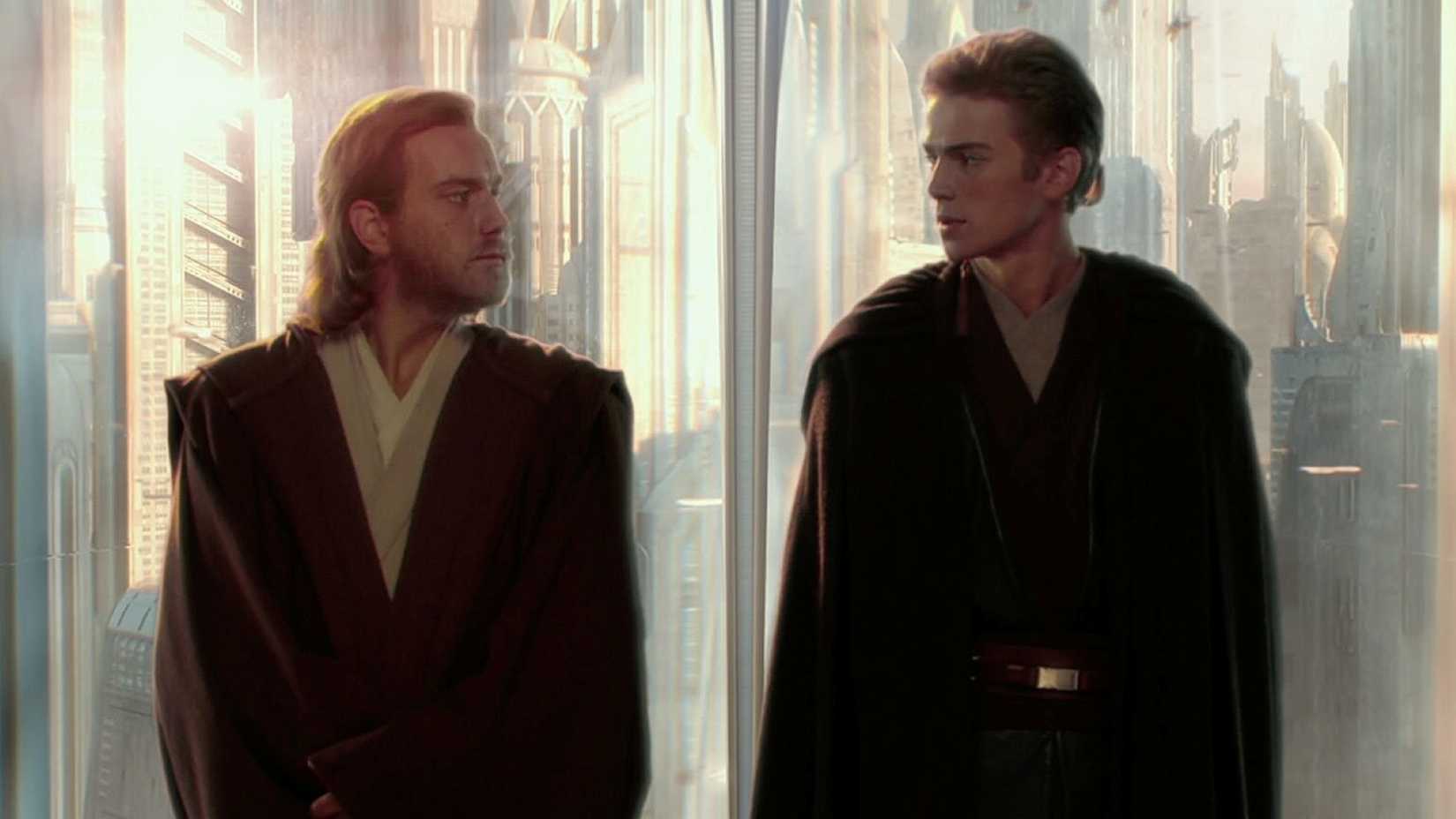 Image: Lucasfilm/Disney
Set between Attack of the Clones and Revenge of the Sith, the series addressed many of the more overt complaints directed towards the prequel trilogy. One such complaint was that, aside from Padme Amidala (Natalie Portman), a senator, ex-Queen of Naboo, and secret wife of Anakin Skywalker, there was very little female presence in the prequel era. Enter Ahsoka Tano, who Lucas and Filoni worked together to create in order to appeal to female audiences, as well as illustrate how Anakin changed from being the headstrong and brash Jedi Padawan in Attack of the Clones to the more reserved Jedi Knight in Revenge of the Sith.
The Clone Wars, a conflict where the Jedi of the Republic fought the Separatist forces led by Count Dooku, is further explored in the animated series. While the wars are significant, they mainly serve as background in comparison to Anakin’s fall to the dark side. The series also provides deeper insights into many of the clone soldiers beyond the well-known Jango and Boba Fett, as well as the various Jedi who fight alongside them. Furthermore, the show emphasizes both the strengths and weaknesses of the Jedi and the Republic, illustrating how close they come to uncovering Senator Palpatine’s malicious machinations — including the all-important materials that will eventually lead to the creation of the Death Star — but are ultimately misled by forces beyond their control.
I can’t help but imagine what a sequel spinoff addressing the trilogy’s flaws — like sidelining characters such as Finn, Poe, and Rose in The Rise of Skywalker, or dropping storylines like The Knights of Ren — would look like. There are several loose threads that are just begging to be picked up, and while Lucasfilm has tried to do so with comics, novels, and the 2018 animated show Resistance, none have quite captured the audience’s attention like The Clone Wars did. If we want people to start loving the sequels era, then Lucasfilm needs to do more to encourage that mindset by offering fans more stories from the sequel era in TV and film, instead of ignoring the stories and characters that exist.



![ELDEN RING NIGHTREIGN: Deluxe Edition [FitGirl Repack]](https://i5.imageban.ru/out/2025/05/30/c2e3dcd3fc13fa43f3e4306eeea33a6f.jpg)
 English (US) ·