.png)
.png) 2 months ago
19
2 months ago
19


Published May 14, 2026, 9:00 AM EDT
Murillo Zerbinatto is an Editor at DualShockers specializing in JRPGs, RPGs, reviews, guides, and lists. He has been writing professionally since 2018 and covering games since 2020, with previous work published at Xfire, RPGInformer, IndieGameCulture, and GameRant.
A longtime JRPG enthusiast, Murillo has played more than 250 JRPGs and earned over 100 platinum trophies, giving him deep hands-on experience with the genre’s progression systems, side content, collectibles, and completionist challenges. His coverage often focuses on franchises such as Final Fantasy, Dragon Quest, Trails, Tales of, and Star Ocean.
Sign in to your DualShockers account
Ikinagames is a Korean developer born in 1995 that has produced platformers and visual novels. Now, its latest venture is Starbites, a turn-based game made by JRPG lovers—hence why I grabbed this review as soon as it appeared. The irony of calling a Korean RPG a JRPG is not lost on me, but there are many staples of the latter here, plus the creator himself is calling the game a JRPG because, so there's that.
Other elements seen in Starbites compared to JRPGs include turn-based combat, a linear narrative, a more colorful, cartoonish aesthetic, and a fixed cast that develops over the course of the story. All these elements will be familiar to JRPG fans, and while Starbites doesn't necessarily innovate on its gameplay system, the narrative surprised me at several points.
 Related
9 Upcoming Indie JRPGs for 2026 to Keep on Your Radar
For those who enjoy JRPGs full of heart and childlike wonder, you should keep an eye on these titles.
However, I still have some issues with the game. A few are technical issues that a future patch can fix (a day-one patch is coming), but others relate to pacing and the repetitiveness of battles, which might drive some players away. Overall, if you want a breather from 100-hour-long JRPGs but still want to stay close to the genre, Starbites is a good bet. Not only did I finish it, but I also platinumed it in 24 hours.
A Devastated Sci-fi World
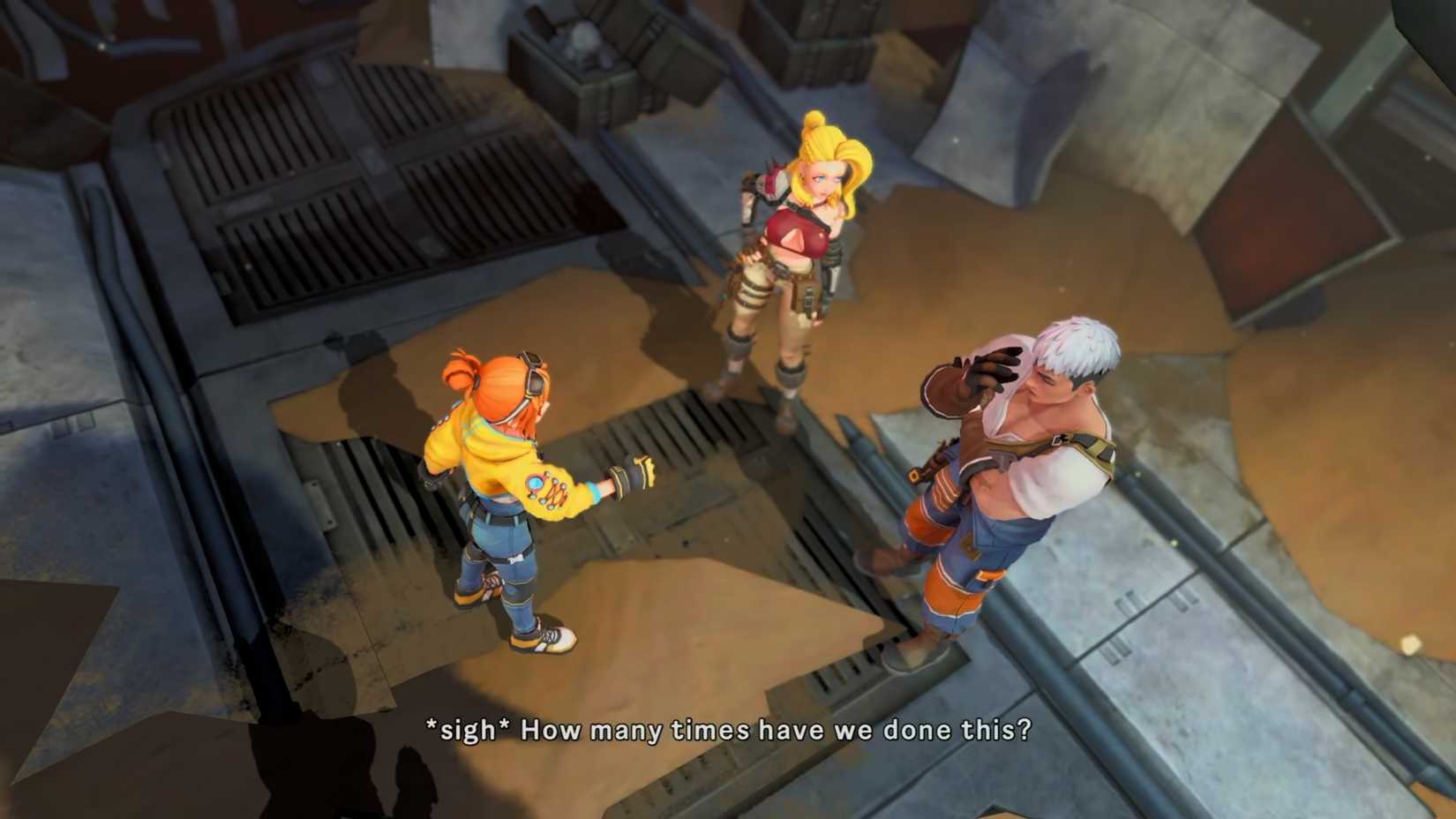
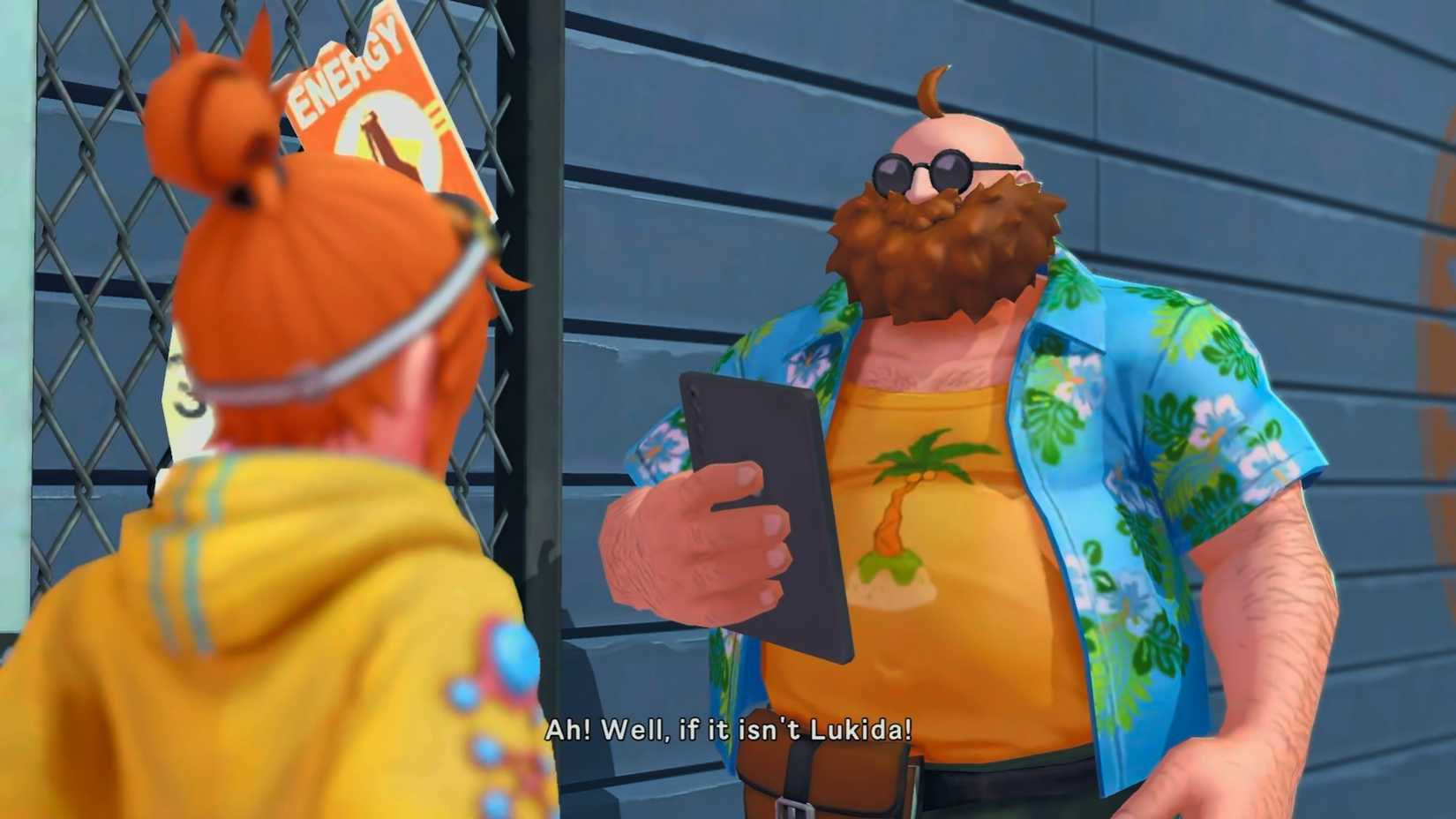
Starbites takes place on Bitter, a desert planet devastated in the aftermath of an interstellar war. We play as Lukida, a scavenger who has racked up the largest debt among all the planet's inhabitants. Her creditor is Fennec, the supposed mayor of Delight—the only functional city on Bitter—essentially making her the highest authority in the world. As Lukida sees her debt grow day by day, she sees escaping the planet as her only alternative, which becomes the jumping-off point for the story.
The bulk of the narrative involves gallivanting across Bitter, understanding how much the planet sucks, and everyone is sort of miserable (they got used to it), while Lukida tries her best to bail, only for more and more obstacles to appear in her way. Some hindrances are the protagonist's own fault because she's a sort of energetic, spunky girl who salvages gate parts, breaks the gate, and then tries to sell those parts, only to be caught in the process and see her debt increase even further. Lukida, however, never loses confidence or cries over spilled milk before her next shenanigan.
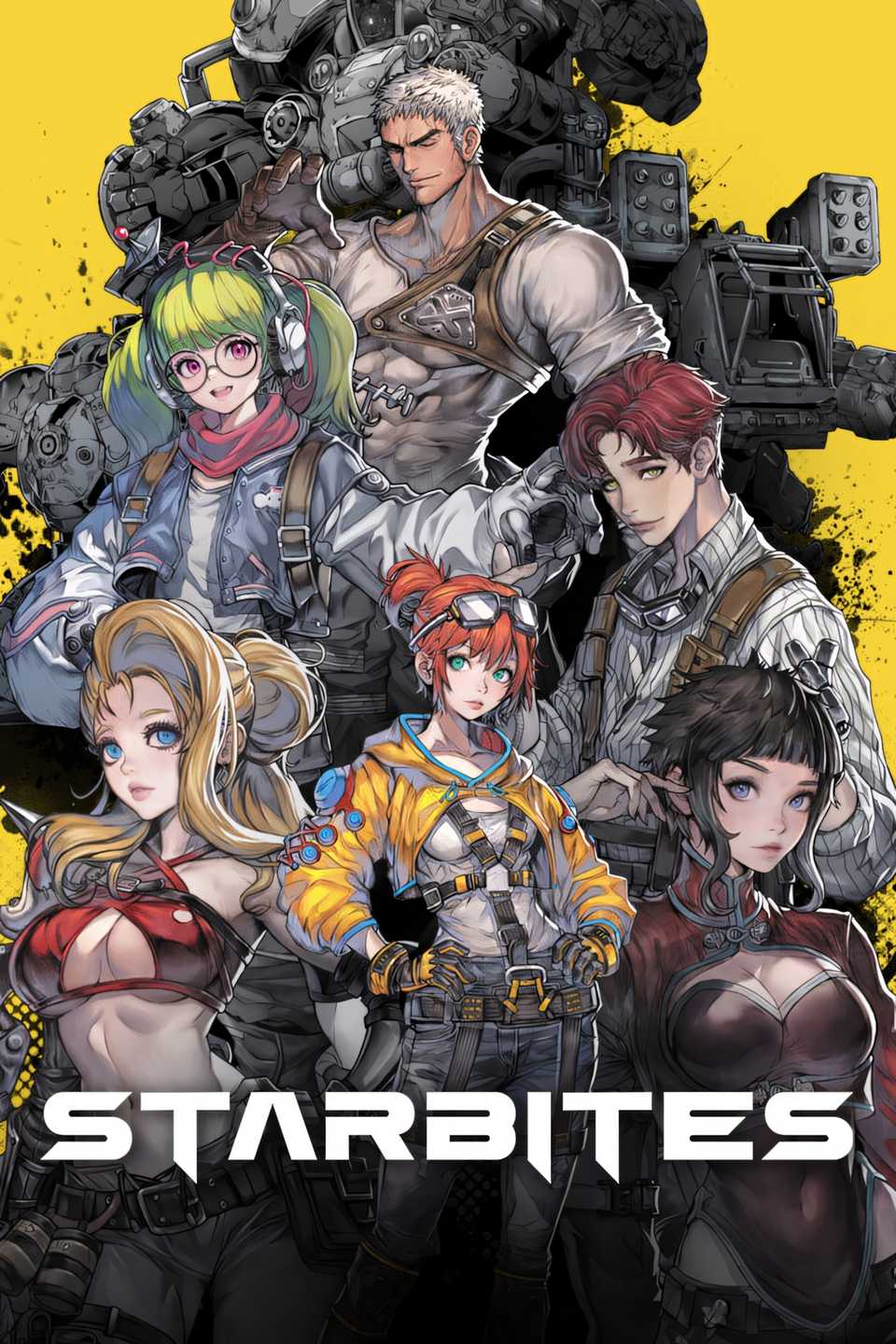
Lukida is, at first, accompanied by the patient engineer Badger and the alcoholic bounty hunter Gwendol. She knows a bit about her friends' pasts, and the game never intrudes to tell us their stories until later, doing so in a non-intrusive way that fits the narrative. There are other standout characters throughout the game, including more party members, all of whom are very charismatic and colorful, bringing an interesting authenticity and chemistry to the plot. The best part was seeing that the cast is composed of smart members who aren't blindsided for plot reasons and often acknowledge what is happening at the same time as the player.
The storytelling is pretty standard, following the format of first introducing the game world, the environment, and its denizens—trying to convince us or explain why we should care about what we're seeing—before presenting a central conflict and, eventually, a lore dump that tries to glue everything together. It's not groundbreaking, and no plot twist will leave you questioning the meaning of life. And despite some plot conveniences to avoid hindering future story beats, the script remains refreshingly coherent and satisfying, resulting in a suitable outcome.
Everything is also beautifully accompanied by impeccable character illustrations. While they differ slightly from the 3D models and I prefer the artwork version, both styles are admirable. The cutscenes, though few and brief, are well animated, and each character is really expressive, especially Lukida's, which is improved by some creative camera angles. The English dub is also top-notch, enriching and highlighting each character's exquisite personality even further.
...despite some plot conveniences to avoid hindering future story beats, the script remains refreshingly coherent and satisfying, resulting in a suitable outcome.
For those who dive deep into games, there is plenty of supplementary lore in documents scattered across the maps and even in item descriptions. A certain character's background is never revealed bluntly, but you can piece it together from story beats, NPC dialogues, and even the names of their skills. It worked marvelously for me because by the end of the game, I already understood what that character was all about, and anything else added would have been redundant. Script- and narrative-wise, Starbites is pretty solid, even if sci-fi fans can smell all the clichés coming from a gigabyte away.
The pacing isn't seamless, though, and as much as Starbites is already relatively short and sweet compared to many JRPGs, I believe it would have been possible to trim a few more hours from its runtime—either by reducing the number of enemies' encounters or even entirely removing sections in some regions or dungeons. Three times I thought I was heading toward the final confrontation because I knew what was at stake, only to find yet another dungeon. That script fat could have been pruned without altering the grand conflict.
 Related
Turn-based Battle Inspired by Turn-based JRPGs
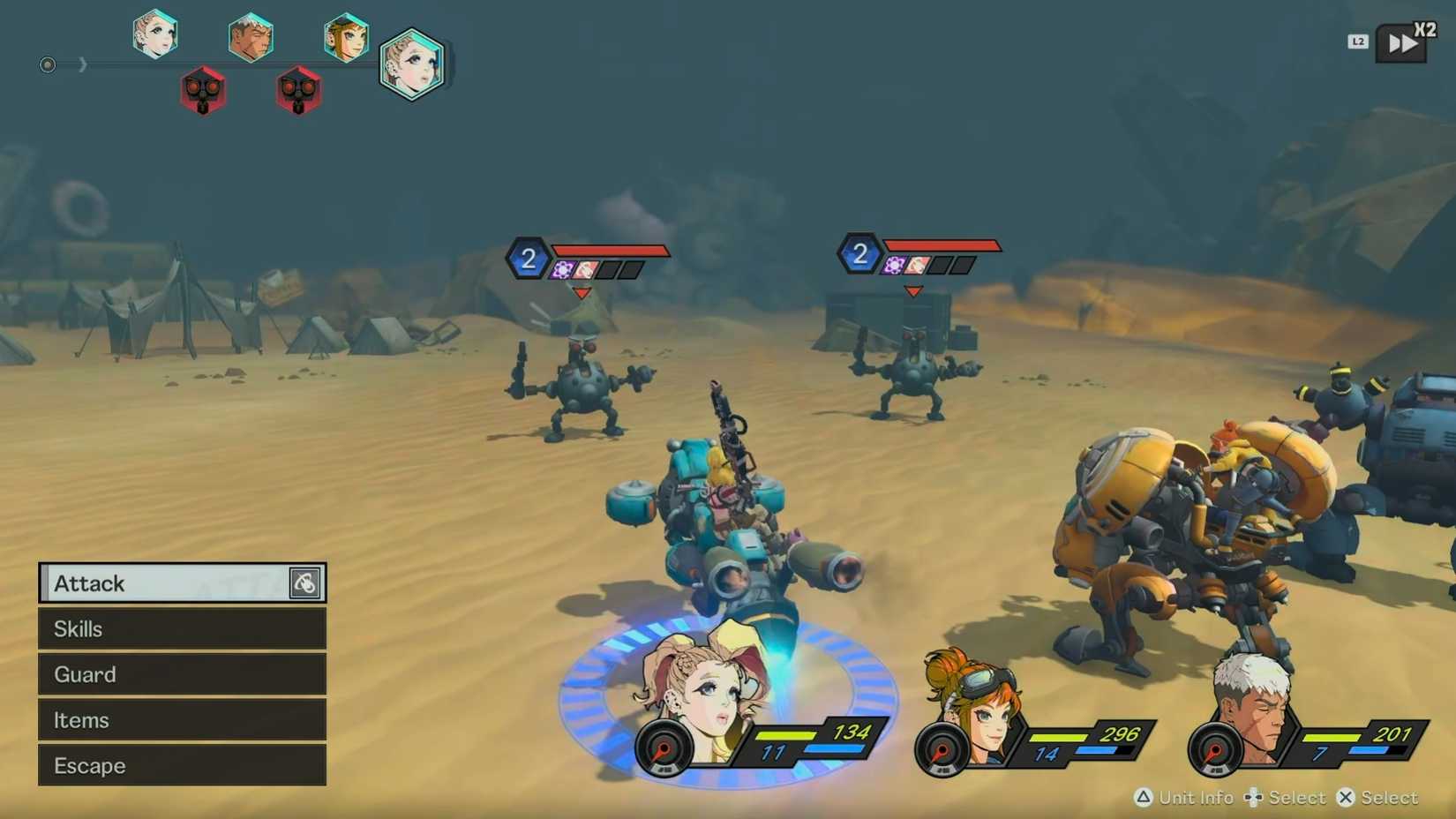
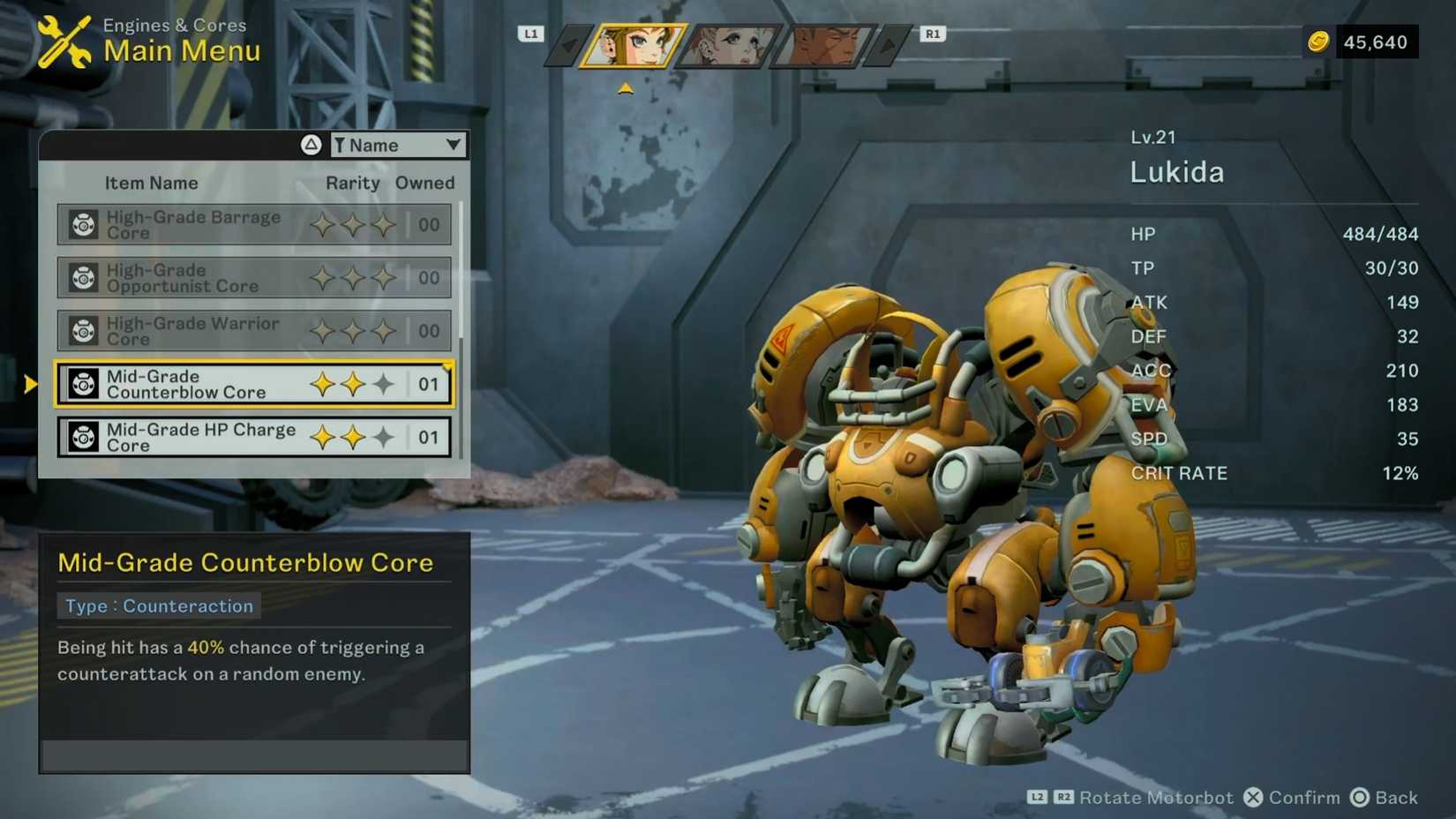
The combat in Starbites is the usual affair for turn-based games. Each character has their own Motorbot mech, and once we clash with enemies on the field, we transition to battle, where a timeline determines the order of combatants' turns. Each enemy presents certain weaknesses based on the type of attack inflicted, such as piercing, burn, or slash damage, and when their shield points are reduced, they are stunned for a turn—similar to what is seen in Octopath Traveler.
There is a crafting system in the game for producing accessories, but equipment generally works the traditional way. The devs and marketing never mentioned mecha customization, but for whatever reason, I assumed there would be, because, well, mechas. Mostly, it's just a few pieces of equipment that change the Motorbot's appearance, but that's it. Every party member can equip all available armor, except weapons, because each specializes in a specific type of weakness, with some abilities that include other types.
Starbites offers a tried-and-true formula, but that's why it works. You may have played one or two JRPGs in the past that reflect this exact gameplay style, and in case you haven't, it's pretty good. To mix things up, Starbites introduces the Driver's High mechanic: a gauge that, when full, can be activated at any time to grant a turn to a character instantly and allow the use of an empowered skill version, akin to Trails games' S-Crafts. I mean, "empowered" in theory, because there is a discrepancy concerning the talent tree.
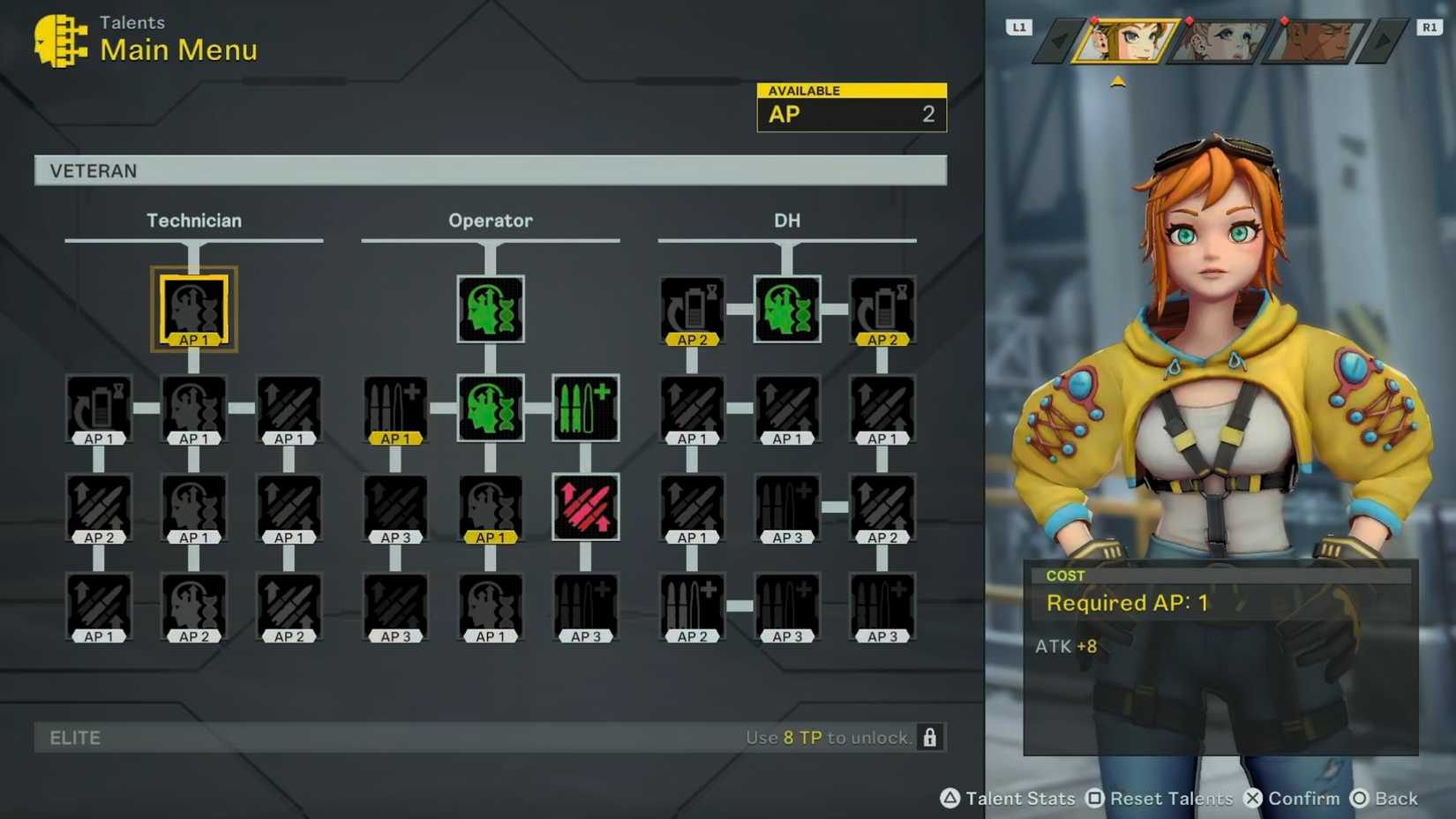
Upon leveling up, our characters learn new skills and also gain Talent Points that can be distributed in a talent tree to improve skills or gain extra stats. Each character has three trees, which basically boil down to Offensive, Support, and Driver's High. The problem is that if you evolve a skill in its base form, that bonus is not transferred to the Driver's High version of the same skill. If you want to improve the latter, you'll need to invest Talent Points in the respective Driver's High tree, which, to me, sounded like a really weird design choice and refrained me from applying points in the DH talent tree until I had no other option left.
Starbites offers a tried-and-true formula, but that's why it works. You may have played one or two JRPGs in the past that reflect this exact gameplay style, and in case you haven't, it's pretty good.
While the gameplay kept me somewhat entertained for the first 10 hours, it grew a bit stale in the second half. I've come to terms with the fact that many indie JRPGs will, somehow and at any given point, suffer from balancing oversights where our own party members' power creep way too fast. I loved hunting for enemies' weaknesses before scrapping them, and as I learned new skills or gained new party members, I kept swapping between them to test new strategies and spice up the gameplay. But ultimately, once I learned all the abilities and had considerably evolved my talent tree, I realized I had a surefire strategy I could spam to win almost every battle in the first turn—at most the second—and that was me playing on Hard difficulty, mind you.
All I needed to do was focus all my Talent on ATK and use every AoE skill possible with all three combatants, and voila, victory assured. This made Starbites' gameplay quickly repetitive, and in the latter half of the game, I was practically playing with my brain turned off. The only exception was boss battles, which required a more strategic approach and more conscious command choices, but bosses were so sparse that it hardly mattered. The first boss battle was around the 6-hour mark, and I honestly wished for more of them instead of the many fodder battles present around the world.
 Related
8 Sega Genesis JRPGs Still Trapped on Original Hardware
The Sega Genesis marked many beginnings, and some endings for these games.
Thematically Appropriate, but Superfluous Ambiance
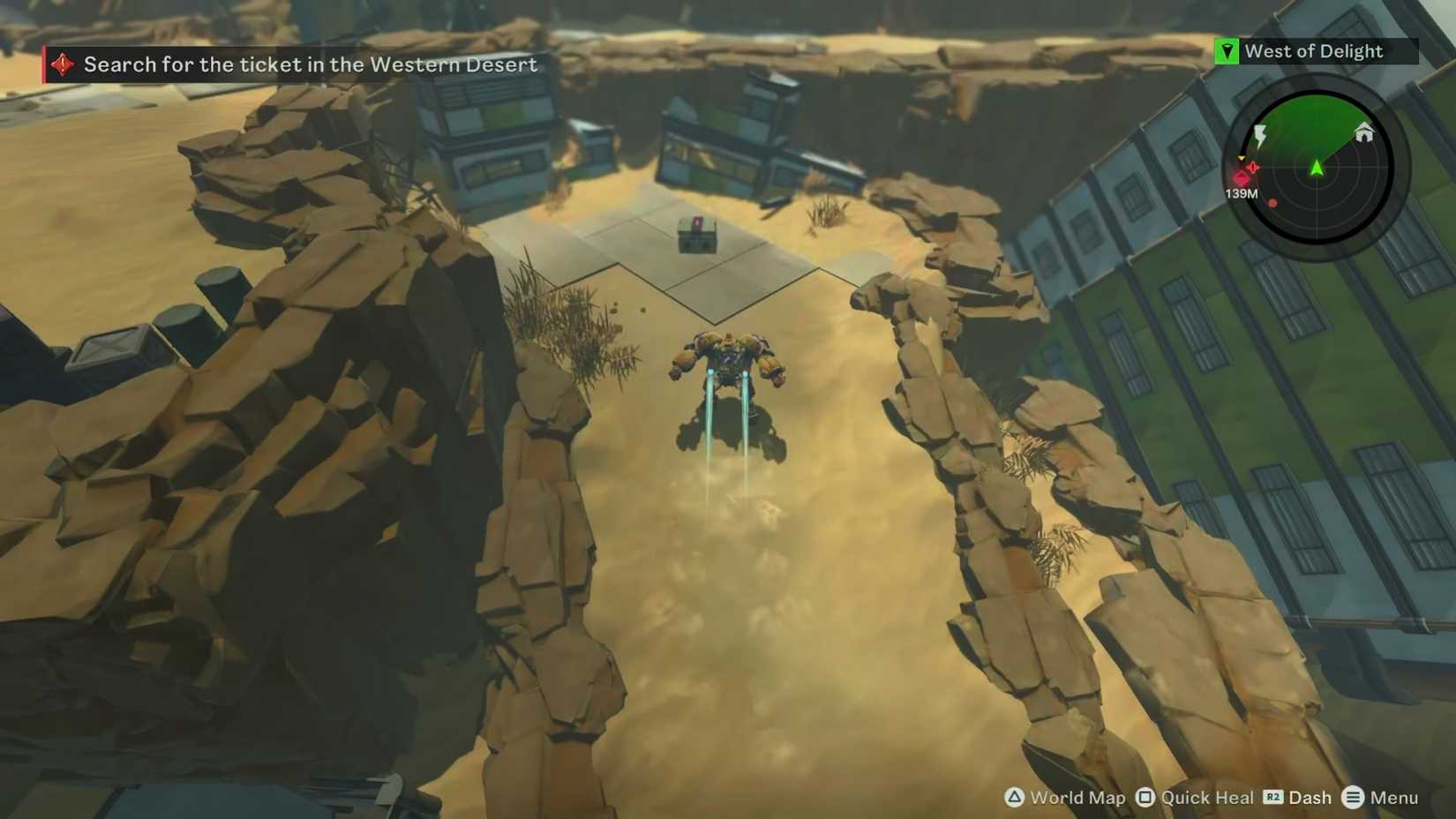
Bitter is a desert planet, which means most of the exploration revolves around desert areas with sand, debris, and more sand. I understand that it's thematically appropriate, but it gets a bit uninspired after a while. We do have a few different biomes now and then, but mostly, you'll be traveling via a top-down camera reminiscent of JRPGs overworlds from the 90s in many, many sandy regions, with a few scattered dungeons that have a plastic, mechanical appearance while scouring every corner for treasures, crafting materials, and maybe a puzzle or two.
For explorers, the rewards are impressive. Shops in town offer modest upgrades if you just make a beeline for the main objectives, but you only need to find one equipment chest in the wilds to see how Starbites loves to spoil players who take their time exploring. This is one of the reasons why most battles became way too straightforward, though. It wasn't uncommon to find a new weapon that would simply double my firepower instantly. However, if the alternative was boring items like consumables or materials, I don't mind getting overpowered due to my endless JRPG-bred curiosity.
Also, I just want to mention how much I love the scanner mechanic. With the press of a button, the UI shows the direction to the main quest, which means any bona fide JRPG fan knows you must avoid the correct path like the plague and explore every single room before taking it. So lovely. Starbites also offers some sidequests that discreetly build out the world a bit. Their tasks are the standard fetch, kill, and explore, but the rewards—like those found in chests—pay off, so I didn't mind doing them.
One of the things that made exploration a joy is the soundtrack. In an interview, Junho Bae, founder of Ikinagames, said the tracks were handled by Producer dk, and they rock. Every single piece of music fit the environment and brought the game to life as I explored this lifeless planet. Kudos to the boss tracks, which ranged from frantic electronic music to heavy guitar and drums, with that epic fantasy feel we love so much. All that was left was a Latin chorus, but I can forgive them.
However, while the music side of Starbites nailed it, the audio feedback and sound effects left much to be desired, especially in battles. There was no real weight behind some of the attacks, especially Gwendol's sniper shot, which felt like she was hitting enemies with rubber bullets. Some boss attacks also lacked SFX entirely, especially the last one, which made for a jarring final experience. The publisher did say there was a day-one patch awaiting us, so who knows? Hopefully, they will improve this aspect by launch day.
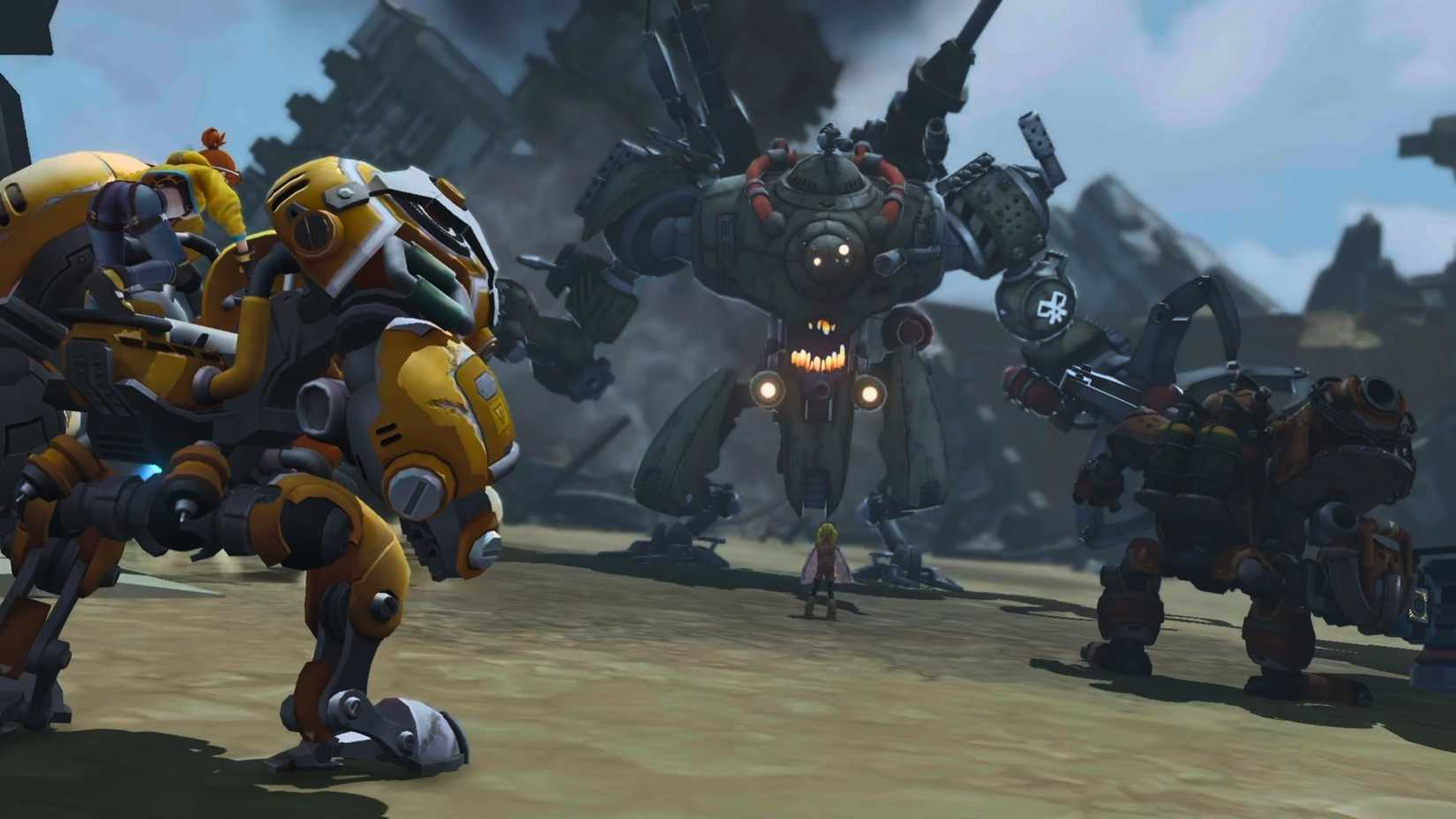
Starbites is that JRPG that stays true to its promise, delivering exactly what is on the tin. Its turn-based gameplay borrows some formulas and mechanics from other JRPGs, which may feel uninspired to some fans but can be a novelty to others. It's delightful in the first hours, but it can get a bit stale and repetitive by the second half. The narrative is solid, and the story is very coherent with everything presented, with great highlights given to the charismatic cast. Despite being only a 20-hour journey, it still suffers from pacing issues here and there. Overall, Starbites is a neat, straightforward experience for those who need a break from 100-hour JRPGs.
Systems


Released May 21, 2026
ESRB Teen / Language, Mild Blood, Suggestive Themes, Use of Alcohol, Violence
Developer(s) IKINAGAMES
Number of Players Single-player
Pros & Cons
- Narrative and story are satisfyingly coherent
- Characters are smart and have colorful personalities
- The English voice-over is top-notch
- Each party member feels unique in combat
- Battle gameplay gets stale after some hours
- Sound effects could have gotten some more love
- Desert ambiance is thematically appropriate, but a tad excessive
- A few bugs here and there, but none game-breaking
 Next
Next
10 Nintendo DS JRPGs Everyone Should Play At Least Once
The DS library is extraordinary and a little overwhelming. These ten are the JRPGs that belong in everyone's collection, no exceptions.



![ELDEN RING NIGHTREIGN: Deluxe Edition [FitGirl Repack]](https://i5.imageban.ru/out/2025/05/30/c2e3dcd3fc13fa43f3e4306eeea33a6f.jpg)
 English (US) ·