.png)
.png) 1 month ago
17
1 month ago
17

Published Jun 4, 2026, 11:09 PM EDT
Linda Güster is a Contributor at DualShockers and a German, UK-based gaming journalist specializing in video games, esports, industry analysis, features, lists, reviews, interviews, and news. She has been writing professionally since 2020 and began covering video games and esports in 2025, turning a lifelong passion into her professional focus.
Before joining DualShockers, Linda worked as content lead for Esports Insider DACH and The Escapist Magazine Germany. She previously worked in software engineering and digital media, giving her a strong technical background and the ability to explain complex systems clearly. Across her career, she has written thousands of news pieces and covered gaming culture, esports, technology, and broader industry developments.
Valve has announced that the Verified program is expanding to cover Steam Machine and Steam Frame, both of which are shipping this summer. The Steamworks documentation has been updated to reflect the new requirements, and the Partner Dashboard now includes testing tabs for both devices alongside the existing Steam Deck Verified section. Many titles have already been tested, and developers may already see results waiting for them.
 Related
DualShockers Heads to Summer Game Fest 2026
We head west to cover one of the biggest gaming events of 2026!
The timing makes sense. Both devices have been in the pipeline since Valve's surprise November 2025 hardware announcement, delayed somewhat by a global RAM and storage shortage that pushed back pricing and exact launch windows, but now firmly on course. Expanding the Verified program now gives developers and publishers the runway to understand where their titles stand before the hardware is in customers' hands.
What The Steam Machine Actually Brings to the Table
 Valve
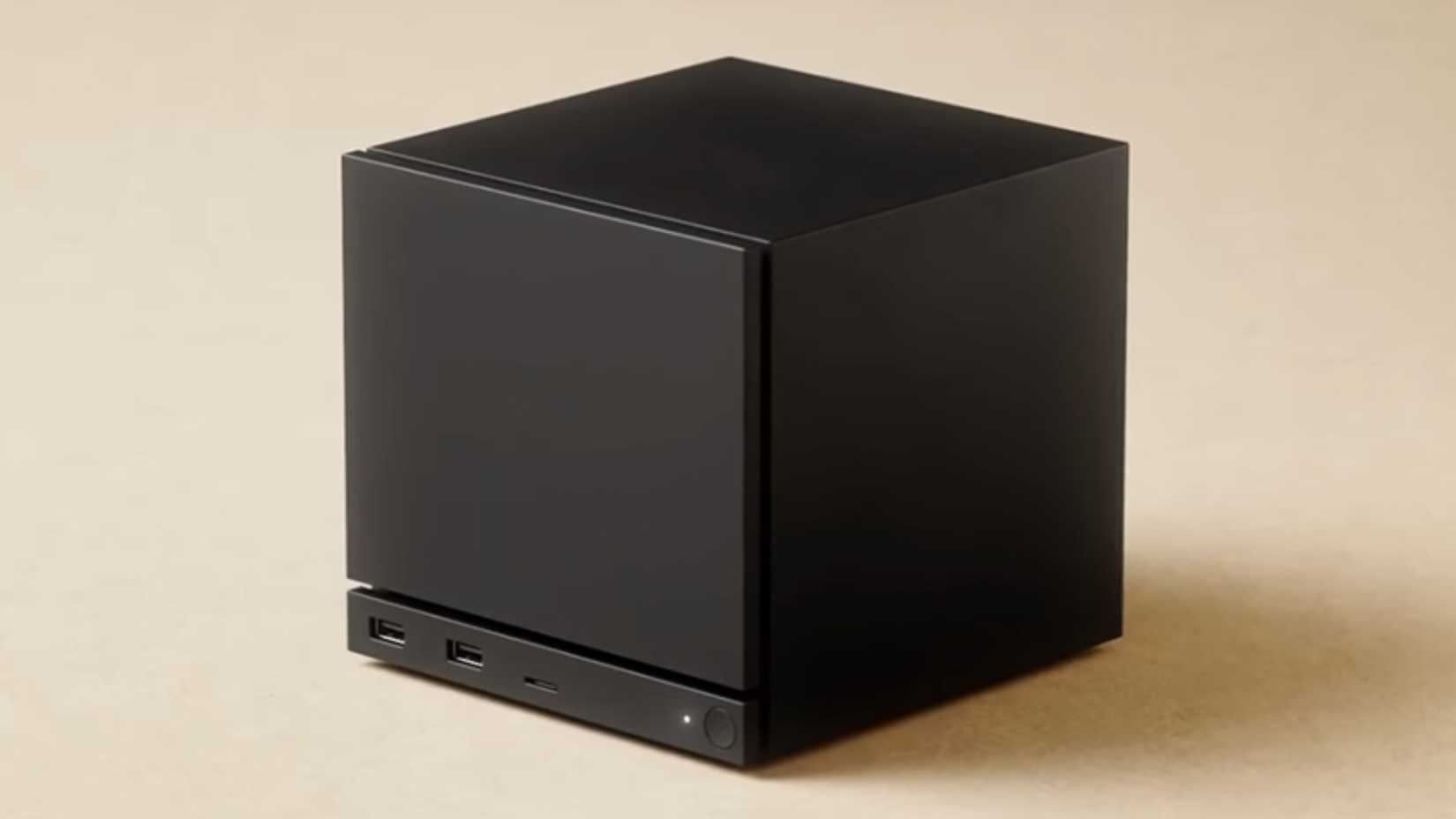
ValveFor anyone who has not been following closely, Steam Machine is not a revival of the 2015 licensing program where various manufacturers produced their own living room PCs under the Steam brand. This is a Valve-built device, developed entirely in-house, designed to sit under your TV and play your Steam library from the couch.
Under the hood, it runs a semi-custom AMD chip with six Zen 4 cores, an RDNA 3 GPU, 16GB of DDR5 RAM, and up to 2TB of storage. Valve is targeting 4K at 60fps using AMD FSR upscaling, with native performance available in lighter titles. The device is reportedly around six times as powerful as a Steam Deck, which is a meaningful gap. It runs SteamOS, the same Linux-based operating system as the Deck, and uses Proton – Valve's Windows compatibility layer – to run titles without native Linux builds.
The compact design has already picked up the nickname "The Gabe Cube" online, and Valve is leaning into the customizability angle: CAD files will be released so players can 3D-print their own front panels. It is an interesting device, and the living room angle it targets is one that the Steam Deck, for all its success, was never really designed for.
What Steam Machine Verified Means
 Valve
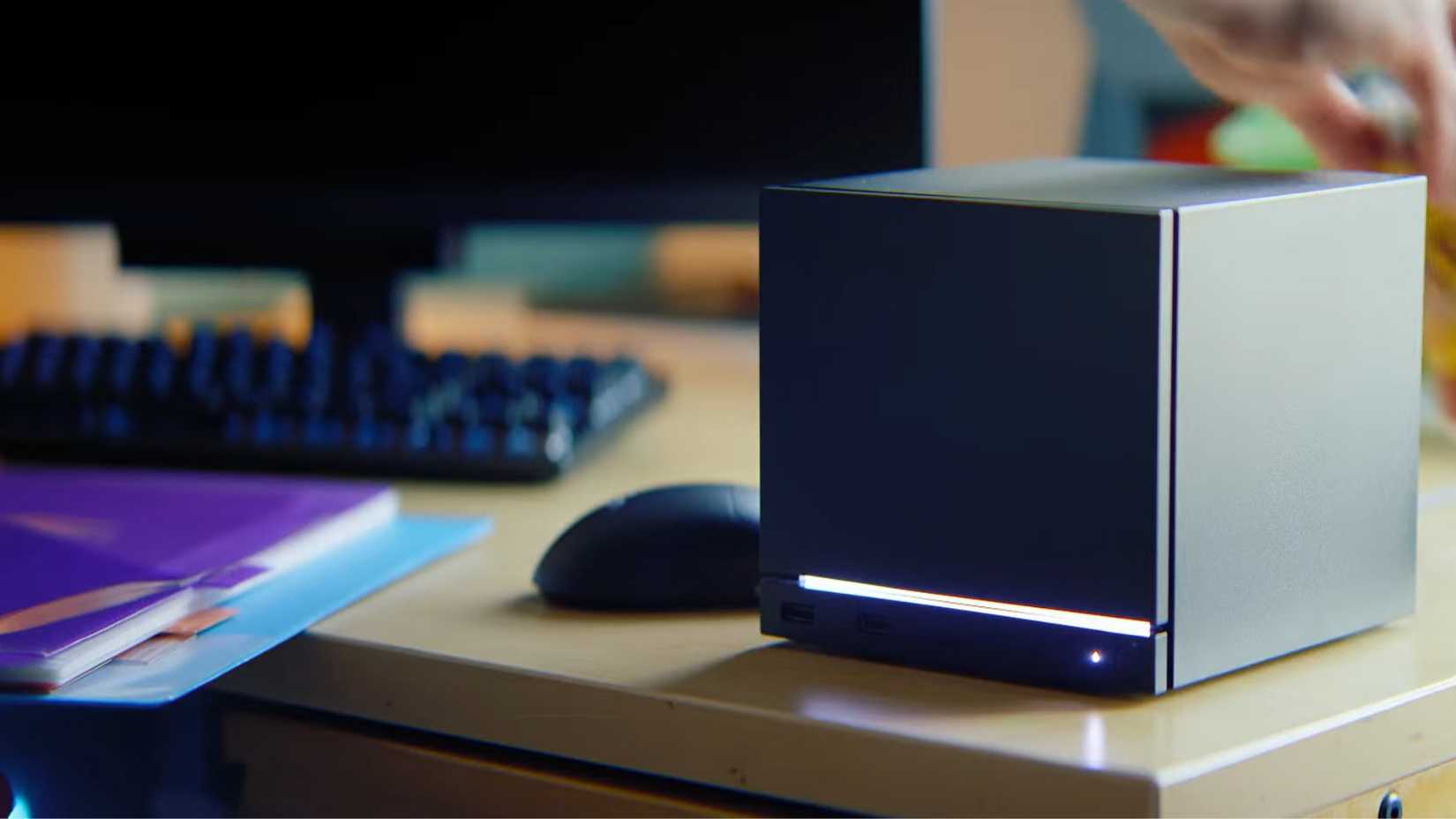
ValveThis is the part that will matter most to developers, and Valve has made the barrier to entry about as low as it could. The requirements for Steam Machine Verified are nearly identical to Steam Deck Verified, covering the same core pillars: does the default controller configuration work out of the box, do the default graphical settings perform well, and does the game avoid showing Linux or GPU incompatibility warnings to the player.
Many titles have already been tested, and developers may already see results waiting for them.
The practical implication Valve spells out directly: if your game already runs well on Deck, it will run well on Machine without any additional work. The performance headroom is considerably larger on Machine, so titles that fell below Steam Deck's performance thresholds purely due to CPU or GPU limitations may well clear them on Machine without any changes at all. Valve has already started testing those titles automatically, so developers in that position do not need to do anything proactively – the results will appear in the dashboard.
It is a well-considered approach. The tens of thousands of titles that have already gone through Deck Verified give both developers and customers a familiar reference point, and the additional testing burden for most developers is effectively zero.
 Related
Valve Fans Will Literally Buy Anything As Expensive Steam Controller Instantly Sells Out
Valve's Steam Controller might be way too expensive for what it does, but that hasn't stopped fans from buying them all as soon as it went on sale.
Steam Frame and the Standalone Mode
 Valve
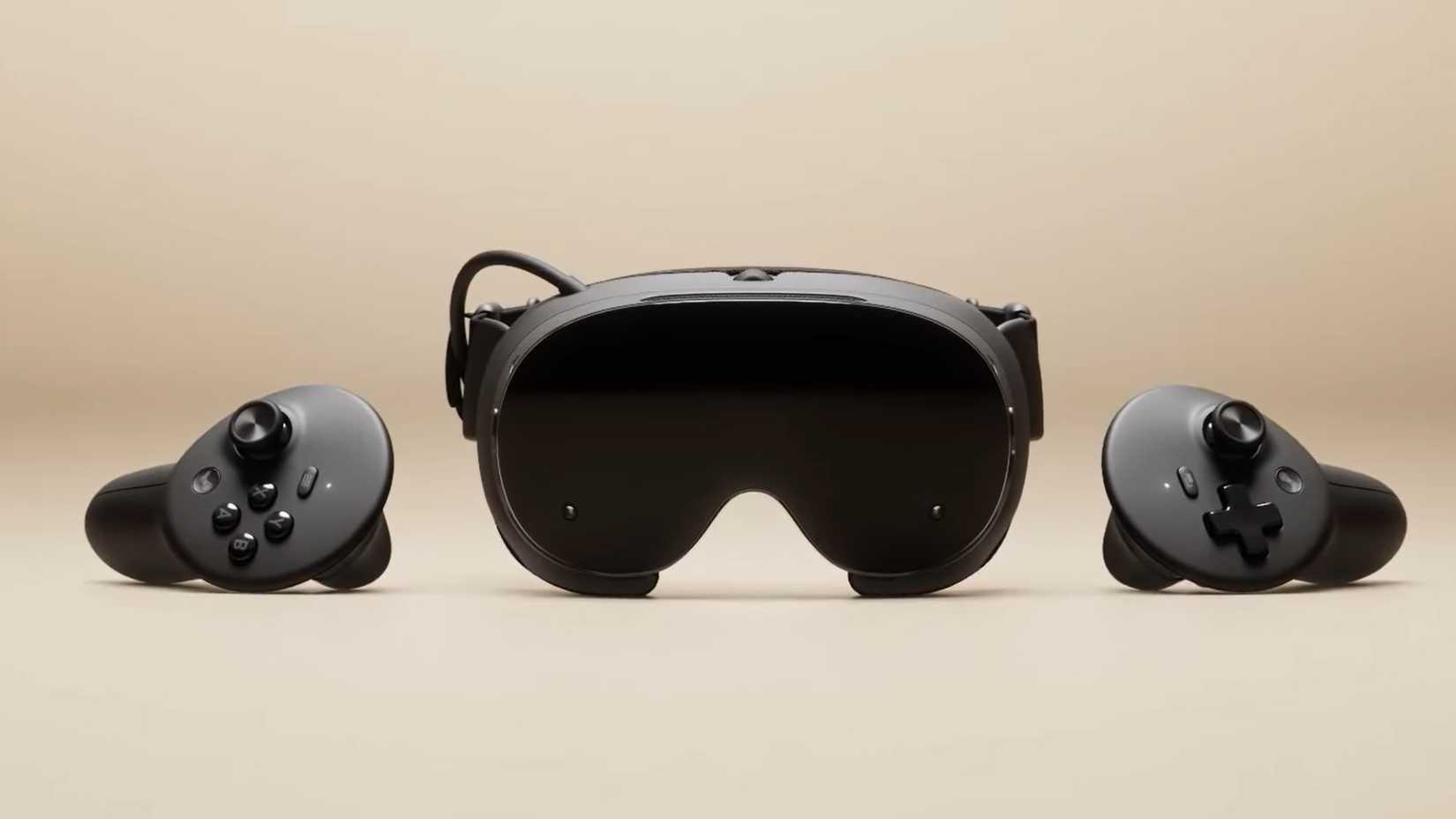
ValveSteam Frame is a more interesting and more complicated device. Primarily designed as a high-quality streaming headset for PC VR, it is built around a streaming-first architecture with a dedicated Wi-Fi 6E adapter that creates a direct low-latency wireless link to your PC or Steam Machine. That is its main use case and clearly where Valve expects most serious VR gaming to happen.
But it is also a full standalone device. Running on a Qualcomm Snapdragon 8 Gen 3, with 16GB of LPDDR5X RAM and storage options up to 1TB, the headset runs SteamOS natively and can play games entirely on the headset with no PC connection required. The displays are dual 2160x2160 LCD panels per eye, with refresh rates up to 144Hz in an experimental mode. At 440 grams total – 185 grams for the core unit alone – it is notably lightweight. It supports both VR and standard flatscreen titles in standalone mode, and Android apps are fully supported alongside Linux and Proton-compatible Windows games.
The honest asterisk on standalone is battery life, which sits at roughly one hour in standalone mode. The Snapdragon 8 Gen 3 draws around 20 watts at full power, and the 21.6Wh battery simply cannot sustain that for long. In streaming mode, where the chip is decoding video rather than running the game, the picture improves considerably. Valve clearly designed standalone as a secondary use case rather than the primary one, and the battery life reflects that.
What Steam Frame Standalone Verified Requires
 Valve
ValveThe Steam Frame Standalone Verified program covers both VR and non-VR titles. Performance requirements are tiered: 2D titles need to run at 30fps at 1280x720, while VR titles need 72fps at 1728x1728 as a minimum baseline. VR titles running below 1440x1440 resolution will show as Unsupported rather than Verified or Playable. Games that meet some but not all criteria in a category will show as Playable rather than Verified.
Beyond performance, the requirements cover controller support for Steam Frame Controllers, appropriate controller glyphs, no device compatibility warnings, and full launcher compatibility if a launcher is present. For VR titles specifically, games that render individual controller models need to display the Steam Frame controllers.
Valve has added a new Performance Metrics Overlay to SteamVR to help developers check their numbers ahead of submitting for verification, which is a practical addition given the tighter performance constraints of standalone hardware.
The Partner Dashboard Update
 Valve
ValveThe Partner Dashboard now shows new Verified test tabs for both Steam Machine and Steam Frame alongside the existing Steam Deck Verified results. Testing has already begun across the catalog, and many developers will find results waiting for them today. The Steamworks documentation has been updated with full optimization guidance, verification requirements, and development best practices for both devices.
Both devices shipping this summer means the window for developers to act on any results they do not like is narrowing. Most titles that already cleared Steam Deck Verified will find themselves in a good position without any additional work. For everything else, the documentation is there, and the dashboard now shows you exactly where you stand.
 Next:
Next:
10 Short Video Games That Leave You Wanting More
These games may be short, but they make up for it with their impact.

Brand Valve
Original Release Date September 12, 2003








![ELDEN RING NIGHTREIGN: Deluxe Edition [FitGirl Repack]](https://i5.imageban.ru/out/2025/05/30/c2e3dcd3fc13fa43f3e4306eeea33a6f.jpg)
 English (US) ·